
Wilson Staff Model X review: America's oldest golf company makes the ball nobody plays
Wilson has been making golf equipment in Chicago since 1914 and claims more majors have been won with its irons than any other brand's — yet its tour ball is invisible next to the wall of Titleist. The Staff Model X won a major 2026 robot test outright, costs meaningfully less than the big premiums, and deserves far better than obscurity.
By Tom Whitaker · Staff Writer
The verdict
Excellent
What's great
- Won Today's Golfer's 2026 robot ball test outright — the only ball to take an award in every category
- Genuine four-piece cast-urethane tour construction at a clear saving on the big-name premiums
- Mid-high, penetrating flight with a softer 2026 feel than the previous generation
Watch out
- Not a true low-spin ball — spin-sensitive fast swingers chasing minimum driver spin may prefer something firmer
- Slower, smoother swings won't compress it and should look at softer balls instead
- Zero playground cachet: nobody in your fourball will validate the choice
Bottom line — The smartest dozen in golf right now — genuine tour-level performance across the board for players with the speed to use it, at a price the big names can't match.
Wilson
Wilson Staff Model X Golf Balls (2026, Dozen)
ifrothgolf earns a commission on purchases made through these links, at no extra cost to you. It never changes what I recommend. Full disclosure.
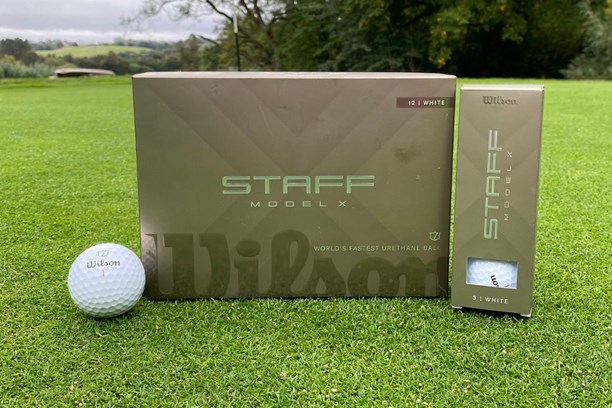
The best-value tour ball in golf right now is one almost nobody plays. The Wilson Staff Model X is a genuine four-piece, cast-urethane tour ball that won Today's Golfer's 2026 robot test outright — the only ball to take an award in every single category — and it sells for around $70 a dozen, comfortably under the big-name premiums. Buy it if you swing with real speed and want premium performance without premium-ball pricing. That's the verdict; the more interesting question is why you've never seen one in the wild. And the timing writes itself: this Saturday, America turns 250, and Wilson — founded in Chicago in 1914 — is America's oldest surviving golf-equipment maker, the company that claims more major championships have been won with its irons than with any other brand's. The most decorated name in American golf hardware can't get a game in the ball aisle. That's worth unpicking.
What the X actually means
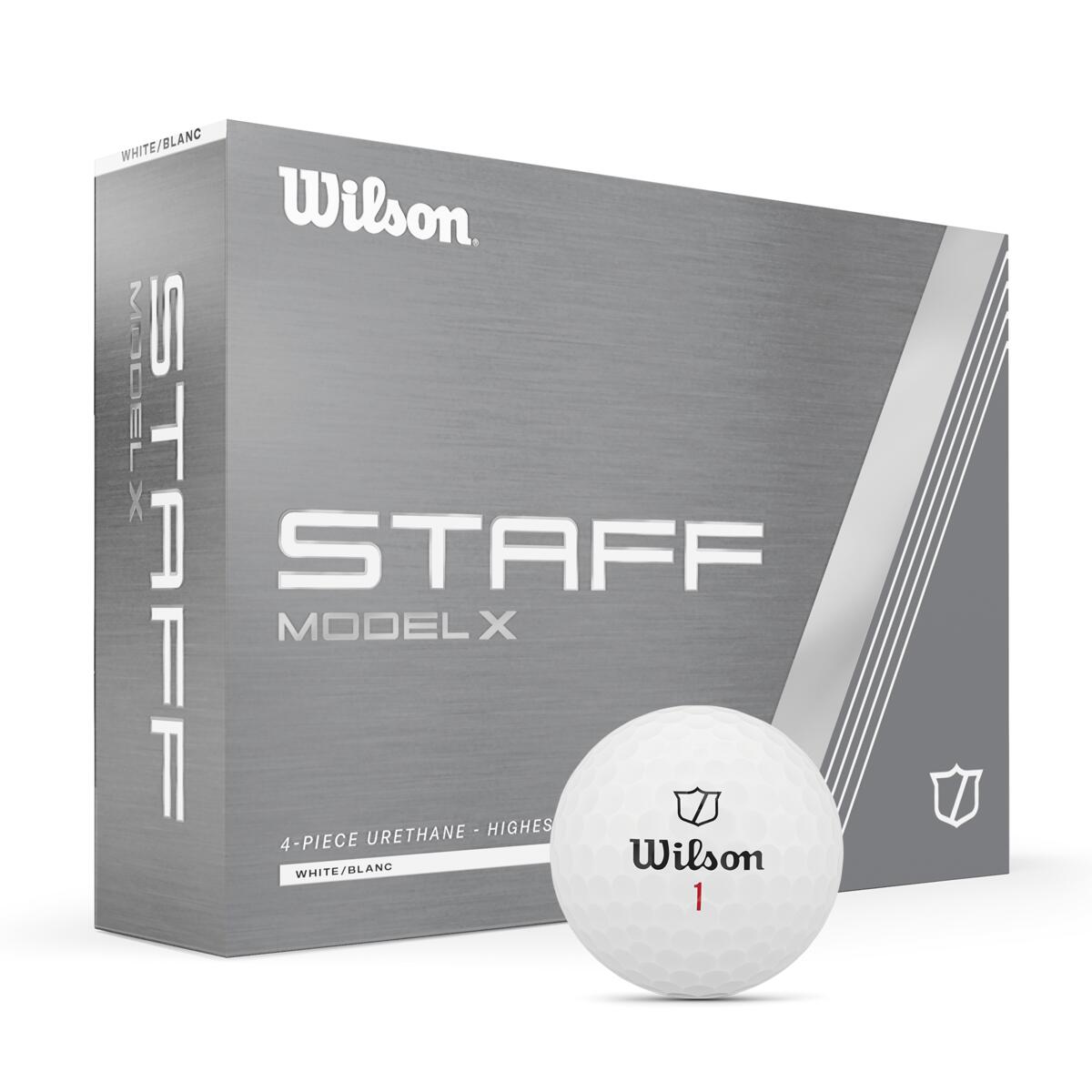
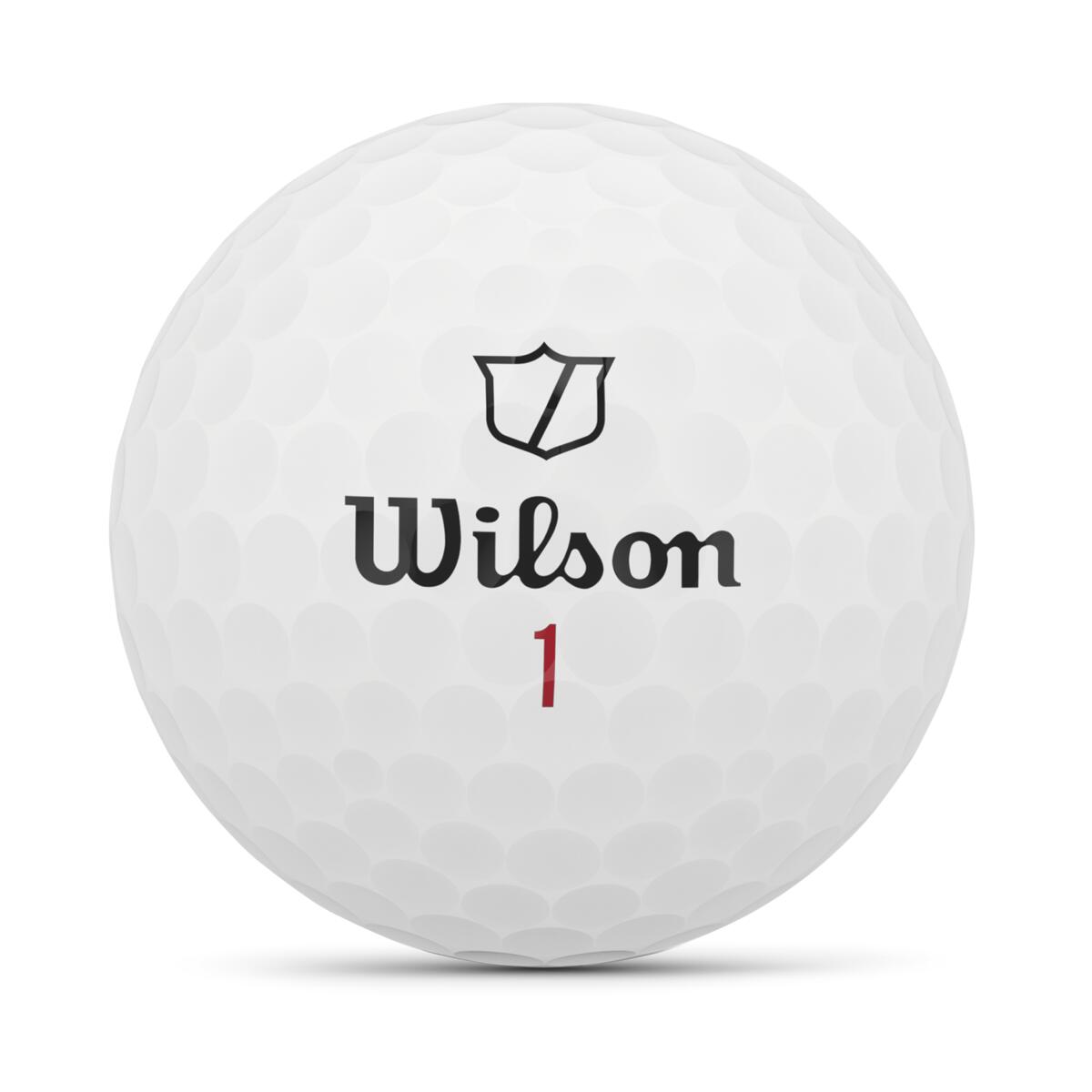
Ball names are a swamp, so here's the plain version. Within Wilson's Staff Model family, the X is the firmer option: lower spin off the driver than the standard Staff Model, with a flight built to penetrate rather than balloon. It's aimed at faster swings — players who generate plenty of their own spin and want the ball to take some of it off the tee, not add more. The 2026 overhaul kept that character but softened the feel noticeably compared with the previous generation, wrapped around a four-piece construction with a cast urethane cover and a 362-dimple seamless pattern. One honest clarification, because the letter X invites assumptions: this is not an ultra-low-spin ball in the mould of the most extreme tour offerings. It sits in the firm, fast lane of the premium category without living at the outer edge of it. For most quick swingers, that's exactly where you want to be.
The robot test Titleist didn't win
The reason this ball belongs on your radar is a published result, not a hunch. In Today's Golfer's 2026 robot ball test, the overhauled Staff Model X won outright — and, more tellingly, it was the only ball in the field to earn an award in every category. That second detail is the one to dwell on. Plenty of balls can top a single metric; a distance-first ball can buy its headline number by giving up greenside bite, and a spin monster can bleed yards off the tee. What the robot data describes here is balance: strong everywhere, weak nowhere, tee to green. For a real golfer choosing one ball to play all season, that balanced profile is worth more than any single category win, because you don't get to choose which shot matters next. It's also the profile that's hardest to fake with marketing: a robot doesn't care whose logo is on the sleeve, and across the full battery of tests — driver, irons, wedges, greenside — the unfashionable ball from Chicago beat the field that outsells it many times over.
Why nobody's mate plays it
So why is it invisible? Because the ball aisle runs on social proof, and social proof runs on tour visibility. Titleist has spent decades making the Pro V1 the default answer to a question most golfers never actually ask, and the surest way a club golfer picks a ball is that somebody better than them plays it. Nobody's mate plays the Staff Model X, so nobody plays the Staff Model X — a loop with no exit. The irony is thick enough to spread: this is the company whose irons have won more majors than anyone's, one of the great names of American golf, reduced to gatecrasher status in the one category where performance is most measurable. But the loop is also exactly where the value lives. You are not paying for a tour-seeding operation or a century of ball-aisle marketing. You're paying for the ball.
Feel, flight and the honest catches
In the hand and off the face, the 2026 ball is softer than the old Staff Model X, though it still sits on the firm side of the premium spectrum — players who love a fast, solid sensation will be at home, and committed soft-ball devotees won't be. The flight is mid-high and penetrating, a useful shape when summer breezes get up. The catches are real but specific. It isn't a true low-spin ball, so the small tribe of very fast, spin-sensitive players chasing absolute minimum driver spin may still prefer something firmer at the extreme end of the category. There's no tour cachet, which costs you nothing on the course and something at the bar. And because demand is thinner than for the big names, it's a ball you order rather than grab from the pro shop on the way to the tee.
Who should buy it — and who should skip it
Buy it if you're a better player with genuine swing speed who wants tour-calibre performance — urethane cover, real greenside spin, a strong flight — without paying the full premium-ball toll. It's also the rational pick for the golfer who loses a sleeve a round and winces at doing so with dearer balls. Skip it if your swing is slower or smoother: you won't compress a firm four-piece ball properly, and a softer, lower-compression model will feel better and perform better for you. Skip it too if soft feel is the thing you prize above all else — the premium category has balls built specifically for you, and this isn't one of them. Everyone else should ask the awkward question this Fourth of July: if the robot can't tell the difference in Titleist's favour, what exactly is the extra money buying? See how it stacks up against the field in our best premium golf balls guide, or browse everything we've written on golf balls.
Where to buy
8.6/10Wilson
Wilson Staff Model X Golf Balls (2026, Dozen)
The value ball that won 2026's robot test outright.
ifrothgolf earns a commission on purchases made through these links, at no extra cost to you. It never changes what I recommend. Full disclosure.
Frequently asked
- What is the difference between the Wilson Staff Model and the Staff Model X?
- The X is the firmer of the pair, with lower spin off the driver and a more penetrating flight, aimed at faster swings. The standard Staff Model is softer with a touch more spin, suiting players who prioritise feel and greenside workability over a stronger ball flight.
- Is the Wilson Staff Model X a real tour ball?
- Yes. It is a four-piece ball with a cast urethane cover — the same fundamental construction as the established premium tour balls — and it won Today's Golfer's 2026 robot ball test outright, earning an award in every category tested.
- What swing speed do you need for the Wilson Staff Model X?
- It is built for faster swings that can compress a firm four-piece ball. There is no strict cutoff, but if your driver swing is on the slower or smoother side you will get better feel and performance from a softer, lower-compression ball instead.
- Is the Wilson Staff Model X as good as a Titleist Pro V1?
- In published robot testing the 2026 Staff Model X outperformed the field overall, and it costs meaningfully less than the big-name premiums. The Pro V1 remains the benchmark all-rounder with softer feel and unmatched tour pedigree, but on measurable performance the Wilson genuinely belongs in the same conversation.
- Why do so few golfers play Wilson golf balls?
- Visibility, not performance. The premium ball market runs on tour presence and word of mouth, where Titleist dominates. Wilson has a longer equipment heritage than any surviving American maker — its irons have won a famous haul of majors — but its balls have never had the same marketing machine behind them.
Read next
Review
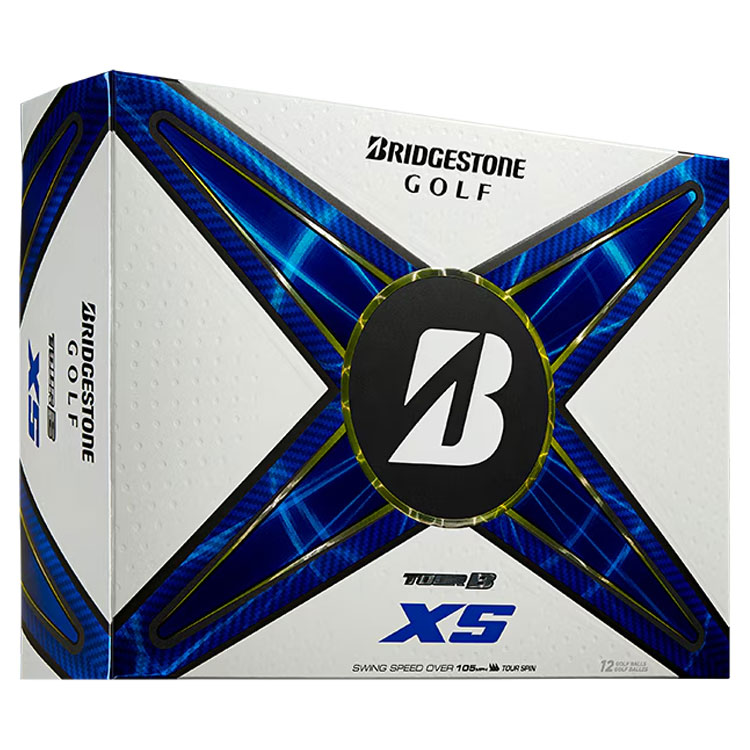
8.3/10Bridgestone Tour B XS review: the soft-feel tour ball for fast swingers
A three-piece urethane tour ball built around Bridgestone's fastest staffers, at the soft, spinny end of the line. Who should play it over a Pro V1 or TP5?
Review
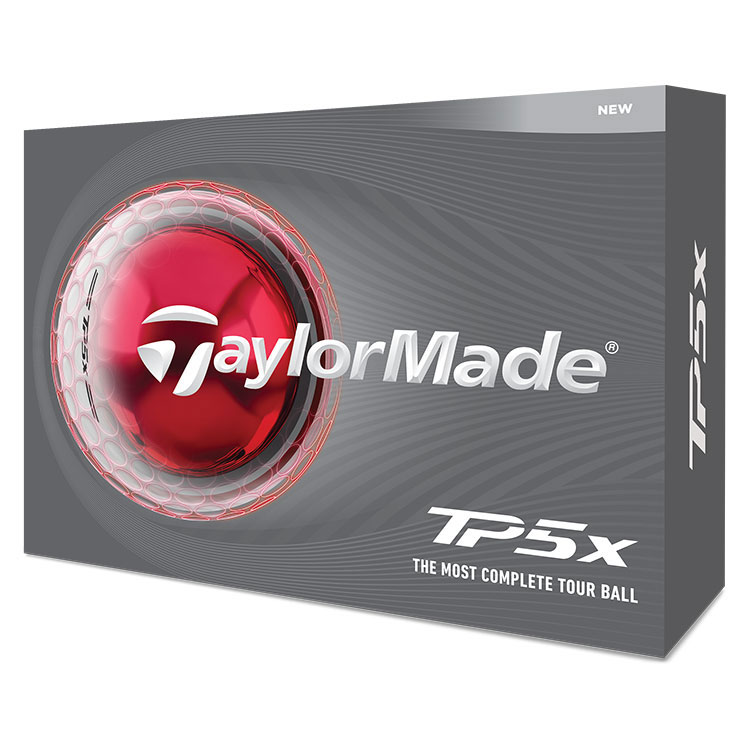
8.4/10TaylorMade TP5x review: the faster, firmer sibling — and who it's really for
Same five-layer tour pedigree as the TP5, tuned for speed and a flatter flight. The question isn't whether it's good — it's whether you're the swing it was built for.
Versus
Titleist Pro V1 vs TaylorMade TP5: which tour ball actually fits your game?
The two balls tour players genuinely cross-shop, and the difference isn't distance — off the tee they're within a yard of each other. It's feel, flight and greenside spin, and most golfers pick on the badge instead. Here's how to choose on the thing that matters.