
Stop buying premium balls if you lose three a round
The Pro V1 is a magnificent golf ball. It is also a waste of your money if it spends half its life in the trees. The honest maths.
By Ben Marsden · Reviews Editor
 Opinion
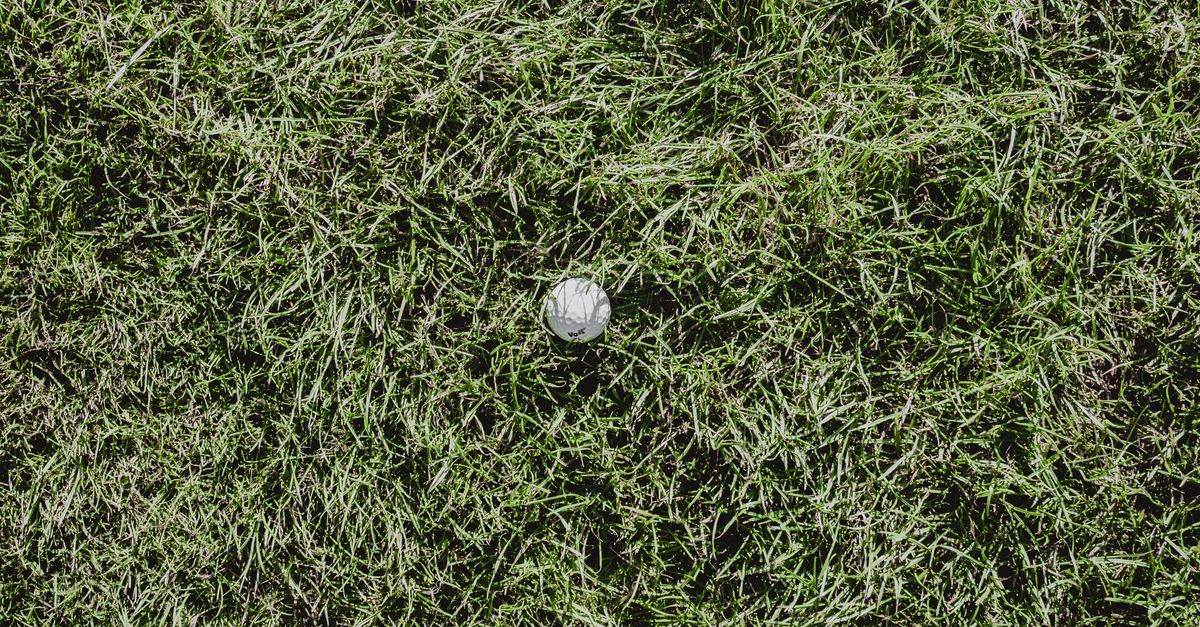
Fished out of the pond on the 4th, a Pro V1 is just a more expensive noise.
That is the whole argument, but let me make it properly, because the Titleist Pro V1 is a magnificent golf ball and I am not going to pretend otherwise. It is magnificent at a job most of us cannot give it. Premium spin you cannot access is not a luxury. It is a tax on optimism.
The season sum nobody does
A dozen tour balls runs the thick end of $60. A dozen Titleist TruFeel is around $30. Now do the arithmetic honestly. Lose three a round across thirty rounds and that is ninety balls, call it eight dozen. At premium prices you have put roughly $500 into your golf bag, a good chunk of which is currently sitting at the bottom of ponds and buried in gorse. Swap to a value dozen and that bill roughly halves, and the half you keep is a real lesson, a new wedge, or the fitting that would actually lower your scores.
What the premium actually buys
One thing. Greenside spin, the bite that grabs the grooves on a wedge and stops the ball near the flag. The soft cast-urethane cover genuinely does it better than a firmer ionomer cover, and for a player who can use that control it is worth every penny. But it is the only meaningful thing it buys, because the distance gap has closed to a yard or two off the driver in large robot tests.
And here is the part the marketing does not dwell on. That spin needs clubhead speed and clean, centred contact to show up at all. Off the tee, the same extra spin works against you, exaggerating a slice or a hook and sending a mis-hit further into trouble. So for a lot of golfers the premium is not merely wasted. It is a rounding error of greenside benefit you cannot reach, bolted onto a tee-shot penalty you can feel.
The confidence objection, taken seriously
Plenty of golfers say that playing a Pro V1 makes them stand over the ball feeling like a player, and that this is worth something. It might be. Just be clear about what you are buying, because that is a psychological premium and not a performance one, and there are cheaper ways to feel good over a golf shot than throwing the expensive ones into water. Most golfers who reach for premium for the confidence would get more of it from knowing they are playing the same ball every hole and actually knowing their yardages. Confidence built on consistency is free. Confidence built on a logo is $60 a dozen.
Who gets to ignore all of this
Low single-figure players who flight their irons and spin wedges on purpose. Go and play the best premium ball you can and disregard every word above. You strike it cleanly enough and fast enough to access the spin, your dispersion is tight enough that you are not feeding the trees, and the control around the greens is the difference between a tap-in and a ten-footer. This was never snobbery in reverse. It is matching the ball to the game, and your game has earned it.
What everyone else should do
Pick one good value ball and commit to it for the season. A soft, low-spin TruFeel or the ultra-low-compression Supersoft, around 38 compression and built so a moderate swing can genuinely compress it, will fly straight off the tee and feel lovely around the greens. If you want urethane spin without the price, the Kirkland Signature cleared 6,000rpm of short-game spin in independent testing for a fraction of a Pro V1. Whichever you pick, buy it by the dozen and play it every hole. Playing one ball all season does more for your scores than playing what the pros play and switching every time you find a stray in the rough.
Spend the difference
This is the part that should actually change your mind, because the saving is not abstract. Halve your ball spend across a season and you have freed up the cost of a genuine lesson with a PGA pro, which is the highest-return purchase available to an amateur and the thing that fixes the tee shots leaking you real strokes. Or it is most of a wedge fitting, or a few sessions learning your true carry numbers. Every one of those does more for your handicap than greenside spin you could not access anyway. You are not buying a cheaper ball. You are buying a lesson with the difference.
The bottom line
Premium balls are not a con. They are a brilliant product aimed at a player who is probably not you. Match the ball to your game, commit to one model all season, and put the savings somewhere that will actually drop a shot. The value field is in our best value golf balls guide.
Products mentioned in this article
Titleist
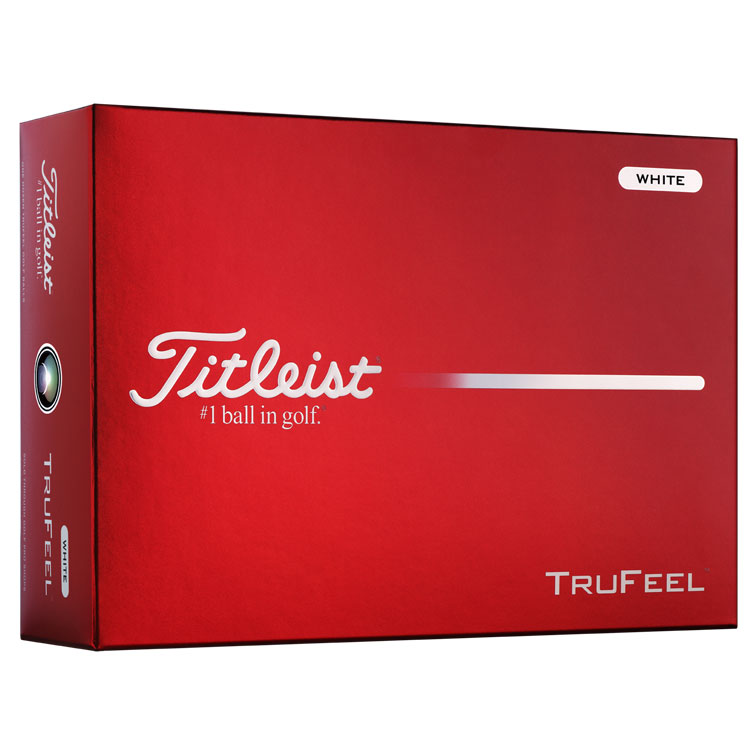
Titleist TruFeel Golf Balls
Soft, low-spin and brilliant value — the smart everyday ball for most of us.
Callaway
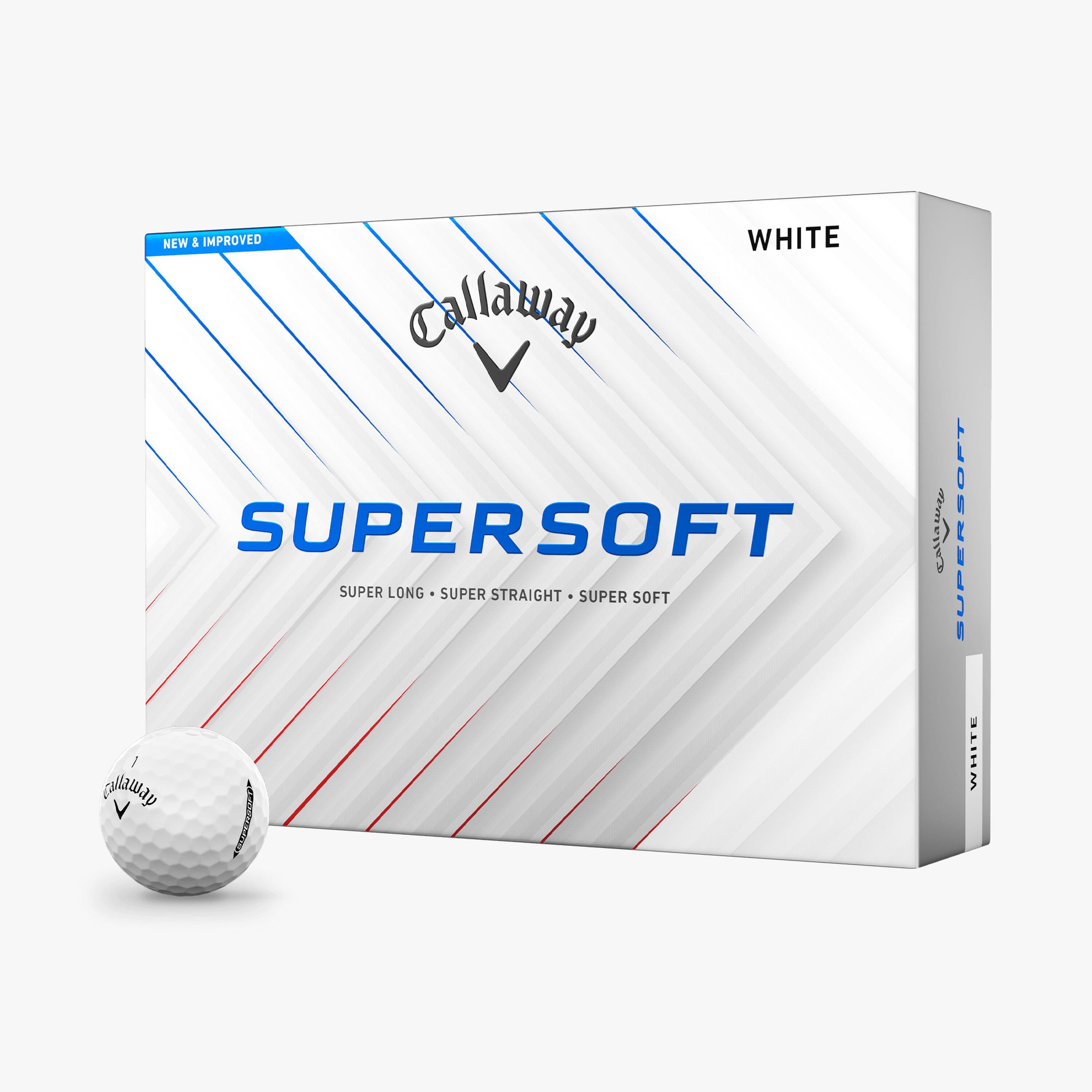
Callaway Supersoft Golf Balls (Dozen)
Max distance and forgiveness for slower swings, for pennies a round.
Srixon
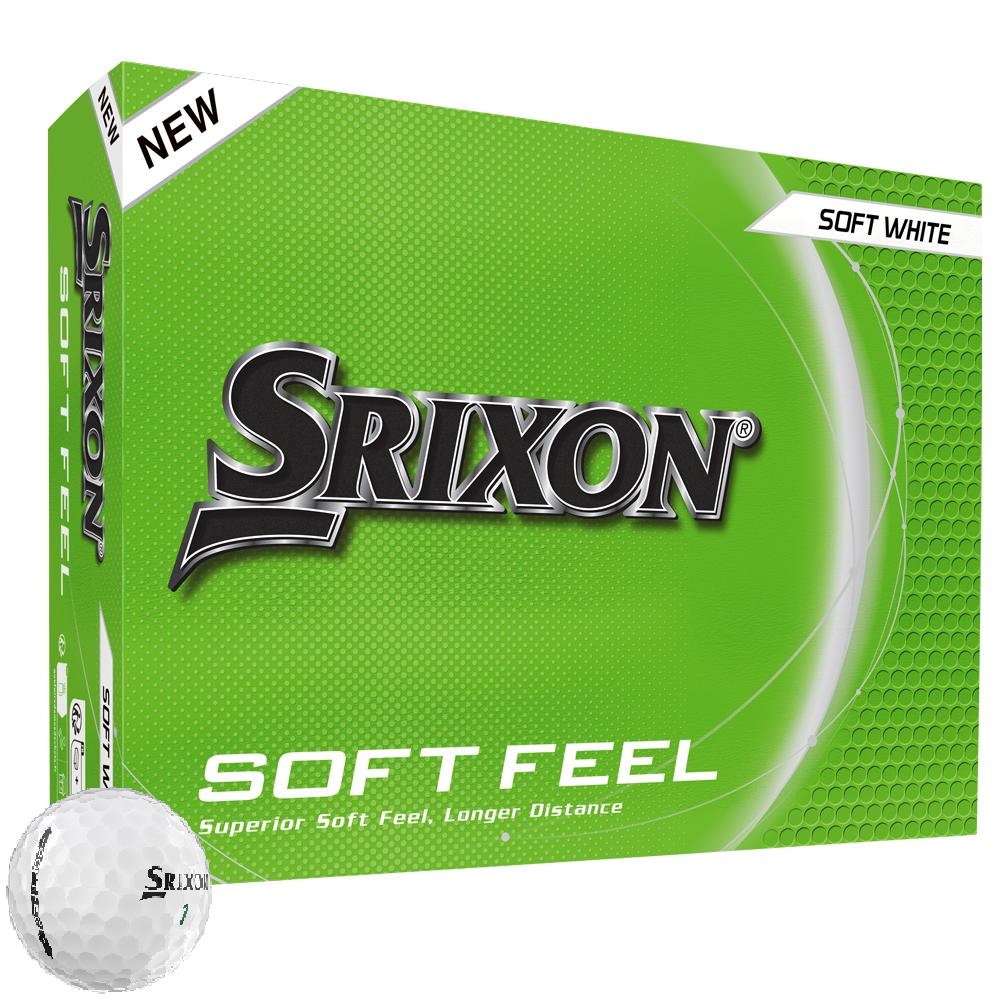
Srixon Soft Feel Golf Balls (Dozen)
A perennial value champ — soft, straight and a fraction of tour-ball money.
Wilson
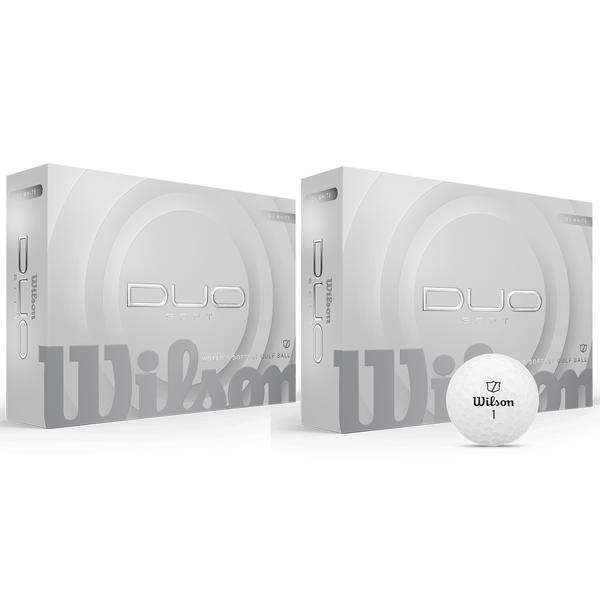
Wilson DUO Soft
About the softest ball in golf, and cheap by the dozen — ideal if you lose a few a round.
ifrothgolf earns a commission on purchases made through these links, at no extra cost to you. It never changes what I recommend. Full disclosure.
Frequently asked
- Should I play a premium golf ball?
- Only if you spin wedges on purpose and don't lose many balls. The premium buys greenside spin, which needs clean contact and clubhead speed to use — and the distance gap to value balls has all but closed at a yard or two.
- Are cheap golf balls actually worse?
- Off the tee, barely — value balls now carry within a yard or two of premium in robot testing. You give up some greenside spin from the firmer ionomer cover, which only matters if your short game can access it.
- What's the best value golf ball?
- Soft, low-spin options like the Titleist TruFeel or the ~38-compression Callaway Supersoft are smart everyday picks; the three-piece urethane Kirkland Signature is the spin-for-the-money standout. The key is committing to one all season.
- How much money does playing value balls actually save?
- Roughly half. A premium dozen runs the thick end of $60 against around $30 for a strong value ball — and if you lose a sleeve or more a round, that gap compounds across a season into the cost of a lesson or a wedge.
Read next
Review
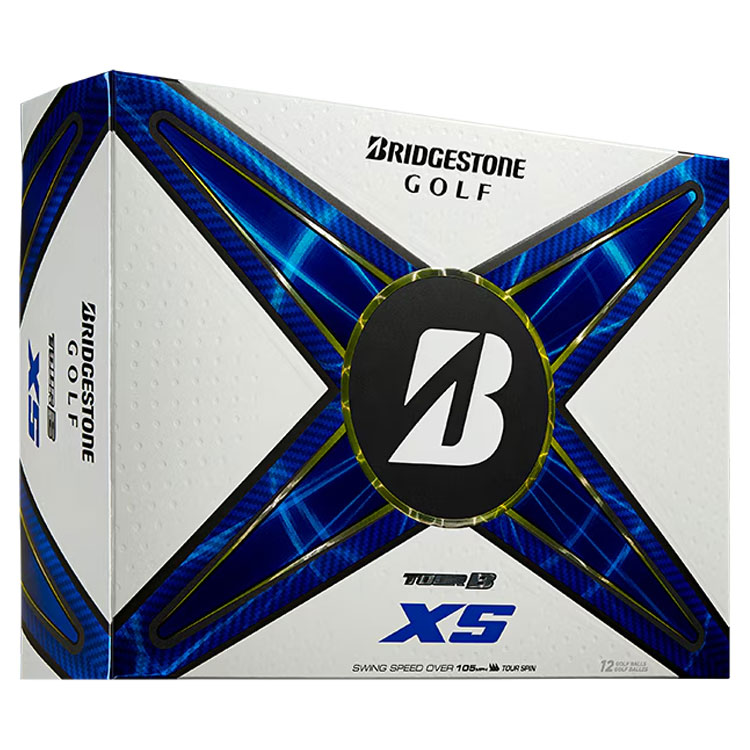
8.3/10Bridgestone Tour B XS review: the soft-feel tour ball for fast swingers
A three-piece urethane tour ball built around Bridgestone's fastest staffers, at the soft, spinny end of the line. Who should play it over a Pro V1 or TP5?
Review
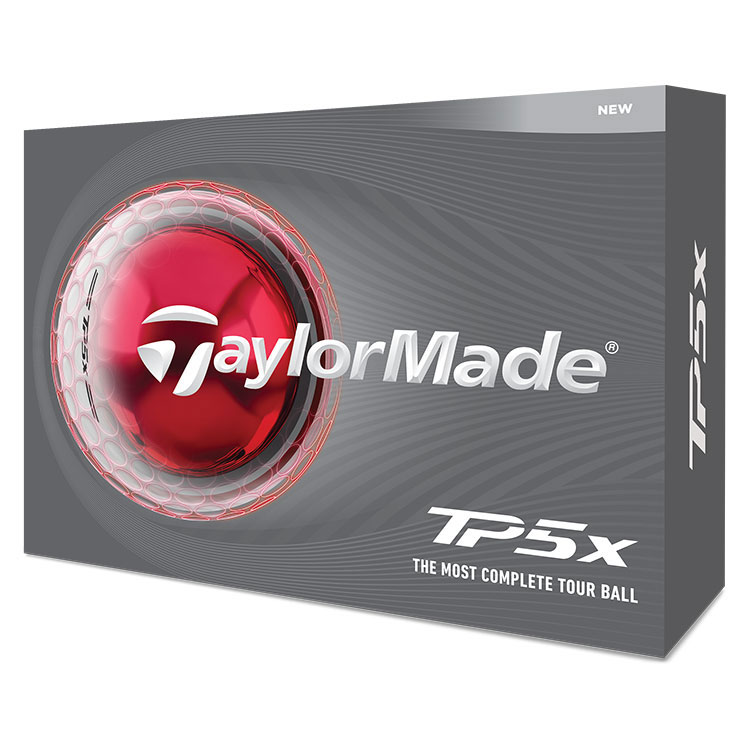
8.4/10TaylorMade TP5x review: the faster, firmer sibling — and who it's really for
Same five-layer tour pedigree as the TP5, tuned for speed and a flatter flight. The question isn't whether it's good — it's whether you're the swing it was built for.
Versus
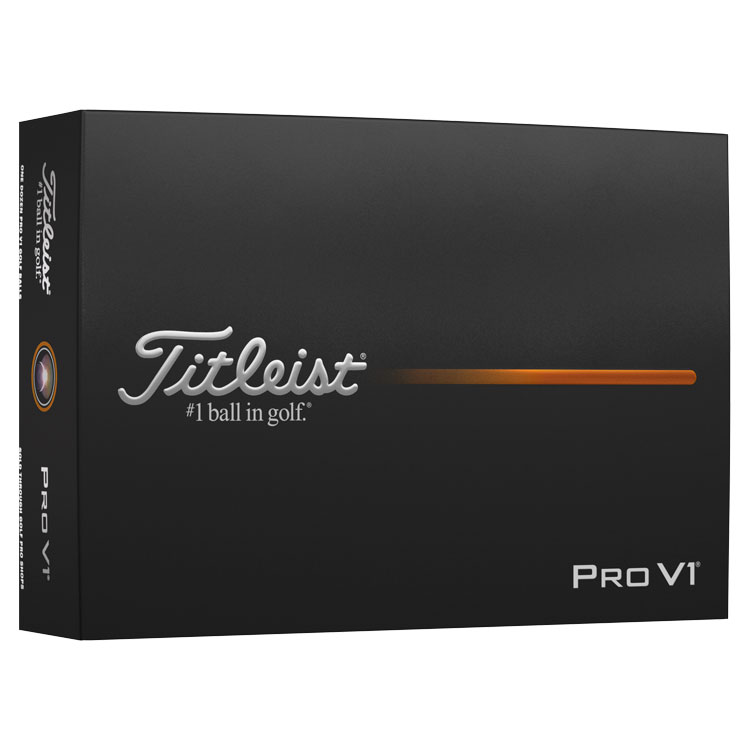
Titleist Pro V1 vs TaylorMade TP5: which tour ball actually fits your game?
The two balls tour players genuinely cross-shop, and the difference isn't distance — off the tee they're within a yard of each other. It's feel, flight and greenside spin, and most golfers pick on the badge instead. Here's how to choose on the thing that matters.