
Srixon Soft Feel review: the ball to play if you lose more than one a round
Premium urethane balls are brilliant and, for most amateurs, quietly the wrong purchase. The Soft Feel is soft, genuinely long at real-world swing speeds, and cheap enough that you swing without flinching. Here's who it's right for and who should still pay up.
By Ross Hamilton · Staff Writer
The verdict
Excellent
What's great
- Genuinely long at the moderate-to-slow swing speeds most amateurs actually have
- Lovely soft feel off the irons and putter
- Value so good it changes how freely you swing — and saves real money over a season
Watch out
- Less greenside bite than a urethane tour ball on delicate pitches and chips
- Not the pick for spin-reliant low handicappers who rarely lose balls
Bottom line — The everyday ball most amateurs should be playing: soft, long for real-world speeds and cheap enough to swing freely, with only greenside spin given up.
Srixon
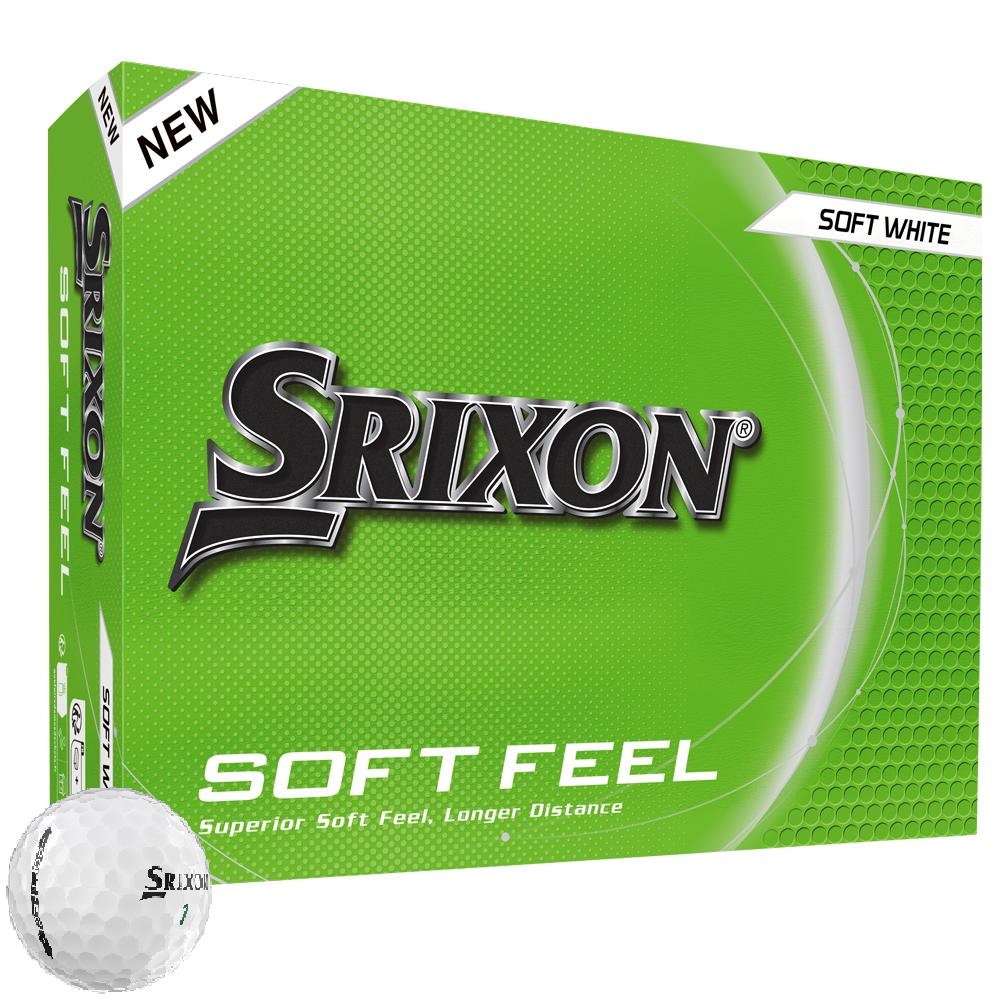
Srixon Soft Feel Golf Balls (Dozen)
ifrothgolf earns a commission on purchases made through these links, at no extra cost to you. It never changes what I recommend. Full disclosure.
If you lose more than a ball or two a round, or you don't generate tour-level swing speed, the Srixon Soft Feel is probably the smartest ball in golf for you. It's a soft, two-piece ball that's surprisingly long at moderate-to-slow swing speeds and costs roughly half what a premium tour ball does — around $30 a dozen. The honest trade-off is greenside spin: it won't grab and check on delicate pitches the way a urethane ball will. But for the vast majority of amateurs, that lost spin matters far less than the money saved and the freedom of swinging a ball you're not scared to lose. This is the everyday ball most golfers should actually be playing, and the reason is as much economic as it is technical.
It's worth being upfront about what this ball is and isn't. It's a two-piece, low-compression ball with an ionomer cover — the durable, value-oriented construction, not the soft cast urethane of a tour ball. That single design choice explains everything below: why it's cheap, why it's long for ordinary swings, why it lasts, and why it won't spin like the premium options. None of that is a compromise if you're the golfer it's built for. It only becomes one if you're chasing the last few yards of wedge check that most amateurs never actually use.
Why it's long for the rest of us
There's a persistent myth that premium balls are simply longer. At tour swing speeds, the good ones can be. But most amateurs swing the driver well under those speeds, and at moderate-to-slow tempos a low-compression ball like the Soft Feel transfers energy more efficiently and often carries as far or further than a firm tour ball the same golfer struggles to compress. In plain terms: a firmer, spinnier premium ball can cost a slower swinger distance, not gain it. The Soft Feel is built precisely for the swing speeds most golfers actually have, which is why it feels long off the driver and the irons for the buyer it targets — and why paying more can literally buy you shorter shots.
The feel earns the name
It's called the Soft Feel for a reason. Off the putter and the irons it's genuinely soft and pleasant, with a muted, low click that a lot of golfers prefer to the firmer crack of some distance balls. Feel is subjective and no substitute for performance, but it's the thing you notice on every green and every chip, and this ball delivers the sensation its name promises without feeling mushy or dead. For golfers who equate soft with control and confidence over the ball, that matters more than a launch-monitor decimal.
The honest trade-off: greenside spin
Here's the real catch, stated plainly. An ionomer cover doesn't grip the grooves like urethane, so on delicate greenside shots — short pitches, flighted chips, anything where you want the ball to check and stop — the Soft Feel releases and runs out more than a premium ball would. If you're a skilled short-game player who scores by spinning wedges to a stop, you'll feel that difference and you should look up the range to a urethane ball like the Srixon Z-Star. But be honest with yourself about how often you actually flight a wedge and expect it to bite. For most amateurs, approach shots run out either way, and the theoretical spin advantage of a premium ball goes unused round after round.
The money argument you're ignoring
This is the part golfers talk themselves out of. If you lose three premium balls a round, you are quite literally chipping coins into the gorse every time you play — and, worse, you're likely swinging more tentatively because part of your brain knows what each ball cost. Playing a ball you're genuinely not scared to lose does two good things: it saves you real money over a season, and it frees you to make a committed swing instead of a nervous one. For a huge slice of club golfers, that second effect quietly does more for their scores than any spin figure on a box. The Soft Feel is the ball that makes the maths, and the mindset, work in your favour.
Who it's for, who should skip
Buy the Soft Feel if you're a beginner, an improver, a mid-to-high handicapper, a slower swinger or a senior — or simply anyone who loses a few balls a round and plays a lot of golf. For that golfer the performance gap to premium is far smaller than the price gap, and this is outstanding value. Skip it if you're a low handicapper with a reliable short game who rarely loses balls and genuinely scores by spinning wedges — for you the extra outlay on a urethane ball is earned, and a premium option is the right call. If you're weighing the softest value balls against each other, our Callaway Supersoft vs Titleist TruFeel comparison and the best value golf balls and best golf balls for beginners guides map the field.
The verdict
As a sensible everyday ball for the golfer it's built for, the Soft Feel is about as easy a recommendation as exists in golf. It's soft, it's long for real-world swing speeds, it's durable, and it's cheap enough to change how freely you swing — and those four things together matter more to most golfers' scores and enjoyment than the greenside spin they'd give up. Play a premium ball if your game truly demands it. If it doesn't, this is the smarter buy, and it's not close. See how it stacks up in our soft-feel golf balls coverage.
Where to buy
8.6/10Srixon
Srixon Soft Feel Golf Balls (Dozen)
Soft, long and brilliant value, the smart everyday ball for most amateurs.
ifrothgolf earns a commission on purchases made through these links, at no extra cost to you. It never changes what I recommend. Full disclosure.
Frequently asked
- Is the Srixon Soft Feel good for beginners and high handicappers?
- Yes — it's one of the best picks for them. It's soft, forgiving, long at moderate-to-slow swing speeds and inexpensive, so the small performance gap to premium balls is dwarfed by the price gap and the freedom of playing a ball you're not scared to lose.
- How does the Soft Feel compare to a premium ball like the Pro V1?
- It's close on distance for ordinary swing speeds and softer-feeling, but it gives up greenside spin — it releases and runs out more on delicate pitches and chips because of its ionomer cover. Skilled short-game players who spin wedges to a stop will feel that; most amateurs won't use the difference.
- Is a soft, low-compression ball actually longer for slower swingers?
- Often, yes. At moderate-to-slow swing speeds a low-compression ball transfers energy efficiently and can carry as far or further than a firm tour ball the same golfer can't fully compress. The idea that premium balls are simply longer mainly holds at high swing speeds.
- Who should not buy the Soft Feel?
- Low handicappers with a reliable short game who rarely lose balls and score by spinning wedges to a stop. For them the extra cost of a urethane tour ball is earned; a premium option like the Srixon Z-Star is the better fit.
Read next
Review
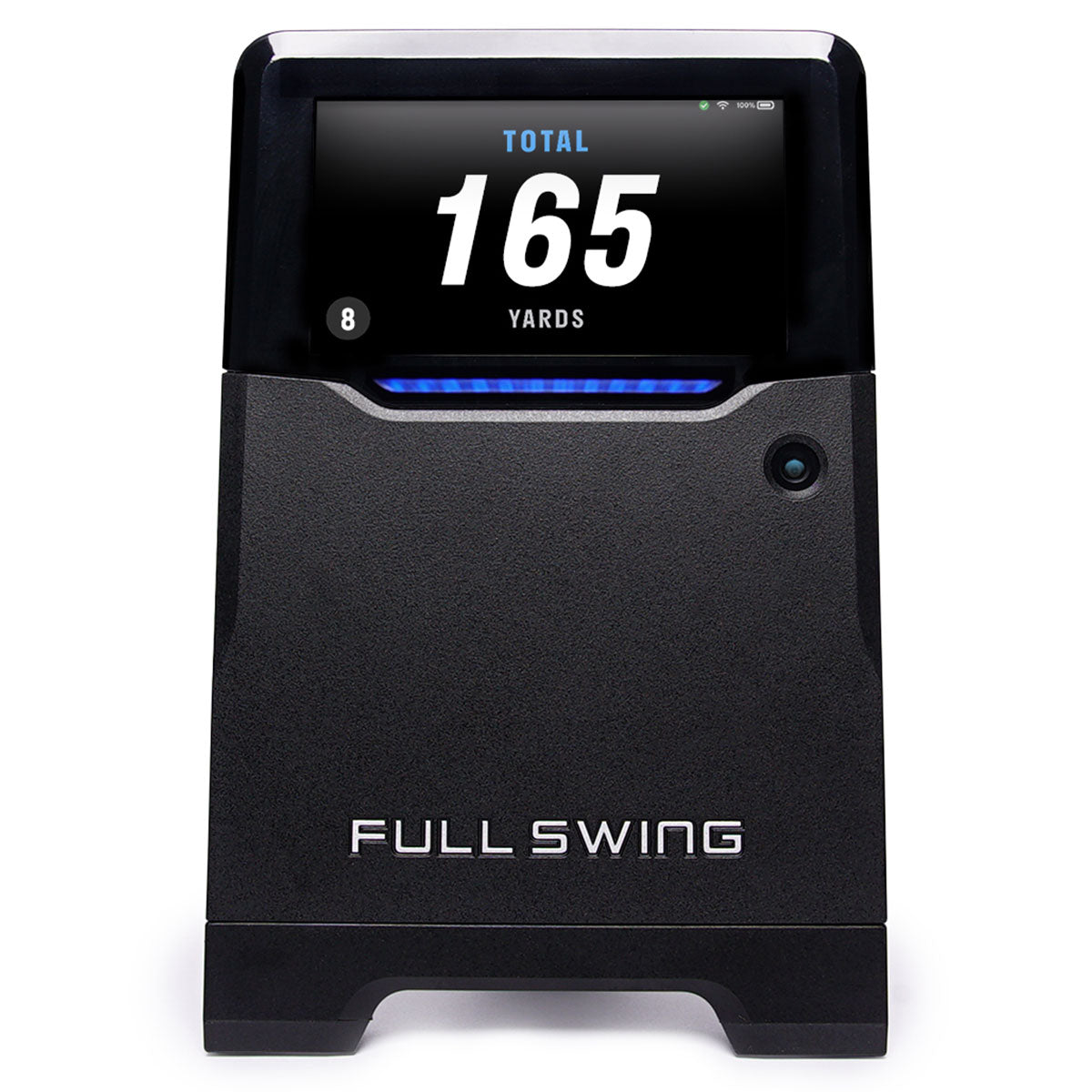
7.9/10Full Swing KIT review: the tape measure decides this, not Tiger
Tour pedigree, TGL on ESPN, and radar good enough to be checked against a Trackman outdoors. It also wants eighteen to twenty feet of room, which rules out most of the garages people buy it for.
Versus
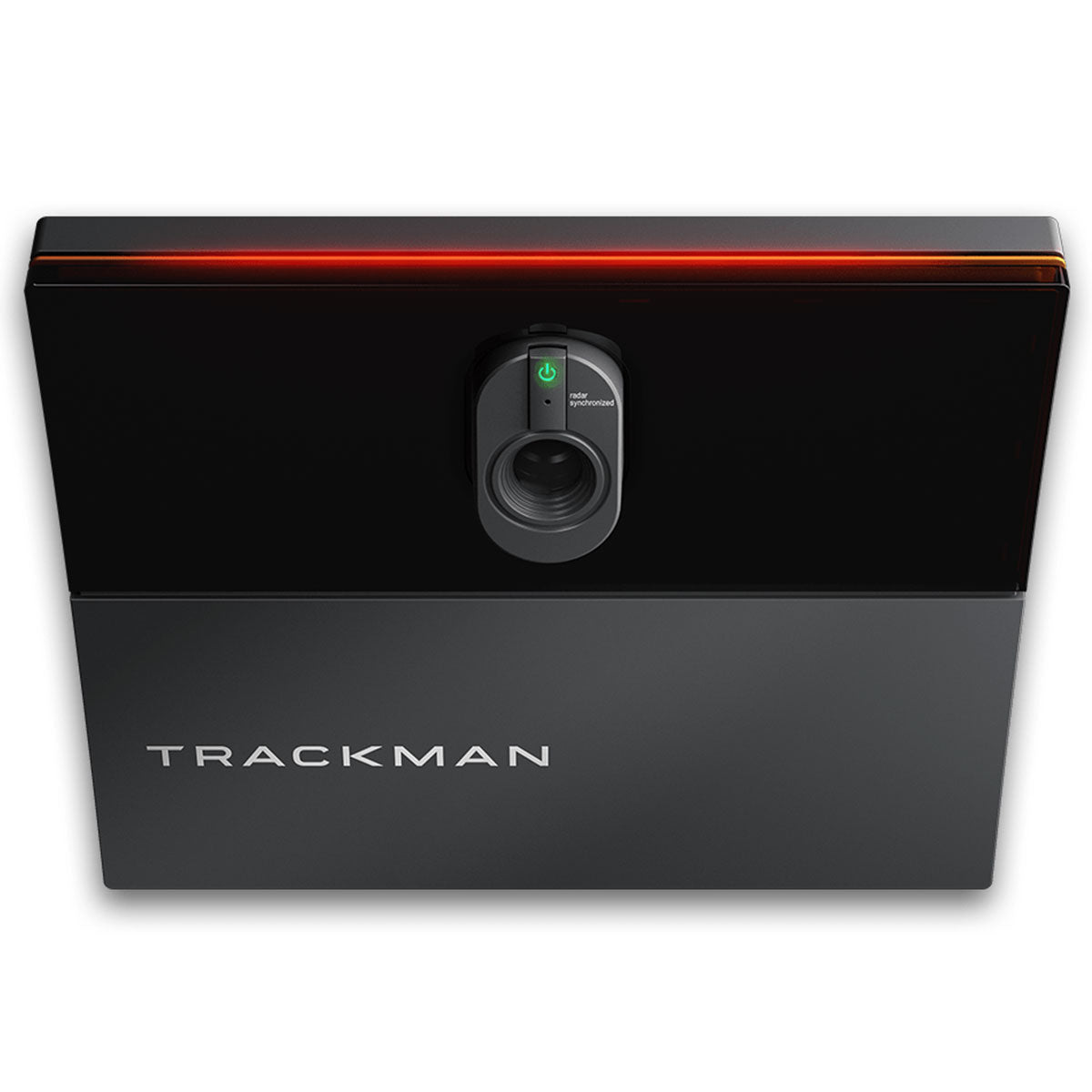
Trackman iO vs Uneekor EYE XO2: the year-one trap
Both mount overhead, both want ten feet of ceiling, and about $3,000 separates them on the shelf. Then Trackman's included first year runs out, and the gap starts growing by $1,100 a year.
Versus
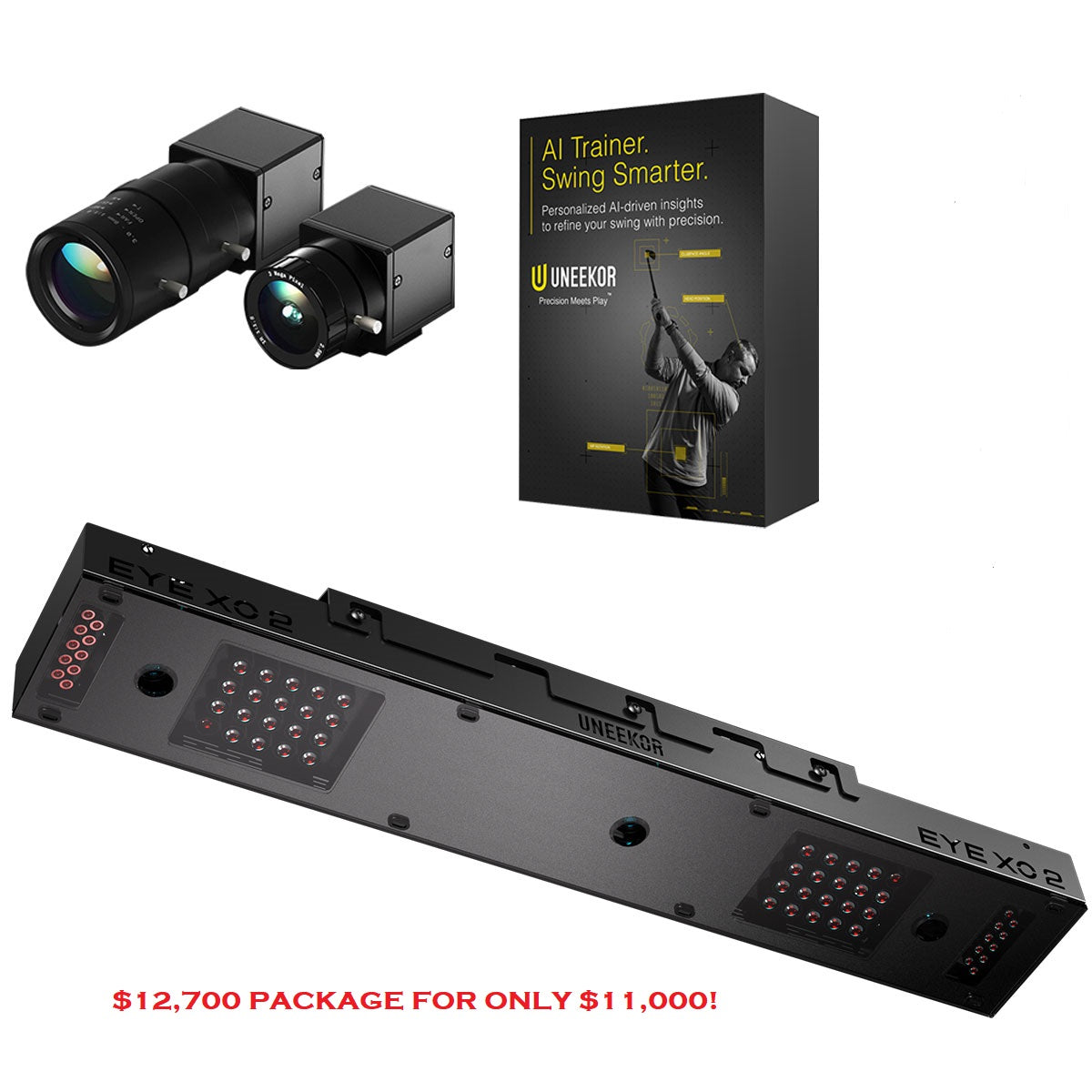
Uneekor EYE XO2 vs Foresight GC3: ceiling or floor?
About $4,000 separates them, but they're not really rivals — one lives in your ceiling forever, the other sits on the floor and travels. The cheaper one is also the one with no subscription.