
TruFeel vs Supersoft: the best value-ball face-off
The two value balls smart golfers actually play. Both are a fraction of tour-ball money — here's how to pick between them.
By Ross Hamilton · Staff Writer
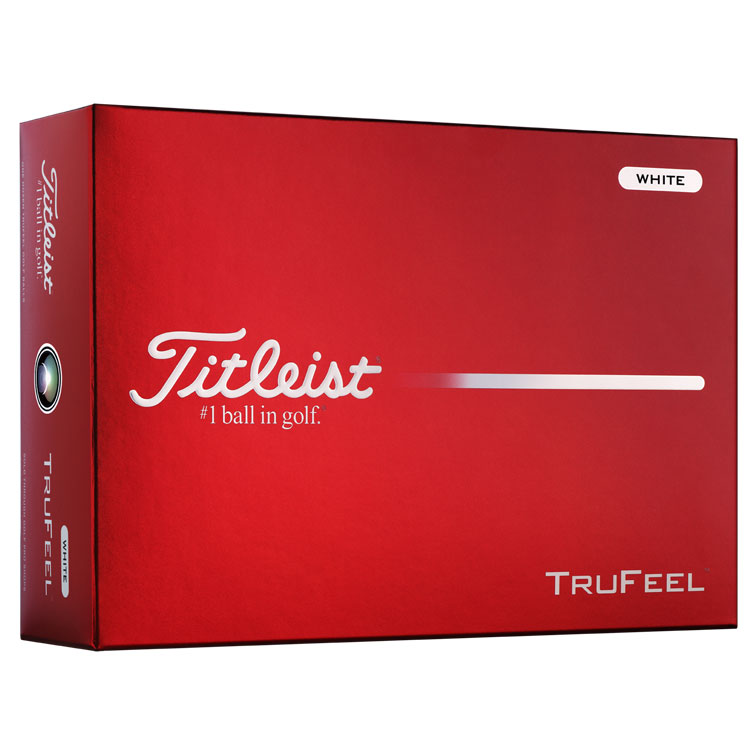
Titleist
Titleist TruFeel Golf Balls
Pick for a slightly firmer feel and tidy greenside control at a brilliant price.
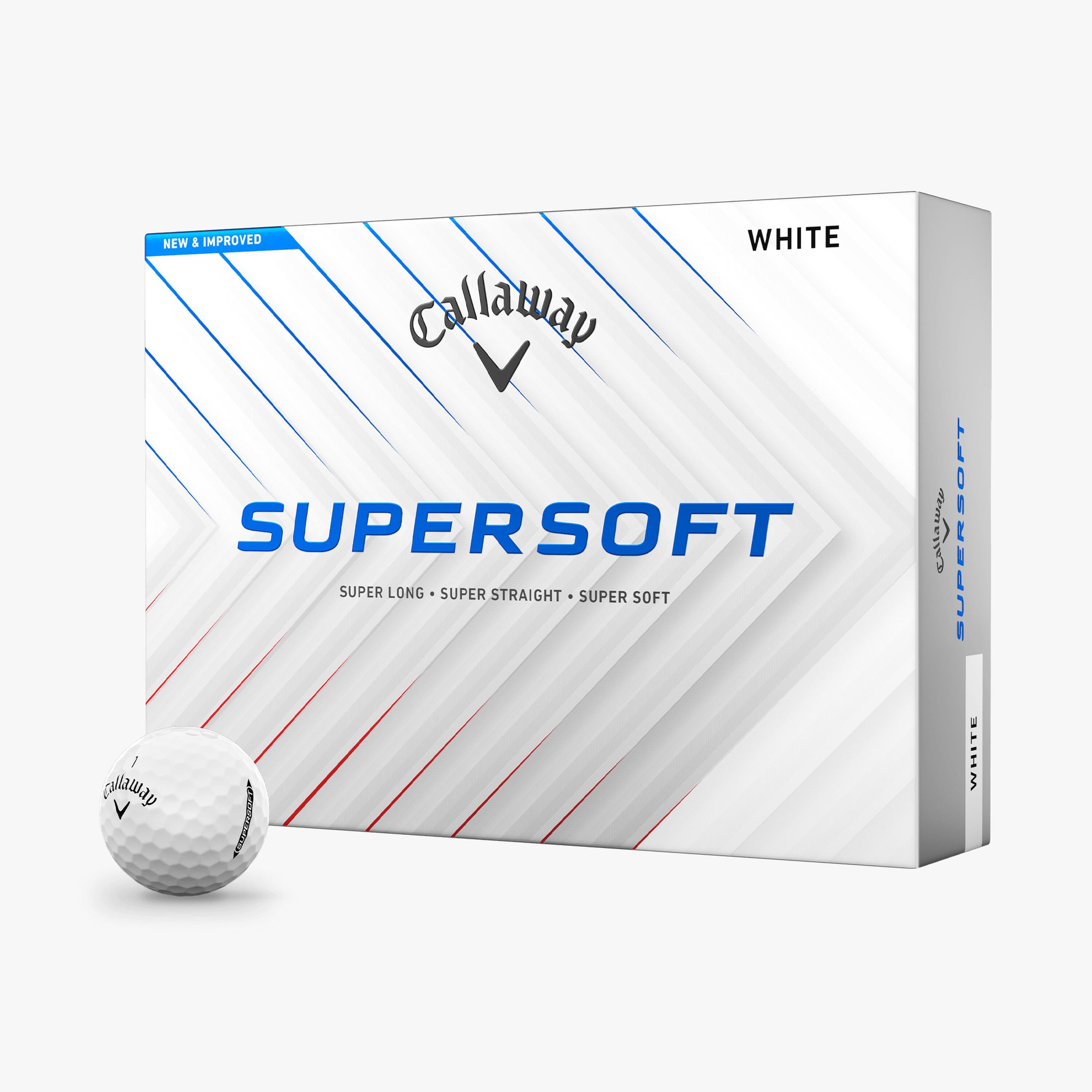
Callaway
Callaway Supersoft Golf Balls (Dozen)
Pick for the softest feel and maximum forgiveness off the tee for slower swings.
ifrothgolf earns a commission on purchases made through these links, at no extra cost to you. It never changes what I recommend. Full disclosure.
Side by side
| Specification | TitleistTitleist TruFeel Golf Balls | CallawayCallaway Supersoft Golf Balls (Dozen) |
|---|---|---|
| Construction | two-piece | two-piece |
| Feel | softest ball in the Titleist range | very soft |
| Colours | white, yellow and red | white and bright matte colours |
Specs as published by each manufacturer. Rows in grey are where the two match.
Both are brilliant value balls at roughly $30 a dozen — half tour-ball money or less — so pick on feel and swing speed, not brand. Choose the Titleist TruFeel for a slightly firmer, more all-round ball with tidy greenside control; choose the Callaway Supersoft for the softest feel and maximum forgiveness, especially at slower swing speeds. If you've stepped off the premium-ball treadmill, these are the two that come up again and again — here's how to split them.
What they actually are
Both are two-piece, ionomer-covered balls, which is the key fact behind everything that follows. That construction is what makes them cheap, durable and forgiving — and it's also why neither will ever match a urethane tour ball for greenside grab on a delicate pitch. The TruFeel is built around Titleist's TruTouch core under a soft 3.0 TruFlex cover, flighting low and penetrating. The Supersoft is an ultra-low-compression two-piece — around 38 compression — engineered so slower swings can actually deform the ball and turn that into speed. Neither is a Pro V1 in disguise, and neither pretends to be. They're honest value balls that do the unglamorous job extremely well.
Titleist TruFeel — the all-rounder
The more 'golf ball' of the two. It feels a touch firmer than the Supersoft, with tidy, predictable greenside behaviour and a low, boring flight that holds up in wind better than you'd expect at the price. The 376-dimple cover and TruFlex skin give it just enough bite near the green that a decent chipper won't feel short-changed, and the feel off the putter is reassuringly solid rather than mushy. This is the value ball that doesn't feel like a compromise — the one a better player who simply refuses to throw $70 a dozen into the trees can still get on with. If you're not sure which to pick, this is the safe default.
Callaway Supersoft — the softest, friendliest
It leans hard into its name. At roughly 38 compression it's one of the softest balls on the market, and that low compression is doing real work: a slower or moderate swing can compress it properly, which means more efficient energy transfer and a longer, straighter result than a firmer ball would give the same swing. The low spin is the other half of the story — it keeps your misses from curving violently, so it's a genuine ally for anyone fighting a slice. It's perennially one of the best-selling balls in the game for exactly these reasons. The trade-off is the one all soft, low-spin balls share: you won't get urethane-level grab on delicate chips, so a sharp short game can't fully exploit it.
Off the tee and into the green
Off the driver there's almost nothing in it for distance — both are long enough that you'll never feel short-changed, and the Supersoft's low spin actively helps keep a slice from curving into the next fairway. The real on-course separation is two things: flight and greenside behaviour. The TruFeel flies lower and more penetrating, which holds up better in wind and suits a player who likes to flight the ball down. The Supersoft flies a touch higher and straighter, which flatters a slower swing. Around the green, both will release more than a urethane ball on a chip — neither checks and bites the way a Pro V1 does — but the TruFeel's slightly firmer TruFlex cover gives a marginally crisper, more controllable result on short shots, while the Supersoft is all soft, forgiving feel.
What reviewers and owners say
Both balls are perennial best-sellers with strongly positive owner sentiment, and the praise lands exactly where you'd expect. Supersoft owners rave about the soft feel, the dead-straight flight and the price — it's one of the best-selling golf balls out there year after year — with the only consistent gripe being the modest greenside spin. TruFeel buyers value the soft-but-controlled feel and the Titleist badge at the brand's lowest price point. Crucially, neither ball draws complaints about full-shot distance; the trade-off both make is greenside spin, and that's a knowing, deliberate compromise for the price, not a flaw.
Which should you buy
Segment it by swing speed and feel preference. Faster or more skilled, flight it down a little, want tidier greenside control? The TruFeel. Slower or moderate swing, want the softest feel and the most help keeping it straight off the tee? The Supersoft — its ultra-low ~38 compression genuinely suits an easy tempo. Price is barely a factor: both sit around $30 a dozen, a fraction of the $70 you'd hand over for a Pro V1. Who should buy: anyone who loses more than a couple of balls a round, or who can't honestly use tour-level spin — which is most amateurs. Skip if: your short game is sharp enough to spin a urethane ball back, in which case a value tour ball like the Kirkland Signature gives you the bite these two can't. And if you're hung up on the compression number, our compression explainer makes the case that it matters far less than the feel difference you'll actually notice. Still torn? Our Golf Ball Finder sorts it with three questions about your speed and misses.
The bigger win: commit
Whichever you choose, the real gain isn't the ball — it's playing the same one every round. Switching models week to week scrambles your feel for distance off the irons and pace on the greens, which costs more strokes than the gap between any two value balls. We hammer this point in how to choose a golf ball and make the wider case in stop buying premium balls. Pick one, buy it by the dozen, and stop thinking about it. The full picture's in our golf balls hub.
Frequently asked
- TruFeel or Supersoft — which is better?
- Neither is universally better; they suit different golfers. The TruFeel is firmer with tidier greenside control and a low, penetrating flight; the Supersoft is softer, lower-spinning and more forgiving off the tee, which suits slower swings. Choose on feel and swing speed.
- Are these as good as premium balls?
- Off the tee, nearly — the distance gap to a tour ball has narrowed to a yard or two for most golfers. Where they give ground is greenside spin: both have ionomer covers, so they can't grab on delicate pitches the way a urethane Pro V1 or TP5 does. That only matters if your short game can actually use the spin.
- Which is best for a slow swing speed?
- The Callaway Supersoft. Its ultra-low ~38 compression lets a slower swing deform the ball properly, which turns into speed and a straighter flight, and the soft feel rewards an easy tempo. It's the friendlier of the two off the tee.
- How much do they cost compared to a tour ball?
- Both sit around $30 a dozen, against roughly $70 for a Titleist Pro V1. You're paying less than half for the bulk of the performance, which is exactly why they're so often the smart-money pick for amateurs.
- Will I lose distance dropping down to one of these?
- Very little. Modern two-piece balls are long, and the Supersoft in particular is built to maximise distance at moderate speed. Any loss is a yard or two off a urethane tour ball — far less than the strokes you save by not flinching every time one finds the water.
Read next
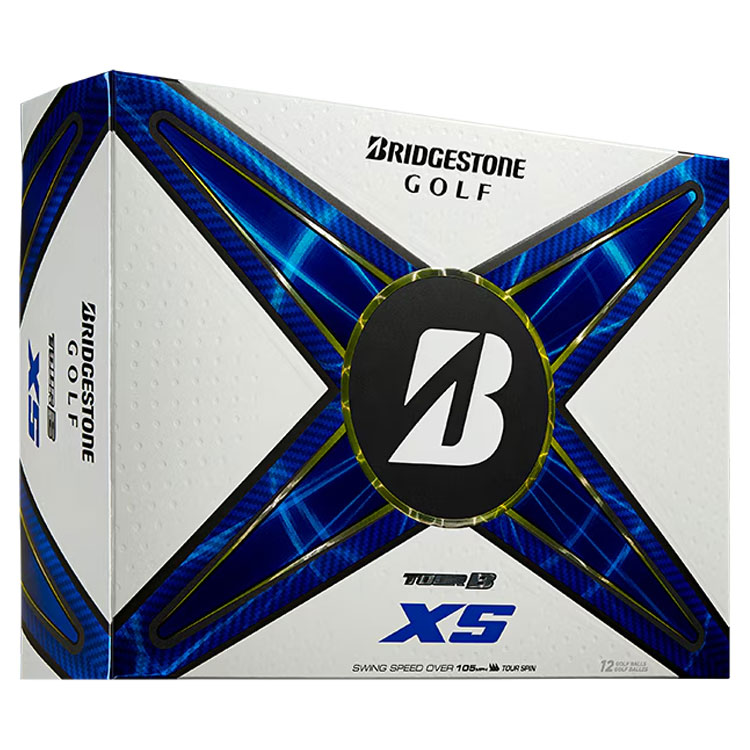
Review
8.3/10Bridgestone Tour B XS review: the soft-feel tour ball for fast swingers
A three-piece urethane tour ball built around Bridgestone's fastest staffers, at the soft, spinny end of the line. Who should play it over a Pro V1 or TP5?
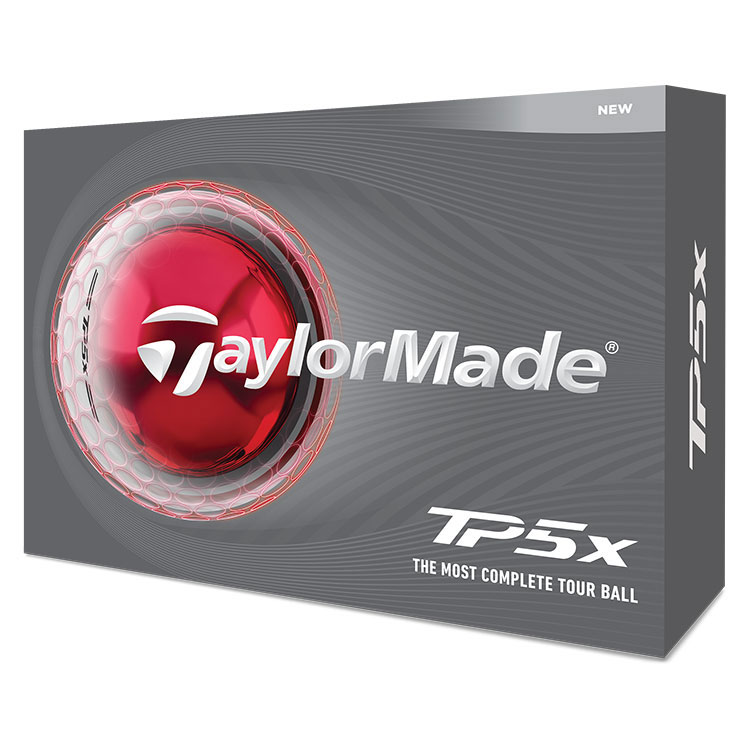
Review
8.4/10TaylorMade TP5x review: the faster, firmer sibling — and who it's really for
Same five-layer tour pedigree as the TP5, tuned for speed and a flatter flight. The question isn't whether it's good — it's whether you're the swing it was built for.
Versus
Titleist Pro V1 vs TaylorMade TP5: which tour ball actually fits your game?
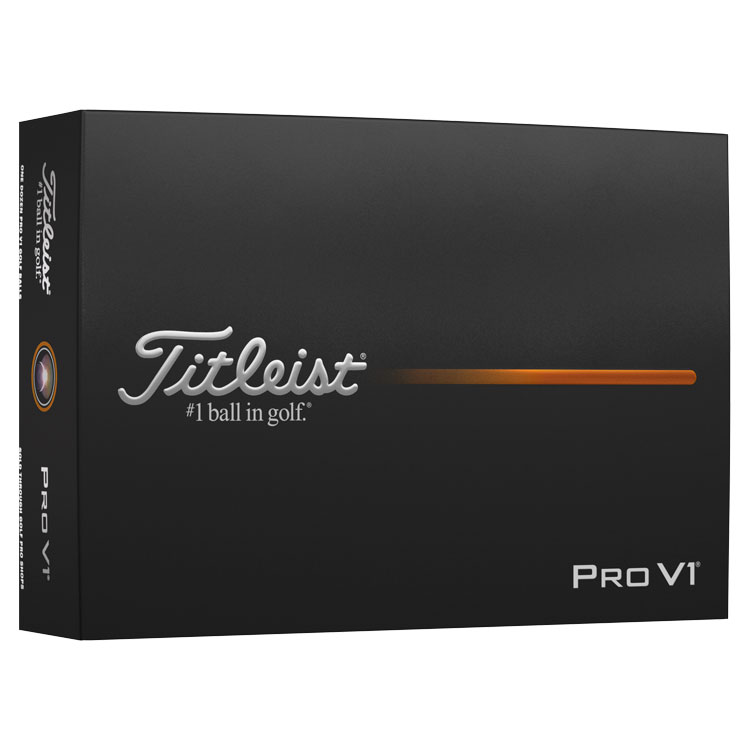
The two balls tour players genuinely cross-shop, and the difference isn't distance — off the tee they're within a yard of each other. It's feel, flight and greenside spin, and most golfers pick on the badge instead. Here's how to choose on the thing that matters.