
Golf ball compression explained (and why it matters less than you think)
Low compression, high compression, swing speed — there's a lot of myth here. The plain-English truth about what compression does for your game.
By Ross Hamilton · Staff Writer
 Explained
Pick golf ball compression on feel, not fear: it matters far less than the marketing implies. Modern balls barely penalise a 'mismatch' to your swing speed — a yard or two, not the chasm the charts suggest. Slower, smoother swings tend to prefer low-compression; faster, skilled players tend to prefer firmer. Either way it's a feel decision, and here's the plain truth behind it.
What compression actually is
Compression is, simply, how much a ball squashes at impact — usually expressed as a number from roughly the high 30s to the low 100s. Lower-compression balls deform more and feel softer; higher-compression balls resist deformation and feel firmer. As a rough map: the Callaway Supersoft sits around 38, a value all-rounder like the TruFeel is low-to-mid, and a tour ball like the Pro V1 lands in the 80s–90s. That's the whole spectrum — and crucially, it's a firmness-and-feel number, not the distance dial it's so often sold as.
The swing-speed myth
The old theory said a slow swinger 'can't compress' a firm ball and leaves yards on the table, while a fast swinger 'overpowers' a soft one. There's a kernel of truth buried in there, but it's been wildly oversold. Modern multi-layer cores are engineered to perform across a far wider speed range than the balls that theory was built on. Independent testing repeatedly finds that the real-world distance penalty for playing 'the wrong' compression is tiny for the vast majority of golfers — typically a yard or two, not the lost-distance disaster the marketing implies. If you swing under ~85mph with the driver, a softer ball is a reasonable lean; above that, firmer. But it's a lean, not a law.
What you'll genuinely feel
Where compression unmistakably shows up is feel — off the putter and wedges especially. A low-compression Supersoft feels soft and springy and rewards a smooth, unhurried tempo; some players find that softness helps them feel the clubface and roll the ball better. A higher-compression Pro V1 feels firmer and 'clicky', and many skilled players read that crisper feedback as control — they can sense exactly how solidly they struck it. Neither is objectively better. This is preference, and preference beats any speed chart on a wall.
Compression isn't the whole ball
Here's the part the compression charts conveniently omit: on a modern ball, the number you read is really just the core, and the core is only one of several layers. A three- or five-piece ball wraps that core in firmer mantle layers and a cover, each tuned to behave differently at different speeds. That's the entire design philosophy behind a five-layer ball like the TaylorMade TP5 — the soft outer layers handle wedge spin and feel, while the firmer inner layers store energy on a full driver swing. So two balls can share a 'compression' figure and play nothing alike, and a single ball can feel soft on a chip yet fast off the tee. Judging a ball by its compression number alone is like judging a car by its kerb weight.
Where it actually helps
Two honest cases. First, slower swingers often find a softer, lower-compression ball marginally easier to launch and more pleasant to feel, which is one reason it's a sensible default for many amateurs and improvers — and why a low-compression value ball is an easy everyday pick. Second, feel-sensitive players around the greens can use the soft-versus-firm difference to dial in touch on putts and chips; if a firmer ball feels like it's clicking off your putter and you're struggling with pace, a softer one can genuinely help. Beyond that, don't agonise: the genuinely bigger ball decisions are spin and price. Cover material — urethane versus ionomer — changes your greenside spin far more than any compression number ever will, which is why a high-handicapper who can't use spin should focus on price and durability long before they fret about compression.
A worked example
Say you're a 15-handicapper swinging the driver around 90mph, undecided between a soft value ball and a firmer tour ball. The compression chart implies the firm ball will cost you yards — but in reality, the carry difference between the two on full shots will be a yard or two at most, swamped by your own strike variation from swing to swing. What you will feel, every single hole, is the difference in softness off the putter and the difference in greenside grab from the cover. So the smart decision ignores compression almost entirely: pick on the feel you prefer and whether your short game can use urethane spin. The compression number is a tiebreaker, not the headline.
Does cold weather change things?
Yes, and it's the one place the temperature myth has real teeth. A cold ball is temporarily firmer and less lively, so it compresses less and flies a touch shorter — which is why winter golf feels like everything's travelling 5–10% shorter than in summer. Some players switch to a softer, lower-compression ball in the cold months to claw a little of that back, and it's a reasonable move. But the bigger fix is simply keeping a ball warm in your pocket between holes rather than agonising over the model. This is genuine, measurable physics; the swing-speed compression panic mostly isn't.
What to do
Segment it simply. Smooth or slower swing, like a soft feel? Lean low-compression — a Supersoft or TruFeel is ideal. Faster, more skilled, want crisp feedback and control? A firmer tour ball suits you. Mid-handicap and unsure? Pick on the feel you prefer off the putter and stop worrying about the number — or let our Golf Ball Finder weigh your speed and misses for you in three questions. Then commit to one ball all season — the point we hammer in how to choose a golf ball, because switching balls scrambles your feel for distance and pace far more than compression ever could. For how the model choices actually differ, the TruFeel and Supersoft comparison is a useful real-world example, and the field's in our best premium golf balls guide.
Products mentioned in this article
Titleist
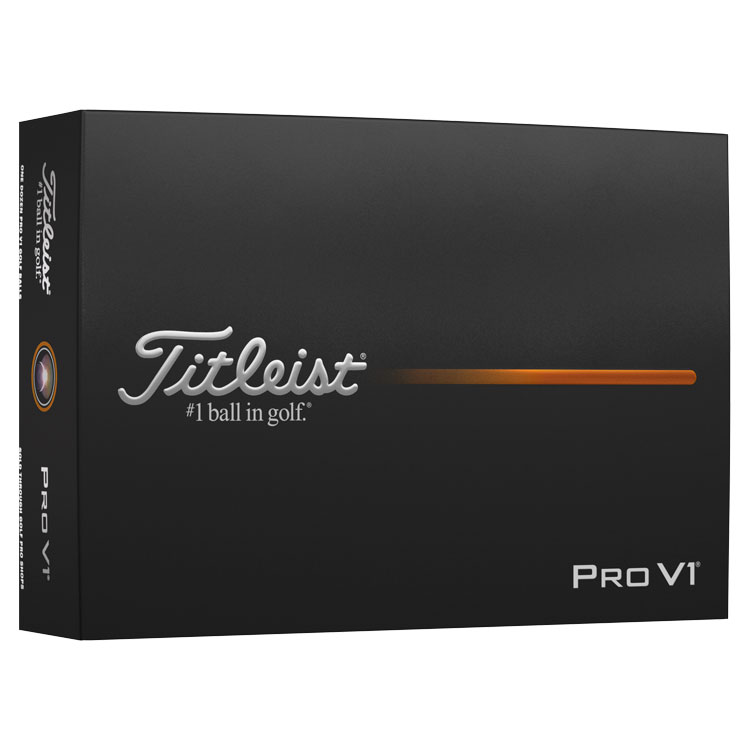
Titleist Pro V1 Golf Balls (Dozen)
Higher compression, tour performance — for faster swings and skilled strikers.
Titleist
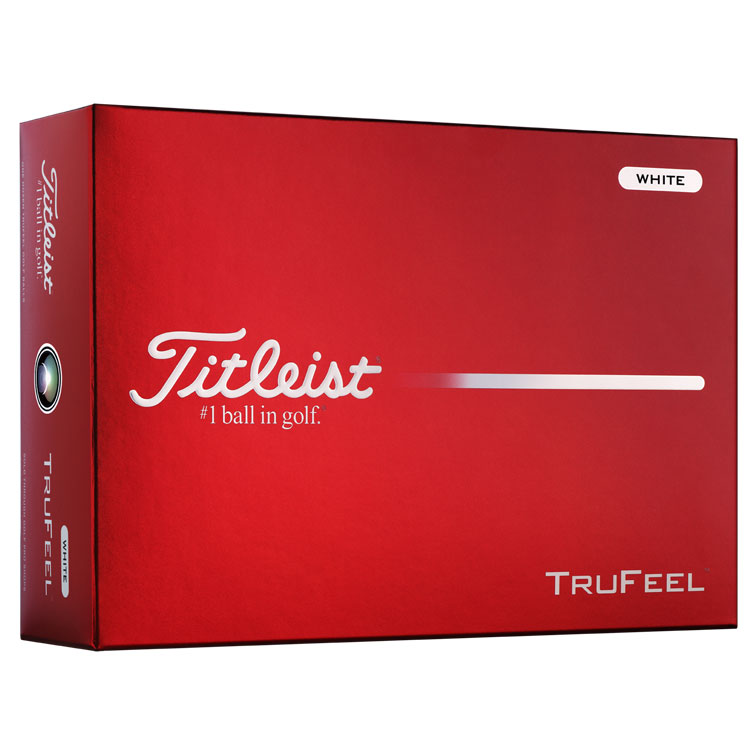
Titleist TruFeel Golf Balls
Lower compression, soft feel — a smart everyday ball for most swings.
Callaway
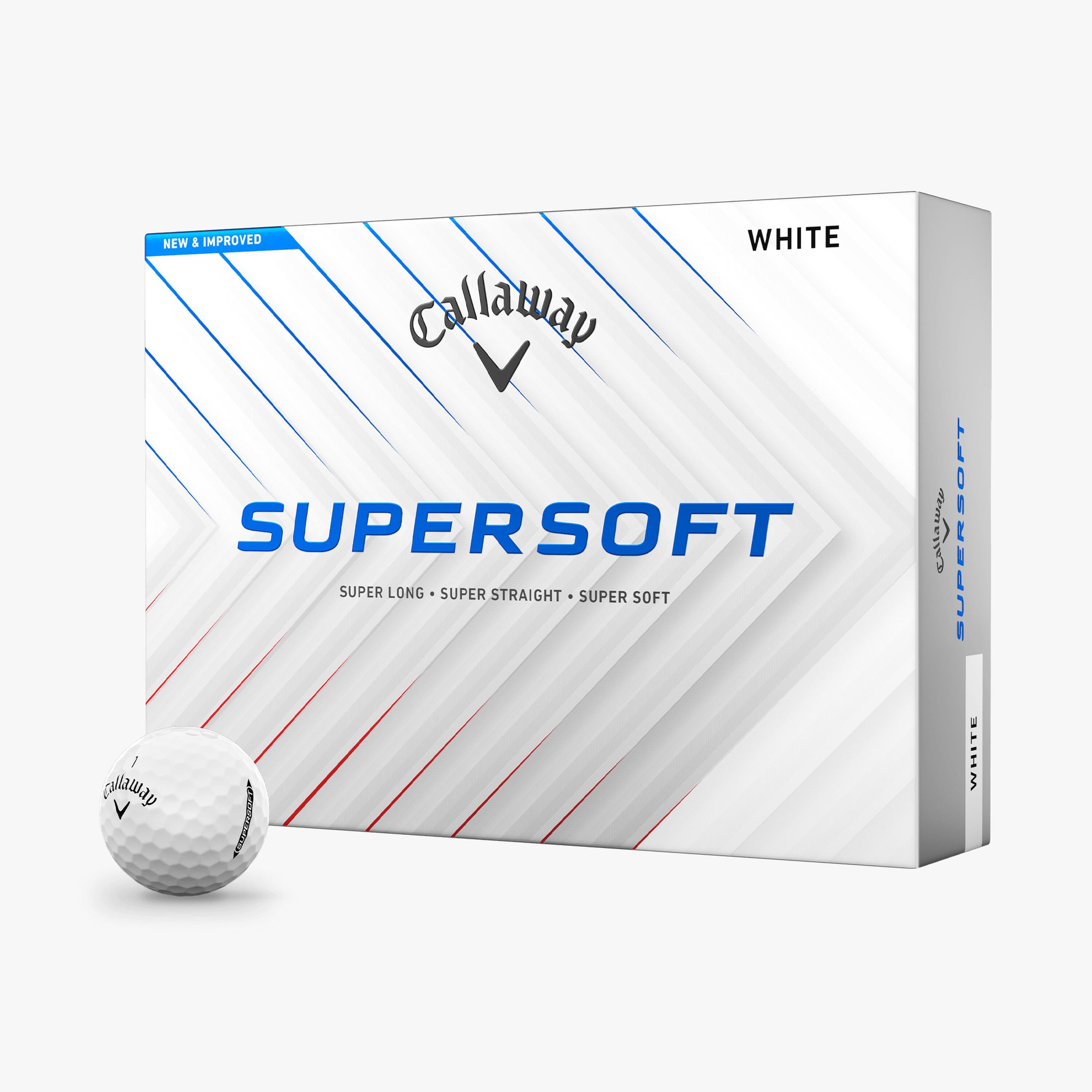
Callaway Supersoft Golf Balls (Dozen)
Very low compression — maximum forgiveness for slower swings.
Wilson
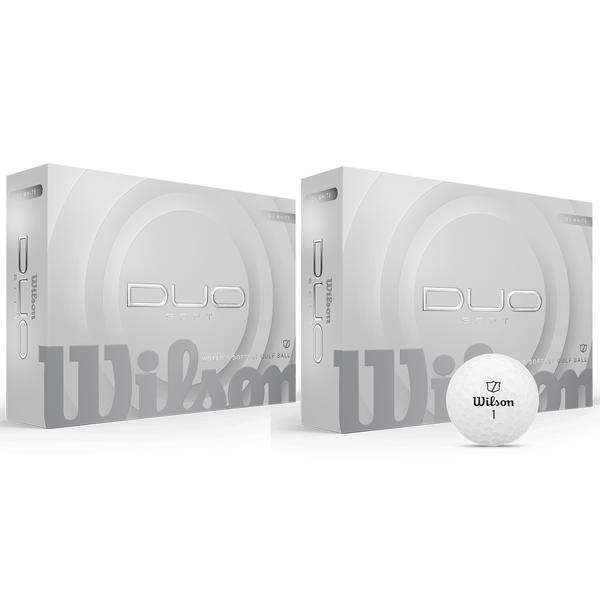
Wilson DUO Soft
About as low-compression as it gets — proof that soft, slow-swing-friendly balls have a real place.
ifrothgolf earns a commission on purchases made through these links, at no extra cost to you. It never changes what I recommend. Full disclosure.
Frequently asked
- Does golf ball compression affect distance?
- Far less than marketed. Modern multi-layer balls barely penalise a swing-speed 'mismatch' — independent testing usually finds a difference of only a yard or two. Compression is mostly about feel and firmness, not distance.
- What compression should I play for my swing speed?
- As a loose guide, slower or smoother swings (under roughly 85mph driver speed) lean to low compression for soft feel and easy launch; faster, skilled players lean to higher compression for a firmer feel and crisper control. But it's a lean, not a rule — choose on the feel you prefer, because the penalty for getting it 'wrong' is tiny.
- What's a typical compression number for a golf ball?
- Roughly the high 30s for the softest balls (the Callaway Supersoft is around 38) up to the high 90s or low 100s for firm tour balls. A Pro V1 sits in the 80s–90s range. Lower numbers feel softer; higher numbers feel firmer.
- Is a low-compression ball better for beginners?
- Often a sensible default — soft feel and easy launch are rewarding, and value low-compression balls are cheap to lose. But spin, cover material and committing to one ball matter far more to your scores than the compression number does.
- Does compression matter more than the cover material?
- No. The cover — urethane versus ionomer — changes your greenside spin and control much more than compression changes anything. If you're choosing a ball, sort out spin and price first; treat compression as a feel tiebreaker.
Read next
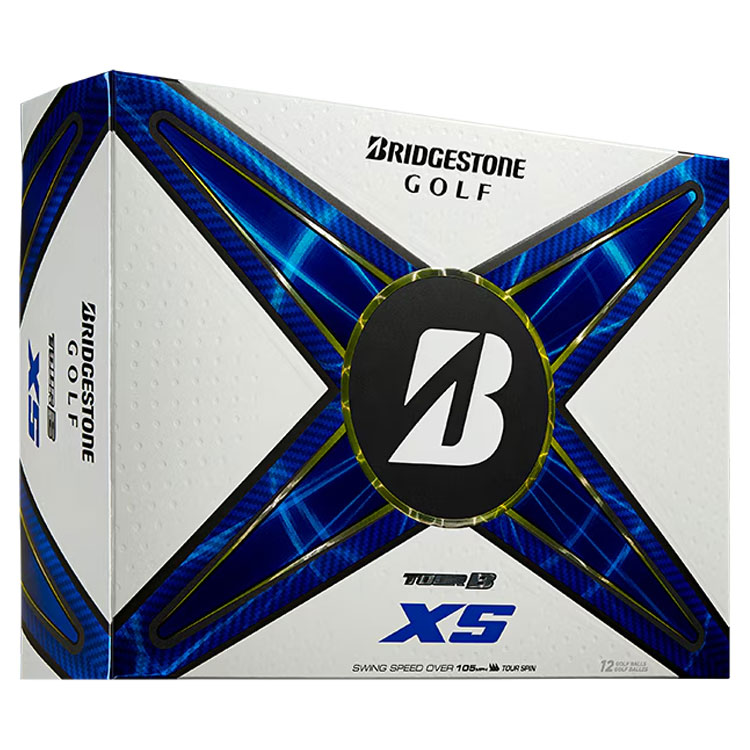
Review
8.3/10Bridgestone Tour B XS review: the soft-feel tour ball for fast swingers
A three-piece urethane tour ball built around Bridgestone's fastest staffers, at the soft, spinny end of the line. Who should play it over a Pro V1 or TP5?
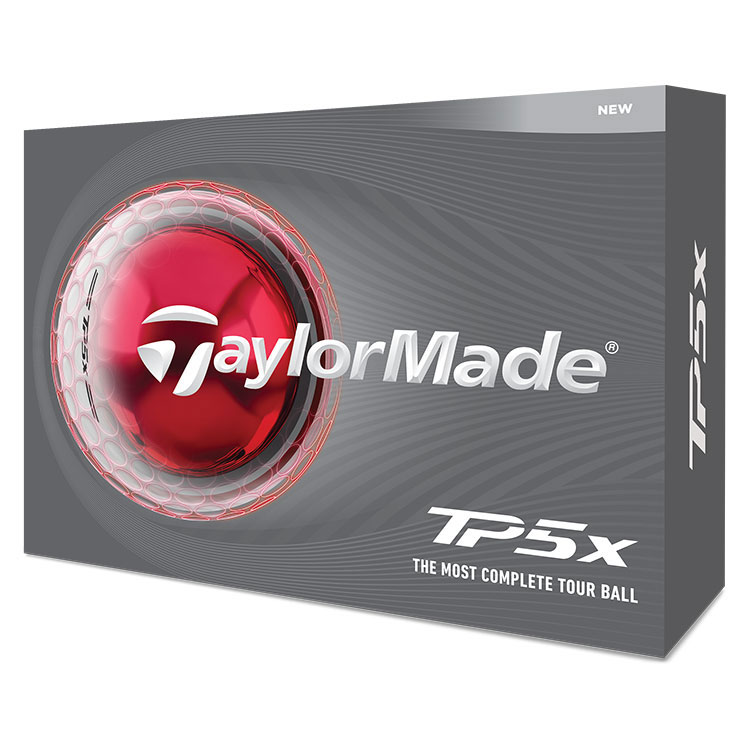
Review
8.4/10TaylorMade TP5x review: the faster, firmer sibling — and who it's really for
Same five-layer tour pedigree as the TP5, tuned for speed and a flatter flight. The question isn't whether it's good — it's whether you're the swing it was built for.
Versus
Titleist Pro V1 vs TaylorMade TP5: which tour ball actually fits your game?
The two balls tour players genuinely cross-shop, and the difference isn't distance — off the tee they're within a yard of each other. It's feel, flight and greenside spin, and most golfers pick on the badge instead. Here's how to choose on the thing that matters.