
Most golfers play the wrong ball — and it's the expensive one
Compression charts, dimple counts, fitting flowcharts: noise. The ball you pick comes down to one honest question, and for most amateurs the right answer costs a third of what they're spending now.
By Ross Hamilton · Staff Writer
 Explained
Walk a club car park and you'll find mid-handicappers playing the same urethane ball as the world's best — and quietly throwing money at spin they physically can't access. The verdict up front: ignore compression numbers and dimple counts, answer one question — where do you actually lose shots? — and commit to a single ball. For most amateurs that's a soft, low-spin value ball; for genuinely sharp ball-strikers, a premium urethane one. It's the only piece of kit you use on every single shot, and the one golfers overthink hardest. Here's the short version that actually matters.
The only question that decides your ball
Everything flows from this, so be brutally honest. If you bleed strokes around the greens — chunked chips, pitches that won't hold, no spin to stop one by the flag — and you already control your full-swing distances, you have a real short-game case for premium spin. If instead you lose shots off the tee, in the trees, or by playing a different scuffed stranger every hole, no ball cover ever invented fixes that, and paying for tour spin is treating the wrong wound. Pull up your last three scorecards and count where the doubles came from. For the overwhelming majority of golfers the honest answer is "long and crooked off the tee," not "couldn't stop a wedge" — and that single tally settles the argument faster than any review or fitting chart.
Premium: a fantastic ball you probably can't use
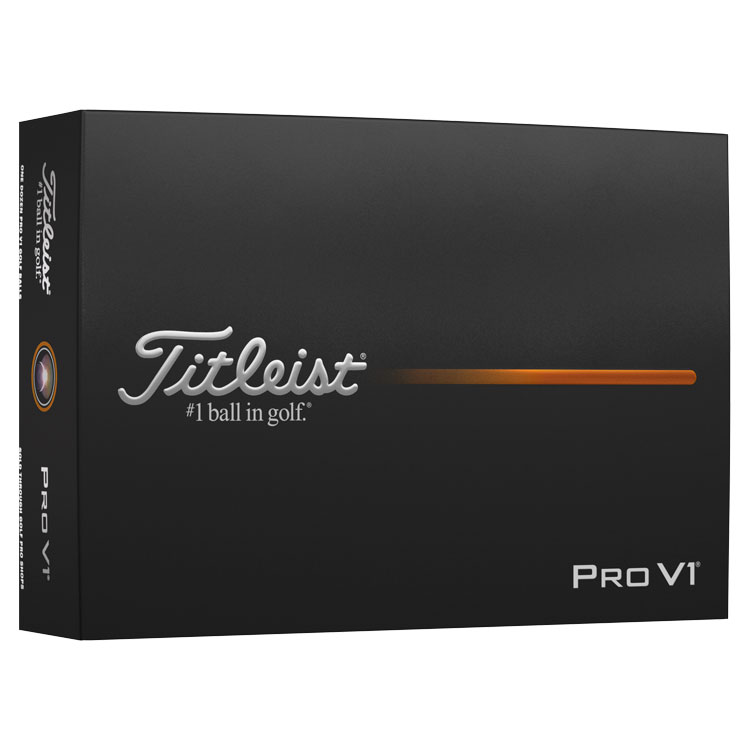
A premium urethane ball like the Pro V1 or Chrome Tour is a three-piece-plus construction wrapped in a soft cast-urethane cover that bites wedge grooves and stops the ball on a sixpence. That control is genuinely real — and it's exactly what the premium tier buys you. The catch is the cover can't spin a ball you've thinned; it needs real clubhead speed and clean, centred contact to switch on. So the honest profile is a low-single-figure to mid handicap, irons that flight predictably, and wedges you spin on purpose. Spray it off the tee or only rarely spin a wedge deliberately and that premium spin isn't just wasted — extra spin on a glancing strike actively exaggerates a slice deeper into the trees. We put it bluntly in stop buying premium balls.
Value: the smarter buy, and the gap that quietly closed
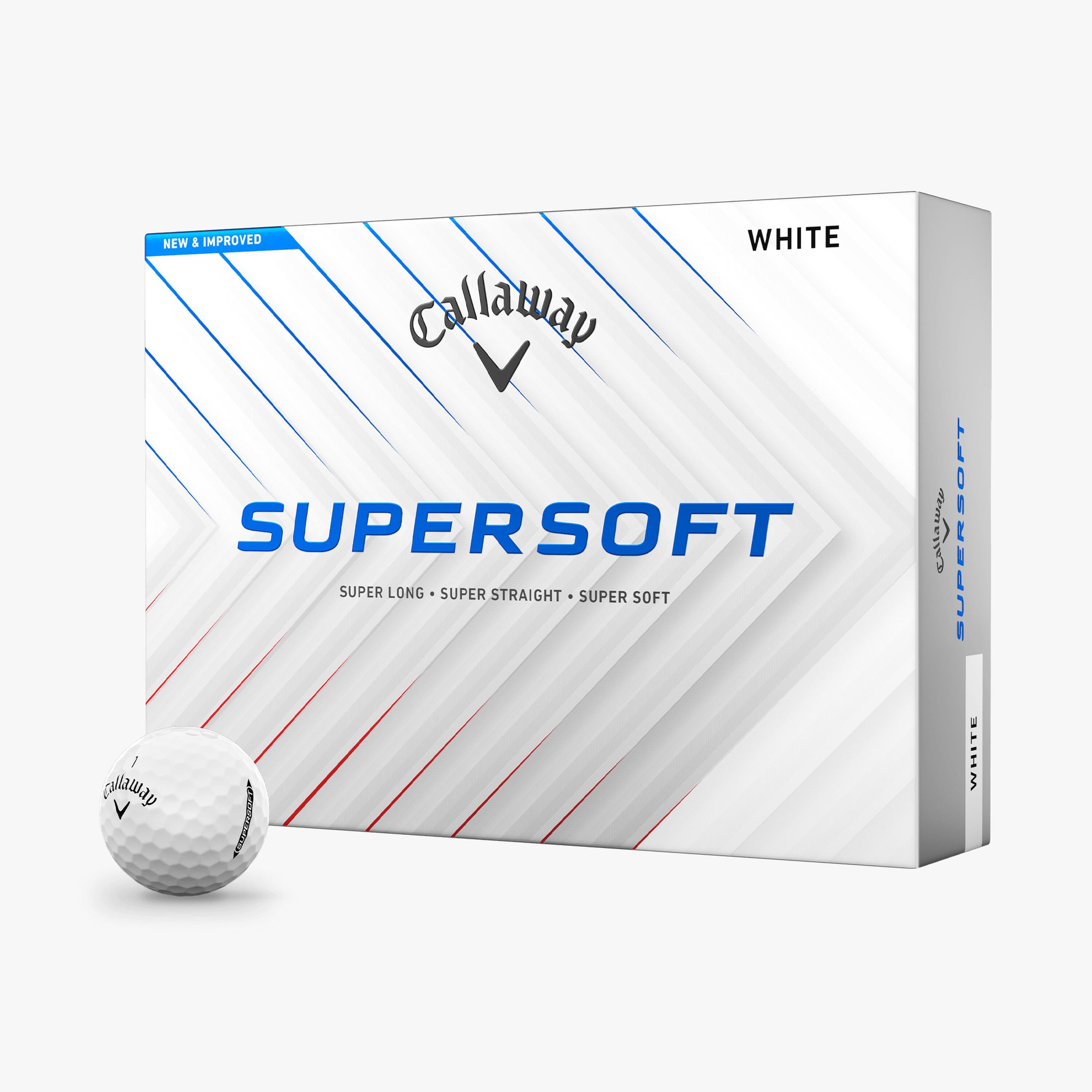
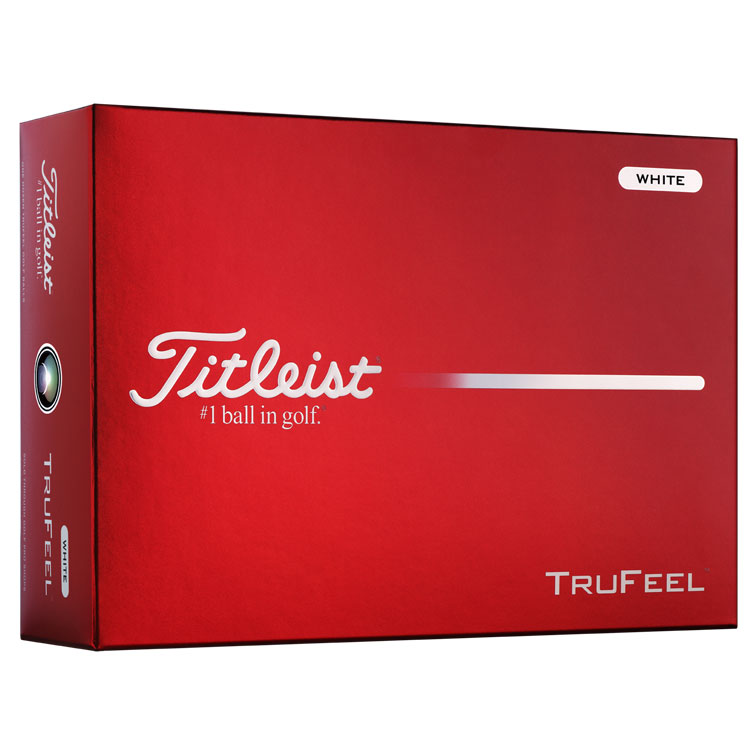
For most amateurs a soft, lower-spin ball is simply the better buy: straighter off the tee, plenty of feel around the greens, often a third of the price. Match it to your swing speed. Slower or moderate swingers want an ultra-low-compression ball like the Supersoft — around 38 compression, built so a gentler swing actually squashes it and sends it flying long and straight. A two-piece TruFeel gives you soft Titleist feel and a low, boring, wind-cheating flight. And here's the development the premium brands hate to spotlight: the three-piece Kirkland Signature cracked 6,000 rpm of greenside spin in independent robot testing, and the distance gap to tour balls has all but vanished — robot tests now separate them by a yard or two off the driver. You give up almost nothing off the tee for a fraction of the outlay. The deeper data is in do expensive golf balls make a difference.
Feel and budget: the two honest tie-breakers
Once cover and compression fit your game, only two levers remain, and both are simpler than the marketing pretends. Feel is purely personal — soft balls (the Supersoft, the TruFeel) come off the putter muted and gentle; firmer premium balls click and feed back more. Neither is objectively better, so pick what your hands trust over a four-footer and stop reading dimple-count blurb. On budget, think in tiers, not models: there's a genuinely good value tier, and there's a premium urethane tier roughly double it. The leap from a bad ball to a good value ball is real and worth paying for; the leap from a good value ball to premium is, for most golfers, money spent on a benefit they can't physically access. Spend where the jump actually shows on your card.
The thing that matters more than which ball you pick
Consistency — and almost nobody talks about it. Play a dozen of one model all season rather than whatever scuffed stranger turns up in the rough, because your carry numbers only mean something if you're hitting the same ball every shot. Different models fly measurably different distances, so a golfer who switches round to round has secretly binned their own yardages and is now guessing on every approach. Picking one good ball and committing beats forever chasing the perfect one between great options. And don't let the rollback panic shift your pick: for recreational golfers it's a roughly 5-yard story that doesn't bite until 2030 at the earliest, if ever.
The 12-ball test, and who should buy what
Run the only test that counts and skip the launch monitor: buy a sleeve each of two or three candidates, chip, pitch and putt them back to back from the same lies, and play the one your hands trust over a knee-knocker. As a shortcut — buy premium if you're single-figure-to-mid, flight your irons and spin wedges; buy a soft value ball if you swing slower, sit higher than mid handicap, or lose more than a sleeve a round; and skip anything fancier until your contact and distance control are sharp enough to feel the difference at all. The premium field is in our best premium golf balls guide; the value picks in best value golf balls. And if you want a shortlist before you spend a penny, our Golf Ball Finder turns three honest answers about your game into a ball recommendation.
Products mentioned in this article
Titleist
Titleist Pro V1 Golf Balls (Dozen)
The tour benchmark — buy this if your short game can use the spin and feel.
Callaway
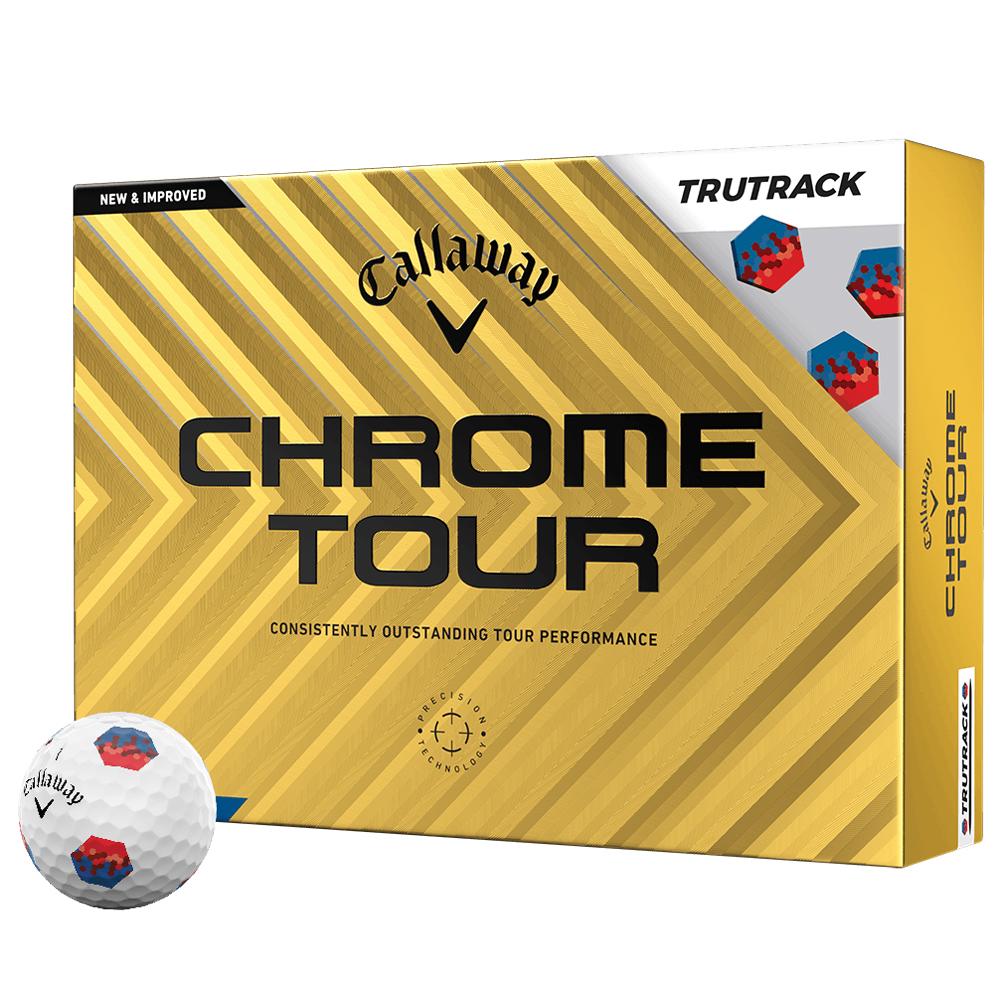
Callaway Chrome Tour Golf Balls (Dozen)
The premium challenger — a touch more ball speed, softer strike.
Callaway
Callaway Supersoft Golf Balls (Dozen)
Maximum distance and forgiveness for slower swings, pennies a round.
ifrothgolf earns a commission on purchases made through these links, at no extra cost to you. It never changes what I recommend. Full disclosure.
Frequently asked
- What golf ball should a high handicapper use?
- A soft, low-spin value ball like the Titleist TrueFeel or the ~38-compression Callaway Supersoft — straighter off the tee, good feel around the greens, and a fraction of the price. Premium spin is wasted until your contact and distance control are sharp.
- Do I need a premium ball?
- Only if you control your distances and spin wedges on purpose. The greenside spin is real but needs clubhead speed and clean contact to use. Most golfers score the same or better with a committed value ball.
- Does compression matter when choosing a ball?
- Less than the marketing implies. The useful takeaway is simple: slower swingers find a low-compression ball (like the ~38 of a Supersoft) easier to compress and fly straight, while faster swingers can handle a firmer premium ball. Beyond that broad match, don't agonise over the number.
- Does switching golf ball models matter?
- Yes — different balls fly different distances, so switching round to round muddies your yardages. Committing to one ball matters more to your scores than which good ball you choose.
- How do I pick between two balls?
- Test them where it counts: a sleeve of each chipped, pitched and putted back to back from the same lies. Play the one your hands trust over a short putt, then stick with it.
Read next
Review
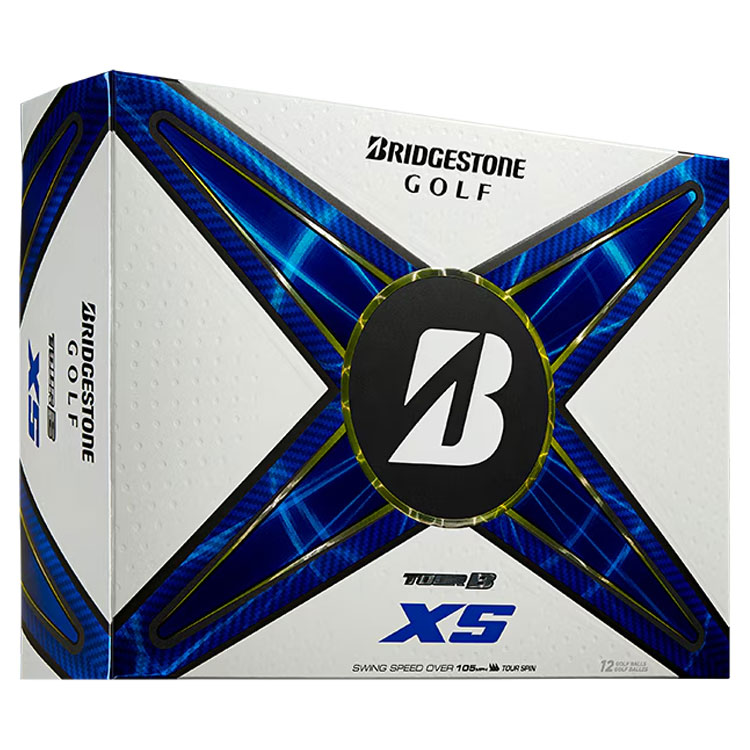
8.3/10Bridgestone Tour B XS review: the soft-feel tour ball for fast swingers
A three-piece urethane tour ball built around Bridgestone's fastest staffers, at the soft, spinny end of the line. Who should play it over a Pro V1 or TP5?
Review
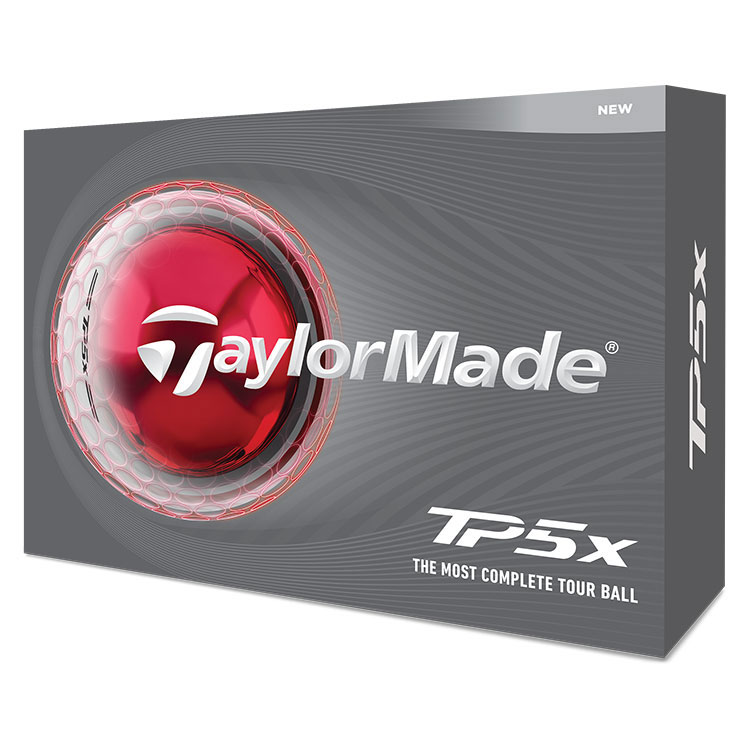
8.4/10TaylorMade TP5x review: the faster, firmer sibling — and who it's really for
Same five-layer tour pedigree as the TP5, tuned for speed and a flatter flight. The question isn't whether it's good — it's whether you're the swing it was built for.
Versus
Titleist Pro V1 vs TaylorMade TP5: which tour ball actually fits your game?
The two balls tour players genuinely cross-shop, and the difference isn't distance — off the tee they're within a yard of each other. It's feel, flight and greenside spin, and most golfers pick on the badge instead. Here's how to choose on the thing that matters.