
Will your golf ball be banned in 2030? No — and here's the 5-yard truth
The headlines want you scared into buying something. The reality: a tour-level rule that costs you about five yards no sooner than 2030, that keeps slipping, and that over 30% of today's balls already pass anyway.
By Tom Whitaker · Staff Writer
 Explained
No — your golf ball is not getting banned, not this year, not next, and for the vast majority of golfers, not in any way you will ever notice. The USGA and R&A distance rollback does not take effect until at least 1 January 2030, and on 17 June 2026 — days before the US Open — the governing bodies pushed the timeline back again and said they are "reevaluating the path forward." The rollback is a professional-tour story wearing a costume designed to scare recreational golfers into buying something. Don't.
The timeline, in plain English
Here are the only dates that matter. From October 2026, ball makers can start submitting balls to the new, stricter conformance standard. From October 2027, they can no longer submit balls under the current standard — but anything already on the conforming list stays legal through the end of 2029. Then a single universal switch flips on 1 January 2030 for everyone, elite and amateur alike. That date has already slipped more than once, and in June 2026 the USGA's own chief admitted the original proposal "probably isn't enough" — so treat 2030 as the earliest plausible date, not a certainty.
How much distance you'll actually lose
This is the number the marketing won't lead with, because it deflates the panic. The new standard is tested at 125 mph of clubhead speed — and the impact scales with speed, which is the whole point of how it's been designed. The longest hitters on tour stand to lose 13–15 yards; an average tour pro 9–11; LPGA and elite women 5–7. A recreational golfer, swinging the average ~93 mph rather than 125, loses roughly 5 yards or less off the driver and effectively nothing on iron shots. That is smaller than the distance you give away to a cold morning, a soft fairway, a slightly into-the-breeze tee shot, or simply teeing it a fraction lower. Put bluntly: the rollback is engineered to claw back distance from the people whose distance is breaking golf-course architecture, and to leave everyone else essentially untouched. If you are reading this, it costs you a half-club at most — and you'll likely never notice it against the round-to-round noise you already live with.
Why this is happening at all
It helps to understand the actual problem, because the headlines rarely bother. The governing bodies aren't worried about your drives — they're worried that the longest professionals now hit it so far that classic championship courses are being rendered obsolete, forcing clubs to buy land and stretch holes to absurd lengths. The rollback is a fix aimed squarely at the top of the men's game, where a 13–15 yard reduction reins in the outliers without much affecting the field. It's a tour-management tool. The recreational golfer was only ever swept in to keep a single 'unified' rule rather than a bifurcated one — and even that unified approach is exactly what's now being reconsidered. None of the underlying motivation has anything to do with the ball in your bag.
Will your specific ball even change?
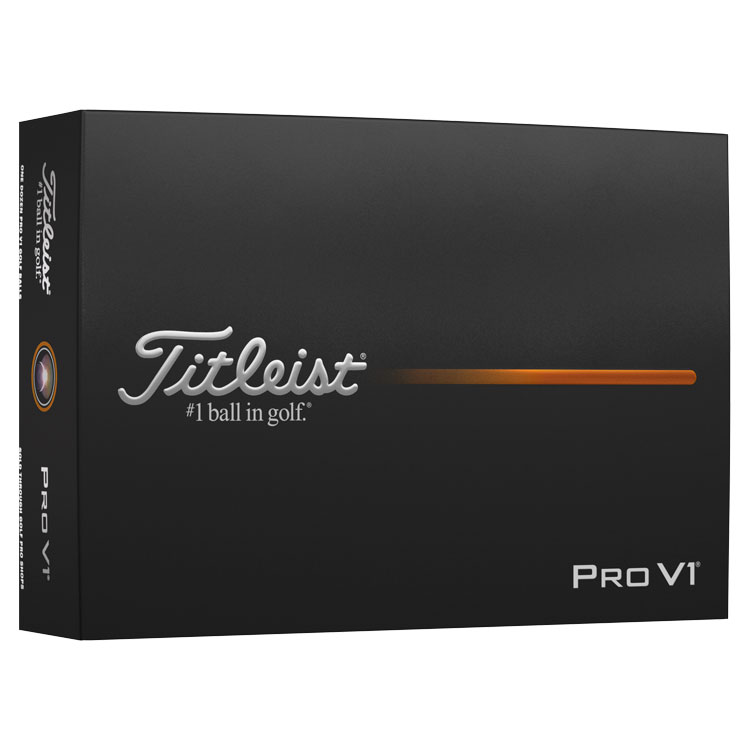
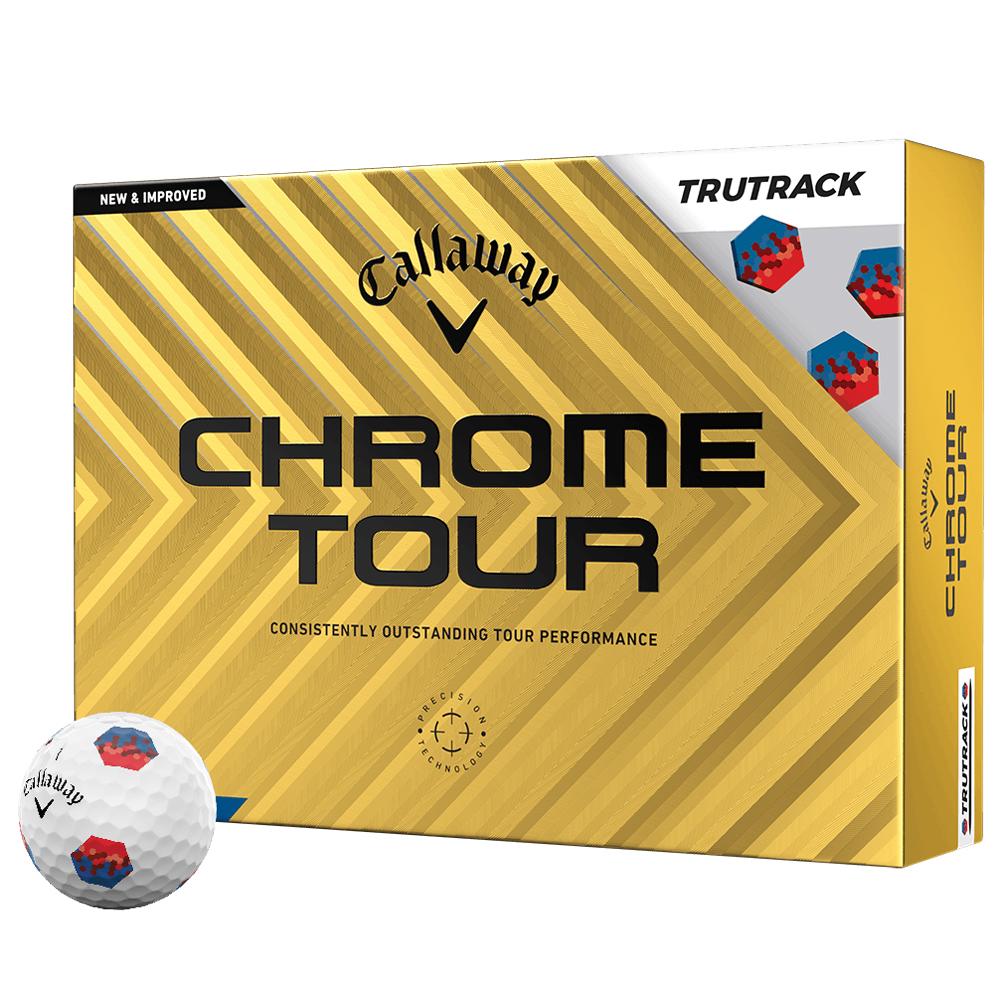
Probably less than you think. More than 30% of current ball models are expected to remain conforming under the new test as-is — they simply pass without a single change. For the rest, manufacturers will quietly reformulate: your Pro V1 or Chrome Tour won't vanish, it'll be replaced by a 2030 version that's a couple of yards shorter for the fastest swings and otherwise identical in feel, spin and greenside behaviour. Titleist and Callaway have done this kind of recalibration before without anyone outside a robot lab noticing. There is no scenario where you walk into a shop in 2030 and can't buy a great ball — premium urethane, soft value, the lot. The category isn't going anywhere; a sliver of peak distance for elite swingers is. And because the loss scales with speed, whatever tiny change reaches your particular ball will be the gentlest version of it.
What you should actually do
Nothing urgent. Do not stockpile — you have years, golf balls don't get better sitting in a garage (covers can harden and degrade over long storage, if anything), and the recreational distance loss is well within the normal ball-to-ball and weather variation you already play through. Don't switch balls now to 'get ahead of it', either; there is nothing to get ahead of. Keep buying the ball that fits your game today: a premium urethane ball if you score around the greens and use the spin, a value ball like the three-piece urethane Kirkland if you lose a sleeve a round and the spin gap doesn't justify double the price.
We laid out that decision in do expensive golf balls make a difference and the wider framework in how to choose a golf ball; the rollback changes none of it. Our best premium golf balls guide is the place to start.
So is the rollback even happening?
Genuinely unclear, and that's the honest take. It's been delayed repeatedly, the governing bodies are openly reconsidering, and a growing camp thinks the universal version quietly dies in favour of a tour-only rule. The June 2026 statement that they're 'reevaluating the path forward', combined with the chief's admission that the original proposal 'probably isn't enough', tells you the picture is still moving — and every time it moves, it moves later and softer for the recreational player, not harder. We argued it was a non-event for amateurs months ago, and June's climbdown only made that truer. Buy your next dozen on how it performs for you today — not on a rule that may never reach your bag.
Products mentioned in this article
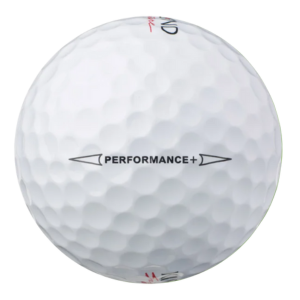
Kirkland Signature
Kirkland Signature Performance+ Golf Balls (Dozen)
Value pick — none of this changes the maths
ifrothgolf earns a commission on purchases made through these links, at no extra cost to you. It never changes what I recommend. Full disclosure.
Frequently asked
- Will my golf ball be illegal in 2030?
- Probably not. Over 30% of current ball models are expected to stay conforming under the new standard, and even if your exact ball is reformulated, a near-identical 2030 version will replace it. The earliest any change takes effect is 1 January 2030, and that date keeps moving.
- How much distance will the rollback cost me?
- If you're a recreational golfer, roughly 5 yards or less off the driver and almost nothing on irons — the new standard is tested at 125 mph clubhead speed, far above the ~93 mph average amateur. The longest tour players lose 13–15 yards; you lose a fraction of that.
- Should I stockpile my current golf balls?
- No. You have until at least 2030, balls don't improve in storage, and the recreational impact is smaller than the variation you already see between brands and in different weather.
- Does the rollback affect amateurs the same as professionals?
- No. It's calibrated at tour-level clubhead speed, so the effect is heavily weighted toward the fastest swingers. For most club golfers it's negligible.
- Is the ball rollback definitely going ahead?
- It's uncertain. The timeline has been delayed to at least January 2030 and in June 2026 the governing bodies said they're reevaluating the path forward. Don't let it drive a purchase decision.
Read next
Review
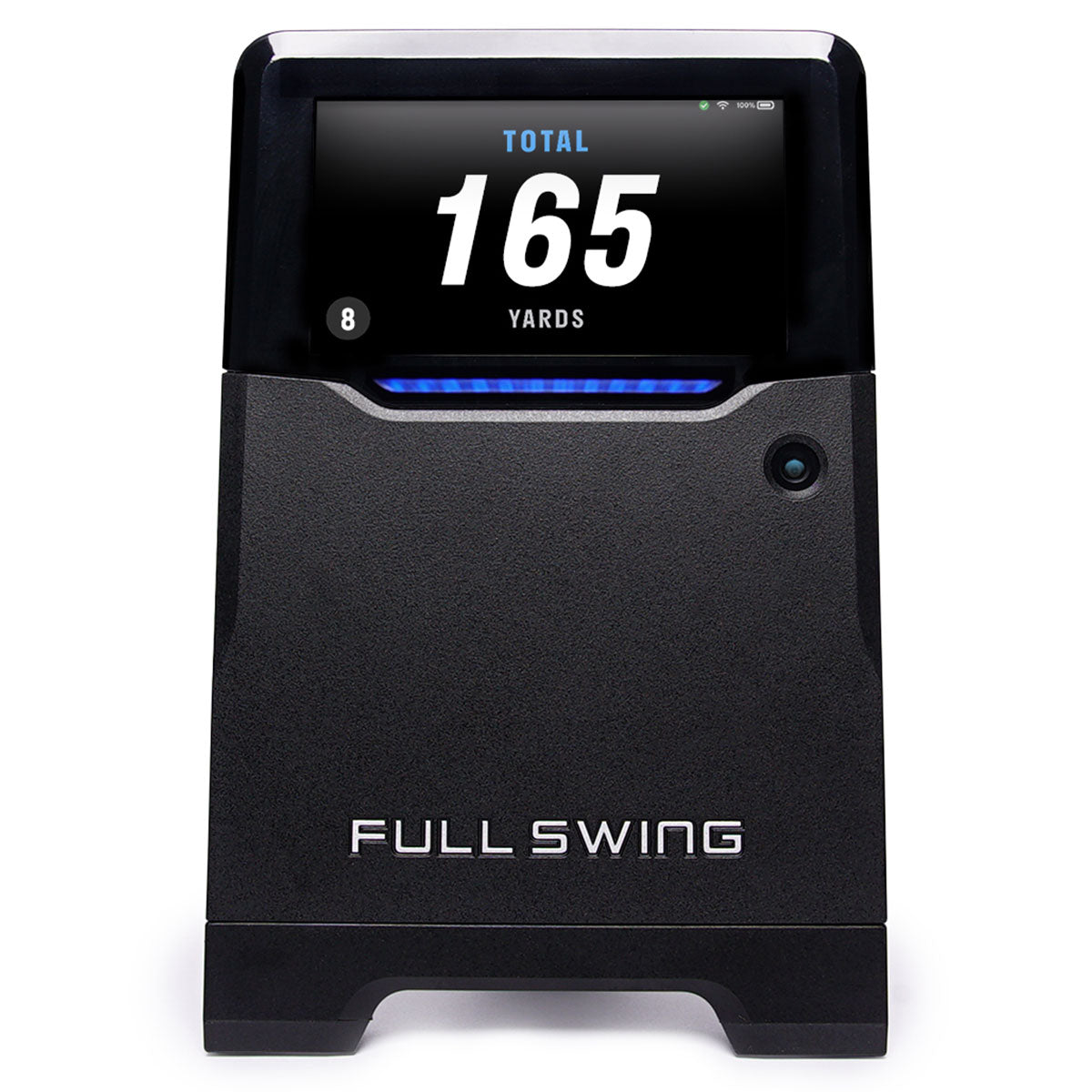
7.9/10Full Swing KIT review: the tape measure decides this, not Tiger
Tour pedigree, TGL on ESPN, and radar good enough to be checked against a Trackman outdoors. It also wants eighteen to twenty feet of room, which rules out most of the garages people buy it for.
Versus
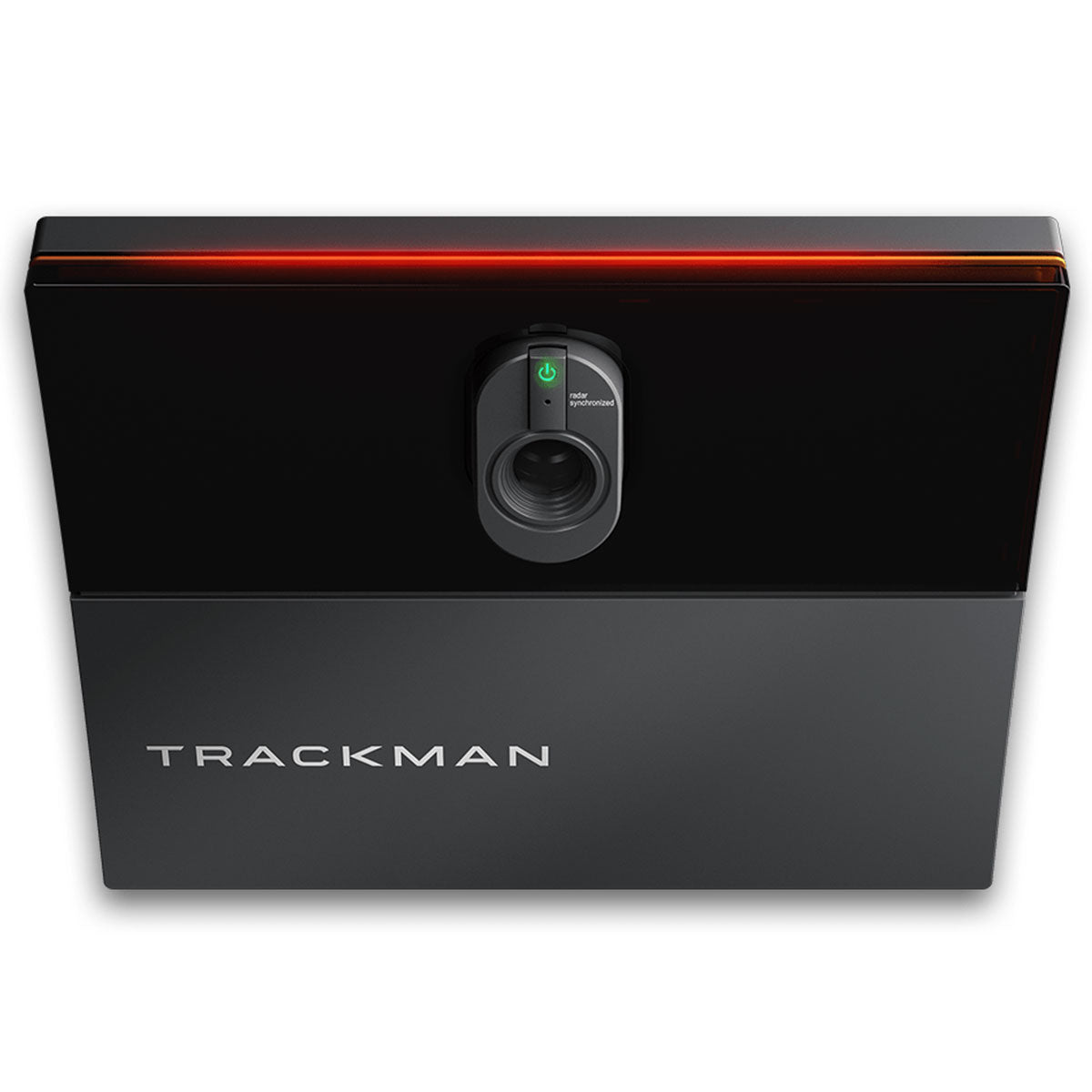
Trackman iO vs Uneekor EYE XO2: the year-one trap
Both mount overhead, both want ten feet of ceiling, and about $3,000 separates them on the shelf. Then Trackman's included first year runs out, and the gap starts growing by $1,100 a year.
Versus
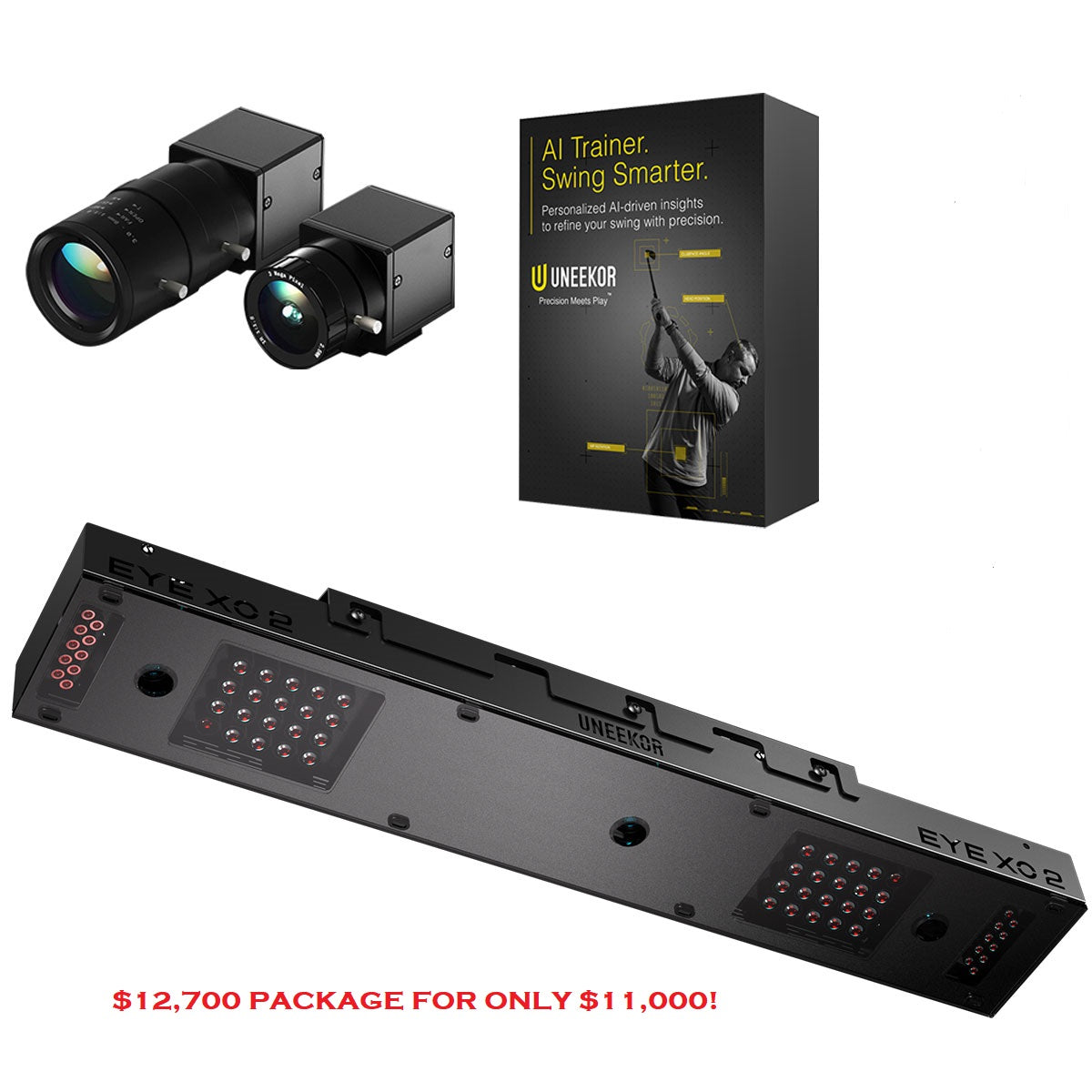
Uneekor EYE XO2 vs Foresight GC3: ceiling or floor?
About $4,000 separates them, but they're not really rivals — one lives in your ceiling forever, the other sits on the floor and travels. The cheaper one is also the one with no subscription.