
New, last year's, or used: how to buy golf gear smart in 2026
With a flood of new launches this year, here is a money-savvy framework for when full price is worth it and when it absolutely isn't.
By Dan Mercer · Editor
 Opinion
Buy new only where the tech genuinely moved or where fitting matters, which in 2026 means mainly the driver, and only if you'll actually get fitted. Buy last year's models or direct-to-consumer value brands for most of the bag. Buy used and recovered for consumables. That's the whole framework, and it saves a fortune.
There is a step the framework assumes but never spells out: knowing how to inspect what you are buying. The used and last-year's market is full of genuine bargains and a fair number of traps, and the difference between the two is usually visible in thirty seconds if you know where to look. Most of the money lost on second-hand clubs is lost not because used buying is risky in principle, but because the buyer did not check the few things that actually matter and trusted a photograph or a vague description instead. Learn the inspection points below and the used market stops being a gamble and becomes the obvious value play it should be.
Every spring the industry launches a new generation and tells you last year's gear is obsolete. It isn't. The honest reality is that meaningful performance jumps are rare and concentrated in a couple of categories, while most of the bag improves at a glacial pace. If you buy like the marketing wants you to, you'll spend the most money on the clubs that changed the least.
Buy new where the tech moved and fit matters
The driver is the one club where buying new can genuinely pay off, because it's where engineering effort concentrates and where a fitting changes your results most. Adjustable weighting, face design and launch tuning have moved enough generation-to-generation that a current head, dialled in for your swing, can be a real upgrade rather than a cosmetic one.
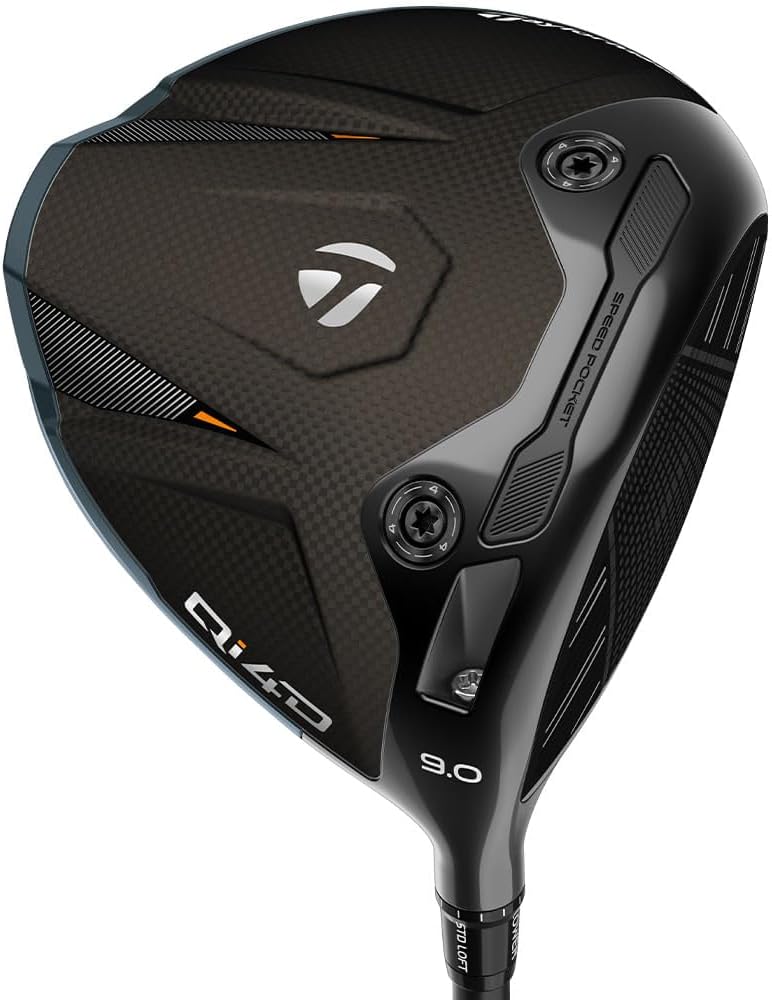
If you're going to buy a current driver, the TaylorMade Qi4D is a fair example of the category, but the condition is non-negotiable: get fitted. Paying full price for this year's driver off the rack, with the wrong loft and a stock shaft, wastes the entire premium you just paid. New only makes sense here when you pair it with a proper fitting; otherwise you're buying a paint job.
Last year's models and value brands for most of the bag
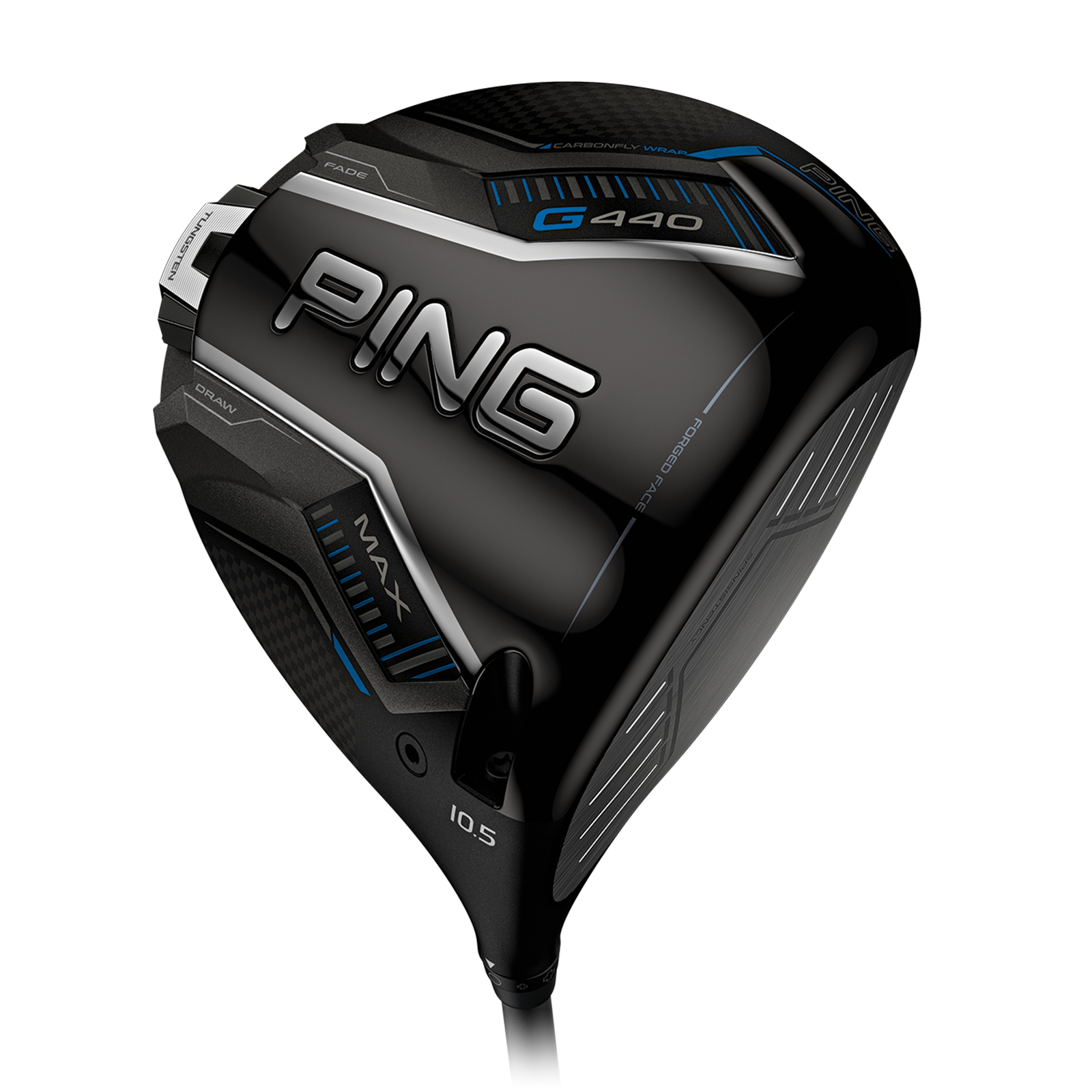
For almost everything else, this year's launch is a small step over last year's, and last year's is heavily discounted the moment the new one lands. That's the value window. A forgiving driver like the Ping G440 Max gives you current, genuinely useful technology without paying the bleeding-edge premium, and for most players the on-course difference versus the absolute newest head is negligible.
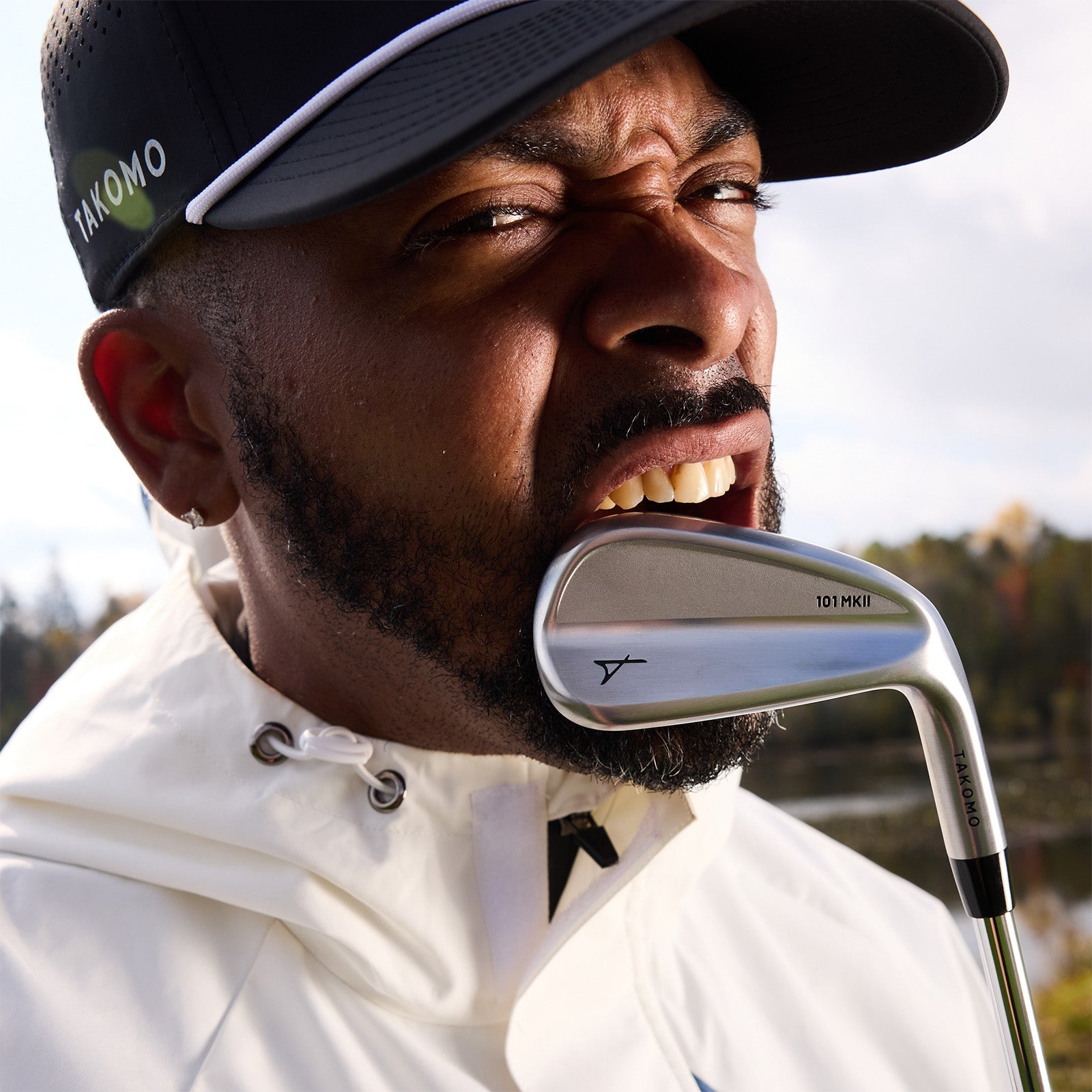
The same logic kills the big-brand markup on irons. Direct-to-consumer brands have quietly become the value story of the drivers era, and irons especially. The Takomo 101 MkII is the clearest example: a forged-feel iron sold direct at a fraction of big-brand pricing, because you're not paying for tour contracts and retail shelf space. Owner consensus is that the performance gap to the marquee names is far smaller than the price gap. For most golfers, that's where the real saving lives.
Used and recovered for consumables
Then there's the stuff you're going to lose or wear out regardless of where it came from. Golf balls are the obvious one. Paying full retail for a premium ball you'll knock into a lake makes no financial sense when recovered balls exist.
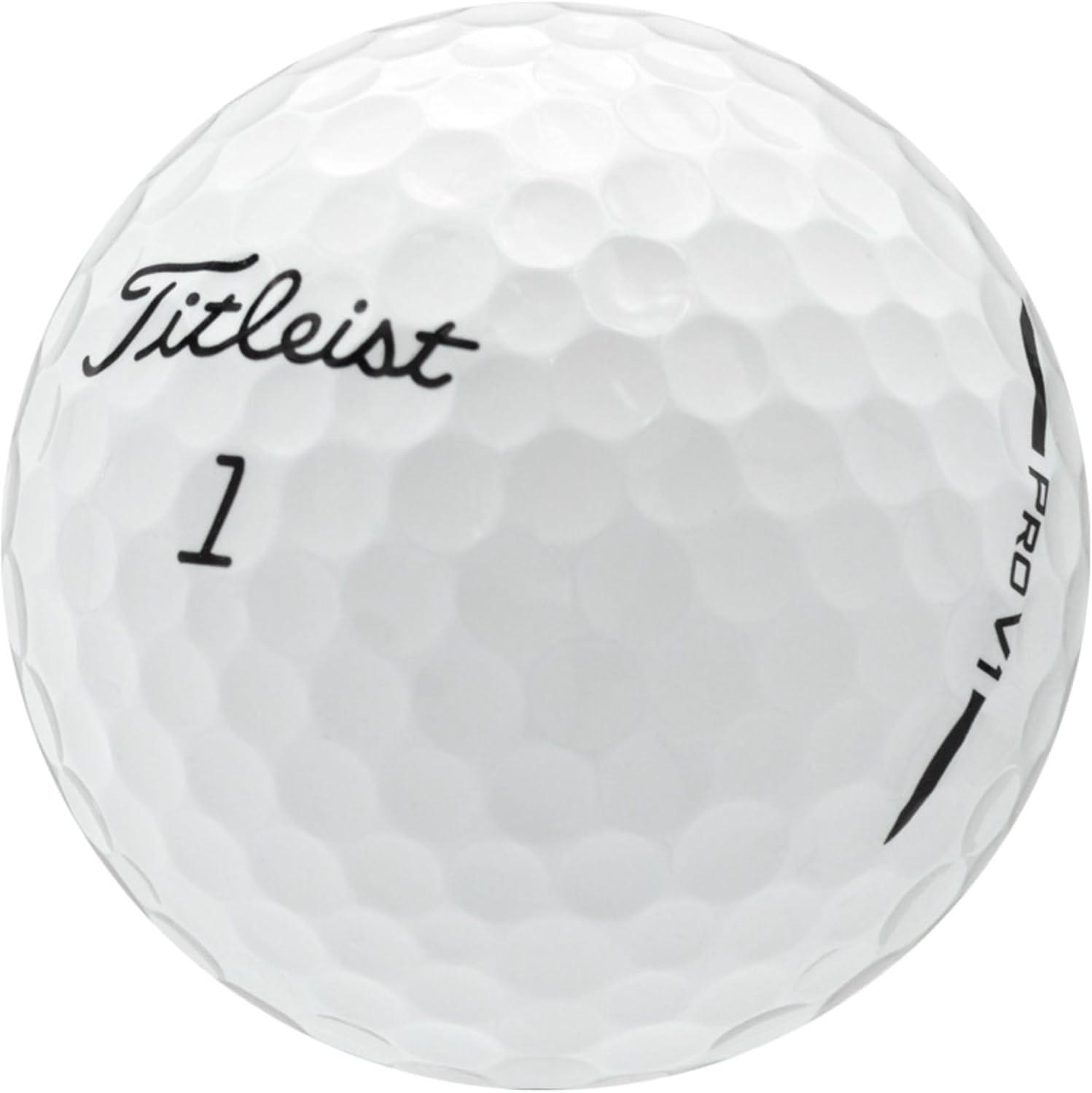
Recovered premium balls like Lake Balls Pro V1 let you play a genuine tour ball for a fraction of the new price. The performance of a cleaned, graded recovered ball is close enough for almost everyone, and crucially it removes the flinch, you stop steering away from water hazards because the ball is cheap to lose. Buy these by the dozen and never buy a new sleeve of premium balls again.
How to inspect a used club before you trust it
Start with the face and the sole, because that is where honesty lives. On irons and wedges, look hard at the grooves: rounded, shiny, polished-smooth grooves on a wedge mean the spin is long gone, and a worn wedge is the one used club genuinely not worth buying. On a driver, the things that end the sale are a crack or a hairline around the face perimeter and any rattle when you shake it, both of which mean the head is dead or dying. Surface scratches and sky-marks on the crown are cosmetic and should knock the price down, not the deal off; they tell you nothing about performance. A little bag chatter on the sole is normal wear, not damage.
Then check the parts that quietly cost money to put right. Confirm the shaft is the spec described, not a cheap aftermarket replacement swapped in, and that the adjustable hosel, if there is one, turns and locks rather than seizing or slipping. Grips are consumable and easy to factor in, a worn grip is a bargaining chip, not a dealbreaker, but a loose head or a shaft that has been re-glued is a walk-away. Where you can, buy from a seller who lets you return a club that arrives unlike its description, and photograph the club on arrival. The whole inspection takes a minute and turns most used-buying horror stories into problems you simply never have.
Certified pre-owned, marketplaces, and the trade-in maths
Not all used channels carry the same risk, and the price reflects it. Certified pre-owned programmes from the big retailers cost more than a private sale but hand you graded condition, a return window and clubs that have already been checked over, which is the right call for anything where a hidden fault is expensive, a driver head or a full iron set. Open marketplaces are cheaper and that is the trade: you are the quality control, so apply the inspection above ruthlessly and lean on buyer protections. The sweet spot for most people is paying a small premium for certification on the big-ticket club and going open-market for low-risk items like a spare wedge or a putter.
Trade-in is where the maths quietly turns against you if you are not paying attention. A retailer's trade-in offer is convenient, but it is a wholesale number, you will almost always get more selling privately, and the gap is widest on desirable, recent clubs. The clubs that hold their value are the ones everyone wants used: marquee drivers from the last couple of seasons, premium wedges and putters, and forgiving game-improvement irons. Niche players' irons and anything in an unusual spec hold value poorly because the second-hand buyer pool is small. So if you upgrade often, buy clubs that resell well, sell them yourself a model behind the curve, and treat trade-in as the lazy option you pay for in lost value.
Where I'd never compromise, and where I always would
I'll pay full price for exactly two things: a fitting, and a driver I've been fitted for. Everything past that, I'm shopping last year's models, direct-to-consumer brands and the used market without a shred of guilt. The gear industry depends on golfers believing newer is always better. In 2026, with launches arriving faster than ever and discounts following just as fast, the smart money does the opposite of what the launch calendar wants.
Build the bag in that order: spend your real money on the fit and the one club where the tech moved, take last year's or value-brand pricing on the rest, and treat consumables as consumables. Do that and you'll play gear that's nearly as good as the most expensive setup on the rack, for a fraction of what the player next to you paid.
Products mentioned in this article
TaylorMade
TaylorMade Qi4D Driver
Buy new here only if you'll get fitted: a current driver is the one club where this year's tech and a proper fitting genuinely justify full price.
PING
PING G440 Max Driver
A current-but-value-priced forgiving driver, the smart play when you want recent tech without paying the absolute-newest premium.
Takomo
Takomo 101 MKII Irons
Direct-to-consumer irons that deliver forged-feel performance at a fraction of big-brand pricing by skipping the retail markup.
Second Chance
Second Chance Titleist Pro V1 Grade A Lake Balls (12 Pack)
Recovered premium balls: the obvious place to buy used, since a ball is a consumable you'll lose regardless of where it came from.
ifrothgolf earns a commission on purchases made through these links, at no extra cost to you. It never changes what I recommend. Full disclosure.
Frequently asked
- Is it worth buying this year's driver every season?
- No. Meaningful driver gains come every few generations, not every year. Buy a current driver when you're due for a fitting and the head genuinely suits you, then keep it for several seasons.
- Are direct-to-consumer irons actually good?
- For most golfers, yes. Brands selling direct skip tour contracts and retail markup, so owner consensus is that the performance gap to big names is far smaller than the price gap suggests.
- Are recovered golf balls reliable?
- Graded, cleaned recovered premium balls perform close enough to new for almost everyone, and they remove the fear of losing an expensive ball near hazards. Buy a known grade and they're an easy saving.
- What should I never buy used?
- Anything where fit is critical, mainly a driver you intend to be fitted for. Custom loft, shaft and lie matter too much there to gamble on a used spec that wasn't built for you.
Read next
Review
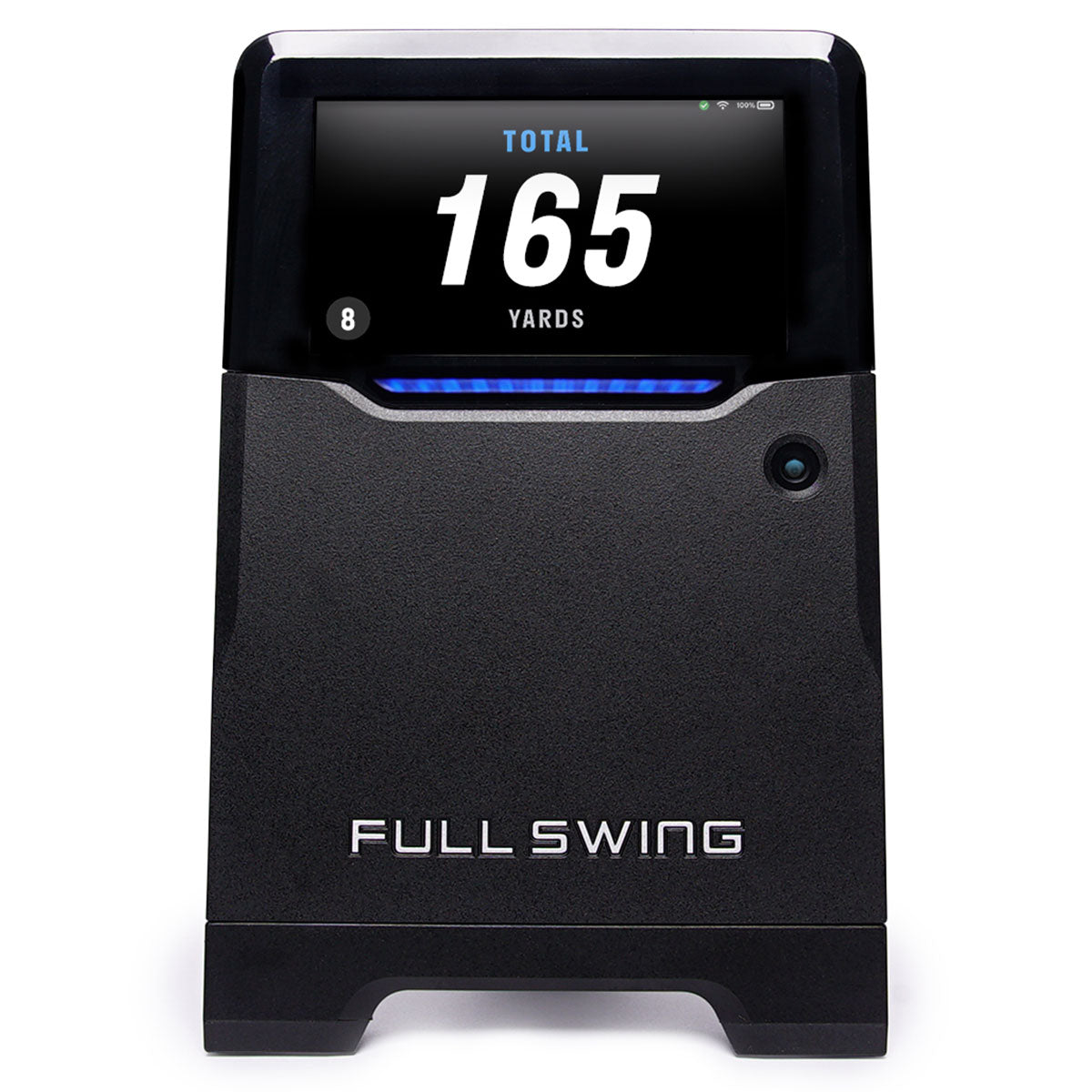
7.9/10Full Swing KIT review: the tape measure decides this, not Tiger
Tour pedigree, TGL on ESPN, and radar good enough to be checked against a Trackman outdoors. It also wants eighteen to twenty feet of room, which rules out most of the garages people buy it for.
Versus
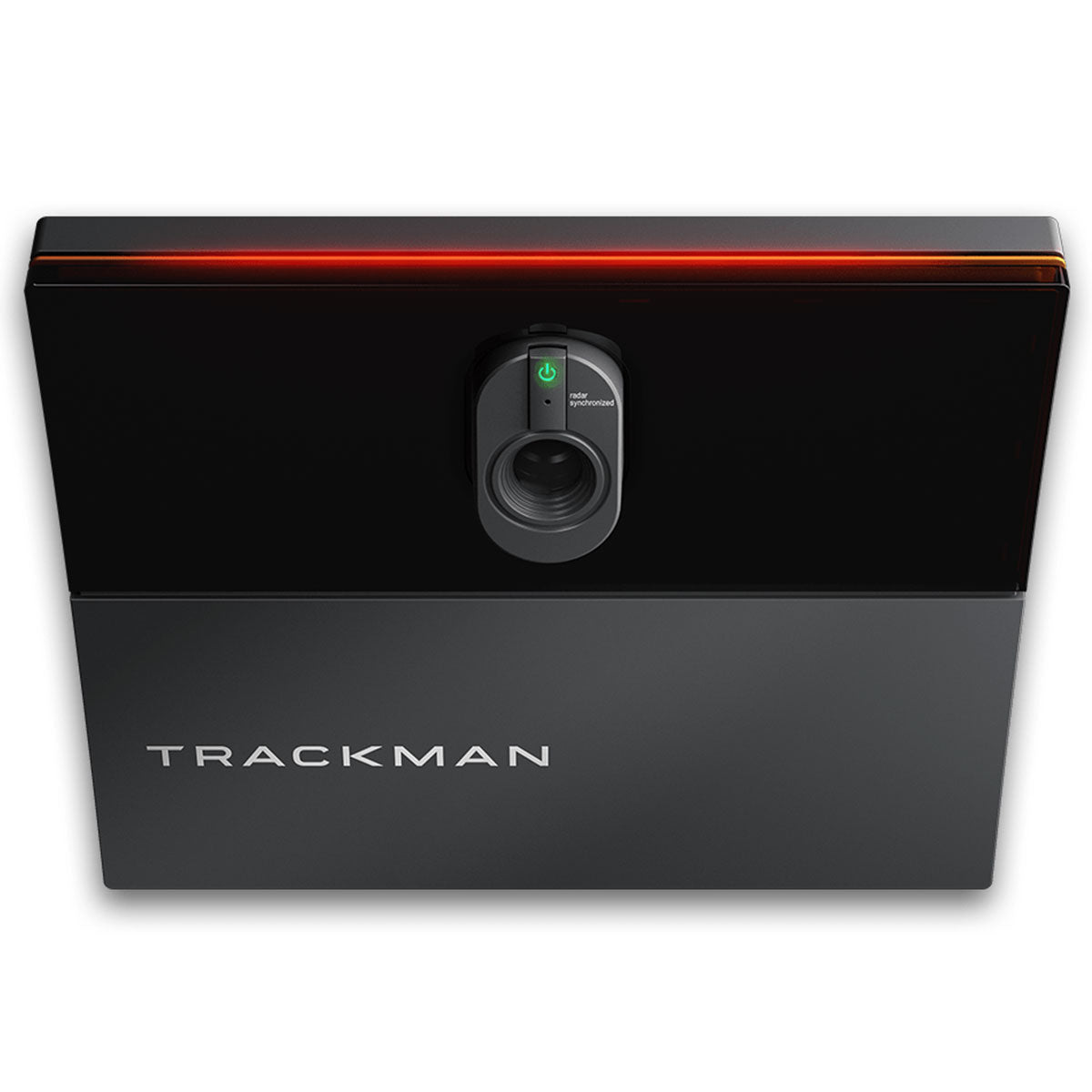
Trackman iO vs Uneekor EYE XO2: the year-one trap
Both mount overhead, both want ten feet of ceiling, and about $3,000 separates them on the shelf. Then Trackman's included first year runs out, and the gap starts growing by $1,100 a year.
Versus
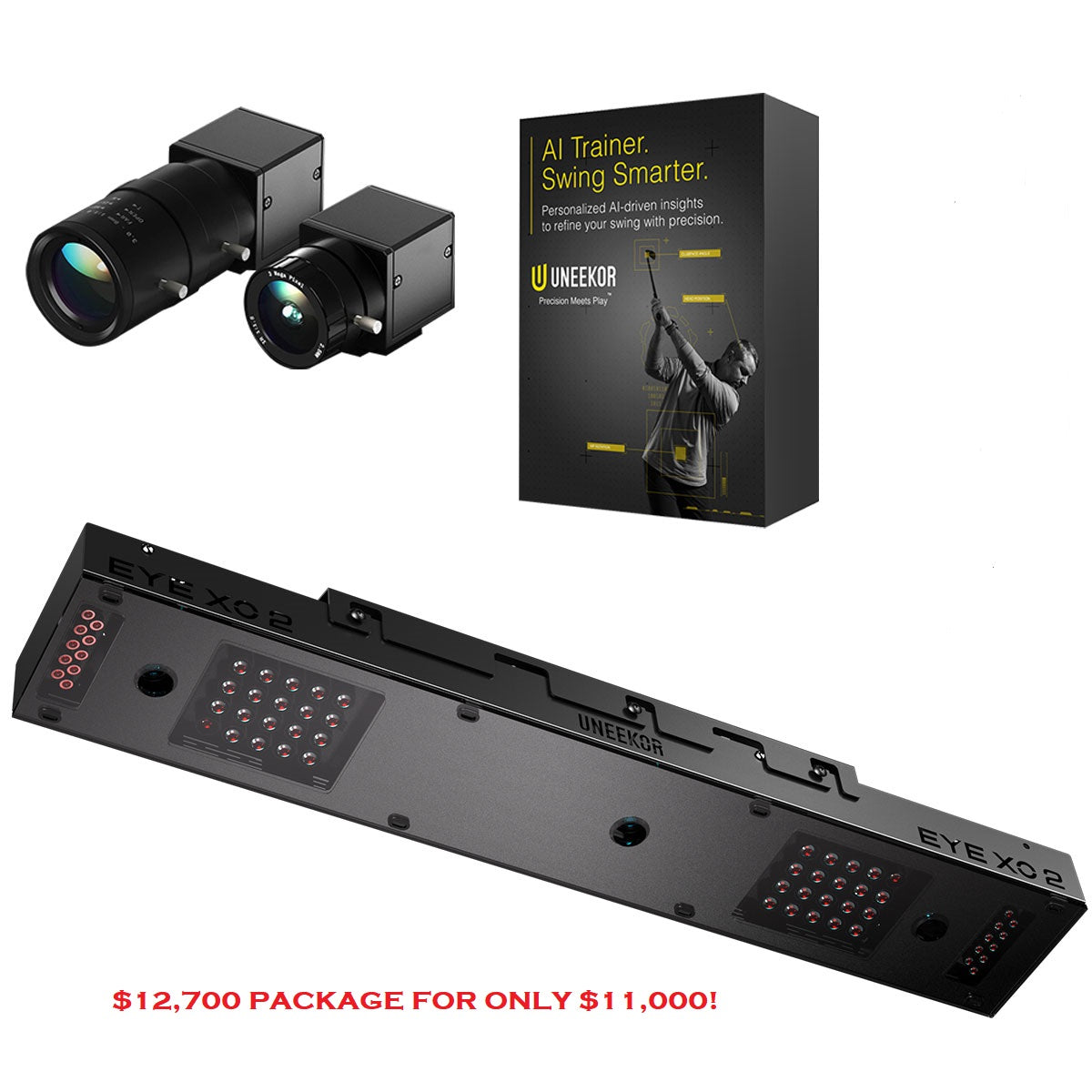
Uneekor EYE XO2 vs Foresight GC3: ceiling or floor?
About $4,000 separates them, but they're not really rivals — one lives in your ceiling forever, the other sits on the floor and travels. The cheaper one is also the one with no subscription.