
Takomo 101 MKII review: the irons quietly embarrassing the big brands
Half the price of a name-brand set, and good enough that you'll feel a bit silly for not trying them sooner. The direct-to-consumer irons reviewed.
By Jordan Hale · Equipment Writer
The verdict
Excellent
What's great
- Soft, premium feel that belies the price
- Real ball speed and easy launch from the variable-thickness long irons
- Clean two-tone look with sensible forgiveness
- Outstanding value — roughly half name-brand money; 2026 MyGolfSpy award winner
Watch out
- Bought on spec/trust, not a hands-on fitting
- Strong lofts need deliberate wedge gapping
- Negligible resale value
Bottom line — One of the best-value sets in golf for the player who wants a clean, sweet-feeling, distance-friendly iron without the brand tax. Just nail your lengths and lie, and plan the wedge gapping around the strong lofts.
Takomo
Takomo 101 MKII Irons
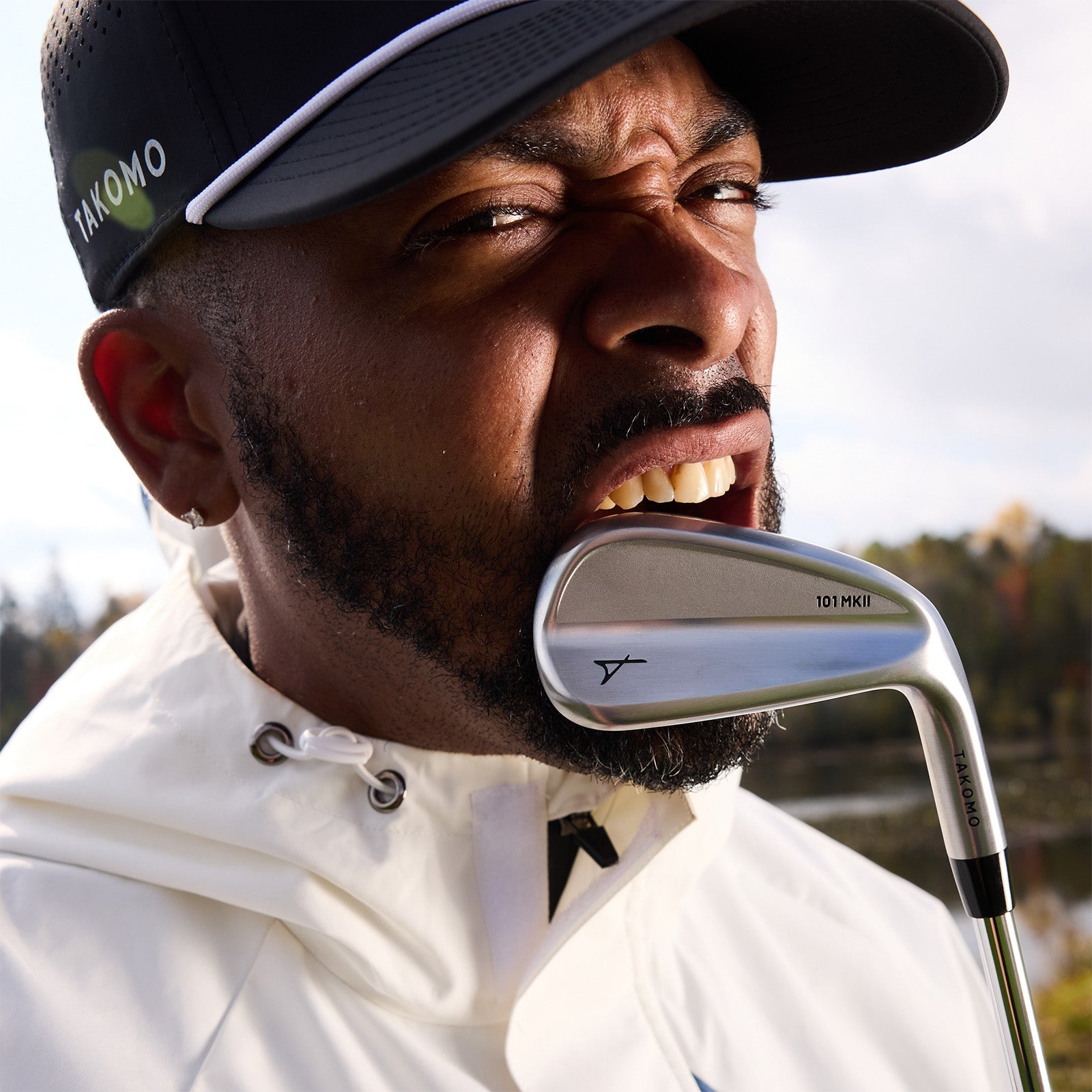
The Takomo 101 MkII is one of the best-value buys in golf: a clean, forged-feeling, distance-oriented iron at roughly $650 — about half the price of the household names — good enough that the first reaction on hitting it is usually a slightly annoyed 'oh'. It won MyGolfSpy's 2026 Best Game-Improvement Iron award, so the praise isn't just ours. The trade is that you buy on spec rather than from a hands-on fitting bay. For the player who refuses to pay a brand tax and will nail their specs, it's close to a no-brainer.
Why it's so cheap (it's not a catch)
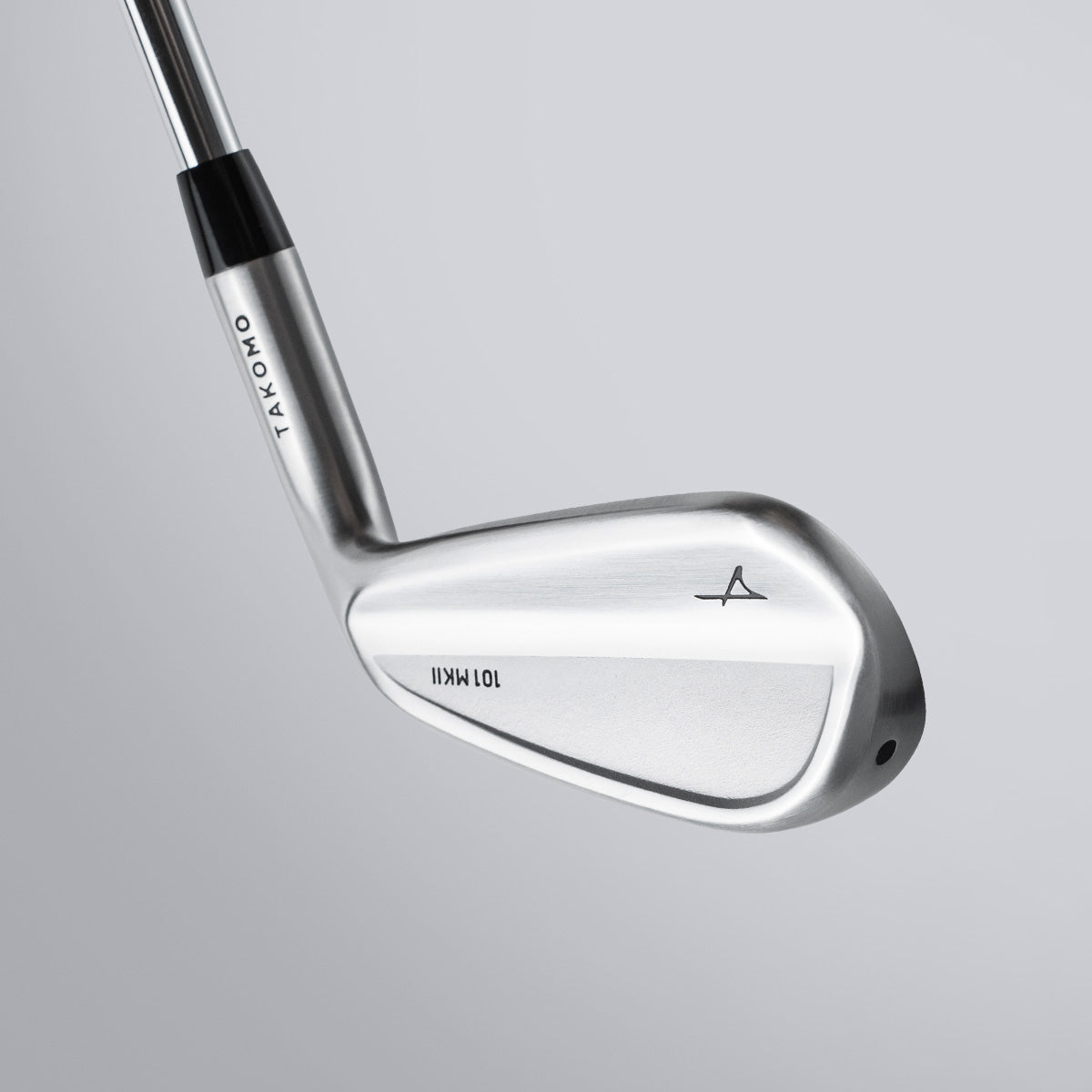
Direct-to-consumer brands skip the retail markup, the distributor margin and the tour-pro wage bill, selling straight online from the same kinds of forging houses the big names use. That's the entire reason the 101 MkII undercuts the household brands by close to half — not corner-cutting on the club itself. What you actually get is a tidy, modern game-improvement head with a clean topline, sensible offset and, new for the MkII, a genuinely premium two-tone finish that no longer looks like the budget option in the bag. You're paying for the iron, not the logo or the marketing. The full economics of why this works are in DTC irons are the smartest buy.
On the course
It does the important things right and a couple of them surprisingly well. A variable-thickness face in the long irons gives you genuine ball speed and an easy, high flight, which is exactly where mid-handicappers need help getting the ball up and out there. Through the bag the strike feels soft and responsive rather than clicky and cheap, distances are predictable, and there's enough perimeter forgiveness to flatter a mishit without the head ballooning into a shovel. It feels like an iron a decent player would actually want to hit, not a compromise you tolerate to save money — and in blind feel-and-flight terms the gap to the marquee brands is far smaller than the gap in price. Owner reviews echo the same surprise again and again: the recurring note is how little the half-price tag shows up in how the club actually plays. One thing to flag: the lofts run on the strong side, which is part of how it generates that distance, so it's a club that rewards being honest about whether you want 'distance' numbers or sensible gapping into greens.
The real catch: fitting
You buy DTC largely on spec and trust, not from a hands-on fitting bay — and on irons, lie angle and length make or break consistency more than almost anything else you can change. A lie a couple of degrees off can push a pure strike several yards offline, which is more than enough to undo any club-versus-club advantage. So the move is simple: know your numbers before you order. Get fitted somewhere even if you buy elsewhere — a paid session you don't purchase from still pays for itself — then order the 101 MkII built to those specs. Skip that step and you can quietly undo the whole saving by playing a great iron set up wrong for you.
Mind the wedge gap
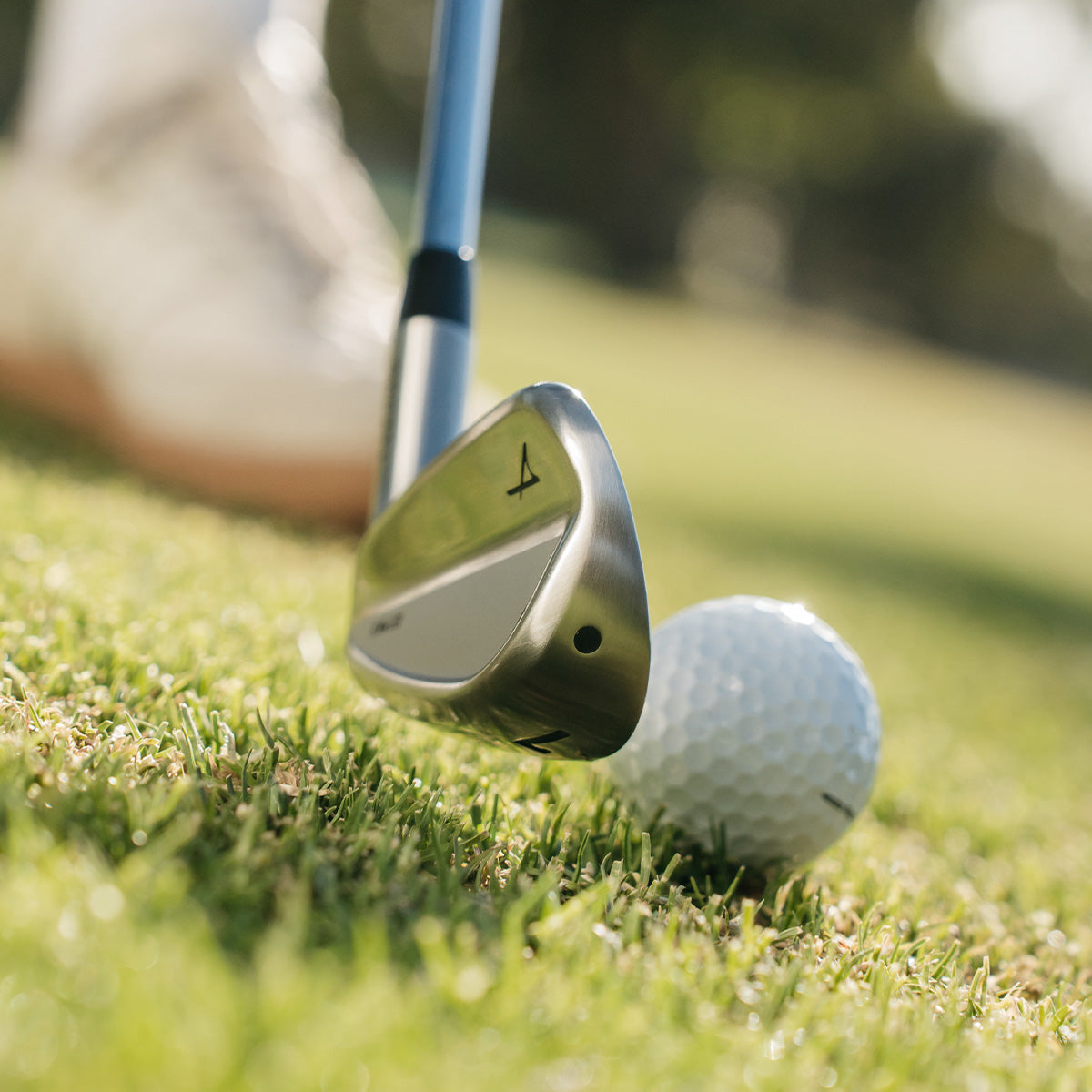
Because the lofts are strong, the bottom of the set needs a thought. Pairing the 101 MkII with your existing wedges can leave an awkward yardage hole between your pitching wedge and your most-lofted wedge, so plan the gapping deliberately — you may want an extra gap wedge to keep your distances evenly spaced. It's a five-minute exercise that stops the strong lofts becoming a problem rather than a feature, and it's the kind of thing the in-person fitting at a big brand would handle for you automatically.
What the award — and the price — actually tells you
It's worth dwelling on the MyGolfSpy win, because that award is decided by data, not relationships: independent robot and player testing across a full field of game-improvement irons, with the brands paying nothing for the privilege. A direct-to-consumer set at roughly $650 topping that category isn't marketing spin, it's a test result — and it's the clearest evidence yet that the DTC value argument has stopped being a hopeful theory and become a measured fact. Put the number in context: a comparable marquee set runs north of $1,350, so you're keeping several hundred pounds in your pocket for a club that beat the field. The honest framing is that you're not buying a cheap iron that's surprisingly good; you're buying a genuinely good iron that happens to be cheap because the brand isn't charging you for a tour wage bill.
Who should buy — and who should skip
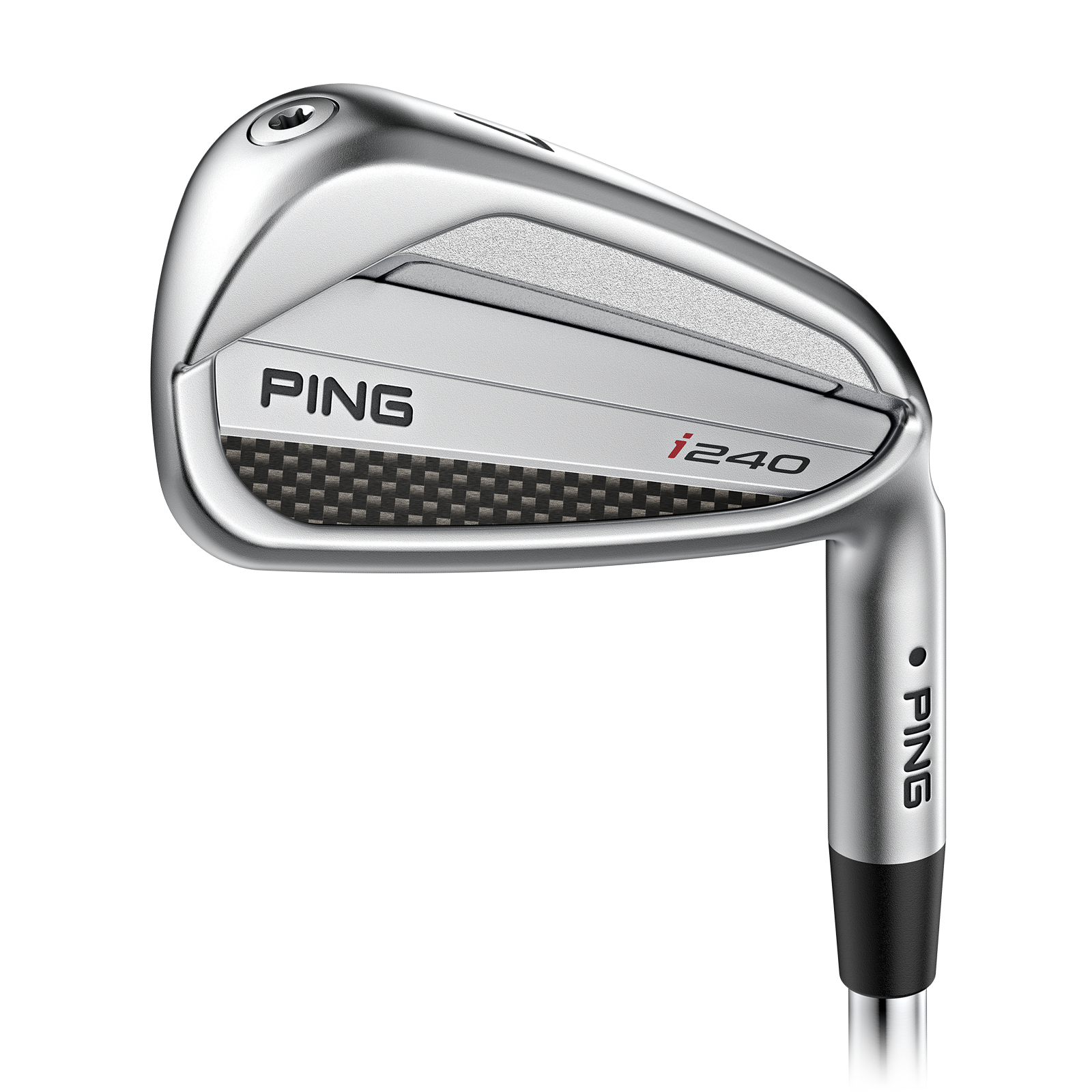
Buy it if you want a clean, sweet-feeling iron with real ball speed and forgiveness, you're a reasonable striker, and you'll do the small amount of homework on your specs and gapping. It suits the broad middle — say a 10-to-22 handicap — beautifully. Skip it if you need the absolute maximum game-improvement forgiveness of a chunkier, super-cavity set (the blades vs cavity-backs question decides which profile suits you), if you want the more refined feedback of a true players' iron like the PING i240, or if the in-person fitting net and big-brand resale genuinely matter to you. We weigh the two routes directly in Takomo vs PING. See where it sits in our irons & wedges guide.
Where to buy
8.8/10Frequently asked
- Are Takomo irons any good?
- Genuinely — the 101 MKII is a clean, forged-feeling players'-distance iron whose performance sits far closer to the big brands than its half-price tag suggests. The main compromise is buying on spec rather than a fitting.
- What's the catch with Takomo's low price?
- Mostly that you buy direct, on spec, without a hands-on fitting bay — and resale value is poor. The club itself isn't the compromise; the buying experience is. Know your lie and length first.
- Are Takomo 101 MkII forgiving enough for a high handicapper?
- They're a forgiving, distance-oriented game-improvement iron with real ball speed and easy launch, fine for many mid-to-higher handicappers. If you need the absolute maximum help, a chunkier super-cavity set will forgive a little more, but the 101 MkII suits the broad middle well.
- Do the Takomo 101 MkII irons have strong lofts?
- Yes — the lofts run on the strong side, which is part of how they generate distance. That's not a problem, but you should plan your wedge gapping around it so you don't leave an awkward yardage hole below your pitching wedge.
Read next
Review
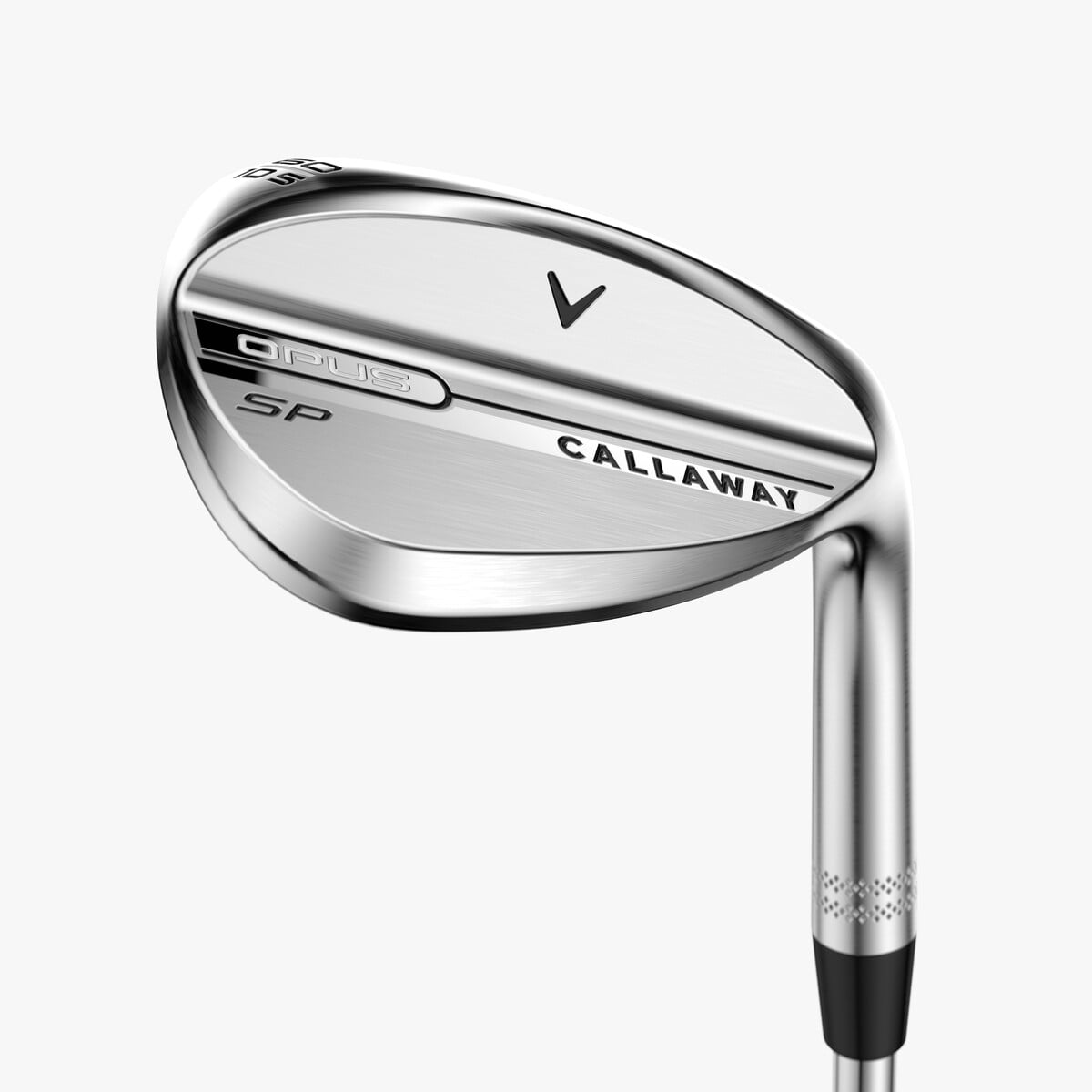
8.4/10Callaway Opus SP review: the wedge in four tour bags while everyone buys Vokey
Callaway's Spin Pocket wedge lands a lower, spinnier flight for about the same money as a Vokey. It is the one I would buy for firm turf and full shots, and the wrong call if your short game lives in soft sand.
Explained
Wedge bounce and grind, explained
The two numbers that decide whether your wedge digs, glides or skips — in plain English, with how to pick yours.
Explained
How long do golf clubs actually last? Longer than the marketing wants you to think
Drivers and irons stay competitive for years. Wedge grooves are the real wear item, and grips are the cheap refresh almost everyone neglects. Here's the honest timeline.