
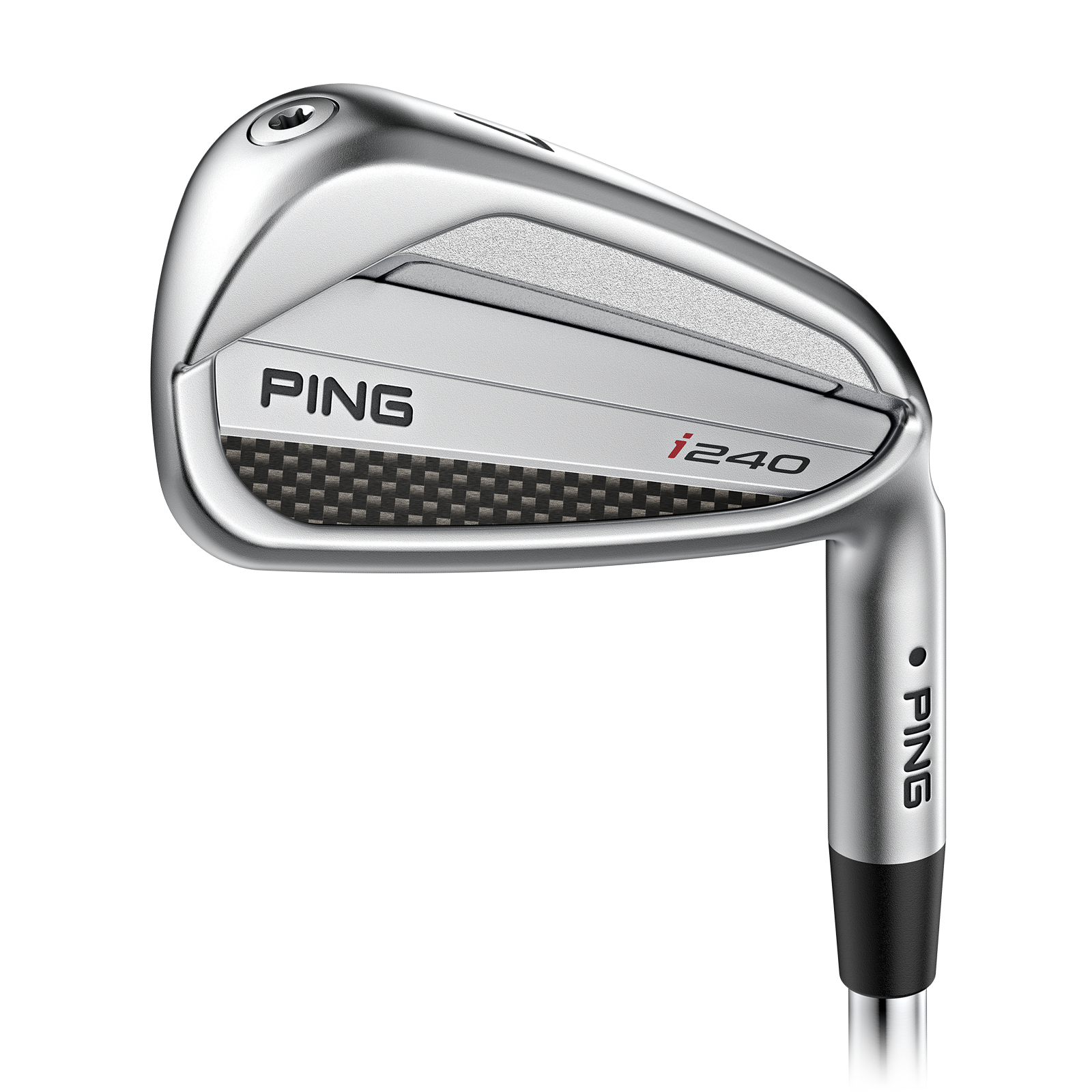
A compact players' iron that mixes blade-like feel and workability with more forgiveness and launch than blade-leaning rivals.
Best Irons & Wedges 2026
Your scoring clubs, sorted.
For most mid-handicappers the PING i240 is the iron set to buy — players' looks with real forgiveness and, crucially, honest feedback on a mishit. Want the same performance for roughly half the price? The direct-to-consumer Takomo 101 MkII won a major value test. On wedges, the TaylorMade MG5 is the spin-durability pick and the Titleist Vokey SM11 is the tour's most-played, refreshed — both worth fitting for loft and grind.
These are the clubs that actually shoot your scores, and they're where strokes quietly hide. On irons, the decision is how much forgiveness and offset you want against how much feedback and workability — a more forgiving game-improver flatters mishits, while a players' set tells you the truth and rewards a good strike. The often-overlooked lever is the shaft: flex, weight and material affect your dispersion and ball flight more than the head model, so sort that before you obsess over the badge. On wedges, get your lofts evenly gapped and the grinds matched to your turf and angle of attack, because the wrong sole turns even a great wedge into a digger.
This shortlist covers the mid-handicap iron benchmark, the direct-to-consumer value standout, and the two wedges worth fitting. Honest note: irons and wedges are the highest-value clubs to get fitted, and it's a quick, cheap session relative to the strokes a properly gapped, correctly shafted set can save you.
ifrothgolf earns a commission on purchases made through these links, at no extra cost to you. It never changes what I recommend. Full disclosure.
A forgiving, distance-oriented game-improvement iron sold direct-to-consumer at roughly half the price of established-brand equivalents.
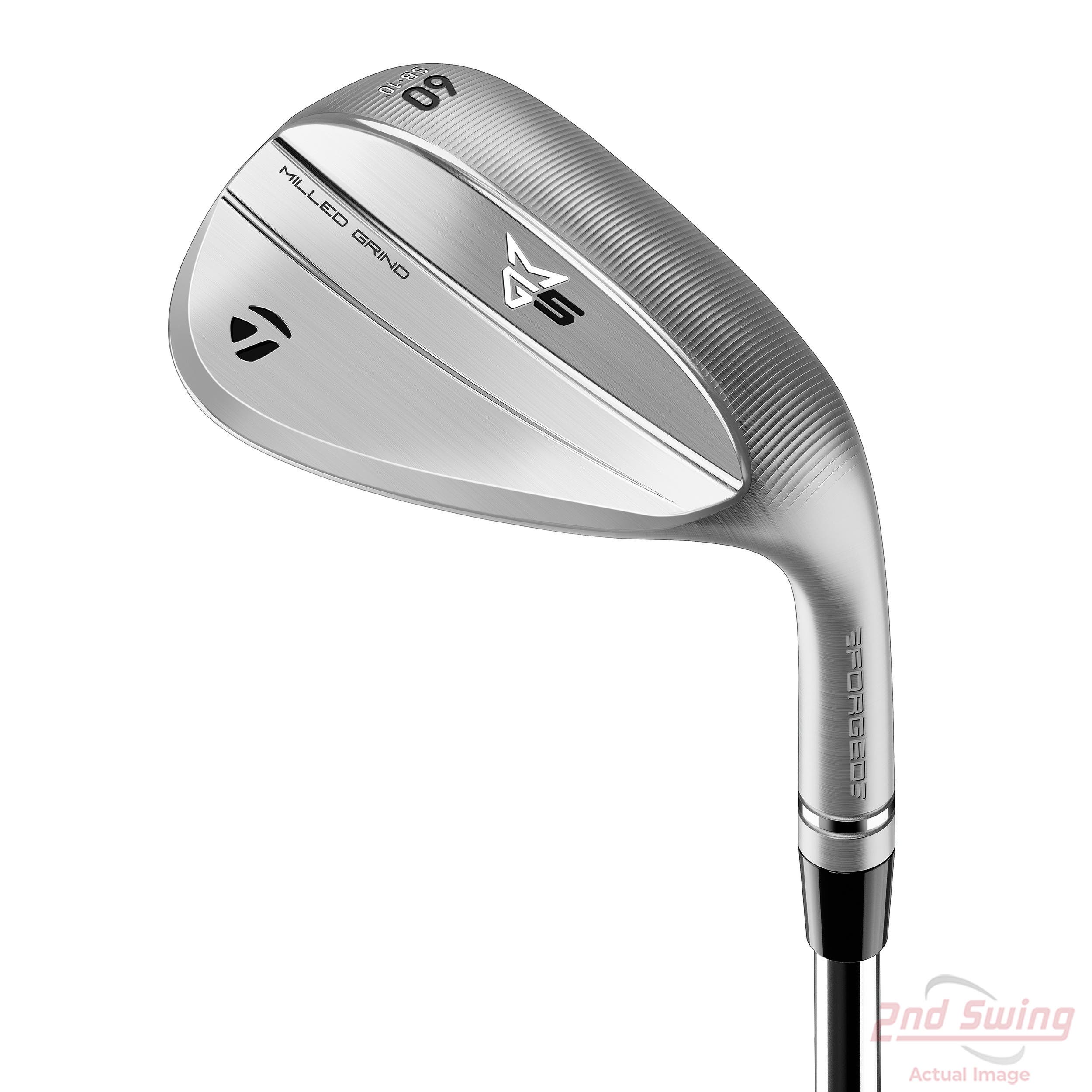
A premium, fully-forged tour wedge with aggressive new grooves and a moisture-channelling RAW face, in six grinds for most players.
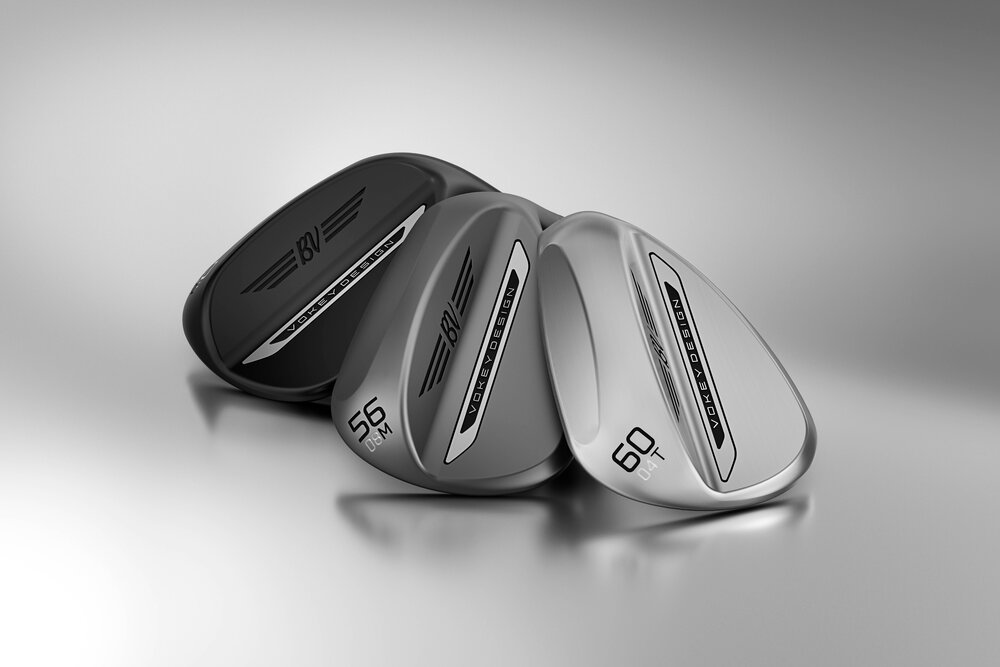
The latest generation of Titleist's tour-standard Vokey wedge, with the widest grind/loft/bounce matrix in the game for dialled-in fitting.
Frequently asked
- What are the best irons for a mid-handicapper?
- The PING i240 — forgiving on mishits but with honest feedback and a clean, compact look. If you want similar performance for around half the price, the direct-to-consumer Takomo 101 MkII is the standout value set.
- Are direct-to-consumer irons as good as the big brands?
- For most golfers, yes — sets like the Takomo 101 MkII match the performance of name-brand irons at a much lower price because there's no retail markup or tour marketing. The trade-off is fewer fitting options and no in-store fitting bay.
- How many wedges do I need?
- Most golfers are well served by two or three: a pitching wedge plus a gap and sand wedge, with a lob wedge optional. Keep the loft gaps even (around 4–6°) so you have a reliable distance for every short shot.
- Should I get fitted for wedges?
- Yes — bounce and grind matter as much as loft. The right sole for your turf and angle of attack lets one wedge play several shots cleanly, while the wrong grind fights you. It's a quick, high-value fitting.
- Does the iron shaft matter more than the head?
- For your consistency, often yes — flex, weight and material shape your dispersion, launch and feel more than swapping between similar modern heads. Get the shaft right for your swing speed and tempo first, then choose the head for the look and forgiveness you want.
Related reading
More on this from the desk
Review
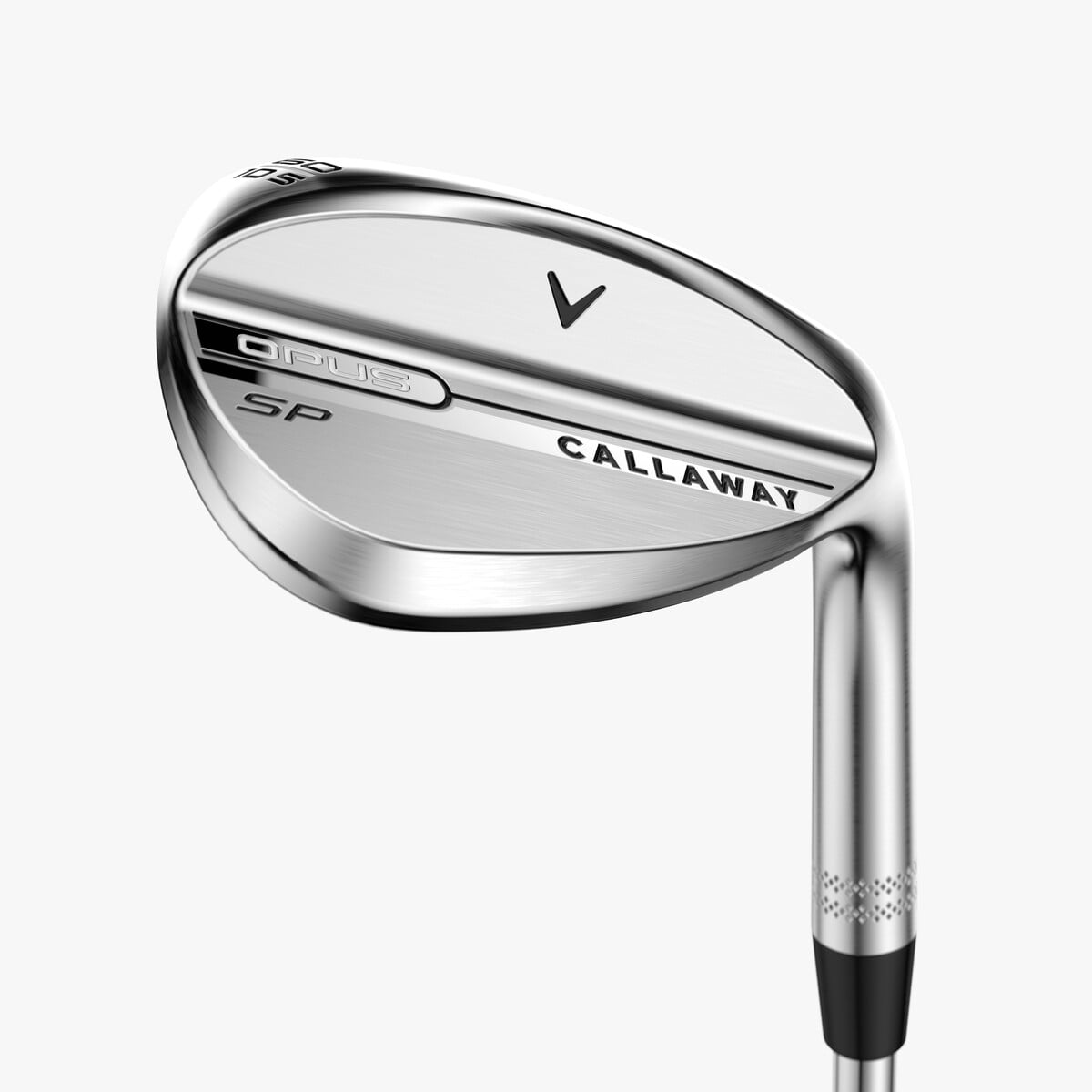
8.4/10Callaway Opus SP review: the wedge in four tour bags while everyone buys Vokey
Callaway's Spin Pocket wedge lands a lower, spinnier flight for about the same money as a Vokey. It is the one I would buy for firm turf and full shots, and the wrong call if your short game lives in soft sand.
Explained
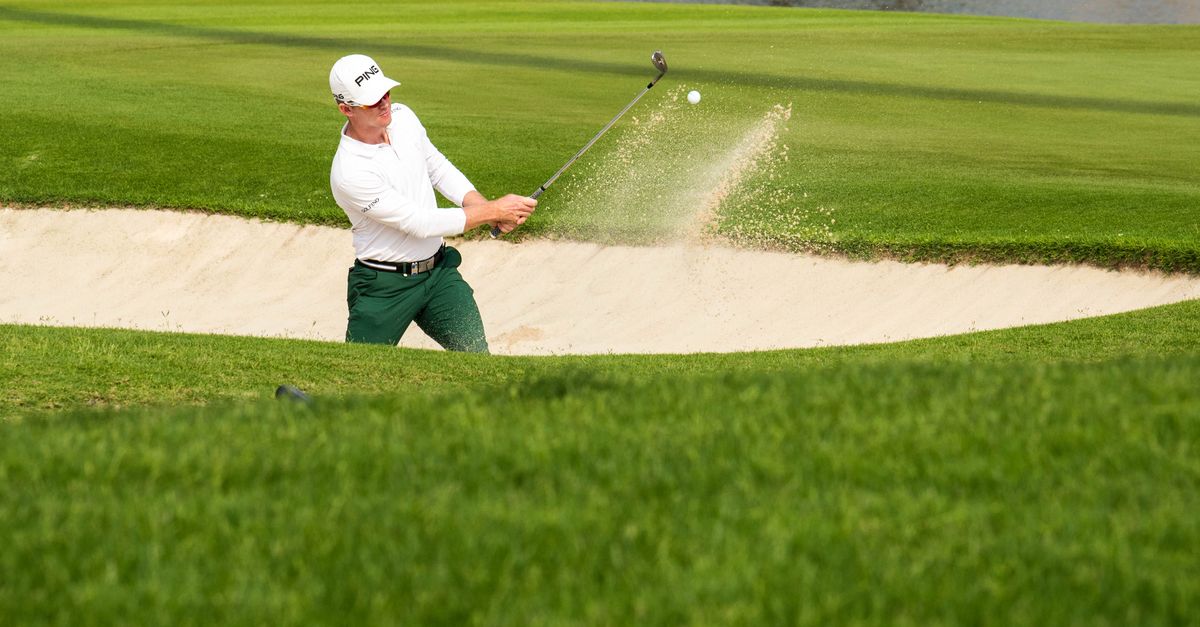
Wedge bounce and grind, explained
The two numbers that decide whether your wedge digs, glides or skips — in plain English, with how to pick yours.
Review
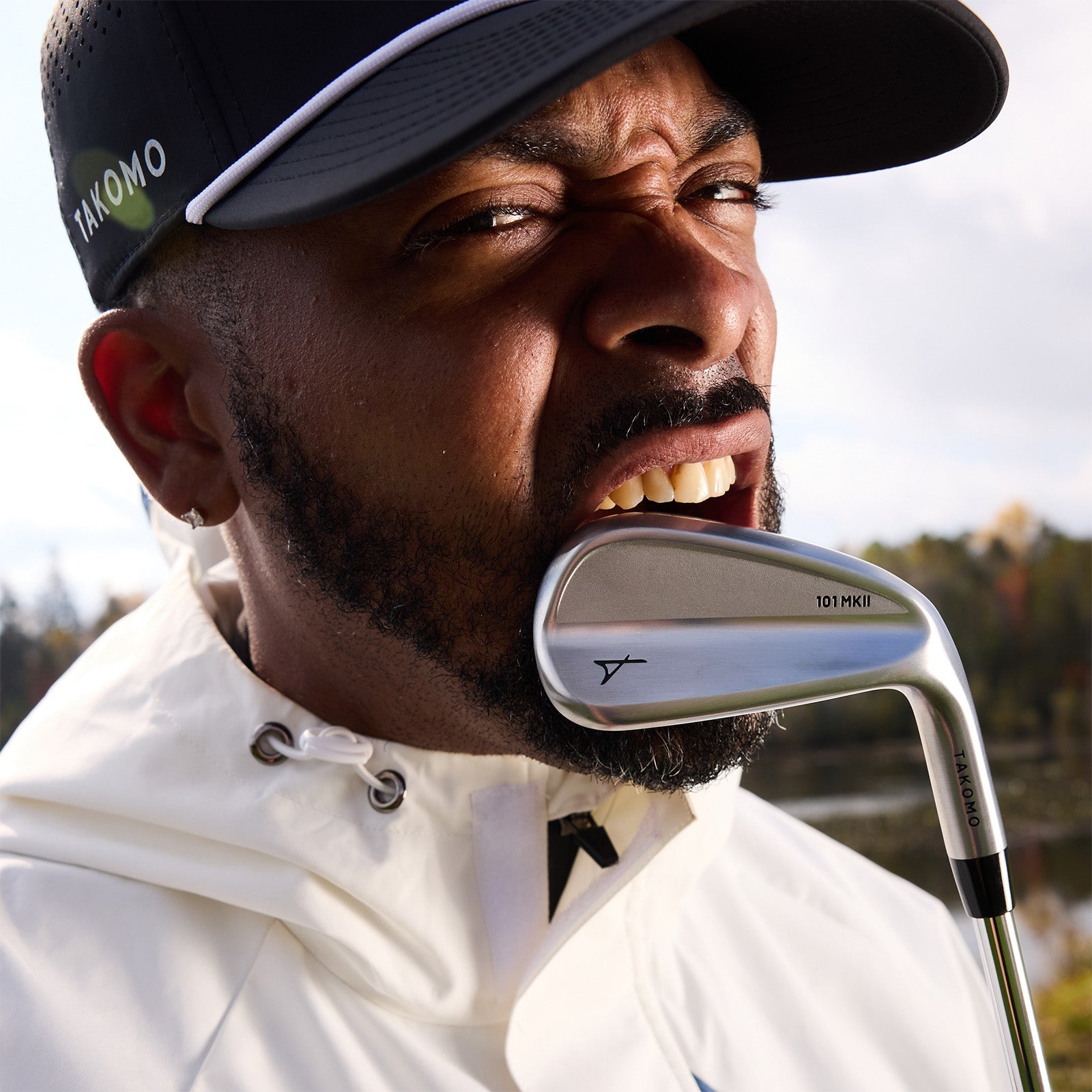
8.8/10Takomo 101 MKII review: the irons quietly embarrassing the big brands
Half the price of a name-brand set, and good enough that you'll feel a bit silly for not trying them sooner. The direct-to-consumer irons reviewed.
Explained
How long do golf clubs actually last? Longer than the marketing wants you to think
Drivers and irons stay competitive for years. Wedge grooves are the real wear item, and grips are the cheap refresh almost everyone neglects. Here's the honest timeline.
Explained
Blades vs cavity-back irons: which should you actually play?
One looks the part; the other saves your scores. The honest guide to picking the right iron for your game, not your ego.
Opinion
Direct-to-consumer irons are the smartest buy in golf right now
You're paying a brand tax on irons and the independent data has finally called the bluff. Here's the case for buying DTC — and the one catch to manage.
Review
9.0/10Titleist Vokey SM11 review: the wedge that wins scorecards
The most-played wedge in golf gets a consistency-first redesign. Here's why getting it fitted matters more than the badge.
Explained
How many wedges do you actually need? (Wedge gapping made simple)
Three? Four? And what lofts? The simple way to set up your scoring clubs so there are no awkward in-between yardages.
Opinion
You're not good enough for blades — and that's completely fine
Blades look incredible in the bag and cost you shots on the course. A loving intervention for the ego-buyer.
Versus
Takomo vs PING: are direct-to-consumer irons really as good?
A value upstart against an iron-making institution. The honest verdict on whether skipping the big brand costs you anything.
Review
8.6/10PING i240 review: forgiveness you can feel, feedback you can trust
A compact cavity-back that flatters mishits without numbing the good ones — the set most mid-handicaps should actually be playing.
Review
8.5/10TaylorMade MG5 review: the wedge that keeps spinning when it matters
Fresh grooves bite hard out of the box — but the real win is how long that spin survives the wet, the rough and the range.
Explained
Steel vs graphite iron shafts: which one is actually for you
The old 'steel for good players, graphite for everyone else' rule is dead. Here's the honest way to choose.
Opinion
Your 60-degree wedge is costing you shots
The club you grab to look like a tour pro is quietly wrecking your short game. For most golfers it should rarely leave the bag.
Explained
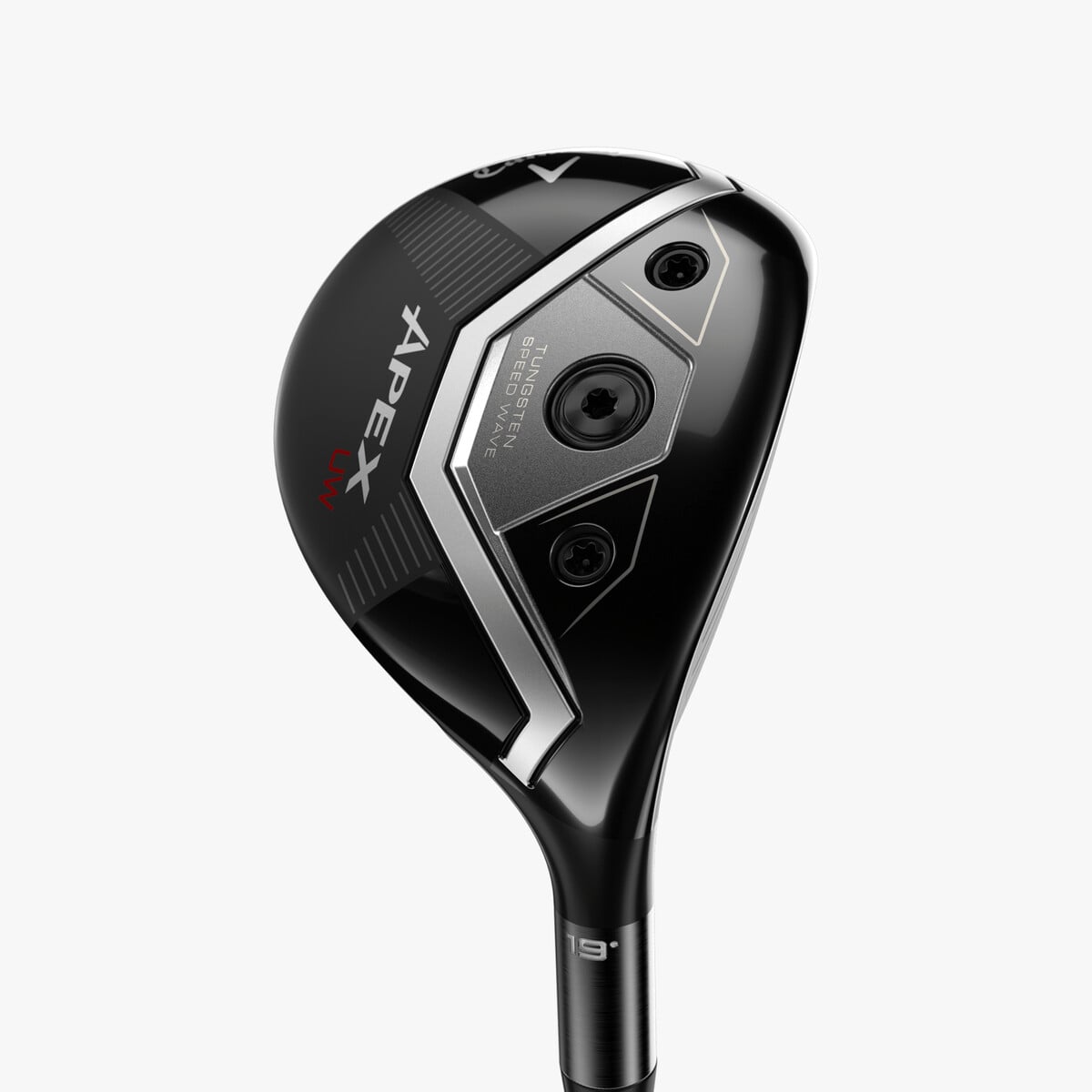
The 7-wood takeover: how to replace the long iron you can't hit
Tour bags and better amateur bags have quietly deleted the 3- and 4-iron. The hard part isn't the deletion, it's choosing between the three very different clubs fighting over the empty slot.
Explained
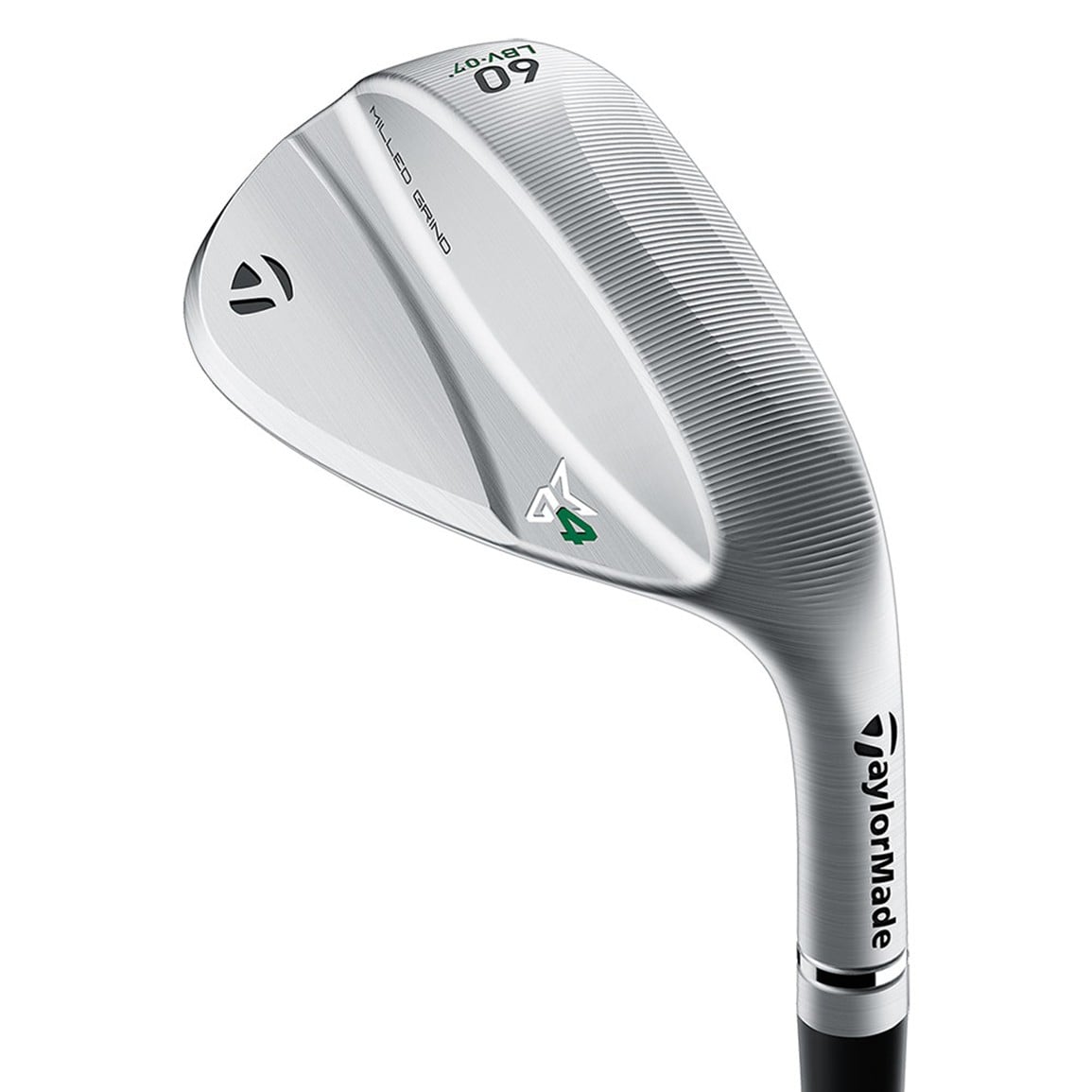
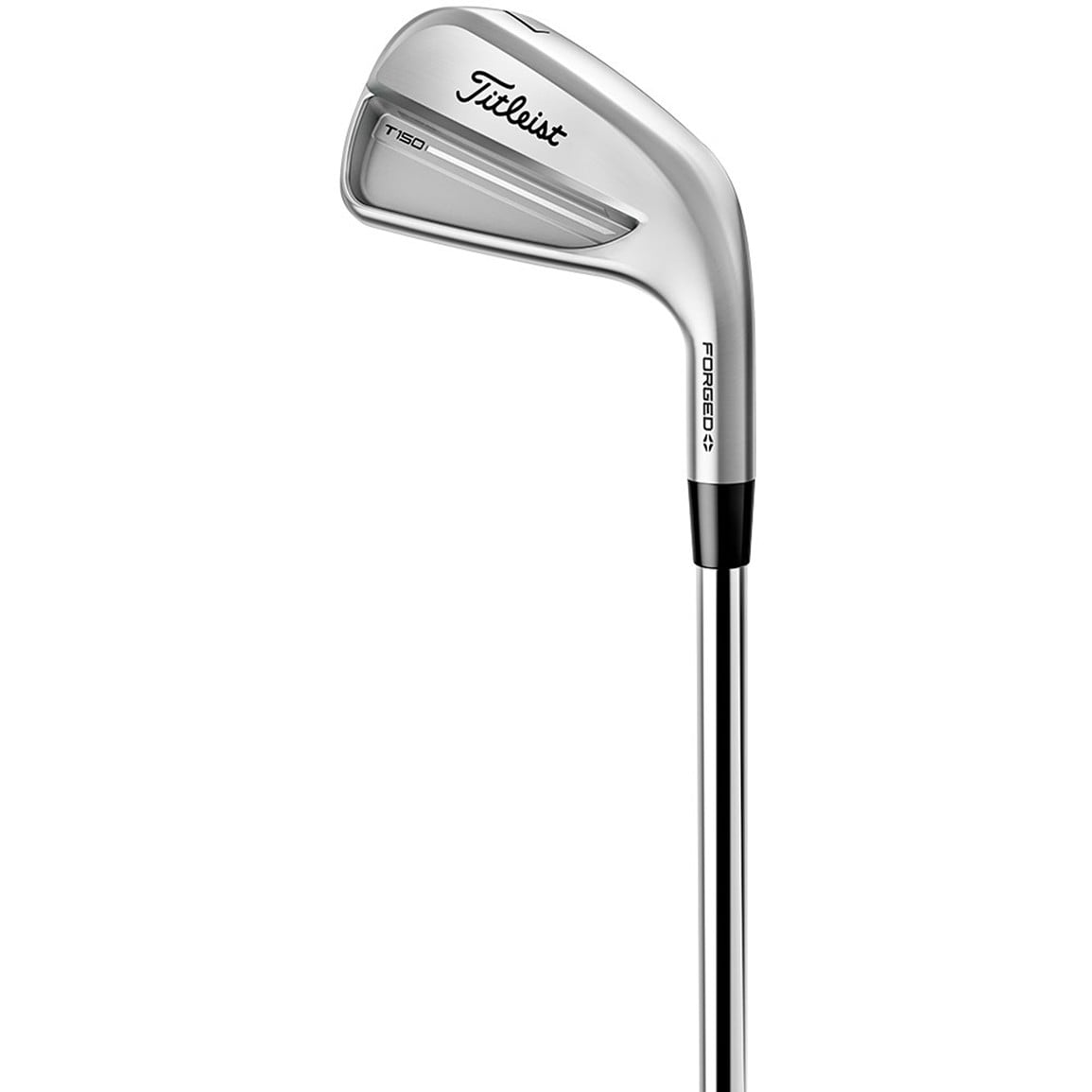
Wedge Spin Rate Is the Worst Number to Buy a Wedge On
A 20-wedge spin test separated third place from tenth by about 200 RPM, and put two brands most golfers have never heard of above the entire major-brand field. Here is what to shop on instead.
Explained
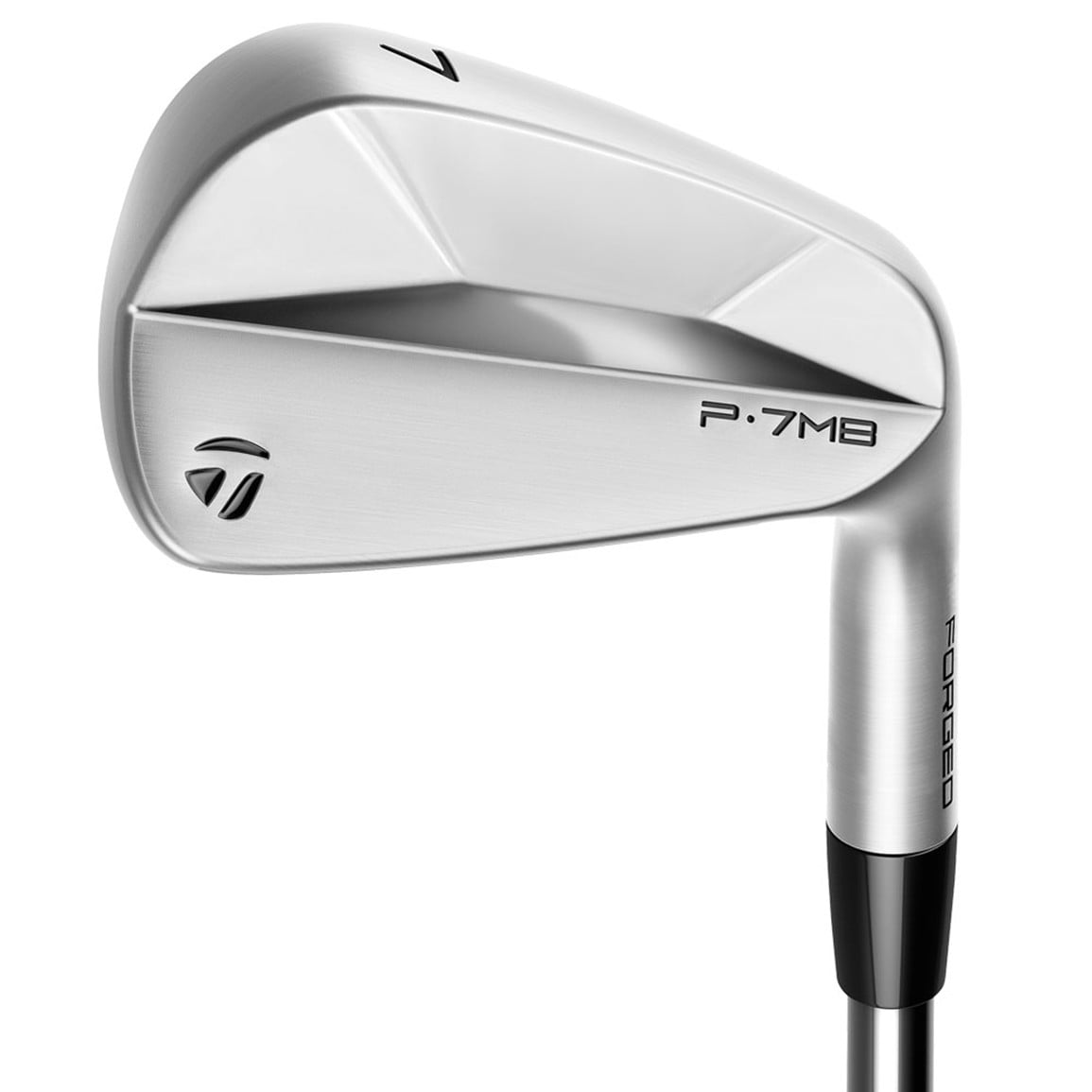
The 200-yard 7-iron just landed, and it's the most overrated number in golf
Across 81 irons tested this year, one 7-iron carried 202.2 yards and finished about 10 yards clear of the field. That is a marketing triumph and a scoring problem, and the reason is stamped on the sole.
Explained
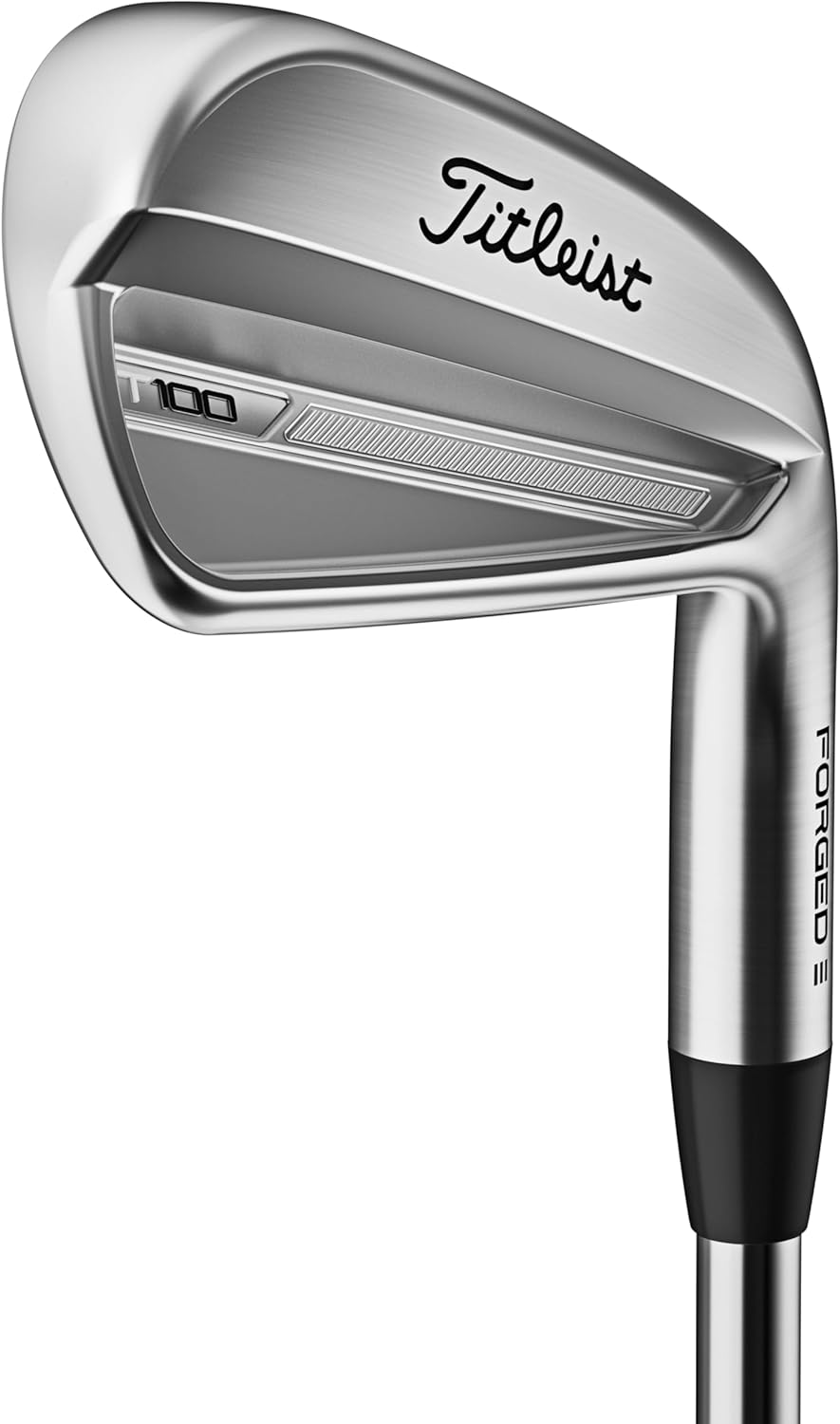
Should You Play Blades? The Honest Answer, and Why the Usual One Is Wrong
Almost certainly not — but not because you are not a good enough ball striker. The real cost of a blade is where your misses finish, and it is not sideways.
Versus
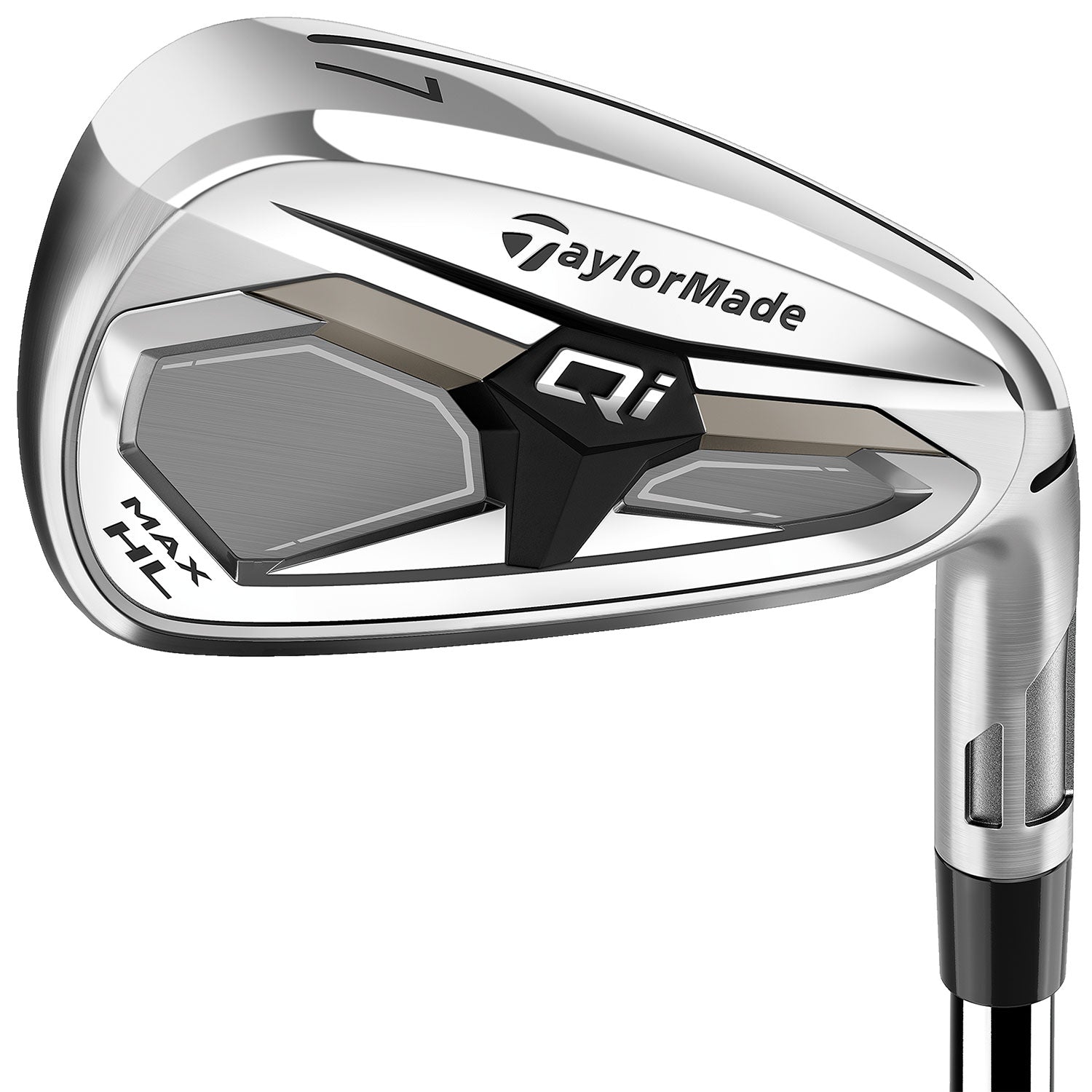
Titleist T100 vs Srixon ZXi7: one costs 27% more and the difference is not what you think
Neither of these goes further than the other. The honest split is turf interaction, shaping and whose fitting cart you can actually get into — and a lot of buyers at this tier are paying for a head when they never made a shaft decision.
Opinion
Players' distance irons won on feel, not distance: the hollow head stopped clicking
The category nobody would admit to owning is now the one the whole iron market bends toward. Not because the clubs got longer. Because they stopped sounding like a letterbox.
Versus
Half the price, or the ball flight you have been missing
One of these iron sets costs roughly half what the other does. That is not the reason to choose between them, and treating it as the reason is how golfers end up with the wrong set.
Versus
TaylorMade P770 vs PING i240: one of these is a set, the other is two clubs
Both are compact, both are aimed at good ball strikers, and both turn up in Solheim Cup bags this week. But the tour usage says they are not competing for the same slot in your bag at all.
Explained
Wet turf wants more bounce, wet sand wants less: the autumn wedge fix that isn't a fourth wedge
The low-bounce wedge that was perfect on firm July turf digs in November, and the 56 you rarely reach for is suddenly the better club. Most golfers buy bounce once and never revisit it, so here is what to actually do about it, short of buying a fourth wedge.
Versus
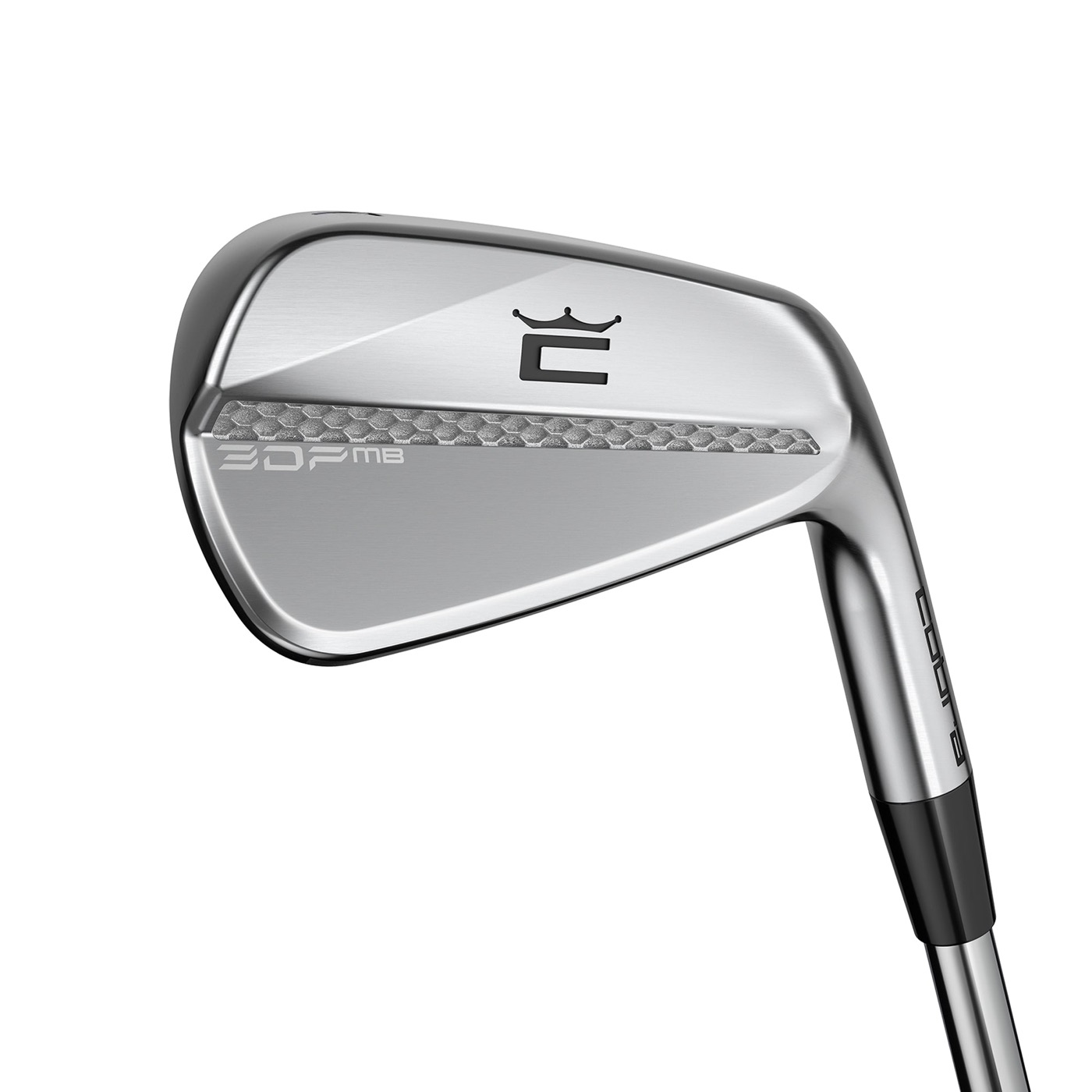
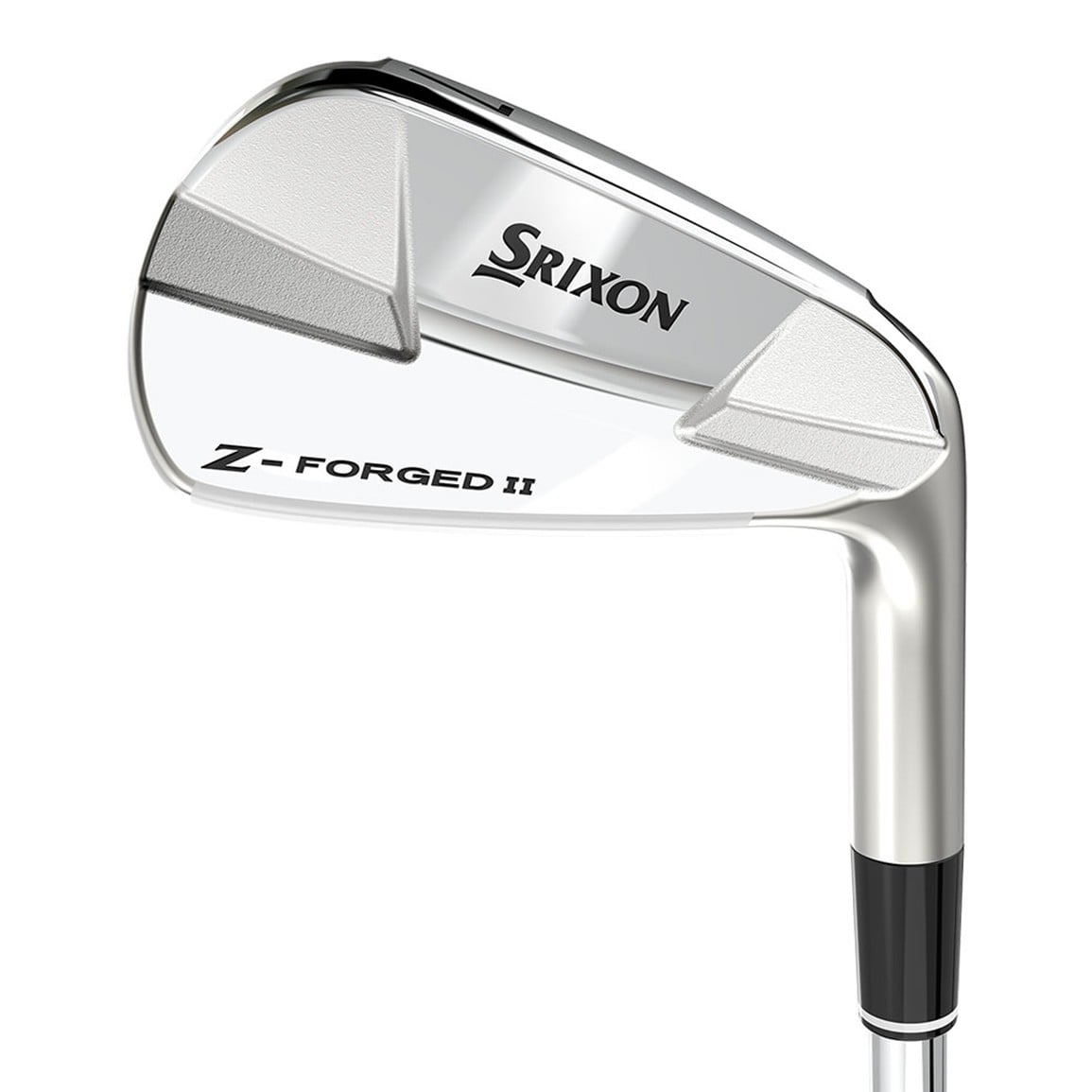
Cobra 3DP MB vs Srixon Z-Forged II: one of these blades starts as metal powder
Two musclebacks aimed at the same golfer, made in ways that have nothing in common. One is hammered out of soft carbon steel. The other is printed, lattice and all, and costs roughly twice as much for fewer clubs.
Explained
The word forged now covers five ways of building an iron, including one printed from metal powder
Forged, cast, multi-material, hollow-bodied with a forged face, and now printed from powder with a lattice inside. The word on the box has quietly stopped predicting anything about how the club plays.
Review
9.0/10Titleist T100 irons review: the most-played iron in the bags we track
Eight of the 53 tour setups we maintain carry them — double the next model. At around {{price}}, here's the honest read on who that actually makes them right for.
Versus
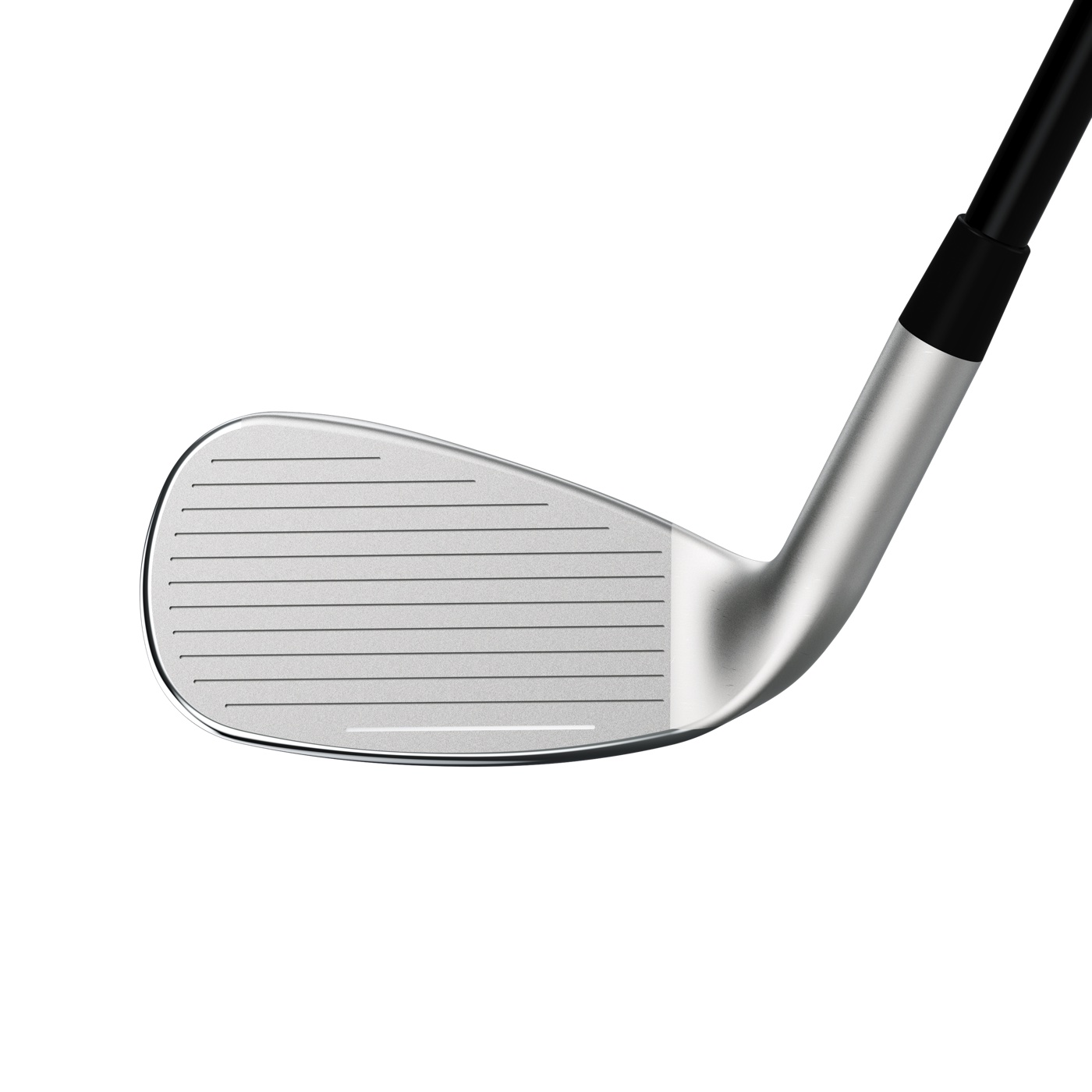
Tour Edge Hot Launch Max D vs TaylorMade Qi Max HL: the test winner against the set in every fitting bay
One of these sets won MyGolfSpy's 2026 Most Wanted title in super game-improvement irons. The other one is on the rack forty minutes from you, in a bay you can book for Saturday morning. Both of those are real reasons to buy, and only one of them is about the iron.
Explained
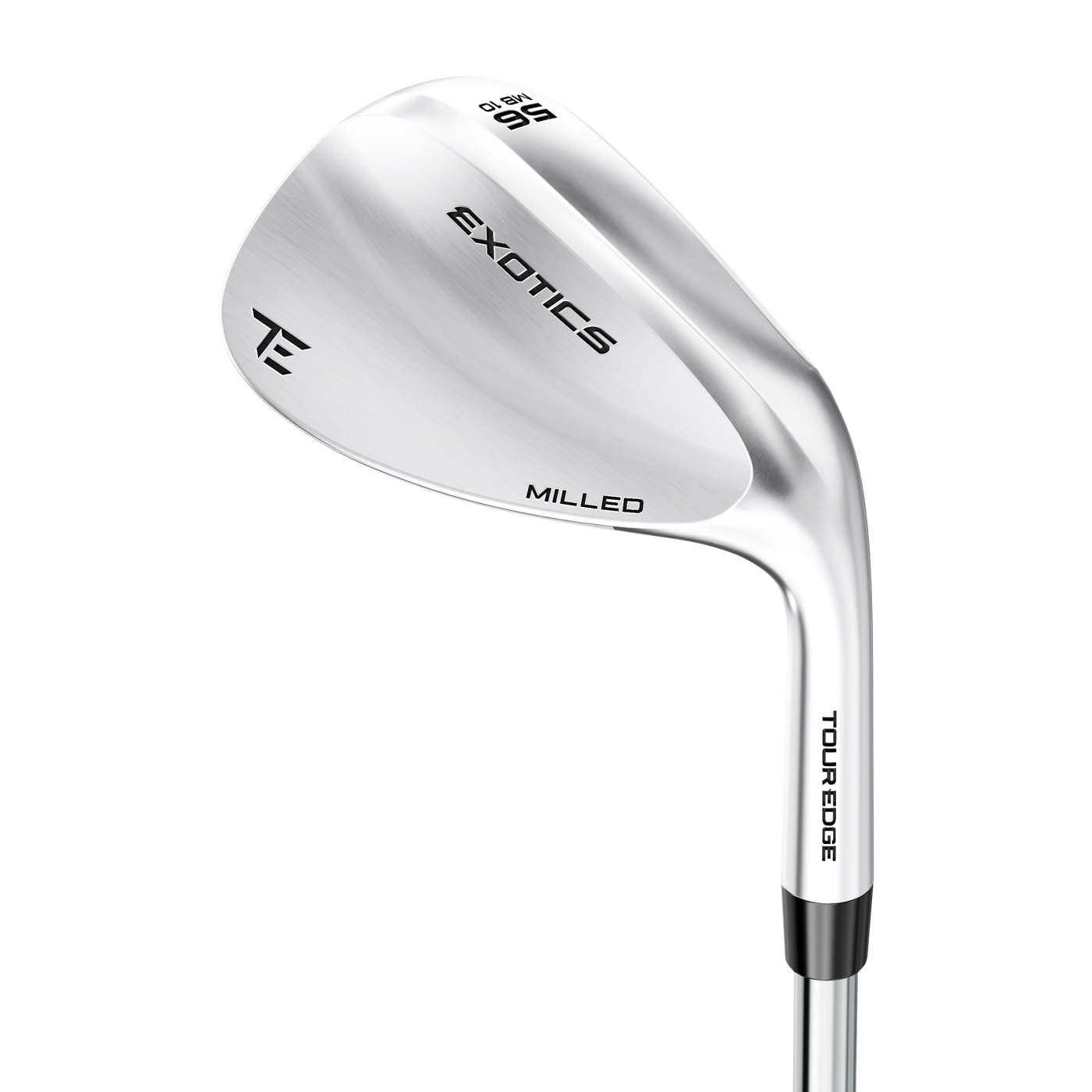
43 of the 50 tour bags we track stop at exactly 60 degrees. Tour Edge's new wedge line stops there too
There is a 64-degree wedge on the rack in most golf shops. Across the tour bags we maintain, the highest club is a 60 in the overwhelming majority, the three that go higher do it by a degree and a half at most, and nothing in the set carries a 62, 64 or 66.
Opinion
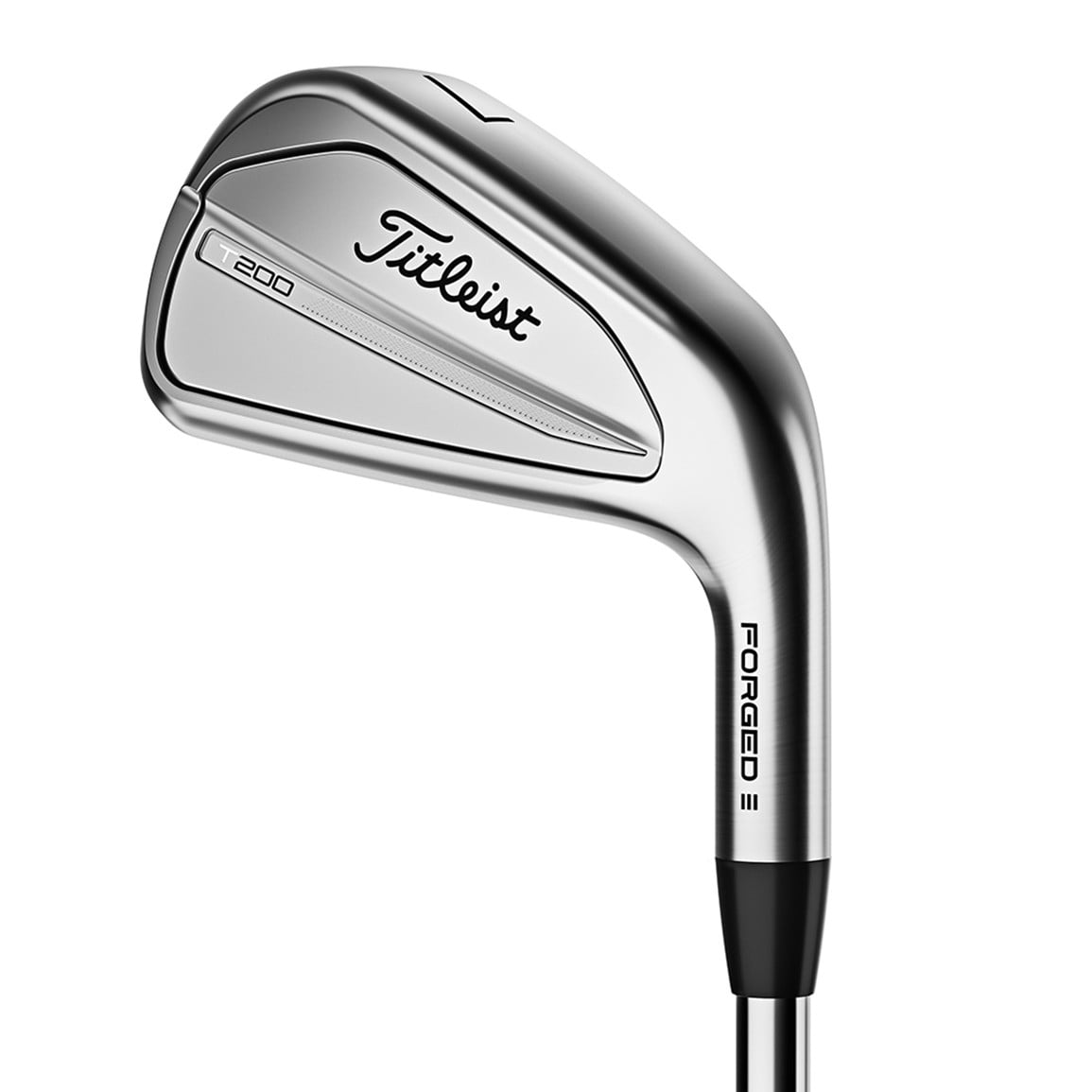
Tour Edge won MyGolfSpy's 2026 Most Wanted iron test. Our 400-plus product catalogue had zero Tour Edge in it
The Hot Launch Max D took the accuracy crown in super game-improvement irons and finished top three for distance and forgiveness. Tour Edge buys no tour staff bags, gets almost no rack space and does not run the ad pages, which is why it took an independent test for anyone to look at it. Us included.
Explained
10 of the 15 Presidents Cup bags we track blend two or three iron models. Only five play a matching set
Medinah No. 3 is 7,564 yards and par 72, which asks a lot of the top of the bag. That is exactly where the sets of the players arriving to play it stop matching.
Review
7.7/10Tour Edge Exotics Milled Wedge review: three bounce letters instead of the grind alphabet
On sale today, at roughly half what a Vokey costs, with a milled face and a KBS shaft. The clever part is not the price. It is that the whole line is sold on three bounce profiles rather than a wall of grind letters nobody can decode.
Explained
An ironwood is a hollow iron on a fairway wood's sole, and Tour Edge just won Most Wanted with one
No governing body defines the word, so three separate design dials get bundled under it: a hollow head, a wide cambered sole and a lot of offset. Here is what each one buys, where the line with hybrids and hollow players' irons genuinely blurs, and what you look down at as a result.
Explained
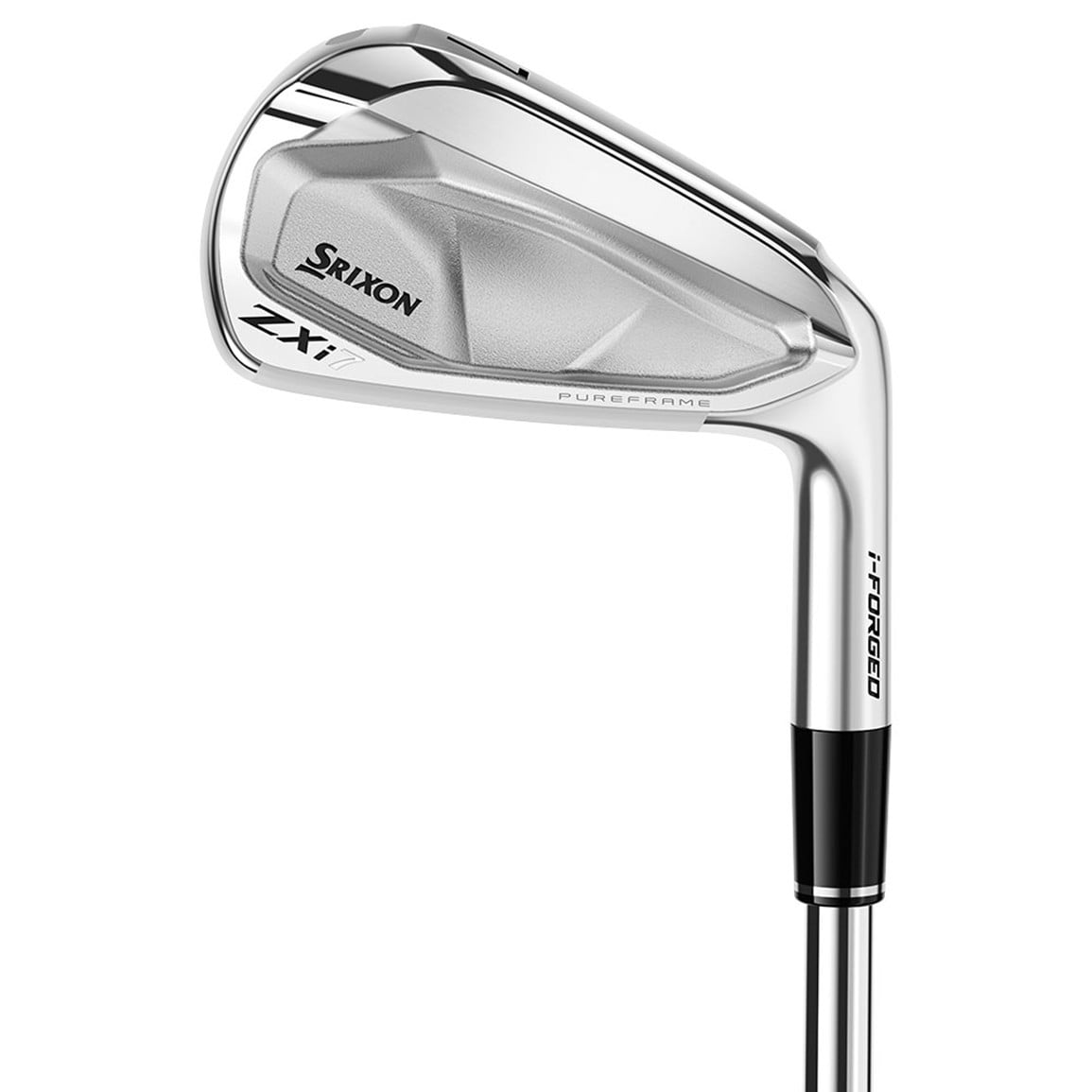
Srixon reused ZXi7, ZXi5 and ZXiU for a second generation: PureFrame iQ is the word that separates them
The new family reaches retail on 16 October with the same three names on the box, which means for a few weeks two different sets of irons answer to ZXi7. Here is the checklist for telling them apart, and the case for buying the one being cleared out.
Opinion
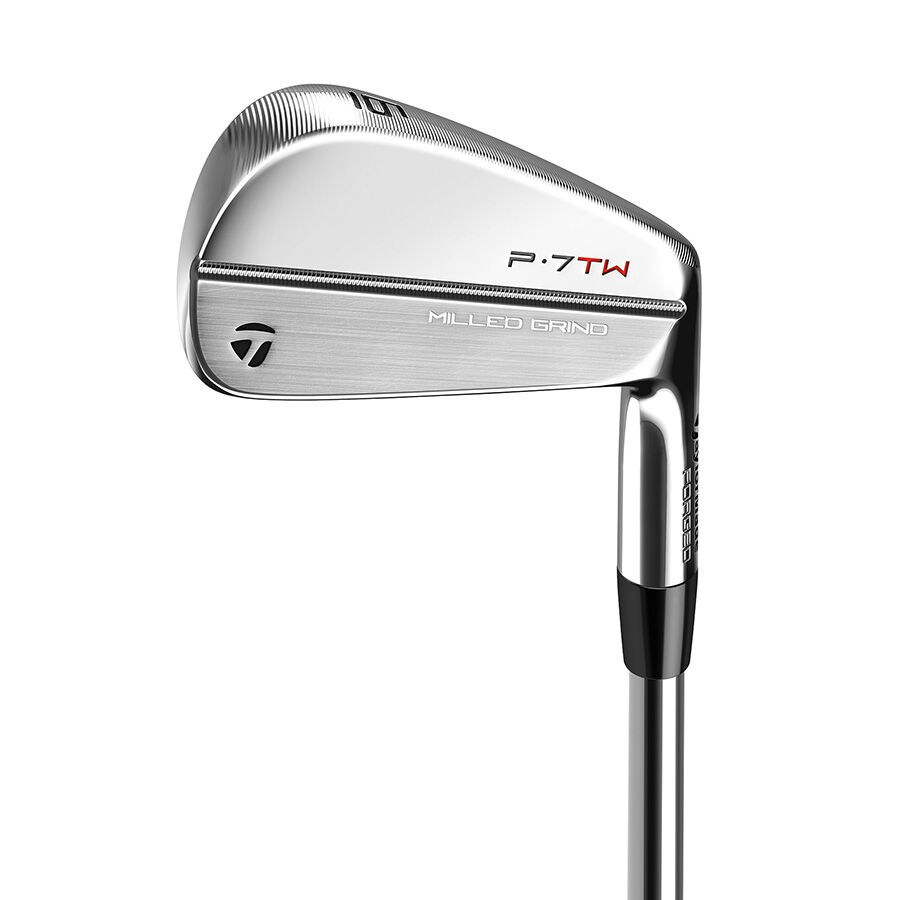
Medinah is 7,564 yards for one week: the transferable part of a Presidents Cup bag is the gapping, not the head
Twenty-four players arrive in Illinois on 24 September with bags assembled for one golf course, one format and one week. The industry sells the heads out of those bags. The part worth copying cannot be put in a box.
Versus
Tour Edge Exotics Milled vs PING S259: the cheaper line starts at 50 degrees, and your gap wedge decides this
One of these lines runs from 46 to 62 degrees and changes its groove design as the loft climbs. The other starts at 50, puts one milled face across all 17 configurations and spends its variety on bounce instead. Where the top of your wedge set sits settles it.
Versus
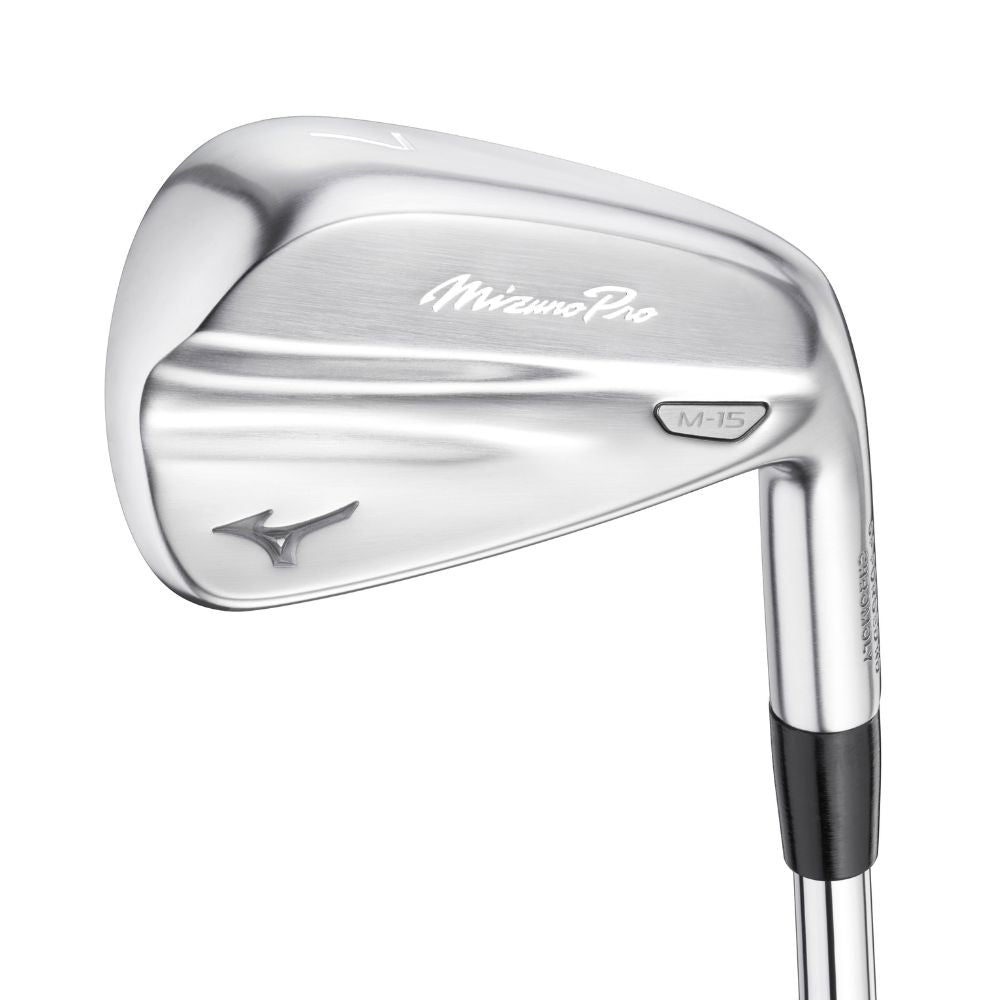
Mizuno Pro M-15 vs Takomo 101 MKII: the expensive set's gain is in the mid irons, the cheap one's is in the long
These two sets have never been judged against each other, because MyGolfSpy did not put them in the same category. That line, not the gap between the prices, is the decision in front of you.
Equipment14 Jun 2026
Vokey's SM11 wedges rethink how spin gets made
Titleist's flagship wedge gets a standardised centre of gravity and a new three-part 'Spin System' — the short-game launch of the year.
Read