
Takomo vs PING: are direct-to-consumer irons really as good?
A value upstart against an iron-making institution. The honest verdict on whether skipping the big brand costs you anything.
By Jordan Hale · Equipment Writer
Side by side
| Specification | TakomoTakomo 101 MKII Irons | PINGPING i240 Irons |
|---|---|---|
| Club type | iron set | iron set |
| Forgiveness tier | game-improvement | players' iron |
| Set composition | 5-iron through gap wedge (7-piece set) | 7-piece steel set |
| Target player | max forgiveness and distance per pound | better ball-strikers who still want help |
Specs as published by each manufacturer. Rows in grey are where the two match.
If you want the hands-on fitting safety net and proven pedigree, buy the PING i240 at around $1,350. If you'll do the homework on your specs, the Takomo 101 MkII at roughly $650 gets you about 90% of the iron for roughly half the price. The performance gap is far smaller than the price gap — this is the comparison that makes the big brands nervous, and here's exactly where each one wins.
The two contenders, briefly
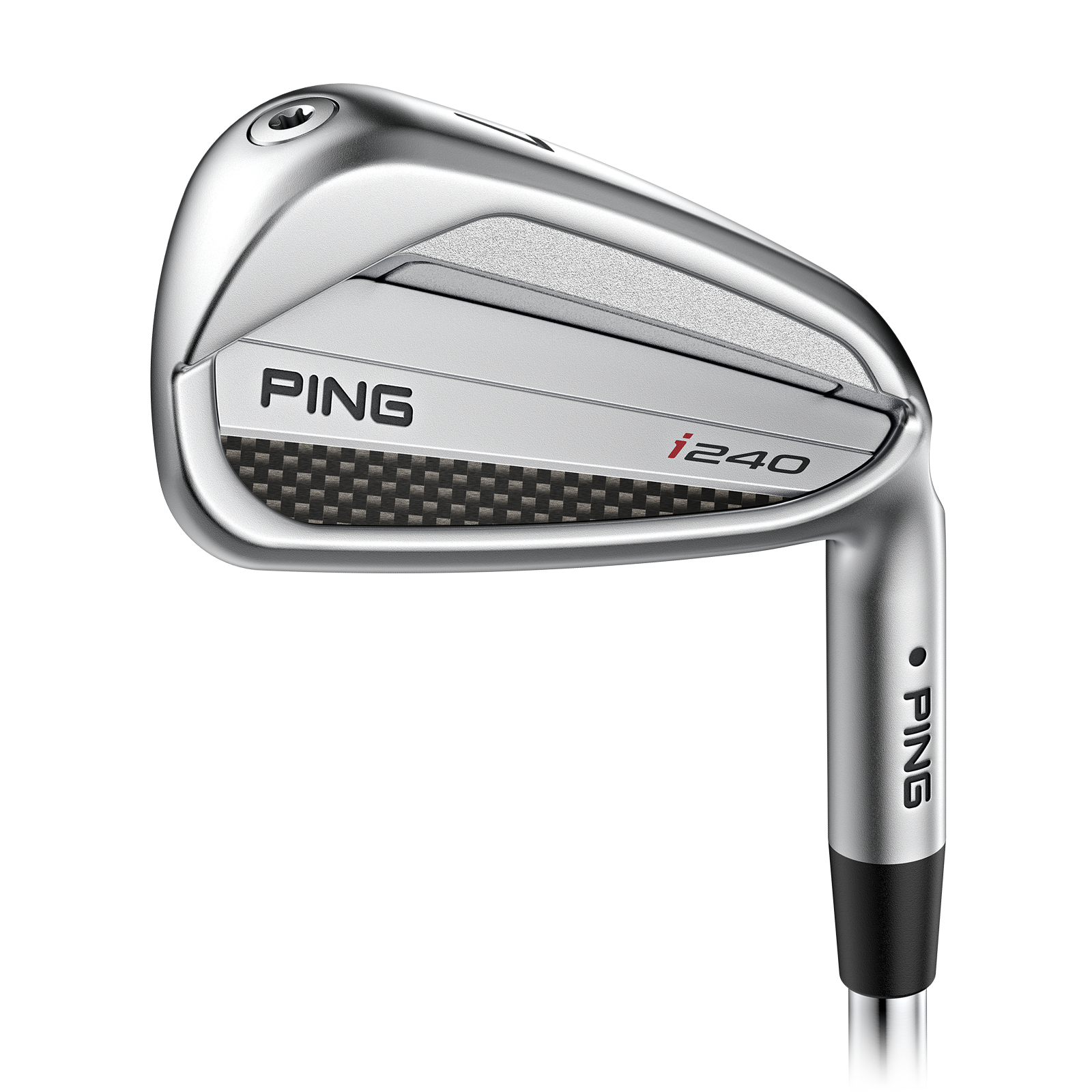
These aren't strict like-for-like clubs, and that matters. The PING i240 is a compact cast 431-stainless players' iron, successor to the much-loved i230, built around forgiveness-with-feedback for the better mid-handicapper who still wants a player's look. The Takomo 101 MkII is a forged-feeling, distance-oriented game-improvement iron that won MyGolfSpy's 2026 Best Game-Improvement Iron award and leans a touch more towards outright ball speed and easy launch, with a variable-thickness face in the long irons. So part of the choice is profile — i240 for the player who wants control and honest feedback, 101 MkII for the one who wants forgiveness and distance per pound — and part of it is the buying experience, which is where the real difference lives.
Performance and feel: closer than the price
Both are clean irons with real forgiveness, and on the launch monitor the numbers are far nearer than the price tags suggest. The Takomo 101 MkII forges a genuinely premium feel and a tidy two-tone look for the money; the PING i240 brings decades of forgiveness know-how, an activated elastomer insert that damps harshness without numbing feedback, and slightly more refined turf interaction. Blind-tested, most golfers would struggle to justify the full price gap on ball flight alone — which is precisely the direct-to-consumer pitch, and the independent data says it largely holds up. The honest caveat is that the i240's edge in feedback and turf feel is real; it's just subtle, and it's a refinement a low-handicapper will appreciate more than a 15-marker chasing forgiveness.
Where PING wins: the fitting
The single thing that decides iron consistency isn't the head, it's the fit — lie angle, length and shaft matched to your actual delivery. Buy PING through a fitter and that's handled in the bay, including PING's colour-coded dot system for lie angle, which exists precisely because the wrong lie wrecks even a great iron. That's the safety net DTC can't replicate in person. If you don't know your numbers and want an expert to get them right while you watch and hit, that's genuinely worth paying for, and it's why a fitting is the best-value spend in golf. For a beginner or anyone unsure of their specs, the PING route removes the one risk that can undo a DTC purchase.
Where Takomo wins: the value
Roughly half the price for about 90% of the iron, and the saving is real because DTC strips out retail margin and tour contracts, not quality — the full case is in the Takomo review. The catch is that you order to spec and trust the build, sight unseen, because there's no shop fitting bay. So the smart Takomo buyer does the legwork: get fitted somewhere first, even a paid session you don't buy from, then order the 101 MkII built to those exact lie, length and shaft numbers. Do that and the value is genuinely unbeatable — you're pocketing several hundred pounds for a club that performs within a whisker. One extra thing to plan for: the 101 MkII's lofts are on the strong side, so think through your wedge gapping so you don't leave a hole at the bottom of the bag.
What you're really paying the extra for
It helps to be precise about where the roughly $650 price gap actually goes, because almost none of it is in the metal. You're paying for the fitting bay and the trained fitter's time, the warranty and customer-service infrastructure, the retail and distribution margin, the marketing that made PING a name you trust, and the tour contracts behind that trust. Every one of those has value — but it's value to some buyers and dead weight to others. A beginner who'll lean hard on the fitter is getting real value for that premium. A confident golfer who already knows their specs and will keep the irons for years is paying full price for services they won't touch. The question isn't whether PING is worth it in the abstract; it's whether the specific things the premium buys are things you'll actually use.
Don't forget resale and the long view
One genuine PING advantage that rarely gets mentioned: resale. A used PING set holds its value far better than a used Takomo, where resale is close to negligible. That matters if you're the kind of golfer who changes irons every couple of seasons — the higher up-front cost is partly recouped on the trade-in. But it's irrelevant if you do what most golfers should and keep a well-fitted set for five years or more, at which point both are worth little and the Takomo's lower entry price simply wins. So fold your own habits into the maths: frequent upgraders lean PING, long-term keepers lean Takomo.
Which should you buy
Want the in-person fitting net, proven pedigree, the slightly more refined feedback and big-brand resale? Pay for the PING i240 — it's the safer, more hand-held purchase and a five-year iron you won't outgrow. Happy to learn your specs, do the gapping homework and pocket the difference? The Takomo 101 MkII is one of the best-value sets in golf and the smarter buy for the confident, budget-minded golfer. Either way you're buying a brilliant iron, and the gap between them is far smaller than the gap in their price — see the full field in our irons & wedges guide.
Frequently asked
- Are Takomo irons really as good as PING?
- On performance and feel, close enough that most golfers couldn't justify the full price gap blind. PING wins on the in-person fitting, pedigree and resale — not on the iron itself.
- Is the price difference worth it?
- Only if you value the hands-on fitting net and brand resale. If you'll get fitted to learn your specs and order Takomo to them, the value strongly favours the DTC set.
- What should a Takomo buyer do about fitting?
- Get fitted somewhere first (even a paid session) to learn your lie, length and shaft, then order the Takomo built to those numbers. On irons, fit matters more than brand. Also plan your wedge gapping, as the 101 MkII's lofts run strong.
- Are the PING i240 and Takomo 101 MkII the same kind of iron?
- Not exactly. The i240 is a compact players' iron built around forgiveness with honest feedback; the 101 MkII is a forged-feeling game-improvement iron that leans more towards ball speed and easy launch. Choose on profile as well as price — control and feedback versus forgiveness and distance.
- Which is better for a beginner?
- The PING i240 route, mainly because buying through a fitter removes the one real risk of DTC — getting your lie, length and shaft wrong. A beginner unsure of their specs benefits most from the hands-on fitting net PING offers and Takomo can't replicate in person.
Read next
Review
8.4/10Callaway Opus SP review: the wedge in four tour bags while everyone buys Vokey
Callaway's Spin Pocket wedge lands a lower, spinnier flight for about the same money as a Vokey. It is the one I would buy for firm turf and full shots, and the wrong call if your short game lives in soft sand.
Explained
Wedge bounce and grind, explained
The two numbers that decide whether your wedge digs, glides or skips — in plain English, with how to pick yours.
Review
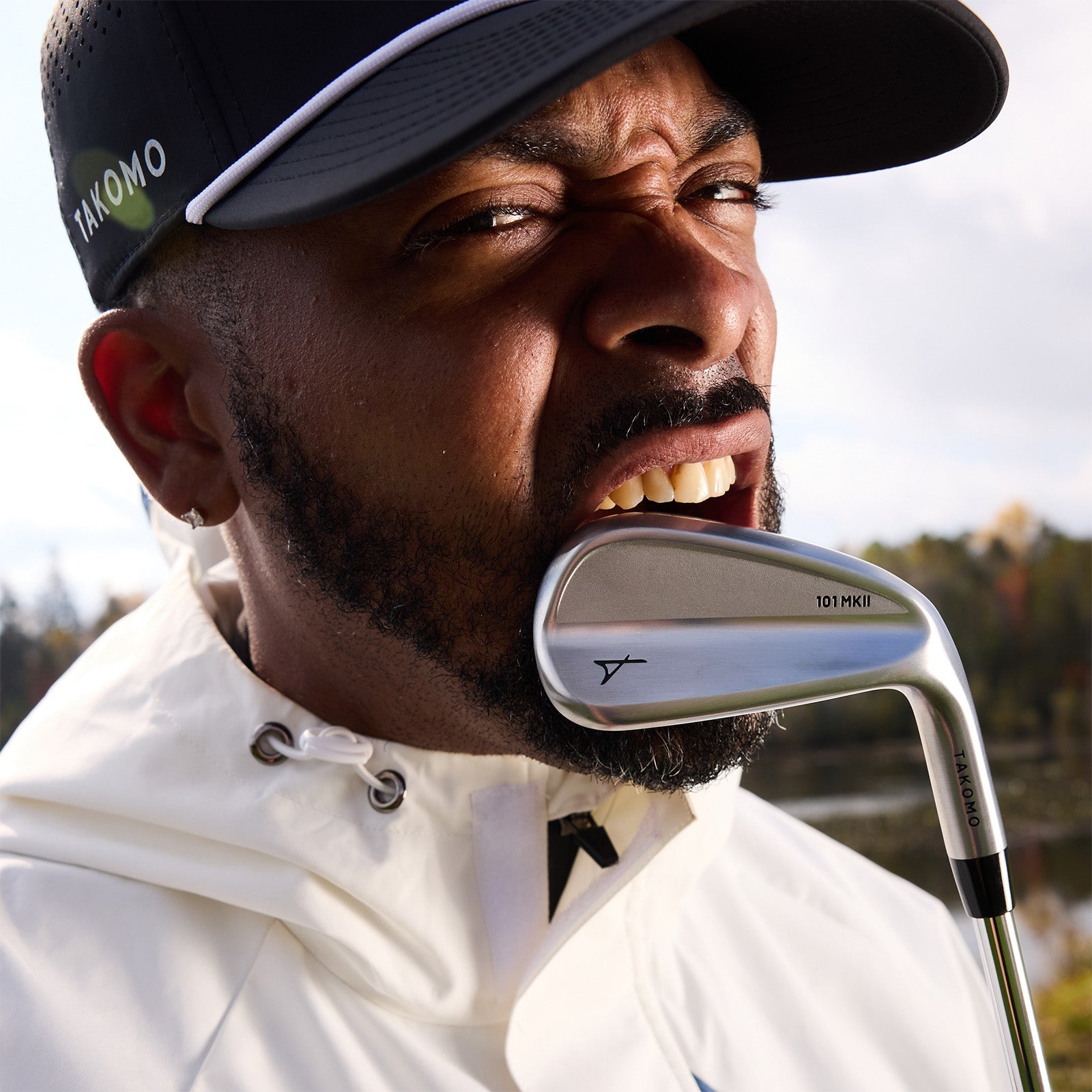
8.8/10Takomo 101 MKII review: the irons quietly embarrassing the big brands
Half the price of a name-brand set, and good enough that you'll feel a bit silly for not trying them sooner. The direct-to-consumer irons reviewed.