
Wedge bounce and grind, explained
The two numbers that decide whether your wedge digs, glides or skips — in plain English, with how to pick yours.
By Ross Hamilton · Staff Writer
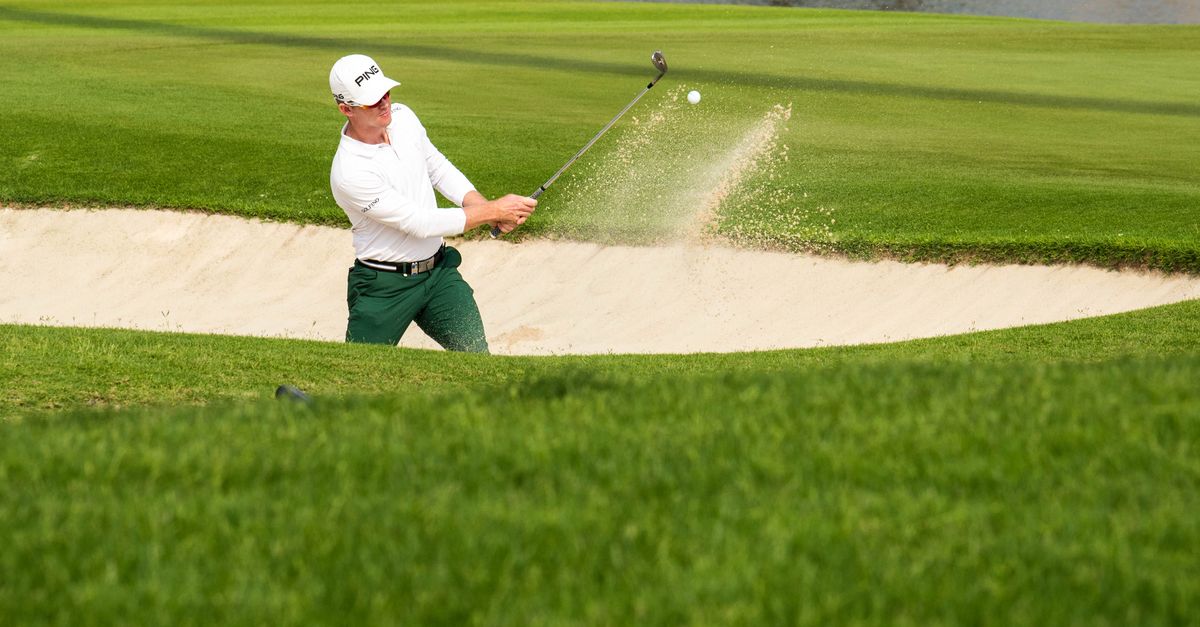 Explained
Bounce stops your wedge digging into the turf; grind fine-tunes how the sole behaves when you open the face or play off tight or soft lies. They matter more than loft for whether a wedge actually performs for you — and getting them wrong is why a perfectly good wedge chunks or skulls. The bad news is that almost nobody buys on these two numbers; the good news is that once you understand them, they're simpler than the spec sheets make them look. Here's how to pick yours, in plain English.
What bounce actually is
Bounce is the angle between the leading edge and the lowest point of the sole — the bit that skids the club along the turf instead of letting it dig in and stall. Picture the sole tilted so its trailing edge sits lower than the leading edge: that tilt, measured in degrees, is your anti-dig protection. As a rough industry scale, low bounce runs about 4–6°, mid bounce 7–10°, and high bounce 12° and up. More bounce means the club bounces off the turf rather than burrowing into it; less bounce lets the leading edge sit closer to the ground so you can slide it under a ball on a tight lie. It is genuinely the most under-appreciated number on a wedge — most golfers can quote their lofts to the degree and have no idea what bounce they're playing.
How to choose your bounce
Match it to two things: the turf you usually play and the way you deliver the club. More bounce helps if you take big divots, play soft turf or fluffy bunker sand, and come into the ball steep — the wide, high-bounce sole skids through instead of digging and stalling. Less bounce suits sweepers who take a shallow divot or none at all, firm or tight turf, hardpan, and players who like to open the face for finesse shots. Get this wrong in either direction and the club punishes you: too little bounce on soft turf and the leading edge digs, decelerates and chunks; too much bounce on a tight lie and the sole bounces off the firm ground straight into the equator of the ball for a screaming skull. The cruel part is you'll blame your swing rather than the gear, and keep grooving a compensation for a club that was never going to work on your course.
A simple way to read your own divots
You don't need a launch monitor to get close. Watch what your divots do on a normal pitch from a fairway lie. Deep, bacon-strip divots that start well behind a struck ball say you deliver the club steeply and want more bounce — high bounce on the sand wedge especially. Shallow bruises or no divot at all say you sweep it, and you'll get on better with mid-to-low bounce that lets the leading edge work. If you mostly play firm, links-style or hard-baked summer turf, bias lower; if you play soft parkland, wet winter golf or fluffy sand, bias higher. When you're genuinely a steep-swinging digger on soft turf, high bounce isn't a preference — it's the only setup that stops the club stalling in the ground.
Grind — the fine-tuning
Grind is how the sole is shaped and relieved beyond the headline bounce figure — material ground away from the heel, toe and trailing edge so the club behaves predictably when you move it out of square. Manufacturers label them by letter, and while the names differ by brand, the families are consistent: a full sole (often F) is the widest and most forgiving for steep, diggy swings; a standard or S grind is the versatile all-rounder most golfers should default to; an M grind has heel-and-toe relief built for players who open and rotate the face around the greens; an L grind is heavily relieved and low-bounce for firm turf and shotmakers; and wide K-type grinds add a cambered, high-bounce sole that excels in soft sand and out of bunkers. A versatile mid grind suits most players and most conditions; wider grinds add forgiveness in soft going; narrower, more relieved grinds let skilled players manipulate the face. Brands offer the full spread — the Titleist Vokey SM11 carries six grinds across twenty-seven loft-and-bounce combinations — precisely because the right one depends on your delivery, not a chart.
Where it matters most: the scoring wedges
Bounce and grind matter on every wedge, but the stakes climb as you go up in loft. Your gap wedge mostly hits fuller, fairway-lie shots where a sensible mid bounce just works. It's the sand and lob wedges — the clubs that hit the trickiest lies, the bunker shots and the delicate greenside flops — where the wrong sole does the most damage, because those are exactly the shots where you open the face, sit the ball on a tight lie, or need the club to skid through fluffy sand. If you only get one wedge properly fitted, make it the one you reach for around the greens. And whatever the spec sheet says, bounce is useless on worn-out grooves: a spin-hungry wedge like the TaylorMade MG5, with its RAW face and aggressive saw-milled grooves, only bites when those grooves are sharp, so part of getting your short game right is replacing wedges before the spin quietly fades.
The practical move
Get a wedge fitting, or at least a proper conversation with someone who'll watch you hit balls and match bounce and grind to how you actually deliver the club rather than to a generic chart. It takes minutes in a fitting bay and it's the cheapest meaningful improvement in golf — you're matching equipment to a swing you already own, not buying speed you don't have. If you're still working out how many wedges to carry and at what lofts, start with how many wedges do you need, and if you suspect you're reaching for too much loft around the green, your 60-degree wedge is costing you shots makes the case. The short-game shortlist is in our irons & wedges guide.
Products mentioned in this article
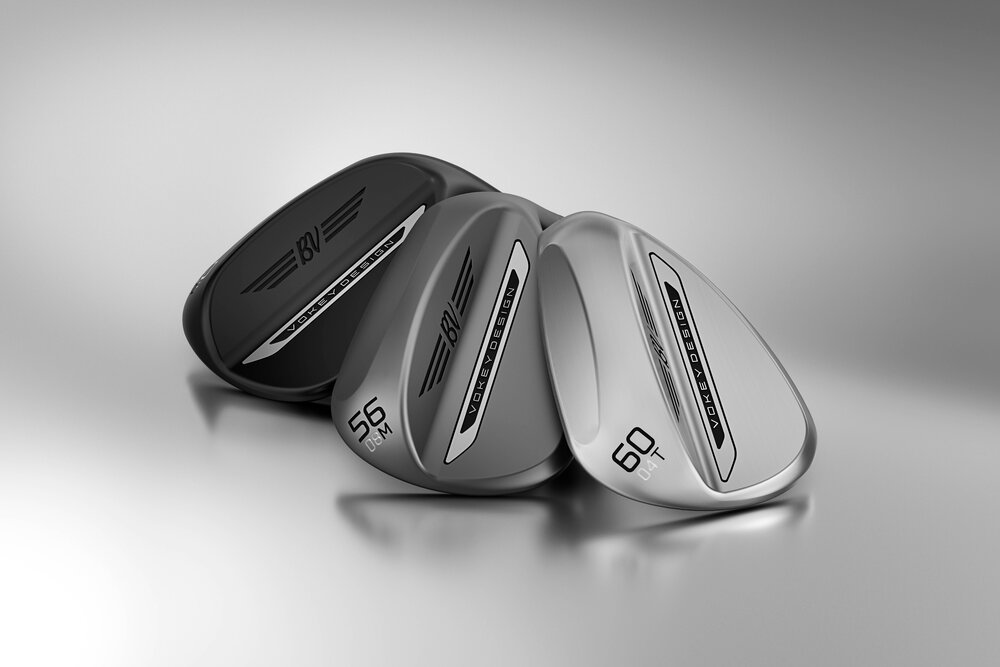
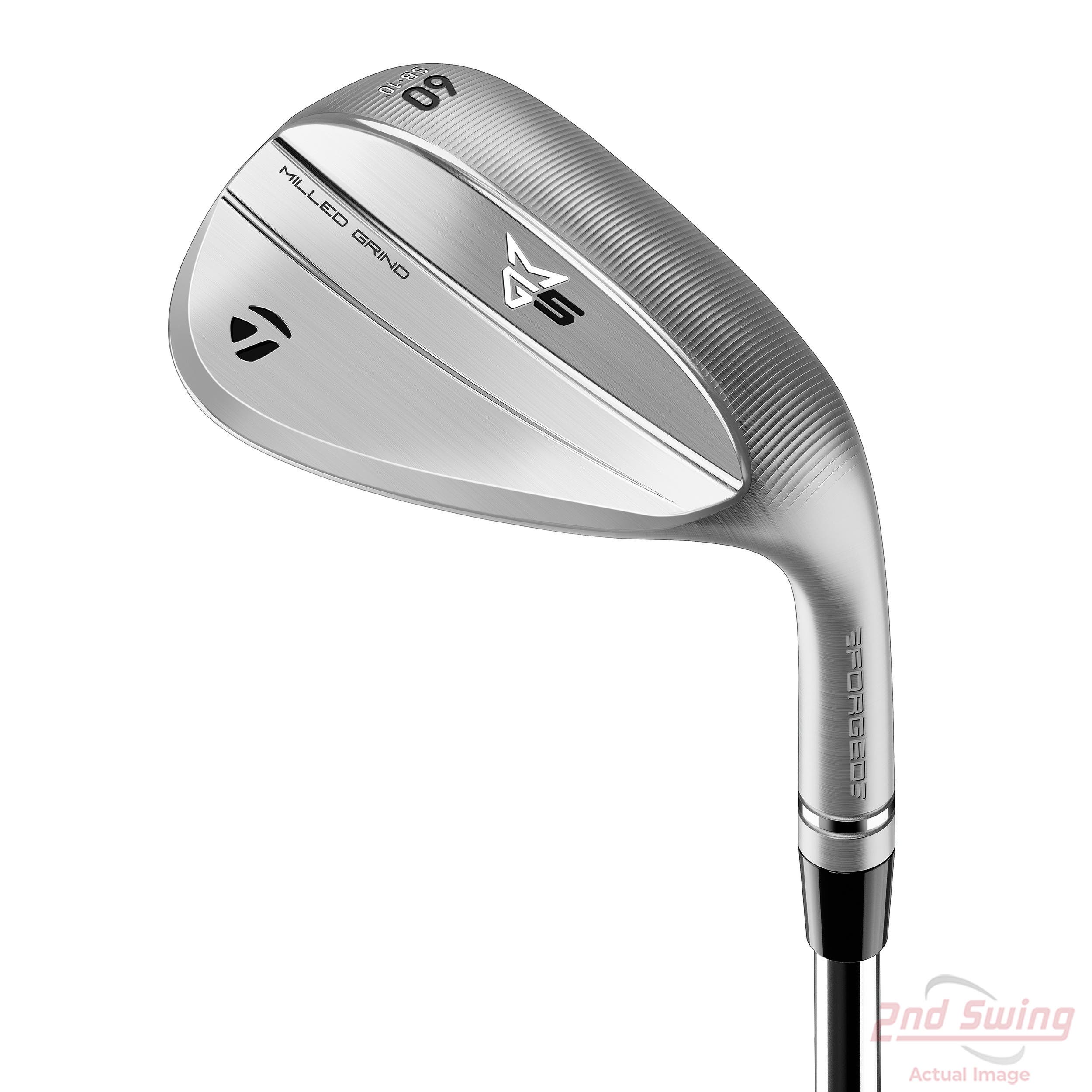
ifrothgolf earns a commission on purchases made through these links, at no extra cost to you. It never changes what I recommend. Full disclosure.
Frequently asked
- What is wedge bounce?
- The angle between the leading edge and the lowest point of the sole — it's what stops the club digging into the turf and skids it through instead. More bounce means more anti-dig protection. It's measured in degrees: roughly 4–6° is low, 7–10° is mid, 12°+ is high.
- How much bounce do I need?
- High bounce (12°+) for steep swings, soft turf and fluffy sand; low bounce (4–6°) for sweepers, firm or tight turf and hardpan; mid bounce (7–10°) is the versatile default for most golfers. Watch your divots — deep ones say more bounce, shallow ones say less.
- What wedge grind should I choose?
- A versatile standard or mid grind suits most players and conditions. Go wider (full or K-type) for soft turf and steep swings, narrower and more relieved (M or L) if you're a skilled player who opens the face a lot on firm turf. Get fitted — it depends on your delivery, not the label.
- Does bounce or grind matter more on which wedge?
- Both matter most on the sand and lob wedges, because those clubs hit the trickiest lies, bunkers and open-face greenside shots. Your gap wedge mostly hits fuller fairway shots where a mid bounce just works, so if you fit one wedge carefully, make it the one you use around the greens.
Read next
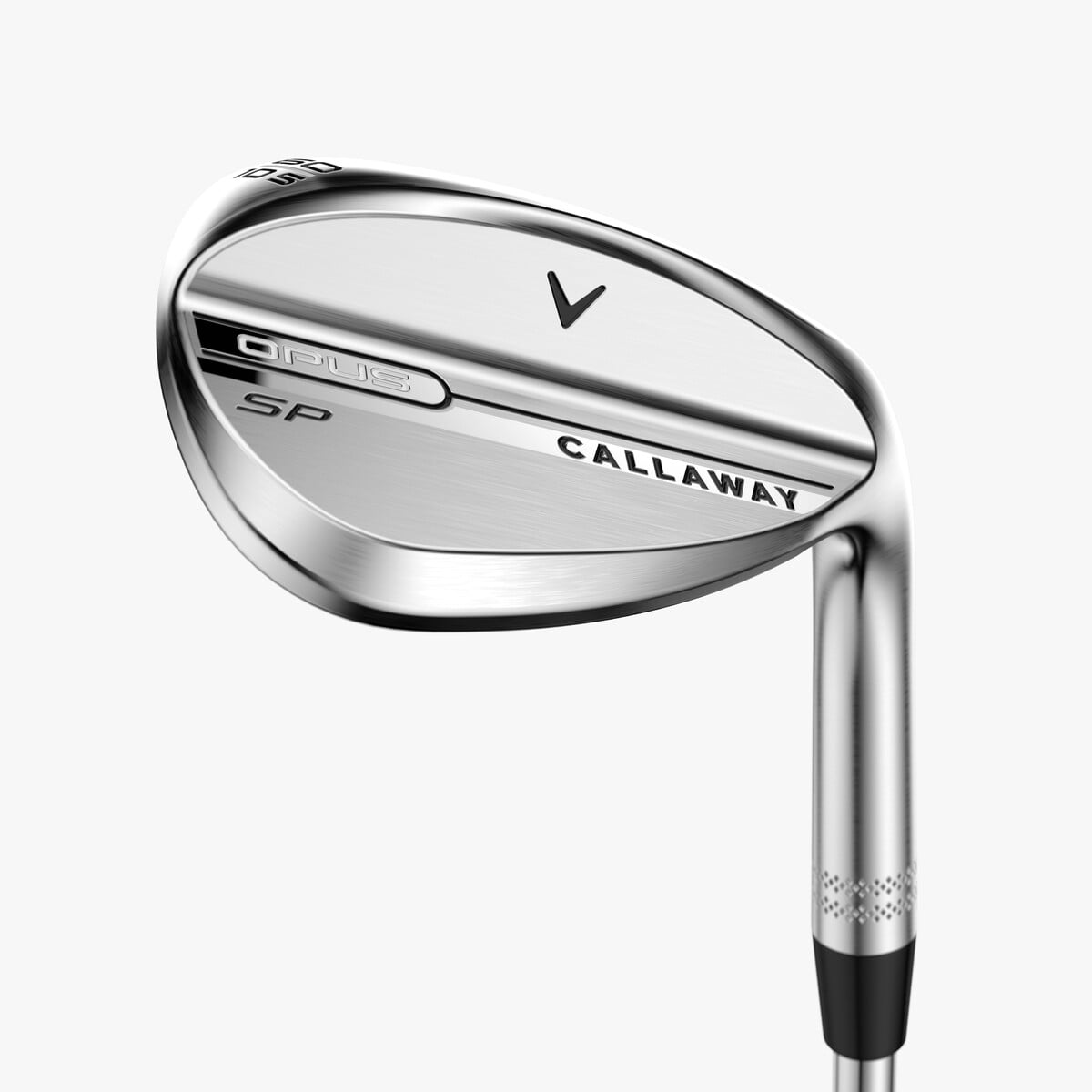
Review
8.4/10Callaway Opus SP review: the wedge in four tour bags while everyone buys Vokey
Callaway's Spin Pocket wedge lands a lower, spinnier flight for about the same money as a Vokey. It is the one I would buy for firm turf and full shots, and the wrong call if your short game lives in soft sand.
Review
8.8/10Takomo 101 MKII review: the irons quietly embarrassing the big brands
Half the price of a name-brand set, and good enough that you'll feel a bit silly for not trying them sooner. The direct-to-consumer irons reviewed.
Explained
How long do golf clubs actually last? Longer than the marketing wants you to think
Drivers and irons stay competitive for years. Wedge grooves are the real wear item, and grips are the cheap refresh almost everyone neglects. Here's the honest timeline.