
Callaway Opus SP review: the wedge in four tour bags while everyone buys Vokey
Callaway's Spin Pocket wedge lands a lower, spinnier flight for about the same money as a Vokey. It is the one I would buy for firm turf and full shots, and the wrong call if your short game lives in soft sand.
By Ben Marsden · Reviews Editor
The verdict
Excellent
What's great
- Two-piece Spin Pocket build raises the CG for a lower, more penetrating flight
- Spin Gen 2.0 face with a 17-degree groove angle and deeper cross-hatch milling holds friction across scruffy lies
- Real tour adoption rather than a paid bag — four of the 49 bags we track, including two major champions
Watch out
- Fewer grind options than Vokey, which is the whole ballgame if your strike or turf is unusual
- The lower flight that makes it good on firm turf is the opposite of what you want from soft sand
Bottom line — Buy it for a flighted, spinny wedge on firm ground. Buy a Vokey if you need a grind matched to an unusual strike.
Callaway
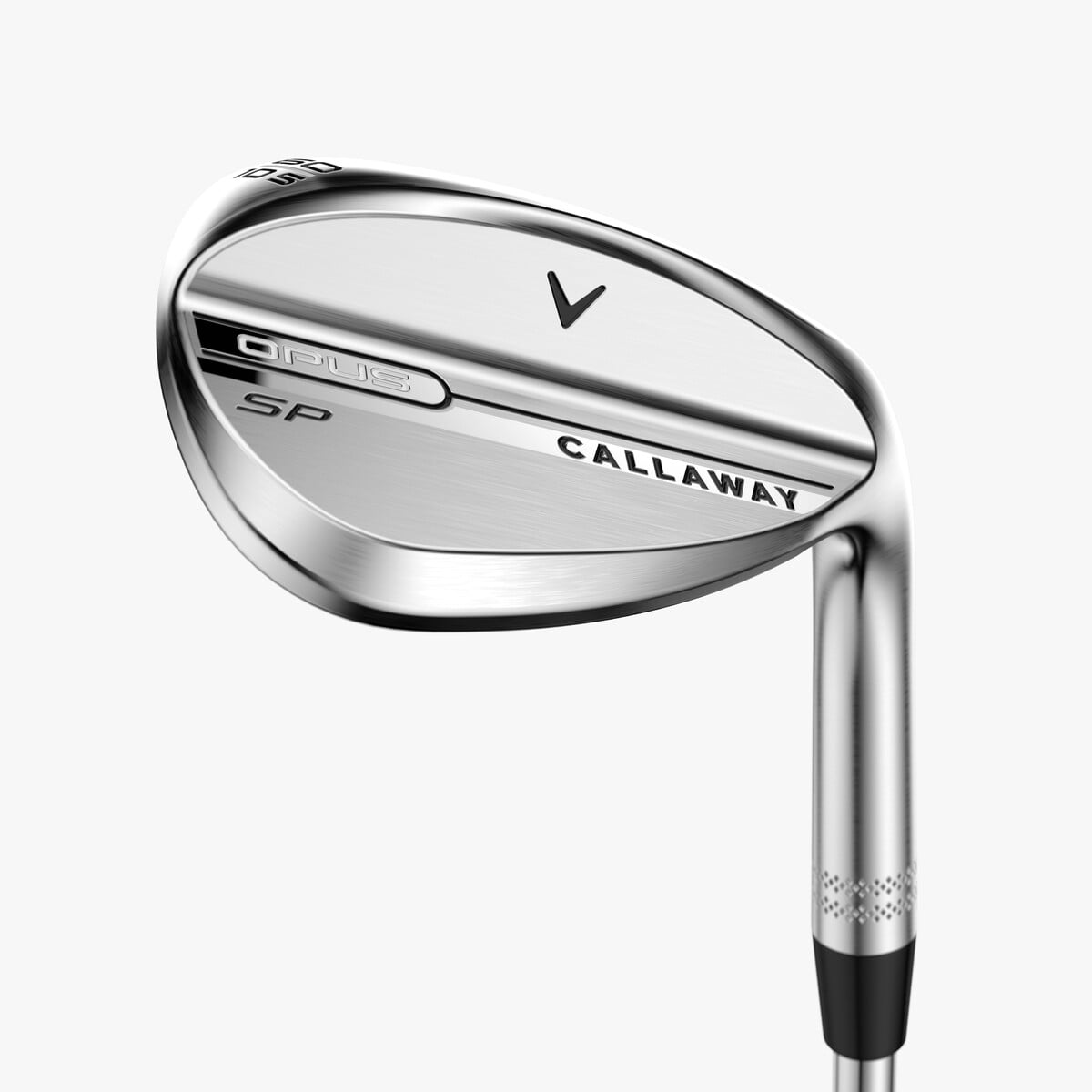
Callaway Opus SP
ifrothgolf earns a commission on purchases made through these links, at no extra cost to you. It never changes what I recommend. Full disclosure.
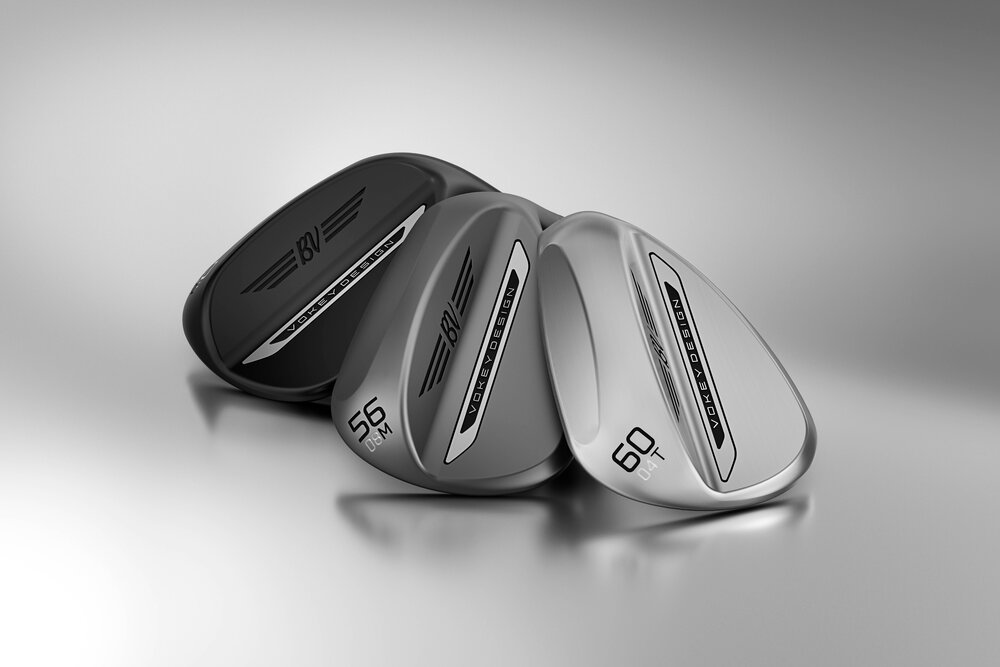
Stand in front of a wedge rack and watch what happens. Nine golfers out of ten reach for the Vokey, because that is what the rack is arranged around and what the tour has trained everyone to expect. Our own records back the reflex up: 23 of the 49 tour bags we track carry at least one Titleist Vokey. Nearly half the field, one brand.
So the interesting question is not whether Vokey is good. It is what the players who did not take the default went to instead.
The four bags nobody mentions
Callaway's Opus SP is in four of those 49 bags — Jon Rahm, Xander Schauffele, Min Woo Lee and Akshay Bhatia. Three more players carry the previous Opus or the Opus Raw, so the family sits in seven bags all told. Two major champions among them, and Schauffele carries the Opus SP alongside a Vokey rather than instead of one, which is its own kind of endorsement.
Four is not a takeover. It is a signal, and it is a better signal than a tour-staff logo, because these are players who could put any wedge in the bag and chose this one for specific shots.
What the Spin Pocket actually does
The Opus SP uses a two-piece construction Callaway calls a Spin Pocket, which redistributes mass to raise the centre of gravity. A higher CG in a wedge does a specific thing: it brings the flight down and the spin up. You get a lower, more penetrating ball flight that checks rather than balloons.
The face is Spin Gen 2.0, with a 17-degree groove angle and deeper cross-hatch laser milling, sitting on the Shape 6 head profile. The point of the milling is friction when the grooves alone cannot do the job, which is to say from wet grass, light rough and the sort of lie you actually get on a Saturday rather than the one in the advert.
Put plainly: this is a wedge built for a flighted, controlled full shot into a firm green. That is a real preference, not a marketing position, and it is why it appeals to players who dislike a high floaty wedge.
Where I would actually spend the money
At around $225 it lands within a few dollars of the Vokey SM11, so there is no money in this decision. It is a fit argument, and it comes down to two questions.
Is your turf firm or soft? The Opus SP's lower flight is an advantage on baked summer fairways and firm greens, and a liability out of soft, fluffy sand where you want the ball up quickly. If most of your trouble is bunkers, that is a real strike against it.
Is your strike normal? Vokey's grind range is the widest in golf and that is the honest reason it is in 23 bags. If you dig, sweep, play steep, or fight a specific bunker lie, the grind matters more than the face technology and Vokey has more answers. Ping's S159 range is the other fitting-led option worth a look for the same reason.
If neither of those pushes you away, I would buy the Opus SP. You get a face and a flight profile that four elite players actively chose, for the same money as the club everyone buys without thinking about it.
The two other wedges worth a look at this money
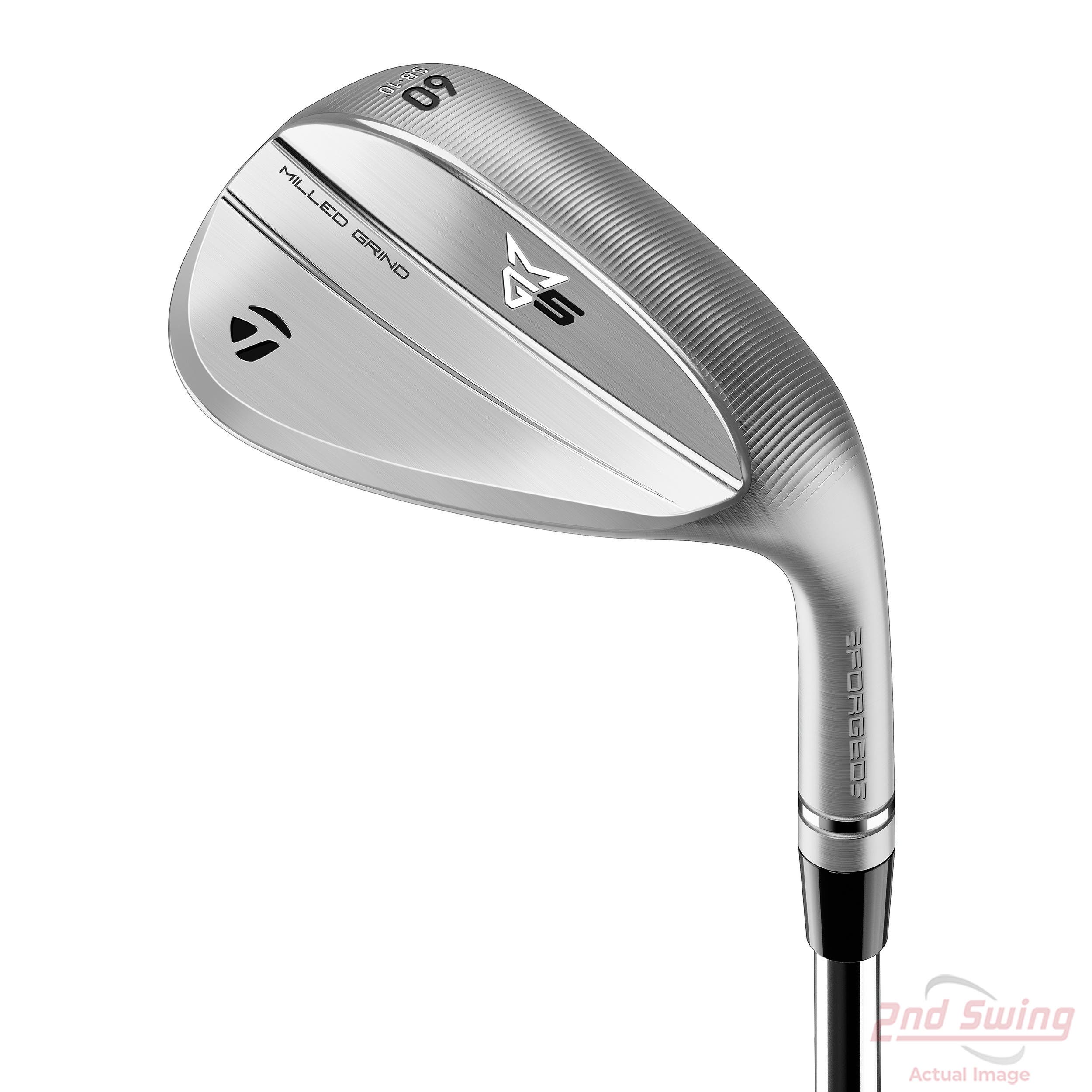
The TaylorMade MG5 is the one to take if wet-weather spin is your specific complaint. Its whole design argument is holding spin when the face and ball are damp, which is the condition where every wedge is at its worst and where a dropped shot feels most unfair. If you play in the UK between October and March, that is not a niche concern. It flights slightly higher than the Opus SP, so it is the softer-landing option of the two.
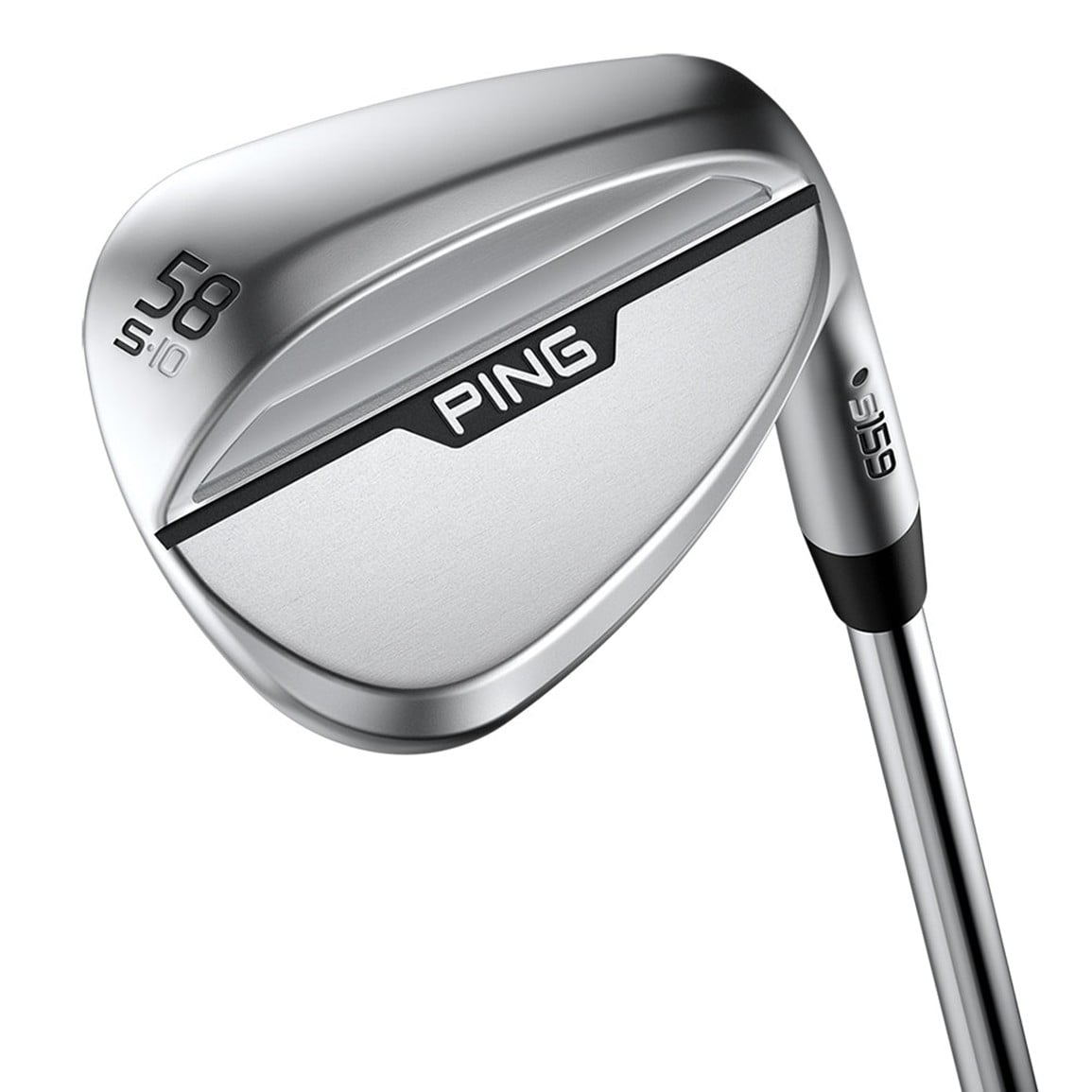
The Ping S159 range is the fitting-first choice. Ping build their wedge line around grind options and lie adjustment rather than a headline face technology, and they are unusually good for players with a steep, digging angle of attack. If you take deep divots and your wedges keep sticking in the turf, this is the range to be measured for, not the one to buy off a rack.
Do the gapping before you do the shopping
Whichever you pick, the wedge you buy matters far less than the number stamped on it. Most amateur wedge trouble is a gapping problem wearing a technology costume: a pitching wedge at 43 degrees, a gap wedge at 50, and a canyon in between that produces the awkward three-quarter shot nobody practises.
Write down your actual lofts before you spend anything. Modern iron sets have crept strong, so your pitching wedge is probably younger than you think and the gap above your first wedge is probably wider. Three wedges beyond the pitching wedge, spaced four to six degrees apart, covers most golfers — and as our count of the tour bags shows, that is the same setup the best players land on with a fitter and full data. Fix the spacing first, then argue about faces.
Who should skip it
Skip it if your short game is mostly bunkers and soft lies, where you want height and a wider sole. Skip it if you have never been wedge-fitted and have a strike you know is unusual, because you will get more from the right grind in any brand than from the right face in the wrong one. And skip it if you already own wedges you trust and hole shots with, which is most people reading this. A wedge is the least urgent upgrade in the bag right up until the moment your gapping is genuinely broken.
One caveat on the tour count: this is the 49 bags we maintain and re-verify against named sources, not a census of every player on every tour, and bags change week to week.
Products mentioned in this article
Callaway
Callaway Opus SP
The one I'd buy if you want a lower, spinnier flight and don't need the Vokey badge
Titleist
Titleist Vokey SM11 Wedge
The default, and the default for good reasons — the widest grind range in golf
ifrothgolf earns a commission on purchases made through these links, at no extra cost to you. It never changes what I recommend. Full disclosure.
Frequently asked
- Which tour players use the Callaway Opus SP?
- Of the 49 current tour bags we track, four carry a Callaway Opus SP: Jon Rahm, Xander Schauffele, Min Woo Lee and Akshay Bhatia. Three more players carry the previous Opus or Opus Raw, so seven bags in total hold a wedge from the family. Xander Schauffele carries his alongside a Titleist Vokey rather than in place of one.
- Is the Callaway Opus SP better than a Vokey SM11?
- Neither is better outright and they cost about the same. The Opus SP flights the ball lower with more spin, which suits firm turf and full approach shots. Vokey offers the widest range of grinds in golf, which matters more if your strike or your usual lies are unusual. Fit decides it, not the badge.
- What does the Spin Pocket in the Opus SP do?
- It is a two-piece head construction that redistributes mass to raise the centre of gravity. A higher CG in a wedge lowers ball flight and raises spin, so shots come out flatter and check rather than climbing. It is paired with the Spin Gen 2.0 face, which uses a 17-degree groove angle and deeper cross-hatch laser milling for grip on wet or scruffy lies.
- How many wedges should I carry alongside it?
- Three beyond the pitching wedge suits most golfers, and the tour agrees: of the 49 bags we track, 45 record lofts in full and the median carries three. Gap them 4 to 6 degrees apart so the distances step down evenly, and get the lofts checked rather than assumed.
Read next
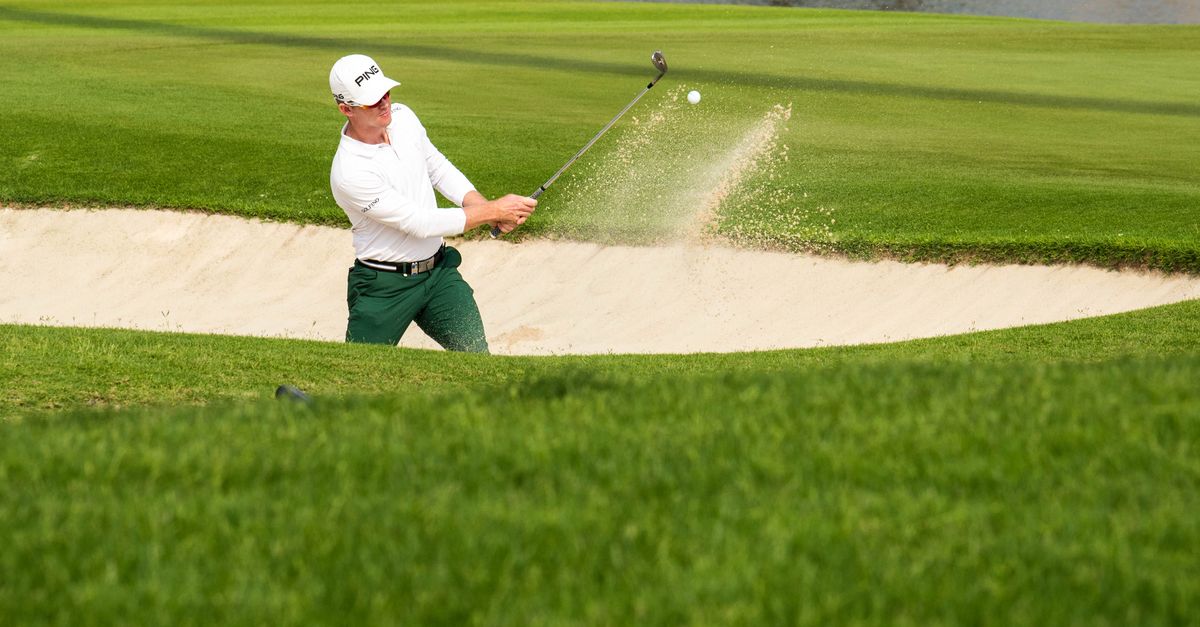
Explained
Wedge bounce and grind, explained
The two numbers that decide whether your wedge digs, glides or skips — in plain English, with how to pick yours.
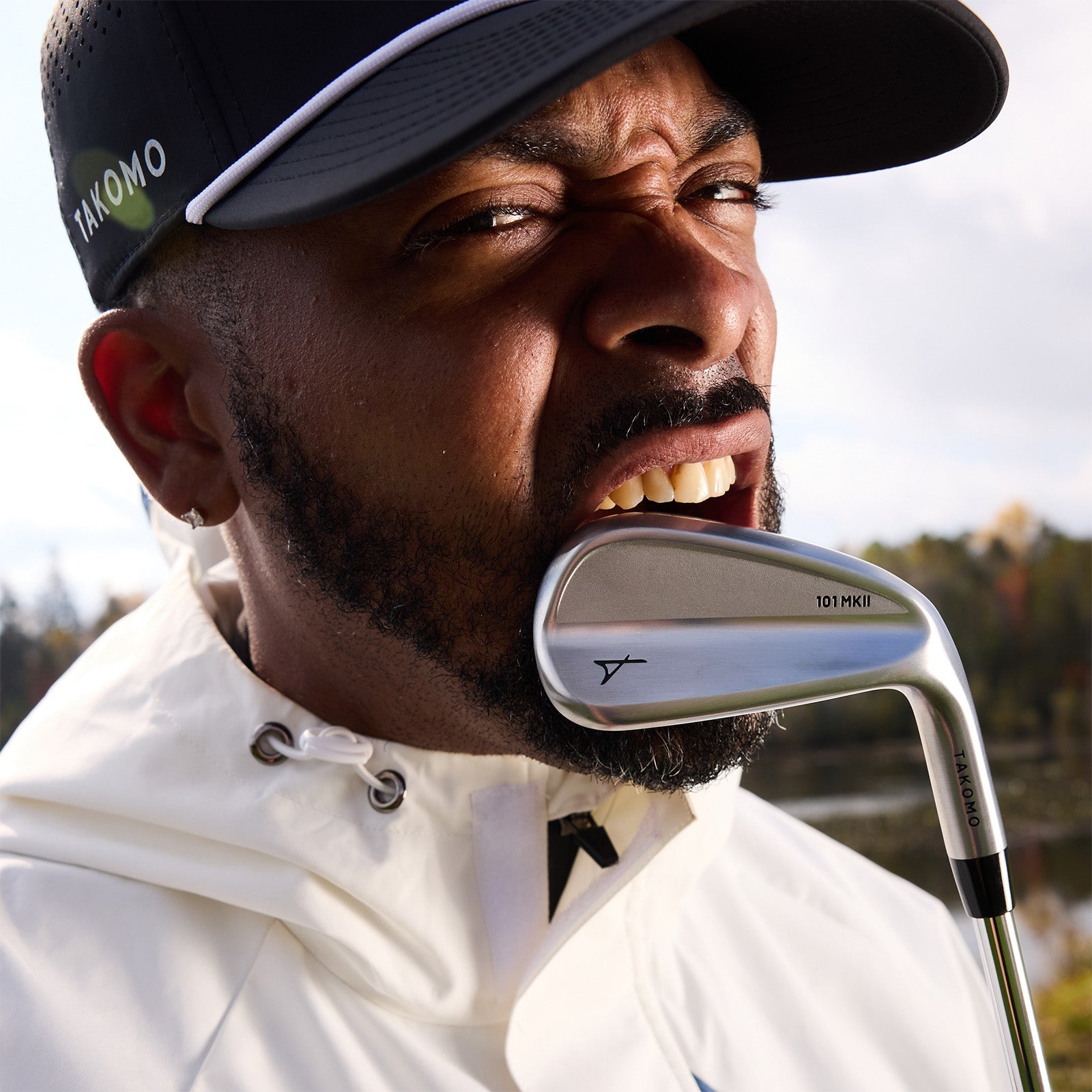
Review
8.8/10Takomo 101 MKII review: the irons quietly embarrassing the big brands
Half the price of a name-brand set, and good enough that you'll feel a bit silly for not trying them sooner. The direct-to-consumer irons reviewed.
Explained
How long do golf clubs actually last? Longer than the marketing wants you to think
Drivers and irons stay competitive for years. Wedge grooves are the real wear item, and grips are the cheap refresh almost everyone neglects. Here's the honest timeline.