
Titleist Vokey SM11 review: the wedge that wins scorecards
The most-played wedge in golf gets a consistency-first redesign. Here's why getting it fitted matters more than the badge.
By Ross Hamilton · Staff Writer
The verdict
Exceptional
What's great
- Standardised CG across grinds — change grind without changing launch
- Heat-treated grooves Titleist says last roughly twice as long
- Widest fitting matrix in the game — six grinds, 27 loft/bounce combos
Watch out
- Gains over the SM10 and recent wedges are incremental
- Needs a proper fitting to get loft/bounce/grind right
- Premium per-wedge price at around $225
Bottom line — The wedge to get fitted for if you're serious about scoring. Match the grind to your turf and it's one of the few upgrades that reliably pays off — but only if your current wedges are worn or mismatched in the first place.
Titleist
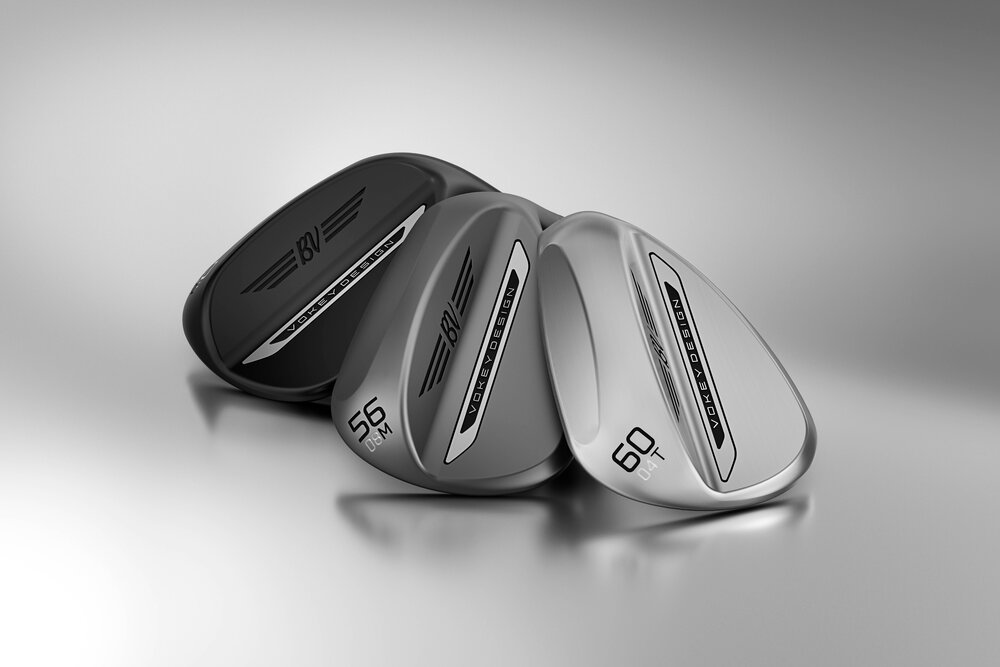
Titleist Vokey SM11 Wedge
ifrothgolf earns a commission on purchases made through these links, at no extra cost to you. It never changes what I recommend. Full disclosure.
The Vokey SM11 is the benchmark wedge of 2026 — the most-played wedge on the PGA Tour, and the one every fitter measures the rest against — but the gains live in the fitting, not the badge: loft, bounce and grind matched to your turf and swing. At around $225 a wedge it's worth it if your distances are inconsistent or your grooves are worn; it's only an incremental upgrade if you already own a recent, well-fitted wedge. The changes over the SM10 are evolutionary, not revolutionary. Here's what's actually new and, more importantly, how to buy it right.
The fitting idea that actually matters
If the driver gets the headlines, the wedge wins the bets, and the SM11's cleverest, least glamorous change is aimed squarely at fitting. Titleist has standardised where the centre of gravity sits across the grinds, so changing your grind no longer changes your launch and trajectory — previously, switching from one sole to another could subtly alter how a wedge flew, which made dialling in your set a moving target. Now you can pick the grind that suits your turf and trust that your 50, 54 and 58 still behave like a matched set rather than three slightly different clubs. In the bag that means distances you can rely on, and trustworthy gaps are what actually save shots around the green — far more than any spin number on a hangtag.
Spin that holds up over a season
The spin story lives up to the billing, and the part that matters is durability rather than peak grab. A new groove system adds spin, and crucially the grooves are heat-treated at the edges — Titleist says they last roughly twice as long as the previous generation. That longevity is the quiet point: every wedge spins when it's new and dry, but spin fades as the grooves wear, and worn grooves are quietly costing you greenside control long before you'd think to replace the club. A wedge that holds its bite for two seasons instead of one is doing real work for your scoring even if the day-one numbers look similar to a rival's. Greenside, the SM11's bite out of the rough-and-tumble lies you actually face — not a pristine range mat — is among the best you can buy.
Grind matters more than the model year
This is the part most golfers skip and absolutely shouldn't. The SM11 spans twenty-seven loft-and-bounce combinations across six grinds, which means there is a sole shaped for your specific turf and angle of attack — and equally, that the wrong grind turns even this wedge into a digger or a skuller. A steep-swinging player on soft turf wants a wider, higher-bounce grind; a sweeper on firm links turf wants something lower and more relieved. Match the sole to your conditions, as we break down in wedge bounce and grind explained; it does more for your short game than the model year on the back. Put bluntly, a TaylorMade MG5 fitted correctly will out-perform an SM11 fitted wrong — the badge is the least important variable in the transaction.
The fitting goes beyond loft and grind
Most buyers stop at loft, bounce and grind, but a proper wedge fitting covers more, and the SM11's deep matrix only pays off if you use it. Shaft choice matters more on wedges than golfers assume: a heavier, lower-launching wedge shaft can calm down a wedge that flies too high and spins inconsistently, and many players are better served by a dedicated wedge shaft than by simply extending their iron shaft down through the set. Length and lie angle matter too — a wedge that's the wrong length or lie nudges your strike toward the heel or toe and quietly costs you the centre-face spin you paid for. None of this is exotic; it's the standard checklist a good fitter runs in a few minutes. The reason the Vokey is the benchmark isn't a single clever feature, it's that the breadth of options lets a fitter build the exact wedge your delivery wants rather than the nearest stock club on the rack.
How it stacks up against the alternatives
The honest comparison is with the MG5, TaylorMade's first fully-forged Milled Grind, which leans harder into wet-weather spin retention with its RAW face and Spin Tread channels. The two are priced the same and aimed at the same buyer; the difference is emphasis. The Vokey is the fitting benchmark, with the widest grind-and-loft matrix in the game and a CG redesign built around consistency — pick it if you want the deepest fitting options and a set that behaves identically across lofts. The MG5 is the spin specialist for golfers who play a lot of wet, soft golf and want a softer forged feel. Neither is clearly 'better'; the right answer is whichever gets fitted properly to you, which is exactly why the fitting bay matters more than the brand war.
Who should buy — and who should skip
Buy it if you practise, your scoring lives around the green, and your current wedges are worn or mismatched in their gapping — that's the golfer who gets the full value of the consistency redesign and the longer-lasting grooves. Skip it, for now, if you bought a well-fitted wedge in the last year or two and your grooves are still sharp; the gains over the SM10 and other recent wedges are real but incremental, and your money is better spent on a fitting for what you already own. Either way, the rule is the same: get fitted for loft, bounce and grind, and sort out how many wedges you actually need and your gapping first, before you fixate on the model. The short-game shortlist is in our irons & wedges guide.
Where to buy
9.0/10Titleist
Titleist Vokey SM11 Wedge
The tour's most-played wedge, refined for easier fitting and more spin.
ifrothgolf earns a commission on purchases made through these links, at no extra cost to you. It never changes what I recommend. Full disclosure.
Frequently asked
- Is the Titleist Vokey SM11 worth it?
- If your wedge distances are inconsistent or your grooves are worn, yes — the standardised CG, longer-lasting grooves and deep fitting matrix reliably help your scoring. If you already own a recent, well-fitted wedge with sharp grooves, the gain over the SM10 is incremental and a fitting is the better spend.
- What's new in the SM11 versus the SM10?
- Two main things: the centre of gravity is now standardised across grinds, so changing grind no longer changes your launch, and a new groove system with heat-treated edges that Titleist says last about twice as long. It's an evolutionary refinement of an already excellent wedge, not a leap.
- Which Vokey grind should I choose?
- It depends on your turf and angle of attack — there are six grinds across twenty-seven loft-and-bounce combinations, and they matter more than the model. Steep swingers on soft turf want more bounce; sweepers on firm turf want less. Get fitted; the wrong grind makes even a great wedge dig or skull.
- How often should I replace my wedges?
- Sooner than most golfers think. Grooves wear and spin fades with use, and worn grooves cost you control before you'd notice. The SM11's heat-treated grooves last longer than most, but if you practise often, replacing your scoring wedges every couple of seasons keeps your greenside control honest.
Read next
Review
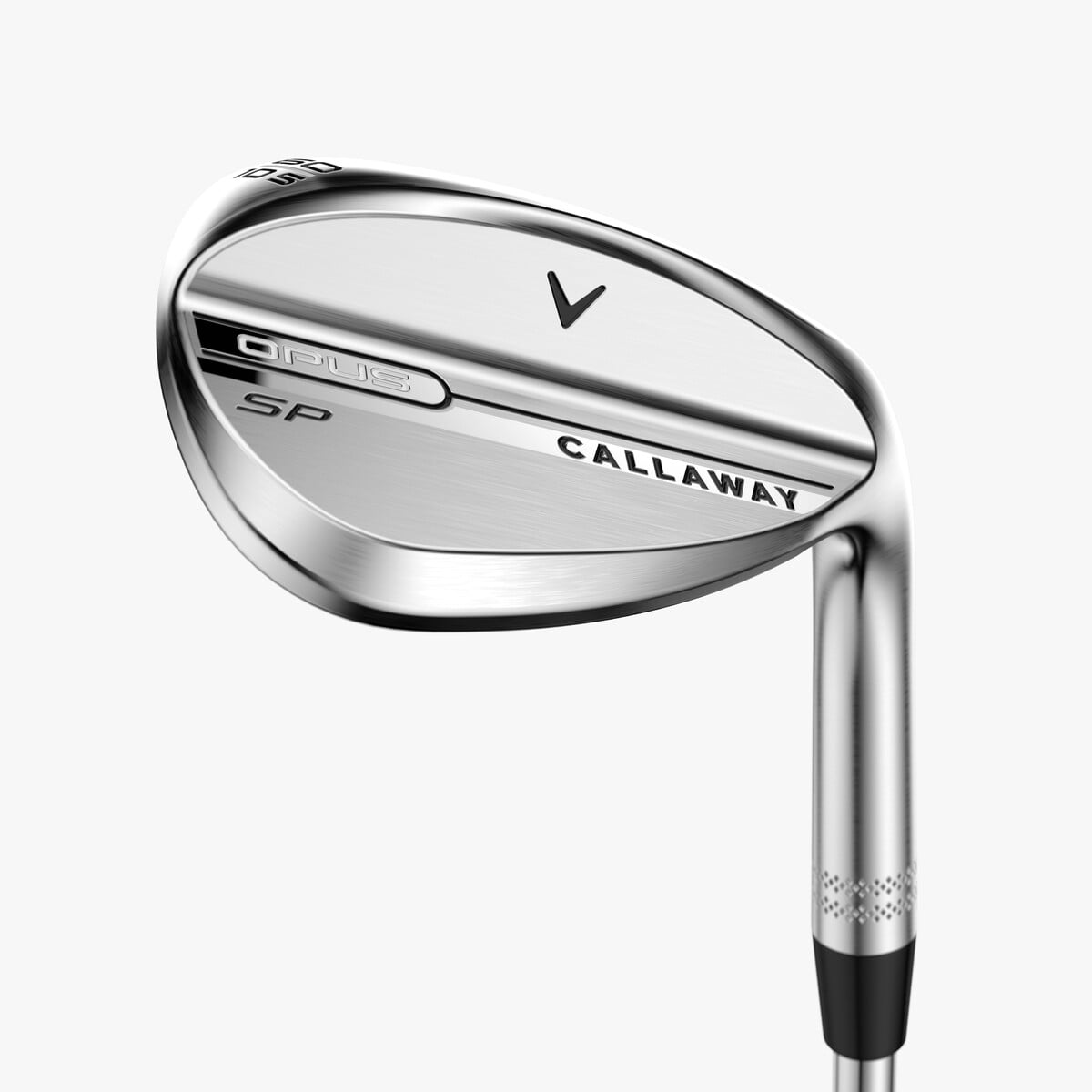
8.4/10Callaway Opus SP review: the wedge in four tour bags while everyone buys Vokey
Callaway's Spin Pocket wedge lands a lower, spinnier flight for about the same money as a Vokey. It is the one I would buy for firm turf and full shots, and the wrong call if your short game lives in soft sand.

Explained
Wedge bounce and grind, explained
The two numbers that decide whether your wedge digs, glides or skips — in plain English, with how to pick yours.

Review
8.8/10Takomo 101 MKII review: the irons quietly embarrassing the big brands
Half the price of a name-brand set, and good enough that you'll feel a bit silly for not trying them sooner. The direct-to-consumer irons reviewed.