
How long do golf clubs actually last? Longer than the marketing wants you to think
Drivers and irons stay competitive for years. Wedge grooves are the real wear item, and grips are the cheap refresh almost everyone neglects. Here's the honest timeline.
By Jordan Hale · Equipment Writer
 Explained
Most golf clubs last far longer than the annual-release cycle implies. A driver or a set of irons stays genuinely competitive for five years or more — the year-on-year performance gains are tiny. Wedges are the real exception: their grooves wear out and quietly cost you spin, so they're worth replacing every 75 to 100 rounds if you play a lot. Grips are the cheapest, most-neglected refresh of all. The rule that saves you money: don't upgrade on a schedule, upgrade on a reason.
The honest lifespan, club by club
Treat your bag as a set of components that wear at wildly different rates, not a single thing that 'goes off' on a timer. A driver head doesn't meaningfully degrade — the face can technically lose a sliver of spring over tens of thousands of hits, but no club golfer swings often enough to feel it, so a driver stays competitive for five-plus years and the gains over that span are marginal. Irons are even more durable: the heads are effectively permanent and the only real wear is groove sharpness on your most-used scoring irons. Wedges are the genuine wear item, because they live in sand and turf and rely entirely on sharp grooves for spin. Putters basically never wear out — the only reasons to change are fit, feel or fashion. And grips are the consumable hiding in plain sight. Knowing which bucket each club sits in is the whole game.
Drivers and irons: years, not seasons
The uncomfortable truth the marketing buries is that driver technology improves at a crawl. Independent year-on-year testing repeatedly shows new models gaining a handful of yards at most over the previous generation, and often nothing a real golfer would feel on the course — we made the full case in you don't need a new driver, and the smart-money move is covered in buy last year's driver. Irons are the same story stretched over an even longer timeline: the heads don't fatigue, lofts have crept stronger over the years (which is most of the 'distance' in a new set), and a clean, well-struck five-year-old iron flies essentially as far as this season's. Your real upgrade triggers aren't the calendar — they're a genuine change in your game (you've improved out of a game-improvement set, or need more help than your blades give), or specs that no longer fit you. If neither has changed, your irons haven't expired.
Wedges: the club that genuinely wears out
This is the exception, and it's the one most golfers get wrong. Wedge grooves do the work of generating spin, and they dull with use — every shot off firm turf or out of sand sands them down a little. As they round off, you lose spin and the predictability that comes with it: the ball checks less, releases unpredictably, and your short game gets harder to control without you quite knowing why. The rough guide for a frequent player is to refresh your most-used wedges every 75 to 100 rounds, sooner if you practise heavily on abrasive surfaces. It's also why a fresh wedge is the cheapest stroke-saver in the bag — and why understanding wedge bounce and grind matters as much as the grooves when you do replace. The headline difference between a worn wedge and a sharp one shows up exactly where you want control: the half-shots and greenside spinners that decide scores.
Putters and grips: feel and the cheap refresh
Putters are almost immortal. The head doesn't wear in any way that affects performance, so the only honest reasons to change are a better fit (length, lie, head style), a feel you prefer, or simple boredom — none of which is an expiry date. If your putter still suits your stroke, keep it for a decade. Grips are the opposite: they're the consumable nobody thinks about, and the most neglected refresh in golf. Worn, hardened, shiny grips make you grip tighter to stop the club twisting, and that tension wrecks tempo and clubface control. A full regrip costs a fraction of any new club and can make a tired set feel new — most golfers should regrip roughly once a year if they play regularly, or whenever the surface goes slick. It's the highest-value upgrade per pound in the entire bag, and almost everyone ignores it.
The exception that isn't really one: launch-monitor proof
There's a smarter way to settle the 'do I actually need new clubs?' argument than guessing, and it's cheaper than the clubs: measure. A modest launch monitor tells you in a session whether your current set is genuinely costing you distance and dispersion, or whether the problem is your strike and your gapping — and those need opposite solutions. Most golfers convinced their five-year-old irons have 'gone off' discover, when they see the numbers, that the irons are fine and the issue is a swing pattern no new club fixes. It's the same logic we apply to the big stick in a launch monitor beats new clubs: diagnose before you spend, because the data almost always points somewhere other than the pro-shop rack. That single habit — proof before purchase — saves more money over a golfing lifetime than any single clever buy.
When it really is time: upgrade on a reason
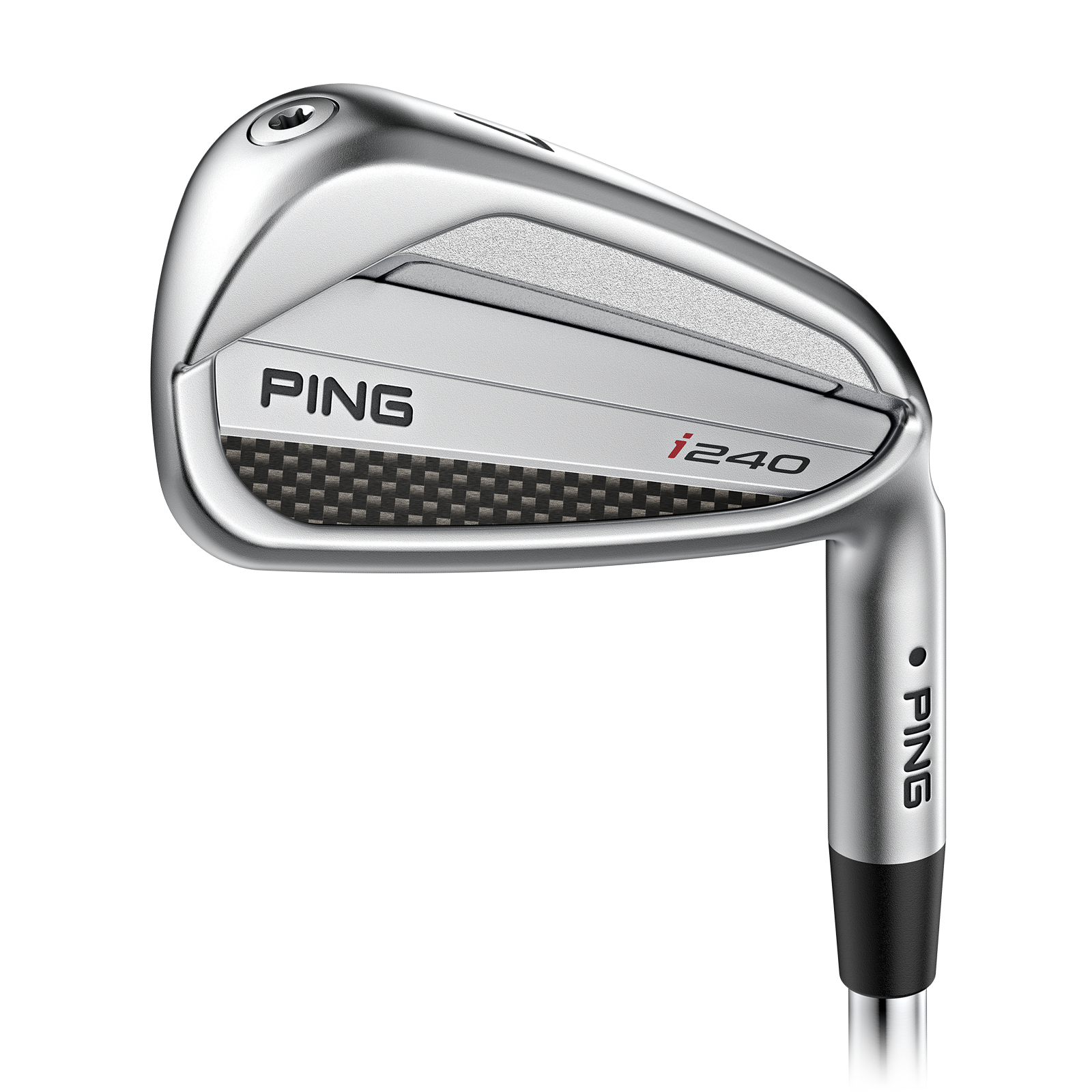
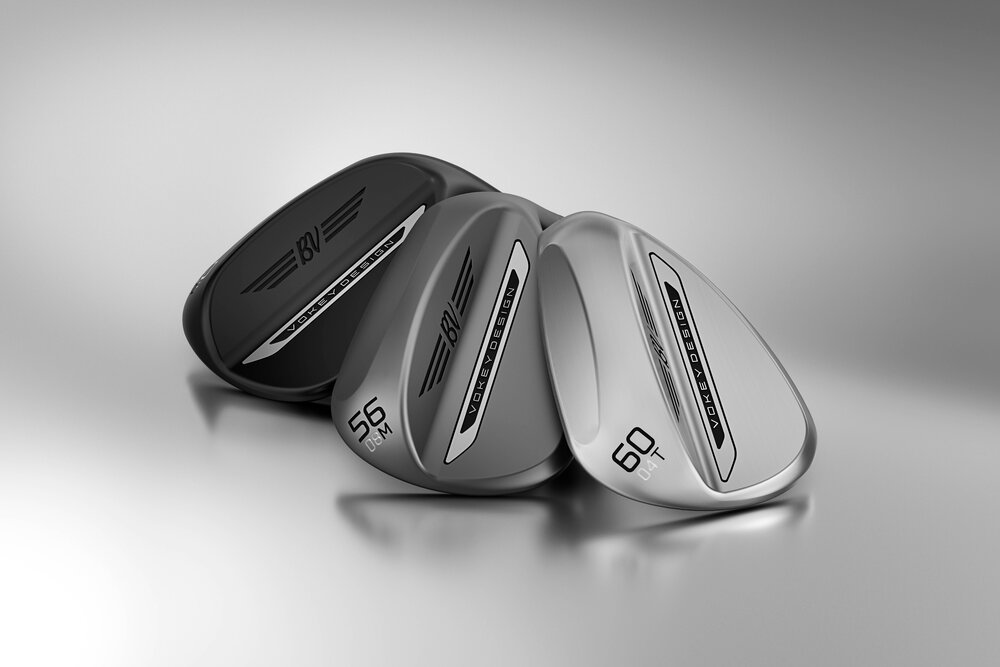
So when should you actually spend? When there's a real reason, not a release date. The legitimate triggers are simple: your game has genuinely changed and your clubs no longer match it; your specs (loft, lie, shaft, length) don't fit you and a fitting confirms it; or a component has genuinely worn — sharp-grooved wedges, fresh grips. When your irons truly are spent or no longer suit you, a fitted, durable set like the PING i240 is the kind of upgrade that earns its keep for another five-plus years rather than a year. And when your wedges round off, the tour benchmark Titleist Vokey SM11 restores the spin worn grooves quietly bled away. The point isn't to never buy clubs — it's to buy them when the equipment is the problem, which is far less often than the industry would like. Diagnose first; the new gear, if you actually need it, will still be on the shelf.
Products mentioned in this article
PING
PING i240 Irons
When your irons genuinely are spent, a fitted players'-cavity set like this is the upgrade that lasts another five-plus years.
Titleist
Titleist Vokey SM11 Wedge
The one club worth replacing on a schedule — fresh grooves restore the spin worn ones quietly lose.
ifrothgolf earns a commission on purchases made through these links, at no extra cost to you. It never changes what I recommend. Full disclosure.
Frequently asked
- How often should I replace my golf clubs?
- Not on a schedule. Drivers and irons stay competitive for five years or more, putters last far longer, and the only club with a genuine wear timeline is the wedge — every 75 to 100 rounds for a frequent player. Replace when your game changes, your specs no longer fit, or a component has truly worn, not because a new model launched.
- Do golf wedges really wear out?
- Yes, more than any other club. Their grooves dull with use, especially off firm turf and sand, and as they round off you lose spin and control on the short shots that decide scores. Refreshing them every 75 to 100 rounds is the cheapest stroke-saver in the bag.
- Does a driver lose distance over time?
- Not in any way a club golfer will feel. The face can theoretically lose a fraction of its spring over tens of thousands of hits, but no amateur swings enough to notice. A five-year-old driver is still competitive — the year-on-year gains are marginal.
- How often should I regrip my clubs?
- Roughly once a year if you play regularly, or sooner if the grips go hard and shiny. Worn grips make you hold on tighter, which kills tempo and clubface control. A regrip costs a fraction of a new club and is the best value upgrade in golf.
- When is it actually worth upgrading?
- When there's a real reason: your game has changed and your clubs no longer match it, a fitting shows your specs don't fit, or a component has genuinely worn (dull wedges, slick grips). Buy when the equipment is the problem — which is far less often than the marketing implies.
Read next
Review
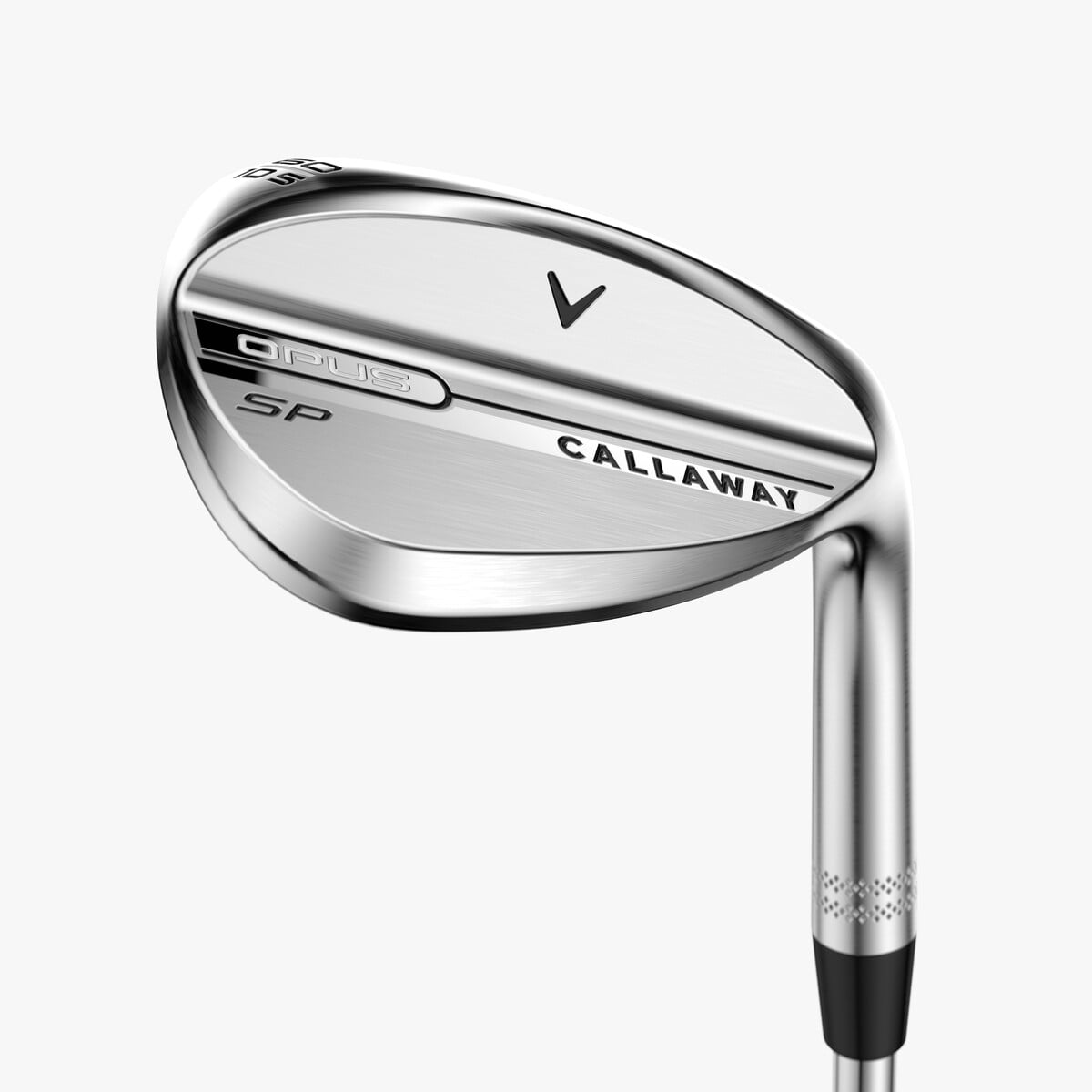
8.4/10Callaway Opus SP review: the wedge in four tour bags while everyone buys Vokey
Callaway's Spin Pocket wedge lands a lower, spinnier flight for about the same money as a Vokey. It is the one I would buy for firm turf and full shots, and the wrong call if your short game lives in soft sand.

Explained
Wedge bounce and grind, explained
The two numbers that decide whether your wedge digs, glides or skips — in plain English, with how to pick yours.
Review
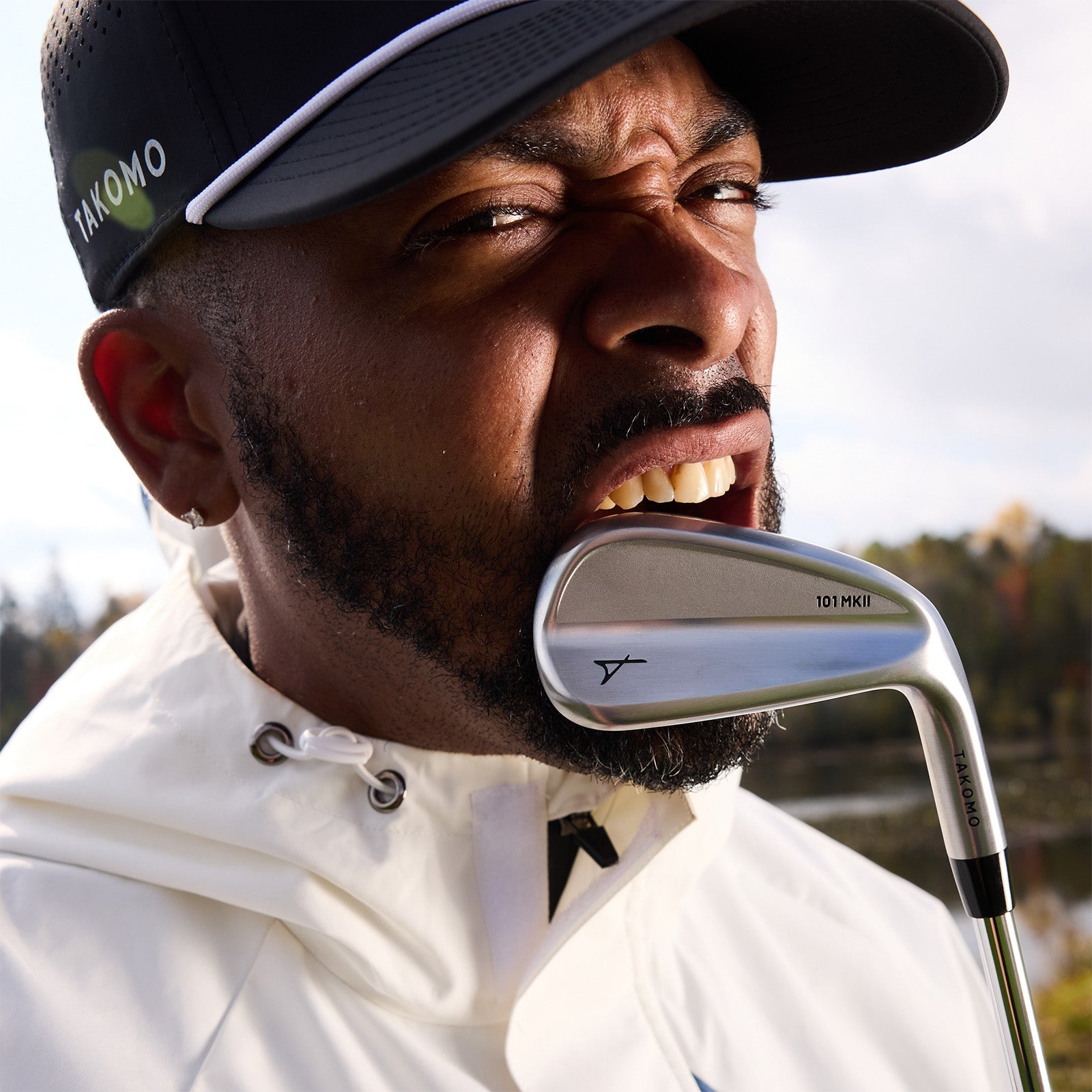
8.8/10Takomo 101 MKII review: the irons quietly embarrassing the big brands
Half the price of a name-brand set, and good enough that you'll feel a bit silly for not trying them sooner. The direct-to-consumer irons reviewed.