
PING i240 review: forgiveness you can feel, feedback you can trust
A compact cavity-back that flatters mishits without numbing the good ones — the set most mid-handicaps should actually be playing.
By Jordan Hale · Equipment Writer
The verdict
Excellent
What's great
- Forgiving on mishits but still gives honest feedback on the strike
- Activated elastomer insert damps harshness without numbing feel
- Compact, clean look that sits well behind the ball
- Sensible lofts — your gapping and wedges stay meaningful
- Remarkably consistent for the head size; extra spin from the rough
Watch out
- Premium price (around $1,350); not the cheapest route to a good set
- Better players may want something more workable
- Worth nothing if you don't get fit for lie angle
Bottom line — Fit to spec, the i240 is the set most mid-handicaps should be playing — and keep for years. The premium buys fitting, feedback and proven forgiveness; pay it if those matter to you.
PING
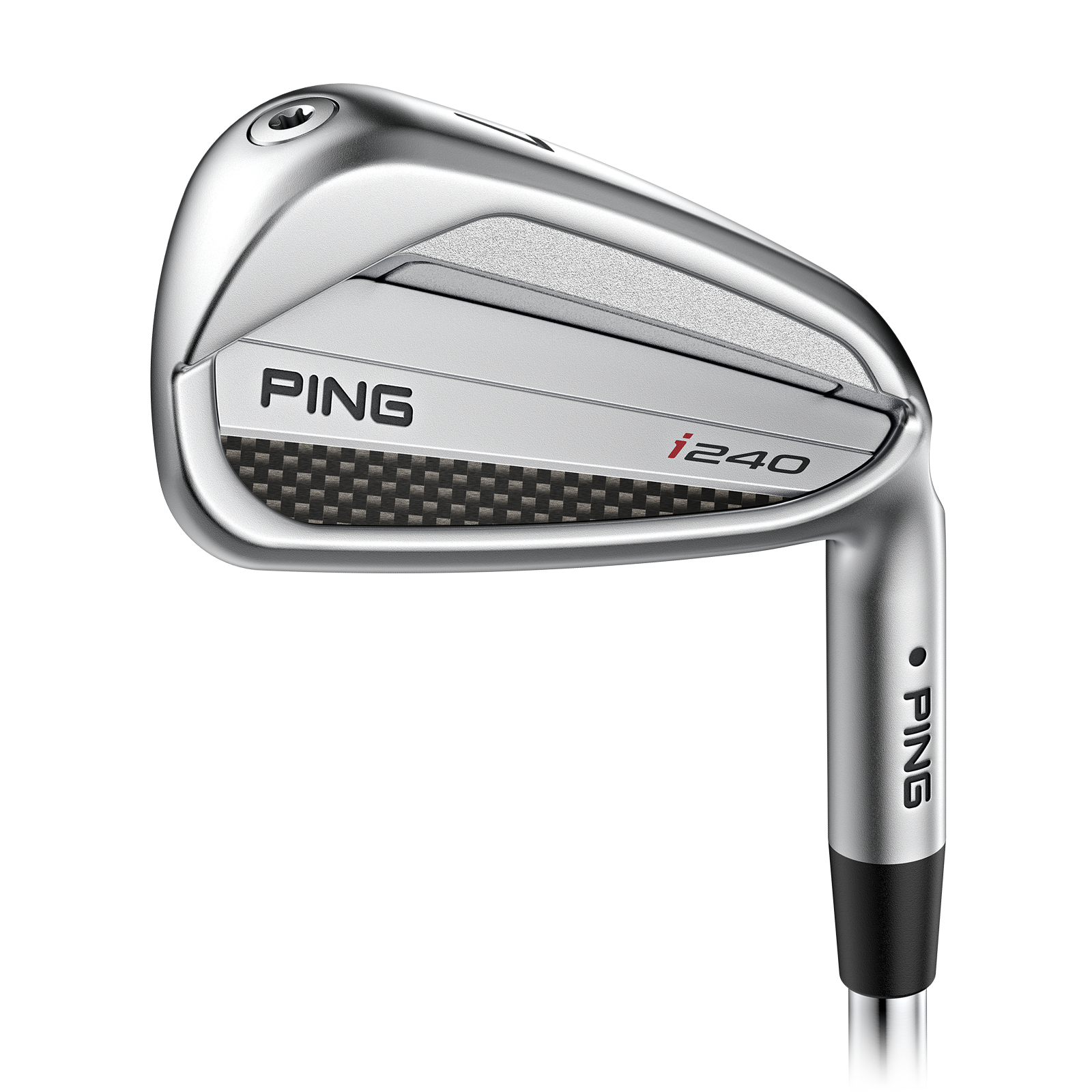
PING i240 Irons
The PING i240 is the set most mid-handicappers should actually be playing: a clean, compact head that looks like a player's iron at address but forgives like a game-improver on the strikes you'd rather forget — and, crucially, still tells you the truth on a mishit. The successor to the much-loved i230, it's a premium iron at around $1,350 for a steel set, and fit to spec it's a five-year iron you won't outgrow. Reviewers consistently call it remarkably consistent for the head size.
What it is, and where it sits in the line
The i240 is PING's current players' iron, a compact cast 431-stainless cavity-back that deliberately threads the needle between a true blade and a bulky game-improvement set. It's the kind of club a good golfer is happy to look down at — modest offset, a thin-ish topline, a tidy profile — that nonetheless hides real forgiveness inside the head. PING freed up weight with a lighter multi-material badge and pushed it to the perimeter to lift the moment of inertia, so off-centre strikes hold their line better than the looks suggest. It's aimed squarely at the better mid-handicapper and the improving single-figure player who wants control and feedback without giving up a safety net on the toe and heel.
Forgiveness without going numb
What sets it apart is feel, and specifically the kind of feel that helps you improve. A lot of forgiving irons protect you by going dead and muted, so a thin one off the toe feels much like a flush one — comforting in the moment, but useless for getting better, because the club hides the information you'd learn from. The i240's activated elastomer insert does the opposite: it damps the harsh, stinging vibration of a bad strike while still letting a pure one feel genuinely pure and a heel one tell you the truth about where you caught it. You get protected without going blind, which for a player who's still working on contact is exactly the right balance. Tour-requested wider, fewer grooves also add a touch of spin from the rough, helping you hold greens out of the longer stuff.
Honest distance, sensible gaps
Distance is honest rather than juiced. These aren't the jacked-loft bombers that turn your 7-iron into a 5 and brag about it — the lofts are sensible, so your gaps stay logical from iron to iron and your wedges still matter at the bottom of the bag. That's the right trade for anyone who values control and predictable yardages into greens over a flattering number on the launch monitor, and it's a meaningful contrast with the strong-lofted distance irons. If you want the cheaper direct-to-consumer route, the Takomo 101 MkII is the value play we reviewed here — it leans more towards outright distance and forgiveness — and we compared the two routes directly in Takomo vs PING.
Fitting is non-negotiable
The i240 is worth nothing played off the wrong lie angle, and that's not hyperbole — lie angle is the single biggest variable in iron consistency, and a couple of degrees off can push a centre strike several yards offline. PING's colour-coded dot system exists precisely because lie angle changes everything, and the i240 is offered in Standard, Power Spec and Retro Spec lofts so a fitter can tune launch and trajectory to your delivery. Get the lie, length, loft spec and shaft measured before you buy, because this is where the brand premium actually earns its keep — and it's why we keep arguing a fitting is the best-value spend in golf.
Who should buy (and who shouldn't)
Buy if you're a better mid-handicapper or improving single-figure player who wants forgiveness with real feedback, values sensible gapping, and will get properly fit. Skip if you're a genuinely elite ball-striker who wants the maximum workability of a blade or sharper players' iron — the i240 leans forgiving and won't shape the ball quite as freely — or if you're a higher handicapper who'd be better served by a chunkier, more forgiving game-improvement set. And skip it on price grounds if you won't get fitted, because the value DTC route gets you most of the performance for less. Use the blades vs cavity-backs question to confirm the profile suits you.
On value: is it worth the premium?
This is the one honest reservation, and it's worth facing squarely. At around $1,350 a set the i240 is a real investment, and the uncomfortable truth is that on launch-monitor numbers alone a direct-to-consumer set gets you most of the way for roughly half the money. So what does the premium actually buy? Three things: the hands-on fitting through a trained fitter, including PING's dot system getting your lie angle right in person; the refined feedback and turf interaction that a better player genuinely feels; and the resale value and warranty support of a marquee brand. If you'll use those — and a mid-handicapper who wants their hand held through fitting absolutely will — the premium is justified. If you already know your specs and care only about ball flight, be honest with yourself and pocket the difference. There's no shame in either answer; there's only the wrong answer of paying for a fitting net you then don't use.
The verdict
Fit to spec — lie angle especially — this is the default answer for a mid-handicapper and a set you keep for years. The brand premium buys you a hands-on fitting, refined feedback and proven forgiveness; pay it if those matter to you, and pocket the difference with a DTC set if they don't. Our best irons & wedges guide stacks it against the field.
Where to buy
8.6/10Frequently asked
- Who are the PING i240 irons best for?
- Mid-handicappers who want forgiveness on mishits but still want honest feedback and a compact, clean look. Better players wanting maximum workability may prefer a blade or players' iron; high-handicappers may want more outright forgiveness.
- Do the PING i240s have jacked-up lofts for distance?
- No — lofts are sensible rather than strengthened, so your gapping stays logical and your wedges remain meaningful. The trade is honest distance for better control into greens, which suits the target player.
- Do I need a fitting for the i240?
- Yes, especially for lie angle — PING's colour-coded dot system exists for that reason, and the i240 also comes in Standard, Power Spec and Retro Spec lofts. Played off the wrong lie, even a great iron fights you; fit to spec is where the i240 earns its price.
- How is the PING i240 different from the i230?
- The i240 is the current successor to the much-loved i230. It carries the same players'-iron brief — compact looks with real forgiveness — with a lighter multi-material badge that frees weight for stability and tour-requested wider, fewer grooves for more spin from the rough.
- Is the PING i240 worth the price over a DTC set?
- Only if you value what the premium buys: a hands-on fitting, refined feedback and proven forgiveness. On ball flight alone a direct-to-consumer set like the Takomo 101 MkII gets you most of the way for roughly half the money. Pay for the i240 if the fitting net and feel matter to you.
Read next
Review
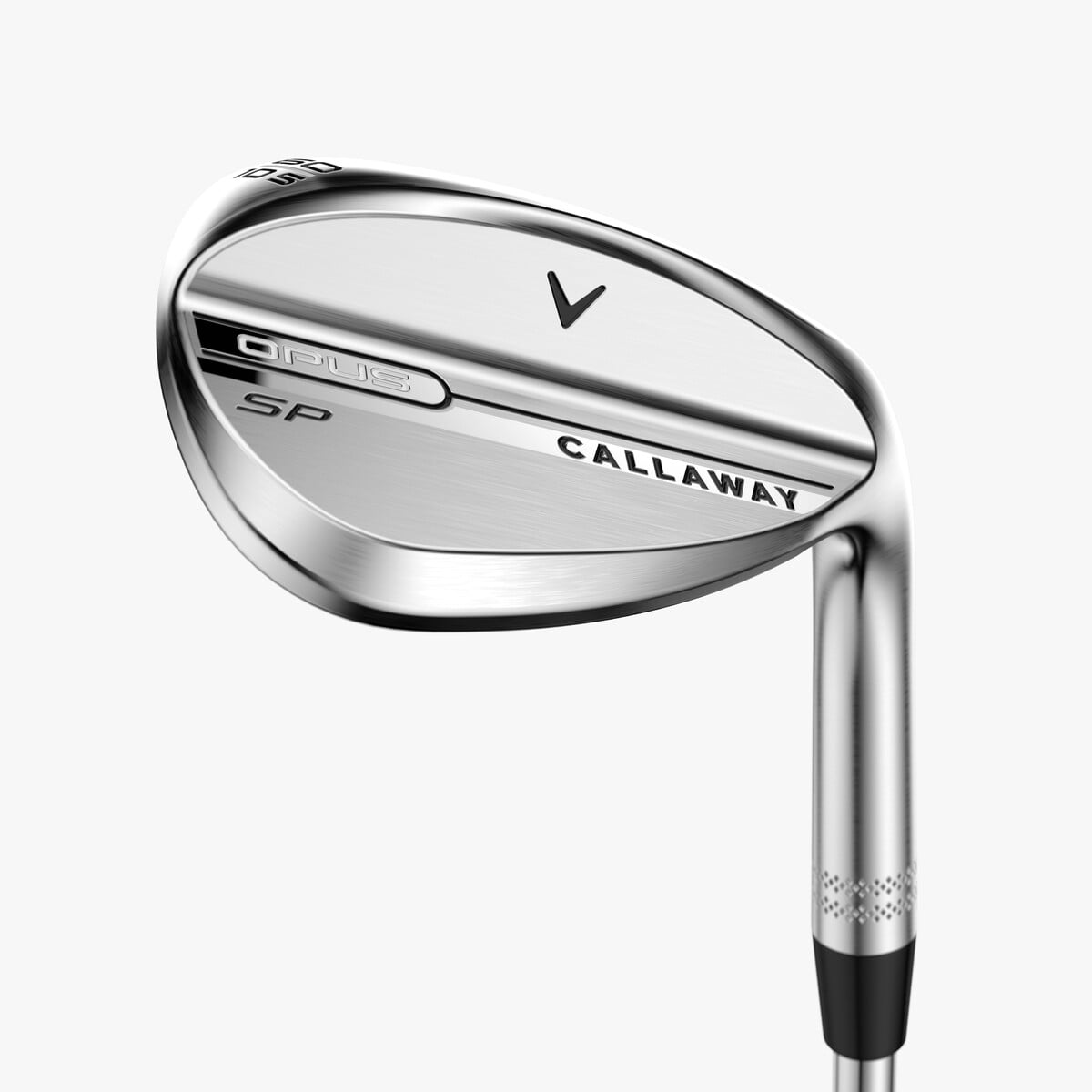
8.4/10Callaway Opus SP review: the wedge in four tour bags while everyone buys Vokey
Callaway's Spin Pocket wedge lands a lower, spinnier flight for about the same money as a Vokey. It is the one I would buy for firm turf and full shots, and the wrong call if your short game lives in soft sand.
Explained
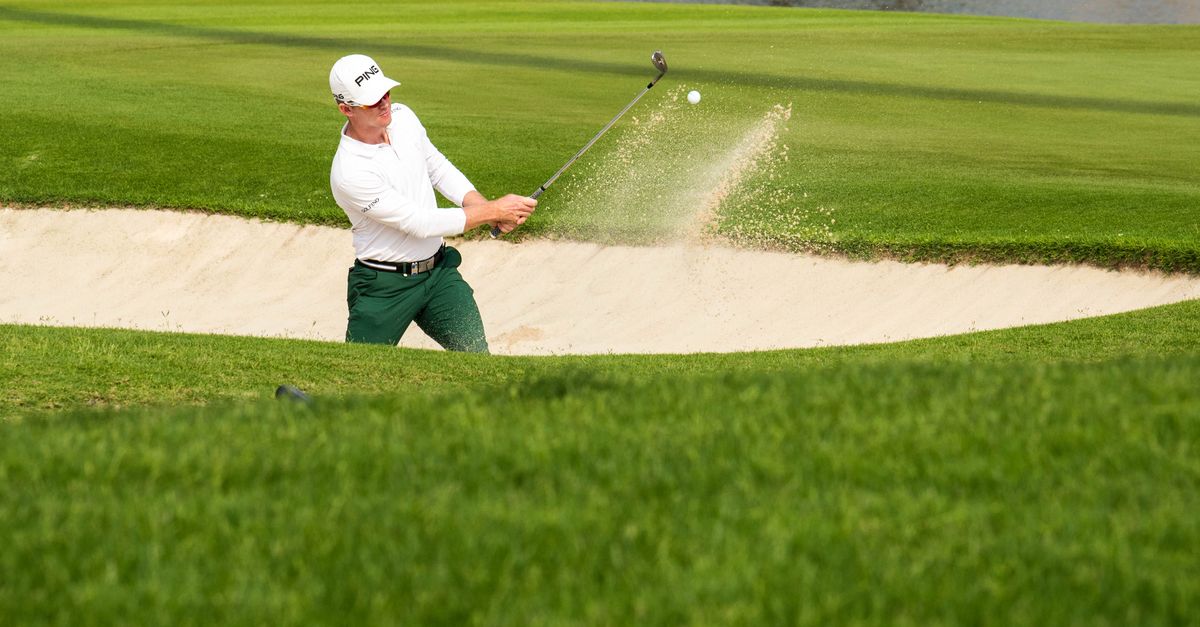
Wedge bounce and grind, explained
The two numbers that decide whether your wedge digs, glides or skips — in plain English, with how to pick yours.
Review
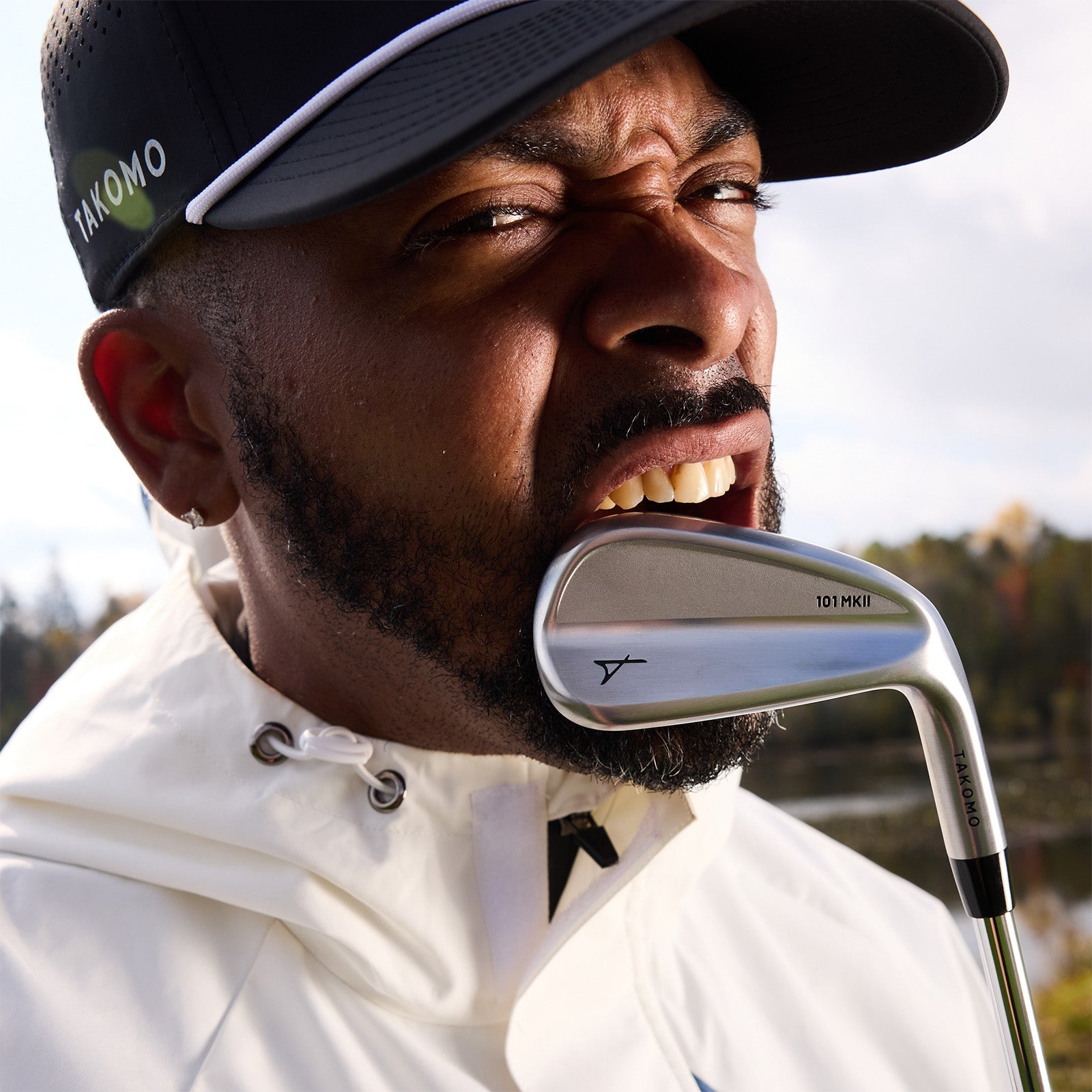
8.8/10Takomo 101 MKII review: the irons quietly embarrassing the big brands
Half the price of a name-brand set, and good enough that you'll feel a bit silly for not trying them sooner. The direct-to-consumer irons reviewed.