
Blades vs cavity-back irons: which should you actually play?
One looks the part; the other saves your scores. The honest guide to picking the right iron for your game, not your ego.
By Jordan Hale · Equipment Writer
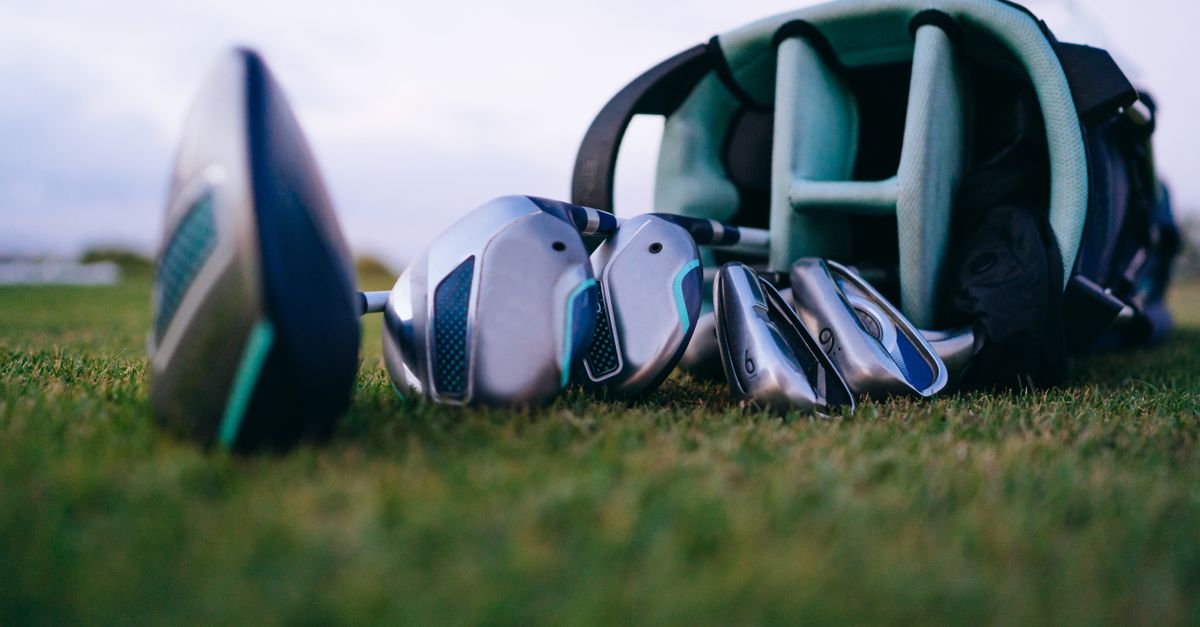 Explained
Almost everyone scores better with a cavity-back or players'-distance iron than with blades — the forgiveness isn't a crutch, it's free yards and tighter dispersion on the misses you actually make. Blades reward only the genuinely pure striker. This is the most ego-driven decision in golf, so the honest question isn't which looks cooler; it's which keeps more of your shots playable. Here's how to tell which you are.
What actually differs
A blade — properly a muscleback — is forged from a single piece of soft carbon steel with the mass concentrated in a bar directly behind the centre of the face. That gives you a buttery, information-rich strike and the ability to flight the ball up or down and shape it both ways at will. The price is a tiny effective sweet spot and almost no help on the toe or heel. A cavity-back does the opposite: it hollows out the back of the head and redistributes that saved weight to the perimeter and into the sole, raising the head's moment of inertia (MOI) — its resistance to twisting on an off-centre hit. Higher MOI means a heel or toe strike twists the face less, so the ball starts closer to your target line and holds more ball speed, which is why your misses fly straighter and finish nearer the pin.
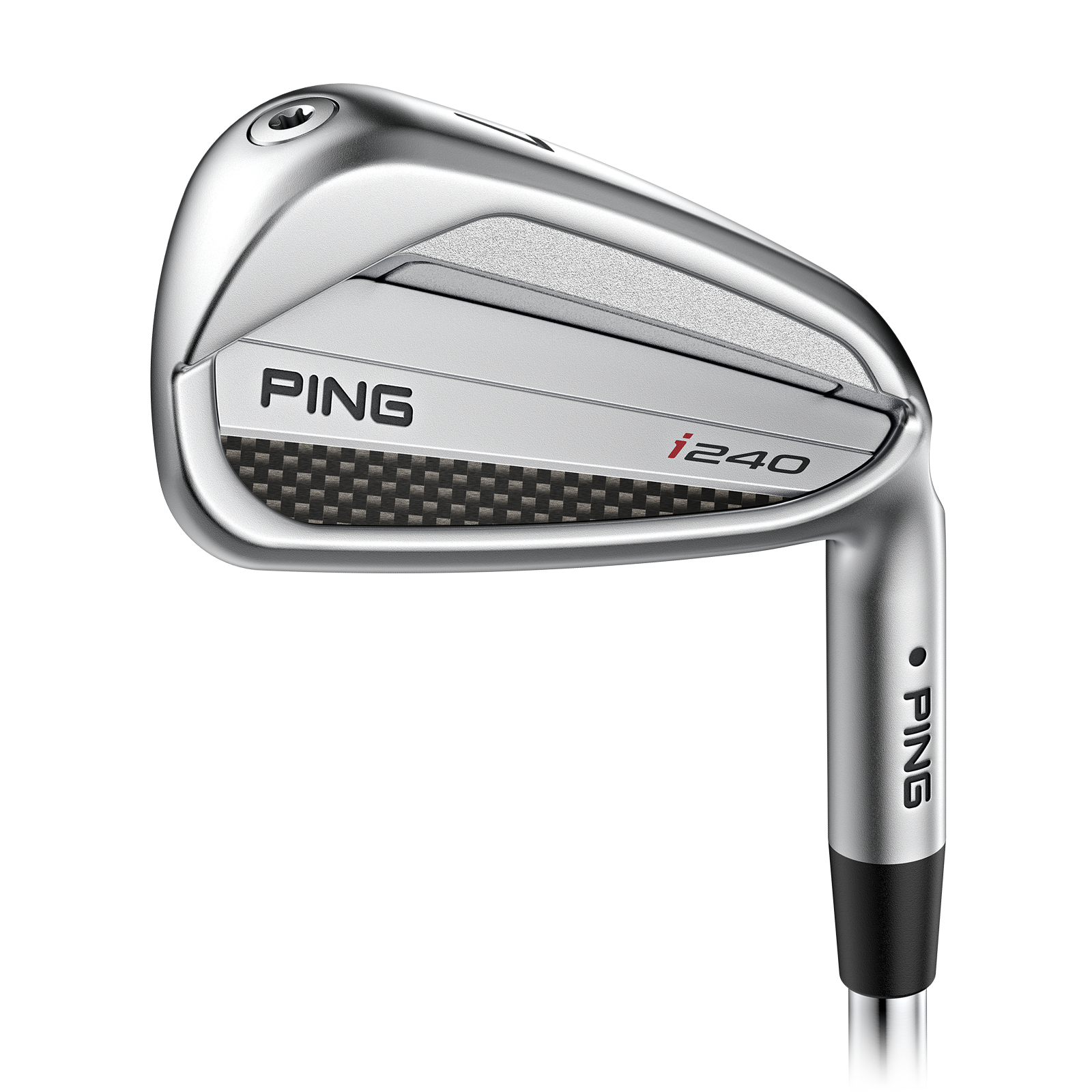
Players'-distance irons sit deliberately in the middle: a compact, blade-ish profile at address that satisfies the eye, with a hidden cavity, a multi-material construction or a thin face that smuggles in real forgiveness. Modern sets like the PING i240 prove how far that middle ground has come — they look like a player's iron behind the ball but forgive a thin one far better than the blades of a decade ago. The trade never changes, though: every gram you move to the perimeter for forgiveness is a gram you take away from pure-strike workability. There is no iron that maximises both.
What the data says
This is where ego loses to evidence. Independent robot-and-player testing is consistent and unsentimental: average golfers lose distance and gain dispersion playing blades versus game-improvement irons, because the off-centre strikes that blades punish hardest are exactly the ones amateurs hit most often. A blade and a cavity-back struck dead-centre fly within a yard or two of each other — the difference shows up entirely on the miss, and amateurs miss the centre on the large majority of full swings. The deeper the cavity and the higher the MOI, the smaller the penalty when you catch one off the toe. The 'better feel and control' argument blades are bought on is genuinely real, but it only pays a dividend if you find the centre often enough to use it. For most golfers, blades quietly cost shots while looking magnificent doing it.
Who should actually play blades
The genuinely skilled ball-striker — think low-single-figure handicap, consistent centre contact, someone who can already shape the ball on demand and wants the iron to obey rather than protect. If that's you, blades are sublime, and the workability and feedback are worth the forgiveness penalty because you rarely pay it. The honest test is contact, not handicap or vanity: if you can't reliably find the centre under pressure, a blade will expose every flaw you have. If you're aspiring to that level rather than living it, you're not good enough for blades yet — and that's not an insult, it's free strokes left on the table.
The smart middle ground for most golfers
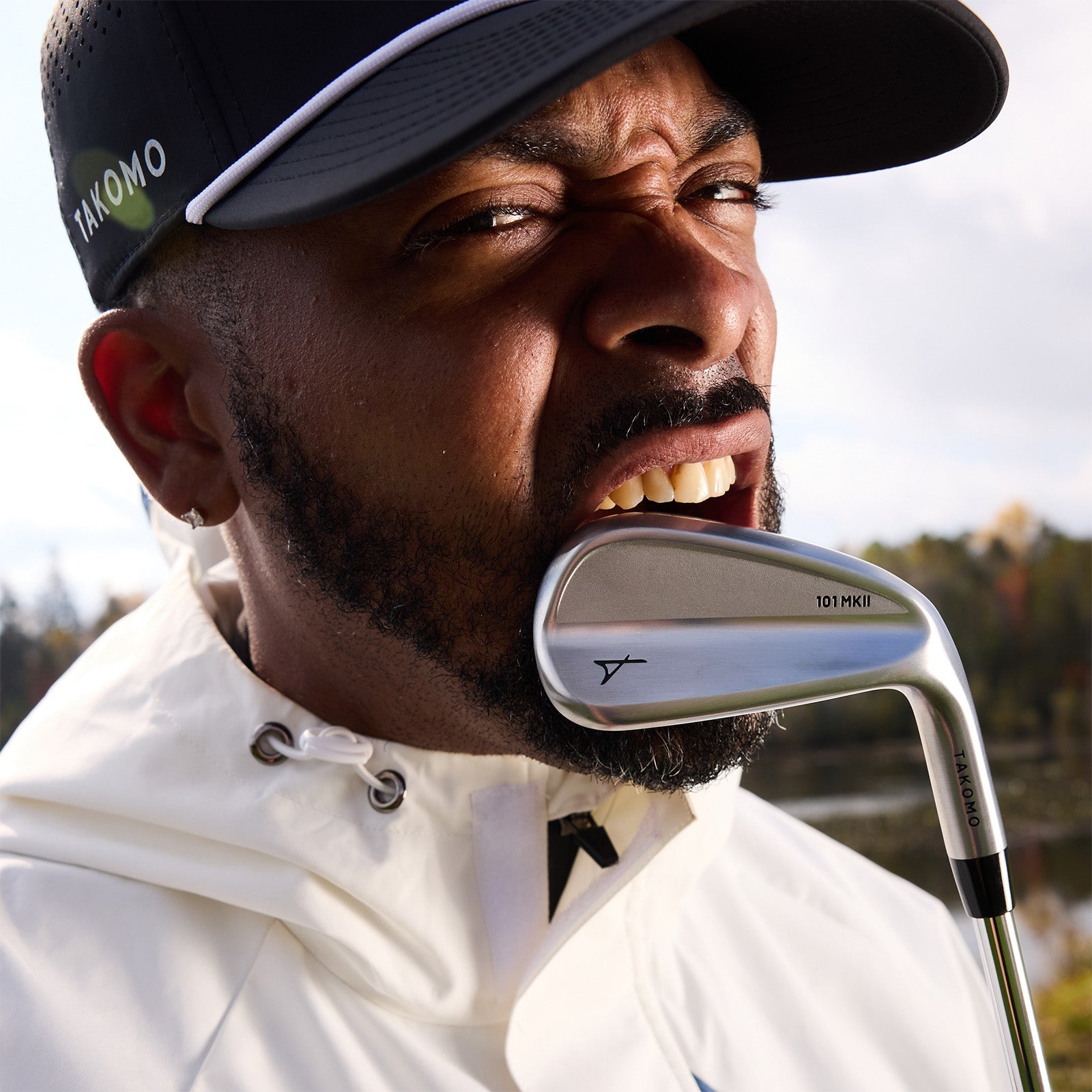
For the broad middle — say a 7-to-20 handicap with decent but imperfect striking — a clean players'-distance iron is the answer. The forgiving PING i240 looks tidy at address but quietly straightens your toe and heel strikes, while the value Takomo 101 MkII gets you most of that performance for roughly half the money if you'll buy direct, as we argue in DTC irons are the smartest buy. Higher handicappers who need maximum help should look past players'-distance to a dedicated game-improvement iron with the deepest cavity and widest sole they can stomach — outright forgiveness matters more than looks until your contact firms up.
What about a combo set?
There's a middle path the magazines underplay: you don't have to commit the whole bag to one philosophy. A combo set blends more forgiving cavity-backs or players'-distance heads in the long irons — the hardest clubs to hit and where forgiveness pays off most — with bladed or compact heads in the short irons, where you want feedback and the ability to flight and shape your scoring shots. It's exactly what a lot of tour players and good amateurs actually carry, and it's a smarter answer than the binary blade-or-cavity framing for the player who's genuinely good with a wedge but still mortal with a 4-iron. If you're a strong striker drawn to blades, building the long end forgiving is how you get the look and feel you want without bleeding shots on the clubs that punish you hardest.
Get fit before you decide anything
Whichever family you land on, the single biggest variable in iron consistency isn't the head — it's whether the lie angle, length and shaft match your delivery. The wrong lie angle alone can push a centre strike several yards offline, which swamps the blade-versus-cavity difference you're agonising over. Be honest about your striking, get the lie and length fitted before you buy, and let the numbers rather than the magazine photos make the call. A good fitting session also answers this whole question for you empirically: hit blades and cavity-backs side by side, look at the dispersion ovals on the launch monitor, and your ego tends to go quiet when it sees how much tighter the forgiving set's misses cluster. See our irons & wedges guide for the picks across both camps.
Products mentioned in this article
Frequently asked
- Should a mid-handicapper play blades?
- No. Testing shows average golfers lose distance and accuracy with blades versus forgiving irons. A players'-distance or cavity-back iron will score better and still look and feel good.
- Do blades really give more control?
- On a pure strike, yes — more workability and feedback. But that only helps if you find the centre consistently. For most golfers the forgiveness of a cavity-back is worth more than the control of a blade.
- What's a players'-distance iron?
- A compact, good-looking iron with cavity-back forgiveness engineered in via a hidden cavity, multi-material build or thin face — the middle ground between blades and bulky game-improvement irons, and the sweet spot for most decent ball-strikers.
- How much distance do you lose with blades?
- On a pure centre strike, almost none — blades and cavity-backs fly within a yard or two. The loss shows up entirely on off-centre hits, where a blade's lower MOI lets the face twist and bleeds ball speed and accuracy. Since amateurs miss the centre most of the time, that adds up over a round.
- Are players'-distance irons worth it over game-improvement irons?
- If you're a reasonable striker who wants a clean look, yes. If you're a higher handicapper who needs maximum help getting the ball airborne and straight, a dedicated game-improvement iron with a deeper cavity and wider sole will forgive more — buy for the help you need, not the look you want.
Read next
Review
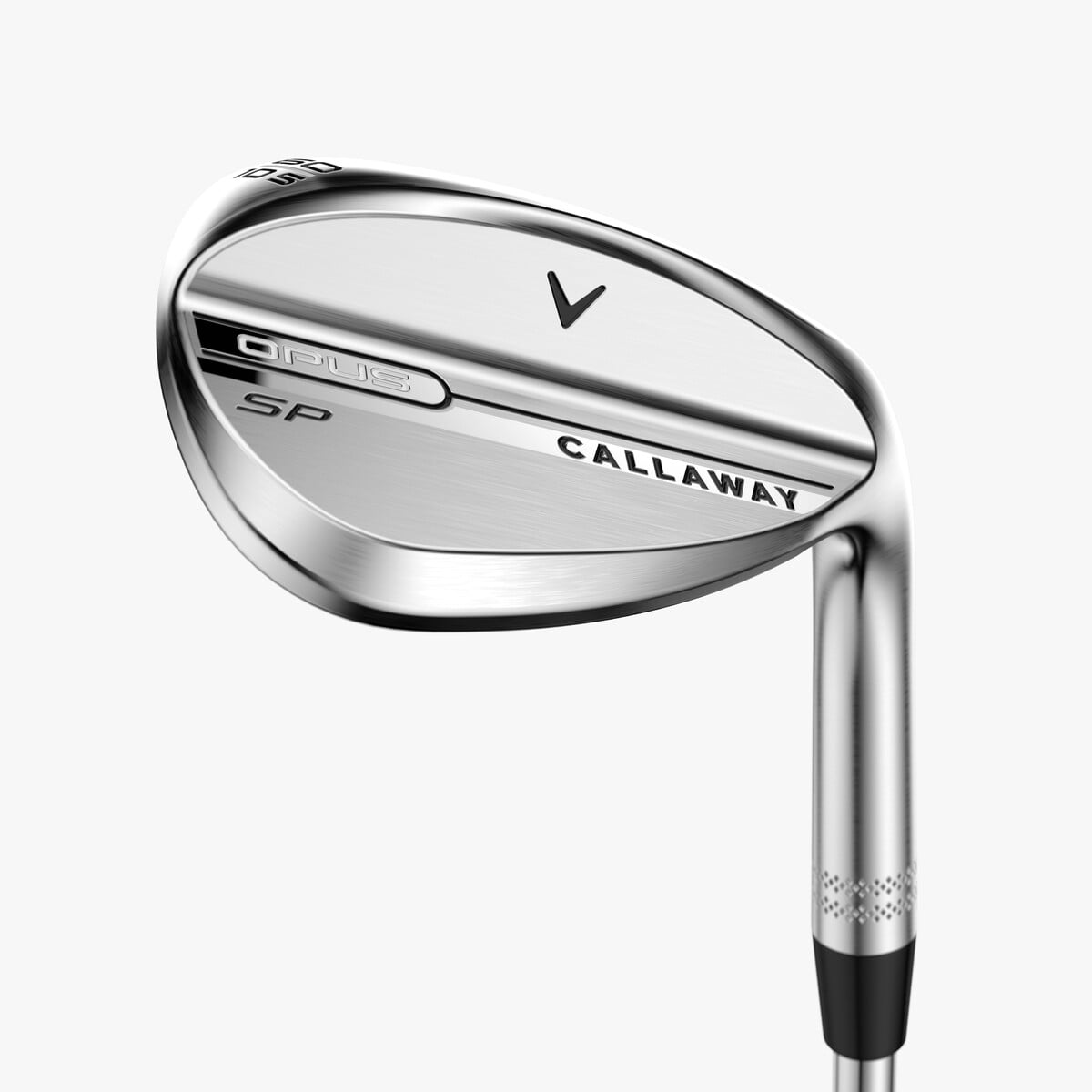
8.4/10Callaway Opus SP review: the wedge in four tour bags while everyone buys Vokey
Callaway's Spin Pocket wedge lands a lower, spinnier flight for about the same money as a Vokey. It is the one I would buy for firm turf and full shots, and the wrong call if your short game lives in soft sand.
Explained
Wedge bounce and grind, explained
The two numbers that decide whether your wedge digs, glides or skips — in plain English, with how to pick yours.
Review
8.8/10Takomo 101 MKII review: the irons quietly embarrassing the big brands
Half the price of a name-brand set, and good enough that you'll feel a bit silly for not trying them sooner. The direct-to-consumer irons reviewed.