
You're not good enough for blades — and that's completely fine
Blades look incredible in the bag and cost you shots on the course. A loving intervention for the ego-buyer.
By Dan Mercer · Editor
 Opinion
Unless you play off scratch and flush it every time, blades are costing you shots — quietly, round after round, while looking magnificent doing it. That's not an insult; it's free strokes left on the table. Play a forgiving players'-distance iron instead, and buy for the golfer you are, not the one in your head. Here's the loving intervention, and why we keep banging this drum.
What blades actually do to your misses
A blade concentrates its mass in a bar directly behind the centre of the face, with a thin sole and almost no help out toward the toe and heel. On a pure strike that gives the buttery feel and shot-shaping control players talk about. On the slightly toe-y 7-iron you actually hit on the 14th tee, it turns into a shot 15 yards short and well right — because the low moment of inertia lets the face twist on contact and bleeds off ball speed. You don't notice the club's part in it because it feels like your fault, and it's partly the club. Independent robot-and-player testing is blunt about this: average golfers lose distance and gain dispersion with blades versus forgiving irons, and the mishits blades punish hardest are exactly the ones amateurs hit most often.
It's maths, not gatekeeping
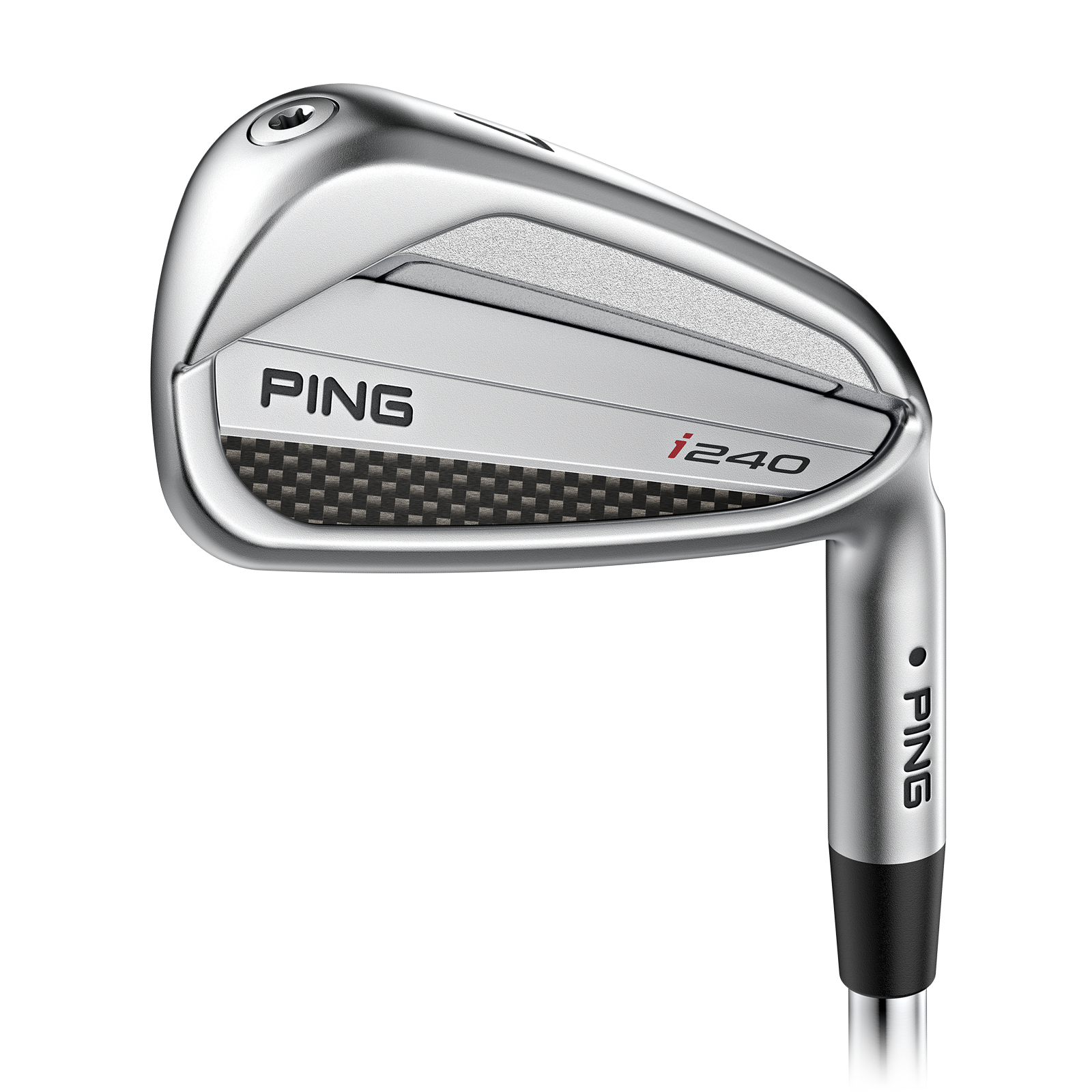
A cavity-back or players'-distance iron hollows out the head and pushes that weight to the perimeter, raising MOI so off-centre hits twist the face less. Translation: your real misses — and we all miss — stay straighter and carry closer to where you aimed. That's free forgiveness on the precise shots that decide your score, given to you for nothing but a slightly less romantic look in the bag. Crucially, a centre strike with a good players'-cavity iron feels and flies just as well as a blade's; you're not trading away the good shots, you're only buying insurance on the bad ones. Modern sets like the PING i240 look tidy enough at address to satisfy any eye while quietly saving your worst strikes. The full mechanical case is in blades vs cavity-backs.
The honest test isn't your handicap — it's your contact
Plenty of low handicappers should still skip blades, and the odd ball-striking range rat off 10 could get away with them. The real question is whether you find the centre of the face under pressure, repeatably, when it counts. If you can't tell me roughly where on the face you caught your last three 6-irons, you don't have the consistent strike that blades reward — and without it, all you're buying is a club that punishes you more severely for the same mistakes. There's no prize for playing the hardest iron you can technically hold.
The ego objection, answered
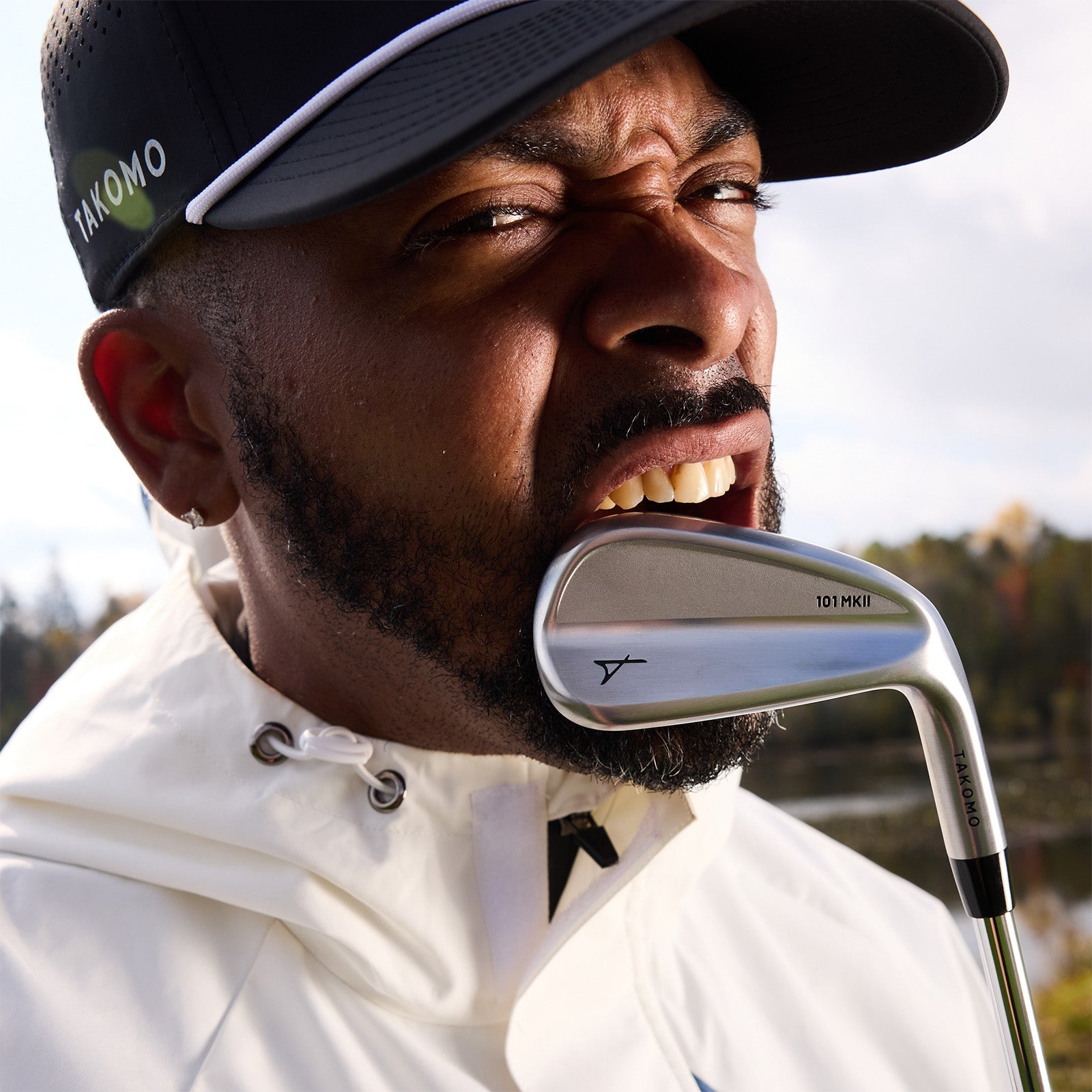
'But blades feel better' is true on a flush strike and irrelevant on the ones that count. The gear that genuinely lowers scores is rarely the sexy stuff: forgiveness, a proper fitting for lie and length, and honest practice on the shots you're bad at. Spend the money you'd have sunk into a marquee blade set on a clean value players'-distance set like the Takomo 101 MkII and a block of lessons instead — your card has never once asked what's stamped on the sole. The forgiveness you'd be giving up to play blades is, for nearly everyone reading this, worth more than the feel you'd be gaining.
What 'blades will make me a better striker' gets wrong
The other story ego-buyers tell themselves is that the harsh feedback will whip their swing into shape — that playing the hard club forces you to learn. It sounds plausible and it's largely a myth. Punishment isn't the same as coaching: a sting off the toe tells you that you missed, not why, and certainly not how to fix it. You learn far more from a lesson, a launch monitor session, or even a forgiving iron with honest feedback like a good players'-cavity set, all of which give you information rather than just pain. Worse, the demoralising scores that come from a season of punished mishits tend to make people swing worse, not better — they get tentative and steer the ball. If your genuine goal is to improve, the fastest route is a forgiving iron that keeps you in play while you work on contact, not a blade that buries every mistake.
The cost in actual strokes
Put a number on it. If a blade costs you even a few yards and a few yards of dispersion on the half-dozen genuinely off-centre iron shots you hit in a round — a conservative estimate for most amateurs — that's a clutch of greens missed that a forgiving iron would have held, plus the up-and-downs you then have to scramble for. Over eighteen holes that's comfortably a few shots, week in, week out, paid purely for the privilege of a nicer photo in the bag. Forgiving irons aren't a tax on your pride; they're a discount on your scorecard.
No shame in it
Here's the part the ego-buyer always misses: the best players in the world play the most forgiving irons they can get away with for the conditions. Tour pros carry players'-distance long irons and combo sets precisely because they'd rather keep a miss playable than show off. There is no shame in a club that flatters your misses — it's the smart move, not the soft one, and it's the same move the people you're trying to impress are quietly making themselves. See the field across both camps in our irons & wedges guide.
Products mentioned in this article
Frequently asked
- Should I play blades?
- Only if you're a consistent, centre-of-the-face ball-striker (think low single figures). For everyone else, testing shows blades cost distance and accuracy versus forgiving irons.
- What should I play instead of blades?
- A players'-distance or cavity-back iron — compact and good-looking but with perimeter weighting that keeps your mishits straighter and longer. The PING i240 and Takomo 101 are good examples.
- Don't blades feel and look better?
- On a pure strike, yes. But that feel is irrelevant on the off-centre hits that actually decide your score, where a forgiving iron saves you shots. A centre strike with a good players'-distance iron feels just as good — you're only insuring the misses. Buy for your real game.
- How do I know if I'm good enough for blades?
- Forget your handicap and ask whether you find the centre of the face repeatably under pressure. If you can't say roughly where you caught your last few iron shots, you don't yet have the consistent strike blades reward — and they'll simply punish your misses harder for no benefit.
- Do tour pros play blades?
- Far fewer than you'd think for a full set. Most carry players'-distance or combo sets, blending more forgiving long irons with bladed short irons, precisely because they value keeping a miss playable over pure looks. They play the most forgiving irons they can get away with.
Read next
Review
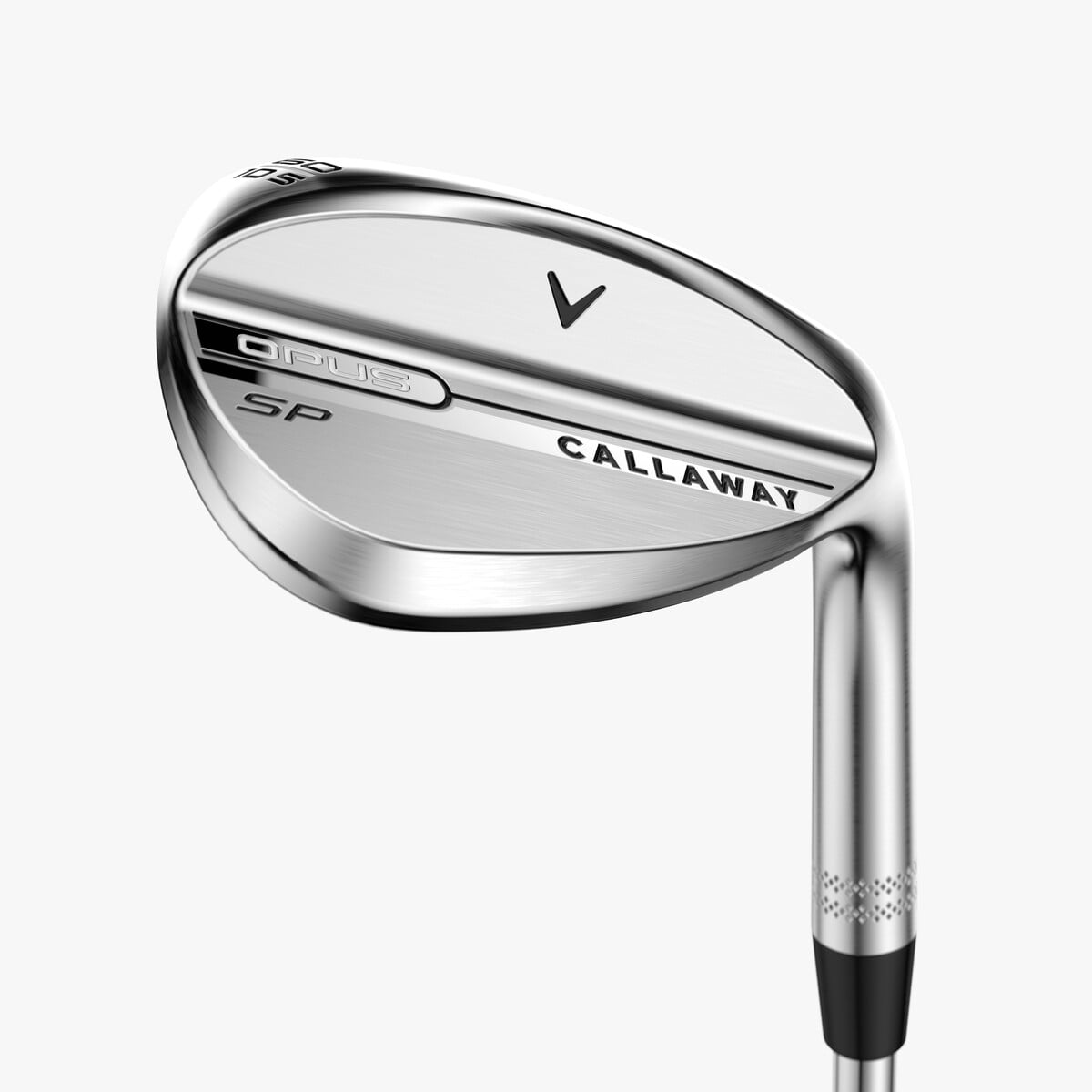
8.4/10Callaway Opus SP review: the wedge in four tour bags while everyone buys Vokey
Callaway's Spin Pocket wedge lands a lower, spinnier flight for about the same money as a Vokey. It is the one I would buy for firm turf and full shots, and the wrong call if your short game lives in soft sand.
Explained
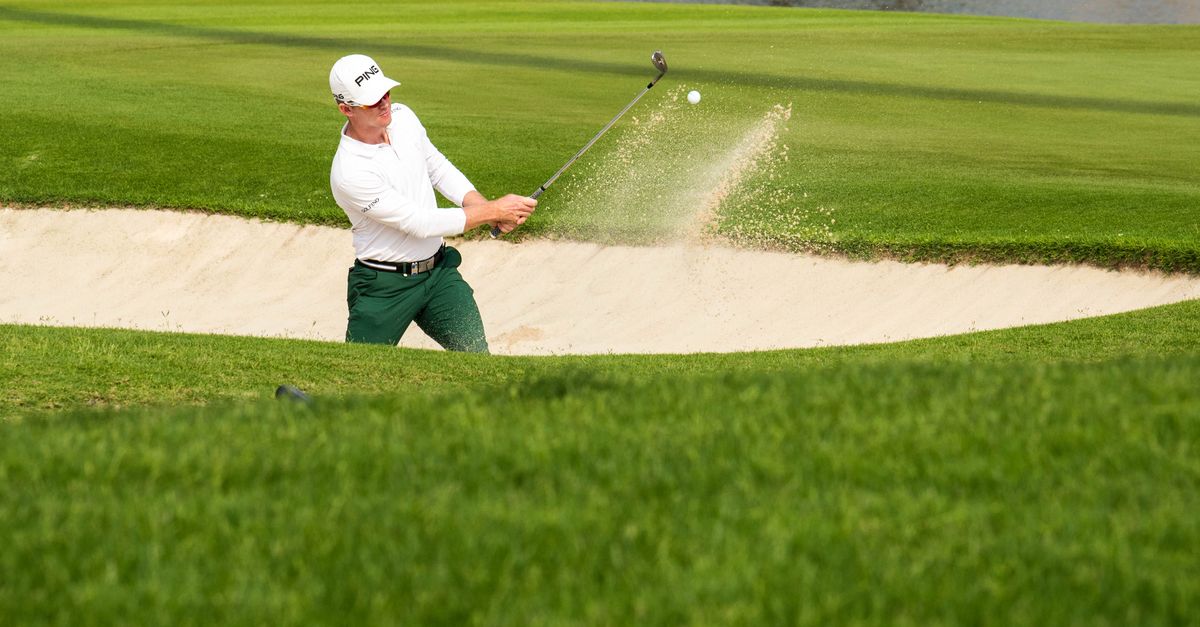
Wedge bounce and grind, explained
The two numbers that decide whether your wedge digs, glides or skips — in plain English, with how to pick yours.
Review
8.8/10Takomo 101 MKII review: the irons quietly embarrassing the big brands
Half the price of a name-brand set, and good enough that you'll feel a bit silly for not trying them sooner. The direct-to-consumer irons reviewed.