
A fitting won't add 20 yards — and that's exactly why it's worth it
The marketing sells fittings as free distance. The honest case is better: it's the one golf spend that reliably pays for itself by stopping you buying the wrong club. Here's who gains, and who's wasting their money.
By Jordan Hale · Equipment Writer
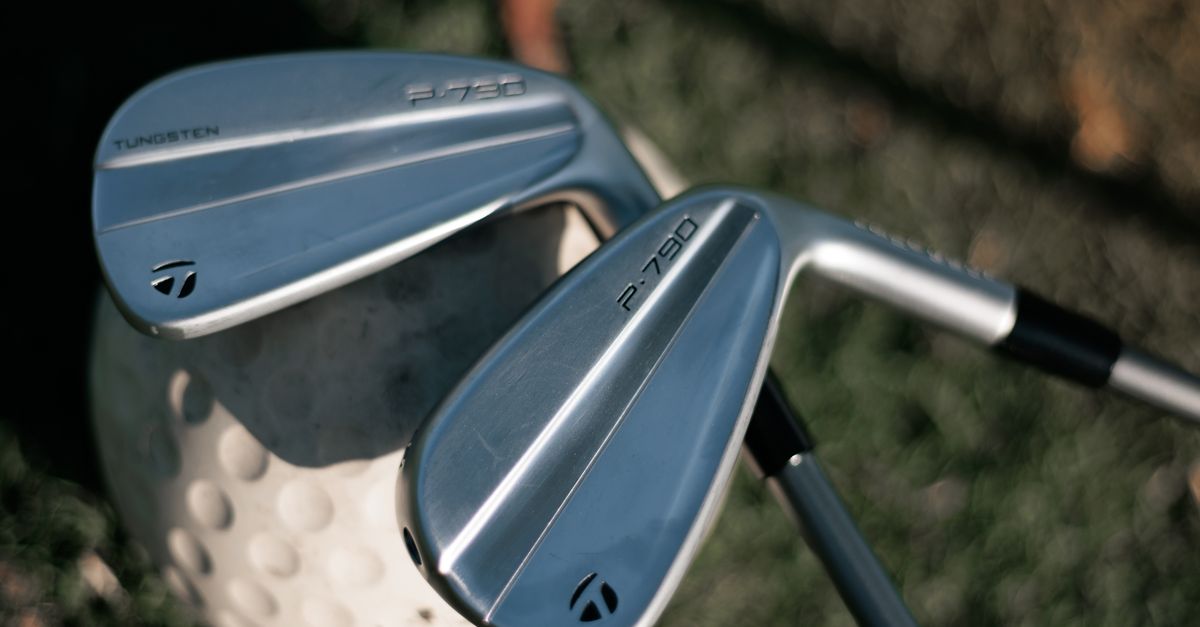 Explained
Let's kill the sales pitch first: a fitting will not magically add 20 yards. That promise is why so many golfers walk out disappointed. The real reason a fitting is the best-value spend in golf is far less glamorous and far more reliable — it stops you buying the wrong thing. The too-stiff shaft, the wrong loft, the 7-iron that launches too low and dives out of the sky. It turns a four-figure gear decision from a hopeful gamble into a known quantity, and that's where the money is actually saved: not in new speed, but in not blowing your whole upgrade budget on equipment that quietly fights your swing for the next six years.
What a fitting actually is
Strip away the launch-monitor theatre and a fitting is a measurement session: a fitter watches you hit shots, reads the numbers off a launch monitor, and swaps components — loft, shaft, length, lie, head — until your dispersion tightens and your launch and spin land in the right window. It is not a lesson, and a good fitter won't try to rebuild your swing; they fit the clubs to the swing you have today, not the one you wish you had. That distinction matters, because it's also why a fitting only sticks once your swing is reasonably repeatable. The output is a spec sheet — the exact clubs that suit you — and, just as valuably, the knowledge of what doesn't, so you stop being sold it.
What a fitting actually changes
The biggest gains are accuracy and consistency, not raw distance. A fitter matches four things to your swing: loft and face setting (launch and slice/draw bias), shaft flex and weight (timing and dispersion), shaft length and lie angle (centre-strike and start direction), and the head model itself (forgiveness). Get those right and the same swing finds the fairway more often and the centre of the face more often — which, yes, also recovers a few of the yards you were leaking to mishits. The distance that shows up is mostly reclaimed mishit distance, not new speed, and that's the honest framing the marketing avoids.
Of those four levers, the shaft is the one that goes wrong most often and matters most. Most amateurs play too stiff a flex out of ego, which lowers launch and spin below their optimum and costs carry on every full swing — a fitter measuring your real clubhead speed settles that question in minutes. The lie angle is the sleeper: an iron a couple of degrees too upright or flat for your build and posture starts the ball offline before you've done anything wrong, and no amount of practice fixes a geometry problem. These aren't exotic tweaks; they're the difference between clubs that work with you and clubs you spend years compensating for.
Who gains the most
Three golfers should book a fitting tomorrow. The improver buying a full set of irons — the single most expensive gear decision in golf, where one shaft choice is multiplied across seven or eight clubs, and the one most punished by getting it wrong. The slicer, because a draw-biased head and the right shaft fix on the tee what no swing thought has managed to. And anyone whose clubs are 6-plus years old or were bought off the rack on a guess and never checked since. If you're about to spend serious money on a club or a set, the fitting that de-risks it costs a fraction of the purchase — it's rounding error against the gear, and it's the cheapest insurance in golf.
It's worth saying plainly: a fitting is the rare golf spend that reliably pays for itself, because its main job is to stop a far larger mistake. Spend a little to avoid mis-buying a lot. That logic holds even if the fitting concludes your current gamer is already right for you — now you know, and you've saved yourself a needless upgrade, which is exactly the case we make in you don't need a new driver.
Who's wasting their money
A fitting is low-value for a rank beginner whose swing changes week to week — the numbers a fitter builds around won't hold, so get lessons and a cheap starter set first and fit once your swing settles into something repeatable. It's also marginal if you only play a handful of social rounds a year and already own clubs you hit fine; the gains are real but small, and your money buys more enjoyment elsewhere. And a putter or wedge 'fitting' matters far less than an iron or driver fitting for most players — useful at the margins, but not where the swing is most sensitive to mismatched equipment. Spend where it counts: the long clubs and the full set.
Can you fit yourself?
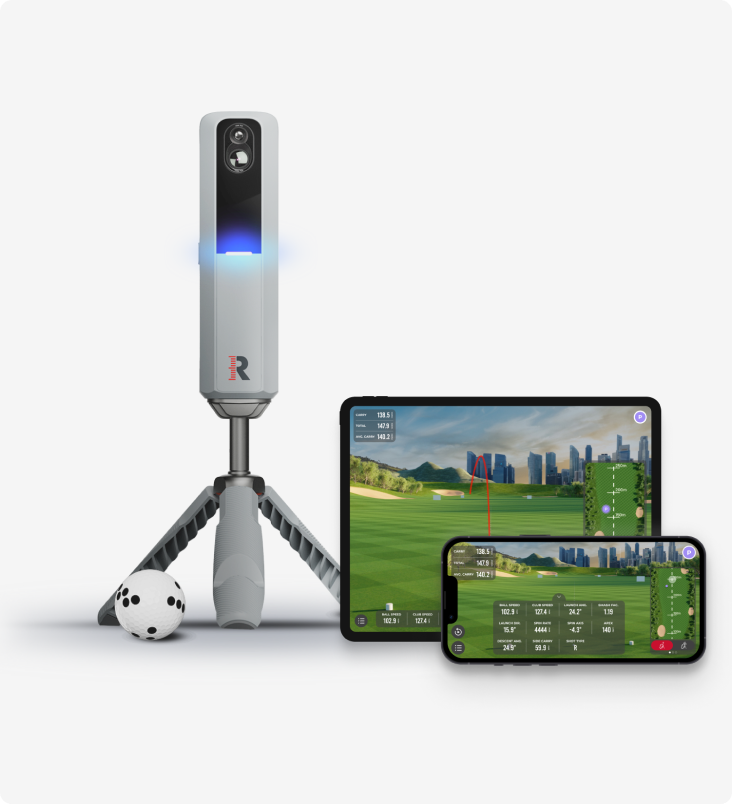
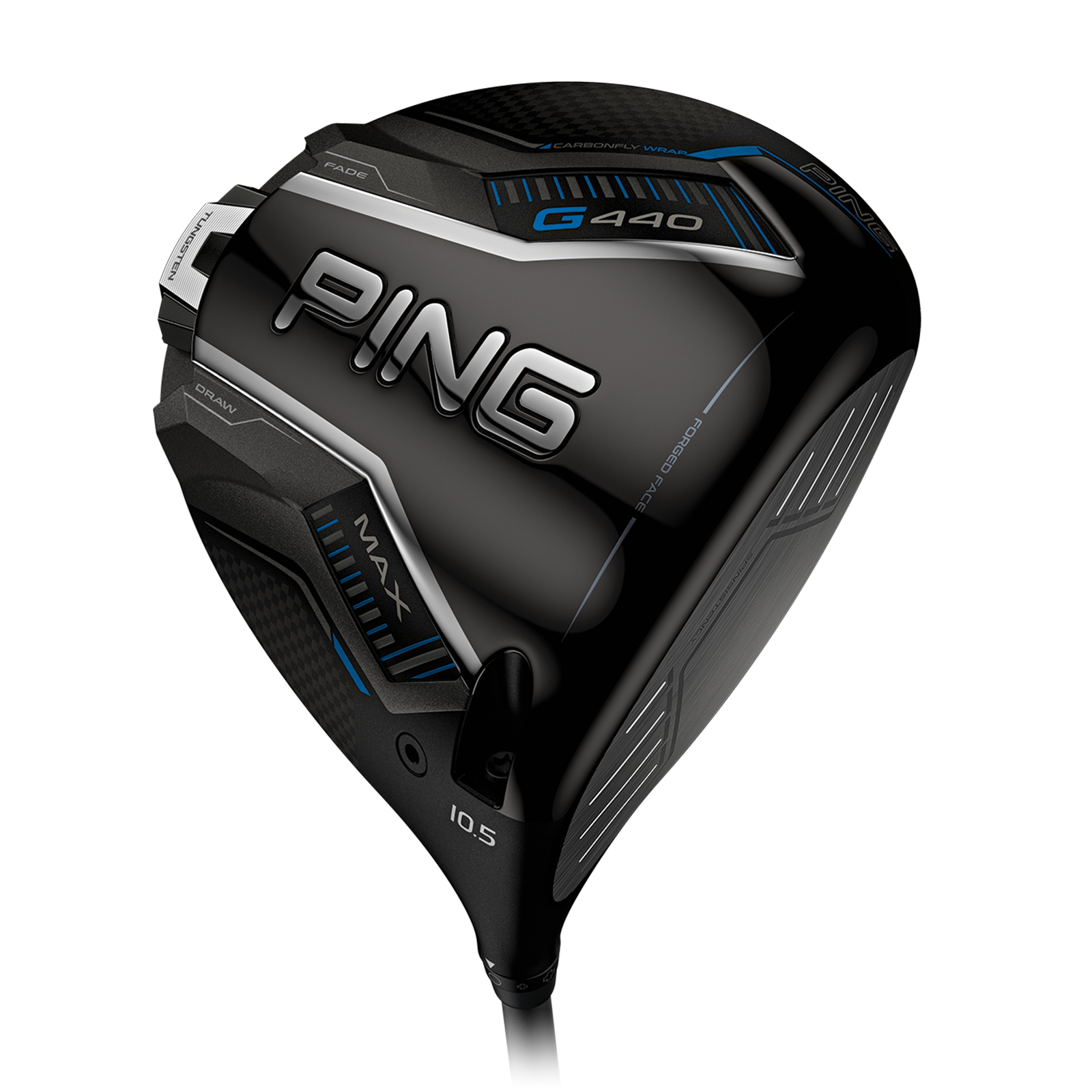
Partly, and it's a genuinely good first step. A personal launch monitor like the Rapsodo MLM2PRO won't replace a good fitter's wall of shafts and heads, but it will tell you your real clubhead and ball speed, your launch and your spin — which instantly settles the shaft-flex question and stops you guessing about the single spec that goes wrong most. Pair that data with a forgiving, widely-fit head like the PING G440 Max — the kind of stable, high-MOI club a fitting often lands a mid-handicapper on anyway — and you've done a large chunk of what a driver fitting does for the cost of a gadget you'll keep using for practice.
Just don't let the launch monitor become an excuse to chase upgrades you don't need; we made that case in you don't need a new driver and buy last year's driver. Browse the heads worth fitting into in our best drivers guide.
Products mentioned in this article
ifrothgolf earns a commission on purchases made through these links, at no extra cost to you. It never changes what I recommend. Full disclosure.
Frequently asked
- How much does a club fitting cost?
- A modest fee that's small against the gear it de-risks, and often redeemable against a purchase — many retailers waive it entirely if you buy. A single-club driver fitting is the cheapest; a full-bag or irons fitting costs more but covers your most expensive decision.
- Will a fitting actually add distance?
- A little, mostly by improving centre-strike and getting your launch and spin right — not by adding swing speed. The bigger win is tighter dispersion and the right shaft.
- Should a beginner get fitted?
- Usually not yet. A new golfer's swing changes too much for a fitting to stick. Start with lessons and an inexpensive set, then fit once your swing settles.
- Can I fit myself with a launch monitor?
- Partly. A personal launch monitor reveals your real swing speed, launch and spin, which answers the shaft-flex question. It won't match a fitter's club inventory, but it does most of the work for a driver.
Read next
Versus
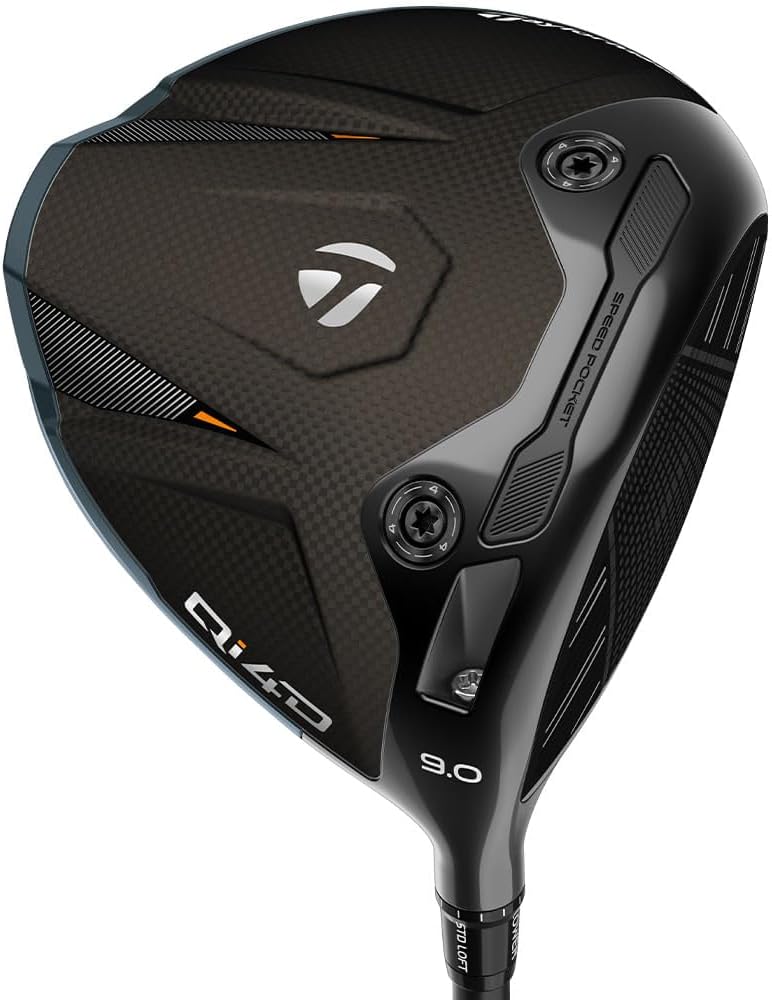
TaylorMade Qi4D vs PING G440 Max: the 2026 driver decision most golfers get backwards
Two of the year's biggest drivers, cross-shopped in every fitting bay — and most players walk in chasing the wrong thing. One wins the robot test outright; the other quietly saves more rounds. Here's which head actually belongs in your bag, and why the answer probably isn't the one you'd guess.
Opinion
What the 'longest driver of 2026' number won't tell you
Every year a chart crowns one driver the longest, and every year thousands of golfers buy the wrong club because of it.
Opinion
The most overrated gear in golf (and what to buy instead)
Golf is spectacularly good at selling you the wrong thing. Here's where the money quietly leaks out of your bag — and the unglamorous stuff that actually drops shots.