
What shaft flex do you actually need? Most golfers play too stiff
If your driver swing is under about 95 mph, you almost certainly want regular, not stiff — and playing stiff is quietly costing you distance and height.
By Jordan Hale · Equipment Writer
 Explained
Here's the short answer most golfers don't want to hear: you're probably playing a shaft that's too stiff. The average male amateur swings the driver around 93 mph — well inside regular-flex territory — yet buys stiff out of ego, because "regular" sounds like an admission and "stiff" sounds like a player. That mismatch quietly costs you launch, height and carry on every tee. Flex should be chosen from your actual swing speed, not your self-image — and the gap between the two is where a lot of amateurs are leaking distance without realising it.
The swing-speed rule of thumb
As a starting point, matched to driver clubhead speed: under ~75 mph, senior/ladies flex; ~75–85 mph, senior to regular; ~85–95 mph, regular; ~95–105 mph, stiff; 105 mph and up, extra-stiff. The average male amateur sits at roughly 93 mph, which puts the typical golfer squarely in regular — not stiff. Tour pros average around 113 mph, which is precisely why copying their stiff or X-stiff setup is a mistake for a 93 mph swing: you're playing a shaft built for a swing 20 mph faster than yours. These are starting points, not gospel. Tempo matters as much as raw speed — a player with a smooth, gradual transition can go a touch softer than the chart suggests, while a fast, aggressive 'hit from the top' loads the shaft harder and can justify a step stiffer at the same clubhead speed. That interaction between speed and tempo is exactly why measuring beats guessing.
Why too stiff costs you
A shaft that's too stiff for your speed won't load and unload properly through the swing — there isn't enough force to flex it and let it recoil at impact. The result is a stack of small losses that add up: lower launch, lower spin than you can afford, less carry, and a ball flight that climbs weakly and falls out of the sky rather than carrying to its peak. On top of that comes a harsh, boardy feel that hides the strike feedback you rely on to find the centre of the face. Here's the cruel part: most amateurs need more launch and height, not less, so a too-stiff shaft fights the exact thing they're already short of. It's a self-inflicted handicap bought with the best intentions.
The flip side is real but rarer. Too soft for your speed and the shaft over-loads, the clubface times late and arrives open or closed inconsistently, and you lose control — shots leak right, or the occasional one snaps left as the face catches up. Distance from an over-soft shaft can actually look fine; it's the dispersion that suffers. The goal isn't soft and it isn't macho — it's matched. A shaft tuned to your speed and tempo launches the ball in your window with a feel that tells you where you struck it.
The bit that matters more than the flex label
Here's the thing the R/S argument misses entirely: flex isn't standardised between brands. One manufacturer's regular plays like another's stiff, and there's no industry rule forcing the letters to mean the same thing — so the letter stamped on the shaft tells you remarkably little on its own. What actually moves your numbers is weight and bend profile. Driver shafts run roughly 50–70g, and weight has a bigger real-world effect than the flex letter for most golfers: a lighter shaft helps a slower swinger add clubhead speed, while a heavier one can settle the tempo of an aggressive transition. Bend profile — where along the shaft it flexes most — shapes your launch and feel more than the flex grade does. And once you move to irons, the steel-versus-graphite and overall weight decision dominates everything else, as we covered in steel vs graphite iron shafts. Don't obsess over the letter; get the weight, profile and launch right.
Why this is the cheapest fix in the bag
The shaft is the single spec a fitting corrects most often, and getting it right is free distance in the truest sense — it costs nothing extra over buying the wrong flex, and it's the change that recovers launch and carry the most reliably. This is also why a new driver head so rarely delivers the yards the marketing promises: a flagship in the wrong flex launches just as badly as last year's model in the wrong flex, while a forgiving, well-fitted head in the right shaft outperforms either. We unpack that fully in what actually adds driver distance, but the headline is simple — the shaft is doing more for your tee shots than the badge on the sole ever will.
How to find your number without guessing
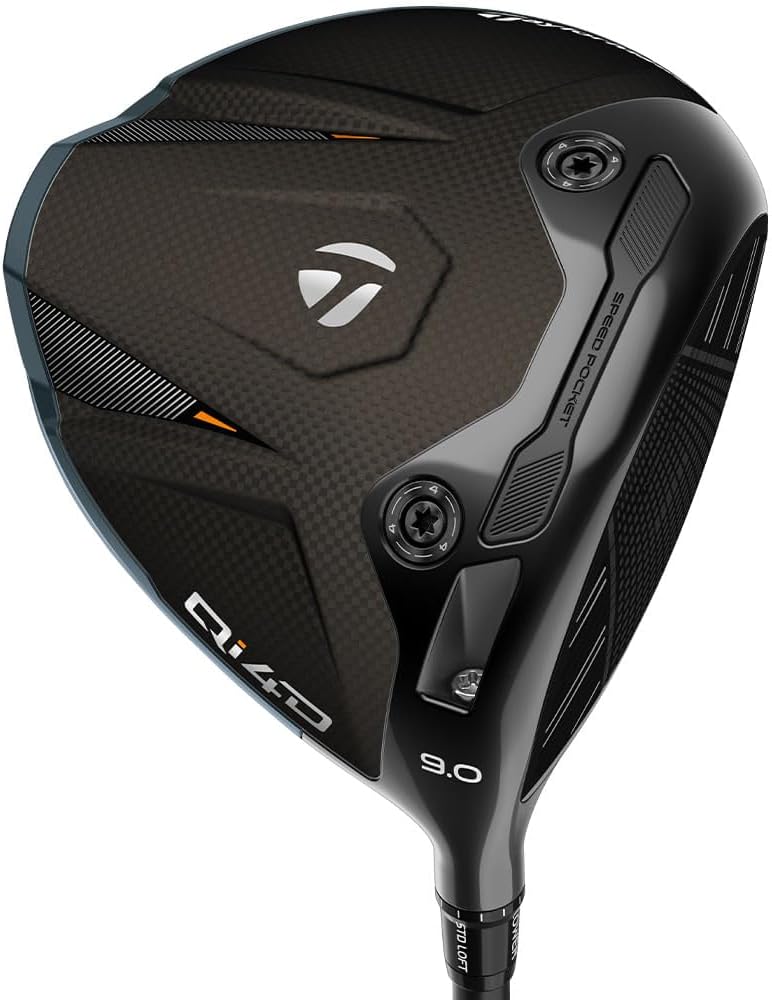
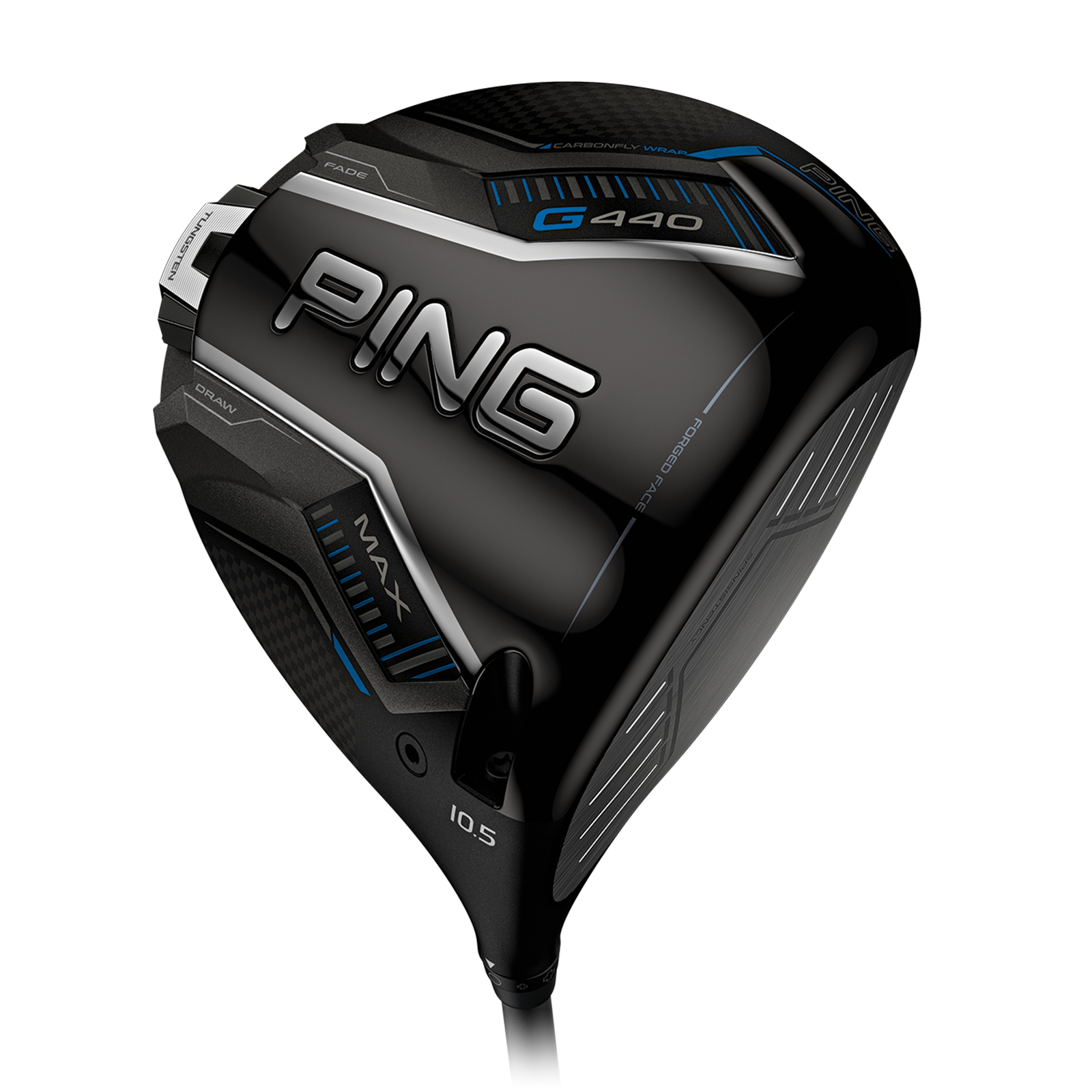
Two ways, and both beat buying on ego. Cheapest: hit balls into a personal launch monitor — a Garmin R10, Rapsodo MLM2PRO or Swing Caddie — and read your clubhead speed. That one number narrows your flex in five minutes and ends the guessing for good. Better still: a proper fitting, where you'll try several shafts in a forgiving head like the PING G440 Max or a premium TaylorMade Qi4D and watch the dispersion tighten as the right one goes in — seeing it for yourself is what finally kills the urge to play stiffer than you should. Either way, choose on data, not on what sounds tough at the bar. Start with the heads worth fitting into in our best drivers guide.
Products mentioned in this article
ifrothgolf earns a commission on purchases made through these links, at no extra cost to you. It never changes what I recommend. Full disclosure.
Frequently asked
- What shaft flex should a 90 mph driver swing use?
- Regular flex. Stiff doesn't become the right starting point until around 95–105 mph. At 90 mph, stiff usually costs you launch and carry.
- How do I know my swing speed without a fitting?
- Hit into a personal launch monitor (Garmin R10, Rapsodo MLM2PRO, Swing Caddie) — clubhead speed is one of the first numbers it gives you, and it instantly narrows your flex.
- Does too-stiff a shaft really cost distance?
- Yes. A shaft too stiff for your speed launches lower and spins less than you can afford, so carry drops and the ball falls out of the air. Most amateurs need more launch, not less.
- Is shaft flex standardised between brands?
- No. One maker's regular can play like another's stiff. That's why shaft weight and bend profile — and trying it on a launch monitor — matter more than the R/S letter.
- Does shaft weight matter more than flex?
- For many golfers, yes. Driver shafts run roughly 50–70g, and the weight affects your clubhead speed and tempo as much as the flex grade does — a lighter shaft can help a slower swinger add speed. Since flex letters aren't standardised between brands anyway, weight and bend profile are often the more meaningful specs.
Read next
Versus
TaylorMade Qi4D vs PING G440 Max: the 2026 driver decision most golfers get backwards
Two of the year's biggest drivers, cross-shopped in every fitting bay — and most players walk in chasing the wrong thing. One wins the robot test outright; the other quietly saves more rounds. Here's which head actually belongs in your bag, and why the answer probably isn't the one you'd guess.
Opinion
What the 'longest driver of 2026' number won't tell you
Every year a chart crowns one driver the longest, and every year thousands of golfers buy the wrong club because of it.
Opinion
The most overrated gear in golf (and what to buy instead)
Golf is spectacularly good at selling you the wrong thing. Here's where the money quietly leaks out of your bag — and the unglamorous stuff that actually drops shots.