
What actually adds driver distance (and what doesn't)
Spin, speed, strike and fit — the four things that move the needle, and the marketing claims that don't. In plain English.
By Tom Whitaker · Staff Writer
 Explained
Driver distance comes down to four things, in rough order of impact: how centred your strike is, your clubhead speed, your spin and launch numbers, and whether the club is fitted to deliver them. Notice what's not on the list — the year printed on the sole. Average male driving distance has barely moved since 2018 despite a new 'longest ever' driver every January, because the yards were never in the badge. Here's where they actually are, and how to find the ones that are genuinely available to you.
Strike is king
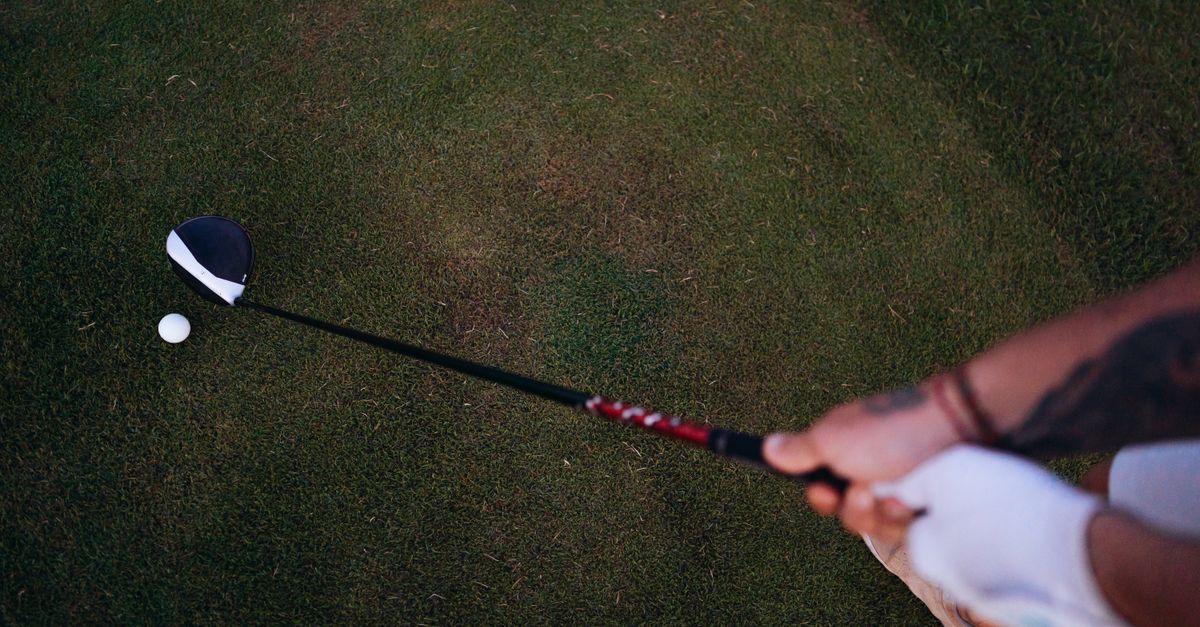
A centre hit with last year's driver beats a heel-strike with this year's flagship every time. Off-centre contact bleeds ball speed that no marketing claim can recover — a strike half an inch from the middle can cost you 10–15 yards on its own, and a really thin or heel one can cost more than that plus a slice. This is the gain hiding in plain sight, because the average amateur catches the true centre of the face only a fraction of the time. Improving where you hit the face is the single biggest free distance gain available, and it costs nothing but practice and the right head.
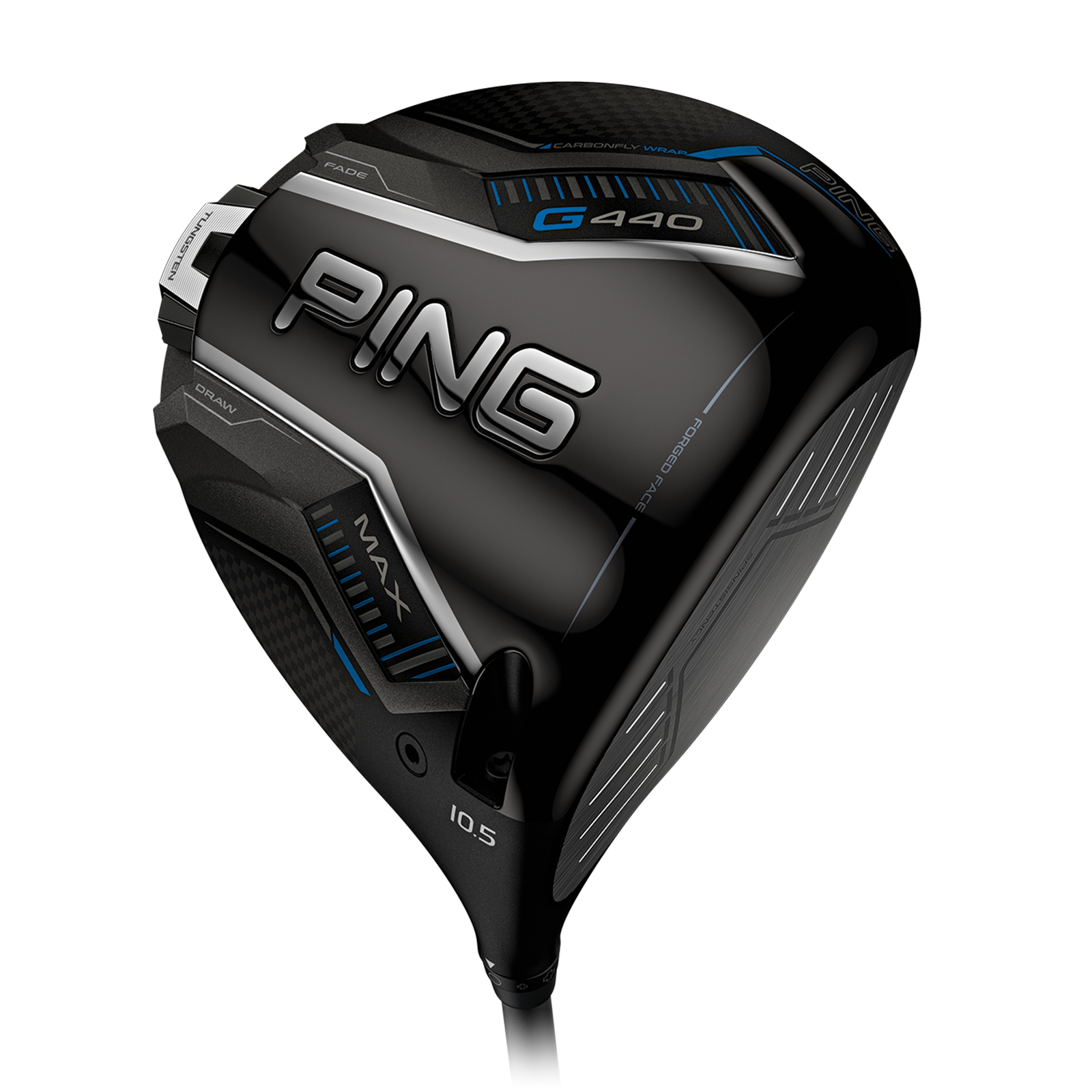
The 'right head' part matters more than people expect. A high-MOI, forgiving driver doesn't make your good shots much longer, but it dramatically narrows the gap between your good and bad shots — it holds ball speed and line when you miss the centre, so your average drive creeps closer to your best one. That's why the most forgiving heads, like the PING G440 Max, often play longer in the real world for amateurs than lower-spin 'distance' models that only reward a perfect strike. Distance, for most golfers, is really a dispersion problem wearing a distance costume.
Speed and spin
Clubhead speed matters — it's the raw input behind ball speed and carry — but it's trainable and measurable rather than buyable. A launch monitor or a speed-trainer system will tell you your real number and whether a swing change actually added speed or just felt like it did. Two or three mph of genuine, repeatable clubhead speed is worth more than any head swap, and unlike a new driver it doesn't depreciate.
Spin is the quiet killer, and it's where most amateurs are leaving carry on the table without realising. Too much spin and the ball balloons, climbs, and drops out of the sky short; too little and it can't generate enough lift to carry. The ideal driver window for most club golfers sits somewhere around 2,200–2,800 rpm paired with a launch angle in the low-to-mid teens, but the exact target depends on your speed — slower swingers generally need more launch and a touch more spin to keep the ball airborne, not less. The point is that 'lower spin' is not universally better, despite what every January marketing campaign implies. Dialling launch and spin into your window is worth more yards than any new head, and it's precisely what a fitting does.
Why fitting beats buying
Here's the number that should reframe your spending: the model-year tech difference between flagship drivers is around a single yard, while a proper fitting can find ten to fifteen. The same head with the right loft, shaft weight, flex and weighting swings your spin and launch into the sweet spot and tightens your strike pattern — the case we made in you don't need a new driver and is a club fitting worth it. The most common single fix a fitter makes is the shaft: most amateurs play too stiff a flex, which lowers launch and spin below their optimum and quietly costs carry on every tee. A forgiving PING G440 Max or high-launch Titleist GT2 fitted properly out-drives a guessed-at flagship; genuinely fast swingers chasing low spin should look at a Callaway Quantum — but only once it's fitted, never off the rack.
What the marketing claims actually mean
When a brand says 'up to 15 yards longer,' read the small print: that's almost always against the brand's own model from several years ago, on a robot, on the best-case strike, with a fitted shaft. It is not 15 yards over the well-fitted driver already in your bag, and the independent robot testing bears this out — across the big published shoot-outs like MyGolfSpy's Most Wanted, the spread between the longest and shortest current flagship on a centred strike is a handful of yards, not tens. The faces are all bumping against the same legal limit for spring-like effect, so there's only so much speed physics will allow any manufacturer to add. The headline distance war is largely a marketing war fought over yards that fitting and strike already control.
What to actually do
Work the list in order of payoff. First, measure your strike and speed on a launch monitor so you're dealing in facts, not feelings — most golfers are surprised by both. Second, get fitted for spin and launch with the right shaft, since that's where the ten-to-fifteen reclaimed yards live for the typical amateur. Third, if you swing fast enough to chase it, train your clubhead speed deliberately and confirm the gains are real rather than imagined. Only then, and only if your current driver is genuinely old or proven wrong for you by the fitting, think about a new head — and when you do, prioritise forgiveness and a proper fit over the badge on the sole. The full field is in our best drivers guide, but the real yards are in the fitting bay and on the range, not on the box.
Products mentioned in this article
Titleist
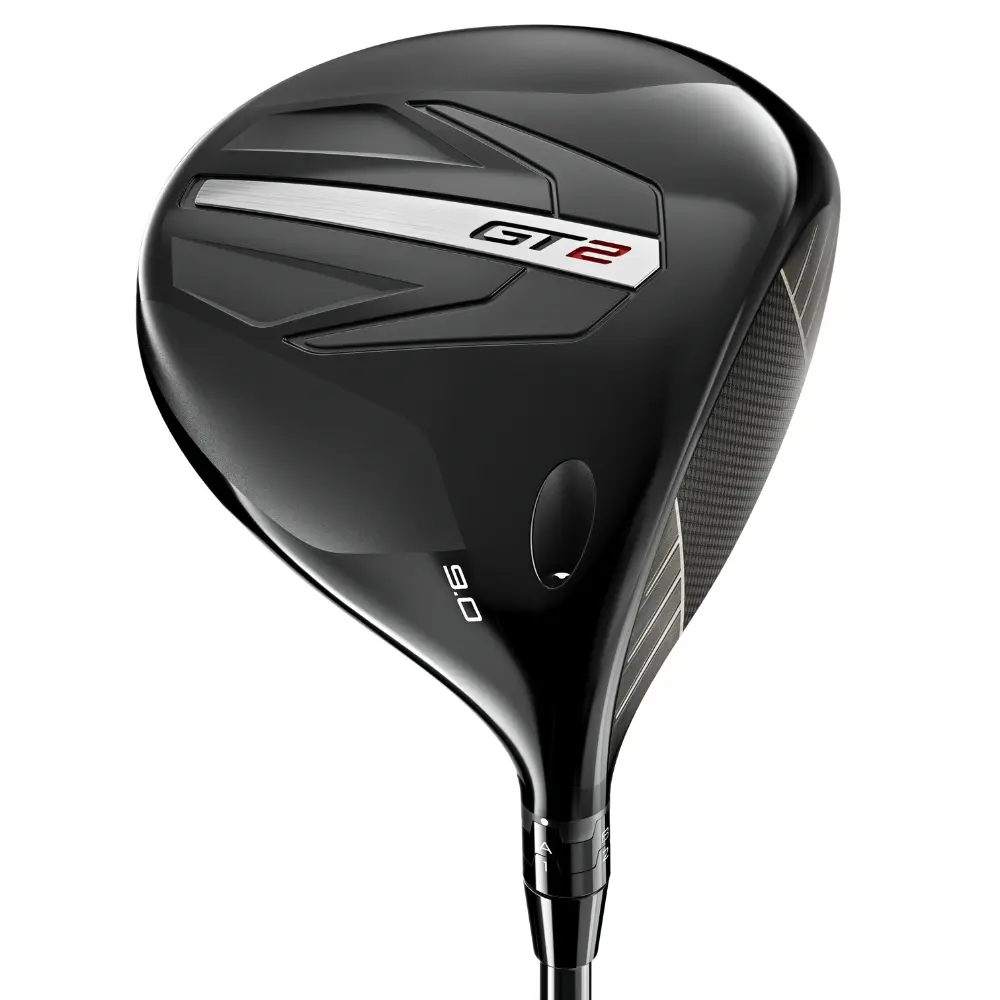
Titleist GT2 Driver
High launch and stability — the safe, fit-it-and-forget-it pick.
This model is no longer the current model. The current version is Titleist GTS2 Driver. Remaining stock is often discounted, so this can still be the better buy — check both prices.
Callaway
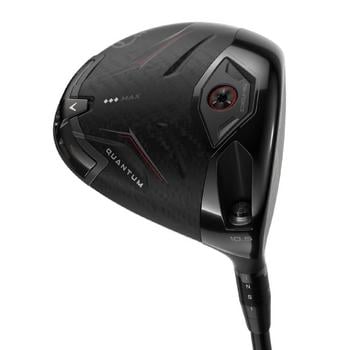
Callaway Quantum Triple Diamond Max Driver
For faster swings chasing low spin and ball speed — get fitted.
ifrothgolf earns a commission on purchases made through these links, at no extra cost to you. It never changes what I recommend. Full disclosure.
Frequently asked
- What adds the most driver distance?
- A centred strike, then clubhead speed, then the right spin and launch — all delivered by a properly fitted club. The model year barely matters; flagship-to-flagship tech gains are around a yard.
- Will a new driver add 15 yards?
- Almost never from the head alone — that's marketing. A fitting (right loft, shaft and spin/launch window) on a forgiving head can find that kind of yardage; a new badge off the rack won't.
- How do I gain distance without buying a new driver?
- Improve your centre-strike, measure and train your swing speed, and get fitted so your spin and launch are optimal. Those three move the needle far more than a new club.
- Is lower spin always better for distance?
- No — that's the most common myth. You want spin in your window, not at zero. Too little spin and the ball can't carry; too much and it balloons. Slower swingers usually need more launch and spin to keep the ball airborne, not less. The 'lower spin = longer' line is marketing aimed at fast, tour-level swings.
Read next
Versus
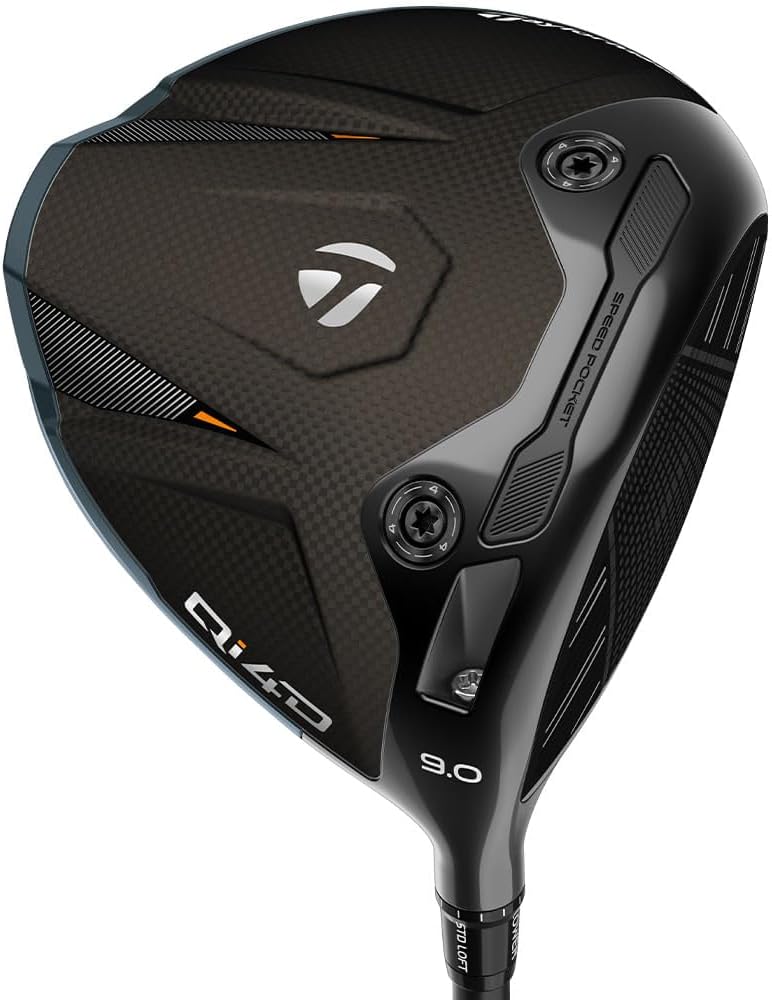
TaylorMade Qi4D vs PING G440 Max: the 2026 driver decision most golfers get backwards
Two of the year's biggest drivers, cross-shopped in every fitting bay — and most players walk in chasing the wrong thing. One wins the robot test outright; the other quietly saves more rounds. Here's which head actually belongs in your bag, and why the answer probably isn't the one you'd guess.
Opinion
What the 'longest driver of 2026' number won't tell you
Every year a chart crowns one driver the longest, and every year thousands of golfers buy the wrong club because of it.
Opinion
The most overrated gear in golf (and what to buy instead)
Golf is spectacularly good at selling you the wrong thing. Here's where the money quietly leaks out of your bag — and the unglamorous stuff that actually drops shots.