
Callaway Quantum Triple Diamond review: distance for the faster swing
A low-spin head built for golfers with the speed to use it — not the forgiving all-rounder, and it's not pretending to be.
By Ross Hamilton · Staff Writer
The verdict
Excellent
What's great
- Genuinely long, penetrating low-spin flight for fast swings
- Compact, workable tour-spec shape better players want
- Adjustable to fine-tune launch and spin in a fitting
Watch out
- Low spin punishes off-centre and steep strikes
- Far less forgiving than game-improvement heads
- Premium price for a specialist, speed-dependent driver
Bottom line — Brilliant for the fast, consistent swinger chasing low spin — the wrong driver for anyone who needs forgiveness.
Callaway
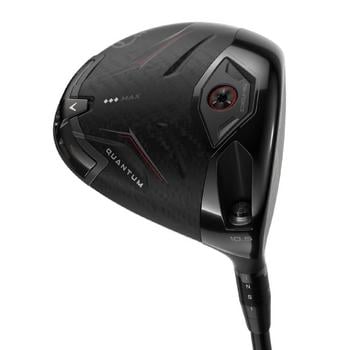
Callaway Quantum Triple Diamond Max Driver
The Callaway Quantum Triple Diamond Max is a specialist: at around $700 it's a low-spin bomber for faster swingers who already find the middle and want to stop their drives spinning up and falling short. The clever bit is the Max build — it adds size and forgiveness to the usually-unforgiving Triple Diamond shape, so reviewers at Today's Golfer and National Club Golfer found it pairs explosive ball speed with a genuinely wider hot zone than a standard Triple Diamond. If you have the speed, it's superb. If you don't, the more forgiving heads in our best drivers guide will do more for your scores — and that's the honest framing this driver demands.
Who it's actually for
Triple Diamond models are Callaway's tour-spec line: lower spin, a more compact, workable shape, and less of the slice-correcting help baked into game-improvement heads. The 'Max' part of this one matters — it's a 460cc head that gives back some of the forgiveness a pure tour Triple Diamond sacrifices, which is why it's gameable for a skilled amateur rather than just a tour rabbit. But the DNA is unchanged: the reward for a fast, centred swing is a penetrating, low-spin flight that maximises carry and roll, and the catch is that low spin punishes off-centre and steep strikes. It asks for genuine speed and consistency in return, and it doesn't pretend otherwise.
The face, and where the speed comes from
The headline tech is the Tri-Force Face — thin titanium, a poly-mesh layer and carbon — which Callaway makes thinner and hotter than its previous faces, with AI-optimised geometry for ball-speed consistency across the hitting area. In plain terms: more flex at impact means more ball speed, and the carbon and mesh let the face stay thin without going fragile. Reviewers single out the ball speed as the standout, and the wider hot zone of the Max build is what lets a good-but-not-perfect strike still get most of it. There's an adjustable hosel with neutral and fade settings to tune flight, but note this is a low-spin head first — adjustability fine-tunes it, it doesn't turn it into a forgiveness club.
Why low spin only works above a speed threshold
It's worth understanding the physics, because it's the whole reason this driver is a specialist rather than a default. A driver's carry is a trade-off between launch and spin: spin generates lift and keeps the ball airborne, but too much spin makes a fast swing's ball balloon and drop short. A genuinely fast player creates so much ball speed and spin that cutting the spin is pure gain — the ball still has the speed to hold its line, and you reclaim the yards the balloon was costing you. Slow that swing down, though, and the same low spin becomes a liability: there isn't enough lift to keep the ball up, so it knuckles down and lands short of a higher-launching head. That's the crossover, somewhere around 95 mph of clubhead speed for most golfers, and it's why a launch monitor matters here more than on any forgiving head. The Quantum doesn't fail slower swingers because it's a bad driver; it fails them because it's solving a problem they don't have.
Distance, with a caveat
For the right player it's among the longest drivers going, because cutting spin is exactly what stops a fast swing's drives ballooning and dropping out of the sky. But low spin is not free yardage for everyone — most amateurs need more launch and spin, not less, as we lay out in what actually adds driver distance. Below roughly 95 mph of clubhead speed the physics turn against you: too little spin and the ball can't hold its launch, so it falls short of a higher-spinning, more forgiving head. Chase this driver without the speed to support it and you'll lose carry, not gain it — the opposite of what the 'low spin equals distance' headline promises.
Who should buy — and who should skip
Buy it if you swing the driver around 95 mph and up — ideally 100-plus — strike it consistently, and want to dial out excess spin, confirmed in a fitting because a low-spin head is the least forgiving of a wrong shaft. Skip it if you're a mid-to-high handicapper or you fight a slice: the PING G440 Max or TaylorMade Qi4D will play longer for you in the real world because they forgive the misses you actually make, rather than rewarding the strike you make occasionally. If you're not sure which camp you're in, that uncertainty is your answer — the Quantum is a confident-fast-swinger's club, and there's no shame in the forgiving pick.
How to know if it's for you
If you're genuinely unsure whether you have the speed, that uncertainty is itself a strong hint you're better off elsewhere — the players this driver suits tend to already know they're fast, because they've seen the numbers. But you don't have to guess: a single session on a launch monitor settles it. Check your driver clubhead speed and, more tellingly, your spin numbers on a forgiving head — if you're already spinning it low (under roughly 2,400 rpm) and still flighting it well, you have the profile this club rewards, and dropping spin further will buy you carry and roll. If your spin is up in the 3,000s and your ball is climbing, the Quantum will make that worse, not better. That's a fitting-bay conversation, and a proper fitting on this head in particular is non-negotiable because a low-spin driver is the least forgiving of a mismatched shaft of anything in the bag.
The verdict
An excellent driver for a specific golfer — the fast, consistent swinger chasing low-spin distance, who now gets a bit more forgiveness thanks to the Max build. Brilliant in the right hands, the wrong call for everyone else, and refreshingly honest about which you are.
Where to buy
8.4/10Callaway
Callaway Quantum Triple Diamond Max Driver
Triple Diamond ball speed, finally in a head forgiving enough to actually game.
Frequently asked
- Who is the Callaway Quantum Triple Diamond driver for?
- Faster swingers (roughly 105 mph and up) who strike it consistently and want to reduce spin for more carry and roll. It's a tour-spec, low-spin head — not a forgiving all-rounder, so it suits better players rather than mid-to-high handicappers.
- Is a low-spin driver longer?
- Only for the right player. For a fast, centred swing, lower spin stops drives ballooning and adds distance. For most amateurs who need more launch and spin, a low-spin head actually loses carry — so it's not free yardage for everyone.
- Should I buy the Quantum or a more forgiving driver?
- If you have genuine speed and consistent contact, the Quantum; otherwise a forgiving head like the PING G440 Max or TaylorMade Qi4D will play longer for you by helping your misses. A fitting confirms which suits your swing before you spend.
- What is the Triple Diamond Max, and how is it different from a normal Triple Diamond?
- Triple Diamond is Callaway's tour-spec, low-spin, compact line. The Max build keeps that low-spin DNA but enlarges the head to 460cc and adds forgiveness, giving a wider hot zone than a standard Triple Diamond. It makes the low-spin profile gameable for a skilled amateur rather than only a tour player, without turning it into a game-improvement head.
Read next
Versus
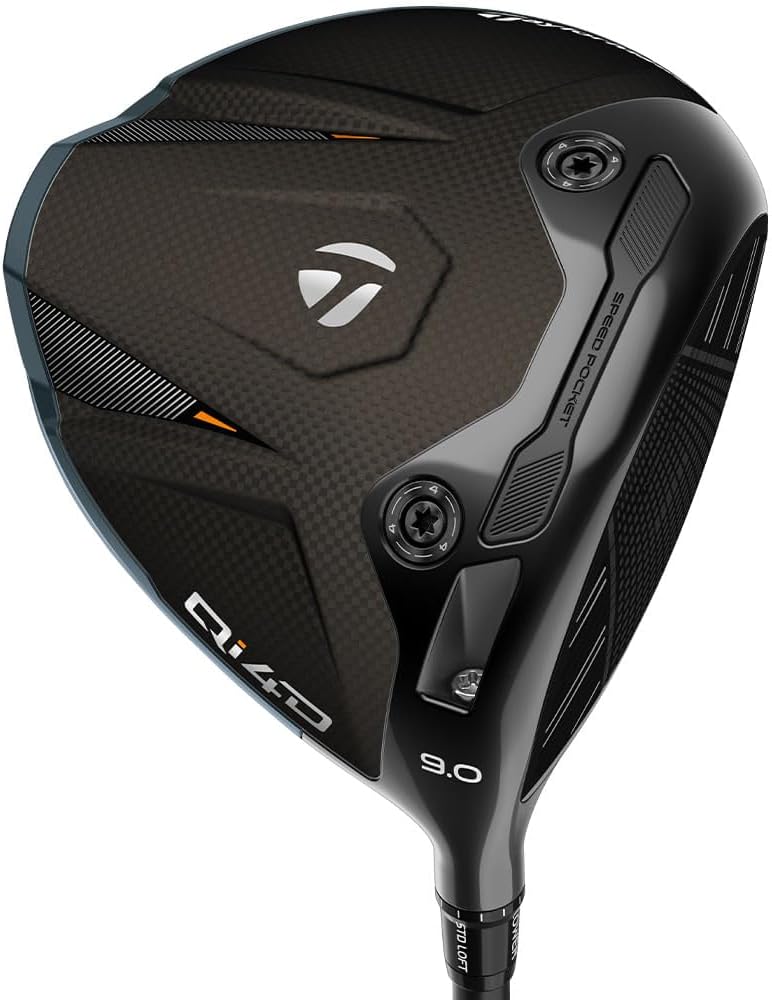
TaylorMade Qi4D vs PING G440 Max: the 2026 driver decision most golfers get backwards
Two of the year's biggest drivers, cross-shopped in every fitting bay — and most players walk in chasing the wrong thing. One wins the robot test outright; the other quietly saves more rounds. Here's which head actually belongs in your bag, and why the answer probably isn't the one you'd guess.
Opinion
What the 'longest driver of 2026' number won't tell you
Every year a chart crowns one driver the longest, and every year thousands of golfers buy the wrong club because of it.
Opinion
The most overrated gear in golf (and what to buy instead)
Golf is spectacularly good at selling you the wrong thing. Here's where the money quietly leaks out of your bag — and the unglamorous stuff that actually drops shots.