
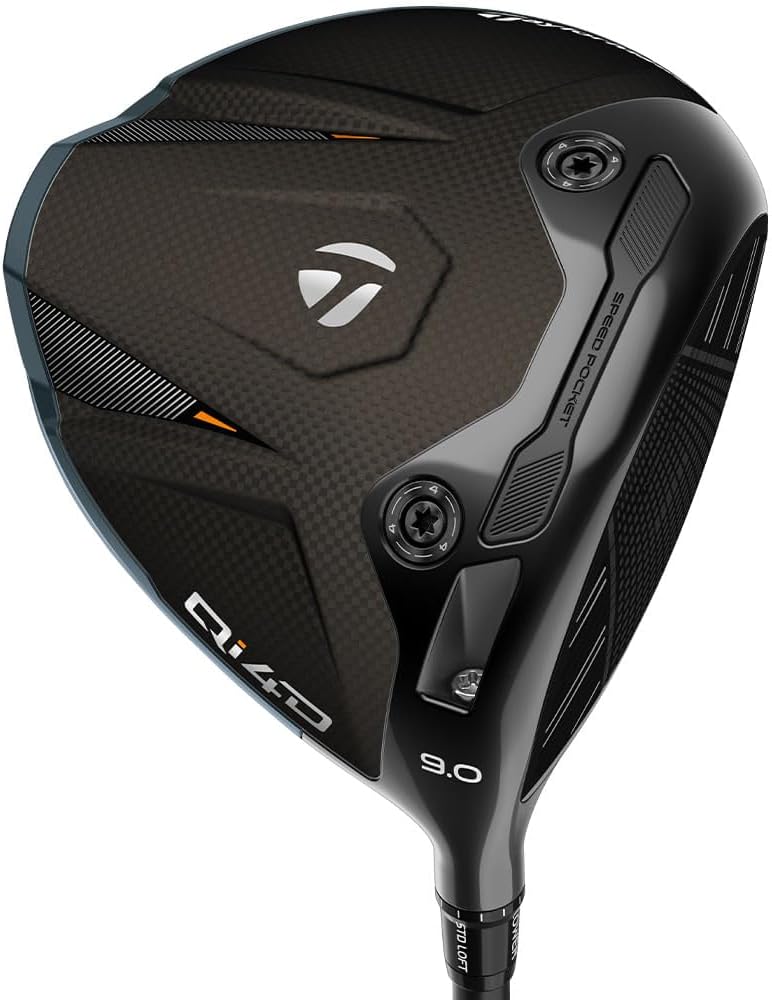
Every year there's one driver the testing sites and the forums actually agree on, and in 2026 it's the Qi4D. MyGolfSpy's Most Wanted test — 42 drivers, thousands of shots — named it the most consistent driver of the year: top six in distance, accuracy and forgiveness simultaneously, which is the combination every brand promises and almost none delivers. The story is a carbon face evolved over four generations, refreshed aerodynamics, and a new REAX shaft-fitting system TaylorMade built from analysing eleven million swings, so the stock shaft you get is far closer to a fitted one than stock shafts used to be. Scottie, Rory and Tommy Fleetwood all put it in play within weeks, and the GolfWRX launch threads have been running hot since January. The honest caveats: it's flagship-driver money, and if you're swinging something from the last two or three years the gain is incremental, not transformative — the robot data says a few yards and a tighter dispersion circle, not a new postcode. Lofts, flexes and shaft options sprawl across dozens of variants, so know your specs or get fitted before you click anything. And mid-season demand means popular configurations drift in and out of stock. But if you're upgrading from a five-plus-year-old driver, this is the rare year where the hyped club and the measurably best club are the same club.
Best Golf Drivers 2026
The drivers worth a fitting in 2026.
The TaylorMade Qi4D is the driver most golfers should buy this year — the robot-test all-rounder that pairs real distance with forgiveness. If you want the most fairways, the PING G440 Max is the forgiveness benchmark; for low-spin distance off a faster swing, the Callaway Quantum bombs it; and the Titleist GT2 is the tour-pedigree all-rounder that quietly topped the distance charts — now the previous generation and roughly 30% cheaper since its successor, the GTS2, arrived in June 2026. The GTS2 itself is here too, as the current head for anyone who wants Titleist's new adjustable CG track; for most golfers the GT2 plus a fitting is the smarter spend. These are the drivers actually worth your money, cross-checked against MyGolfSpy's Most Wanted, the Golf Digest Hot List and what the tour is putting in play.
Here's the decision that matters far more than the badge: the shaft and loft, dialled to your swing, move launch, spin and dispersion more than the head model does. That's why the smartest move for most golfers is a fitting — even a basic launch-monitor session — rather than buying the newest head off the rack. Among the heads themselves, the choice comes down to your miss and your speed: a max-forgiveness head if you fight a slice or scatter the face, a lower-spin model if you've got speed and deliver it consistently, and an all-rounder if you're somewhere in between.
This shortlist covers the best-overall pick, the forgiveness benchmark, the low-spin bomber and the tour all-rounder in both its discounted and current forms, so there's a sensible head for every swing. One honest truth above all: year-on-year gains between flagships are small and often within fitting noise — the GT2-to-GTS2 step is the live example — so consider last season's model and spend the saving on getting properly fitted.
ifrothgolf earns a commission on purchases made through these links, at no extra cost to you. It never changes what I recommend. Full disclosure.
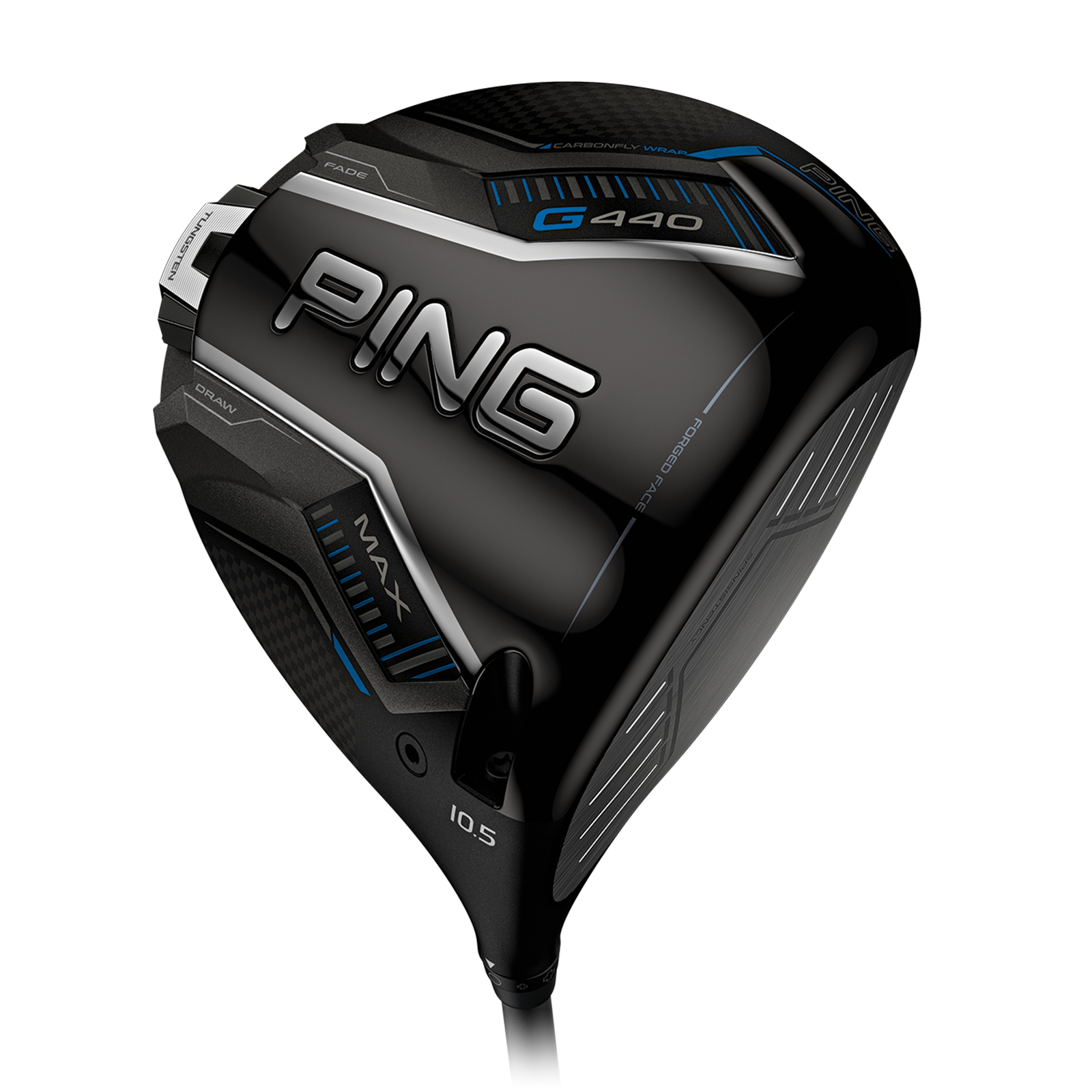
PING's high-MOI, maximum-forgiveness driver — the all-round head in the G440 line, built for the widest range of players.
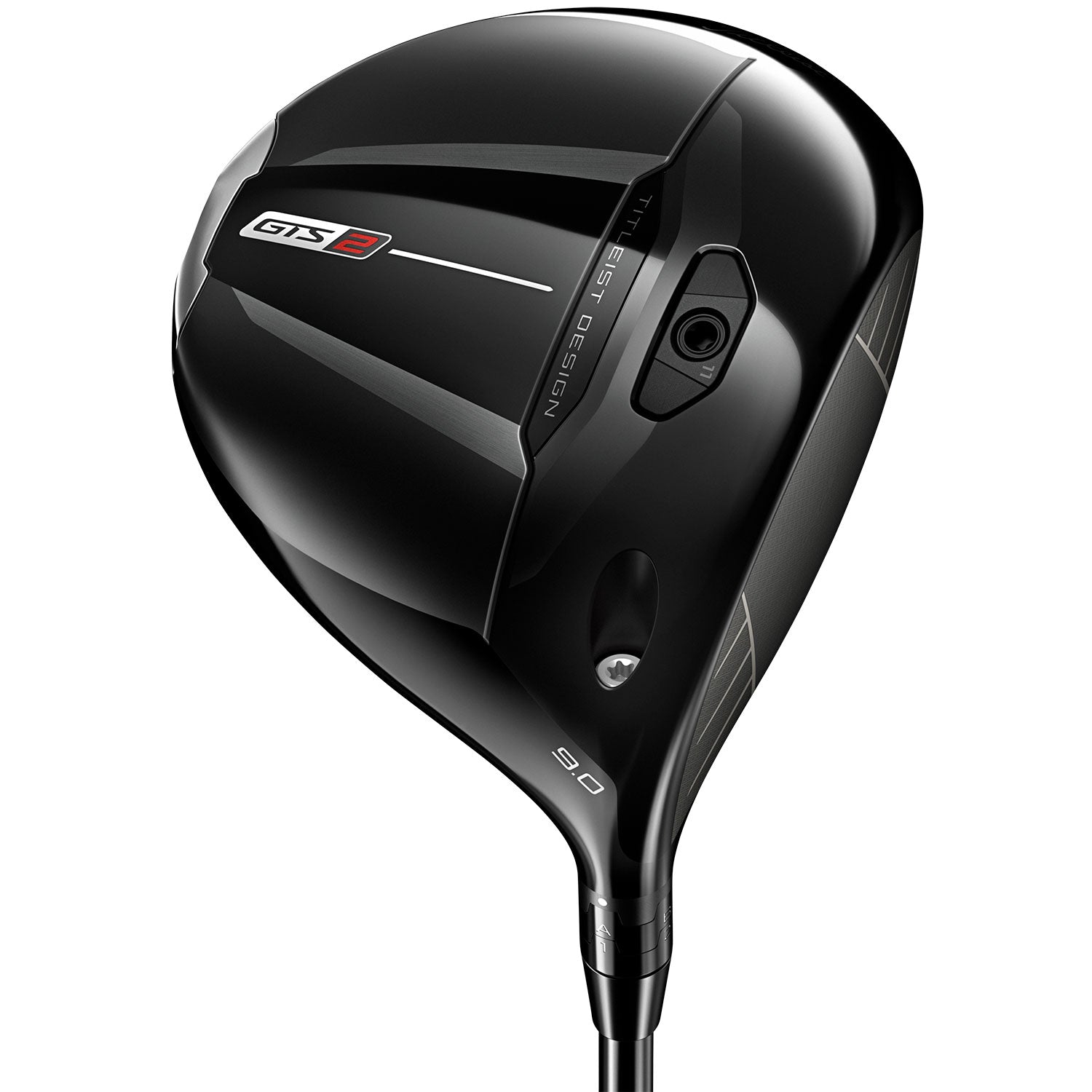
The high-forgiveness member of Titleist's 2026 GTS driver family, replacing the GT2 with a new frame, face and adjustable CG track.
Titleist's high-MOI, all-round driver from the GT series — the forgiving counterpart to the GT3, for straight, consistent distance.
Callaway's 2026 flagship low-spin driver in a slightly larger, more forgiving Max build, aimed at mid-to-low handicappers with 95mph-plus swing speeds.
Frequently asked
- What is the best golf driver in 2026?
- For most golfers the TaylorMade Qi4D — the best all-round mix of distance and forgiveness. Choose the PING G440 Max for maximum fairways, the Callaway Quantum for low-spin distance at higher swing speeds, or the Titleist GT2 for all-round performance with tour pedigree — now roughly 30% cheaper since the GTS2 replaced it, which makes it the value pick of the list.
- Does a new driver actually add distance?
- Year-on-year gains between flagships are small and often within fitting noise. The real distance comes from a fitting that dials in your loft, shaft and lie — which is why buying last year's model and spending the savings on a fitting is often the smarter move.
- What's the most forgiving driver?
- The PING G440 Max is the forgiveness benchmark — it holds the ball straighter on off-centre hits, prioritising fairways over a few extra yards. It's the best choice for higher-handicappers and anyone who fights a slice.
- Should I get fitted for a driver?
- Yes if you can — the shaft, loft and lie matched to your swing affect launch, spin and dispersion more than the head model does. Even a basic launch-monitor session narrows your ideal specs and is worth more than upgrading to the newest head off the rack.
- Is it worth buying last year's driver to save money?
- Often, yes. Gains between consecutive flagships are usually small and within fitting noise, so a year-old head can perform within a yard or two of the newest one for noticeably less. Put the saving toward a proper fitting, which will do more for your driving than the freshest model would.
Related reading
More on this from the desk
Versus
TaylorMade Qi4D vs PING G440 Max: the 2026 driver decision most golfers get backwards
Two of the year's biggest drivers, cross-shopped in every fitting bay — and most players walk in chasing the wrong thing. One wins the robot test outright; the other quietly saves more rounds. Here's which head actually belongs in your bag, and why the answer probably isn't the one you'd guess.
Opinion
What the 'longest driver of 2026' number won't tell you
Every year a chart crowns one driver the longest, and every year thousands of golfers buy the wrong club because of it.
Opinion
The most overrated gear in golf (and what to buy instead)
Golf is spectacularly good at selling you the wrong thing. Here's where the money quietly leaks out of your bag — and the unglamorous stuff that actually drops shots.
Opinion
You don't need a new driver. You need a fitting.
Every January the longest driver ever arrives, again. The gains are tiny, the real yards are in a fitting bay, and the industry itself has started admitting it.
Explained
What is a mini driver — and do you actually need one?
Suddenly they're everywhere on tour. Here's what a mini driver really is, who it genuinely helps, and why most amateurs are better served by a club they already understand.
Explained
A slower swing isn't a problem — it's a spec sheet most golfers get wrong
If your driver speed is under 90 mph, almost everything golf marketing sells you is built for someone else. Four cheap, counterintuitive changes hand back the yards you thought you'd lost for good.
Explained
What actually adds driver distance (and what doesn't)
Spin, speed, strike and fit — the four things that move the needle, and the marketing claims that don't. In plain English.
Review
8.8/10TaylorMade Qi4D driver review: forgiveness you can feel, speed you have to earn
The driver TaylorMade is keeping in the bag through 2027 — the first time since 2001 they've skipped an annual release. Here's whether it's the one to settle on.
Review
8.9/10PING G440 Max review: the forgiveness benchmark, quietly brilliant
If you slice, spray it, or just want to stop losing balls off the tee, this is the 2026 driver to buy — the most forgiving big-stick going, and a genuine buy-once club.
Review
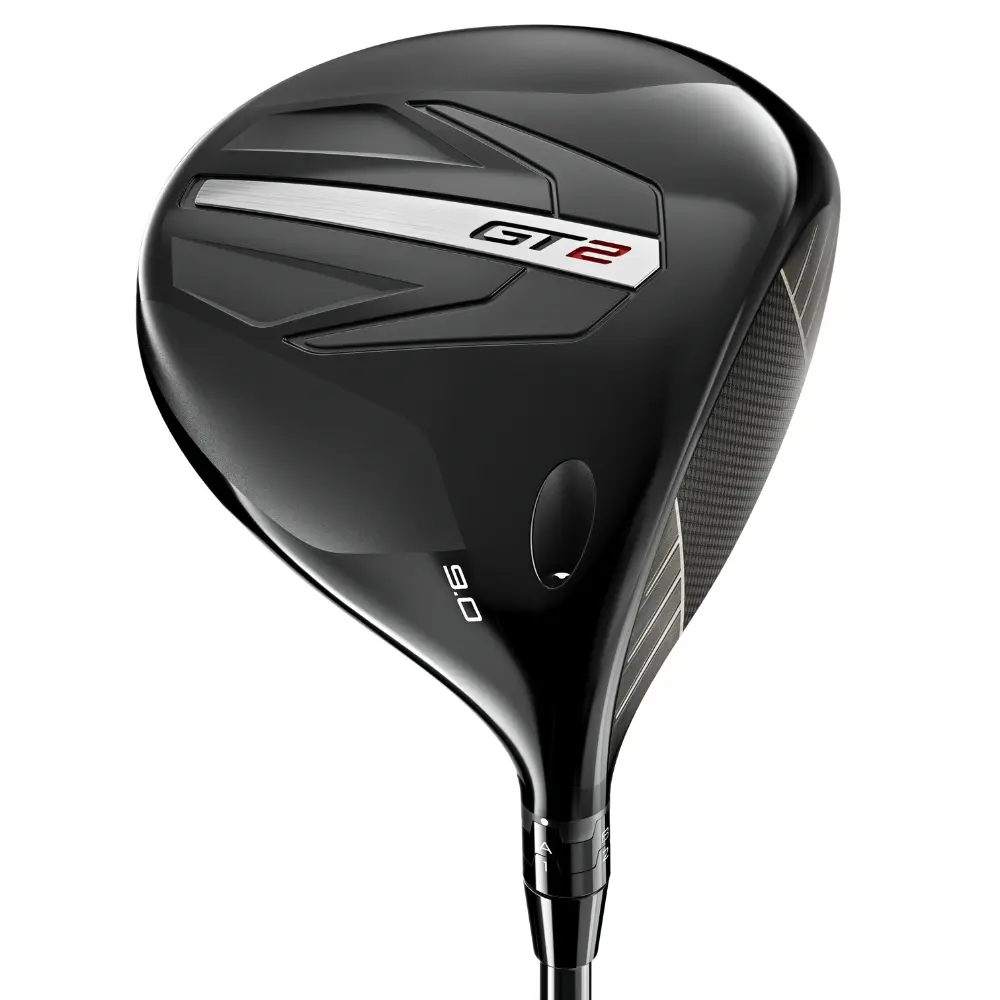
8.9/10Titleist GT2 driver review: the easy-launching all-rounder most golfers should hit
The forgiving heart of Titleist's GT range — now the previous generation, and roughly 30% cheaper for it. Here's who it's really for.
Explained
Adjustable drivers: what all those settings actually do
Loft sleeves, movable weights, lie adjustments — most golfers never touch them, and the few who fiddle often make things worse. The plain guide.
Review
8.4/10Callaway Quantum Triple Diamond review: distance for the faster swing
A low-spin head built for golfers with the speed to use it — not the forgiving all-rounder, and it's not pretending to be.
Opinion
Buy last year's driver — it's the smartest club purchase in golf
The new flagship is a few yards and a big premium away from the one it replaced. Let someone else pay for the newness.
Explained
A fitting won't add 20 yards — and that's exactly why it's worth it
The marketing sells fittings as free distance. The honest case is better: it's the one golf spend that reliably pays for itself by stopping you buying the wrong club. Here's who gains, and who's wasting their money.
Explained
What shaft flex do you actually need? Most golfers play too stiff
If your driver swing is under about 95 mph, you almost certainly want regular, not stiff — and playing stiff is quietly costing you distance and height.
Opinion
You're playing the wrong driver loft — and it's costing you the easiest distance in golf
Most amateurs play too little loft, chasing tour spin numbers they physically can't produce, and leave yards on the tee for it. The launch data says the opposite of the range-buddy wisdom: the average golfer needs more loft than they think — and firm summer fairways move the target again.
Explained
New drivers, wedges and putters just dropped for 2026 — should you actually upgrade?
Titleist's GTS drivers, Ping's S259 wedges, TaylorMade's Qi Max HL irons and fresh Scotty Cameron mallets have all landed. The answer-first truth: for most golfers the honest answer is 'not yet' — here's the short list of when it's genuinely worth it.
Opinion
Tour Bags Are Now a Year Ahead of the Shop, and That Is the Point
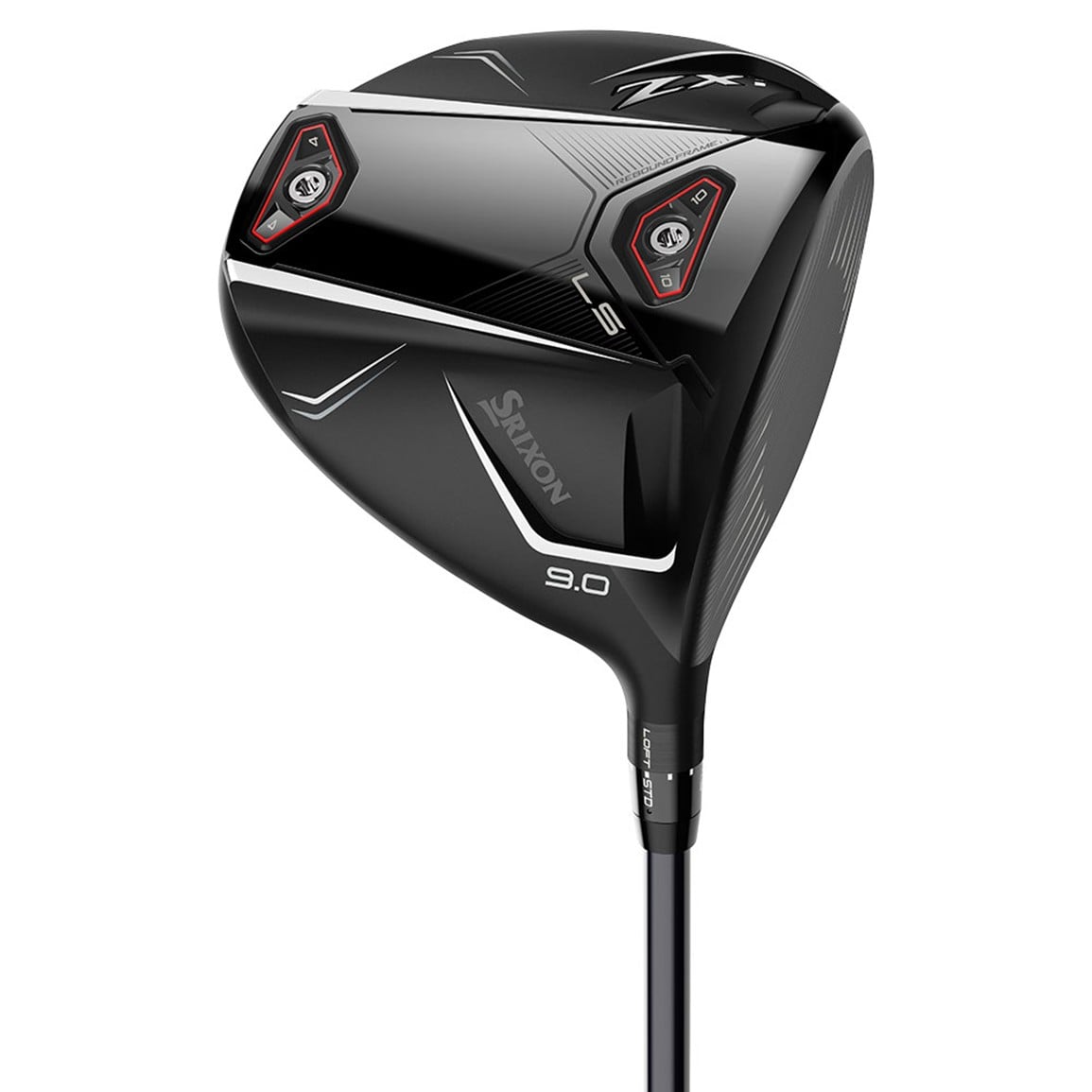
Ryan Fox won the Open with a driver you cannot buy, at any price, on any date. Days later Srixon put more unreleased gear into play. The gap between the tour truck and the pro shop has stopped being an accident.
Versus
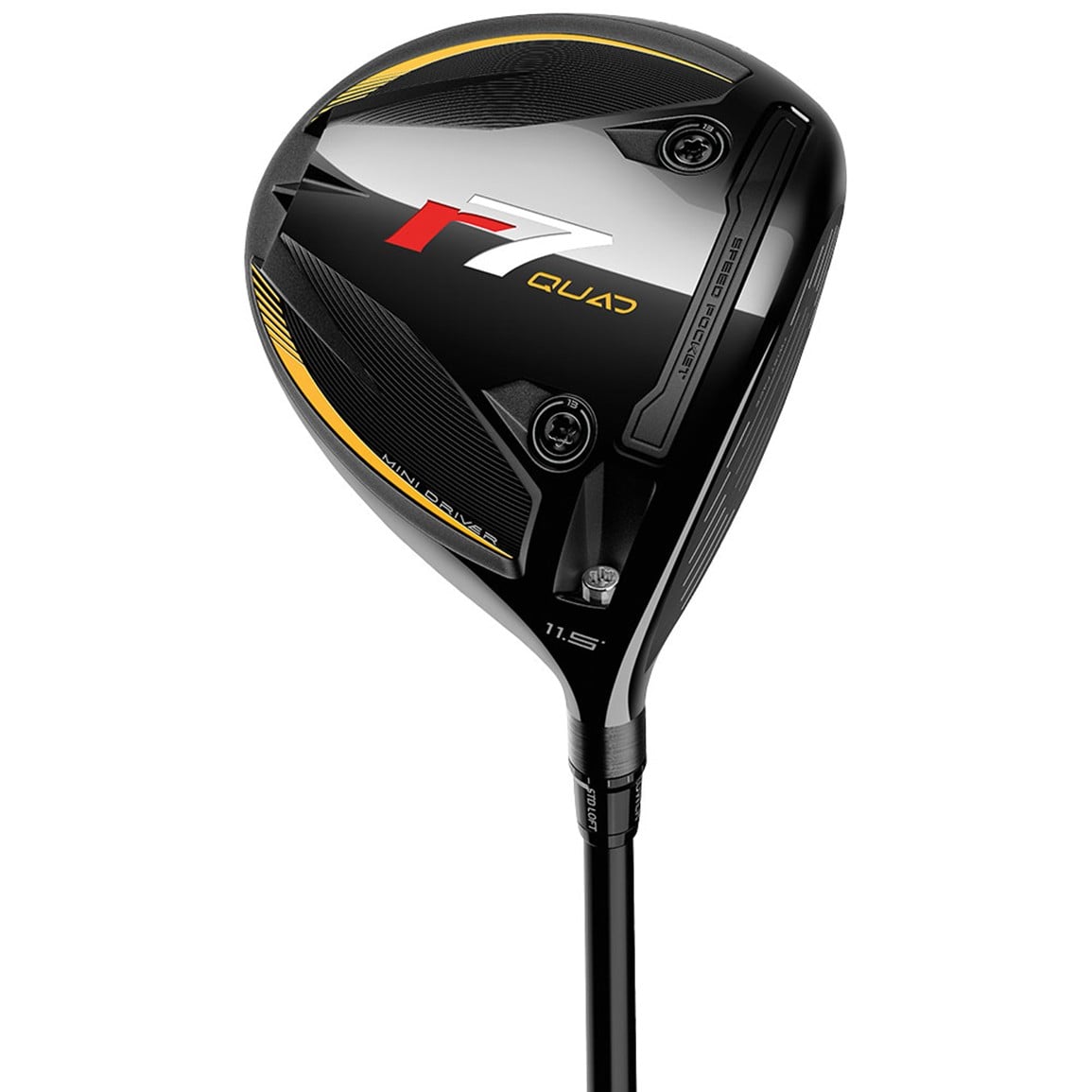
TaylorMade R7 Quad Mini vs Callaway Ai Smoke Ti 340: which club are you actually replacing?
Mini drivers have gone from curiosity to a permanent slot in the range. These are the two most credible ways in, and they solve two completely different problems.
Opinion
The Golf Model Year Is Broken, and Buying New Is Now the Worst Value in the Cycle
Tour seeding has run so far ahead of retail that clubs look obsolete on television months before they get discounted in a shop. Stop shopping by model year.
Explained
Most golfers pick the wrong PING G440: stop buying the low-spin head
Three heads, three completely different owners. The tell is your spin rate and your start line, not your handicap — and the head most golfers buy aspirationally is the one that suits them least.
Versus
Titleist GTS2 vs Callaway Quantum Triple Diamond: two 2026 flagships betting on opposite golfers
One is built around maximum stability, the other around a compact 450cc low-spin head that asks you to find the middle. Golfers cross-shop them on brand loyalty every week, and roughly half of them walk out with the wrong one.
Versus
Titleist GT2 vs Ping G440 Max: speed against the miss you actually hit
Two of the most-fitted drivers in golf, and the choice between them comes down to a question most golfers answer dishonestly.
Versus
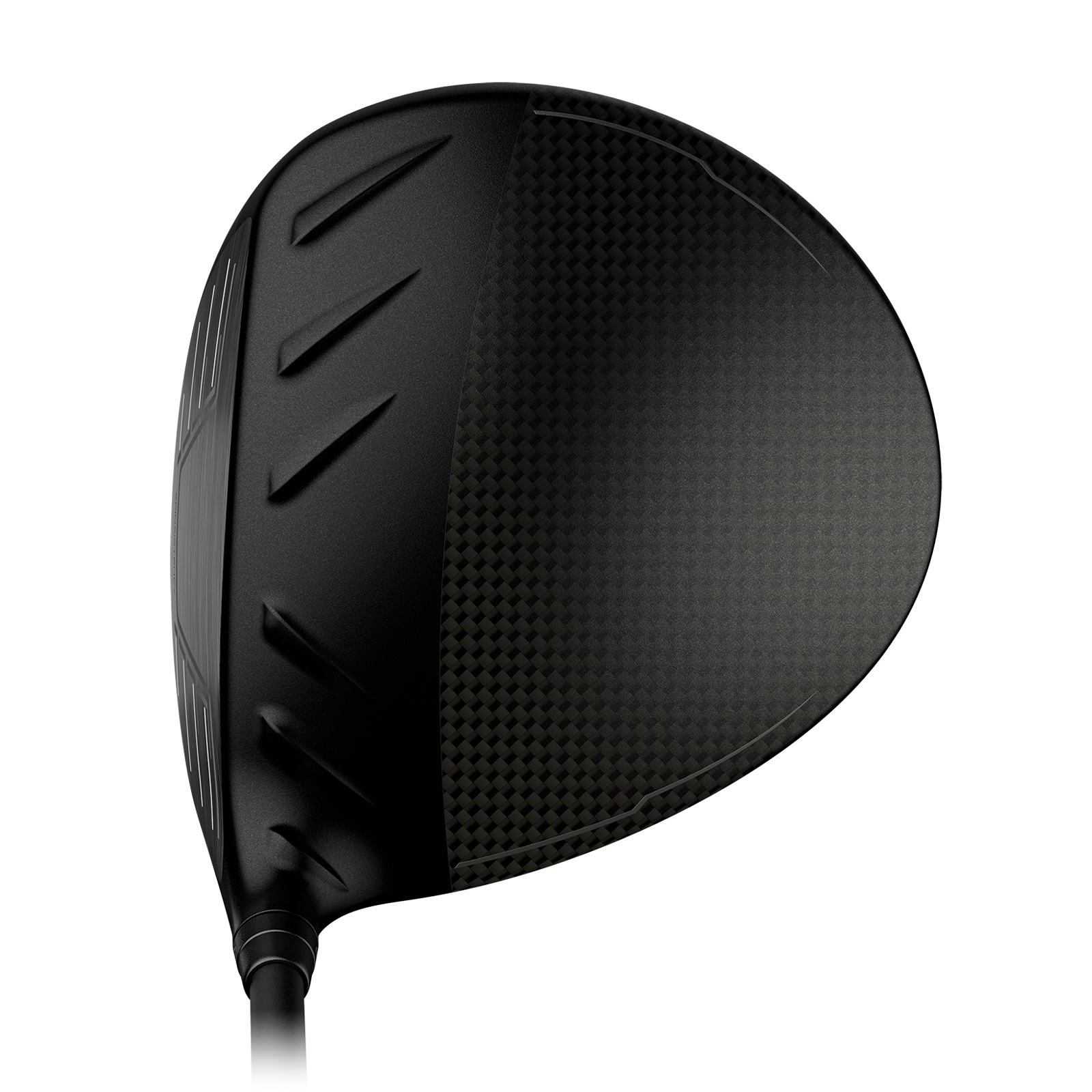
Ping G440 K vs Titleist GTS2: only one of these is actually sold in a slower-swing build
Both get handed to the same golfer across the same counter, and they solve opposite problems. The tell is not the head, it is the shaft weight on the order form.
Opinion
The Solheim Cup is where 24 women get clubs built to spec. The rest get a colour and a flex letter
A Solheim Cup team is about the only place in golf where two dozen women are all built clubs to their own measurements. Walk into a shop and the same industry will sell you a paint job and a flex grade that means nothing.
Opinion
Eight hosel settings, a sliding weight and a torque wrench: what adjustability is worth on a driver
Eight hosel positions, a sliding weight, a torque wrench in a little pouch. Sold as personalisation, bought as insurance, and left on the factory setting by almost everyone who owns one.
Versus
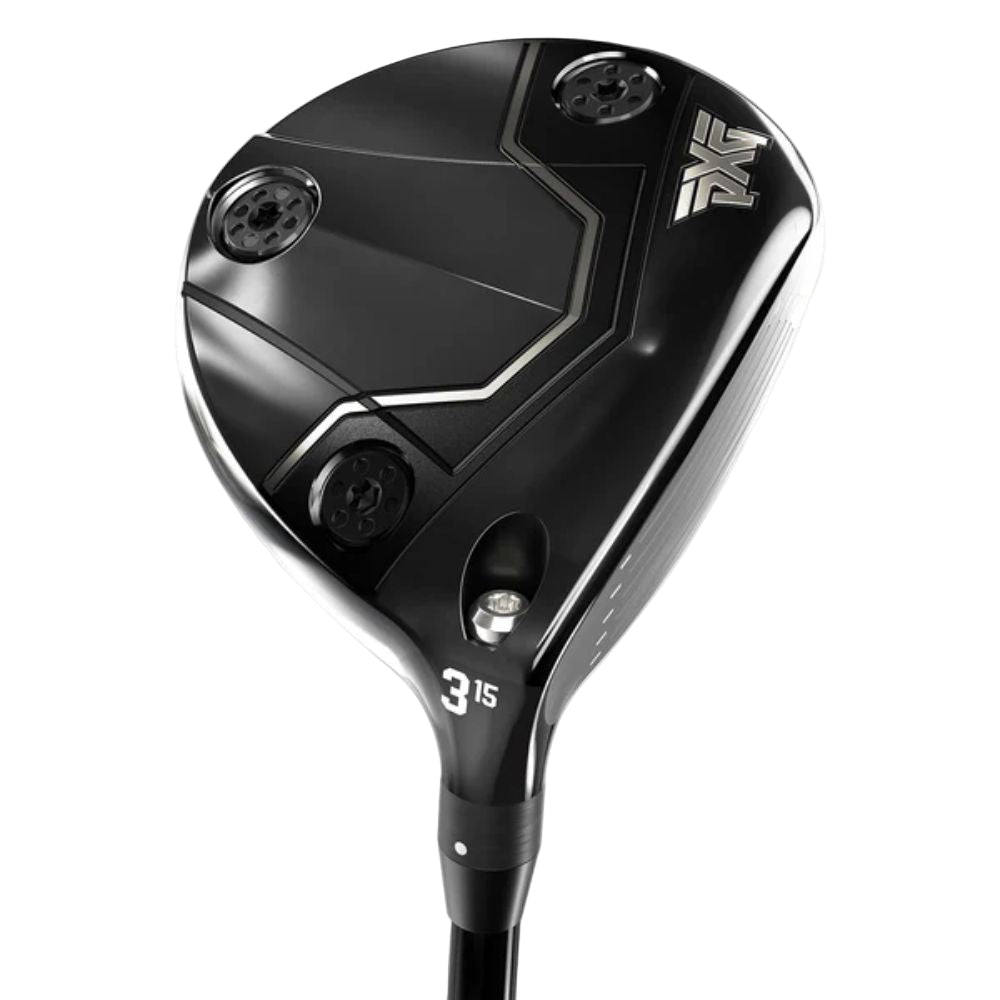
PXG Lightning vs Ping G440 Max: six lofts and three movable weights against the fairway wood you can hit this afternoon
One of these is a custom build with a loft for every hole in your bag. The other is sitting in a fitting bay ten minutes from your house. That, and not ball speed, is the whole decision.
Review
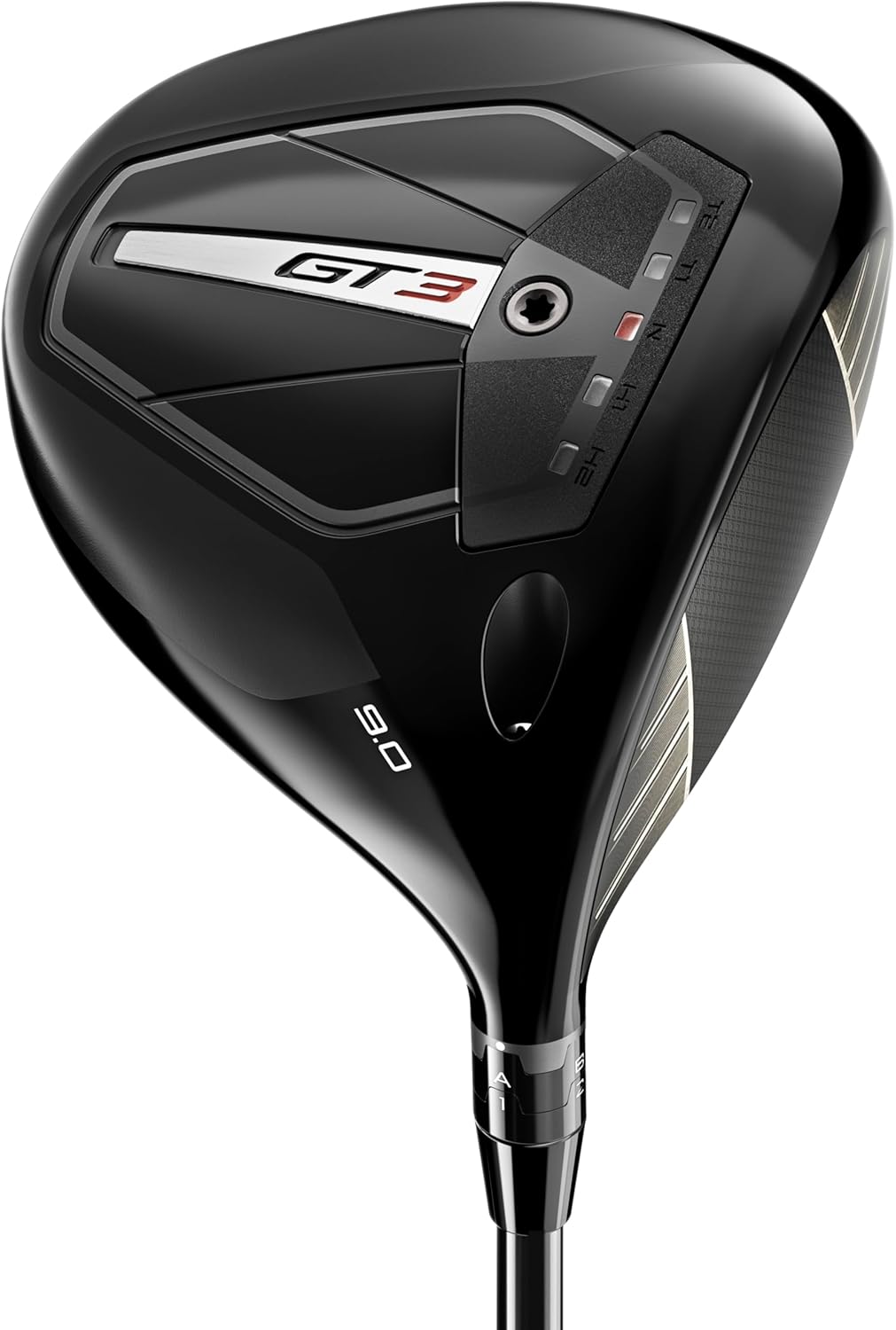
8.7/10Titleist GT3 driver review: the adjustable one, for players who actually adjust
The compact, lower-spin half of the GT pair, and the most adjustable driver Titleist had made. Worth it only if you will use the track — here's how to tell.
Versus
TaylorMade Qi4D vs Callaway Quantum Triple Diamond Max: only one is built to be bought off the rack
Both landed in January, both are nine months into a twelve-month cycle, and both start getting marked down about now. The thing that decides it in September is what happens to each head when there is no fitting bay attached to the purchase.
Explained
Medinah No. 3 has 40-to-50-metre fairways and fescue outside them: wide is not the same as forgiving
OCM took hundreds of trees out of Medinah, pushed the fairway corridors out to 40 or 50 metres and grew long fescue where the shade used to be. Every one of those changes moves a club in the bag, and the same logic is sitting on your own course this autumn.
TaylorMade is ditching the annual driver — and that's good news for your wallet
The biggest name in drivers is moving to a two-year release cycle, with no new model in 2027. The end of the yearly upgrade treadmill is overdue.
ReadTitleist takes the wraps off its GTS driver range
Three heads — GTS2, GTS3 and GTS4 — span from forgiving and high-launching to a low-spin head built for the fast-swing brigade.
Read