
PXG Lightning vs Ping G440 Max: six lofts and three movable weights against the fairway wood you can hit this afternoon
One of these is a custom build with a loft for every hole in your bag. The other is sitting in a fitting bay ten minutes from your house. That, and not ball speed, is the whole decision.
By Jordan Hale · Equipment Writer
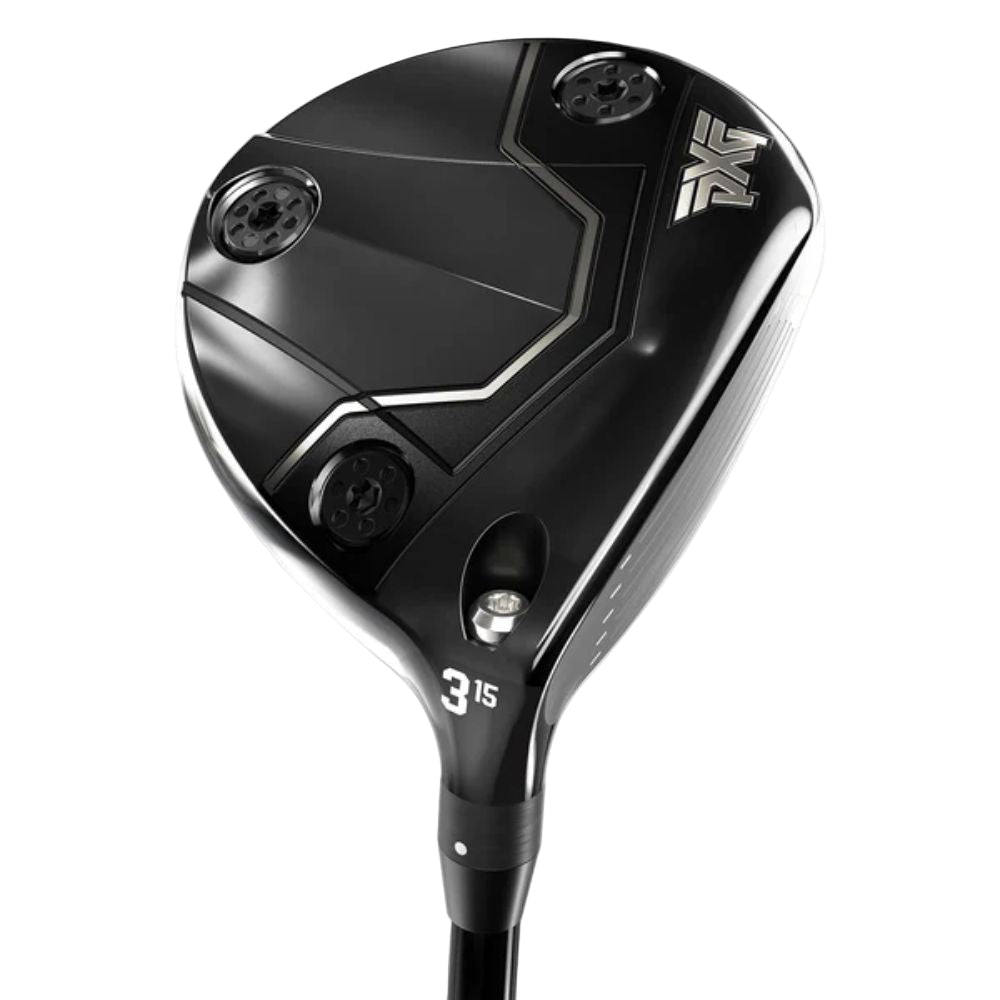
PXG
PXG Lightning Fairway Wood
Six lofts out to a 27-degree 11-wood on an eight-way hosel, and the only one of these you cannot pick up off a rack.
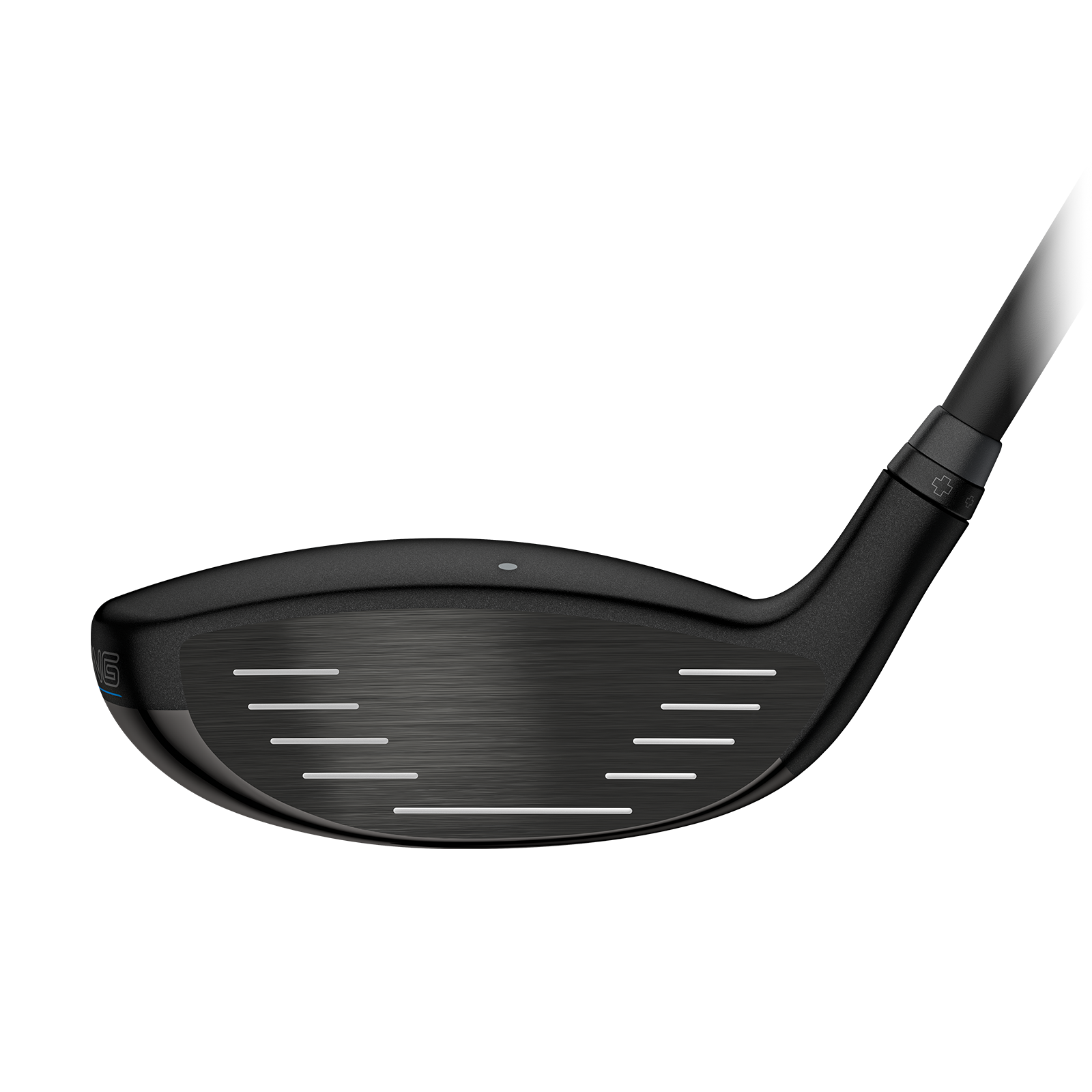
Ping
Ping G440 Max Fairway Wood
Five lofts, no movable weights, and the widest fitting network in golf standing behind it.
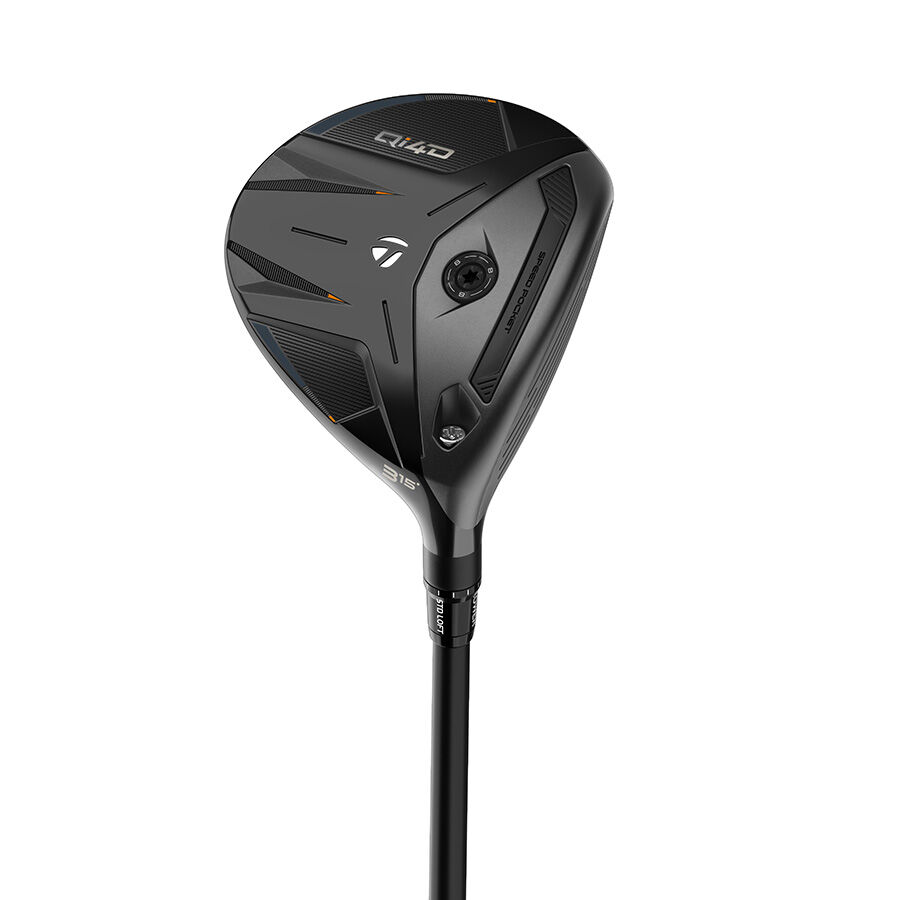
TaylorMade
TaylorMade Qi4D 7-Wood
The club most people arrive at this decision actually wanting, and the reason the loft ladder matters.
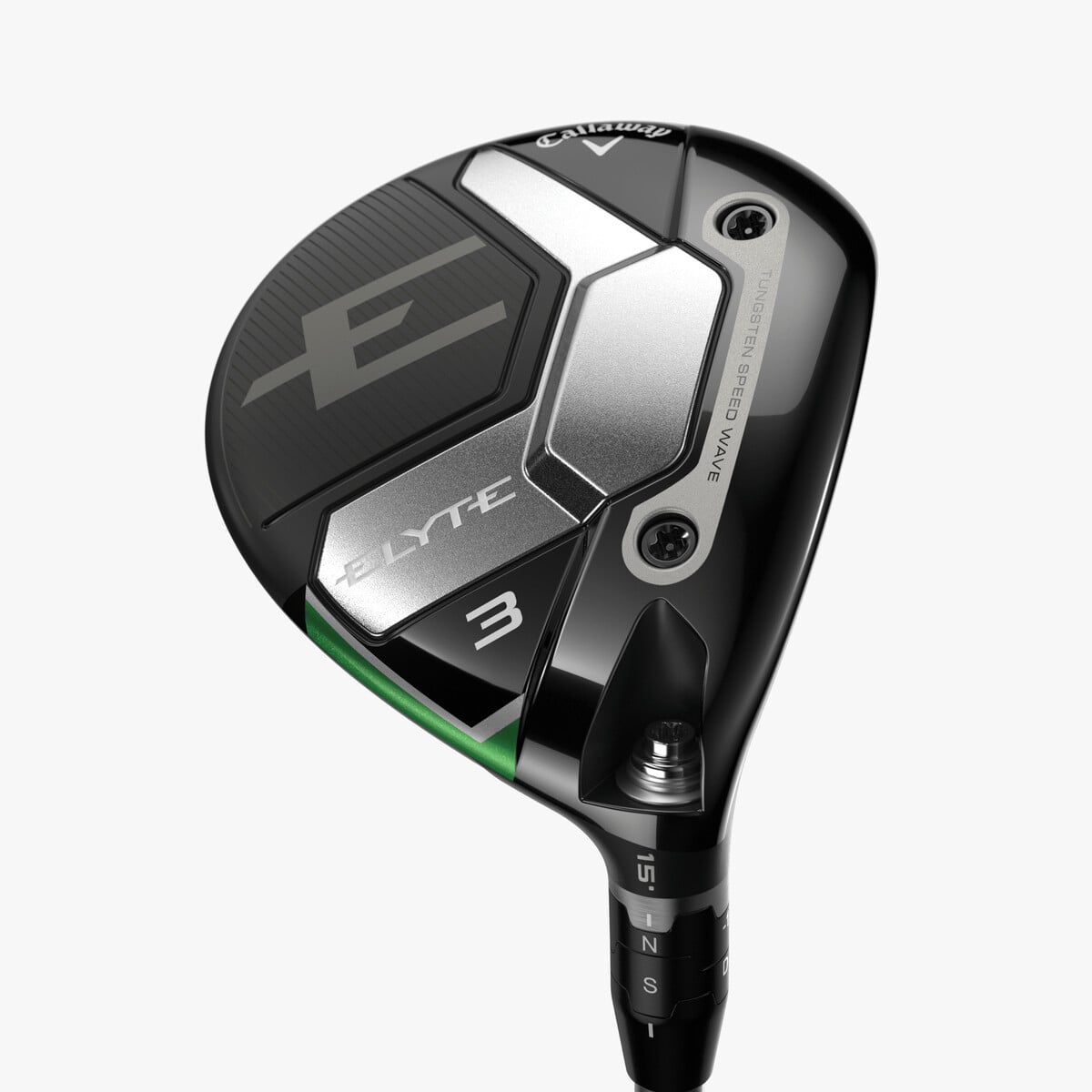
Callaway
Callaway Elyte Fairway Wood
The third rack option worth hitting on the same afternoon, and the one with the most distinctive sole.
Short answer first, because this one has a clean split. If the hole in your bag is a gapping problem rather than a ball-speed problem, and you are willing to order a spec rather than pick a club off a rack, the PXG Lightning is the more useful club and it is not particularly close. If you want a fairway wood fitted to you by somebody standing next to you, this week, with a head you can put behind a ball before you pay for it, the Ping G440 Max remains the sensible buy.
What makes the pairing worth writing about is that almost none of the difference lives where the marketing points. Both have carbon crowns. Both have adjustable hosels. Both come from brands with a genuine fitting philosophy rather than a badge. The spec sheets diverge in exactly two places, and only one of those two is worth paying for.
The loft ladder is the actual product
The PXG Lightning is sold in six lofts: 15 degrees as a 3-wood, 17 as a 4, 18 as a 5, 22 as a 7, 24 as a 9 and 27 as an 11-wood. The Ping G440 Max is sold in five: 15, 17, 19, 21 and 24. Ping stops at a 9-wood. PXG keeps going to a 27-degree 11-wood, which is a club a lot of golfers have never held and which is quietly one of the more useful things you can put in a bag once your 5-iron has become decorative.
Look at where the two ladders sit against each other and the design intent falls out. Ping's rungs are tight at the top and spread at the bottom: 15, 17, 19, 21, then a four-degree jump to 24. PXG's are the other way round, with 15, 17 and 18 stacked at the strong end and then 22, 24, 27 spaced out through the territory where a fairway wood is competing with a hybrid and a long iron. Ping has built a family for players who want two woods. PXG has built one for players who want three, or who want a single wood sitting at a loft no other brand offers them.
That is the reason to care. Everything else on the PXG sheet is a rounding error by comparison, and I would rather a fitter had six lofts to choose between than a magic face.
The three weights are the part I would not pay extra for
PXG's other headline is adjustability: an eight-way hosel on every loft, and three sole ports carrying two 2.5g weights and one 12.5g weight, which you move to the back for forgiveness, to the toe against a hook, or to the heel to soften a slice.
The hosel is real and useful. The weights are a smaller lever than the marketing implies, and the reason is geometry rather than cynicism. A driver head is around 460cc and gives a movable weight a long arm to work with. A fairway wood head is a third of that size, so 12.5g of movable mass sitting closer to the centre of the head simply cannot shift the centre of gravity as far. It is a bias adjustment, not a transformation. If you are buying the Lightning because you have been told three weights will fix a slice, you are buying it for the wrong reason. Buy it for the loft you cannot get anywhere else.
Ping's answer to the same question is to not ask it. The G440 Max has no movable weights at all. The hosel gives you plus or minus 1.5 degrees of loft and up to three degrees flatter than standard on lie, and that is the entire adjustment menu. For most golfers, honestly, that is also the entire adjustment they will ever make.
What Ping does that the spec sheet buries
Here is the number nobody quotes in a G440 review, and it matters more than any of the above. Ping shrinks the head as the loft climbs: 186cc for the 3-wood, 180cc for the 4, 174cc for the 5, 165cc for the 7 and 157cc for the 9. That is a deliberate progression, and it is why the higher-lofted G440 Max woods sit down behind the ball on a tight lie in a way a full-size head does not. You are not buying five copies of one club with different faces on them. You are buying a set that gets more compact as it gets more lofted, which is exactly what a golfer using a 9-wood off the deck wants.
Add the maraging steel face, the Carbonfly Wrap crown and the Facewrap construction that extends the face material into the crown and sole to protect ball speed on low strikes, and you have a club MyGolfSpy's testing has repeatedly called the most consistent all-round fairway in its class. Consistent, note, rather than longest. That distinction is the honest one.
The face technology buys about a yard and a half
PXG's engineering claim for the Lightning is a face perimeter 12.5 per cent thinner than the Black Ops fairway it replaces, deforming around four per cent more at impact. It is a real change and it is measurable. Plugged In Golf's testing put the gain over Black Ops at roughly 1 mph of ball speed and about 1.5 yards of carry, with tighter dispersion showing up mainly in the higher-lofted heads.
That is a completely respectable year-on-year improvement and it is also, said plainly, a yard and a half. Nobody should switch fairway woods for it. What the same test found more interesting was the dispersion behaviour in the lofted models, which lines up with the loft-ladder argument rather than the speed one: the Lightning's case is that it will sell you a 22, 24 or 27-degree head that is properly built, not that it will outdrive the field.
The 7-wood question, which is why most people are here
A large share of everyone reading a fairway wood comparison in 2026 is really asking one thing: should the long iron come out. The answer has been yes for a while, and tour bags settled it before club golfers did. We have written about the 7-wood takeover and about why TaylorMade owns this category at length.
If that is your question, the loft numbers become the entire comparison. PXG's 7-wood is 22 degrees; Ping's is 21. One degree is nothing. But PXG will also sell you 24 and 27, and Ping's ladder ends at 24. Meanwhile the TaylorMade Qi4D 7-Wood is the compact, lower-spinning version of the same idea and the club that most tour swaps actually landed on, so it belongs on your list on merit rather than as a compromise.
The Callaway Elyte is worth twenty minutes on the same afternoon too, mostly for its Step Sole, which reduces the sole area in contact with the turf and is the most distinctive answer anyone has given to the fat-lie problem. Three rack clubs, one fitting session, one honest comparison.
Price, and the thing the price hides
The Lightning is around $400, the G440 Max around $325. On its own that gap is modest, and PXG deserves credit for it: the whole point of the Lightning line is that PXG stopped being the brand whose clubs cost more than the rest of your bag put together.
The cost that is not on the label is the route. The Lightning is a custom build. You are ordering a specification, not lifting a club off a wall, and there is no version of that process where you hit the exact head and shaft combination first. Golf Monthly's reviewer, who liked almost everything about it, still flagged that the straighter sole camber will not suit every eye, and that is precisely the kind of objection you can only discover by looking at one. Ping's opposite number is the most heavily stocked fitting network in the game. You can hit three lofts in an hour, on a launch monitor, with somebody watching the strike.
Who should buy which
Buy the PXG Lightning if you know your gapping problem specifically, if the loft you want is 22, 24 or 27 degrees, and if you are comfortable buying on spec. Buy it if you have been fitted recently and can hand over numbers. Buy it, in short, if you already know the answer and need someone to build it.
Buy the Ping G440 Max if you are not certain what you need, which is most people. Buy it if you want the head to get smaller as the loft gets stronger, if you want to hit before you pay, and if you would rather spend the difference on a fitting than on three weights you will never move. Our piece on what a fitting actually buys you makes the case better than a spec sheet can.
And if you are choosing between them on ball speed alone, stop. That is a yard and a half. The decision here is loft coverage against the ability to try before you buy, and only you know which of those two you are short of.
Frequently asked
- When did the PXG Lightning fairway wood come out?
- The PXG Lightning metalwoods family, which covers four drivers, two fairway woods and a hybrid, went on sale on 2 December 2025. It is not a new release, despite still being written about as one.
- What lofts does the PXG Lightning fairway wood come in?
- Six: 15 degrees (3-wood), 17 (4-wood), 18 (5-wood), 22 (7-wood), 24 (9-wood) and 27 (11-wood), each on an eight-way adjustable hosel. The Lightning Tour version is offered only in 15 and 18 degrees at the same price.
- Does the Ping G440 Max fairway wood have adjustable weights?
- No. The G440 Max has no movable sole weights. Its adjustability is limited to the hosel, which gives plus or minus 1.5 degrees of loft and up to three degrees flatter than standard on lie.
- Is the PXG Lightning fairway wood worth the extra money over the Ping?
- At around $400 against roughly $325 the gap is about $70, and it is worth it only if you specifically need a 22, 24 or 27-degree head, since Ping's ladder stops at 24 and stocks fewer high-loft options. If you are buying a 3-wood or a 5-wood, the Ping is the better value and you can hit it before you buy.
Read next
Versus
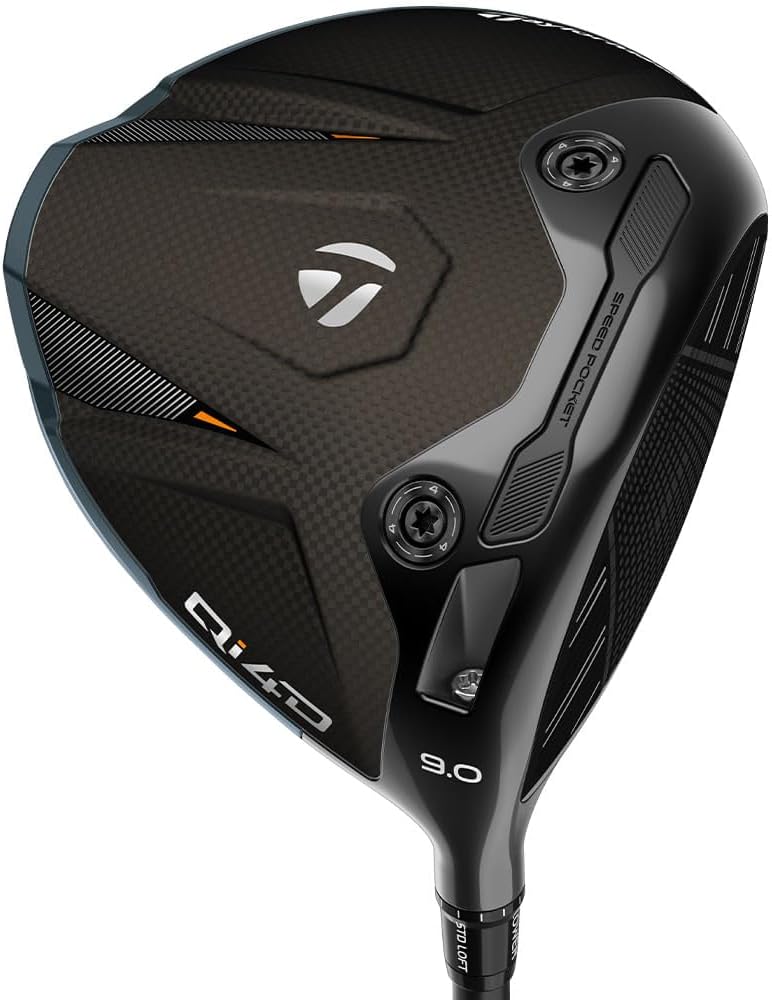
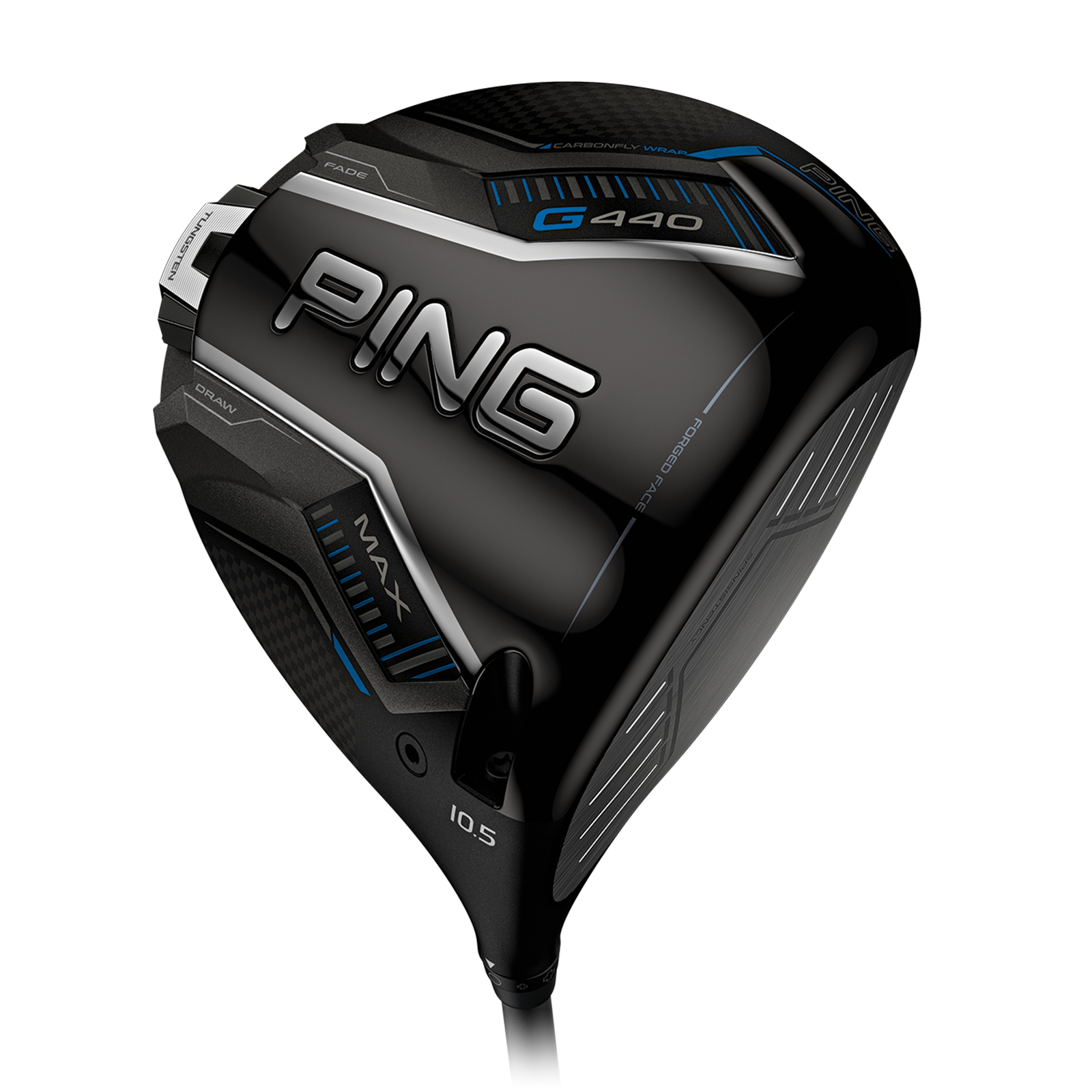
TaylorMade Qi4D vs PING G440 Max: the 2026 driver decision most golfers get backwards
Two of the year's biggest drivers, cross-shopped in every fitting bay — and most players walk in chasing the wrong thing. One wins the robot test outright; the other quietly saves more rounds. Here's which head actually belongs in your bag, and why the answer probably isn't the one you'd guess.
Opinion
What the 'longest driver of 2026' number won't tell you
Every year a chart crowns one driver the longest, and every year thousands of golfers buy the wrong club because of it.
Opinion
The most overrated gear in golf (and what to buy instead)
Golf is spectacularly good at selling you the wrong thing. Here's where the money quietly leaks out of your bag — and the unglamorous stuff that actually drops shots.