
TaylorMade fairway woods are in 23 of the 50 tour bags we track that carry one. No other brand is close
The gear press has been calling TaylorMade's fairway-wood run the trend of the season. We ran it against our own dated bag records, and the concentration is bigger than the headlines suggest.
By Jordan Hale · Equipment Writer
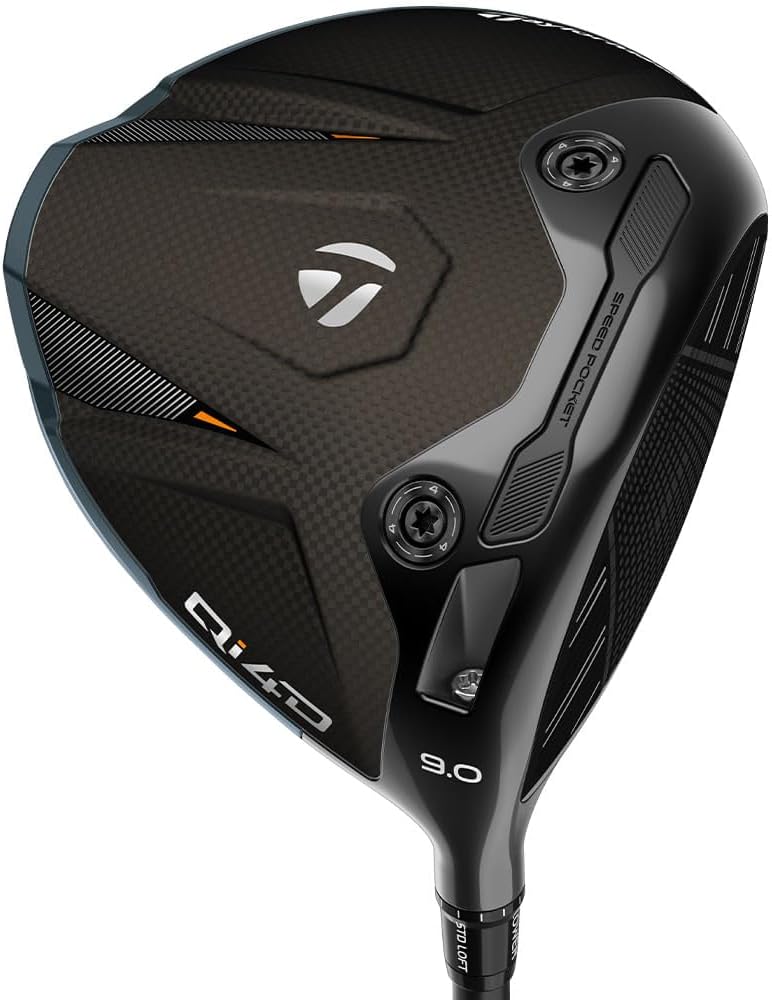
TaylorMade
TaylorMade Qi4D Driver
ifrothgolf earns a commission on purchases made through these links, at no extra cost to you. It never changes what I recommend. Full disclosure.
Golf Monthly picked out TaylorMade's fairway-wood dominance as one of the gear trends of this year's majors, and it's been a recurring note in tour reports all season. Trends like that are usually asserted rather than counted, so we counted.
We maintain dated, source-cited bag records for 53 players across the PGA Tour, LPGA Tour and LIV Golf. Fifty of those 53 bags carry at least one fairway wood. Here's how the brands split across them.
The count
TaylorMade appears in 23 of the 50. That is 46% of every tour bag we track that carries a fairway wood at all.
Callaway is second with 12. Titleist has 8, Ping 5, Cobra 3, and one bag carries a Krank.
TaylorMade's share is nearly double the next brand's, and larger than Titleist, Ping and Cobra combined. In a category where the majors normally sit within a few points of each other, that's a genuine outlier rather than a lead.
Two caveats, stated plainly. This is the 53 bags we maintain and re-verify against named sources, not a census of professional golf — and bags change week to week, so treat it as a well-sourced snapshot rather than a permanent state. Some players also carry two fairway woods, and each bag is counted once per brand here rather than once per club.
Why fairway woods concentrate in a way drivers don't
The interesting question isn't that TaylorMade is winning, it's why this category tolerates a winner at all when drivers don't.
Drivers are fitted to individuals with enormous variation in speed, attack angle and shot shape, and every major makes a head that suits some part of that spread. Fairway woods are a narrower problem: nearly everyone wants the ball up in the air from a tight lie, with enough forgiveness to survive a slightly heavy strike. When a manufacturer solves a narrow problem convincingly, share concentrates fast — there's much less reason for a player to be different.
There's also a tour-truck effect that compounds it. Once a shape becomes the thing that works, players see it in other bags, ask to try it, and it spreads faster than a driver ever would because the fitting hurdle is lower. Fairway woods are also the club most often changed mid-season, which speeds up the whole cycle.
The 7-wood is the engine underneath the trend
The other thing our records show is where the growth is. The 7-wood now appears in 17 of the 53 bags, alongside 39 carrying a 3-wood and 14 a 5-wood. The high-lofted fairway wood has gone from curiosity to standard equipment inside a few seasons, largely replacing the 2 and 3-iron.
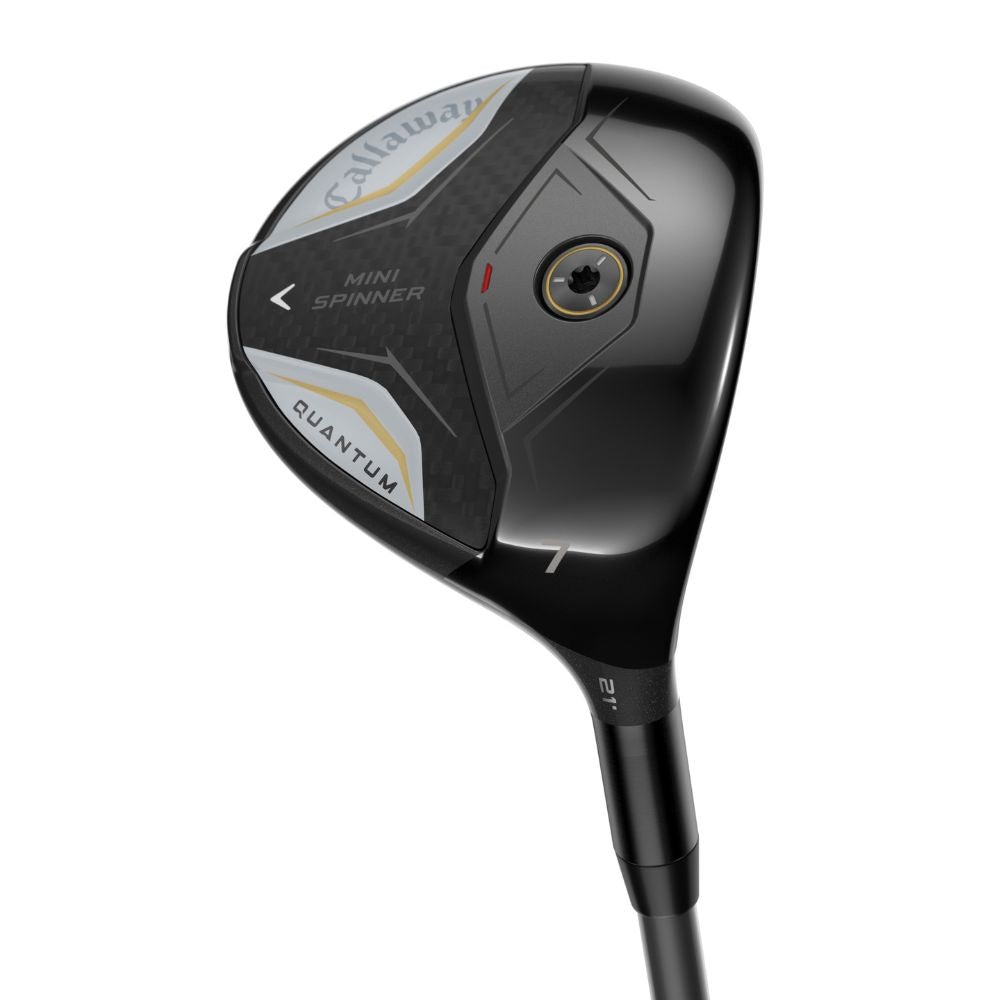
That's the wave Callaway is trying to ride with the Quantum Mini Spinner, launched last week into a claimed "scoring wood" category at 21, 24 and 27 degrees. Our numbers are supportive at the bottom of that range and brutal above it: the 9-wood appears in three bags and the 11-wood in none.
So the honest summary of the category is that a real trend — high-lofted woods replacing long irons — is being led by one manufacturer at the loft where it's proven, while a competitor tries to extend it to lofts the tour hasn't taken up.
What any of this means for your bag
Careful here, because tour share is a weak signal for amateurs and gets over-read constantly.
Tour brand share tells you what tour trucks build well, not what suits you. These players get hand-selected heads and custom shafts. You get a retail club, and the fitting matters more than the badge.
The 7-wood finding is the genuinely transferable one. If 17 of the best 53 bags in the world have replaced a long iron with a high-lofted wood, an amateur — who has less speed and needs more help getting the ball up — has a stronger case for that swap, not a weaker one. This is the rare instance where tour adoption argues more strongly for club golfers than for pros.
Don't chase the brand, chase the gap. The question worth asking is what your longest genuinely reliable club is. If it's a 5-iron and you carry a 4, 3 and a 3-wood, you have three clubs doing one job badly and a high-lofted wood is the fix — whoever makes it.
What we can't tell you from this
Two limits worth stating, because bag-count data gets over-claimed constantly.
We can't tell you why. Tour equipment decisions mix genuine performance with contracts, staff obligations and relationships with individual tour reps, and a bag record shows the outcome rather than the reason. A dominant share reflects some combination of a good product and a good tour operation, and our data cannot separate them.
We can't tell you it will hold. Fairway woods change hands mid-season more often than any other club in the bag, precisely because the fitting hurdle is low. A 46% share is a snapshot of an unusually fluid category, not a structural position, and the same count in six months could look materially different.
The number to keep
Twenty-three of fifty. That's the figure worth remembering from this season's equipment story, and it's a rare case of the gear press's instinct being right and, if anything, understated.
What it does not mean is that you should buy a TaylorMade fairway wood. What it means is that fairway woods have quietly become the most concentrated category in professional golf, that the 7-wood is the reason, and that if your long irons aren't working you're now several years behind the best players in the world in doing something about it.
Products mentioned in this article
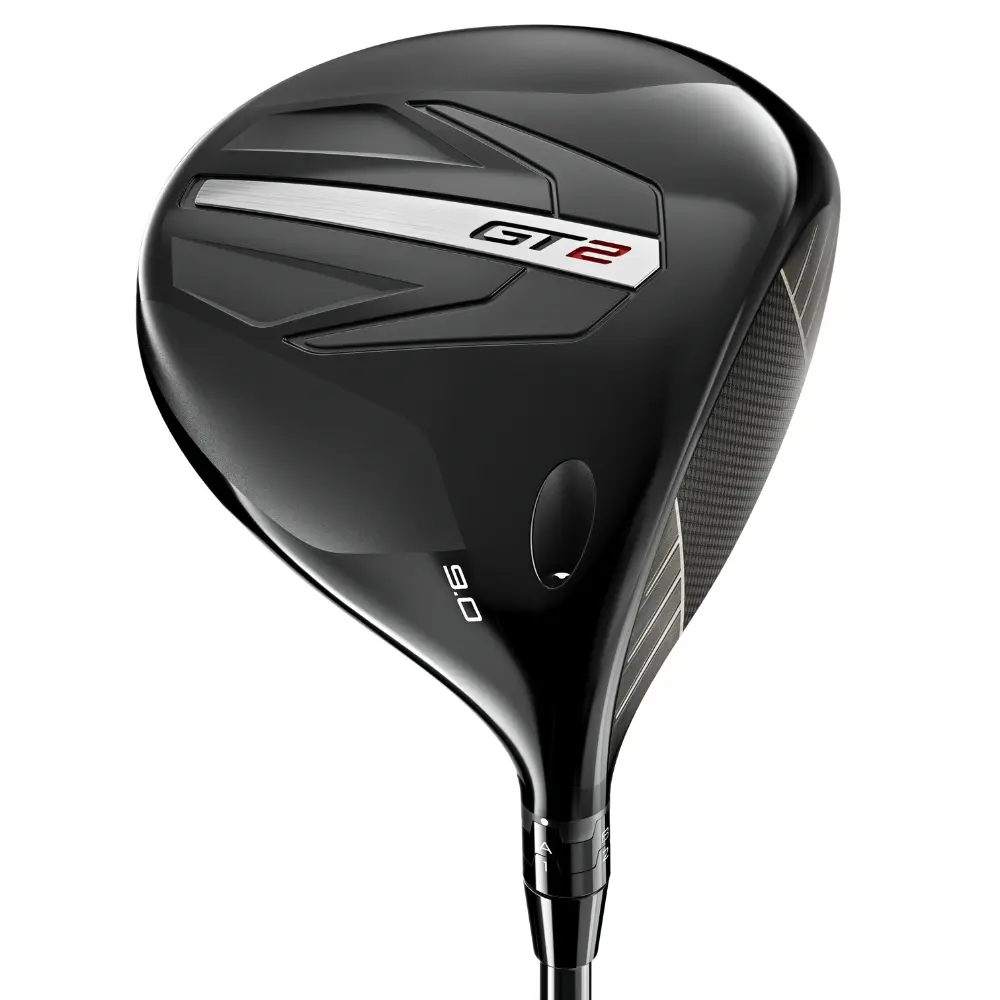
Titleist
Titleist GT2 Driver
Strong in drivers, well behind in woods on the bags we track
This model is no longer the current model. The current version is Titleist GTS2 Driver. Remaining stock is often discounted, so this can still be the better buy — check both prices.
ifrothgolf earns a commission on purchases made through these links, at no extra cost to you. It never changes what I recommend. Full disclosure.
Frequently asked
- Which brand of fairway wood do most tour pros use?
- In the 53 PGA Tour, LPGA Tour and LIV Golf bags we maintain and date-stamp, 50 carry at least one fairway wood and TaylorMade appears in 23 of them — ahead of Callaway on 12, Titleist 8, Ping 5 and Cobra 3.
- How many tour players carry a 7-wood?
- Seventeen of the 53 bags we track carry one, against 39 with a 3-wood and 14 with a 5-wood. The high-lofted fairway wood has largely displaced the 2 and 3-iron at professional level over the last few seasons.
- Should I replace my long irons with a fairway wood?
- If your longest reliable iron is a 5 or 6 and you're still carrying a 3 and 4, then probably yes. Amateurs have less clubhead speed than professionals and need more help launching the ball, so the case for a high-lofted wood is stronger for you than for the tour players already making the swap.
- Does tour brand share mean I should buy that brand?
- No. Tour players receive hand-selected heads and custom shafts through a manufacturer's tour operation, which is a different product from the retail club you'd buy. Fitting matters far more than matching the badge that's winning on tour.
Read next
Review
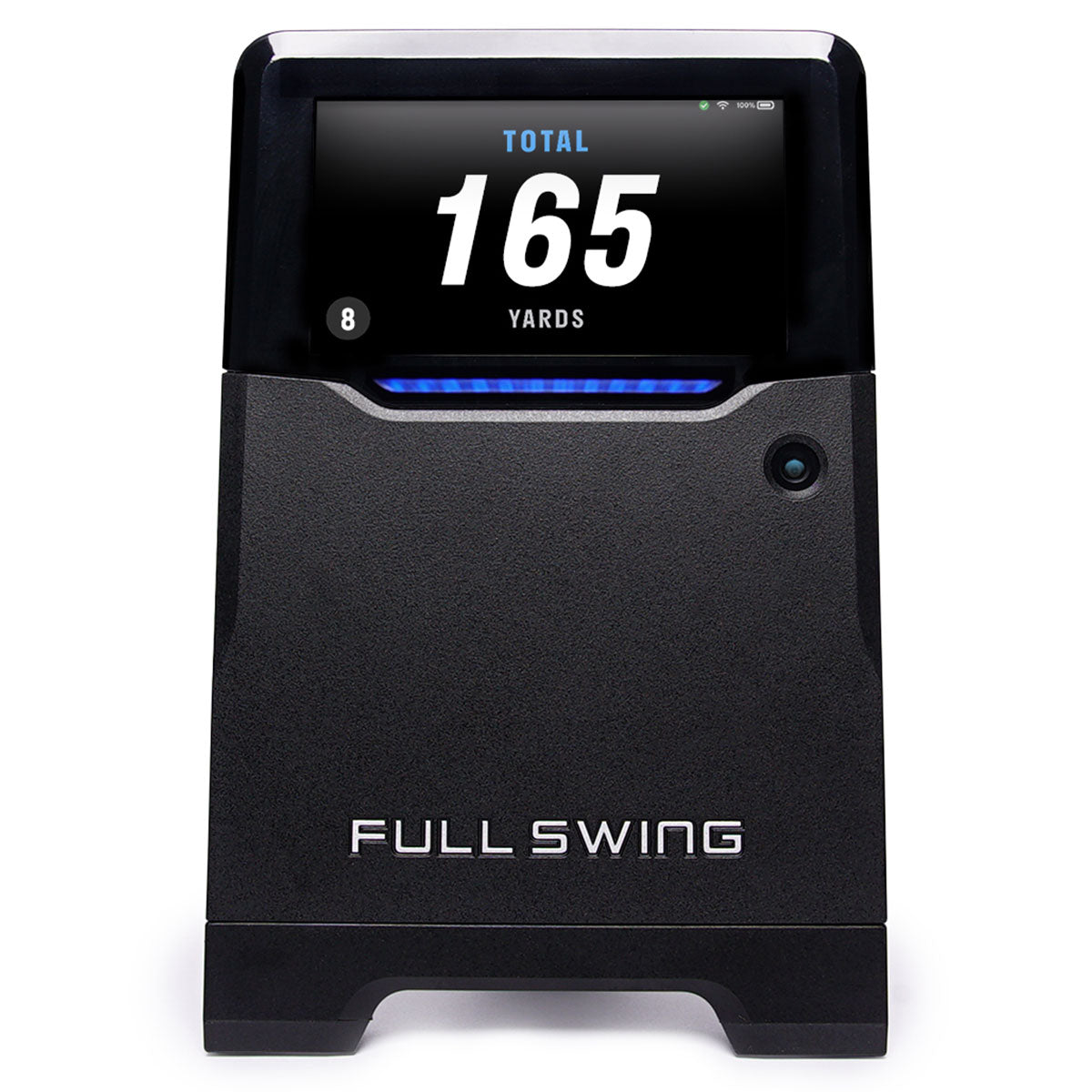
7.9/10Full Swing KIT review: the tape measure decides this, not Tiger
Tour pedigree, TGL on ESPN, and radar good enough to be checked against a Trackman outdoors. It also wants eighteen to twenty feet of room, which rules out most of the garages people buy it for.
Versus
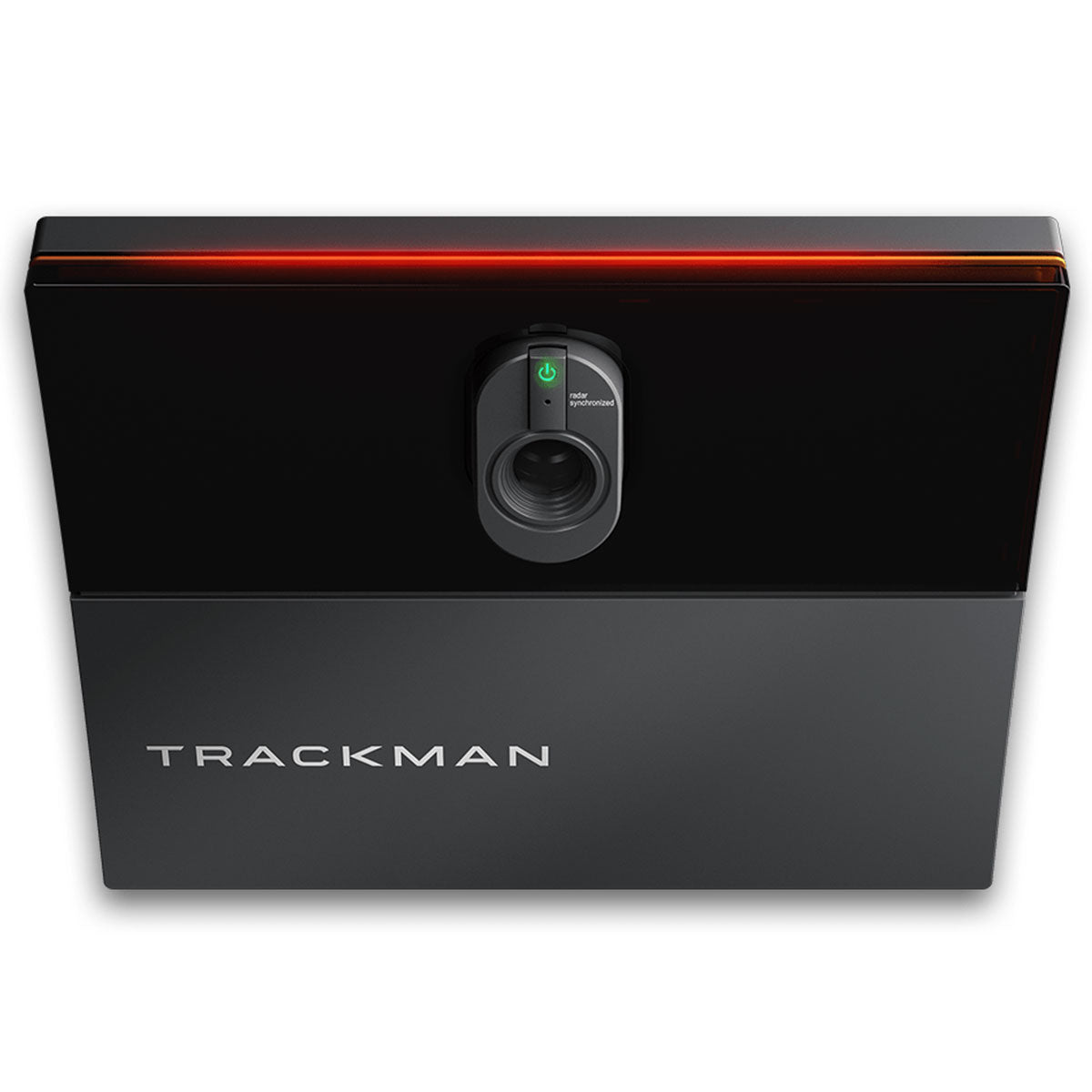
Trackman iO vs Uneekor EYE XO2: the year-one trap
Both mount overhead, both want ten feet of ceiling, and about $3,000 separates them on the shelf. Then Trackman's included first year runs out, and the gap starts growing by $1,100 a year.
Versus
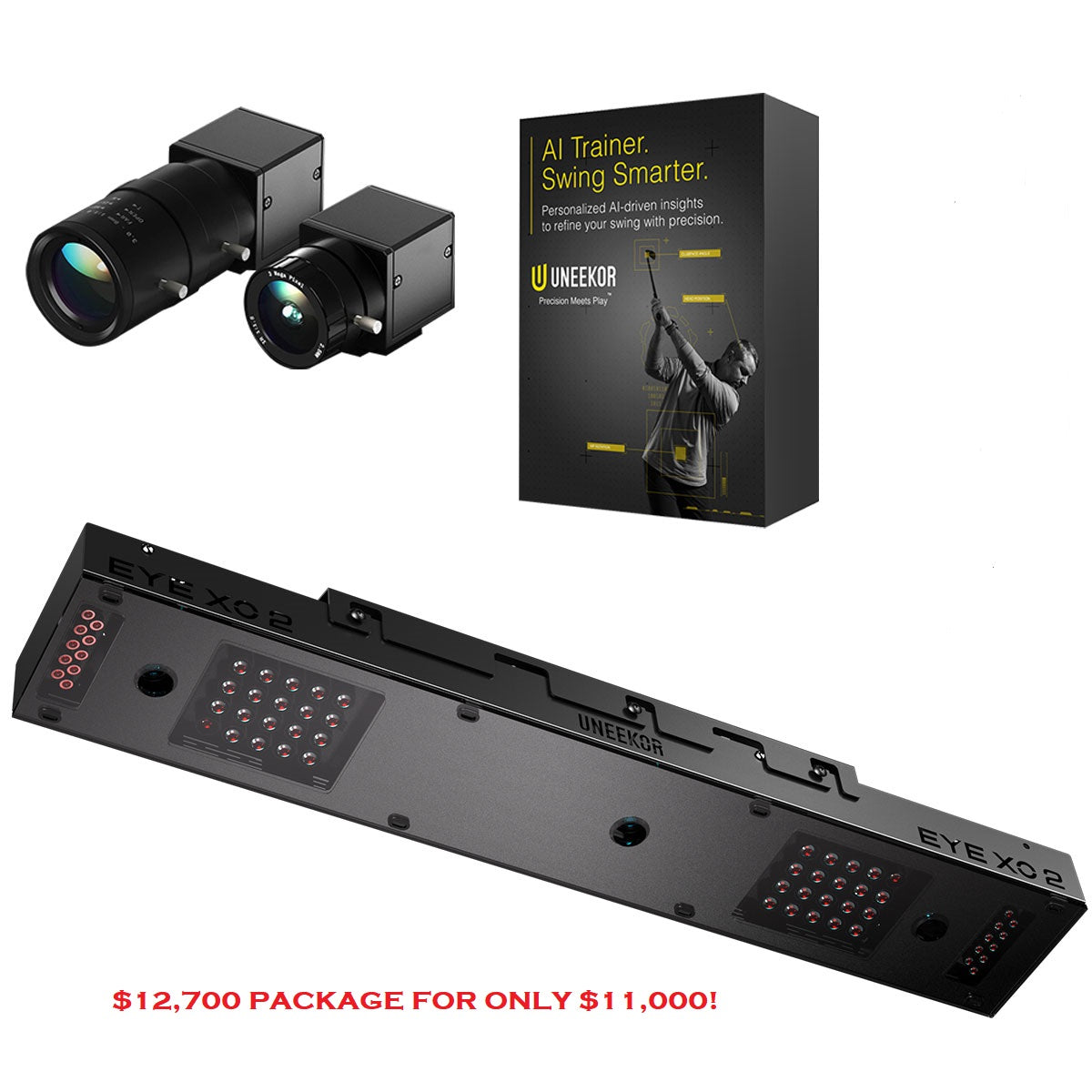
Uneekor EYE XO2 vs Foresight GC3: ceiling or floor?
About $4,000 separates them, but they're not really rivals — one lives in your ceiling forever, the other sits on the floor and travels. The cheaper one is also the one with no subscription.