
Titleist GT2 driver review: the easy-launching all-rounder most golfers should hit
The forgiving heart of Titleist's GT range — now the previous generation, and roughly 30% cheaper for it. Here's who it's really for.
By Jordan Hale · Equipment Writer
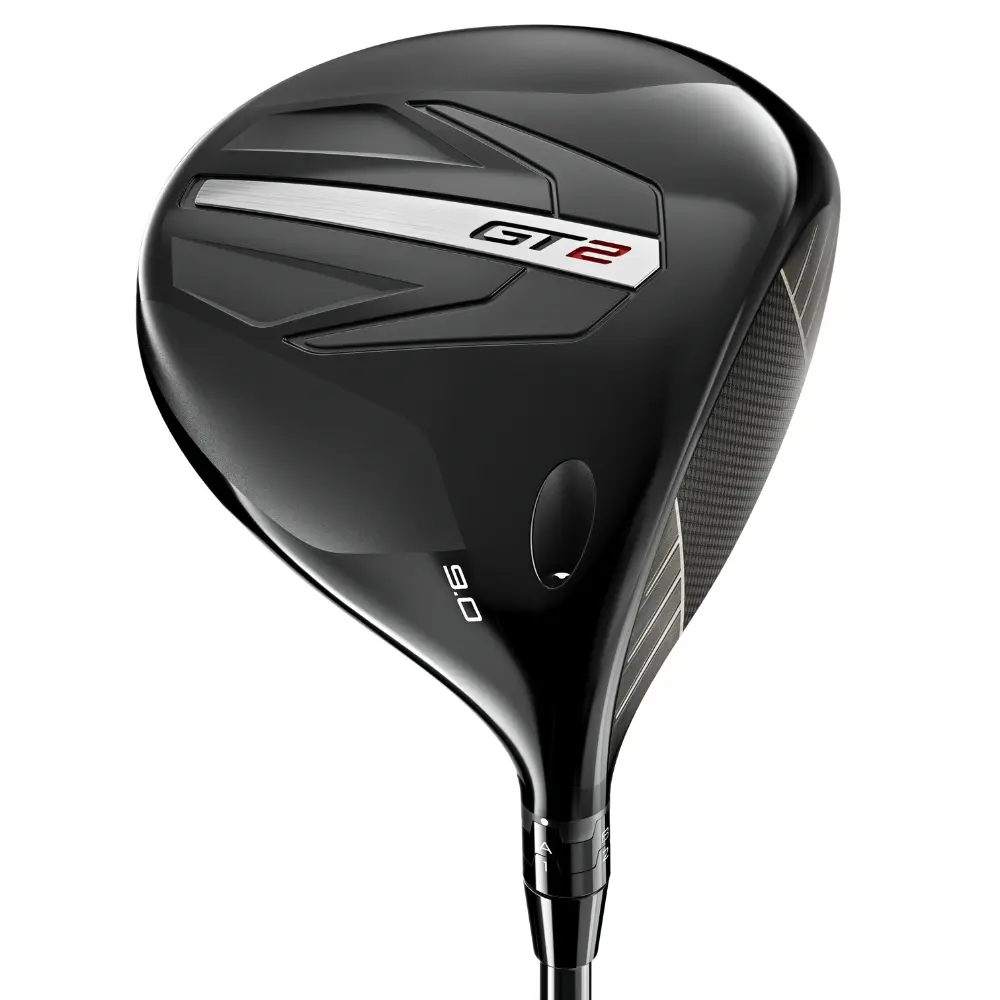
The verdict
Excellent
What's great
- Easy, high launch with real forgiveness
- Premium, solid feel and sound
- Roughly 30% cheaper since the GTS2 arrived
Watch out
- Previous generation — the GTS2 adds CG Track adjustability
- Not the lowest-spin option for fast swingers
Bottom line — A forgiving, pedigreed driver most golfers will love, fitted — and since the GTS2 arrived, around 30% cheaper. Chasing the lowest spin? Look at a 3 head; otherwise this is the value buy of Titleist's range.
Titleist
Titleist GT2 Driver
ifrothgolf earns a commission on purchases made through these links, at no extra cost to you. It never changes what I recommend. Full disclosure.
The Titleist GT2 is the easy-launching, forgiveness-first driver most golfers should be hitting — and the one that dismantles Titleist's scary 'better-player' reputation. It topped MyGolfSpy's full-field test for outright distance and took a Golf Digest Hot List gold, so the numbers back the badge. And the maths has moved in its favour: since the GTS2 replaced it in June 2026, Titleist has cut the GT2 to around $450 — roughly 30% off the launch price — while the new head sells at full price, more than half again as much. It's still not the lowest-spinning head for a fast swinger chasing every yard. But for the broad middle of golfers who get it fitted, it's a brilliant, pedigreed long-term keeper that just became the value buy in Titleist's range.
The successor arrived, and the price fell
The GTS2 landed on 11 June 2026 with a thermoform Split Mass Frame, a reworked Speed Sync face and the first adjustable CG track in a Titleist driver. Titleist's response on the outgoing head was a cut of roughly 30%, to around $450. Our read of the two is in the GTS2 notes: a genuinely good driver, but the year-on-year gain over the GT2 is small and mostly about adjustability, not ball speed. That makes the GT2 the classic buy last year's flagship play — except the discount has already happened rather than being something to wait for. If you were about to spend on a GTS2 without a fitting, buy the GT2 and put the difference into the fitting instead.
The Titleist you didn't think was for you
Titleist drivers carry a 'better-player' aura that scares off the golfers who'd benefit most. The GT2 quietly ends that. It's the high-MOI, higher-launching, forgiveness-first head in the GT line — the easy counterpart to the more compact GT3 — built for the everyday golfer rather than the tour rabbit. A lightweight matrix-polymer crown frees weight low and back for stability, so off-centre strikes hold their line instead of leaking into trouble. Easy launch, stable on mishits, and a satisfying, solid feel that never sounds cheap: the pedigree without the intimidation. Tour usage tells the same story — the GT2 and GT3 split roughly 50/50 in Titleist staffers' bags, so this isn't a watered-down 'amateur' head, it's a genuinely tour-validated one that happens to be forgiving. That distinction matters when you're spending real money: a forgiving head with no tour credibility can feel like settling, whereas the GT2 lets you buy the easy-to-hit option without giving up the badge the better players in your group respect.
What the tour bags say about that aura
We can put a number on this rather than leaving it as a vibe. Across the 53 current tour setups we track, 11 carry a Titleist GT-family driver — five on a forgiving 2 head and six on a compact 3. Adam Scott plays the GT2 itself; Justin Thomas, Jordan Spieth, Robert MacIntyre and Dustin Johnson have moved to its direct successor, the GTS2. On the 3 side, Brooks Koepka and J.J. Spaun are still on the GT3 while Cameron Smith, Cameron Young and Tom Kim have gone to the GTS3.
That is the whole point about the aura, in one line: the head Titleist markets as the forgiving one is in as many elite bags as the head everyone assumes the good players use. If a 2 is enough club for Adam Scott's ball-striking, the idea that it is somehow beneath a mid-handicapper is marketing residue rather than an equipment fact. (Our count covers the bags we maintain and re-verify, not every player on tour.)
On the tee
Fitted properly it's a genuinely easy driver to hit well. Reviewers describe a high, powerful flight and dispersion that's tight for a non-specialist head, and it feels premium in a way the spec sheet can't convey — the classic Titleist sound and a strike that's muted and solid rather than hollow. The SureFit hosel gives a fitter sixteen settings, around plus or minus 1.5 degrees of loft and lie, to nudge launch and spin into your window — which, as what actually adds driver distance explains, is where the real yards are for amateurs. The lofts run from 8 to 11 degrees, so most players are choosing somewhere in the 9-to-10.5 range and then letting the hosel do the fine work in the bay.
What the test numbers actually say
Here's the part that surprises people, because it cuts against the forgiving-head stereotype: the GT2 didn't just hold its own on distance, it topped MyGolfSpy's full-field test for outright carry, and backed it with a Golf Digest Hot List gold. That's a forgiveness-first head out-driving the field, which sounds like a contradiction until you remember why — a high-MOI head that holds ball speed across the face delivers more good strikes per fifteen swings than a hot-but-fussy tour head, and average carry over a real session is what those tests measure. The lesson for a buyer is the one we keep coming back to: forgiveness and distance aren't opposites for an amateur, they're the same thing measured over a round rather than a single launch-monitor hero ball. The GT2 wins because it turns your mediocre strikes into playable ones, not because it has a magic face.
Who should buy — and who should skip
Buy it if you're in the broad middle — roughly a 7-to-20 handicap, moderate-to-good speed, and you value a forgiving, premium head you'll keep for years over chasing the last two yards. Skip it if you're a fast swinger chasing the absolute lowest spin and most workable flight; you want a more compact, lower-spin head like the Callaway Quantum Triple Diamond, because the GT2 leans forgiving and will spin up a little more for you. And anyone whose current driver is recent and well-fitted should hold fire — the case against the annual upgrade applies here as much as anywhere. The timing note has flipped since we first published: the GTS range is out, the GT2 is officially the previous generation, and the discount we told you to wait for has arrived. A superseded head loses nothing on the tee the day its successor ships, so this is now the easiest recommendation in the review.
Fitting and value
Like every driver, it's pointless bought blind — get the loft and especially the shaft flex right, because the wrong shaft undoes a great head and most amateurs default a flex too stiff for their actual speed, robbing themselves of launch and feel. Confirm the numbers on a launch monitor rather than trusting the stock setting, and use the SureFit hosel's range to dial the lie as well as the loft. On value, the picture is simple now: at around $450 after the cut, the GT2 is a tour-validated, test-topping head at a mid-market price, and the money you save against a GTS2 pays for the fitting that matters more than either badge. Fitted, the GT2 is right up there with the PING G440 Max for the forgiveness-first golfer; the G440 Max edges it on outright price and is a touch more dispersion-tight, the GT2 wins on feel, sound and tour pedigree, and honestly the choice between them comes down to which you prefer looking down at and which one your fitter gets better numbers from on the day. Demo both in the same session if you can — they're close enough that a head-to-head in the bay is the only way to separate them. Compare the full field in our best drivers guide.
Where to buy
8.9/10This model is no longer the current model. The current version is Titleist GTS2 Driver. Remaining stock is often discounted, so this can still be the better buy — check both prices.
ifrothgolf earns a commission on purchases made through these links, at no extra cost to you. It never changes what I recommend. Full disclosure.
Frequently asked
- Do tour players use the Titleist GT2?
- Yes, and more than the GT2's forgiving reputation suggests. Of the 53 current tour bags we track, 11 carry a Titleist GT-family driver: five on a forgiving 2 head and six on a compact 3. Adam Scott plays the GT2 itself, with Justin Thomas, Jordan Spieth, Robert MacIntyre and Dustin Johnson on its successor the GTS2.
- Is the Titleist GT2 a good driver for mid-handicappers?
- Yes — it's the forgiving, easy-launching head in Titleist's range, built for the broad middle of golfers, not just better players. Get it fitted and it's one of the easiest premium drivers to hit.
- GT2 vs PING G440 Max?
- Both are forgiveness-first drivers most golfers will love. The choice comes down to feel, looks and fit rather than performance — demo both in the same fitting if you can.
- Is the GT2 still worth buying now the GTS2 is out?
- Yes — arguably more so. The GTS2 adds a new frame, face and an adjustable CG track, but the year-on-year gain is small, and Titleist cut the GT2 by roughly 30% when the GTS2 launched in June 2026. Unless you specifically want the CG Track adjustability, the GT2 plus a proper fitting is the better spend.
- GT2 or GT3?
- The GT2 is the higher-launching, more forgiving head; the GT3 is more compact, lower-spinning and a touch more workable. Most amateurs are better served by the GT2's forgiveness, while faster, more consistent players who want to flatten flight lean to the GT3. A fitting decides it.
Read next
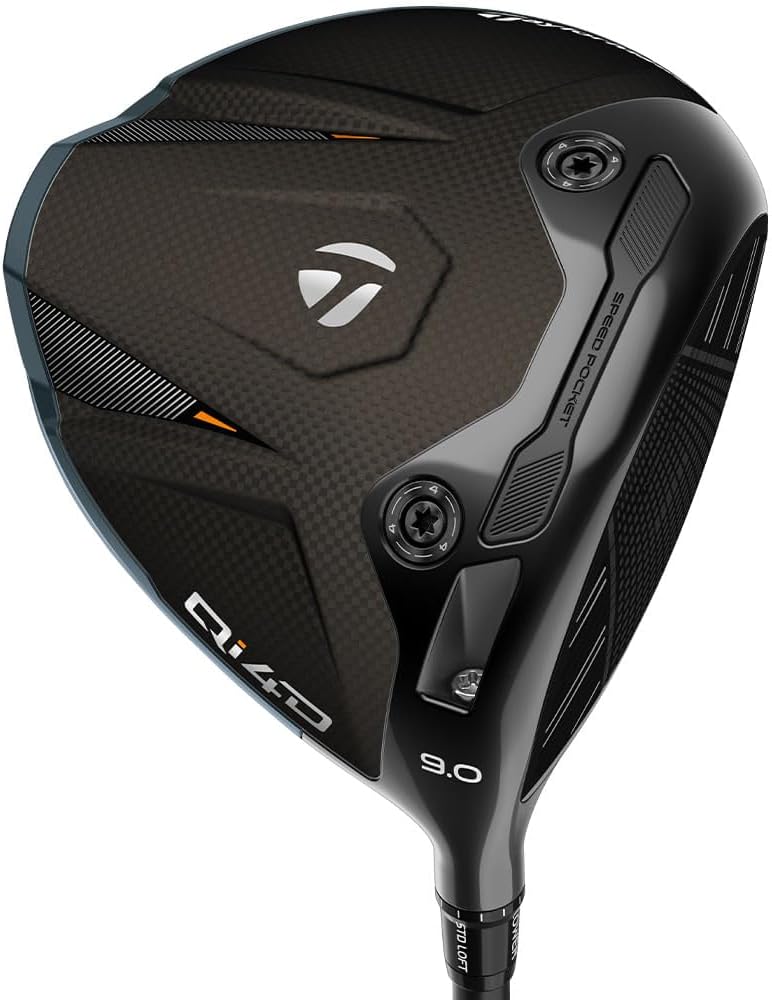
Versus
TaylorMade Qi4D vs PING G440 Max: the 2026 driver decision most golfers get backwards
Two of the year's biggest drivers, cross-shopped in every fitting bay — and most players walk in chasing the wrong thing. One wins the robot test outright; the other quietly saves more rounds. Here's which head actually belongs in your bag, and why the answer probably isn't the one you'd guess.
Opinion
What the 'longest driver of 2026' number won't tell you
Every year a chart crowns one driver the longest, and every year thousands of golfers buy the wrong club because of it.
Opinion
The most overrated gear in golf (and what to buy instead)
Golf is spectacularly good at selling you the wrong thing. Here's where the money quietly leaks out of your bag — and the unglamorous stuff that actually drops shots.