
You don't need a new driver. You need a fitting.
Every January the longest driver ever arrives, again. The gains are tiny, the real yards are in a fitting bay, and the industry itself has started admitting it.
By Ben Marsden · Reviews Editor
 Opinion
The longest driver ever goes on sale every January. It has now been the longest driver ever for about fifteen consecutive years, which is a remarkable run for a category the governing bodies' own data says has barely moved.
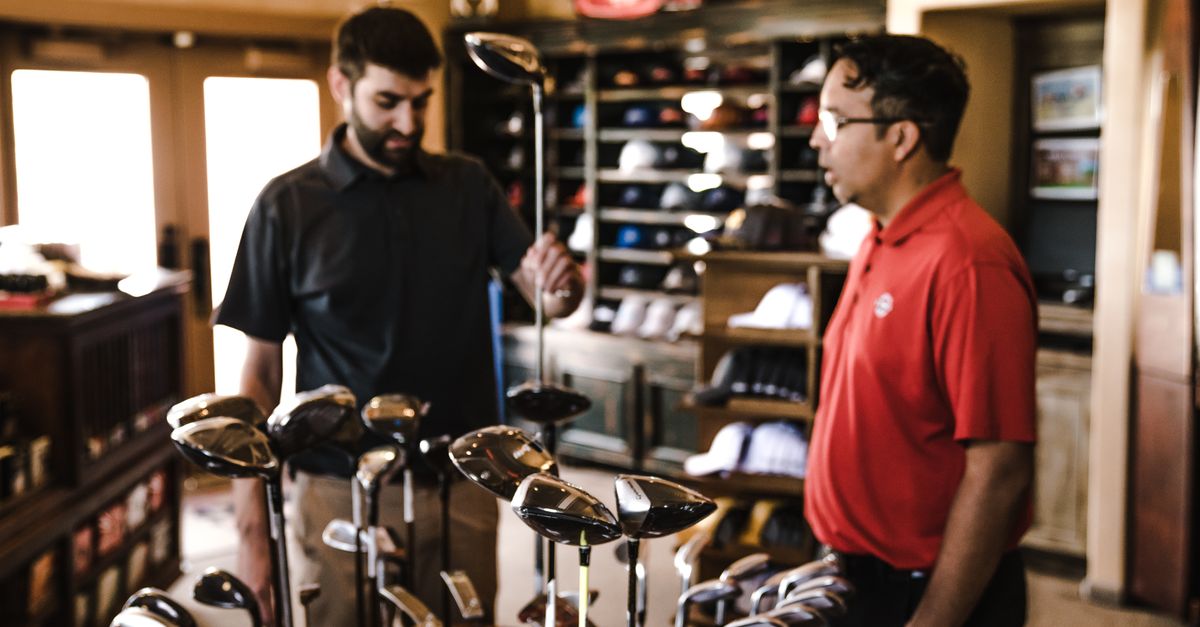
The driver you bought two or three years ago is almost certainly fine. The same money spent on a fitting will find more yards than this year's badge ever will. Fit first, buy second, and a lot of golfers who do it in that order discover they never needed the new club at all.
Longest ever, every single year
The claim is annual, statistically impossible, and somehow always technically true. The reality is that year-on-year gains sit inside a rounding error. USGA and R&A distance data shows average driving distance on the major tours has barely moved since 2018. The players with the best equipment, the best fitters and the best athletes on earth are not getting meaningfully longer year to year, so the idea that a club golfer will is fantasy. Even TaylorMade has admitted it, moving to a two-year cycle and skipping a 2027 driver entirely. When the manufacturer with the most to gain from annual upgrades stops pretending there is annual magic, you are allowed to stop too.
Where the yards actually are
In the fit. The same head with the wrong shaft, loft or weighting can cost you 15 yards and a fairway, which is far more than the gap between this year's flagship and last year's, typically a yard or two and well inside the noise of your own strike. A proper fitting matches head, loft, shaft, lie and settings to your actual delivery. Think of it in pounds per yard. A flagship upgrade might buy you two yards for several hundred pounds. A fitting on the club already in your bag routinely finds ten to fifteen for a fraction of that, which is also why a fitting beats a new badge even when you do decide to buy.
Why the new one feels longer when it is not
There is a psychological trap here worth naming, because it is the engine that sells flagships. A new driver almost always feels longer the first time you hit it, and golfers take the feeling as proof. The feeling is mostly three things that have nothing to do with the head.
Novelty and confidence: you swing a shiny new club more freely, and a committed swing genuinely is longer. That is you, not the driver, and it wears off in a fortnight. Regression to your good ones: you bought it because you hit a few beauties in the shop, which is exactly when you were hitting it well anyway. And the big one, fitting: the new club is usually better matched to you than your beaten-up gamer with the stock shaft you never changed, so you are feeling the fit and crediting the badge.
Strip those three out with a launch monitor and the difference between the heads shrinks to almost nothing. That is not cynicism, it is why measuring matters, and it is why the same fitting on your current driver would have delivered most of the gain for a fraction of the money.
When you genuinely do need one
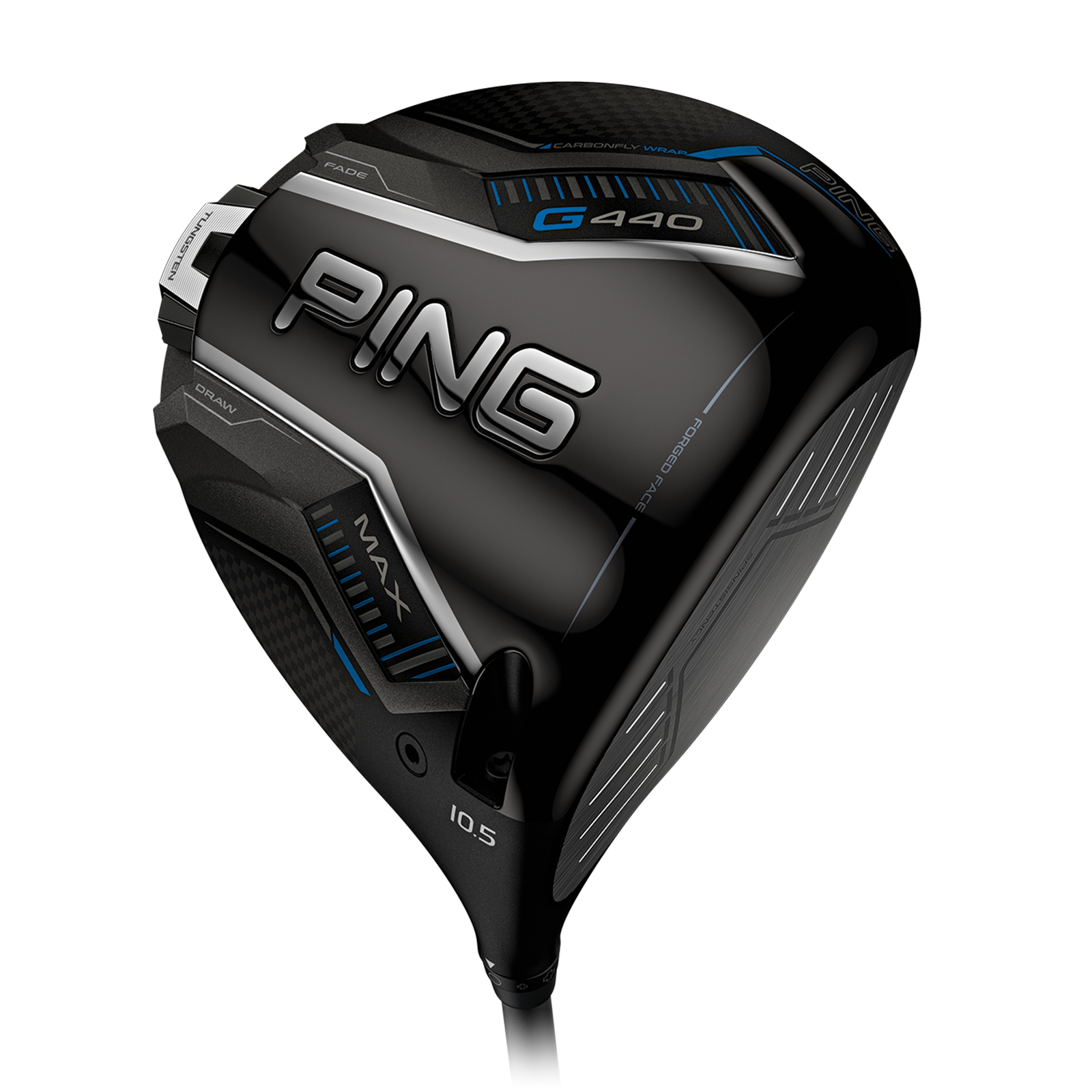
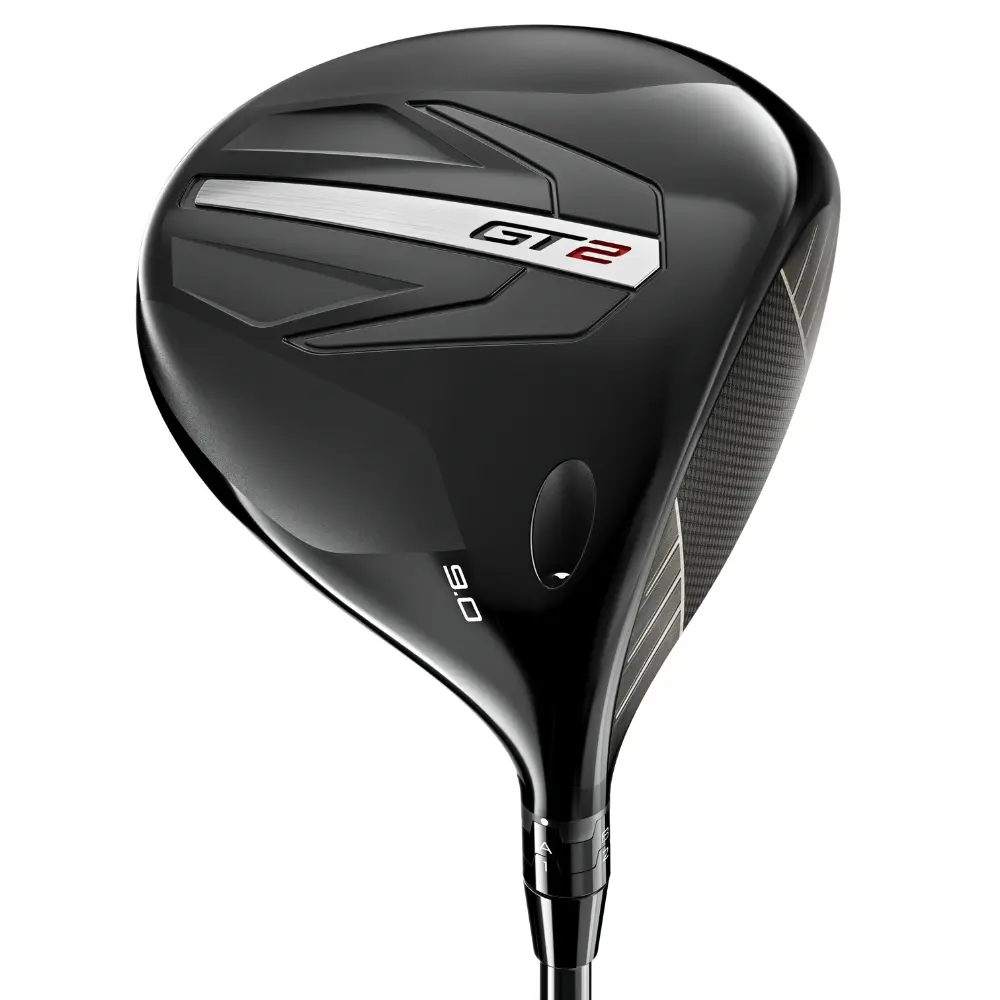
There are real cases and I am not going to pretend otherwise. If your gamer is a decade old, the materials and adjustability have genuinely moved on, and a modern high-MOI head will be more forgiving, full stop. If your swing has changed substantially, gained or lost real speed, or grooved a new shape, the old fit may not suit you any more. And if a fitting proves a newer head measurably outperforms what you own on a launch monitor, that is evidence rather than marketing, so buy it. The rule is simple. Upgrade on data, not on the calendar. When you do, a PING G440 Max for forgiveness or a Titleist GT2 for forgiving distance, fitted properly, beats a panic-bought flagship you guessed at. The field is in our best drivers guide.
Before any of that, get your own numbers
The cheapest and highest-leverage move comes before either the fitting or the purchase. Measure your own game. A cheap launch monitor tells you whether you have a distance problem or a dispersion problem, and those two need opposite solutions. If you are losing strokes to spraying it, no driver on the shelf fixes that. If you genuinely lack carry, the numbers tell you whether it is a speed issue, a strike issue or a launch-and-spin issue.
Here is the uncomfortable bit. The golfer convinced he needs more distance is usually losing far more shots to where the ball goes than to how far it goes, and a couple of honest sessions with a monitor make that impossible to keep ignoring. Most golfers who look squarely at their own numbers find the answer was never a new driver at all. It was a fitting they had been putting off, a shaft that never suited them, or a strike pattern they had been quietly avoiding for years. Diagnose first. The new club will still be on the shelf when you are done, and there is a decent chance you will not want it by then.
Products mentioned in this article
PING
PING G440 Max Driver
Forgiving, fast and fittable — a brilliant 'last driver for years' if the numbers fit you.
Titleist
Titleist GT2 Driver
The higher-launch, high-forgiveness Titleist — book the fitting before the colourway sells you. Superseded by the Titleist GTS2 in June 2026, so the head is unchanged and the price is now a clearance one.
This model is no longer the current model. The current version is Titleist GTS2 Driver. Remaining stock is often discounted, so this can still be the better buy — check both prices.
ifrothgolf earns a commission on purchases made through these links, at no extra cost to you. It never changes what I recommend. Full disclosure.
Frequently asked
- Is it worth buying a new driver every year?
- No. Year-on-year gains are within a rounding error — TaylorMade itself moved to a two-year cycle. A fitting on your current driver, or last year's model fitted, beats chasing the annual flagship.
- Will a fitting really add more distance than a new driver?
- Usually, yes. The right shaft, loft and settings on the head you have can find 15 yards and tighter dispersion — more than the marginal tech difference between this year's flagship and last year's.
- When should I actually buy a new driver?
- When your current one is many years old, when your swing has changed substantially, or when a fitting proves a newer head genuinely suits your delivery on a launch monitor. Upgrade on data, not the calendar — then buy a current model and get it dialled in rather than guessing off the rack.
- How much does a driver fitting cost compared to a new driver?
- A fitting is typically a small fraction of a new flagship's price, and it's often credited against a purchase if you buy through the fitter. Measured in pounds per yard gained it's far better value — a fitting routinely finds ten to fifteen yards, where the jump between this year's and last year's flagship is usually within the noise of your own strike.
Read next
Versus
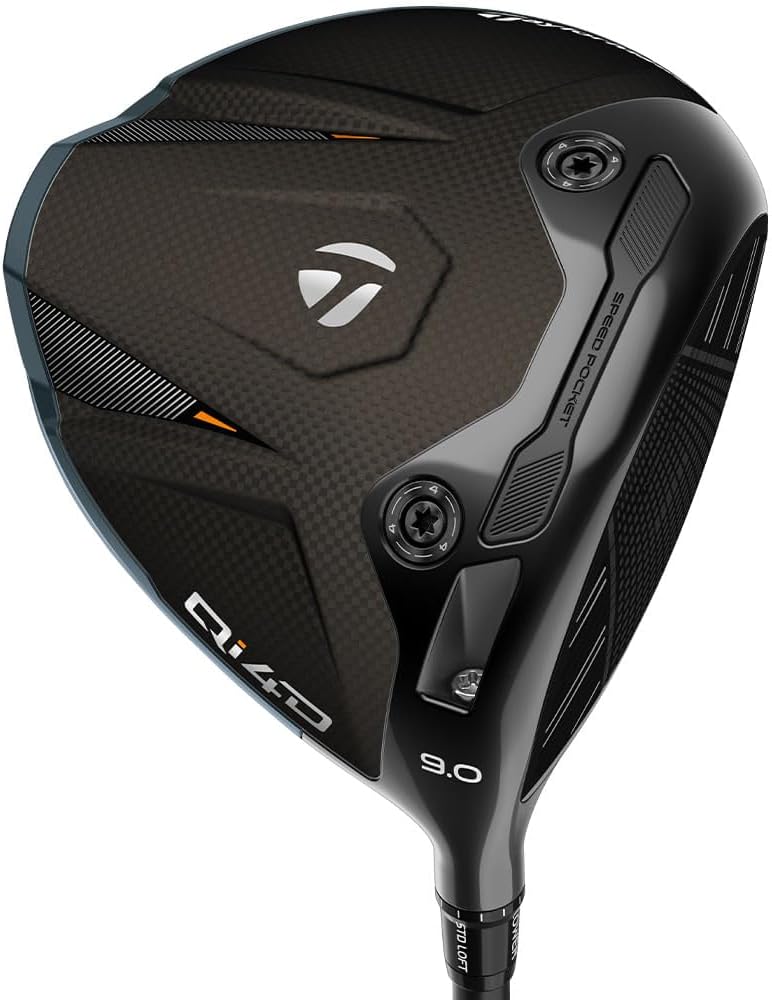
TaylorMade Qi4D vs PING G440 Max: the 2026 driver decision most golfers get backwards
Two of the year's biggest drivers, cross-shopped in every fitting bay — and most players walk in chasing the wrong thing. One wins the robot test outright; the other quietly saves more rounds. Here's which head actually belongs in your bag, and why the answer probably isn't the one you'd guess.
Opinion
What the 'longest driver of 2026' number won't tell you
Every year a chart crowns one driver the longest, and every year thousands of golfers buy the wrong club because of it.
Opinion
The most overrated gear in golf (and what to buy instead)
Golf is spectacularly good at selling you the wrong thing. Here's where the money quietly leaks out of your bag — and the unglamorous stuff that actually drops shots.