
Buy last year's driver — it's the smartest club purchase in golf
The new flagship is a few yards and a big premium away from the one it replaced. Let someone else pay for the newness.
By Dan Mercer · Editor
 Opinion
Buy last year's flagship driver, not this year's. The newest model is a few yards — mostly within fitting noise — and a big premium apart from the one it replaced, and the price gap that opens the day the new one lands is the smartest discount in golf. Spend the savings on a fitting, which actually buys yards. Let the early adopters fund the R&D and eat the depreciation; you take the same head a season later for meaningfully less, fit it to your swing, and end up longer and richer than the golfer who paid full price for the badge.
The gains are tiny; the discount is huge
Every January the longest driver ever made arrives, and every January it is a rounding error better than the one it replaced. The gains between annual flagships are small and largely within fitting noise — the kind of difference your own strike variation swamps from one swing to the next. The USGA and R&A distance data backs this up: even tour pros, with the best gear and fitters alive, have seen average driving distance flatten since 2018. But the price drop on last year's model when the successor lands is enormous — flagship drivers routinely shed a third or more of their launch price within a year. You're being asked to pay a steep premium almost entirely for newness, and newness depreciates faster than performance does. That's the whole inefficiency the smart buyer exploits.
Driver tech moves in years, not seasons
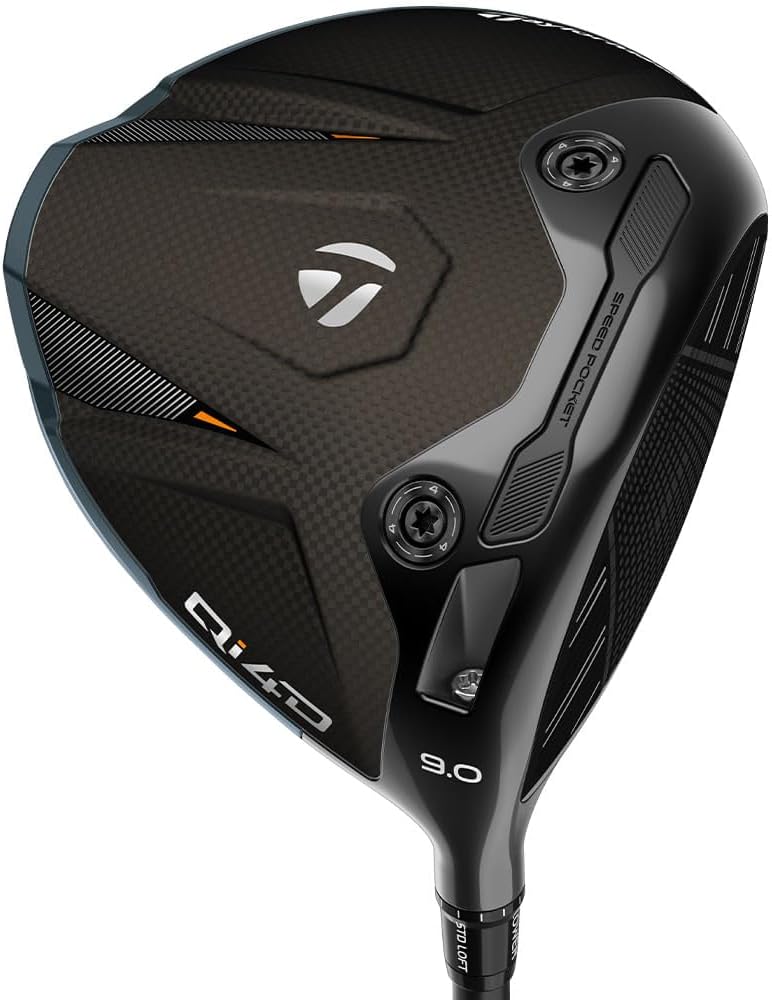
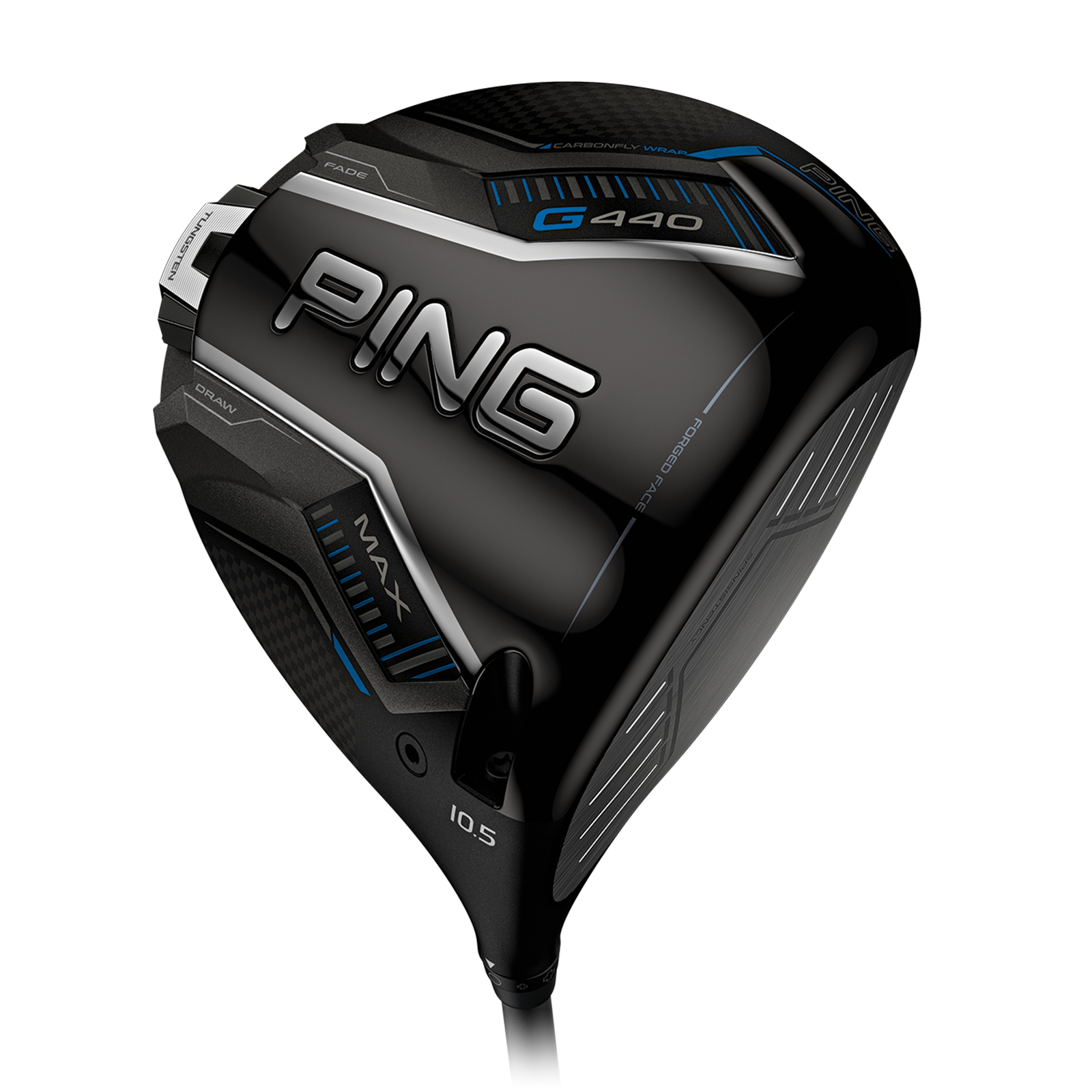
The PING G440 Max we rate so highly doesn't get worse the day its successor ships — it gets cheaper, and it's the same Hot List-winning, dispersion-tightening head it was the day before. The carbon faces, high-MOI shaping and adjustable weighting that define a modern driver evolve across multi-year platforms, not annual paint jobs. TaylorMade has all but admitted it by moving to a two-year cycle and skipping a 2027 driver outright — a manufacturer doesn't do that if it has a year's worth of real gains in the pipeline. The honest read is that 'last year's flagship' is, technologically, this year's performance with a different sticker. The only catch worth flagging: a two-year-cycle club like the Qi4D won't discount as fast precisely because there's no imminent successor, so the deepest savings live on the brands still releasing annually.
The one real catch — and how to handle it
Buying a season late isn't friction-free, and pretending otherwise would be the same dishonesty we're calling out in the marketing. The genuine trade-off is shaft and configuration choice: when a driver is current, every loft, flex and stock-shaft option is on the shelf, but a year on, the discounted stock thins out and the exact 9-degree-with-a-stiff-mid-launch-shaft you want may simply be gone in your hand. The fix is to treat the fitting as the buying decision, not an afterthought. Go to a fitter, find the head and spec that genuinely suit you, and then hunt that specific configuration in last year's stock — or buy the discounted head and have your fitted shaft installed, which is often cheaper than the premium of going current anyway. What you should not do is grab whatever clearance club is left in a random spec just because it's cheap; a discounted driver in the wrong setup is a worse buy than a fitted current one. The play is discount plus fit, in that order, not discount instead of fit.
What actually buys yards
Not the model year — a fitting. As we argued in you don't need a new driver, the same head dialled to your launch and spin beats a brand-new one off the rack every time. The shaft, loft and lie matched to your delivery do far more than the badge, as what actually adds driver distance lays out in full. Run the pounds-per-yard math: spend the full flagship premium and you might buy a yard or two over last year's model; spend a fraction of that saving on a proper fitting of the discounted head and you typically find ten to fifteen. The buy-last-year's-driver play and the get-fitted play aren't rivals — they're the same strategy. The discount is what frees up the budget to fit the club properly, which is the part that actually lowers your scores.
How to play it
Time it to the launch calendar: the steepest drops on the outgoing flagship hit the moment its replacement is announced, usually in the new year, so that's your window. Watch the brands' release patterns — most still run annual driver cycles, which means a fresh crop of last-season flagships goes on sale every January as the new models ship, and that's when a Titleist GT2 or a Callaway tour head from the prior wave is suddenly hundreds of pounds cheaper for performance that hasn't changed. Buy the discounted head, book the fitting with the saving, and put whatever's left toward green fees — you'll out-drive the golfer who paid full retail and guessed at his shaft. The one exception is genuine obsolescence: if your current driver is a decade old, the jump to any modern head is real and worth making, but even then you buy last year's modern head, not this year's. Our best drivers guide flags the models worth hunting down a season late. The value is hiding in plain sight every January — you just have to be willing to not have the newest thing, which is a small price for the longest, cheapest drive of your life.
Products mentioned in this article
ifrothgolf earns a commission on purchases made through these links, at no extra cost to you. It never changes what I recommend. Full disclosure.
Frequently asked
- Is last year's driver as good as the new model?
- Effectively yes — year-on-year gains between flagship drivers are tiny and largely within fitting noise. Driver technology moves in multi-year cycles, so last season's head delivers virtually the same performance for far less money.
- When is the best time to buy a discounted driver?
- The moment the new flagship launches — usually in the new year. That's when the outgoing model's price drops most sharply, while its real-world performance is barely changed.
- Should I spend the savings on a fitting?
- Yes. A fitting that dials in your loft, shaft and lie buys more usable yards than upgrading to the newest model off the rack — typically ten to fifteen versus the yard or two the new badge adds. Buy the older driver and put the difference toward getting it fit to your swing.
- Are there drivers I shouldn't wait to discount?
- Two-year-cycle models like the TaylorMade Qi4D discount more slowly, because there's no imminent successor to trigger the price drop. The deepest savings sit on brands still releasing annually. And if your current driver is genuinely a decade old, the jump to any modern head is worth making sooner rather than later — just buy last year's modern head, not this year's.
Read next
Versus
TaylorMade Qi4D vs PING G440 Max: the 2026 driver decision most golfers get backwards
Two of the year's biggest drivers, cross-shopped in every fitting bay — and most players walk in chasing the wrong thing. One wins the robot test outright; the other quietly saves more rounds. Here's which head actually belongs in your bag, and why the answer probably isn't the one you'd guess.
Opinion
What the 'longest driver of 2026' number won't tell you
Every year a chart crowns one driver the longest, and every year thousands of golfers buy the wrong club because of it.
Opinion
The most overrated gear in golf (and what to buy instead)
Golf is spectacularly good at selling you the wrong thing. Here's where the money quietly leaks out of your bag — and the unglamorous stuff that actually drops shots.