
What the 'longest driver of 2026' number won't tell you
Every year a chart crowns one driver the longest, and every year thousands of golfers buy the wrong club because of it.
By Dan Mercer · Editor
 Opinion
The single "longest driver of 2026" number is the most over-weighted statistic in golf, and you should almost ignore it. The Callaway Quantum topped both distance and purchase-intent in independent testing this year, and it is a superb driver, but the average yardage that won it that crown is not the yardage you will hit, and it is not the thing that will lower your scores.
Here is the uncomfortable truth about the driver category: the gap between the longest and shortest premium heads in any given year is small, often a handful of yards, and that gap is measured by a robot or an elite tester swinging perfectly every time. You are not a robot. The number that wins the headline was produced under conditions you will never replicate on the first tee with your heart rate up.
There is a deeper problem with the headline number, too: it answers a question almost nobody is actually asking. The interesting question is not which driver is longest in the abstract, but which driver is longest for you, struck the way you strike it, on the misses you actually make. Those are completely different questions, and a single league-table figure cannot tell them apart. A chart can rank averages; it cannot rank fit. So before you let one number do your shopping, it is worth understanding the handful of forces, smash factor, launch and spin, dispersion, that quietly decide your real distance, because every one of them is invisible in the figure that wins the magazine cover each spring.
The number is real, your version of it isn't
When a test crowns a driver longest, it is usually reporting an average carry from a controlled session. The Quantum earning that title in 2026 is legitimate; Callaway built a fast head and golfers responded. But that average smooths over the shots you actually hit on a Saturday: the toe strike on the dogleg, the heel one you held off, the one you came over the top of because the group behind was watching.
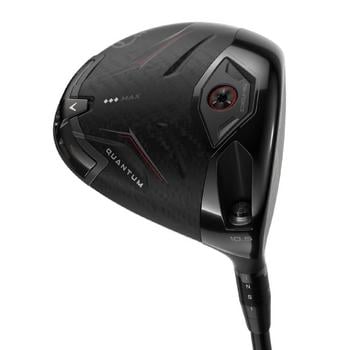
Your real-world driving distance is dragged down far more by mishits than it is lifted by the one perfect strike that matches the test number. So a club that is two yards "shorter" on the chart but holds its ball speed and line on your bad swings will beat the chart-topper across an actual round. The headline measures your ceiling. Scores are decided by your floor.
Dispersion is the stat that actually scores
If you only learn one driver concept, make it dispersion: how tightly your shots cluster left-to-right. A driver that keeps your misses in play is worth more strokes than one that flies five yards further but sprays. This is why a forgiveness benchmark like the PING G440 Max matters so much. Its appeal is not a chart-topping average; it is that the off-centre hits stay closer to the centre, which is where weekend scores are won and lost.
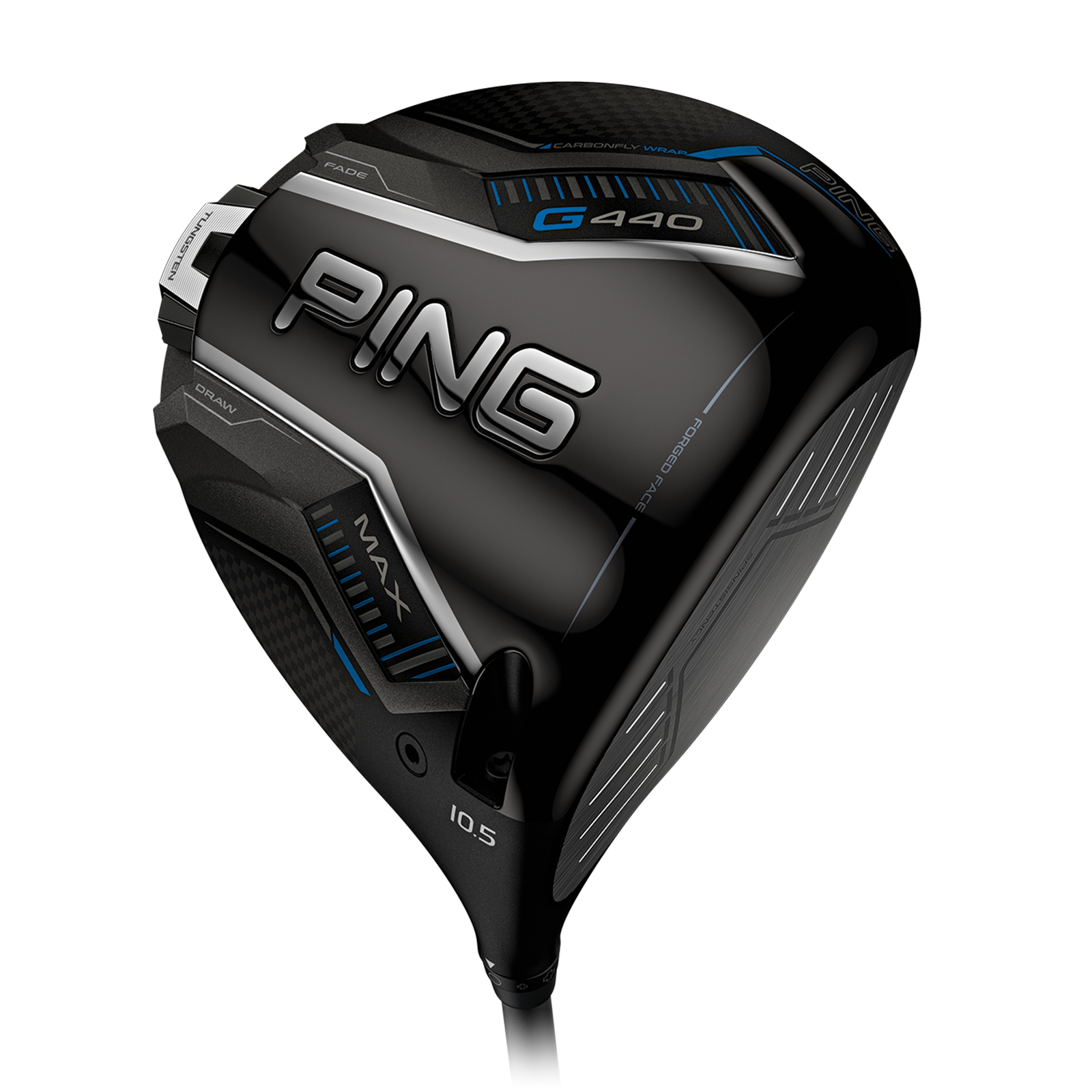
Think about what a wayward drive actually costs: a penalty, a punch-out, a hole quietly ruined. Now compare that to the value of three extra yards of carry. It is not close. The most forgiving driver you can comfortably swing is, for most golfers, also the longest driver in the only test that counts, which is your own scorecard over a season.
Fit and gapping beat the chart
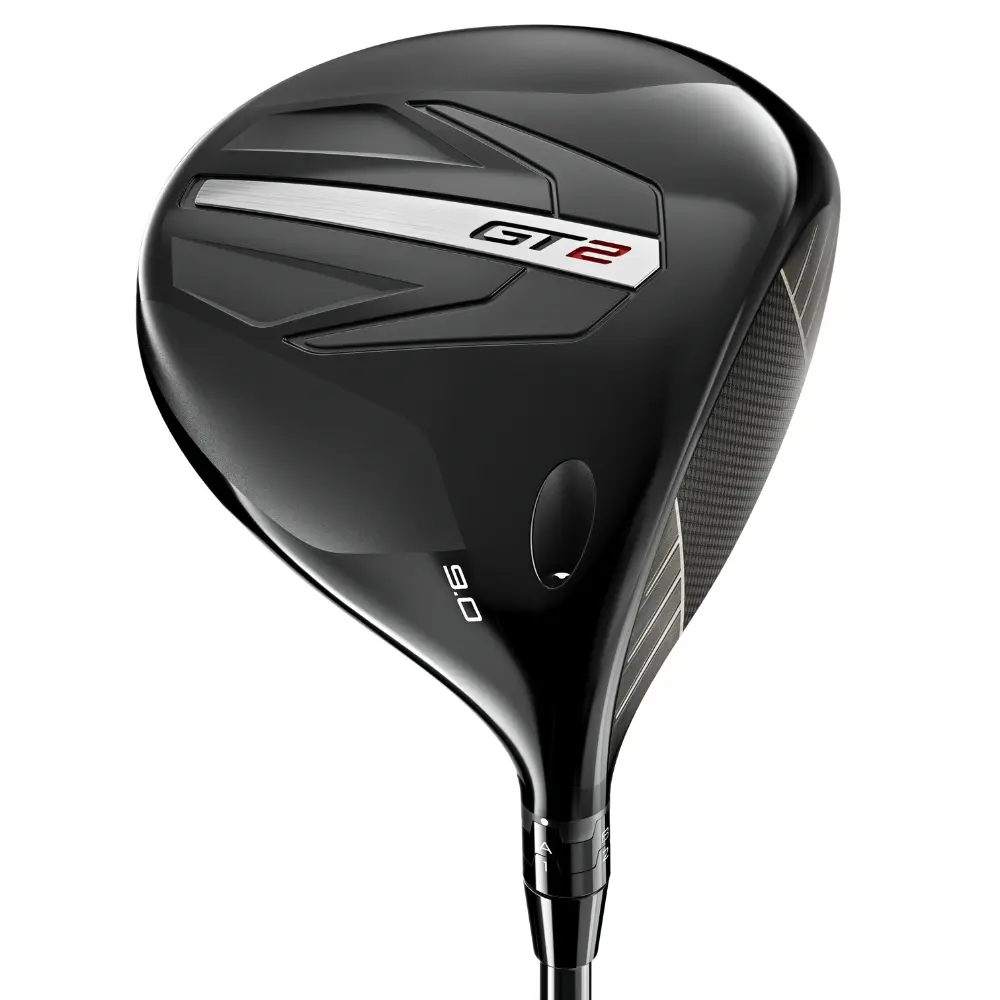
The second thing the longest-driver number hides is fit. Loft, shaft, and how a head matches your delivery change your numbers more than the difference between this year's models. A driver that launches easily for your swing speed will out-carry a "longer" head that you can't get airborne. That is the case for an easy-launch all-rounder like the Titleist GT2: it gets a wide range of swings up and out there without demanding perfect contact, and an easy-launching club you can actually optimise beats a hot one you can't.
There is also the unglamorous matter of gapping. A driver is only doing its job if there is a clean distance gap down to your next club off the tee. Chasing maximum distance can shrink that gap and clutter the top of your bag. The smart buy is the driver that fits your delivery and leaves sensible spacing, not the one with the biggest number in a magazine.
Smash factor and why the centre of the face is everything
Smash factor is the ratio of ball speed to clubhead speed, and it is the single most under-appreciated number in driving. You can swing as fast as the tester who set the record, but if you are catching the ball half an inch out of the centre you are bleeding ball speed on contact, and ball speed is what carries the ball. This is why two golfers with identical swing speeds can be twenty yards apart off the tee: one finds the middle, the other does not. The robot that wins the longest-driver crown effectively prints a perfect smash factor on every swing, which is precisely the thing you cannot guarantee.
The practical takeaway flips the usual buying logic on its head. Chasing the head with the highest peak ball speed is pointless if it has a small, demanding sweet spot, because you will rarely find it. A slightly more forgiving face that holds its ball speed across a wider area will out-carry the hotter head in real use, simply because more of your strikes land near the middle. When you test, do not just look at your best number; look at how far the carry falls off on your off-centre hits. The driver that loses the least on a mishit is usually the one quietly playing longest for you.
Launch, spin and reading test data without fooling yourself
Distance is not just speed; it is speed launched at the right angle with the right spin, and that combination is intensely personal. A golfer who launches low with too much spin is ballooning the ball and stalling it in the air, while another who launches too low with too little spin is knocking it down before it can carry. The longest-driver chart hides all of this because the tester's numbers were optimised for the tester. The same head that delivered a record carry for them can launch poorly for you, and no amount of headline yardage survives a launch window that does not suit your delivery.
So read test data like a sceptic. Treat any single distance figure as a best-case ceiling produced under ideal conditions, and look instead for the shape of the data: the spread of the dispersion, the consistency of launch, how the spin behaves when contact wanders. A responsible test will show you variance, not just a hero average, and variance is where the truth lives. When you get on a monitor yourself, ignore the one screamer that flatters your ego and study the cluster, because your scores are written by the middle of that cluster, never by its longest outlier.
How to actually choose
Read the longest-driver list as entertainment, then ignore it. Go and hit two or three current heads on a monitor, and judge them on three things: how tightly the shots cluster, how easily you launch each one, and how the mishits behave. Those three answers will point you at your driver, and it may well not be the one that won the distance crown.
Worth a note on currency, since this piece names 2026 heads: the Titleist GT2 has since been superseded by the GTS2, which landed in June 2026. The GT2 is still sold and still good; it is simply last year's flagship at a lower price now. The 2026 winners are all genuinely good clubs, which is the real headline nobody runs: at the top end, the differences are small and personal. The Quantum, the G440 Max and the GT2 will each be the best driver for some golfer reading this. The chart can't tell you which one is yours. Only your own dispersion can.
Products mentioned in this article
Callaway
Callaway Quantum Triple Diamond Max Driver
The 2026 'longest' headline-grabber that topped distance and purchase-intent in independent testing, which is exactly why it gets over-bought.
PING
PING G440 Max Driver
The forgiveness benchmark whose off-centre stability saves more real-world scores than a chart-topping average ever will.
Titleist
Titleist GT2 Driver
The easy-launch all-rounder that gets a wide range of swings airborne and in play without demanding perfect contact.
This model is no longer the current model. The current version is Titleist GTS2 Driver. Remaining stock is often discounted, so this can still be the better buy — check both prices.
ifrothgolf earns a commission on purchases made through these links, at no extra cost to you. It never changes what I recommend. Full disclosure.
Frequently asked
- Is the longest driver of 2026 worth buying?
- Only if it also fits your swing and keeps your misses in play. The longest driver in a controlled test is rarely the longest driver across your real, imperfect round.
- Why does dispersion matter more than distance?
- Because wayward drives cost penalties and punch-outs that wipe out far more strokes than a few extra yards of carry can ever add back. Tighter shot clustering wins scorecards.
- Will a forgiving driver cost me distance?
- Usually only a token amount of peak distance, and you gain it back in real terms because your mishits hold their speed and line. For most golfers the forgiving option plays longer over a season.
- How should I actually choose a driver?
- Hit two or three current heads on a launch monitor and judge them on shot dispersion, how easily you launch each one, and how the off-centre strikes behave, rather than on a published distance ranking.
Read next
Versus
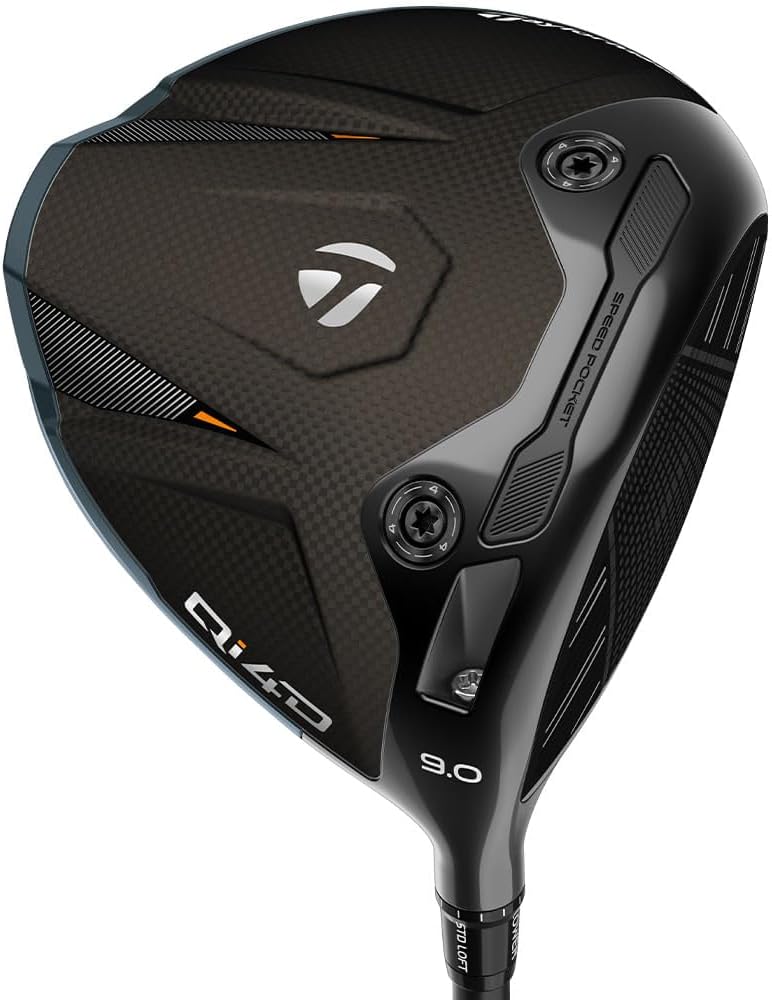
TaylorMade Qi4D vs PING G440 Max: the 2026 driver decision most golfers get backwards
Two of the year's biggest drivers, cross-shopped in every fitting bay — and most players walk in chasing the wrong thing. One wins the robot test outright; the other quietly saves more rounds. Here's which head actually belongs in your bag, and why the answer probably isn't the one you'd guess.
Opinion
The most overrated gear in golf (and what to buy instead)
Golf is spectacularly good at selling you the wrong thing. Here's where the money quietly leaks out of your bag — and the unglamorous stuff that actually drops shots.
Opinion
You don't need a new driver. You need a fitting.
Every January the longest driver ever arrives, again. The gains are tiny, the real yards are in a fitting bay, and the industry itself has started admitting it.