
The most overrated gear in golf (and what to buy instead)
Golf is spectacularly good at selling you the wrong thing. Here's where the money quietly leaks out of your bag — and the unglamorous stuff that actually drops shots.
By Dan Mercer · Editor
 Opinion
Golf is spectacularly good at selling you the wrong thing. The industry has a gift for making the upgrade that helps your scores look boring and the one that doesn't look essential — and most of us fall for it more than once. So here's our blunt list of the most overrated gear in golf: the stuff golfers reliably overspend on, ranked by how badly the marketing outpaces the benefit, with the genuinely worthwhile alternative for each. No score, no hedging, just where we think the money leaks out of your bag.
1. The brand-new driver, every single year
The worst-value habit in golf, and it's not close. The driver is the club with the most marketing budget behind it and the smallest year-on-year gains, because it's already bumping against the legal ceiling for ball speed off the face. The honest data shows new models adding a yard or two at most over the previous generation — a difference you can't feel and certainly can't see on a scorecard. We made the full argument in you don't need a new driver and what actually adds driver distance, and it holds: the calendar is not a performance feature. Buy instead: a forgiving head you keep for years, like the Ping G440 Max (our review here), ideally as last year's model at a fraction of the launch price. Then spend the upgrade money on a fitting, which actually changes your numbers.
2. Premium balls for golfers who can't use them
A Pro V1 is a magnificent ball and a terrible purchase for most of the people buying it. The premium you're paying buys greenside spin off a urethane cover — and that spin only shows up if you have the clubhead speed and clean contact to access it, which most amateurs don't. Worse, the same extra spin exaggerates your slice off the tee. Large robot tests have shown the distance gap between premium and value balls has shrunk to a yard or two, so for the mid-to-high handicapper the premium is a tax on optimism, as we argue in stop buying premium golf balls and do expensive balls make a difference. Buy instead: a low-compression value ball you commit to all season — the Callaway Supersoft is straighter and longer for a slower swing — and pocket the difference. The best value golf balls guide has the field.
3. Slope on your rangefinder (that you legally switch off)
Manufacturers charge a premium for slope-reading — the feature that adjusts a yardage for uphill and downhill. The catch nobody mentions at the till: slope is illegal in competition, so in any round that counts you're legally obliged to switch it off. You're paying extra for a feature you can't use when it matters, and the difference it makes to a casual round is marginal for most golfers anyway. We laid this out in is a slope rangefinder worth it and turn slope off your rangefinder. Buy instead: a solid non-slope rangefinder, or a model where slope toggles off cleanly — and put the saved money toward feedback that's legal everywhere, which brings us to the thing you should actually buy.
4. Gimmick training aids that gather dust
Golf's gadget drawer is where good intentions go to die. The weighted swing-fan, the wrist-locking brace, the laser-line putting contraption — most are bought on a hopeful impulse and abandoned within a month, because they drill a feeling without building a transferable skill. The training tools genuinely worth owning are few and unglamorous; we named the survivors in three training aids worth buying, and the broader truth is that most range practice is wasted because it has no feedback loop. Buy instead: nothing, until you can name the specific fault a tool fixes. Then buy the one boring, proven aid that fixes it — and use it.
5. Spending up the bag before you spend on feedback
The thread running through all of the above is a single misallocation: golfers pour money into the glamorous end of the bag and almost nothing into knowing what their swing actually does. The least sexy purchase in golf — an affordable launch monitor like the Garmin Approach R10 — will lower your scores faster than any new driver, because it tells you your real carry numbers and gives every practice ball a feedback loop. We've made this case repeatedly in a launch monitor beats new clubs, and it remains the single most under-rated buy against a field of over-rated ones. Buy instead of the fourth driver, the premium balls and the gadget drawer: the thing that measures you.
The pattern worth remembering
Notice what every overrated item has in common — it's easy to sell because it promises distance, prestige or a quick fix, and it's easy to over-rate because the benefit is invisible or imaginary. The under-rated stuff is the opposite: fittings, feedback, value balls, last year's club, one proven drill. None of it photographs well. All of it works. The next time golf tries to sell you the exciting thing, ask the boring question — what does the data say this actually changes? — and spend accordingly. More in our drivers hub and best drivers guide.
If you want a single rule to carry into the pro shop, it's this: be deeply suspicious of any upgrade that promises distance, and generous toward any that promises information. Distance is the thing golf has been chasing — and largely failing to deliver — for a decade of incremental driver launches, because the equipment is already near its regulatory limits. Information is the thing that's quietly got cheaper and better, and it's where the actual strokes hide. Reallocate your gear budget from the first column to the second and your scores will thank you long after the new driver smell has worn off.
Products mentioned in this article
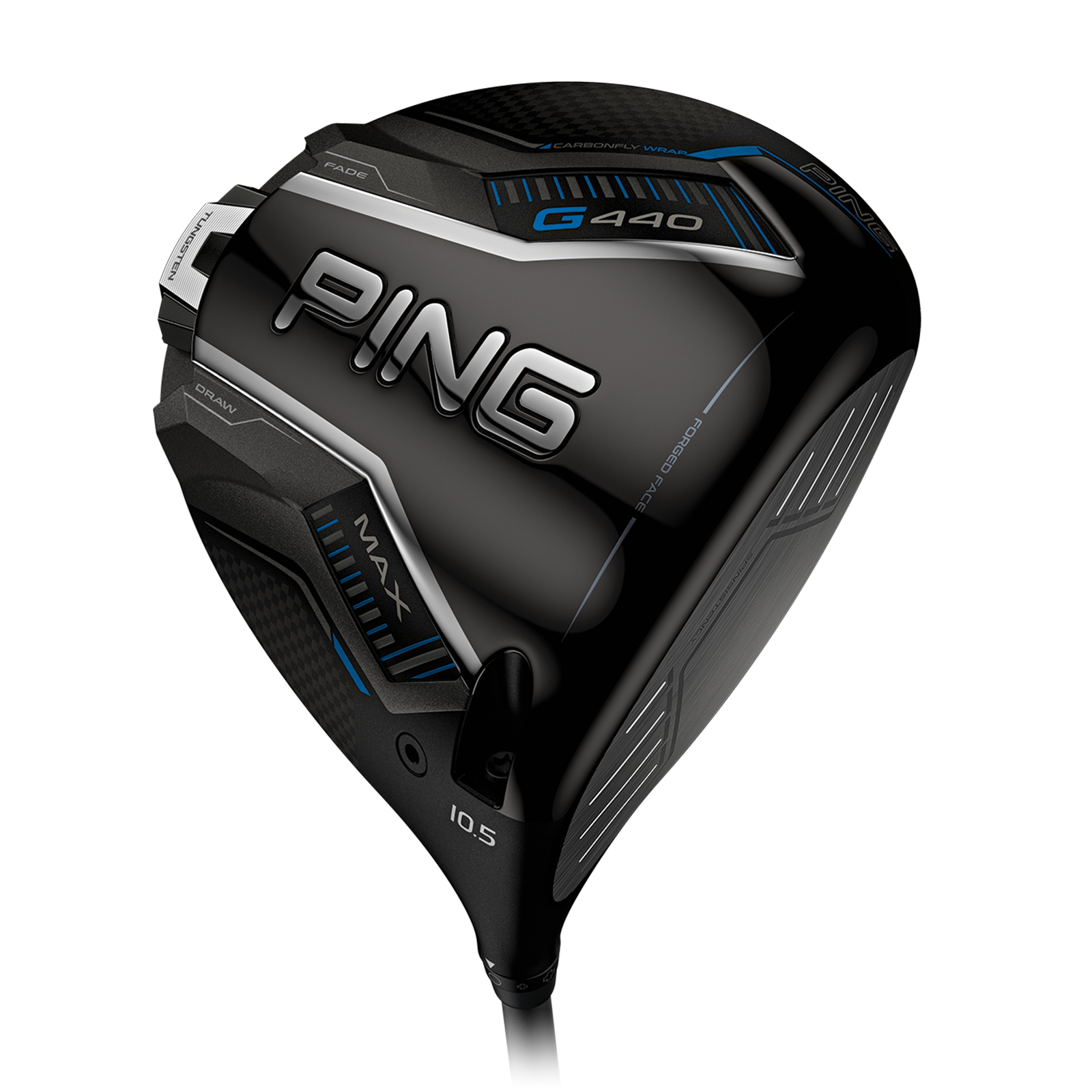
PING
PING G440 Max Driver
Buy a forgiving driver once and keep it — the alternative to the annual upgrade.
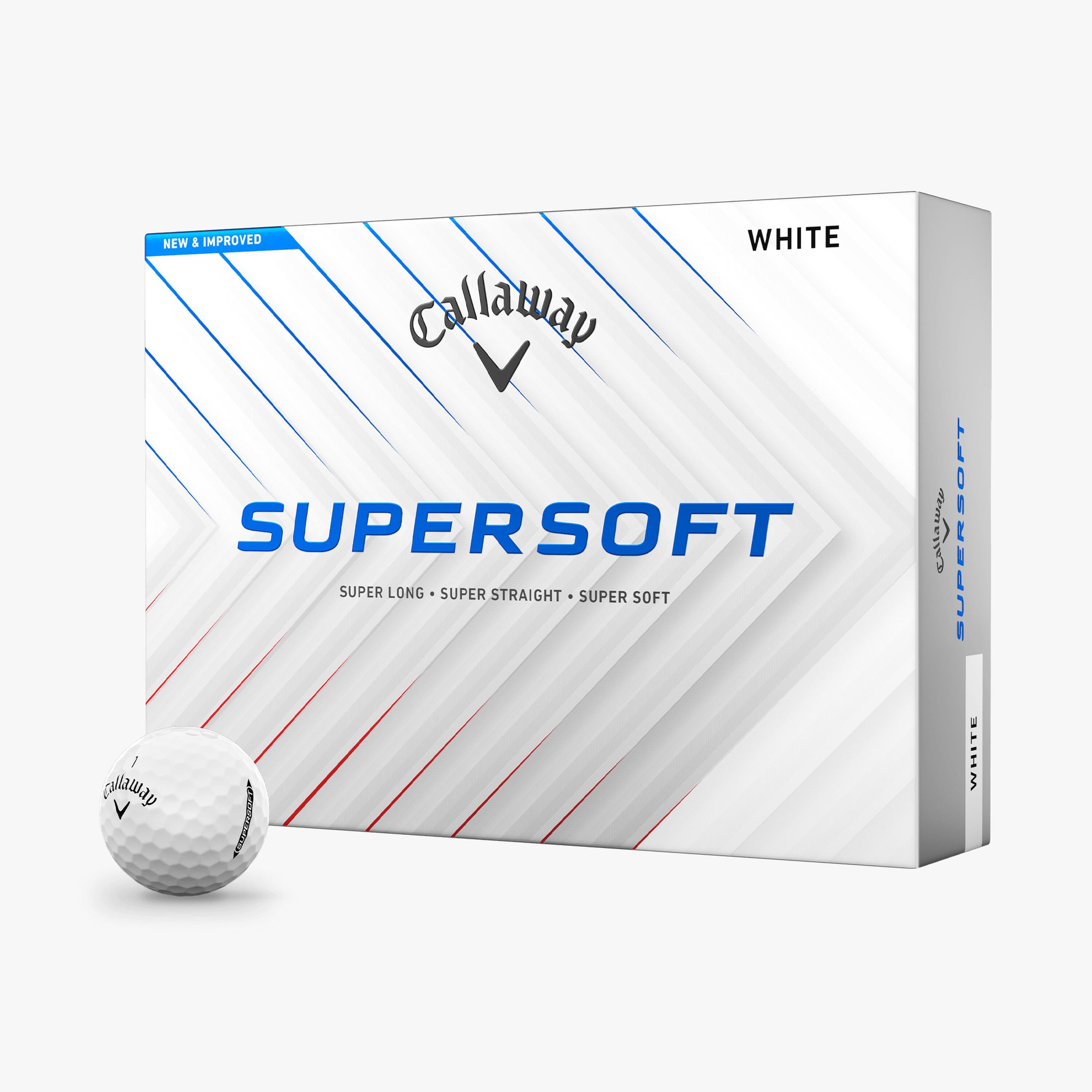
Callaway
Callaway Supersoft Golf Balls (Dozen)
The value ball most golfers should play instead of premium they can't use.
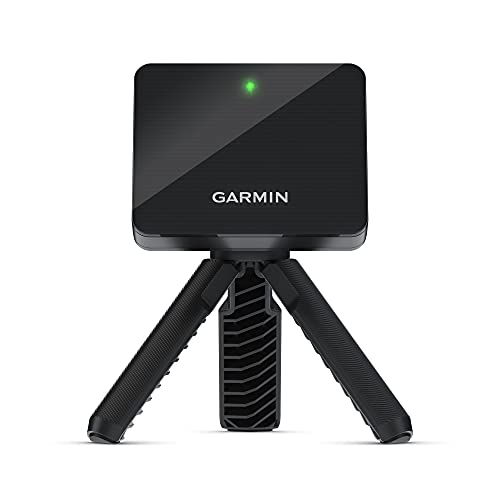
Garmin
Garmin Approach R10 Launch Monitor
The unglamorous purchase that actually lowers scores — feedback, not features.
ifrothgolf earns a commission on purchases made through these links, at no extra cost to you. It never changes what I recommend. Full disclosure.
Frequently asked
- What is the most overrated piece of golf gear?
- The brand-new driver bought every year. It carries the biggest marketing budget and the smallest year-on-year gains — a yard or two at most — because driver face speed is near its legal ceiling. A forgiving head kept for several years, plus a fitting, delivers far more for the money.
- Should high handicappers buy premium golf balls?
- Usually not. The premium pays for greenside spin that needs clubhead speed and clean contact to access, and the same spin worsens a slice off the tee. With the distance gap to value balls now a yard or two, a committed low-compression value ball is the smarter buy for most amateurs.
- Is paying extra for slope on a rangefinder worth it?
- For most golfers, no. Slope is illegal in competition, so you must switch it off in any round that counts, and its impact on a casual round is marginal. A good non-slope rangefinder, or one where slope toggles off, saves money you can spend on feedback that's legal everywhere.
- What's the most underrated golf purchase?
- An affordable launch monitor. It's the least glamorous buy in golf and arguably the most effective, because it tells you your real carry numbers and turns aimless practice into a feedback loop. It lowers scores faster than another new driver for a fraction of many golfers' annual gear spend.
Read next
Versus
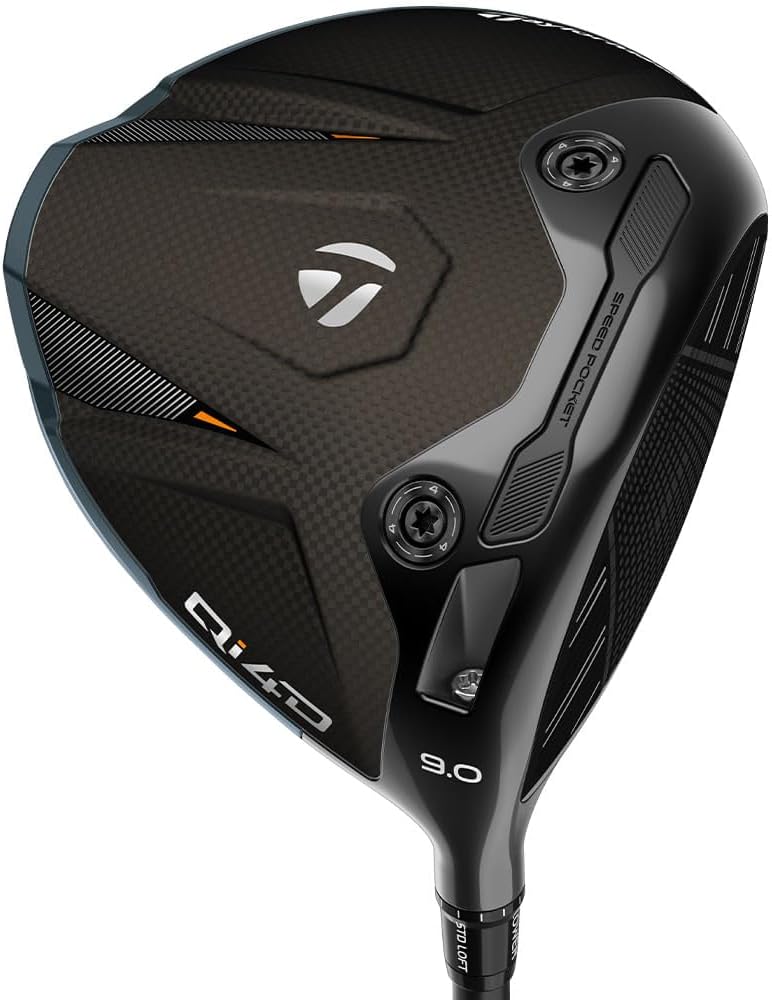
TaylorMade Qi4D vs PING G440 Max: the 2026 driver decision most golfers get backwards
Two of the year's biggest drivers, cross-shopped in every fitting bay — and most players walk in chasing the wrong thing. One wins the robot test outright; the other quietly saves more rounds. Here's which head actually belongs in your bag, and why the answer probably isn't the one you'd guess.
Opinion
What the 'longest driver of 2026' number won't tell you
Every year a chart crowns one driver the longest, and every year thousands of golfers buy the wrong club because of it.
Opinion
You don't need a new driver. You need a fitting.
Every January the longest driver ever arrives, again. The gains are tiny, the real yards are in a fitting bay, and the industry itself has started admitting it.