
A cheap launch monitor will help your game more than any club you buy this year
We'll happily spend $650 on a driver we guessed at, but flinch at $190 of data that would tell us what to actually practise. That's backwards.
By Tom Whitaker · Staff Writer
 Opinion
Buy the data before the driver. The golfer who spends $190 on a personal launch monitor and actually uses it will improve more this season than the one who spends $650 on a new club — not because the gadget is magic, but because it ends the guessing. We'll happily drop $650 on a driver we picked on a hunch, then flinch at $190 of data that would tell us what to actually fix. That's backwards, and it's the most common spending mistake in amateur golf. The new club is a guess wrapped in marketing; the launch monitor is the thing that tells you whether the guess was even right.
You can't fix what you can't measure
Most amateurs have no idea how far they really carry each club. Ask, and the honest answer is usually 10–15 yards optimistic — the '150 club' that actually carries 138. That single blind spot causes more dropped shots than any equipment fault on earth: you under-club approach after approach, come up short of the green, and never understand why, because you're aiming at a yardage you don't actually hit. A launch monitor ends it with hard carry numbers, club by club, and accurate gapping alone is worth real strokes. It's not glamorous and it won't post nicely on Instagram, but knowing your true distances is the single highest-leverage thing most golfers can do for their scores — and no new driver fixes a number you've never measured. Think about how many shots you've left short of a green this season; almost all of them trace back to a yardage you assumed rather than knew.
What the cheap units actually give you
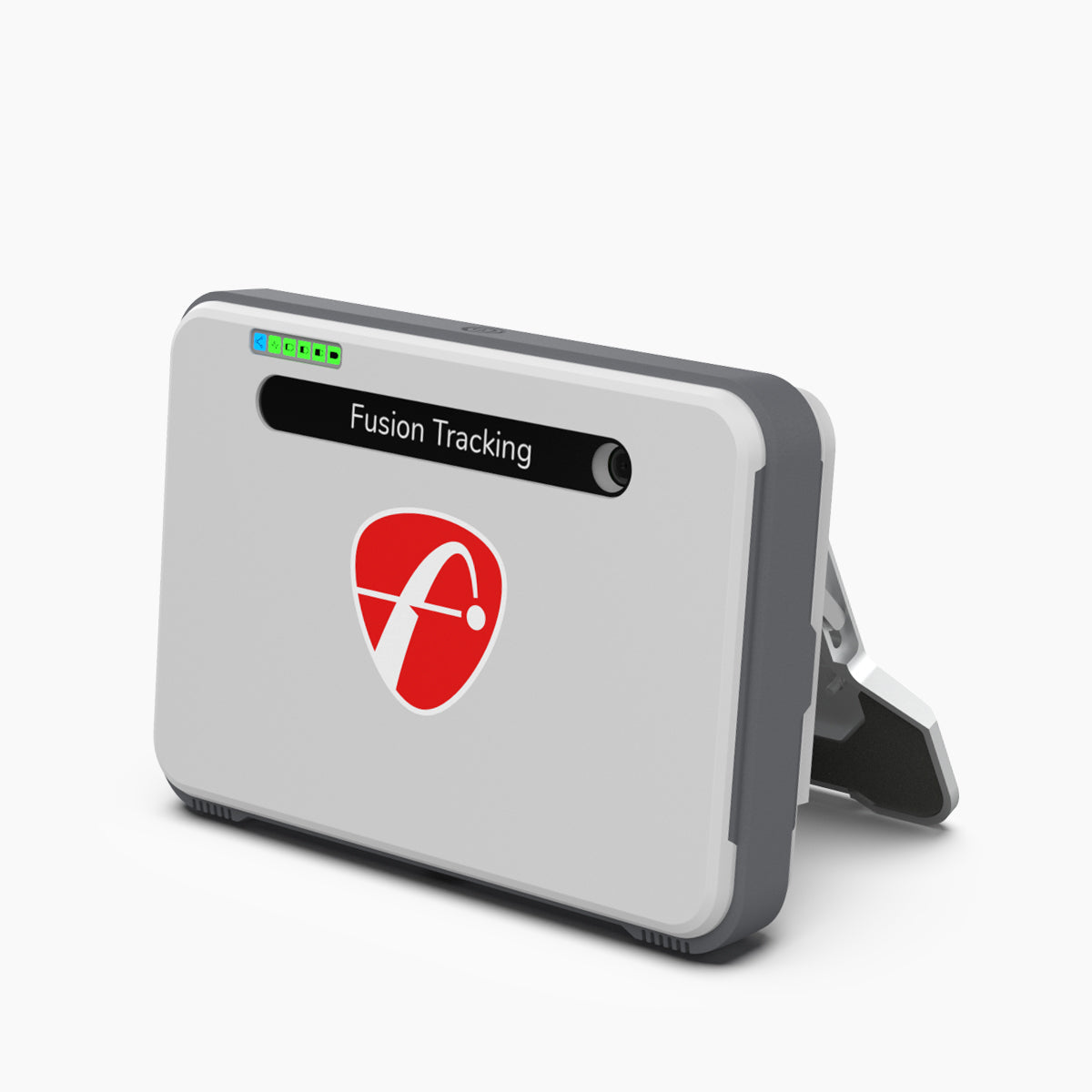
Here's the part that surprises people: the entry units now genuinely deliver. A device like the Shot Scope LM1 gives you carry, ball speed, clubhead speed, smash factor and total distance shot after shot, on the same Doppler-radar principle as the four-figure machines, with a colour screen built in and no subscription ever. That's the data that changes practice. Honest distance gapping (you will be shocked) means you finally know what to hit from 150. Instant ball-speed feedback means you can tell whether a swing change added real speed or just felt faster — the difference between practising productively and practising a comforting lie. The accuracy at this price is honest rather than tour-grade — speeds and full-swing carry track impressively close to premium radar, while spin is calculated rather than measured — but for the job that actually lowers scores, that's exactly enough. And there's a quieter benefit nobody markets: a number on a screen ends arguments with yourself. The voice that says 'I usually carry it 165' goes quiet when the unit says 150 ten times in a row, and that honesty is what redirects your practice toward the things that are actually costing you shots rather than the ones you'd prefer to believe.
You don't need to spend much to get most of the benefit
The improver's instinct is to assume the useful version is expensive. It isn't. The bulk of the score-lowering value — knowing your carries and your speed — lives at the very bottom of the price ladder, and you only pay more for spin precision, simulator play and video, which are nice-to-haves rather than the thing that fixes your distance control. Step up to a Garmin R10 and you add app-based simulator play and on-course tracking; step up again to a photometric unit and you add measured spin and sim-grade accuracy for a serious garage build. But none of those upgrades change the core point. The full ladder, and what each rung actually buys, is in launch monitors explained — and the honest takeaway is that the cheapest rung already does the most important job.
The objection — and why it's wrong
The pushback is always the same: a new driver gives me instant distance, while a launch monitor just gives me homework. But that's exactly the trap. The 'instant distance' from a new driver is mostly fitting and strike, not the head — and you can't know whether a new club actually helped without the very numbers a launch monitor provides. People who buy clubs blind end up in a loop: a new driver every couple of years, each one 'feeling longer,' none of it verified, the same scores. The launch monitor breaks the loop by making the question answerable. It turns club buying from a faith-based exercise into a measured one, and it pays for itself the first time it stops you buying a club that wouldn't have helped.
Buy the numbers, then the club
New clubs are fun — I'm not immune, and I'm not telling you never to buy one. But if you genuinely want to get better and you have a budget, sequence it right: buy the numbers first. Spend a few sessions learning your real carries and your real speed, and then you'll know which club, if any, is actually worth your money — and you'll buy it for a measured reason instead of a hopeful one. A proper club fitting becomes far more productive too, because you'll arrive understanding your own game rather than guessing alongside the fitter. The order matters: data, then gear. Do it the other way round and you're buying a solution before you've diagnosed the problem. The shortlist of where to start is in our best launch monitors guide, and our Launch Monitor Finder will match a unit to your space and budget in three questions.
Products mentioned in this article
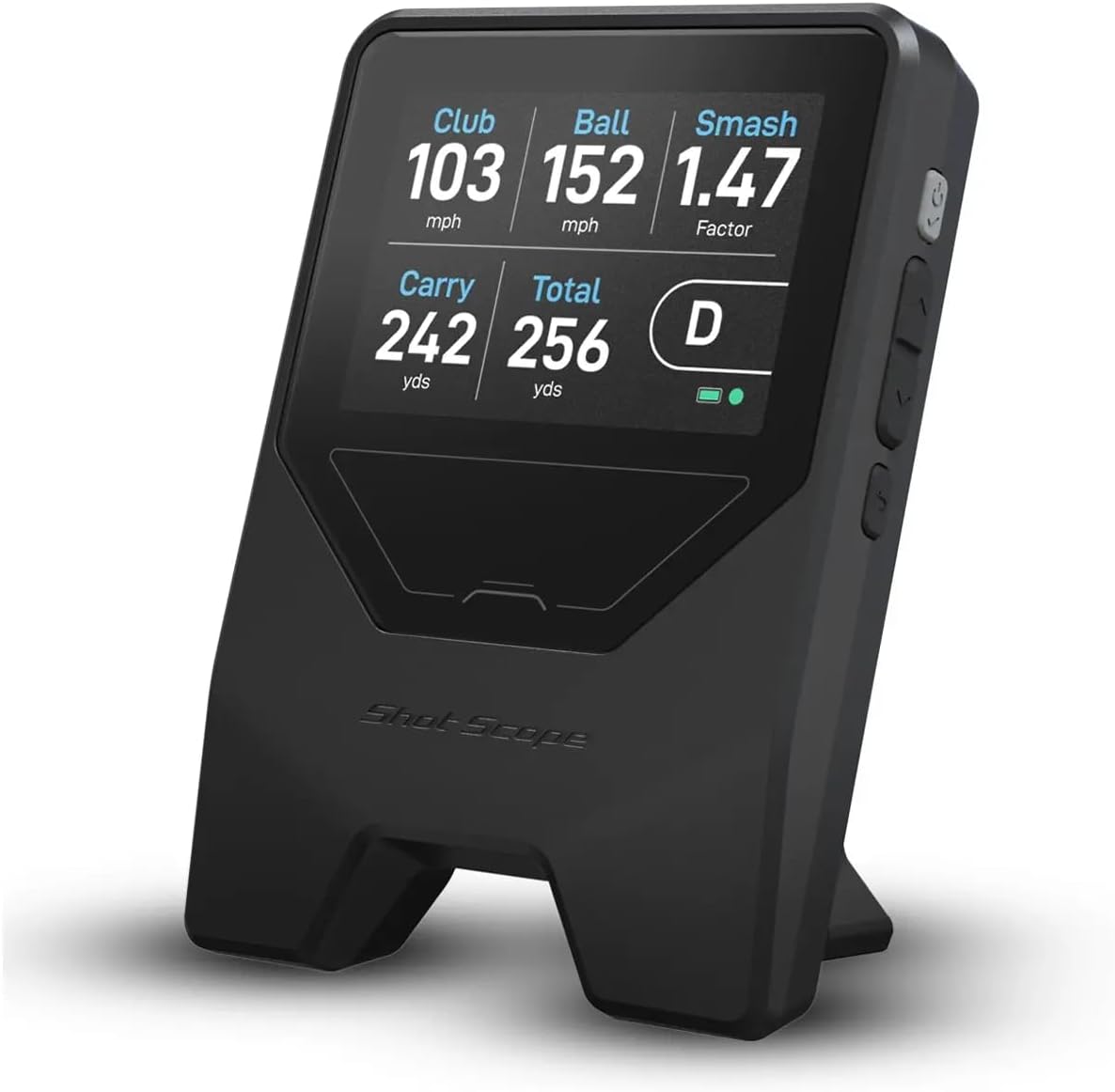
Shot Scope
Shot Scope LM1 Launch Monitor
Screen built in, no subscription — trustworthy numbers with zero faff.
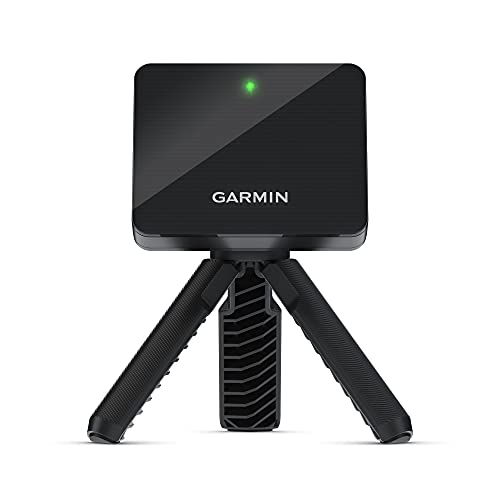
Garmin
Garmin Approach R10 Launch Monitor
Adds app-based simulator play and on-course tracking for a bit more.
ifrothgolf earns a commission on purchases made through these links, at no extra cost to you. It never changes what I recommend. Full disclosure.
Frequently asked
- Is a cheap launch monitor actually useful?
- Very — even an entry unit gives reliable carry and speed numbers, which fix the distance-gapping blind spot that costs amateurs more shots than any equipment fault. You don't need a four-figure machine to benefit.
- Launch monitor or new clubs first?
- The launch monitor. It tells you what to practise and which club (if any) is worth buying — so your eventual club purchase is informed rather than a guess.
- Which budget launch monitor should I start with?
- The Shot Scope LM1 for fuss-free, screen-built-in numbers with no subscription, or the Garmin R10 if you also want app-based simulator play and on-course tracking. Both give reliable carry and speed numbers; the LM1 is cheaper and simpler, the R10 does more.
- Won't a cheap launch monitor be too inaccurate to trust?
- For the numbers that lower scores — ball speed, clubhead speed and full-swing carry — entry radar units track impressively close to far pricier machines, which is plenty for gapping and speed work. Where they're weaker is spin, which is calculated rather than measured, so they're not fitting references. For learning your real distances, the accuracy is more than good enough.
Read next
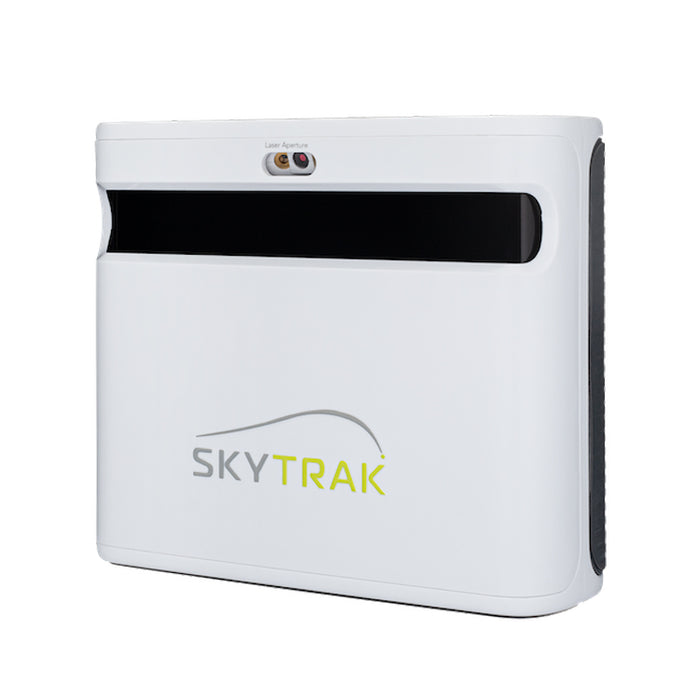
Versus
SkyTrak+ vs FlightScope Mevo+: your room decides this one, not your budget
Both are now outgoing models on run-out prices, which makes this more useful rather than less — the successors inherit the same trade-off. And it isn't the spec sheet. It's how much space you actually have.
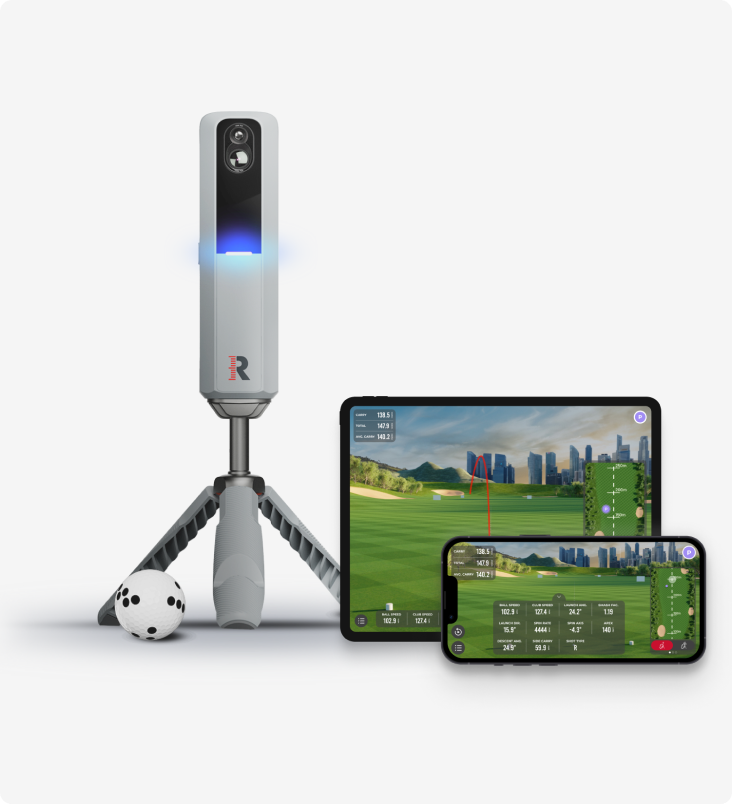
Versus
Rapsodo MLM2 Pro vs Shot Scope LM1: measured spin and sim golf, or just the number?
Two launch monitors golfers cross-shop constantly, sitting either side of the same question — how much do you actually need? One films your swing, measures spin and plays sim courses all winter. The other strips the whole idea down to a carry number on a screen.
Review
8.7/10FlightScope Mevo+ review: the launch monitor home simulators are actually built around
While the internet argues about budget camera units and the Garmin R10, the Mevo+ quietly became the default brain of the serious home sim — tour-grade radar heritage, full ball and club data, and out-of-the-box simulator connectivity. It needs room to breathe, and the add-ons push the real cost up.