
Slope is the most overhyped feature on your rangefinder
It's the headline selling point on every laser — and the one feature you legally can't use when it matters most. Here's the honest take.
By Jordan Hale · Equipment Writer
 Opinion
Slope is the headline selling point on every laser — and the one feature you legally can't use when it matters most. Enjoy it on a casual Sunday, but don't let it drive your purchase: lock speed, optics and image stabilisation matter far more on every single shot. Here's the honest take on the most overhyped number in the rangefinder aisle, and how to make sure yours switches off cleanly when it counts.
The catch nobody leads with
The pro-shop pitch leads with slope: the feature that adjusts your yardage for uphill and downhill, so a 150-yard flag sitting 20 feet above you reads as the 158 it actually plays. It sounds essential — and under the Rules of Golf it's not allowed in competition unless your committee has passed a specific local rule, which almost none do. So the moment your round actually counts, you're obliged to switch slope off. A headline feature you can't use in a medal is a strange thing to pay a premium for, and we walk through exactly what is and isn't permitted in is a rangefinder legal in competition.
Worse, slope can quietly get you disqualified. If you carry a slope unit into a comp and can't disable the function — or can't visibly prove it's disabled — you're carrying non-conforming equipment, and the penalty is severe. That's why the better lasers don't just have a software toggle; they put a physical switch and an external indicator on the body so a playing partner or official can see at a glance that you're legal.
What actually matters instead
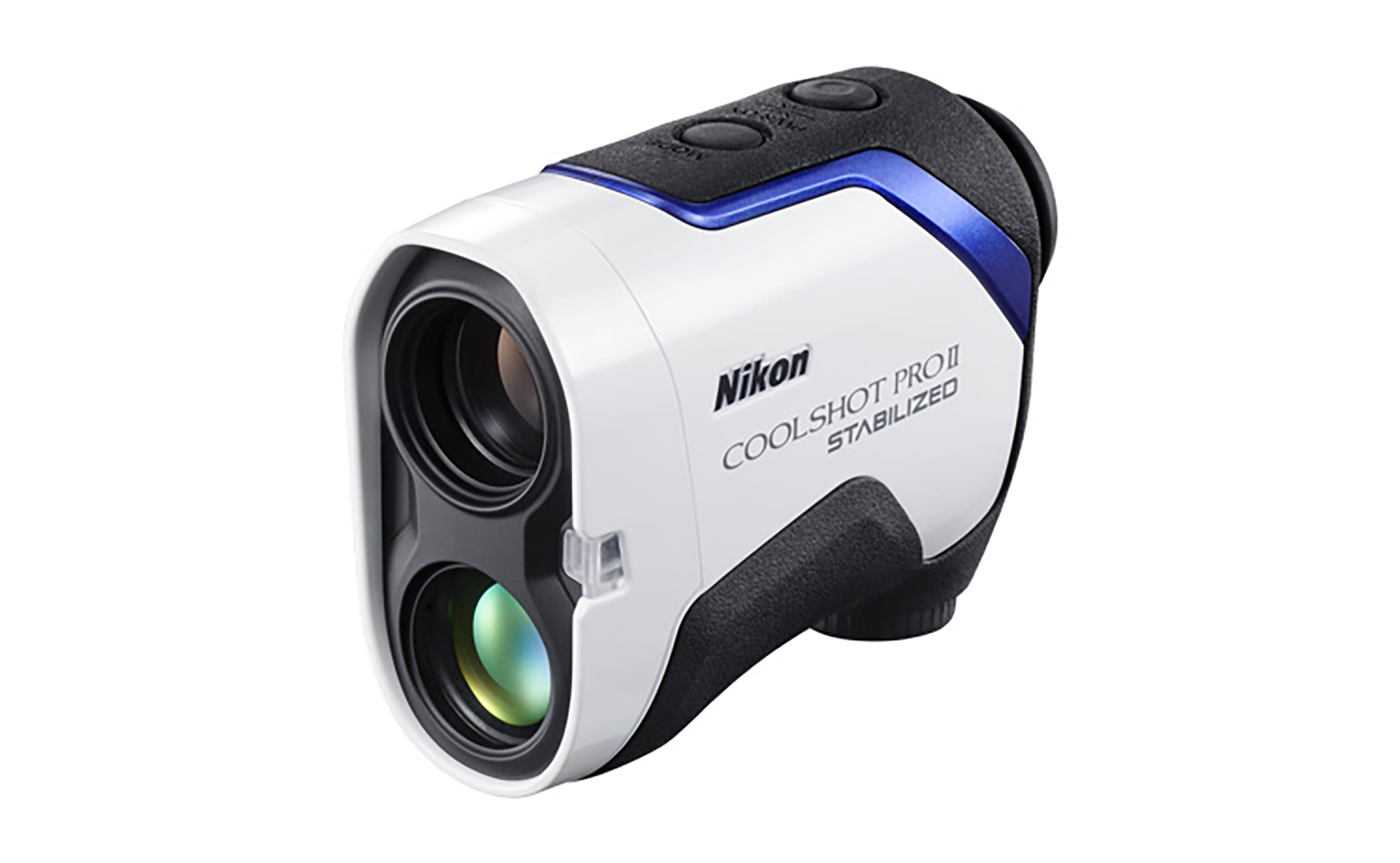
Three things decide whether a rangefinder is a pleasure or a fiddle, and none of them is slope. First, how fast and confidently the unit locks onto the flag — a good one returns a number the instant you ease off the button and confirms it with a jolt or a beep, so you're not second-guessing whether you ranged the pin or the tree behind it. Second, optical quality: bright, crisp glass makes the flag jump out of a busy treeline on a dull morning, where cheaper optics leave you hunting. Third, image stabilisation, which steadies the view for shaky hands and cold fingers — the Nikon Coolshot Pro II cuts hand-shake by around 80 percent, and it's the single upgrade most golfers notice on the very first lock. Slope, by contrast, is a once-in-a-while nicety you legally can't use when the card matters.
Where slope genuinely earns its place
This isn't a case against slope existing — it's a case against paying a premium for it or buying on it. On a hilly practice round, slope is a lovely confidence-builder: it teaches you how much elevation actually changes your club selection, which is knowledge you keep even when the feature's switched off. If your home course is built on a mountainside, that education is worth having. The point is that slope is now standard even on sub-$325 units, so you're not really choosing whether to have it — you're choosing whether to let it distract you from the things that matter.
It's also worth being clear about how small the slope effect usually is. On a flat parkland course, the elevation adjustment on most approach shots is a yard or two — inside the margin of error of your own ball-striking, never mind your club gapping. The number only becomes meaningful on dramatic uphill or downhill shots, the kind you hit a handful of times a round. So even setting the competition rules aside, slope is a feature with a narrow window of genuine usefulness, dressed up by marketing as something you'll lean on every hole. Compare that with stabilisation or a fast lock, which improve literally every measurement you take, and the priority order writes itself. Buy the laser that's a pleasure to use on all eighteen holes, not the one with the headline number you'll feel on three.
Buy on the right things
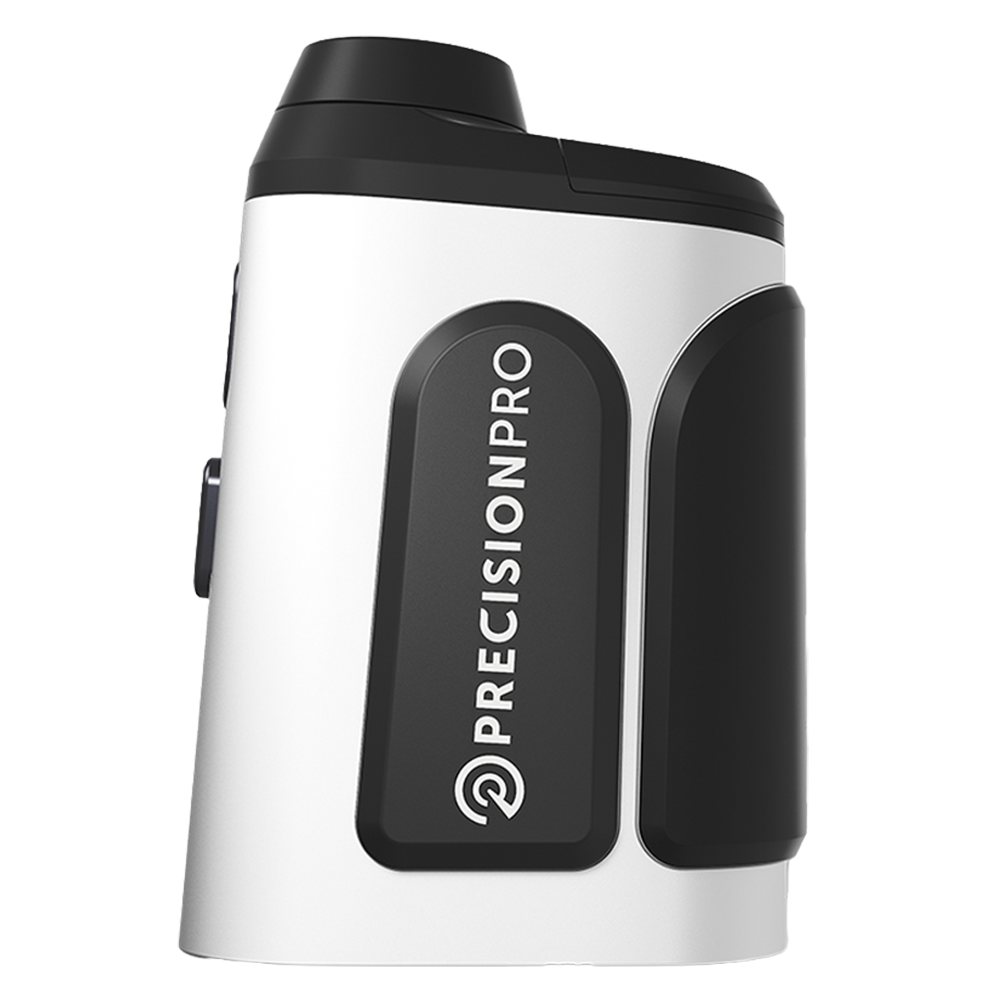
An accurate, fast-locking Precision Pro NX10 does the core job brilliantly for sensible money — independent testers have scored it a perfect 10, it ranges to within a yard out to 999 yards, and it comes with a three-year warranty and free battery replacement. Step up to the Nikon Coolshot Pro II at around $475 and you're paying for genuinely better glass and that steadier stabilised lock, not a slope readout — both have slope, both toggle it off. We broke down where the money actually goes in how much to spend on a rangefinder, and made the standalone case for the feature in is a slope rangefinder worth it. One currency note if the Nikon is on your list: the Coolshot Pro II has been archived by Nikon and superseded by the PROIII Stabilized, so buy the Pro II on price, not on newness.
Who should prioritise slope: almost nobody at the point of purchase — treat it as a free extra that comes in the box. Who should care most about the switch: any competitive golfer, who needs a unit with a visible, idiot-proof off position so there's never a question mark over conformity. Who can ignore the whole debate: the pure social golfer who never enters a comp — leave slope on permanently and enjoy it, just don't pay extra assuming it's the headline feature, because it isn't.
One practical habit is worth forming whichever unit you buy: check the slope state before your round, not on the first tee under pressure. Make it part of pulling the laser out of the bag — glance at the indicator, confirm it's where the day requires, done. Competitive players get caught out not because the switch is hard to find but because they forget to look, and a tiny pre-round ritual removes the risk entirely. The best units make this trivial with an external light or window that shows the mode without you even raising the device to your eye.
The bottom line
Enjoy slope casually, learn where the switch is, and check it visibly toggles off before a medal — but don't let it lead the purchase. Spend your money on lock speed, optics and stabilisation, the things you'll feel on every shot rather than a handful. The full field, sorted by what actually matters, is in our best rangefinders guide.
Products mentioned in this article
Precision Pro
Precision Pro NX10
Accurate, locks on fast, does the only job that matters — for sensible money.
Nikon
Nikon Coolshot Pro II Stabilized
Superb glass and a rock-steady lock — the upgrade you actually feel.
This model is no longer made. Remaining stock is often discounted, so it can still be the better buy — just know you're buying the outgoing model.
ifrothgolf earns a commission on purchases made through these links, at no extra cost to you. It never changes what I recommend. Full disclosure.
Frequently asked
- Is rangefinder slope worth paying for?
- Not as a priority — it's now standard even on budget models under $325, and it's disallowed in competition. Pay for fast, confident lock, good optics and image stabilisation instead; treat slope as a free extra that happens to come in the box.
- Can I use slope in a competition?
- No — slope-adjusted distance is not allowed in competition unless a specific local rule permits it, which is rare. Buy a model with a slope switch you can turn off, ideally with an external indicator so an official can see it's disabled, which keeps the device conforming.
- What should I actually look for in a rangefinder?
- Lock speed and confidence on the flag, optical clarity for dull light and busy backdrops, and image stabilisation for shaky hands. Those affect every shot; slope affects a handful, and only on casual rounds.
- Will I get penalised for carrying a slope rangefinder in a comp?
- Only if you can't disable the slope function or prove it's disabled. A unit with a physical slope switch and an external indicator solves this — flick it to the legal mode and you're carrying conforming equipment.
Read next
Versus
Nikon Coolshot Pro II vs Precision Pro NX10: how much rangefinder do you need?
One buys you the best optics and a gyro-stabilised picture; the other gives you most of the experience for a little over half the outlay. Which is the smarter buy?
Versus
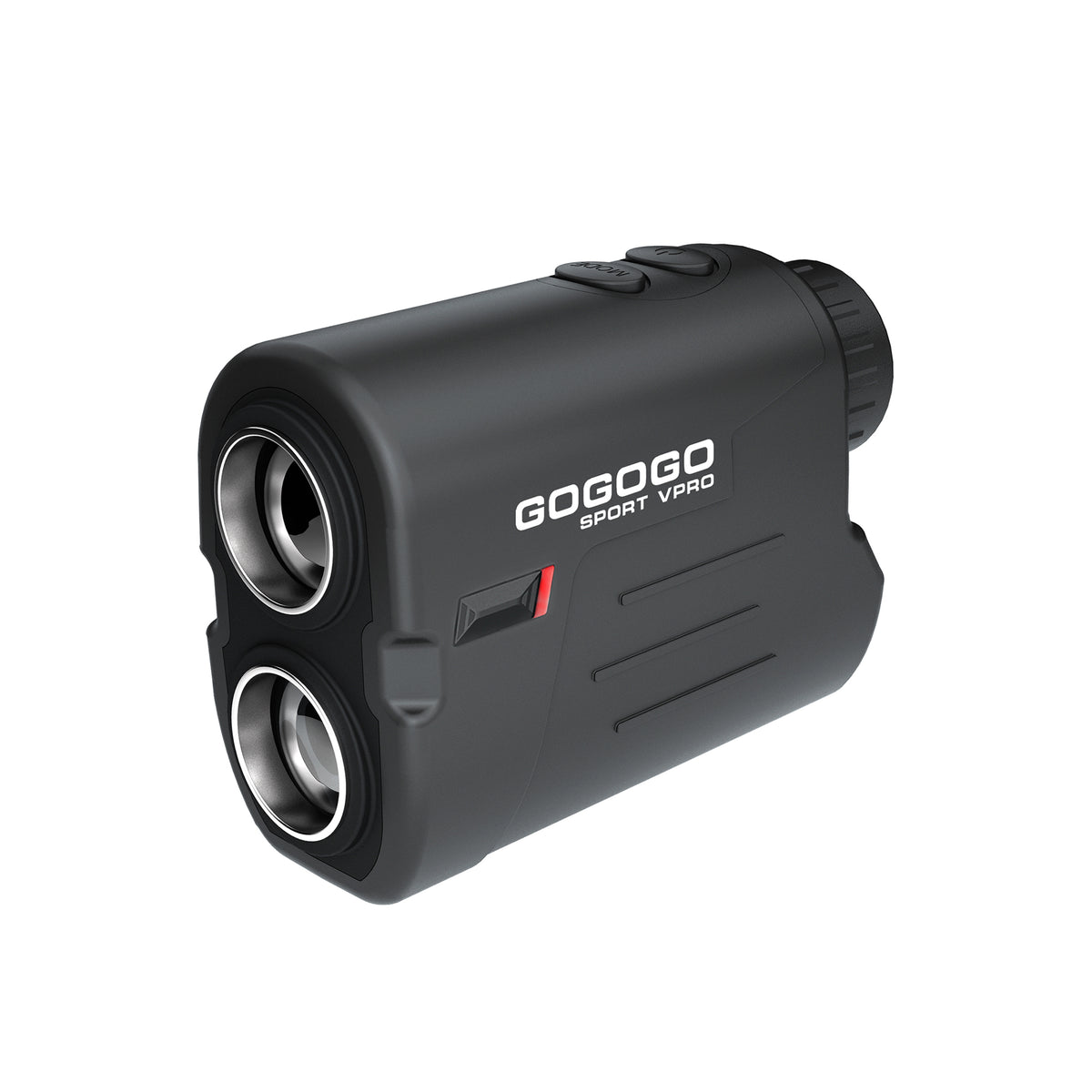
GoGoGo Vpro vs Bushnell Tour V7 Shift: do you really need to spend 5x?
A budget-laser icon against the tour-caddie standard — one costs roughly five times the other, and only one specific golfer actually needs the expensive one.
Review
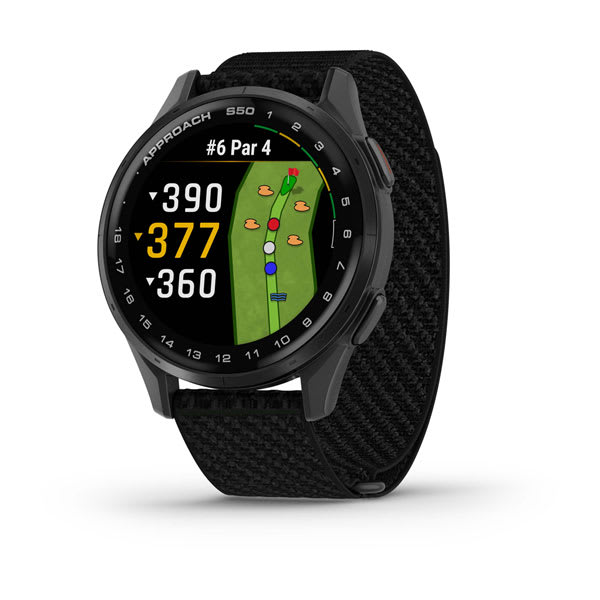
8.7/10Garmin Approach S50 review: the golf watch most people should actually buy
The S50 takes nearly everything that made Garmin's flagship special — the gorgeous AMOLED screen, slope-adjusted distances, shot tracking, wrist heart rate and Garmin Pay — and sells it for a lot less than double. For most golfers, this is the sweet spot.