
GoGoGo Vpro vs Bushnell Tour V7 Shift: do you really need to spend 5x?
A budget-laser icon against the tour-caddie standard — one costs roughly five times the other, and only one specific golfer actually needs the expensive one.
By Jordan Hale · Equipment Writer
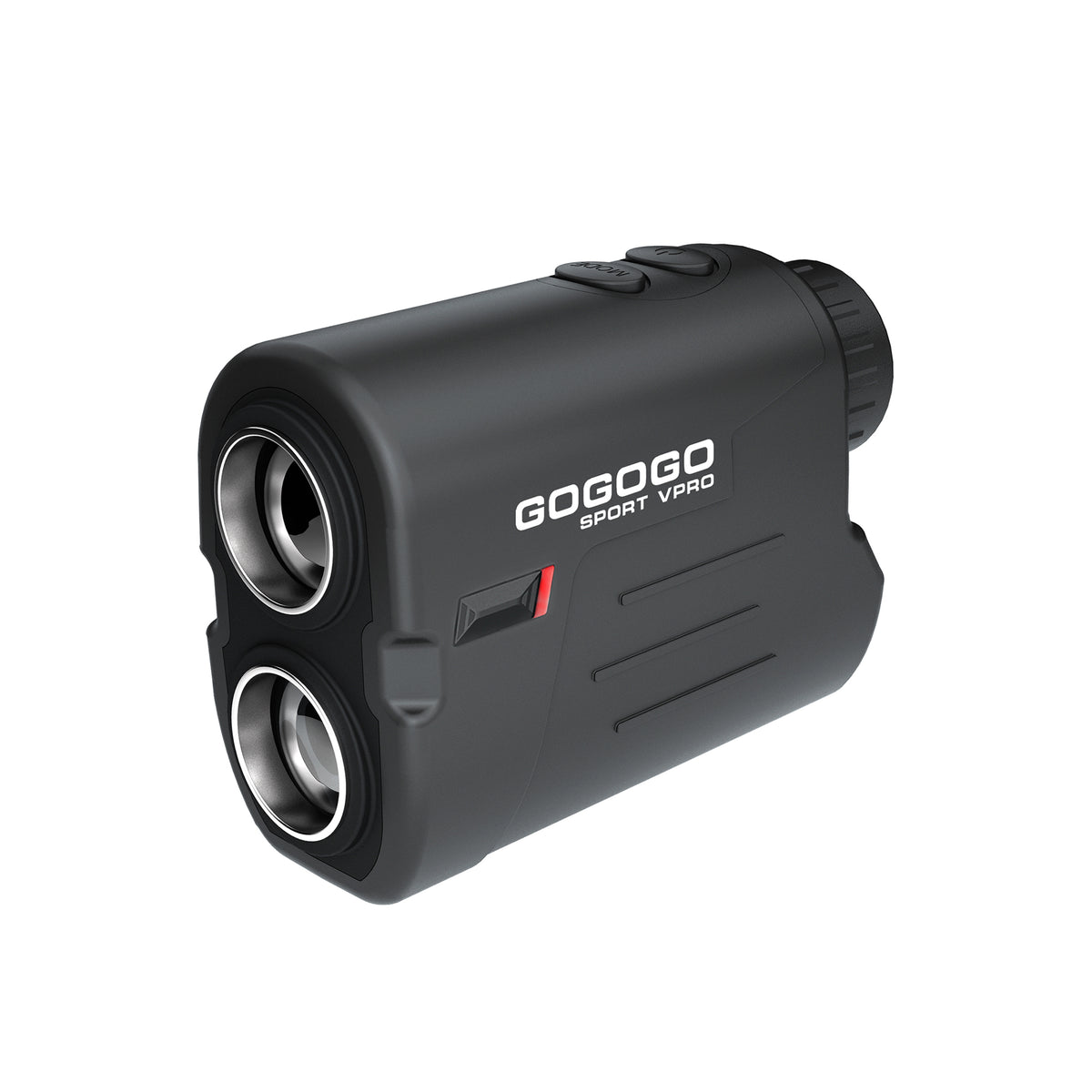
GoGoGo Sport
GoGoGo Sport Vpro Rangefinder
Pick if you want a trustworthy number for the least money — 90-odd percent of the job at a fraction of the price.
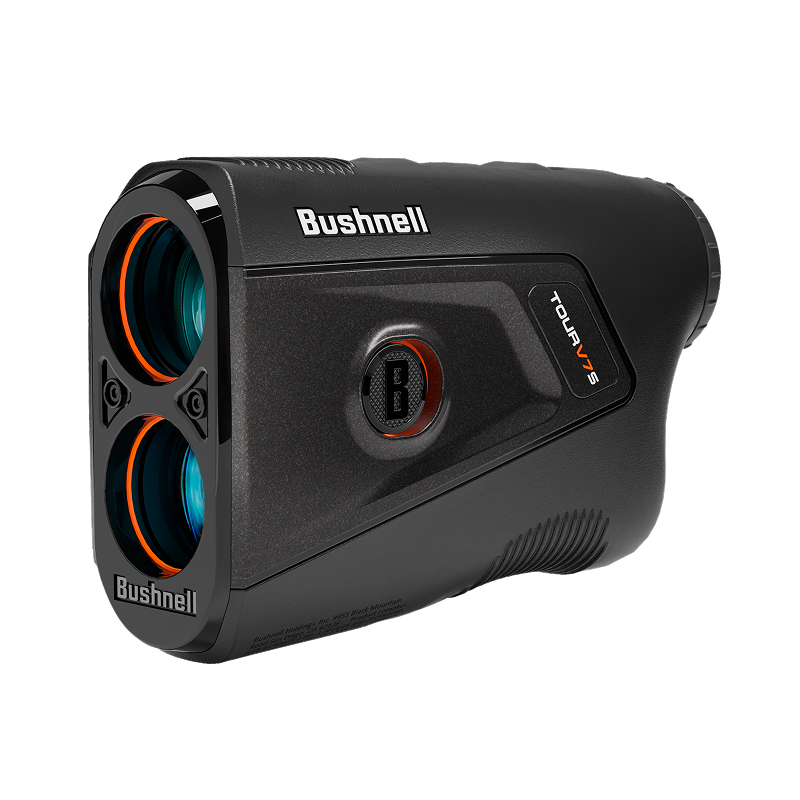
Bushnell
Bushnell Tour V7 Shift Laser Rangefinder
Pick for the clearest display in golf, low-light optics, long-range lock and the badge with real resale.
ifrothgolf earns a commission on purchases made through these links, at no extra cost to you. It never changes what I recommend. Full disclosure.
Side by side
| Specification | GoGoGo SportGoGoGo Sport Vpro Rangefinder | BushnellBushnell Tour V7 Shift Laser Rangefinder |
|---|---|---|
| Device type | laser rangefinder | laser rangefinder |
| Magnification | 6x | 6x |
| Slope | yes | yes |
| Slope toggle | on/off (competition legal) | tournament-legal slope switch |
| Pin confirmation | flag-lock vibration pulse | PinSeeker with Visual JOLT vibration |
Specs as published by each manufacturer. Rows in grey are where the two match.
Buy the GoGoGo Sport Vpro unless you have a concrete reason not to — it does about 90 to 95 percent of what the Bushnell Tour V7 Shift does for roughly a fifth of the money. The Bushnell is genuinely the better instrument — clearer display, sharper glass in poor light, more confident long-range locking and a badge that holds its value — but the gap is one of polish, not of getting a number. Spend the extra only if low-light optics, a dual-colour readout or resale actually matter to you.
The price gap, stated plainly
This is a five-times-the-money decision, so start there. The Vpro sits at around $100; the Tour V7 Shift lands at $500. That is not a small premium you can wave away — it is the difference between an impulse buy and a considered one, and for most club golfers it is three-figures better spent on a lesson, a dozen decent balls or a wedge. The honest question isn't 'which is better' — the Bushnell plainly is — but 'is the better one four hundred quid better for the golf you actually play?' For the majority of Saturday-medal golfers, the answer is no, and that is the whole review in a sentence.
Accuracy: closer than the price suggests
On the number that matters — the flat yardage to the flag — these two are much nearer than five times apart. Independent testing (Plugged In Golf) has had the Vpro within a yard of lasers costing four times more on flat readings, and its 6x optics and flag-lock pulse grab the pin quickly with a reassuring buzz. Where the Bushnell pulls clear is at distance and in tricky light: it locks onto flags confidently from 500-plus yards, and the Vpro will occasionally grab a trunk or a post behind the pin on a tree-lined hole past roughly 150 to 180 yards, so you re-shoot now and again. Both give you a trustworthy stock yardage; the Bushnell just does it with fewer asterisks when the target gets awkward.
Slope, and staying legal
Both units do slope, and — crucially — both let you switch it off, so both stay legal for competition. The difference is how they tell you which number you're looking at. The Vpro toggles slope on and off cleanly, but you're trusting a mode indicator. The V7 Shift's headline trick is a dual-colour OLED display: slope-adjusted yardages show in green, straight yardages in red, so there is zero ambiguity over which figure you're playing — Golf Monthly called it the clearest display Bushnell has ever produced. If you routinely play both practice rounds with slope and medals without, that no-second-guessing readout is the single most persuasive reason to pay up. If you barely use slope at all — and plenty of golfers should just turn it off — it's a feature you're subsidising.
Optics, build and the things you feel every round
This is where the Bushnell earns its keep beyond the spec sheet. The glass is crisper in flat, low light, the JOLT vibration is reassuring rather than twitchy, the BITE magnet is the strongest mount in the game, and the IPX6 body shrugs off proper rain. The Vpro's optics soften a touch at dusk, it's only IP54 (splash-proof, not monsoon-proof), the body feels its price, and glasses-wearers may find the eye relief tight. None of that stops the Vpro doing its job — but if you play dawn or dusk rounds, in the wet, and want a device that feels like a tool that'll outlast several seasons, the Bushnell is the one you'll be glad of. It also runs a CR2 battery rather than USB-C, which feels a shade old-school at the price; the Vpro runs on cheap AAAs you can grab anywhere.
Badge, resale and the extras
Two more things the money buys. First, resale: Bushnell is the name in tour caddies' hands, and that badge holds its value if you ever trade up or move it on — budget lasers don't. Second, the LINK feature, which pulls your club distances from Foresight launch-monitor data and suggests a club — a genuine bonus if you own or use a Foresight unit, and completely irrelevant if you don't. Be honest about whether that applies to you; for most golfers it's a line on the box, not a reason to buy. The Vpro has no such tricks, and at its price it doesn't pretend to.
Who should buy which
Buy the GoGoGo Vpro if you're a club golfer who wants a reliable yardage without overpaying, plays mostly in decent light, and would rather put the saved money elsewhere — it is the smart-money pick and the easiest yes in the category. Buy the Bushnell Tour V7 Shift if you play competitively and want the dual-colour display's certainty, you value the sharpest low-light optics and a rugged wet-weather build, you care about resale, or you'll actually use LINK. Neither is a mistake — one is the value benchmark, the other the premium standard. Most golfers are the first golfer.
The verdict
For the money, the Vpro wins going away — it gives an ordinary golfer everything they need for a fifth of the outlay. The Tour V7 Shift is the better rangefinder in almost every measurable way, and worth it for the competitive player, the dawn-and-dusk grinder or the gear-lover who wants the best display and badge going. Decide on the reason, not the spec sheet. The full field sits in our best rangefinders guide, with cheaper options in best budget rangefinders and the top shelf in best premium rangefinders; if you'd rather answer three questions than read them all, our Rangefinder Finder picks for you, and how much to spend on a rangefinder walks the tiers.
Frequently asked
- Is the GoGoGo Vpro accurate enough to trust against a Bushnell?
- On flat readings to the flag, yes — independent testing has had it within a yard of lasers costing four times more. The Bushnell pulls ahead at long range and on tree-lined targets, where the Vpro can occasionally lock onto something behind the pin and need a re-shoot.
- Are both rangefinders legal for competition?
- Yes. Both have slope, and both let you switch it off, which is what keeps a rangefinder legal in most competitions. The Bushnell makes it clearer which number you're on via its dual-colour display; the Vpro toggles slope on and off cleanly.
- What does the extra money actually buy on the Bushnell?
- A dual-colour red/green OLED display, sharper optics in low light, more confident long-range locking, a stronger magnet, a tougher IPX6 body, the LINK club-recommendation feature and a badge with real resale value. It's polish and certainty, not a fundamentally different number.
- Who should just buy the cheaper GoGoGo Vpro?
- Most club golfers — anyone who wants a reliable yardage, plays mostly in decent light and would rather spend the saved money on lessons or gear. Step up to the Bushnell only for competitive play, frequent low-light or wet rounds, or if resale and the display genuinely matter to you.
Read next
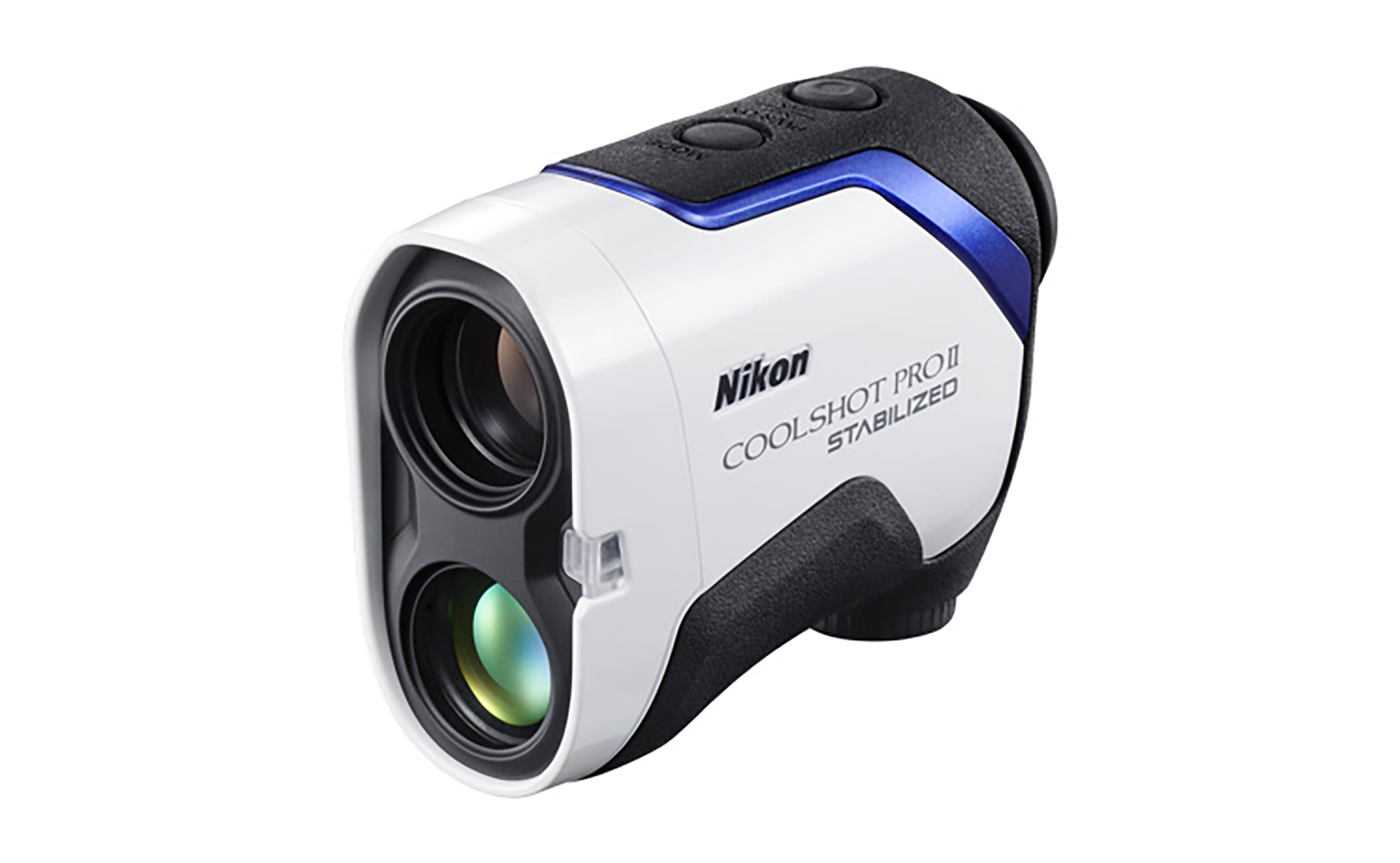
Versus
Nikon Coolshot Pro II vs Precision Pro NX10: how much rangefinder do you need?
One buys you the best optics and a gyro-stabilised picture; the other gives you most of the experience for a little over half the outlay. Which is the smarter buy?
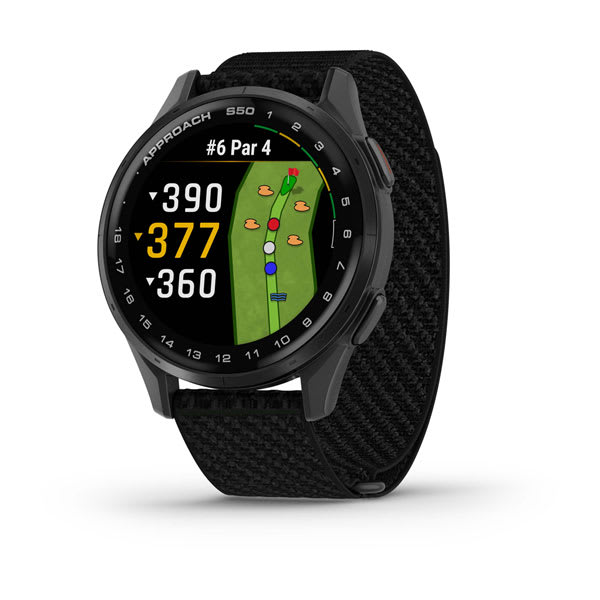
Review
8.7/10Garmin Approach S50 review: the golf watch most people should actually buy
The S50 takes nearly everything that made Garmin's flagship special — the gorgeous AMOLED screen, slope-adjusted distances, shot tracking, wrist heart rate and Garmin Pay — and sells it for a lot less than double. For most golfers, this is the sweet spot.
Explained
The best golf GPS watch is the one you'll actually wear
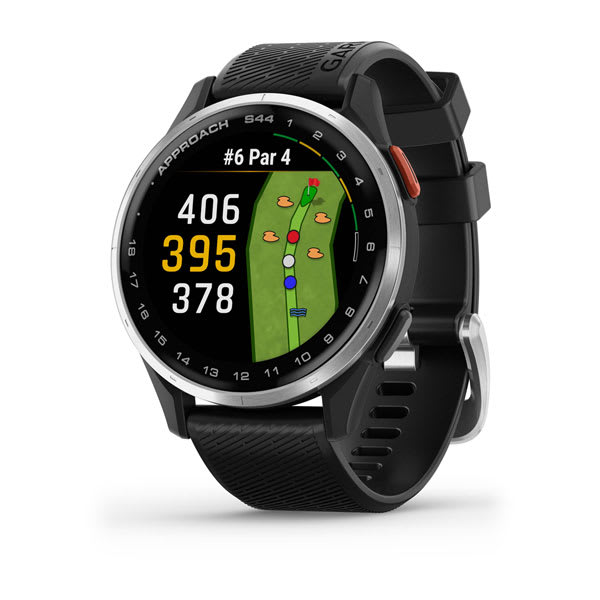
Golf watches now range from a simple yardage display to a rugged solar computer that tracks every shot. The trick isn't buying the most features — it's matching the watch to how you actually play and what you'll genuinely use. Here's how to pick the right tier.