
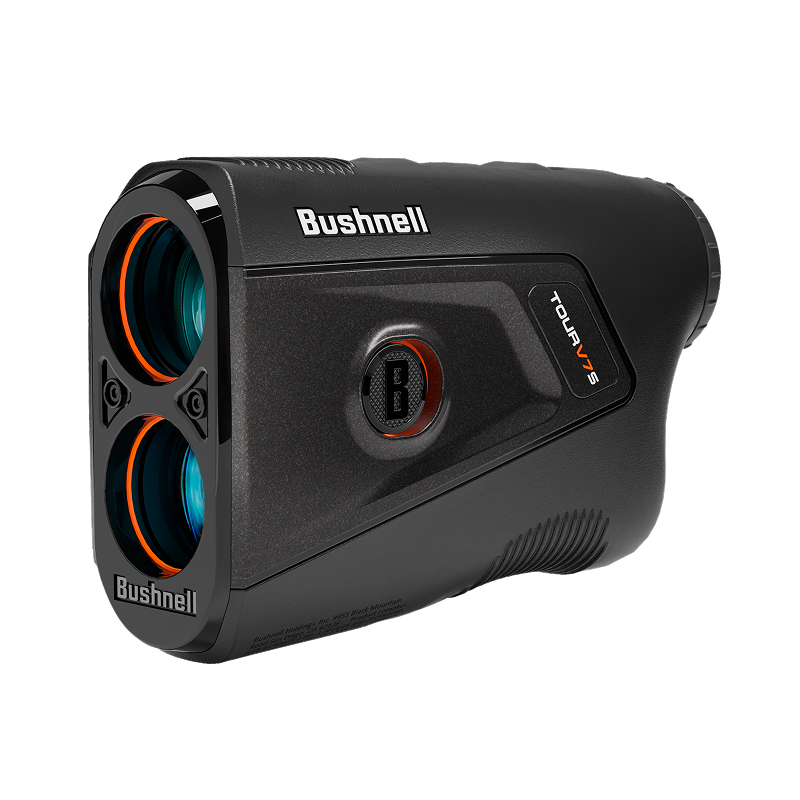
Bushnell's 2026 mid-range flagship laser, replacing the Tour V6 Shift, with a new dual-colour OLED display and slope-first readouts.
Best Golf Rangefinders 2026
Which laser to buy, finally sorted.
Most golfers should buy the Bushnell Tour V7 Shift — it's the fast-locking, slope-switchable all-rounder that wins these lists year after year, and it does the only job that matters better than almost anything. Spend up to the Bushnell Pro X3 for tour-grade optics and the most confident lock at long range; drop to the Gogogo VPro if budget is tight, because every rangefinder gives the same yardage and the cheap ones do 95% of the job.
What actually separates these devices isn't accuracy — it's how fast and confidently they lock onto the flag, how clear the optics are, and whether jittery hands get steadied by image stabilisation. Slope (the angle-adjusted 'plays-like' number) is the other big decision: brilliant for practice, illegal in competition, so buy a model that lets you switch it off. Magnetic mounting and a visible jolt or vibration on lock-on are the small touches that make a laser a pleasure rather than a chore.
Below we've ranked the shortlist — cross-checked against the current best-of lists from Golf Monthly, Today's Golfer and the rest — covering the premium pick, the most high-tech option, the best for shaky hands, the laser-plus-GPS hybrids and the budget heroes. Most golfers will be happy spending $190 to $375; you only need to go higher for elite optics.
ifrothgolf earns a commission on purchases made through these links, at no extra cost to you. It never changes what I recommend. Full disclosure.
The Bushnell Pro X3+ is the top-of-the-range laser rangefinder, aimed at the golfer who wants every bell and whistle: slope, elevation, temperature, and now real-time wind data piped in from the app.
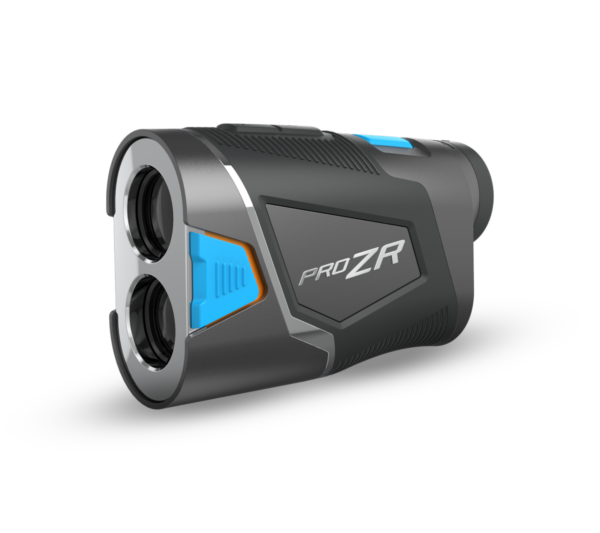
Shot Scope's flagship laser rangefinder, a rugged, no-nonsense unit that undercuts the established premium names by a healthy margin.
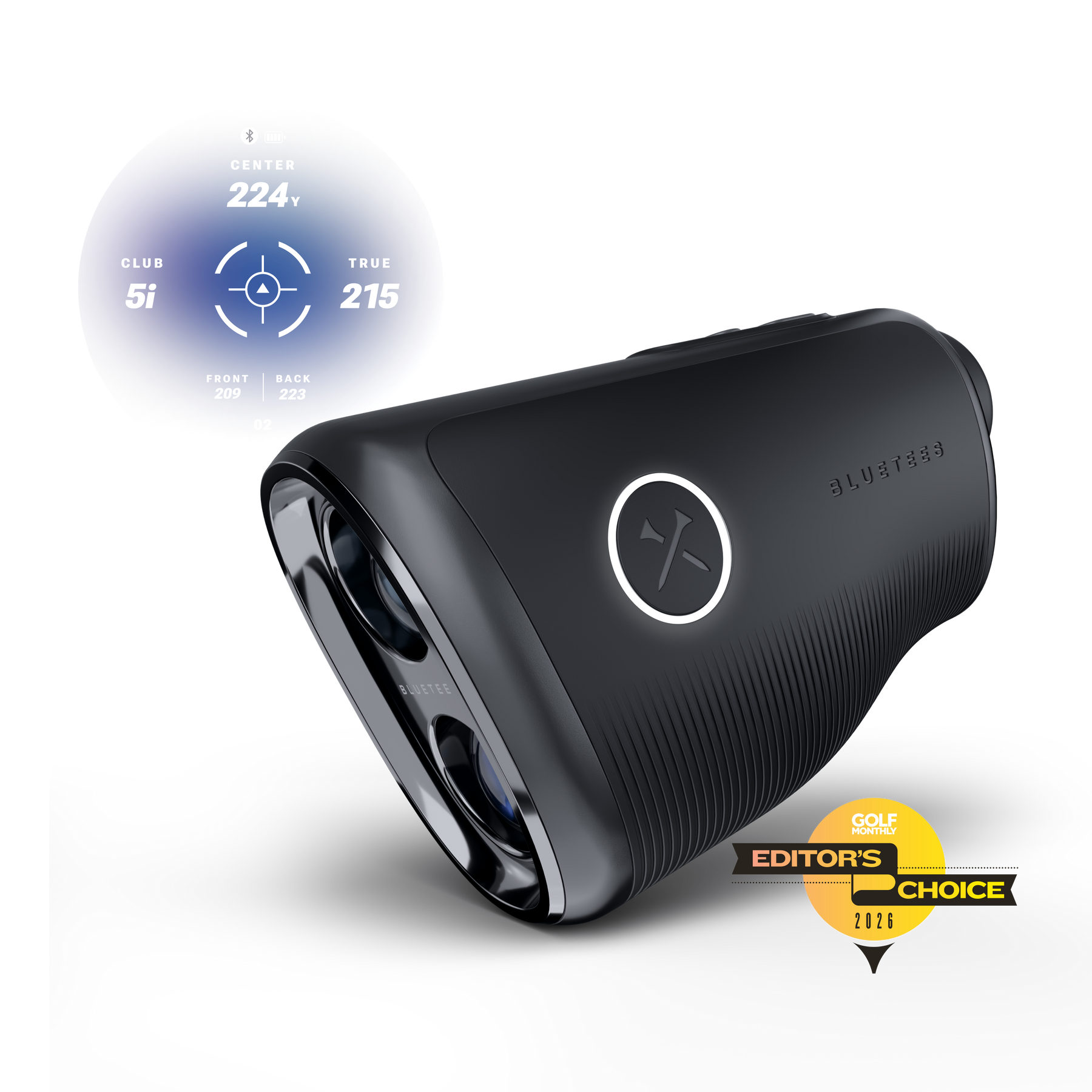
Blue Tees' 2026 flagship laser rangefinder with built-in GPS smarts, app-based shot tracking and AI-adjusted yardages.
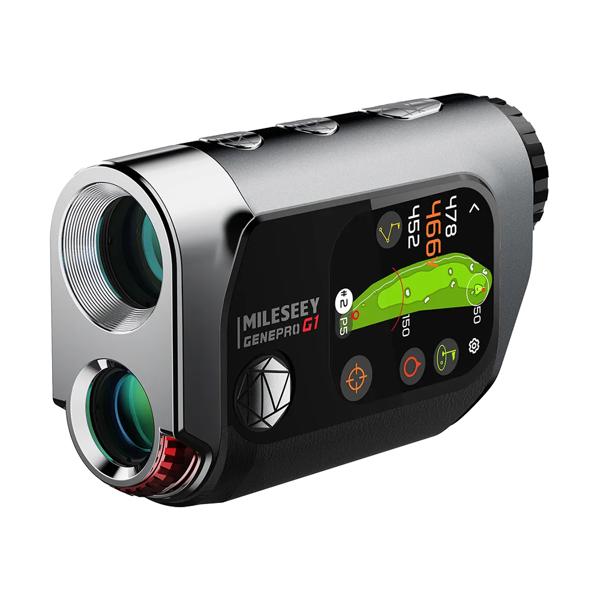
A hybrid laser rangefinder with a built-in colour GPS touchscreen, the first device to properly combine both in one unit.
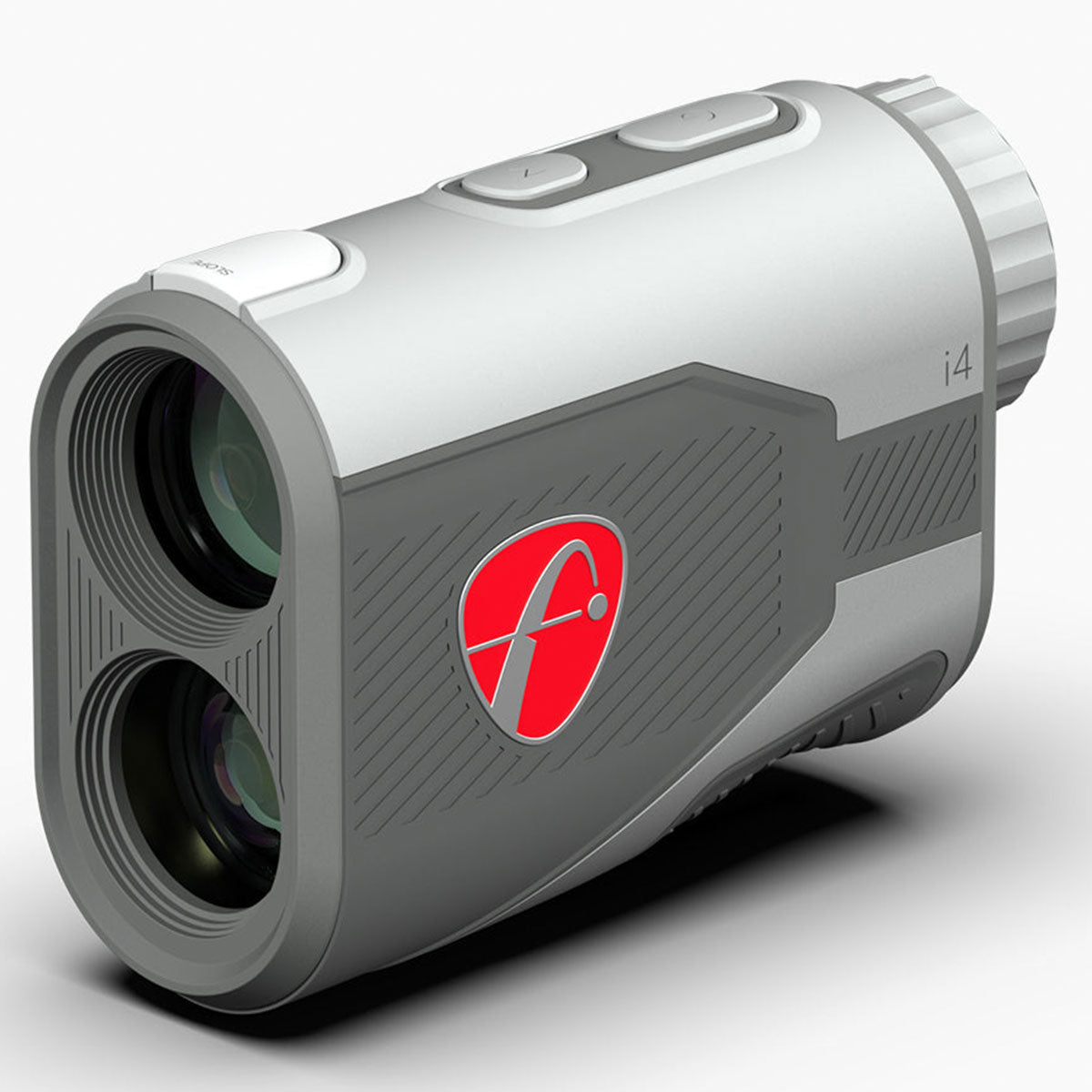
FlightScope has spent twenty years measuring what a golf ball does in the air, which makes it the most credible company in golf to attempt this particular trick. The i4 doesn't just tell you it's 163 yards; it applies real-time environmental data and ballistic calculation to tell you what that 163 actually plays as, given the air you're standing in. In principle that's the most useful thing a rangefinder could possibly do — temperature, altitude and wind move a mid-iron more than most amateurs credit, and everyone has stood on a cold, damp tee wondering whether to take one more club. Two honest caveats before you spend. First, an adjusted number is only ever as good as the model behind it, and 'AI' in this category is doing a lot of undefined work across every brand selling it — FlightScope's ballistics pedigree is the strongest reason to believe this one, but it's still a model. Second, adjusted distances are not tournament legal, so you'll be switching it off for anything with a card. Treat it as a very smart practice-round and social-golf tool from the company most likely to have got the physics right, and it's a genuinely interesting piece of kit.
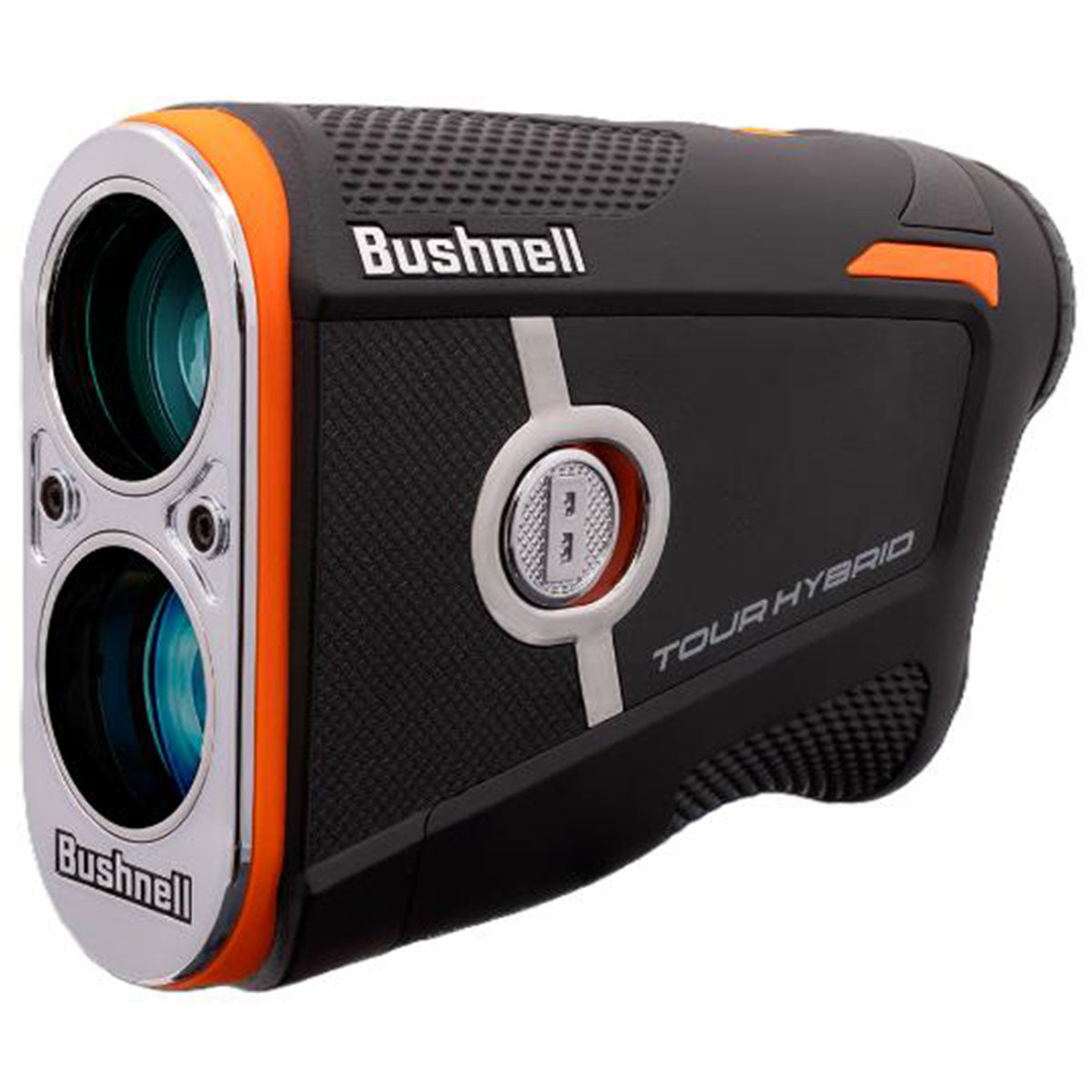
Most golfers who care about distance end up carrying two devices, and the reason is that lasers and GPS answer different questions. A laser gives you a precise number to something you can see; GPS gives you front, centre and back when the green is blind, or a carry over a bunker you can't range. The Tour Hybrid puts both in one body, with the GPS yardages displayed inside the viewfinder alongside the laser reading, so you get the full picture without lowering the unit and pulling out a watch or a phone. It's the same Bushnell fundamentals underneath — PinSeeker with Visual JOLT so you know you've hit the flag and not the tree behind it, 6x magnification, slope that switches off for competition, and a magnetic mount for the cart rail. The trade-off is size, and a price that needs checking rather than assuming: it's a chunkier unit than a pure laser, and depending on the market it sits anywhere from level with a flagship laser to a clear premium over one, so compare it on the day rather than trusting a rule of thumb. Either way the maths only works if you'd genuinely have bought both a laser and a GPS, which for a decent number of golfers is true. If you already wear a GPS watch you're comfortable with, buy a pure laser like the Tour V7 Shift instead — you'd be paying for the half you already own.
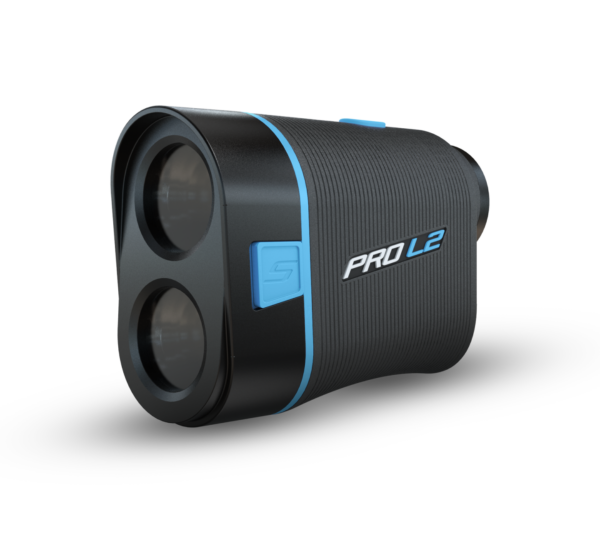
The Shot Scope Pro L2 is a budget laser rangefinder with slope, 6x zoom and a built-in cart magnet, aimed at golfers who want premium accuracy without the premium ticket.
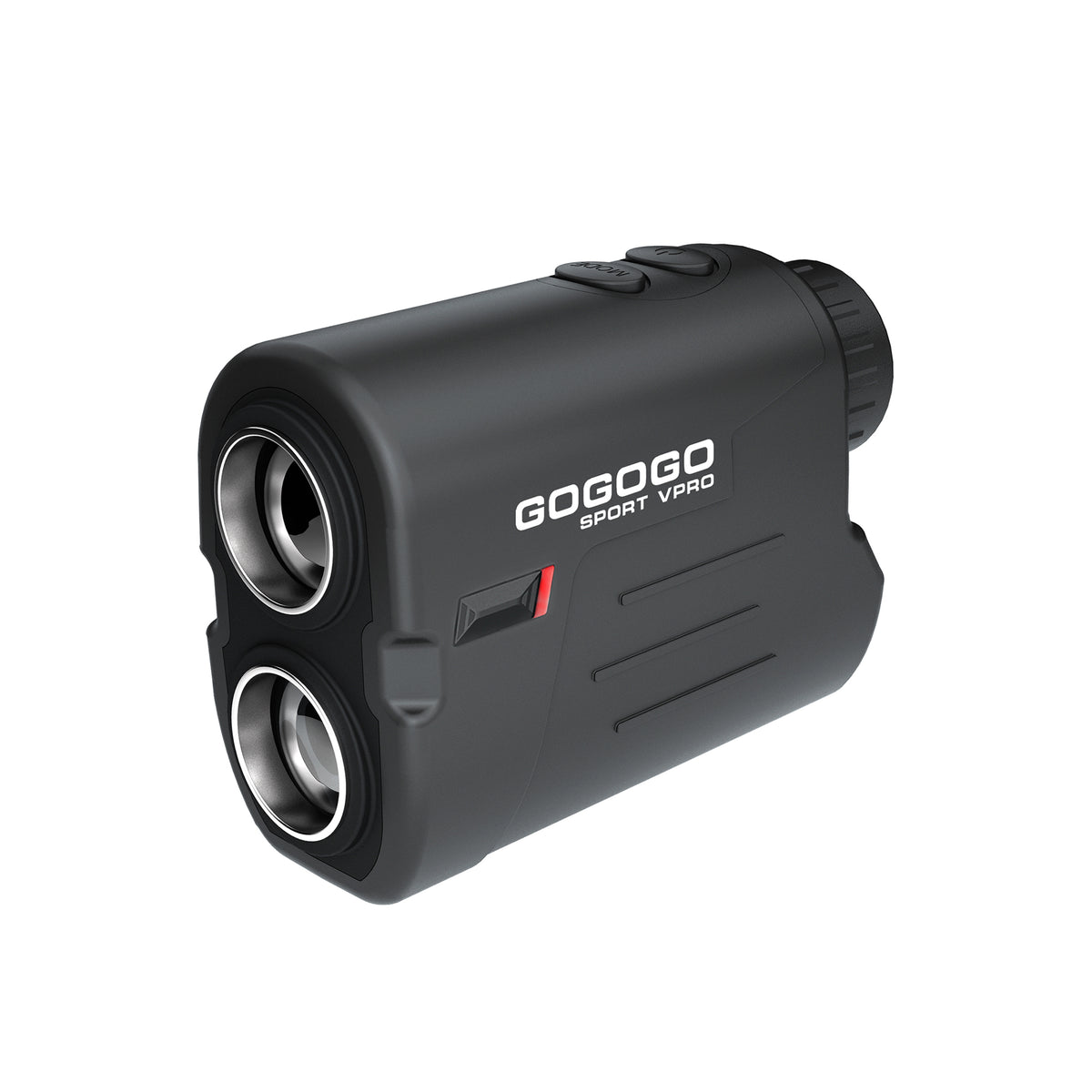
The GoGoGo Sport Vpro is the budget laser rangefinder that punches way above its price, aimed at club golfers and weekend hackers who want yardages without remortgaging the house. Slope is toggleable on the slope models, which keeps it legal for comp days.
Frequently asked
- What is the best golf rangefinder for most golfers?
- The Bushnell Tour V7 Shift — a fast, confident lock, switchable slope and the brand's proven reliability make it the best all-round buy. Step up to the Bushnell Pro X3 for premium optics, or down to the Gogogo VPro to save money without losing accuracy.
- Are expensive rangefinders more accurate than cheap ones?
- No — every rangefinder gives effectively the same yardage to the same pin. More money buys faster lock-on, clearer optics and image stabilisation, not a more accurate number. A budget model does about 95% of the job.
- Do I need slope on a rangefinder?
- It's useful for practice and casual play, helping you club for uphill and downhill shots, but it's illegal in competition. Buy a model with a slope switch you can turn off, which keeps the device conforming in that mode.
- Rangefinder or GPS — which should I get?
- A rangefinder gives the exact yardage to the flag but you must aim it; GPS gives quick front/middle/back green numbers at a glance. Keen golfers often carry both, but if you want one device for precise pin numbers, choose the laser.
- What should I avoid when buying a rangefinder?
- Avoid the very cheapest unbranded lasers that struggle to lock at distance or in low light, and any model where you can't disable slope for competition play. Also skip paying a premium purely for a higher 'maximum range' figure — almost no one needs to measure past the flag they're playing to.
Related reading
More on this from the desk
Versus
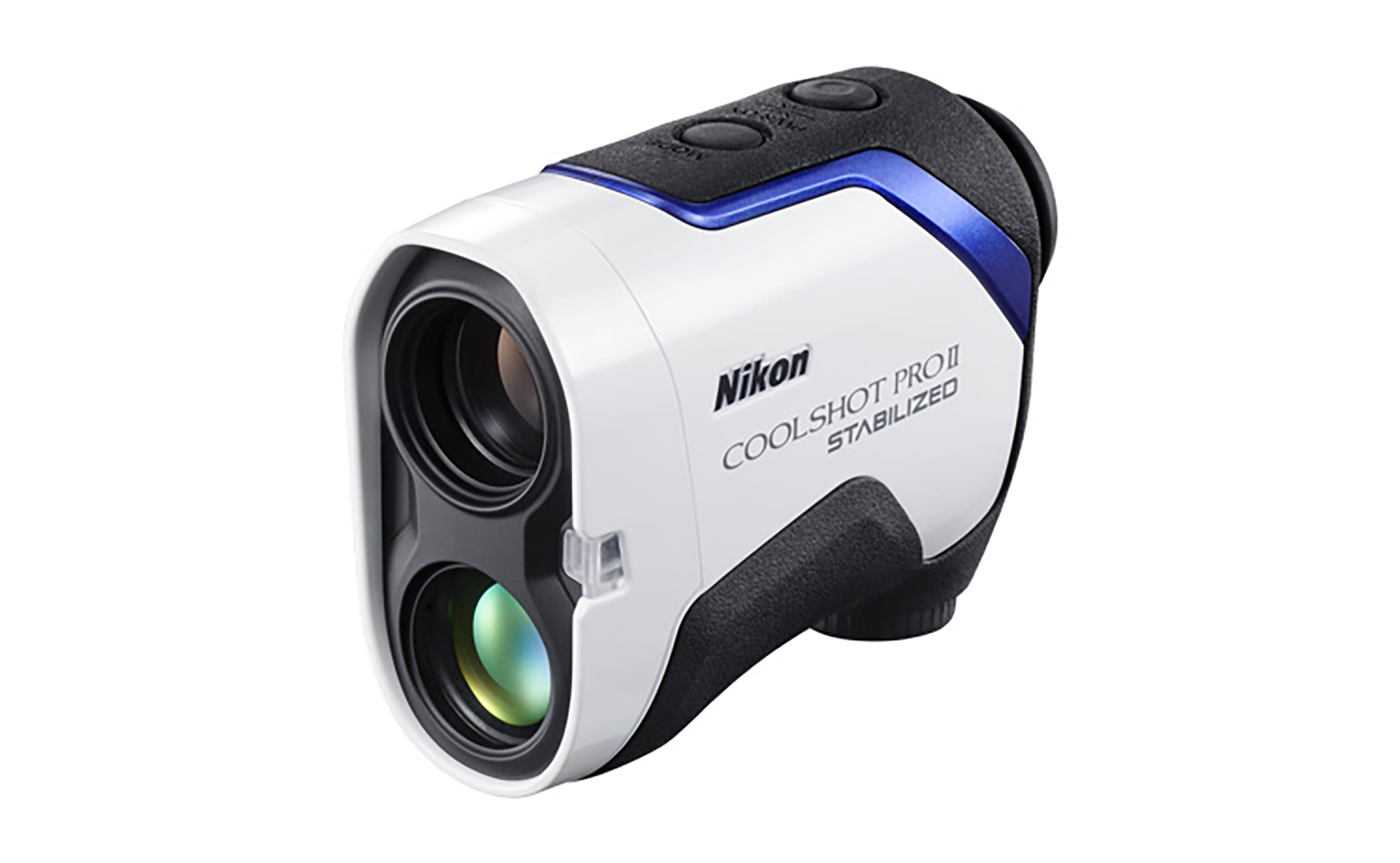
Nikon Coolshot Pro II vs Precision Pro NX10: how much rangefinder do you need?
One buys you the best optics and a gyro-stabilised picture; the other gives you most of the experience for a little over half the outlay. Which is the smarter buy?
Versus
GoGoGo Vpro vs Bushnell Tour V7 Shift: do you really need to spend 5x?
A budget-laser icon against the tour-caddie standard — one costs roughly five times the other, and only one specific golfer actually needs the expensive one.
Review
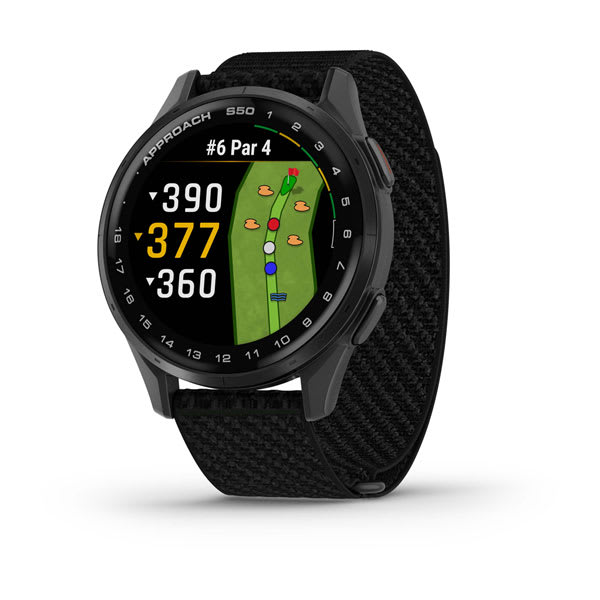
8.7/10Garmin Approach S50 review: the golf watch most people should actually buy
The S50 takes nearly everything that made Garmin's flagship special — the gorgeous AMOLED screen, slope-adjusted distances, shot tracking, wrist heart rate and Garmin Pay — and sells it for a lot less than double. For most golfers, this is the sweet spot.
Explained
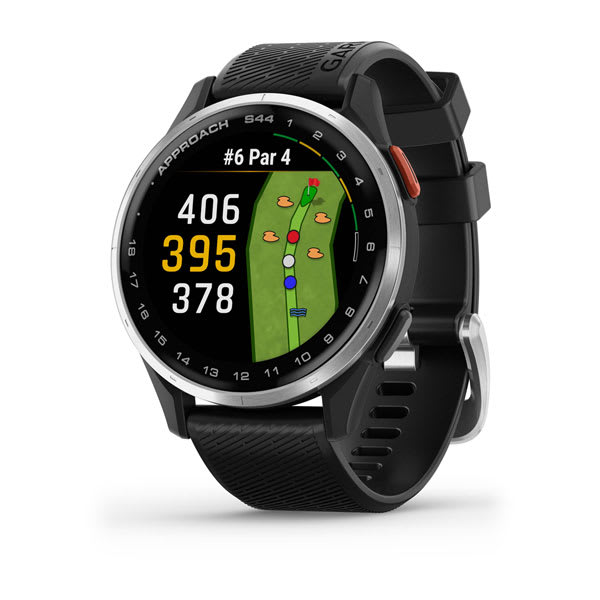
The best golf GPS watch is the one you'll actually wear
Golf watches now range from a simple yardage display to a rugged solar computer that tracks every shot. The trick isn't buying the most features — it's matching the watch to how you actually play and what you'll genuinely use. Here's how to pick the right tier.
Review
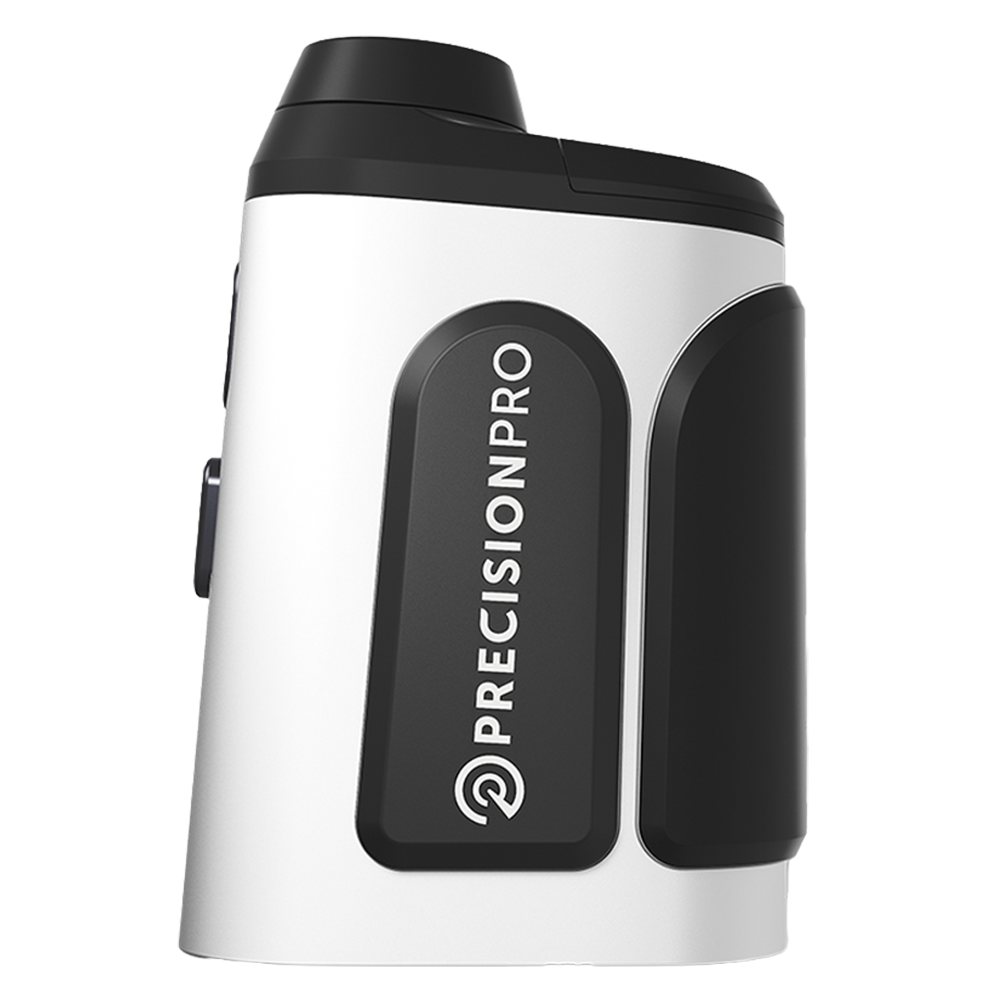
8.8/10Precision Pro NX10 review: the laser that makes Bushnell money hard to justify
The NX10 is the first sub-flagship laser in years that genuinely rivals a top Bushnell — perfect-scoring accuracy, fast pin-lock and switchable slope for roughly half the money. Here's what you give up, and who should still spend more.
Versus
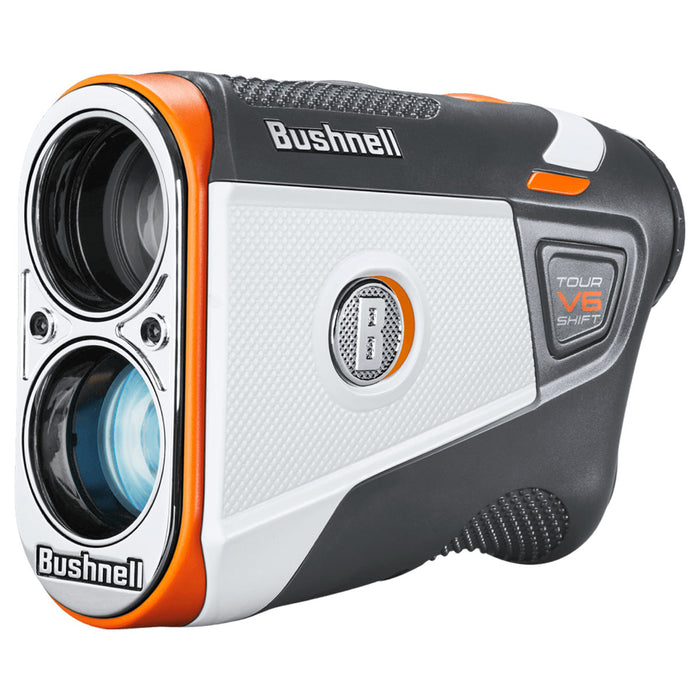
Bushnell Tour V6 Shift vs Shot Scope Pro L2: do you really need the badge?
Two of the best value lasers in golf, from opposite ends of the value argument. The Shot Scope is the giant-killer on pure accuracy-per-pound; the Bushnell sells trust, optics and that famous pin-lock. Here's which one actually deserves your money.
Explained
How good are cheap rangefinders now? Good enough to embarrass a Bushnell
The gap between a pocket-money laser and a flagship one has quietly collapsed. For most golfers a value rangefinder now does the whole job — here's the ladder from dirt-cheap to feature-loaded, and exactly where the extra money still buys you something real.
Explained
How much should you spend on a rangefinder?
They all measure the same yardage. Here's what your money actually buys above the basics — and where it stops mattering.
Opinion
Slope is the most overhyped feature on your rangefinder
It's the headline selling point on every laser — and the one feature you legally can't use when it matters most. Here's the honest take.
Versus
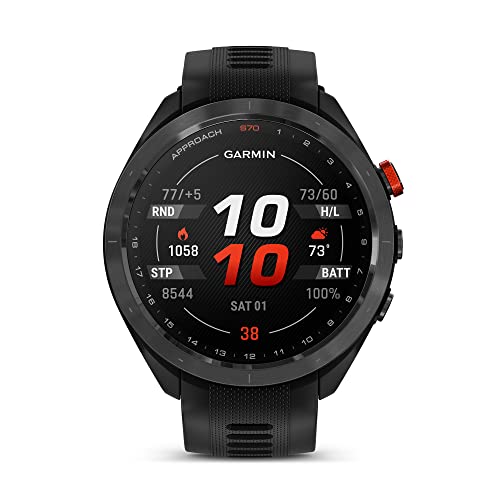
GPS watch vs laser rangefinder: which should you buy first?
They solve the distance problem in opposite ways. Most golfers only need one to start — here's how to choose.
Review
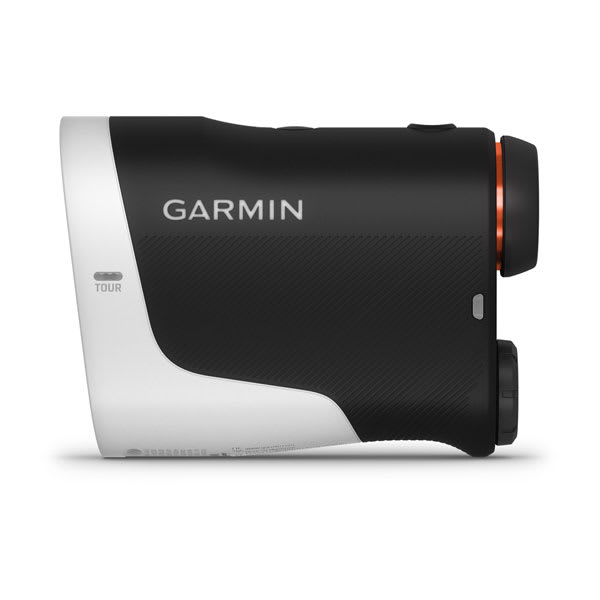
8.4/10Garmin Approach Z30 review: the connected laser, if you're already a Garmin golfer
Garmin's first new rangefinder in years beams the pin number to your watch. Whether that's worth the money depends entirely on what's on your wrist.
Review
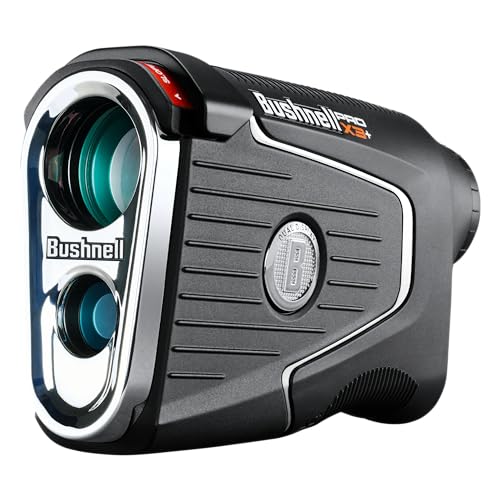
9.1/10Bushnell Pro X3+ review: the laser other lasers are measured against
It's the rangefinder you see in more tour bags than any other. Here's whether the premium price holds up.
Review
8.8/10Nikon Coolshot Pro II review: the laser for anyone whose hands aren't steady
The best glass in the mid-tier and stabilisation that genuinely works. The smart-money laser if you play in dull light or your hands aren't rock steady.
Review
8.7/10Bushnell Tour V7 Shift review: the rangefinder most golfers should buy
Fast, confident lock-on, switchable slope and Bushnell's reliability — the all-rounder that tops the lists, and the one we recommend by default.
Explained
Is a slope rangefinder worth it? (And is it legal?)
Yes for practice and casual rounds — it makes you a smarter club-picker. No for competition, where it's illegal unless you can switch it off.
Explained
Golf GPS in 2026: what's actually worth buying now
Golf GPS had a big year — laser-and-GPS hybrids, connected rangefinders and slope displays that finally earn their keep. Here's the landscape: what's worth your money now, and the new arrivals worth knowing about.
Review
8.2/10Mileseey GenePro G1 review: the rangefinder that swallowed a GPS watch
A laser with a full touchscreen GPS bolted to the side. Absurd on paper, genuinely clever in the hand, and let down by its own app.
Review
7.8/10FlightScope i4 review: the smartest yardage in golf, and you'll be switching it off
A launch monitor company built a rangefinder that tells you what the shot plays as, not what it measures. The adjusted number is also not tournament legal, which decides who should buy it.
Opinion
Three devices, one yardage: pick the one that answers your question and commit to it
A watch, a laser and an app answer three different questions, which is why their numbers never quite agree. Cross-checking the disagreement turns a decision into an audit.
Review
7.6/10Bushnell built the device that ends the two-gadget dance. Almost nobody buys it.
A laser and a GPS in the same viewfinder, so you look once instead of twice. The category has never really sold, and the reason is not the one golfers give.
Equipment8 Jun 2026
The rangefinder now talks to your watch
Garmin's new laser zaps a yardage straight to your wrist — the most genuinely new idea in distance gear this year.
Read