
How good are cheap rangefinders now? Good enough to embarrass a Bushnell
The gap between a pocket-money laser and a flagship one has quietly collapsed. For most golfers a value rangefinder now does the whole job — here's the ladder from dirt-cheap to feature-loaded, and exactly where the extra money still buys you something real.
By Dan Mercer · Editor
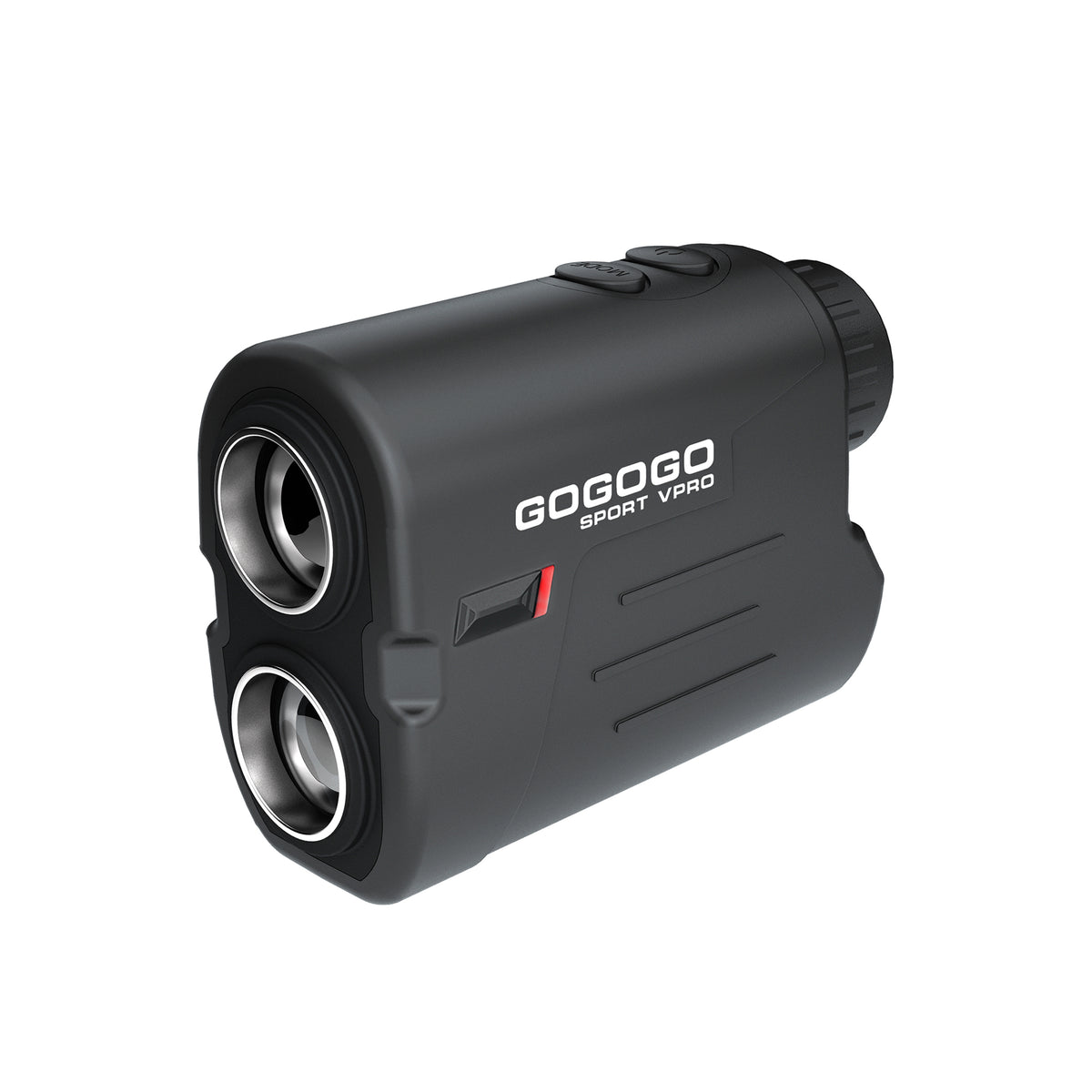
GoGoGo Sport
GoGoGo Sport Vpro Rangefinder
ifrothgolf earns a commission on purchases made through these links, at no extra cost to you. It never changes what I recommend. Full disclosure.
A few years ago, buying anything other than a Bushnell felt like a gamble. Not any more. The cheap end of the rangefinder market has caught up so fast that the sensible question is no longer 'which flagship?' but 'why would I spend flagship money at all?'. For most golfers the honest answer is that a value laser now does the entire job — accurate distance, fast lock, switchable slope — and the money you save is better spent on lessons or a fitting. Here is the ladder, rung by rung, and where the extra spend still earns its keep.
The entry point: does a cheap one even work?
Yes — genuinely. The GoGoGo Sport Vpro is the unit the internet keeps pointing people towards, and for good reason. For pocket money you get switchable slope (so it stays legal for comps), 6x magnification and a flag-lock pulse that buzzes when you have nailed the pin. Is the glass as crisp as a flagship in flat light? No. Will the average golfer notice on a Saturday medal? Also no. It is the easiest yes in the tech category, and the proof that the floor has risen.
The value sweet spot
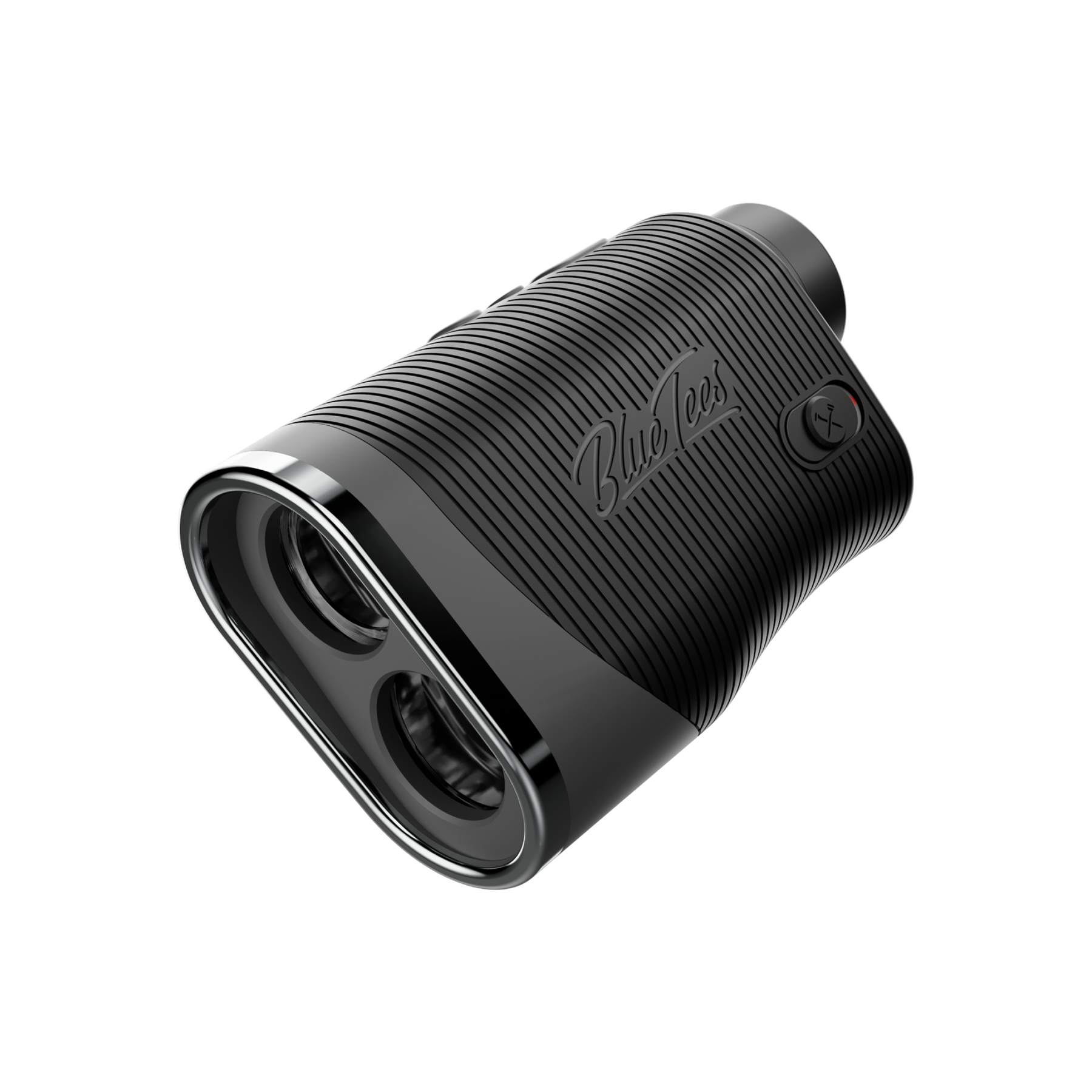
Spend a little more and you reach the tier most golfers should actually buy. The Blue Tees Series 3 Max+ is a tidy, ergonomic laser with 7x magnification, an external slope switch, a USB-rechargeable battery and a grippy cart magnet, and inside 150 yards it returns distances within a yard of premium units. The one honest limit: its pin-seeking can struggle to grab a flag cleanly at long range, so if you regularly need a 250-yard lock, look one rung up. For everyday golf, it nails the job for a fraction of flagship money.
Premium-value, no gimmicks
This is the rung that should worry the big brands. The Shot Scope Pro ZR — from an Edinburgh company that has quietly become the best-value name in golf tech — gives you a 1500-yard range, adaptive slope with a tournament-legal off switch, target-lock vibration and a rugged, water-resistant body. Its clever trick is dual optics: one button flips between a red or black display to suit the light, which is genuinely useful on gloomy mornings. In accuracy testing it has gone toe-to-toe with lasers costing far more and barely blinked. No colour screen, no app cleverness — just the right number, fast, every time.
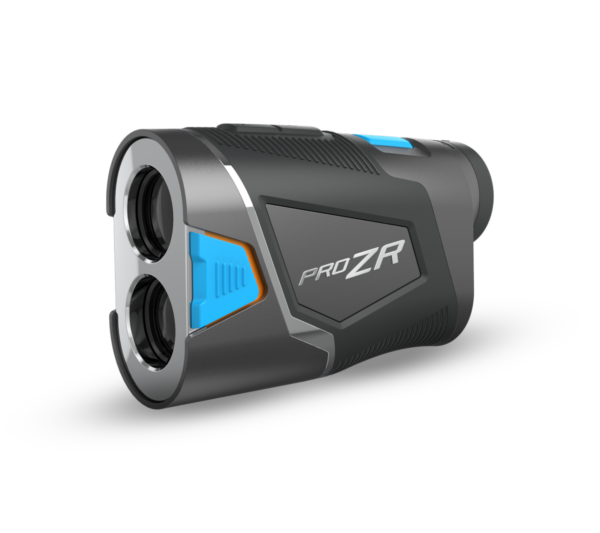
When 'cheap' means more features, not fewer
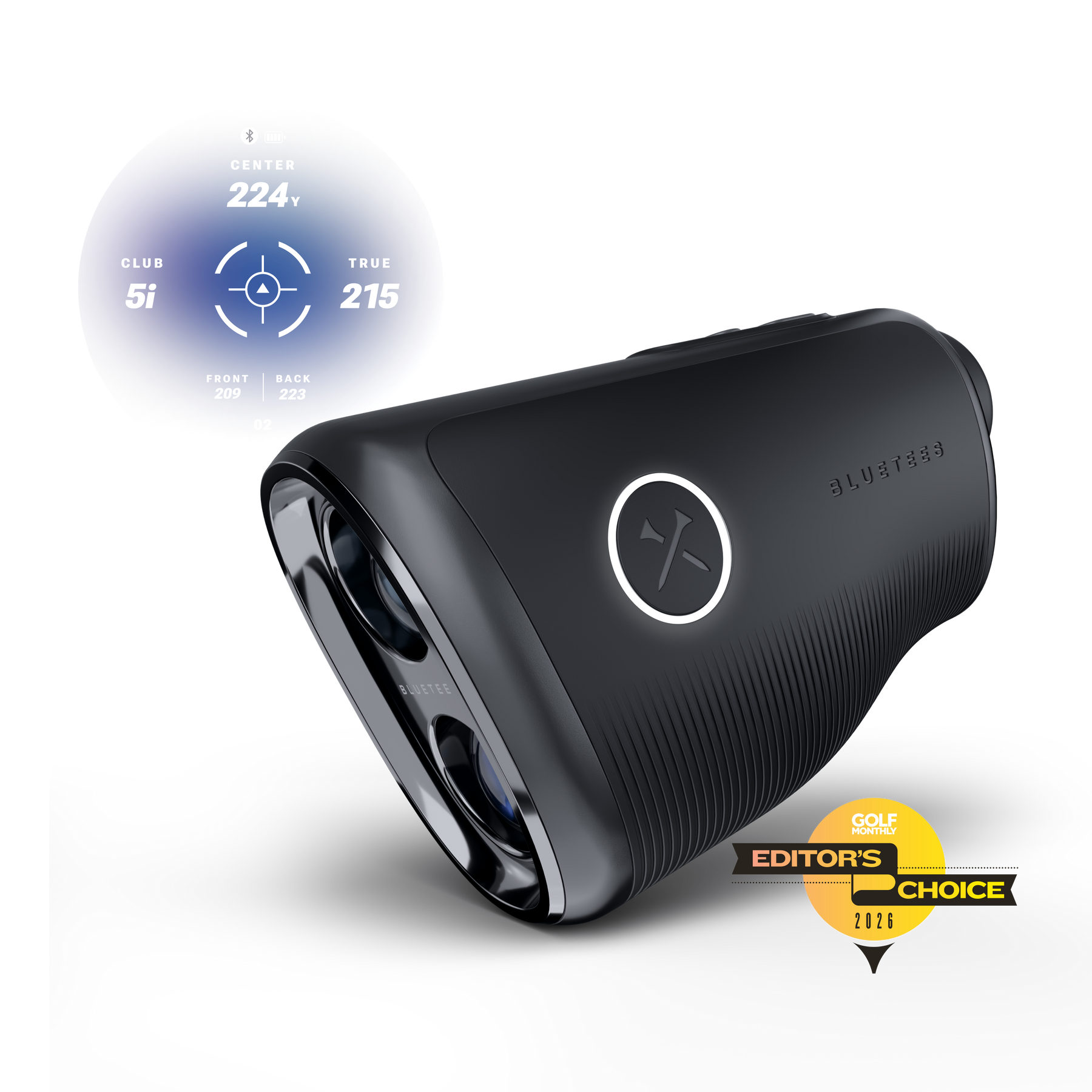
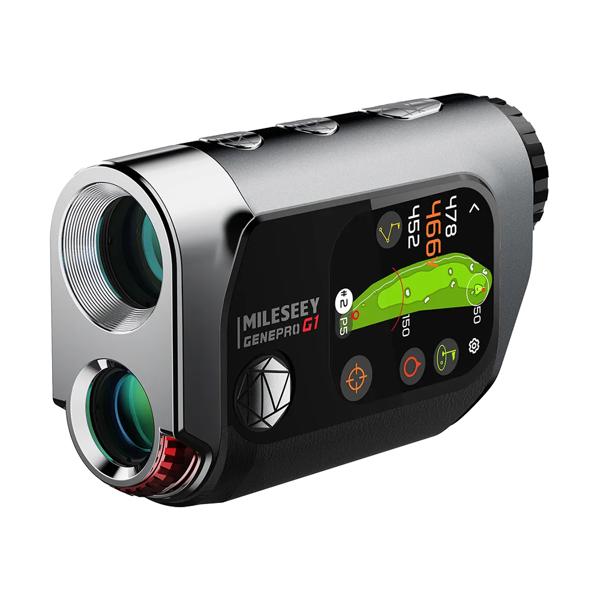
The other thing value brands now do is cram in features the flagships leave out. The Blue Tees Captain Pro packs a laser, GPS distances and shot tracking into one unit with a colour OLED screen, a 1200-yard range and AI-adjusted 'plays-like' yardages — a startling amount of kit for the price, provided you can live with a learning curve and an app that is the weak link. The Mileseey GenePro G1 goes further still, bolting a full GPS touchscreen with hole maps onto a fast laser; the hardware is genuinely innovative, even if the companion software is thin. Neither is truly 'budget', but both do what used to cost far more.
What you actually give up at the bottom
It would be dishonest to pretend there is no difference at all. Spend flagship money and you do get something for it — you just have to be clear-eyed about whether you will ever notice. The real gaps are in three places. First, optics: premium glass is sharper and brighter, which matters most in flat, grey light or when you are trying to pick a distant flag out of a cluttered treeline. Second, pin-locking at range: cheaper units can hunt and grab the trees behind the green on a long approach, where a flagship snaps onto the flag first time. Third, build and magnet strength: the premium bodies feel tougher and their cart magnets are noticeably stronger. What you do not give up, on any half-decent modern unit, is the number itself — accuracy has become the great equaliser, and that is the whole story of why the cheap end is suddenly worth taking seriously.
So how much should you actually spend?
Here is the framing that saves you money. If you just want a reliable number, the entry and value tiers are all you need — a great laser is a solved problem well short of flagship money. Spend up only for a specific reason: the sharpest low-light optics, the strongest magnet, a proven badge with strong resale, or a genuine laser-plus-GPS combo. Work out which of those you actually care about — our guide to how much to spend on a rangefinder walks through the tiers, and the best rangefinders guide has the picks, or our Rangefinder Finder turns those trade-offs into a single recommendation. Most golfers will find they needed far less than the flagship shelf suggested.
Products mentioned in this article
GoGoGo Sport
GoGoGo Sport Vpro Rangefinder
The internet's default budget pick: slope, 6x magnification and a flag-lock buzz for pocket money.
Blue Tees
Blue Tees Series 3 Max+
The value sweet spot: a compact, USB-rechargeable 7x laser that nails everyday distances.
Shot Scope
Shot Scope PRO ZR Laser Rangefinder
Premium-value done right: dual red-and-black optics and a 1500-yard range from a brand that undercuts the big names.
Blue Tees
Blue Tees Captain Pro Rangefinder
Laser, GPS and shot tracking in one — a ridiculous feature count for the money, if you tolerate a fiddly app.
Mileseey
Mileseey GenePro G1 Touchscreen GPS Rangefinder
The kitchen-sink unit: a full GPS touchscreen bolted onto a fast laser. Buy it for the hardware, not the app.
ifrothgolf earns a commission on purchases made through these links, at no extra cost to you. It never changes what I recommend. Full disclosure.
Frequently asked
- Are cheap golf rangefinders accurate?
- The good ones are, yes. Value lasers from Shot Scope, Blue Tees and GoGoGo now read within a yard of flagship units at normal course distances. The differences show up in optical sharpness in poor light and pin-locking at very long range, not in the everyday number.
- Is a budget rangefinder with slope legal in competition?
- Only with slope switched off. Slope adjustment is not permitted under the Rules of Golf, so a legal budget unit is one with a physical on/off toggle — which most now have. Turn slope off and it is tournament-legal.
- What is the cheapest rangefinder worth buying?
- Something like the GoGoGo Sport Vpro sits at the sensible floor: switchable slope, 6x magnification and reliable flag-lock for pocket money. Below that you start losing accuracy and build quality that even a casual golfer will notice.
- Should I buy a laser or a GPS rangefinder?
- A laser gives an exact distance to any target you aim at; a GPS gives preloaded front, middle and back numbers without aiming. Lasers are more precise, GPS is faster for blind shots. Hybrid units like the Captain Pro and GenePro G1 now try to do both in one device.
Read next
Versus
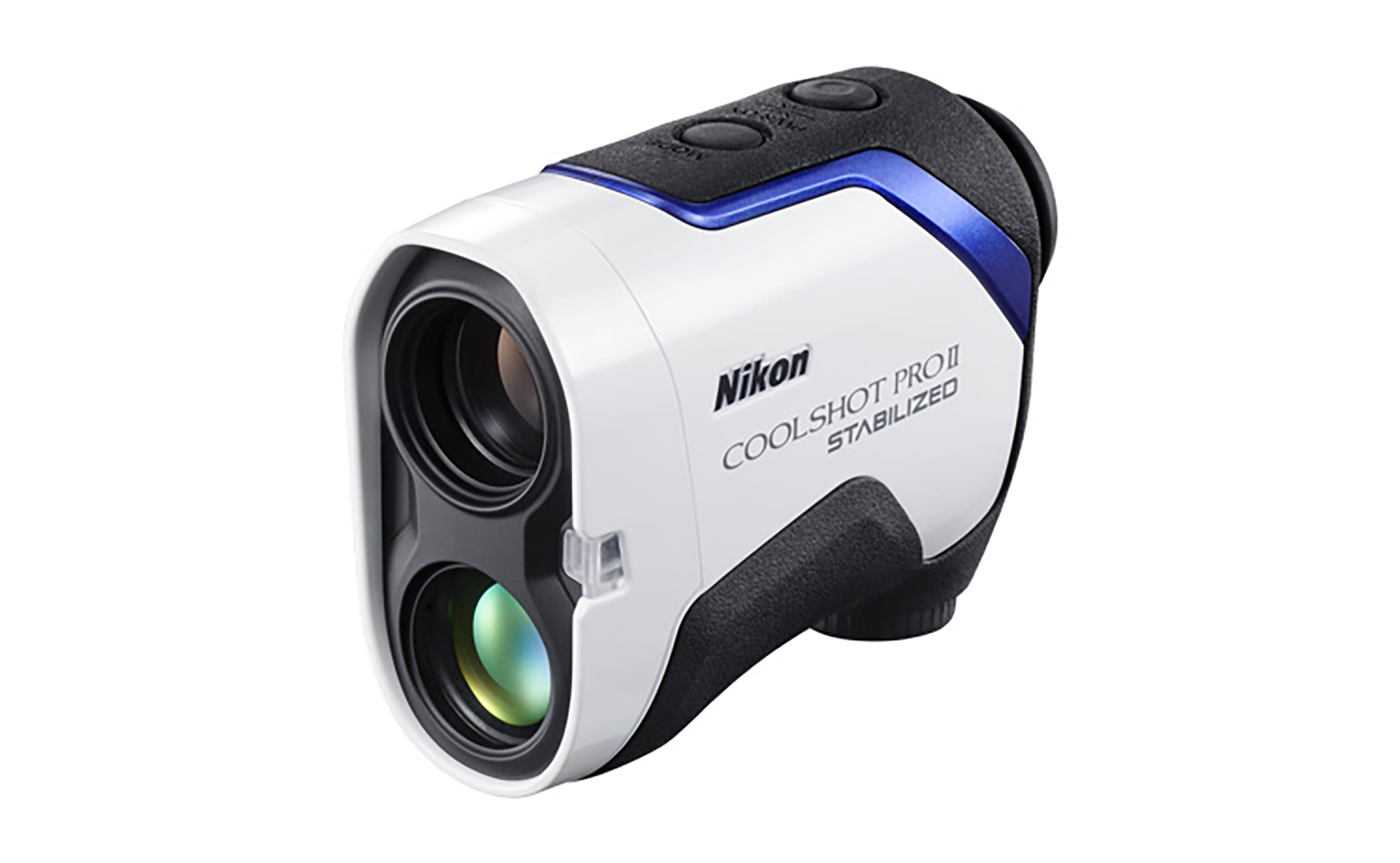
Nikon Coolshot Pro II vs Precision Pro NX10: how much rangefinder do you need?
One buys you the best optics and a gyro-stabilised picture; the other gives you most of the experience for a little over half the outlay. Which is the smarter buy?
Versus
GoGoGo Vpro vs Bushnell Tour V7 Shift: do you really need to spend 5x?
A budget-laser icon against the tour-caddie standard — one costs roughly five times the other, and only one specific golfer actually needs the expensive one.
Review
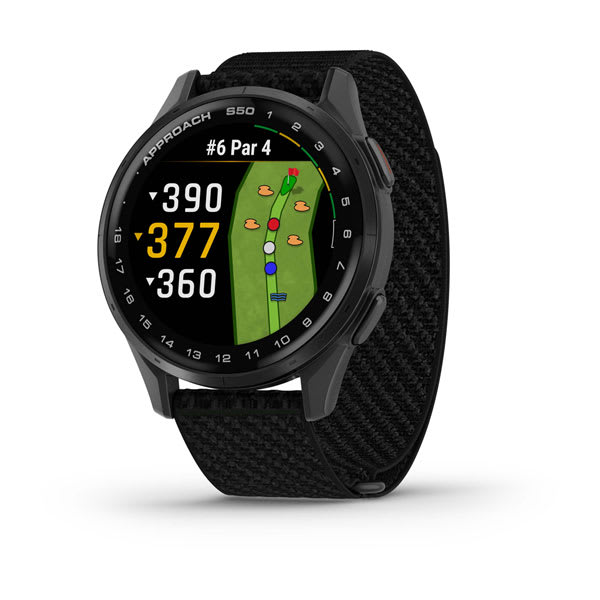
8.7/10Garmin Approach S50 review: the golf watch most people should actually buy
The S50 takes nearly everything that made Garmin's flagship special — the gorgeous AMOLED screen, slope-adjusted distances, shot tracking, wrist heart rate and Garmin Pay — and sells it for a lot less than double. For most golfers, this is the sweet spot.