
Golf GPS in 2026: what's actually worth buying now
Golf GPS had a big year — laser-and-GPS hybrids, connected rangefinders and slope displays that finally earn their keep. Here's the landscape: what's worth your money now, and the new arrivals worth knowing about.
By Dan Mercer · Editor
Bushnell
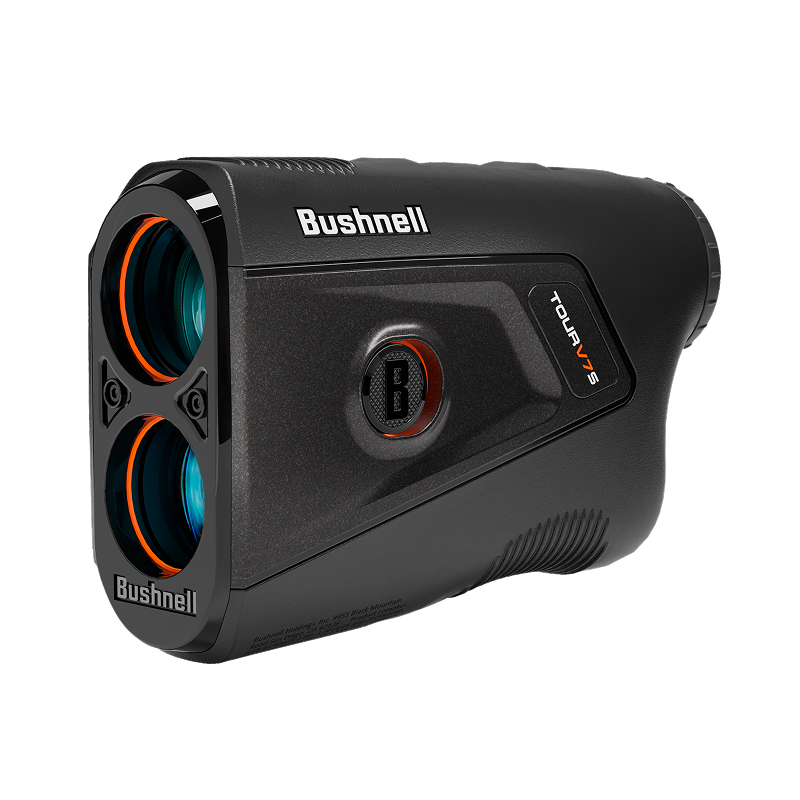
Bushnell Tour V7 Shift Laser Rangefinder
ifrothgolf earns a commission on purchases made through these links, at no extra cost to you. It never changes what I recommend. Full disclosure.
Golf GPS and laser rangefinders quietly had one of their strongest years in 2026, and it's changed the buying advice. The short version: the line between GPS and laser is blurring fast, 'connected' units that sync to your phone are now the norm rather than a novelty, and slope displays have finally got good enough to be worth having. That's mostly good news — but it also means the old 'just buy a Bushnell' answer is lazy. Here's the honest landscape, the picks worth your money right now, and the just-launched devices worth knowing about before you spend.
The laser everyone's talking about
The Bushnell Tour V7 Shift has become the hot device of the year, and it's earned it. The headline is a two-colour OLED display that shows slope-adjusted 'plays-like' yardage in green, plus club recommendations and a yardage-recall feature — the kind of polish that used to be reserved for the top of the range, now in the unit most serious players will actually buy. Slope toggles off for competition, so it's tournament-legal. If you want one laser and no fuss, this is the default.
The value shock
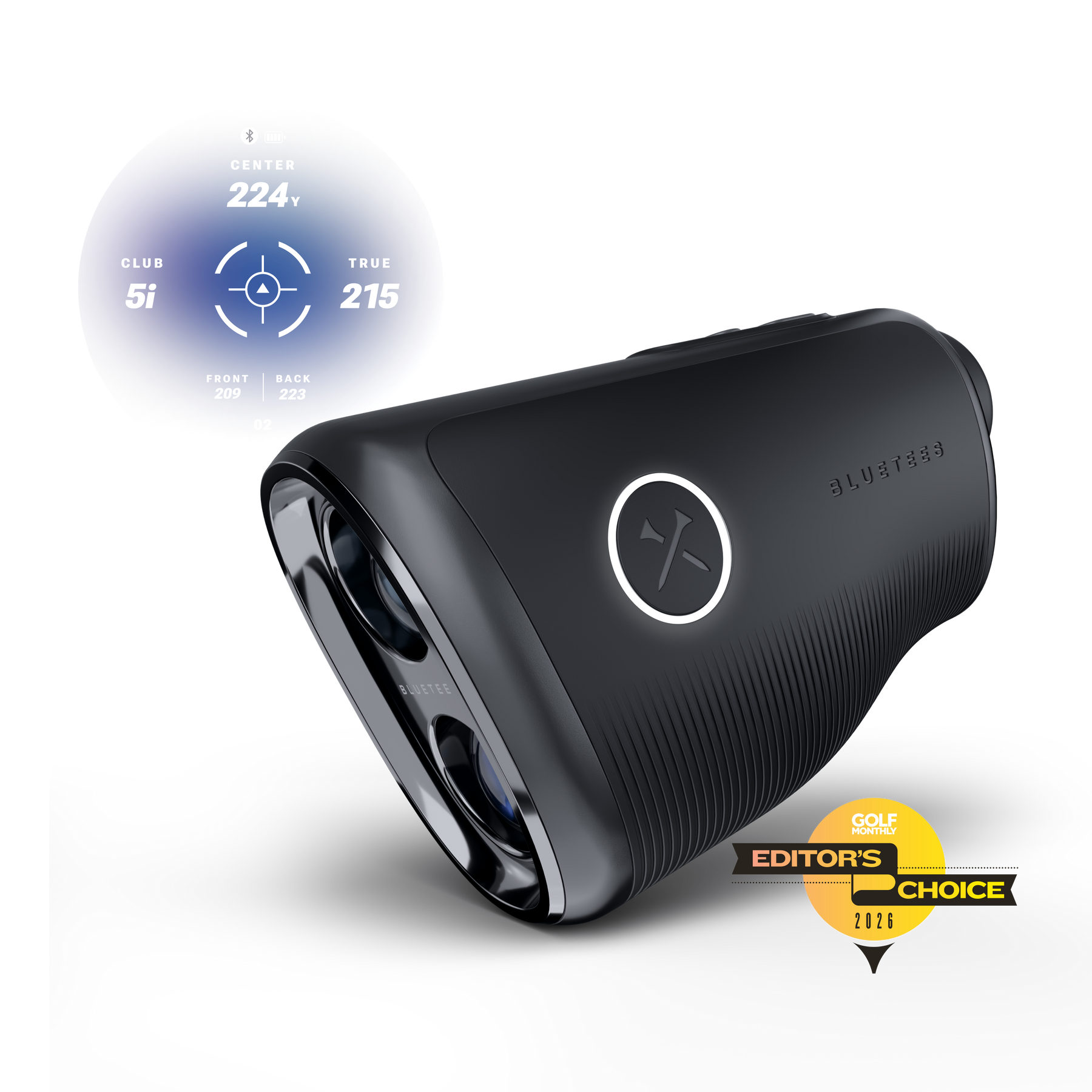
The most disruptive story in golf tech isn't the flagships — it's how good the challenger brands have got. The Blue Tees Captain Pro packs premium OLED optics, GPS yardages and 'True Distance' slope into a connected laser that costs a fraction of the big names. It genuinely reframes what you need to spend: for a lot of golfers, this is all the rangefinder they'll ever require, and the money saved buys a lesson or two.
The watch that does it all
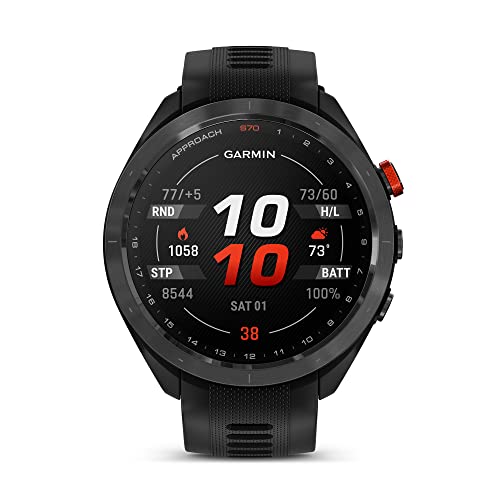
If you'd rather glance at your wrist than raise a laser, the Garmin Approach S70 is the best all-round golf watch going: a bright AMOLED screen, full-colour hole maps and the accuracy that topped independent testing this year. It's the watch to buy if you want the complete on-course picture — hazards, layups, greens — without pulling anything out of your pocket.
The one that makes you better
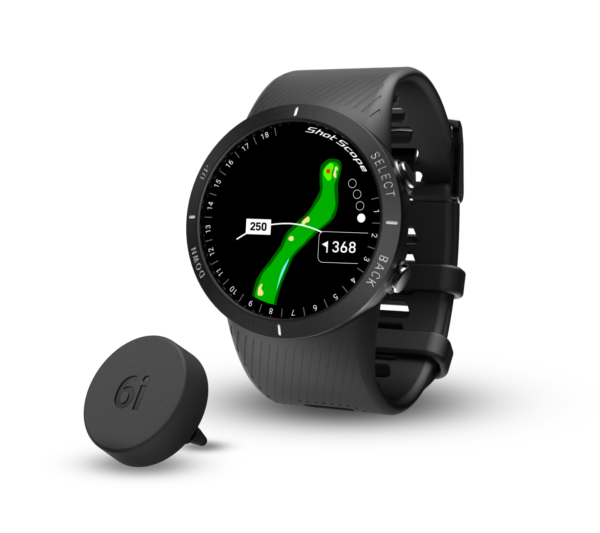
A yardage only tells you where the flag is, not why you keep missing it. The Shot Scope V5 adds automatic shot tracking and strokes-gained-style stats — and, crucially, its software is free for life with no subscription, which is rare. If you want data to aim your practice rather than just a number, it's the pick.
The budget surprise
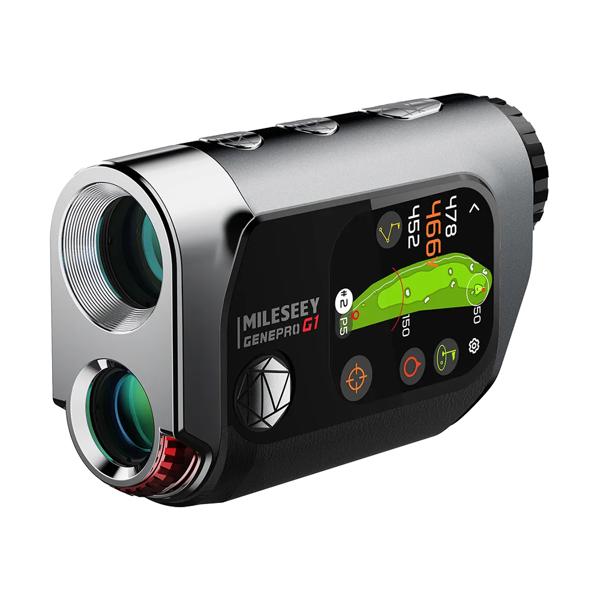
At the value end, the Mileseey GenePro G1 is a touchscreen unit that combines GPS and laser at a price that not long ago bought a basic laser alone. It's proof of how fast this category has fallen in price without falling apart.
What's just landed
Three 2026 arrivals are worth having on your radar before you commit. Bushnell's new Tour Hybrid folds GPS and laser into a single body — an attempt to end the GPS-versus-laser debate by giving you both at once. Shot Scope's H50 adds green contours and a green-outlook view to its GPS line. And Blue Tees' Captain Air is a lighter sibling to the Captain Pro above. All three are brand-new; we'll cover them in full once they've been properly put through their paces, so treat them as 'wait and watch' rather than 'buy today'.
GPS, laser or hybrid — how to choose
The quick logic: a laser is most precise to a specific target (a flag, a tree to lay up short of) and is the choice if you trust your own reads; a GPS watch is faster and gives you the whole hole at a glance, which suits quicker rounds and newer players; a hybrid or a connected unit that does both is where the market is heading if you don't want to choose. Match it to how you actually play, not the longest spec sheet — and if you're still deciding, our best rangefinders guide lays out the field.
Products mentioned in this article
Bushnell
Bushnell Tour V7 Shift Laser Rangefinder
The one everyone's talking about: a two-colour OLED laser with slope you can toggle and club recommendations.
Blue Tees
Blue Tees Captain Pro Rangefinder
The value shock: connected OLED optics, GPS yardages and 'True Distance' slope for a fraction of the flagship price.
Garmin
Garmin Approach S70 (47mm)
The best all-round watch: bright AMOLED, superb accuracy and full course maps on the wrist.
Shot Scope
Shot Scope V5 GPS Watch
The stats pick: automatic shot tracking and strokes-gained data, with software that's free for life.
Mileseey
Mileseey GenePro G1 Touchscreen GPS Rangefinder
The budget surprise: a touchscreen GPS-and-laser at a price that used to buy a basic laser alone.
ifrothgolf earns a commission on purchases made through these links, at no extra cost to you. It never changes what I recommend. Full disclosure.
Frequently asked
- What's the best golf rangefinder in 2026?
- For most players the Bushnell Tour V7 Shift is the standout laser — a two-colour OLED display, toggle-off slope and club recommendations. If value matters more, the Blue Tees Captain Pro delivers most of the same experience for a fraction of the price. The 'best' depends on budget and whether you prefer a laser or a wrist-based GPS.
- Is a GPS watch or a laser rangefinder better?
- A laser is more precise to a specific target and great if you trust your own reads; a GPS watch is faster and shows the whole hole at a glance, which suits quicker rounds and newer players. Neither is universally better — increasingly, hybrid and connected units offer both, which is where the market is moving.
- Are cheap rangefinders any good now?
- Yes — that's the big story of 2026. Challenger brands like Blue Tees and Mileseey now pack OLED displays, GPS and slope into units that cost a fraction of the flagships, and for most golfers they're more than accurate enough. You're mainly paying the big names for glass quality and long-term reliability.
- Do I need slope on a rangefinder?
- It's genuinely useful for practice and casual rounds, giving you a 'plays-like' number that accounts for elevation. Just make sure it toggles off, because slope-adjusted readings aren't legal in most competitions — every modern unit worth buying lets you switch it off.
Read next
Versus
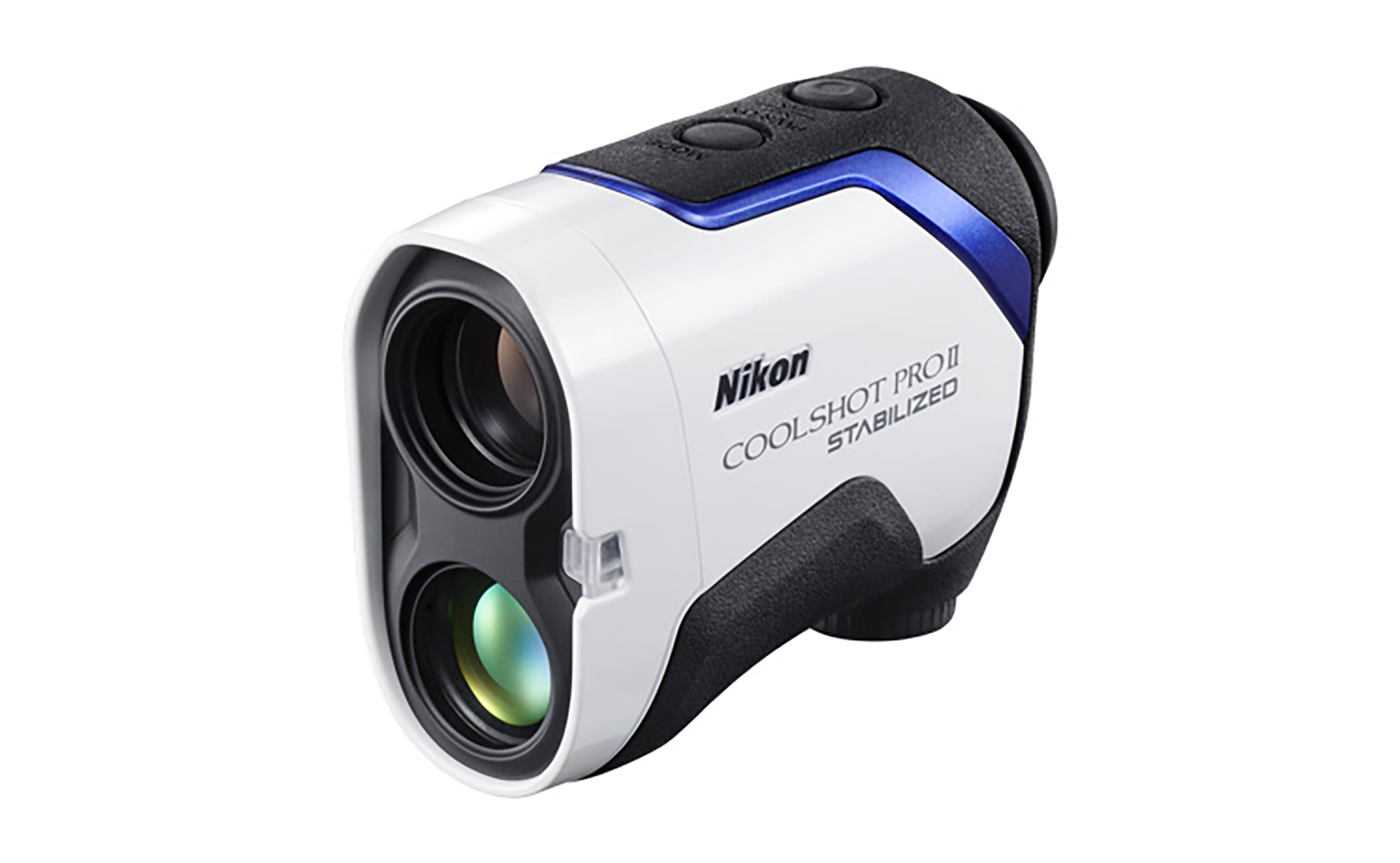
Nikon Coolshot Pro II vs Precision Pro NX10: how much rangefinder do you need?
One buys you the best optics and a gyro-stabilised picture; the other gives you most of the experience for a little over half the outlay. Which is the smarter buy?
Versus
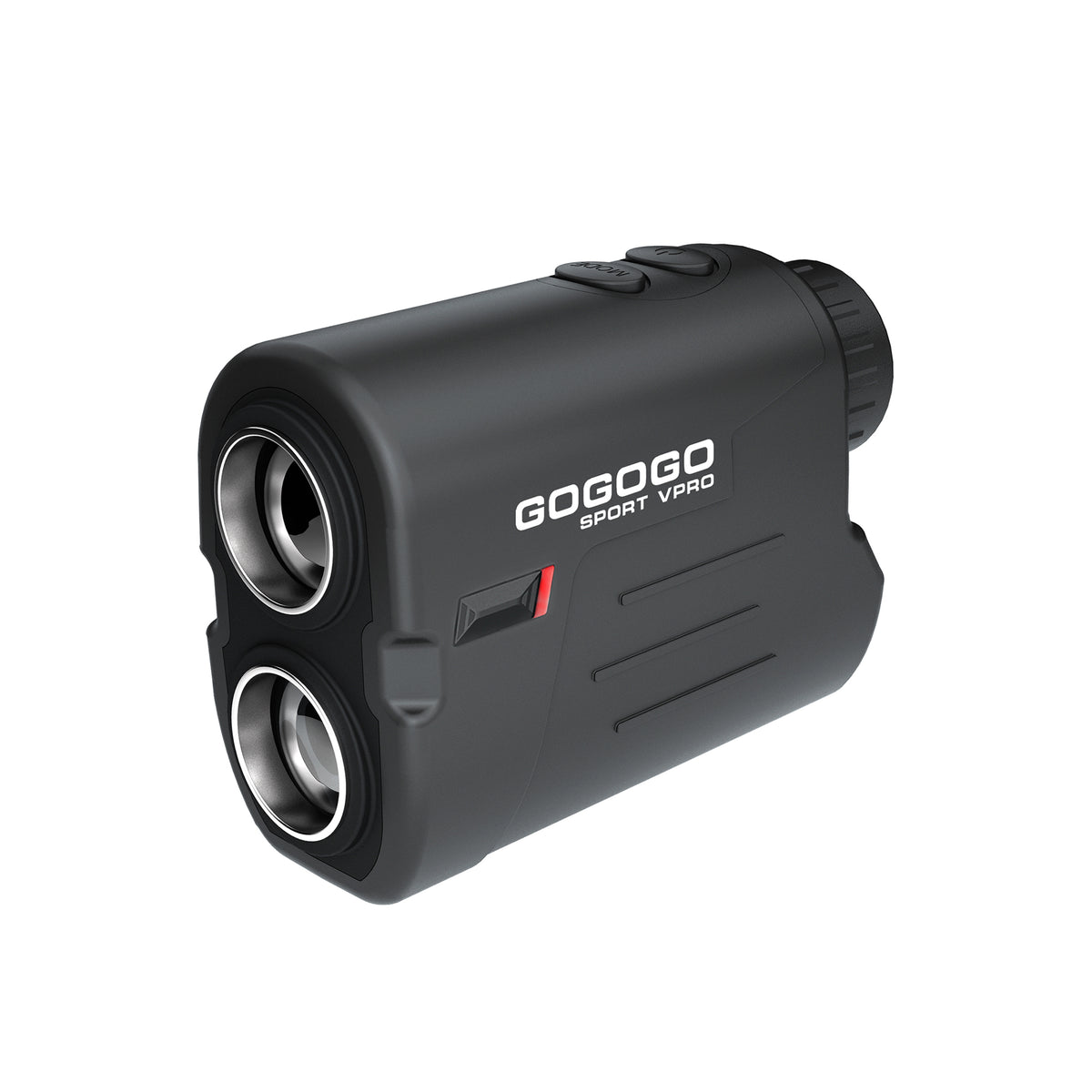
GoGoGo Vpro vs Bushnell Tour V7 Shift: do you really need to spend 5x?
A budget-laser icon against the tour-caddie standard — one costs roughly five times the other, and only one specific golfer actually needs the expensive one.
Review
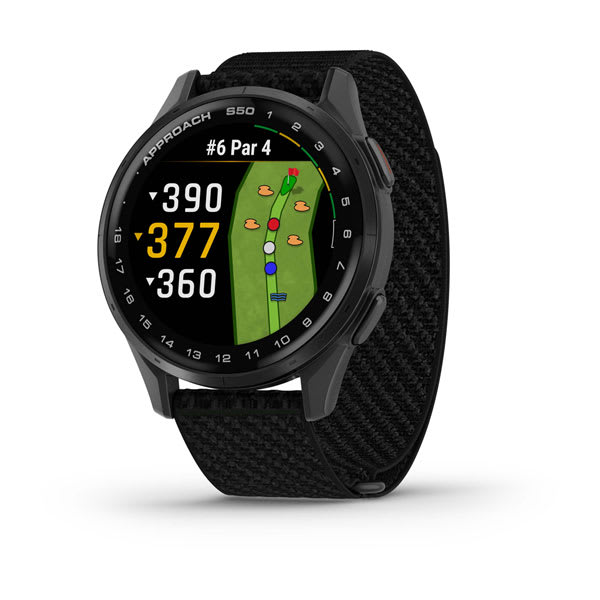
8.7/10Garmin Approach S50 review: the golf watch most people should actually buy
The S50 takes nearly everything that made Garmin's flagship special — the gorgeous AMOLED screen, slope-adjusted distances, shot tracking, wrist heart rate and Garmin Pay — and sells it for a lot less than double. For most golfers, this is the sweet spot.