
Is a slope rangefinder worth it? (And is it legal?)
Yes for practice and casual rounds — it makes you a smarter club-picker. No for competition, where it's illegal unless you can switch it off.
By Jordan Hale · Equipment Writer
 Explained
Quick answer: a slope rangefinder is worth it for practice and social golf, where knowing the true "plays-like" distance genuinely improves your club selection. It's not worth paying extra for as a feature if you only ever play in competition — because slope-adjusted distance is disallowed under the Rules of Golf unless a local rule permits it, so you'd have it switched off all season. The catch is that almost every decent rangefinder now includes slope with a switch to disable it, so the real question is rarely "slope or not" — it's "which switchable model."
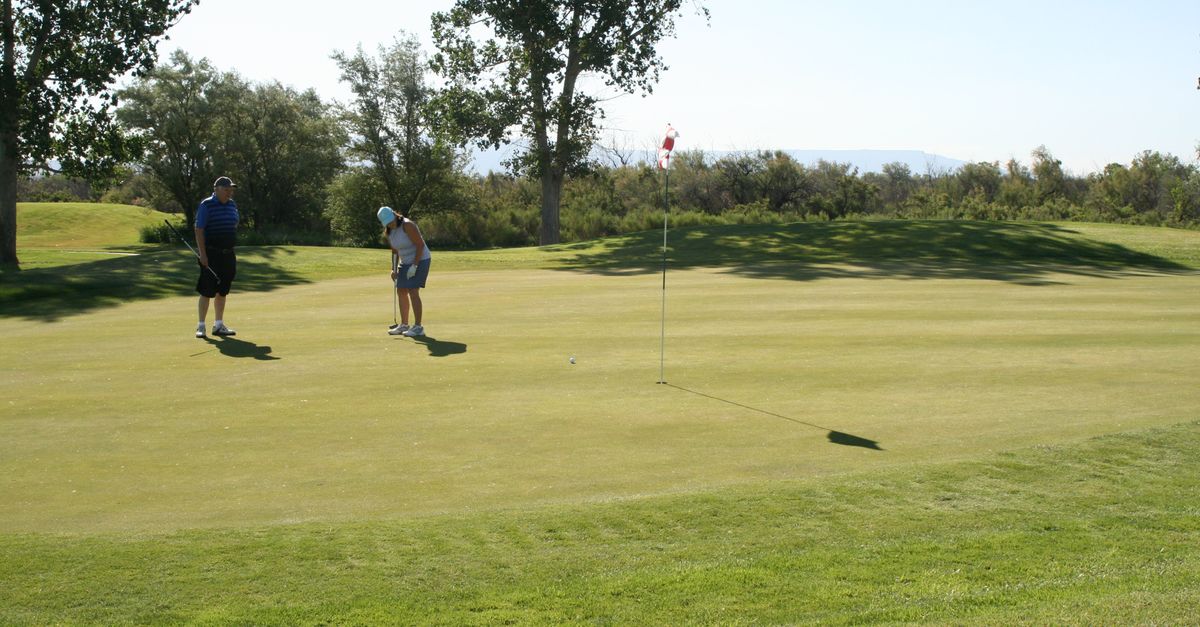
What slope actually does
Slope measures the elevation change to the target and adjusts the yardage accordingly — an uphill 150 might "play like" 162, a downhill one like 141. On hilly courses that's the difference between the right club and either coming up short or flying the green. It removes the guesswork amateurs are worst at: judging elevation. We're decent at reading a flat number off a sprinkler head, but eyeballing how much an uphill approach adds is exactly where club selection falls apart, and it's the gap slope closes. For learning your true distances and playing a new, undulating course you don't know, it's genuinely useful — arguably more so than any other feature on the unit.
Where slope earns the most is the shots you can't pace off or read from experience: the blind uphill approach you've never played, the downhill par 3 where your eyes lie to you, the second shot to an elevated green that always seems to come up a club short. On those you're not refining a good guess, you're replacing a bad one. On a flat course, by contrast, the plays-like number is barely different from the raw yardage, which is exactly why slope is more useful to some golfers than others — and why it's oversold as a universal must-have. Be honest about your home course before you weight it heavily in a buying decision.
When it's banned
Under the Rules of Golf, a device that gives slope-adjusted distance is disallowed in most competition unless a local rule specifically permits it. Plain distance-measuring is generally allowed; slope specifically is the thing that gets you disqualified. The fix the industry settled on is a physical slope toggle — Bushnell's "Slope Switch" and equivalents — usually with an external indicator a playing partner or rules official can see, so it's visibly in a conforming mode. Flip it off and the device is competition-legal; flip it on and it's for practice only. We cover the rule in detail in is a rangefinder legal in competition, and we make the case that even casual players over-rely on slope in turn slope off.
Do you need to pay more for it?
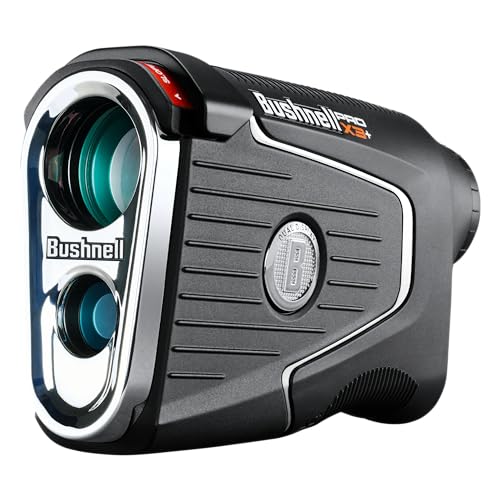
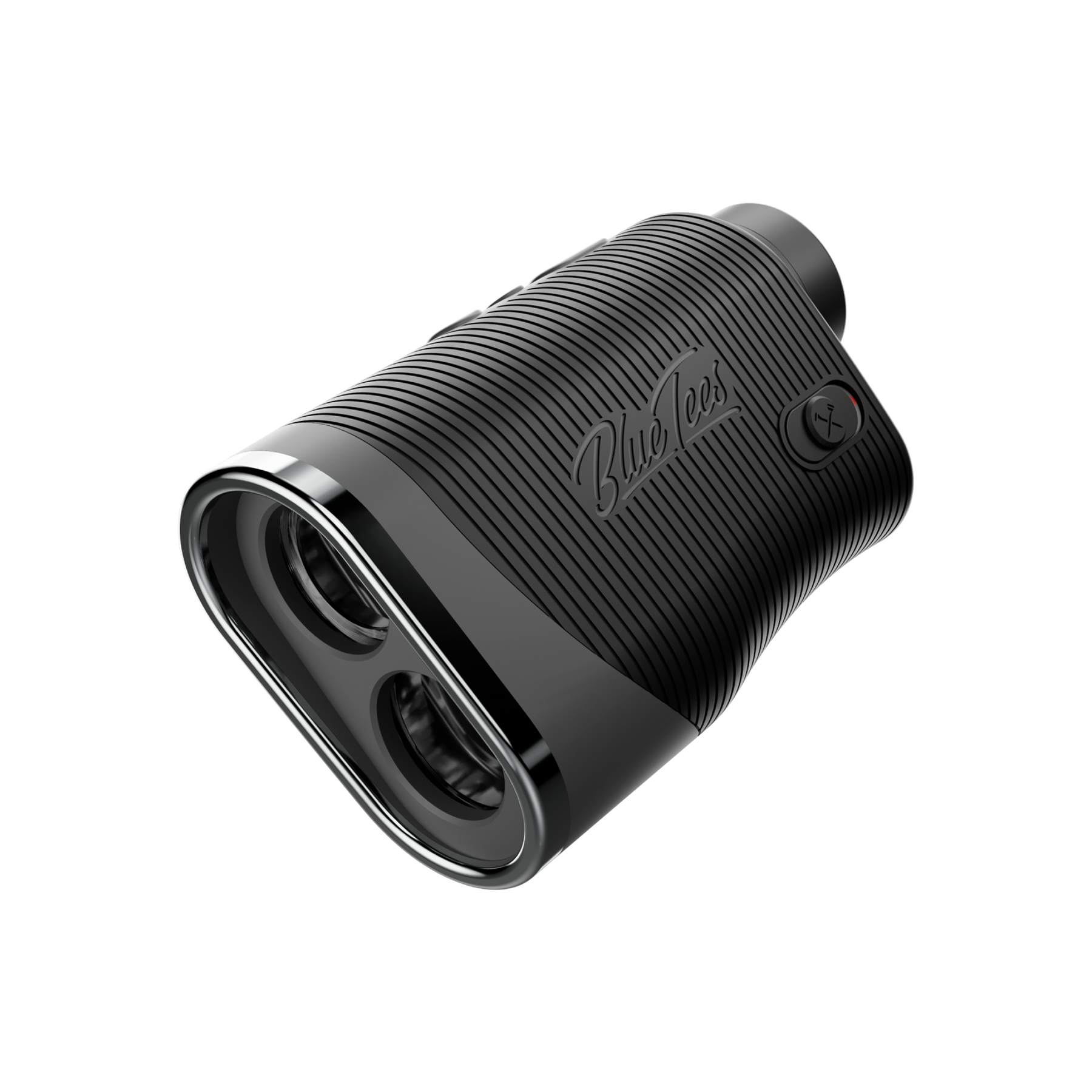
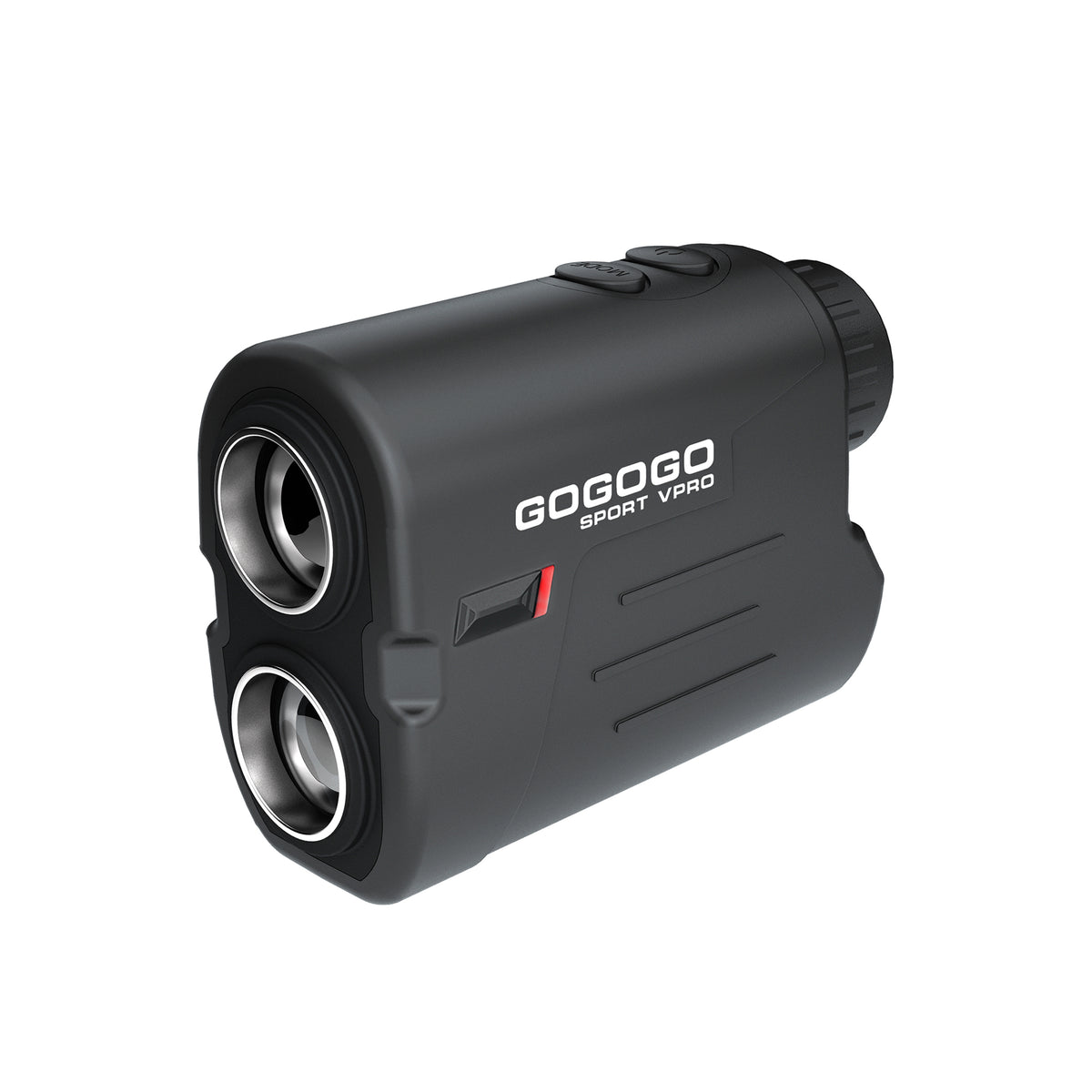
Not really, any more. Slope used to be a premium feature; now it's standard down to budget models. The premium you pay on a Bushnell Pro X3+ buys faster acquisition, 7x optics and a more confident lock — not slope itself. The mid-priced Blue Tees Series 3 Max+, with its easy toggle switch and USB-C charging, and even the budget Gogogo VPro include switchable slope for far less. So buy your rangefinder on speed, optics and build, and treat slope as a box that's already ticked. The fuller breakdown of where your money goes is in how much to spend on a rangefinder.
Slope on a laser vs a GPS watch
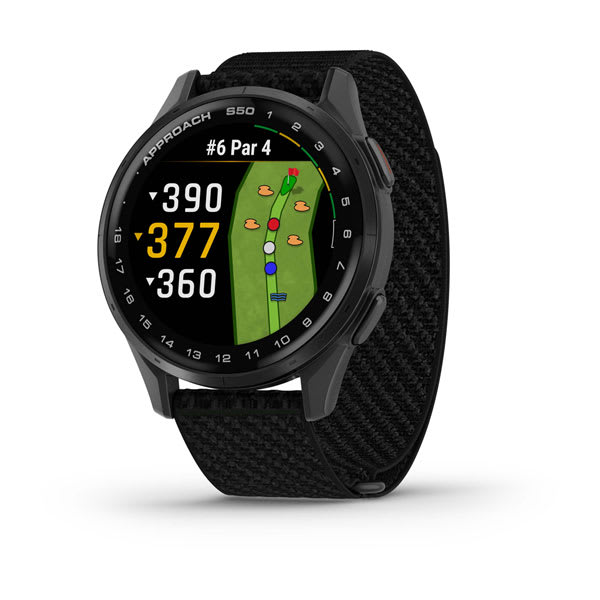
Slope isn't unique to lasers — most flagship GPS watches now fold elevation (and sometimes weather) into a "plays-like" number too. The difference is precision and aim: a laser gives you the exact slope-adjusted yardage to the specific pin you point at, while a watch gives you an elevation-adjusted distance to the front, middle or back of the green without you aiming at anything. For dialled-in approach play the laser wins; for quick whole-hole strategy the watch is faster because there's nothing to pull out. Plenty of keen golfers carry both — we unpick the trade-off properly in GPS watch vs laser.
Who should buy slope, and who can skip it
Buy a slope model — which is to say, almost any model — if you play hilly or unfamiliar courses, if you're still learning your real carry distances, or if you simply want the smartest possible club call on a casual round. That's the large majority of golfers, and the feature costs them nothing because it's now bundled as standard. You can comfortably skip thinking about slope only if you play one flat home course you know cold and never practise with a rangefinder, or if you're a pure-competition player who'd have it switched off every single round anyway. Even then, a switchable unit costs the same as a slope-less one would, so there's no money saved by avoiding it — the decision is really about whether you'll use it, not whether to pay for it.
So, slope or not?
Get a model with switchable slope — which is almost all of them. Use slope to practise and to play casual rounds smarter; flip it off for the medal. The only golfers who can truly ignore slope are pure competition players who never practise with a number in front of them, and even they tend to find it useful on the range to learn how far they really hit each club. Don't pay extra chasing slope as a headline feature, and don't avoid it either — it's a free box that's already ticked. The thing actually worth spending on is lock speed and optics, the upgrades you feel on every shot. Compare the field in our best rangefinders guide, or the value end in best budget rangefinders.
Products mentioned in this article
ifrothgolf earns a commission on purchases made through these links, at no extra cost to you. It never changes what I recommend. Full disclosure.
Frequently asked
- Is a slope rangefinder legal in competition?
- Not with slope active — slope-adjusted distance is disallowed in most competition unless a local rule permits it. But a rangefinder with a slope switch you can turn off, ideally with a visible external indicator, is competition-legal in that mode, which is why switchable models are the ones to buy.
- Is slope worth paying extra for?
- No longer — slope is now standard even on budget rangefinders. Any premium you pay buys faster, more confident targeting and better optics, not the slope feature itself. Treat slope as included rather than as a reason to spend up.
- Does slope make a big difference to scoring?
- On hilly courses, yes — it corrects the elevation judgment amateurs get wrong most, so you take the right club uphill and downhill instead of guessing. On a flat course the benefit is marginal, which is partly why it's overhyped as a selling point.
- GPS or laser for slope?
- Laser rangefinders give the most precise slope-adjusted number to the flag you aim at; GPS watches give an elevation-adjusted distance to the green and are better for whole-hole layout. Many keen golfers carry both — see our GPS-vs-laser comparison.
Read next
Versus
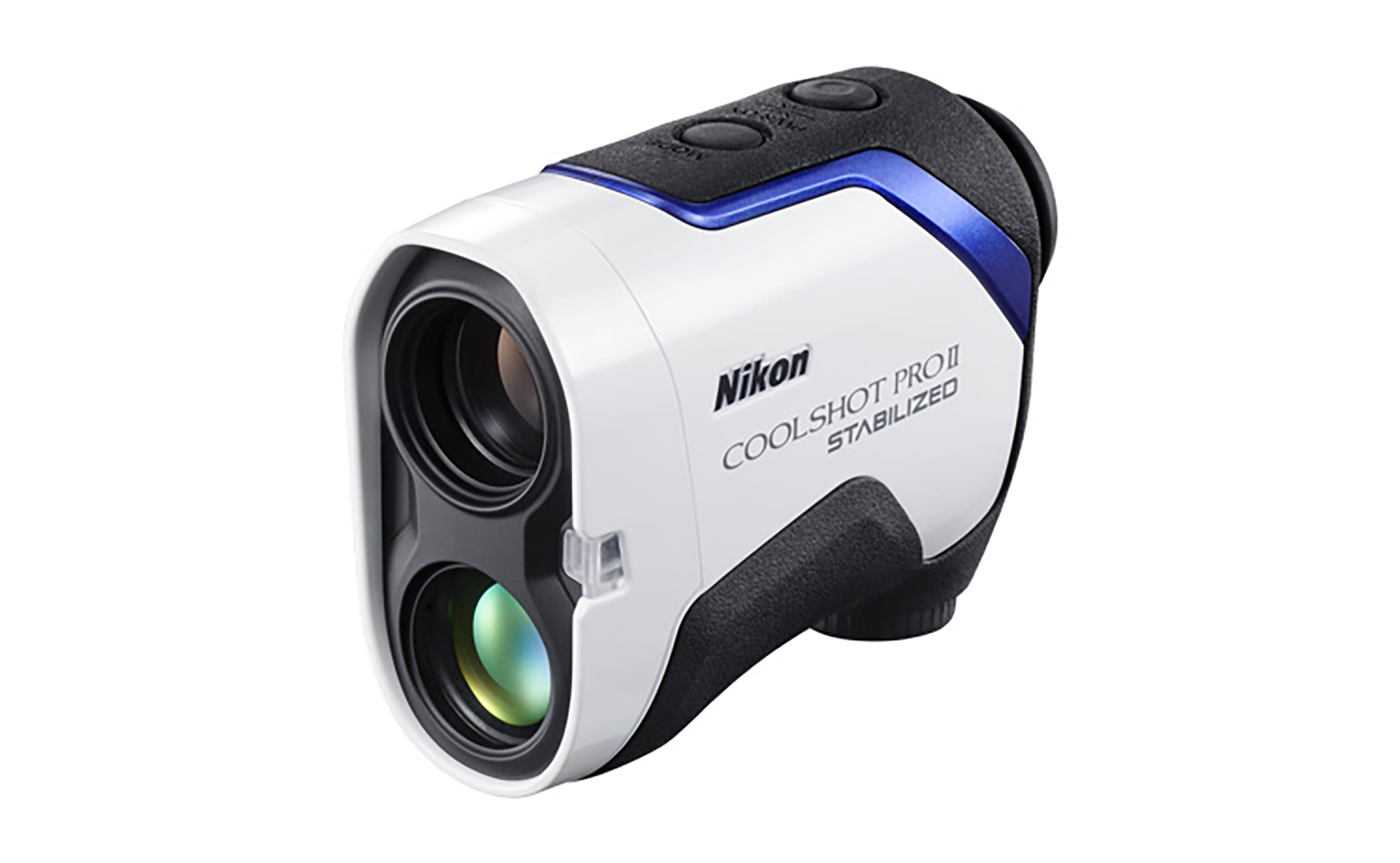
Nikon Coolshot Pro II vs Precision Pro NX10: how much rangefinder do you need?
One buys you the best optics and a gyro-stabilised picture; the other gives you most of the experience for a little over half the outlay. Which is the smarter buy?
Versus
GoGoGo Vpro vs Bushnell Tour V7 Shift: do you really need to spend 5x?
A budget-laser icon against the tour-caddie standard — one costs roughly five times the other, and only one specific golfer actually needs the expensive one.
Review
8.7/10Garmin Approach S50 review: the golf watch most people should actually buy
The S50 takes nearly everything that made Garmin's flagship special — the gorgeous AMOLED screen, slope-adjusted distances, shot tracking, wrist heart rate and Garmin Pay — and sells it for a lot less than double. For most golfers, this is the sweet spot.