
The 7-wood takeover: how to replace the long iron you can't hit
Tour bags and better amateur bags have quietly deleted the 3- and 4-iron. The hard part isn't the deletion, it's choosing between the three very different clubs fighting over the empty slot.
By Jordan Hale · Equipment Writer
Callaway
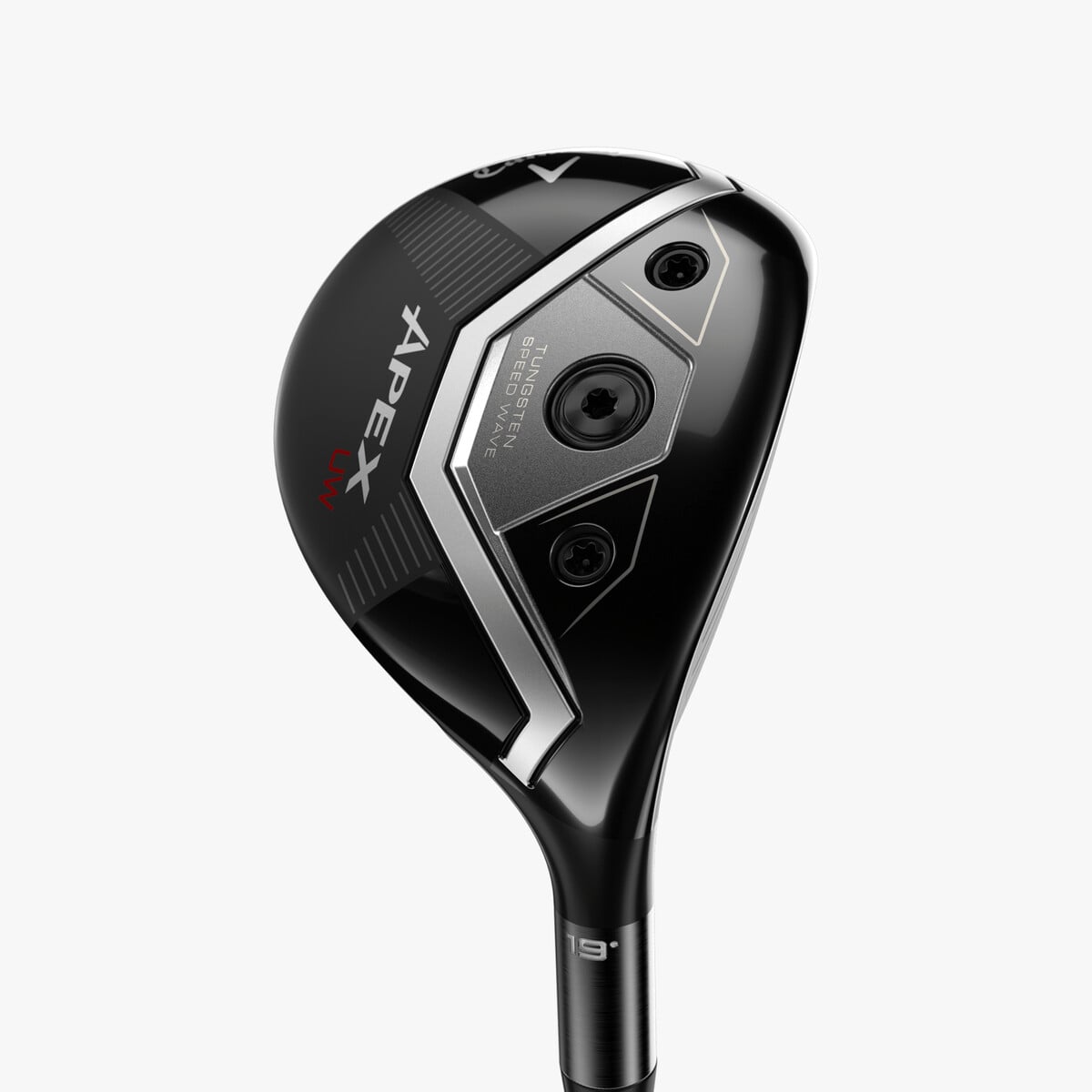
Callaway Apex UW
The longest iron in your bag is almost certainly the club you strike worst, and you keep it because it came in the set. That is the whole story of the last two seasons of equipment: the long iron is being deleted, and something else is moving into the slot. If your misses off a 4-iron are thin and low, you want a high-lofted fairway wood. If you have speed and you play firm turf, you want a utility iron. If you don't know which of those describes you, you want a hybrid and you want to stop reading gear articles for a bit.
That is the decision nobody sets out clearly, because the three replacement types get lumped together as 'long-iron alternatives' as though they were interchangeable. They are not. A 7-wood, a utility wood and a driving iron launch differently, spin differently and interact with turf differently, and picking the wrong one is how golfers end up with a fourth club they don't trust instead of a third.
We counted the bags, and the swap is already done
The trend gets asserted constantly and quantified almost never, so we counted our own What's In The Bag records — 49 current tour setups, each one date-stamped and checked against named sources. Nineteen of the 49 carry a 7-wood or higher. Only ten still carry any long iron at all, counting 2-, 3- and 4-irons and dedicated driving irons together. The top of the professional bag has already been rebuilt, and the club that lost is the one most amateurs are still carrying.
The more useful number is what happens inside those nineteen bags: sixteen of them have no long iron whatsoever. This is a replacement, not an addition — the wood went in and the iron came out, which is exactly the trade this article is asking you to make. Only three players run both, and they are carrying fourteen clubs' worth of very specific gapping decisions that a club golfer has no reason to copy.
Two more things fall out of the count. The 9-wood is real but still rare — exactly three of the 49: Tommy Fleetwood, Adam Scott and Dustin Johnson, each of whom pairs it with a 5- or 7-wood rather than using it alone. That tells you it is a specialist's club rather than the next wave. And adoption is not even across tours: half the LPGA bags we track carry a 7-wood or higher (4 of 8) against under a third on the PGA Tour (11 of 34), which fits the physics — the lower your speed, the more a high-lofted wood outperforms the iron it replaces. If you swing under 100 mph, the players who most resemble you have already made this switch in greater numbers than the ones on the highlight reel.
One honest caveat, because the number only means something if you know its edges: this is a count of the 49 bags we maintain, not a census of every player on every tour, and bags change week to week. It is a snapshot of what we can verify and re-check, which is why every setup behind it is linked and sourced rather than asserted.
Why the long iron lost
Two things happened at once. Lofts crept stronger across every iron set, so the club stamped 4 on the sole now carries the loft a 3-iron used to, which makes it harder to launch, not easier. And modern fairway wood and utility construction — carbon crowns, tungsten pushed low and forward, hollow bodies with thin fast faces — got good enough that a wood-style head can hold a green from 210 yards. Bag rundowns that used to start at a 3-iron now start at a 5-iron with a 7-wood above it, and that migration has trickled straight down into better amateur bags.
The knock-on effect is a gapping problem, and it is the reason so many of these swaps go wrong. A 7-wood does not fly the same distance as the 4-iron it replaced, it flies higher and lands steeper, which usually means it carries further and rolls less. Before you buy anything, work out your real carry gaps from the top of your iron set upwards. Half the golfers who do this discover they have two clubs covering the same 12 yards and nothing at all covering the next 25.
Option one: the high-loft fairway wood
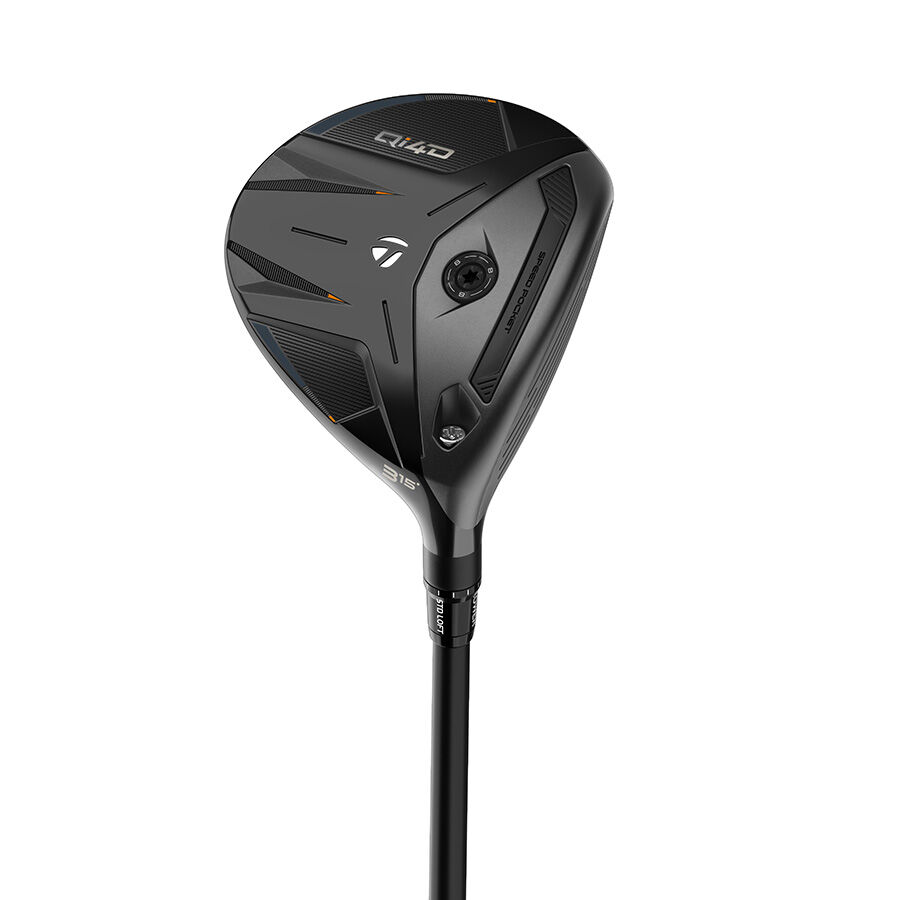
This is the launch-and-land answer, and for most mid-handicappers it is the right one. A fairway wood head has a wide, rounded sole that skids rather than digs, which forgives a slightly heavy strike and works from rough that would swallow an iron. The TaylorMade Qi4D 7-Wood is the current version of the tour-facing version of this idea: a more compact head than the standard Qi4D, a carbon crown that frees weight to sit low and forward for a stronger flight, and an adjustable hosel so you can tune the loft into whatever gap you actually have rather than the gap the marketing assumed.
The 7-wood's advantage is one nobody markets properly: descent angle. It comes down steeply enough to stop on a green, which is precisely what a 4-iron cannot do for a golfer swinging under about 95 mph. The cost is that it looks like a fairway wood behind the ball, which some players simply cannot get comfortable over, and it is the worst of the three from a genuinely bad lie because the head sits up rather than cutting down.
Option two: the utility wood, the club with no category
Callaway's UW is the most interesting club in this argument because it deliberately sits between the two camps. The Callaway Apex UW is shaped tighter and more compact than a fairway wood but bigger and hotter than a hybrid, and the 2026 model swaps in a TriAxial Carbon Crown for the previous steel one, with a 41-gram Tungsten Speed Wave low and forward in the sole and a stepped sole design to cut turf drag. It comes in 17, 19, 21 and 23 degrees, which tells you exactly what it is for: replacing a specific number in a specific slot, not being a general-purpose wood.
Who it suits: the player who strikes it well enough to want a controlled, neutral flight but doesn't have the speed to make a driving iron behave. The stepped sole matters more than it sounds if you play soft, wet parkland turf in winter, because turf drag is the hidden reason low-lofted clubs feel dead in January. Who should skip it: anyone whose long-game problem is confidence rather than flight. This is a club for a decent ball-striker.
Option three: the driving iron, and the honest entry requirement
Driving irons are the tour-favoured answer and the most commonly mis-bought club in golf. They exist to produce a lower, flatter, wind-cheating flight and to be workable off a tee, and they demand two things in return: clubhead speed and a shallow-to-neutral strike on firm ground. Get both and nothing else does the job. Miss either and you have bought a very expensive punch-out club.
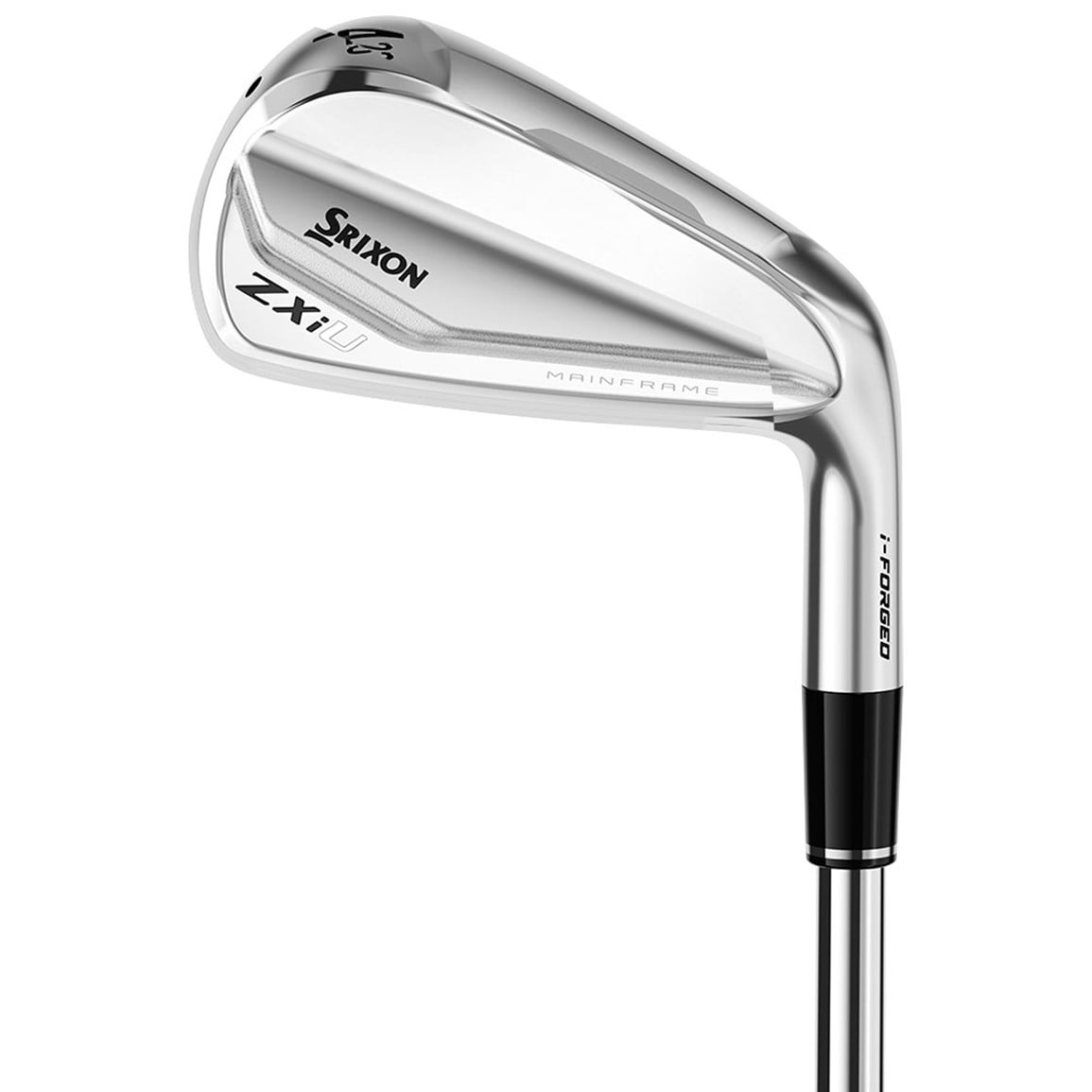
The Srixon ZXiU is the purer expression: a hollow-body utility iron with a fast face designed to generate ball speed at long-iron lofts, in an iron-shaped head that flights the ball down. It is the club for the golfer who wants to hit a 2-iron and can.
The TaylorMade P-DHY is the compromise version and probably the more sensible buy for more people. TaylorMade's own naming gives the game away — Driving Hybrid — and the build backs it up: a forged hollow body with SpeedFoam Air behind a high-speed 4140 steel face, a Thru-Slot Speed Pocket to protect low-face strikes, and up to 26 grams of tungsten dropping the centre of gravity low and keeping it stable. It comes in 18, 20 and 22 degrees. It looks like an iron and launches closer to a hybrid, which is the trick most golfers actually want.
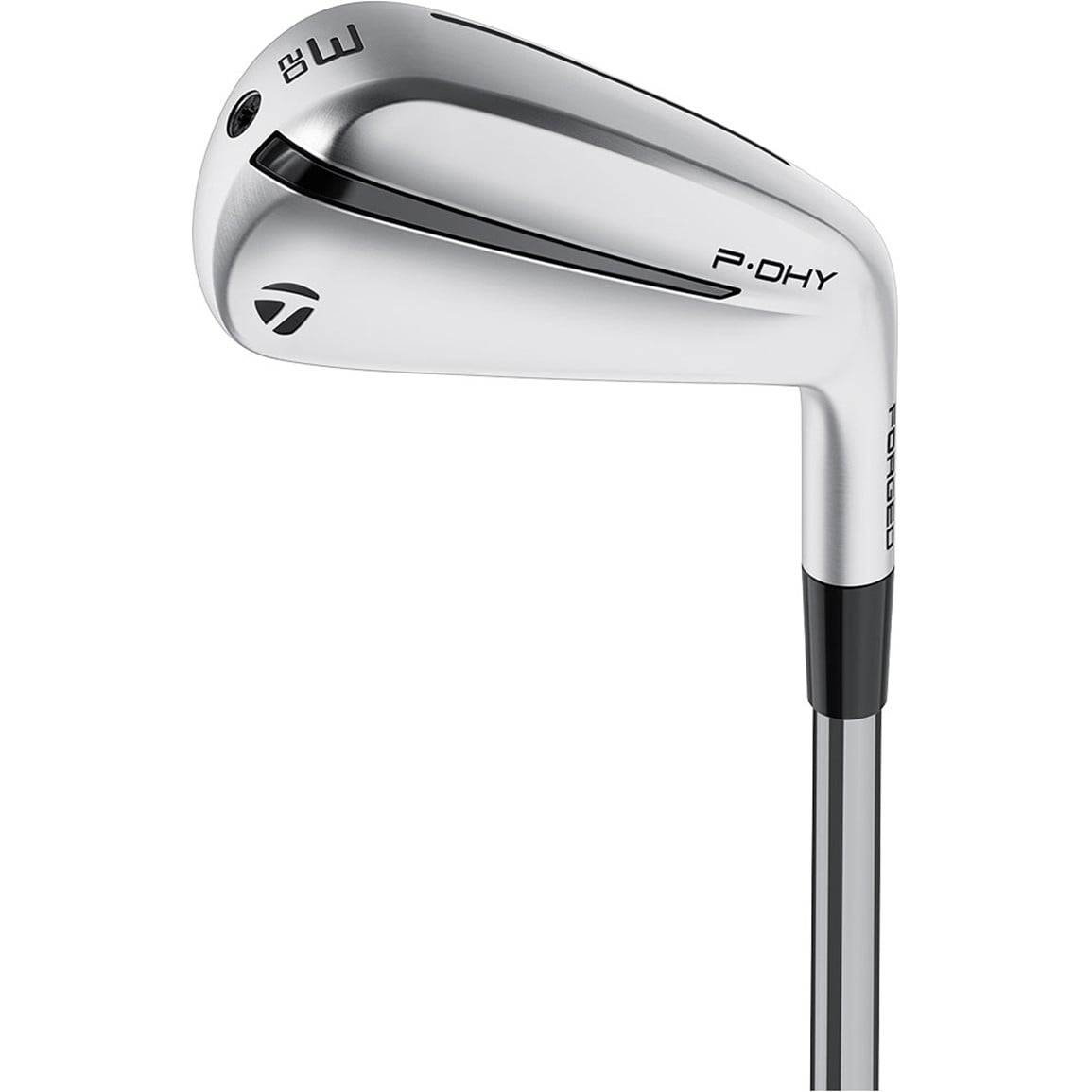
The turf question decides this one. Driving irons have a narrow sole that wants to cut into the ground; on firm links or baked summer fairways that is an advantage, because the leading edge gets under the ball cleanly. On soft, muddy turf the same sole digs, and the low-launch design that made the club appealing turns into a low, spinning, useless shot. If your golf is played on soft ground for five months a year, be honest about whether you are buying a nine-month club.
The forgiving middle path
There is a reason hybrids never went away. The Ping G440 Hybrid does not win any argument about flight shaping or looks, and it does not need to: a maraging-steel face, a low centre of gravity for easy launch, and an adjustable hosel so the loft can be dialled into your gap. It is the highest-floor, lowest-ceiling option of the five, and for the majority of golfers reading this the floor matters more.
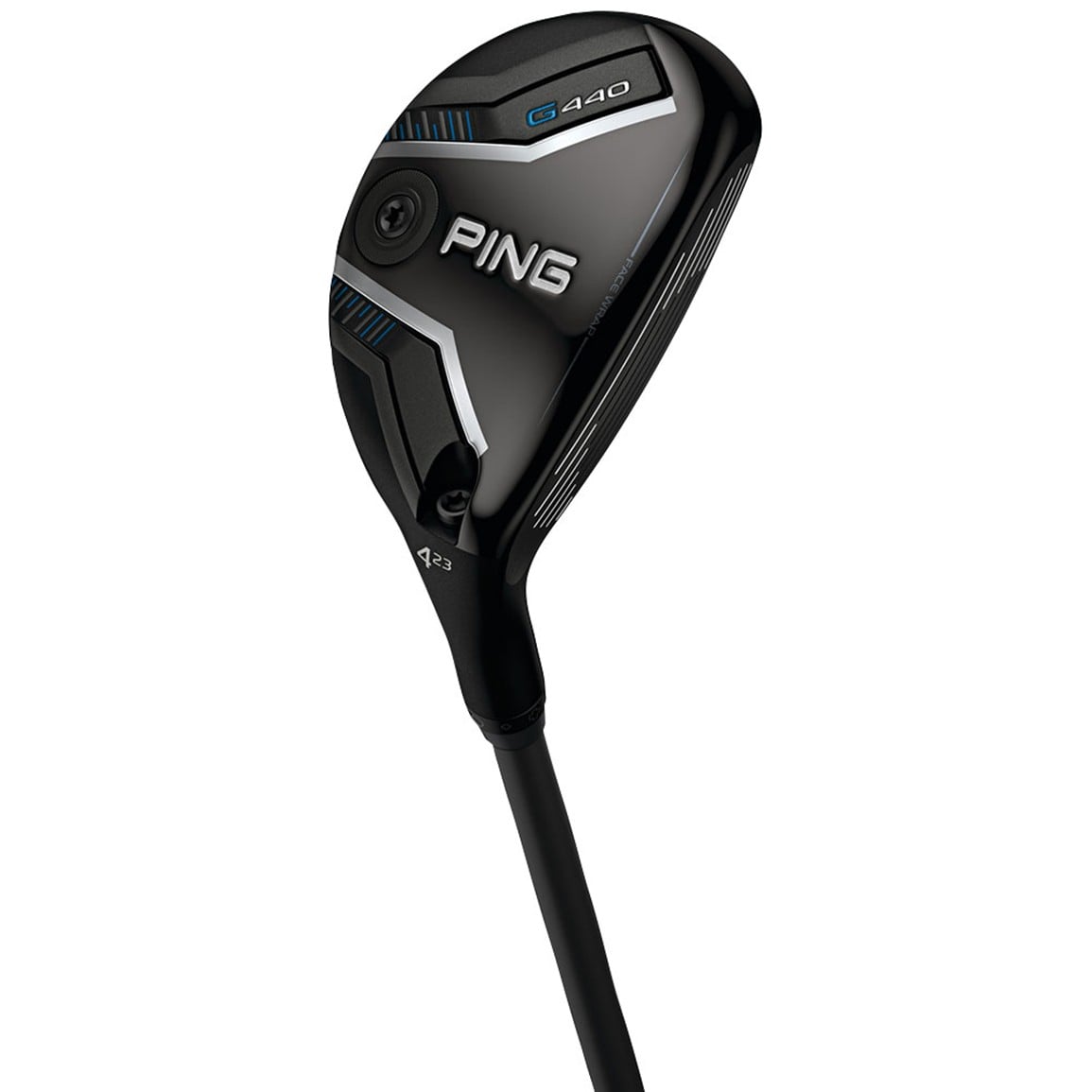
Here is the counterintuitive part. The hybrid is the club that best tolerates being hit badly, but it is also the hardest of the group to hit dead straight, because the same low-and-back mass that launches it easily also makes it turn over readily. Golfers who fight a hook often find a hybrid unusable and a 7-wood perfectly comfortable, which is not intuitive and almost never explained at point of sale.
So which one replaces your 4-iron
Take the shortest route through this. Thin, low misses and a swing under roughly 95 mph: 7-wood. Decent strike, moderate speed, wants a flatter and more controlled flight than a wood gives: utility wood. Genuine speed, firm turf, and you want a club you can hit off a tee into wind: driving iron, with the more forgiving of the two if you are honest about your strike pattern. Not sure, or you change the club in your hand three times over the ball: hybrid, and stop thinking about it.
Who should skip the whole exercise? Anyone who hits fewer than two shots a round from that distance. Plenty of golfers who play short courses would be better served putting the slot toward a fourth wedge, and plenty of high-handicappers should delete the long iron and simply not replace it — thirteen clubs you trust beats fourteen with a passenger. If you are rebuilding the top of the bag rather than the bottom, our best irons and wedges guide is the place to start, and the wider irons coverage covers where set lofts have drifted.
One last practical note: whatever you choose, get the loft fitted rather than assumed. Three of the five clubs here have an adjustable hosel for exactly this reason, and the difference between a replacement that fills your gap and one that duplicates your 5-wood is often a single degree.
Products mentioned in this article
TaylorMade
TaylorMade Qi4D 7-Wood
The high-launch option — pick it if you need long shots to land soft and stop
TaylorMade
TaylorMade P-DHY
The forgiving driving iron — iron look, hybrid launch, tungsten low in the sole
ifrothgolf earns a commission on purchases made through these links, at no extra cost to you. It never changes what I recommend. Full disclosure.
Frequently asked
- How many tour pros carry a 7-wood?
- Of the 49 current tour bags we track and date-stamp, 19 carry a 7-wood or higher and only 10 still carry any long iron, counting 2-, 3- and 4-irons and dedicated driving irons together. Sixteen of those 19 carry no long iron at all, so in most cases the wood replaced the iron rather than joining it. Adoption is highest on the LPGA Tour, where half the bags we track carry one, against under a third on the PGA Tour.
- Is a 7-wood easier to hit than a 4-iron?
- For most golfers, yes. The wider sole skids across turf instead of digging, and the extra loft launches the ball higher so it lands steeply enough to stop on a green. The trade-off is a bigger head shape behind the ball that some players dislike, and less control from a genuinely bad lie.
- What is the difference between a utility wood and a driving iron?
- A utility wood has a wood-style head with a wider sole and a hotter face, so it launches higher and forgives a heavy strike. A driving iron has an iron-shaped head with a narrow sole, flights the ball lower and flatter, and needs more clubhead speed plus firmer ground to work properly.
- Do I need a lot of clubhead speed for a driving iron?
- Yes. Driving irons are built to produce a low, penetrating flight at long-iron lofts, which requires speed to get airborne. If you swing driver under roughly 95 mph, a high-lofted fairway wood or a hybrid will give you far more usable shots.
- How many clubs should I replace at the top of the bag?
- Usually one, occasionally two. Work out your carry distances first, then fill the largest gap. Adding two similar clubs is the most common mistake, and it typically leaves two clubs covering the same ten to fifteen yards while a bigger gap higher up goes unfilled.
Read next
Review
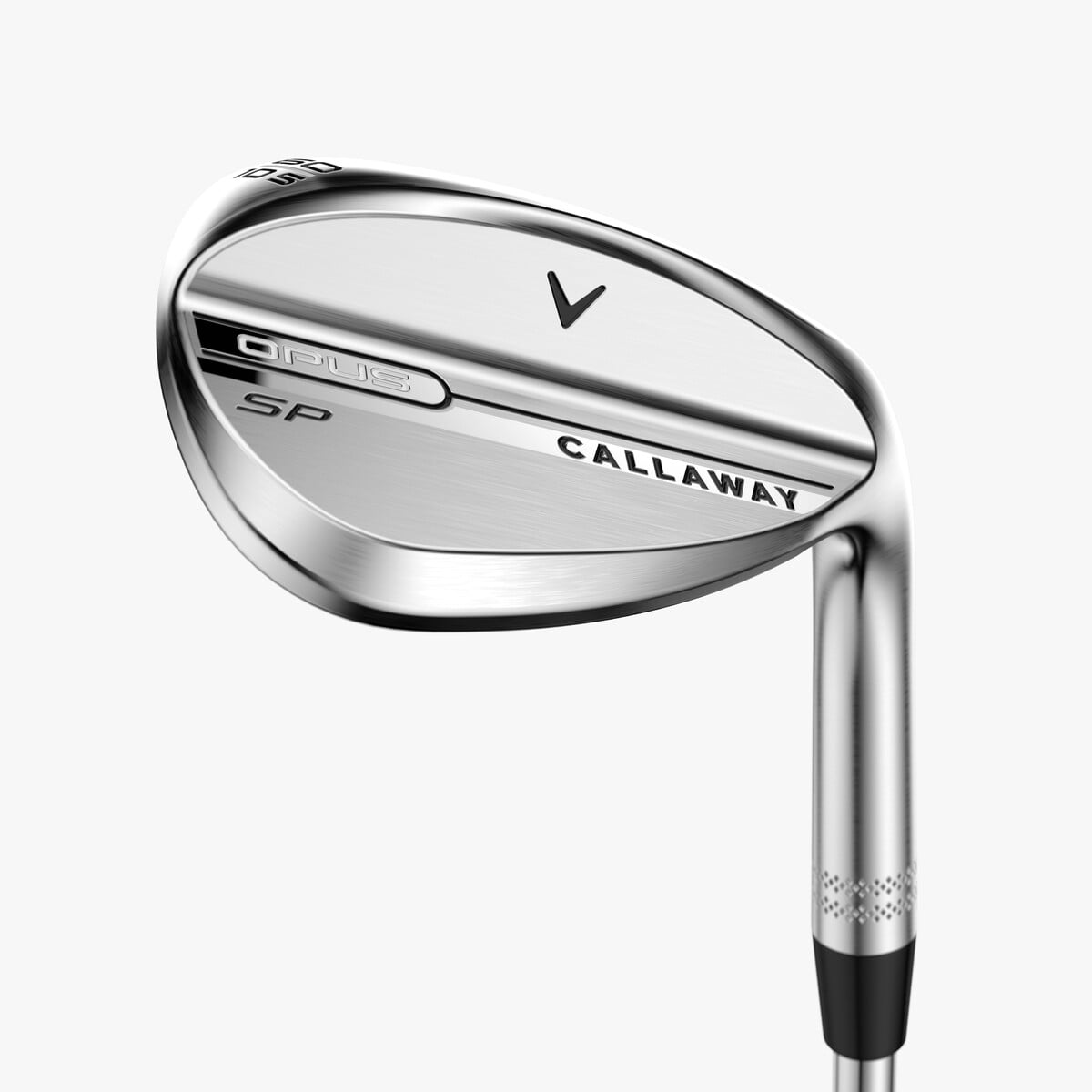
8.4/10Callaway Opus SP review: the wedge in four tour bags while everyone buys Vokey
Callaway's Spin Pocket wedge lands a lower, spinnier flight for about the same money as a Vokey. It is the one I would buy for firm turf and full shots, and the wrong call if your short game lives in soft sand.
Explained
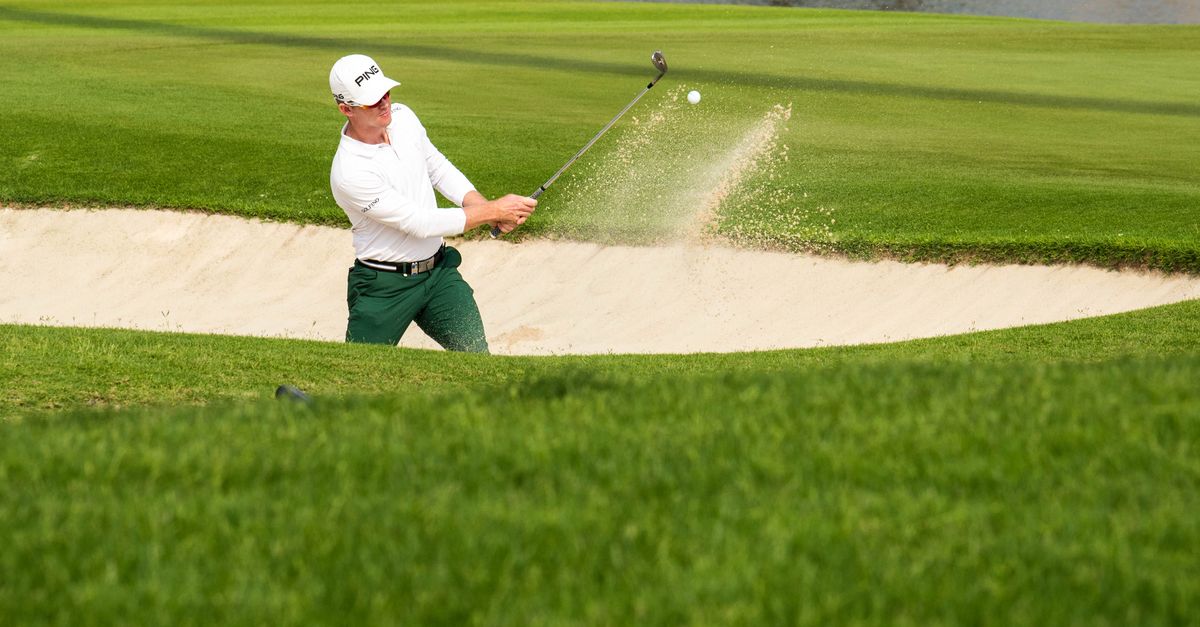
Wedge bounce and grind, explained
The two numbers that decide whether your wedge digs, glides or skips — in plain English, with how to pick yours.
Review
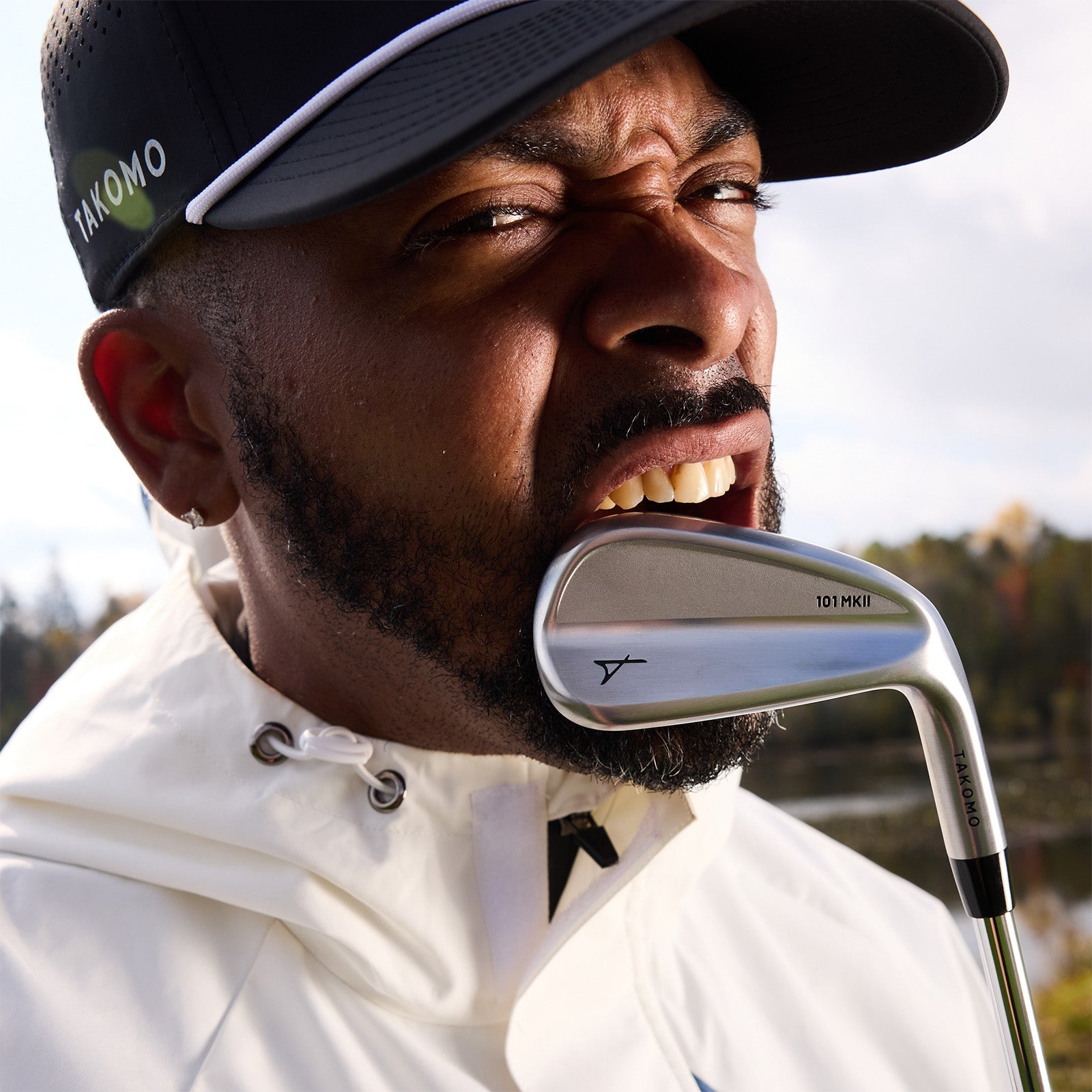
8.8/10Takomo 101 MKII review: the irons quietly embarrassing the big brands
Half the price of a name-brand set, and good enough that you'll feel a bit silly for not trying them sooner. The direct-to-consumer irons reviewed.