
Tour Bags Are Now a Year Ahead of the Shop, and That Is the Point
Ryan Fox won the Open with a driver you cannot buy, at any price, on any date. Days later Srixon put more unreleased gear into play. The gap between the tour truck and the pro shop has stopped being an accident.
By Dan Mercer · Editor
Srixon
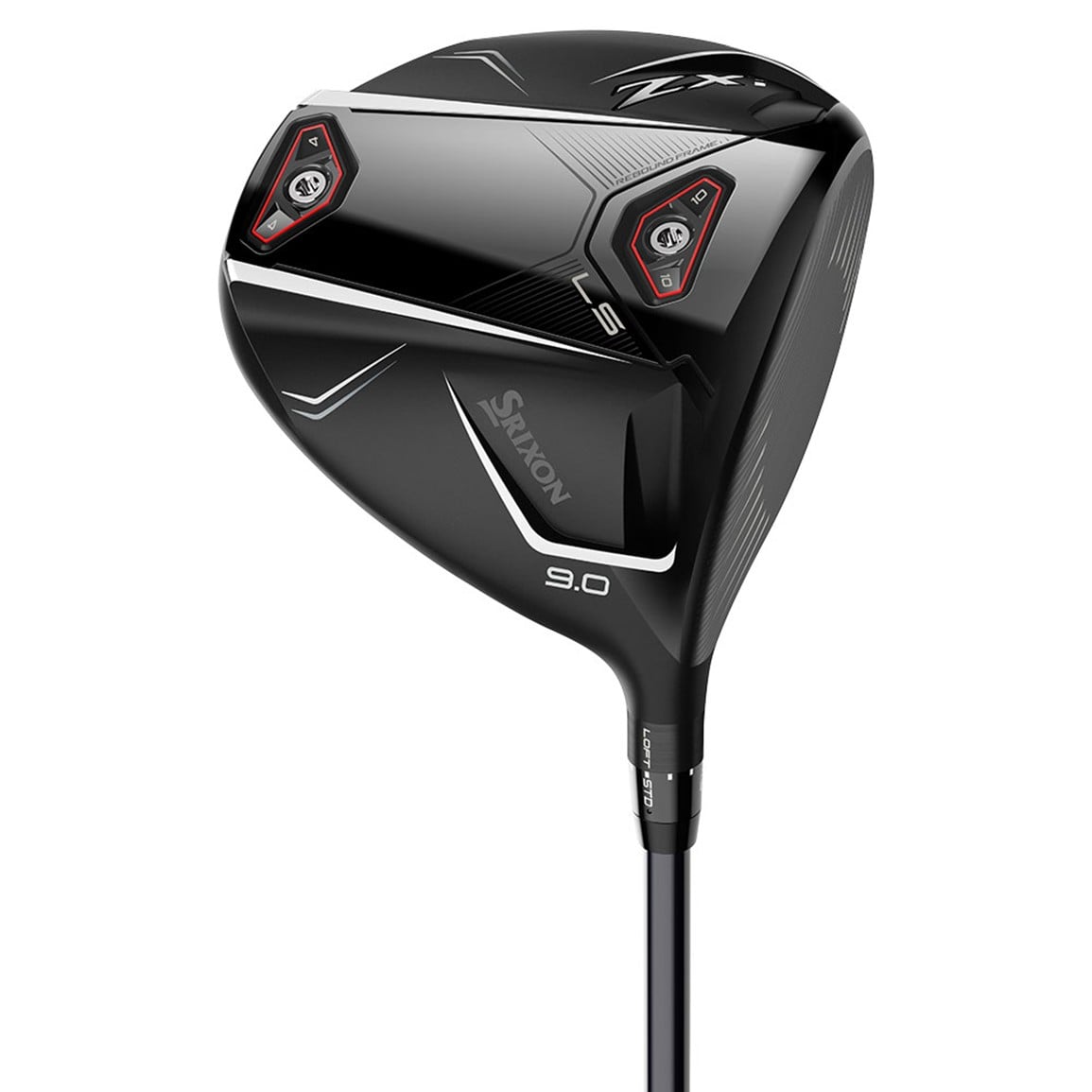
Srixon ZXi LS
The most valuable advertisement in golf this year lasted about four seconds. Ryan Fox, 18th hole at Royal Birkdale, Sunday afternoon of the 2026 Open Championship, second-toughest hole on the course, and he splits the fairway 330 yards down the middle. The driver in his hands was a Srixon ZXi RKT LS+, 10.5 degrees, low-spin head, Fujikura Ventus TR Black+ 6X. It was his first major. It was the first major won with a Srixon metalwood since Brooks Koepka's 2023 PGA Championship. And it is a club that does not exist as far as you or I are concerned: no retail date, no price, no specifications released.
I want to be precise about how little is actually known, because the coverage has been looser than the facts. Srixon has published no technical detail on the RKT family and has said it will not until an official retail launch. The reports of extra carbon fibre and Acousticore badging on the sole are a journalist reading photographs, which is a perfectly reasonable thing for a journalist to do and not the same thing as a spec sheet. We do not know what is in that head. Neither does anyone else outside Chiba.
Then, days later, the pattern repeated. At the 3M Open at TPC Twin Cities on 21 July, Srixon seeded new ZXi5, ZXi7 and ZXiU irons plus a ZXi5+ driving iron onto the PGA Tour. Again: no specs, no price, no launch date. The press has broadly framed those as 2027 model-year product, and that framing is inference rather than anything Srixon has confirmed. Worth saying out loud, because inference repeated often enough starts getting quoted as fact.
A major won with a club nobody can buy is the best ad in golf
Here is my actual position. The gap between what is in tour bags and what is on shop walls has widened to the better part of a model year, and it has stopped being a logistics accident. It is now an instrument. Seeding unreleased product at a major is the highest-leverage marketing available to any equipment company, precisely because it does not look like marketing. Nobody skips it, nobody blocks it, and the endorsement arrives wrapped in a genuine sporting result. You cannot buy that with a television campaign.
And the second-order effect is the one aimed at you. A club you cannot purchase, validated in the most public way possible, makes the driver already in your bag feel dated before its replacement even has a price tag. That is not a side effect. That is the function. Manufactured anticipation is cheaper than manufactured performance, and it works on absolutely everyone, including me.
None of which is a scandal. Tour players have always had access first, prototypes have always existed, and a company that develops a good head should absolutely put it in the hands of the people who can win with it. What has changed is the length of the lead time and the deliberateness of the exposure. When the visible gap was a few weeks, it read as a launch. At a year, it reads as a permanent state where the retail product is structurally the old one.
What a tour launch actually tells you about your bag
Almost nothing. That is the part worth internalising. Fox won with a low-spin head at 10.5 degrees behind a stiff, low-launching shaft, and that combination is appropriate for a professional who generates enough speed to need spin taken away from him. For a golfer swinging 95 mph, the same specification is a slice-machine that comes down like a dart 40 yards short of where a properly fitted head would have put it. A club winning a major is evidence that it suits an elite ball-striker. It is not evidence about you.
Which brings me to the trap: waiting. There is always something better in a tour bag, and there always will be, so 'wait for the next one' is a decision that never resolves. If your current driver is five years old, off-the-shelf and never fitted, the gains available from a fitting session with last season's heads are large and available this week. The gains available from an unreleased head with no announced price are zero, indefinitely.
The genuine upside: last season is the sweet spot
Here is the good news buried in an accelerating cycle. The faster the churn, the faster genuinely excellent tour-level heads become the value play. Not a compromise. The same club, the same year the best players in the world were winning with it, one announcement later.
Take the Srixon ZXi LS. This is the current retail low-spin Srixon driver, with a Rebound Frame construction, forward CG, an adjustable hosel and movable weight, aimed at faster, stronger swings. It is emphatically not the club Fox won the Open with — the RKT is the generation after it, and nobody outside Srixon can tell you how the two differ. What the ZXi LS is, is a low-spin driver you can actually be fitted for and buy, from the brand currently having the best fortnight of its tour life.
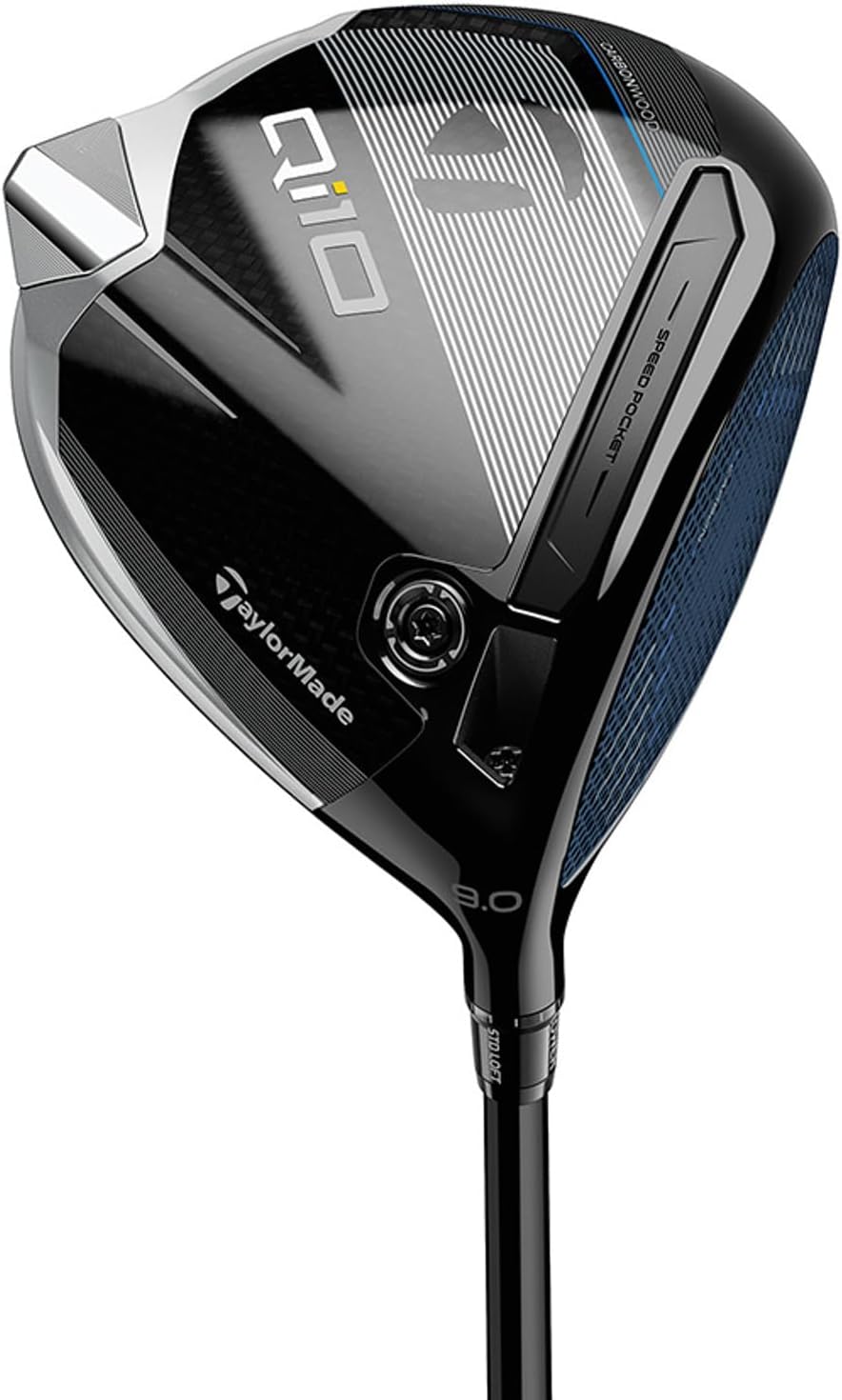
The purest illustration of the value argument is the TaylorMade Qi10. It chased one number, 10,000 MOI, and it is one of the most stable heads of its generation, which is exactly why a ball-striker as good as Scottie Scheffler kept it in the bag rather than rotating through every new release. Buying the driver the best player in the world declined to replace is not settling for less.
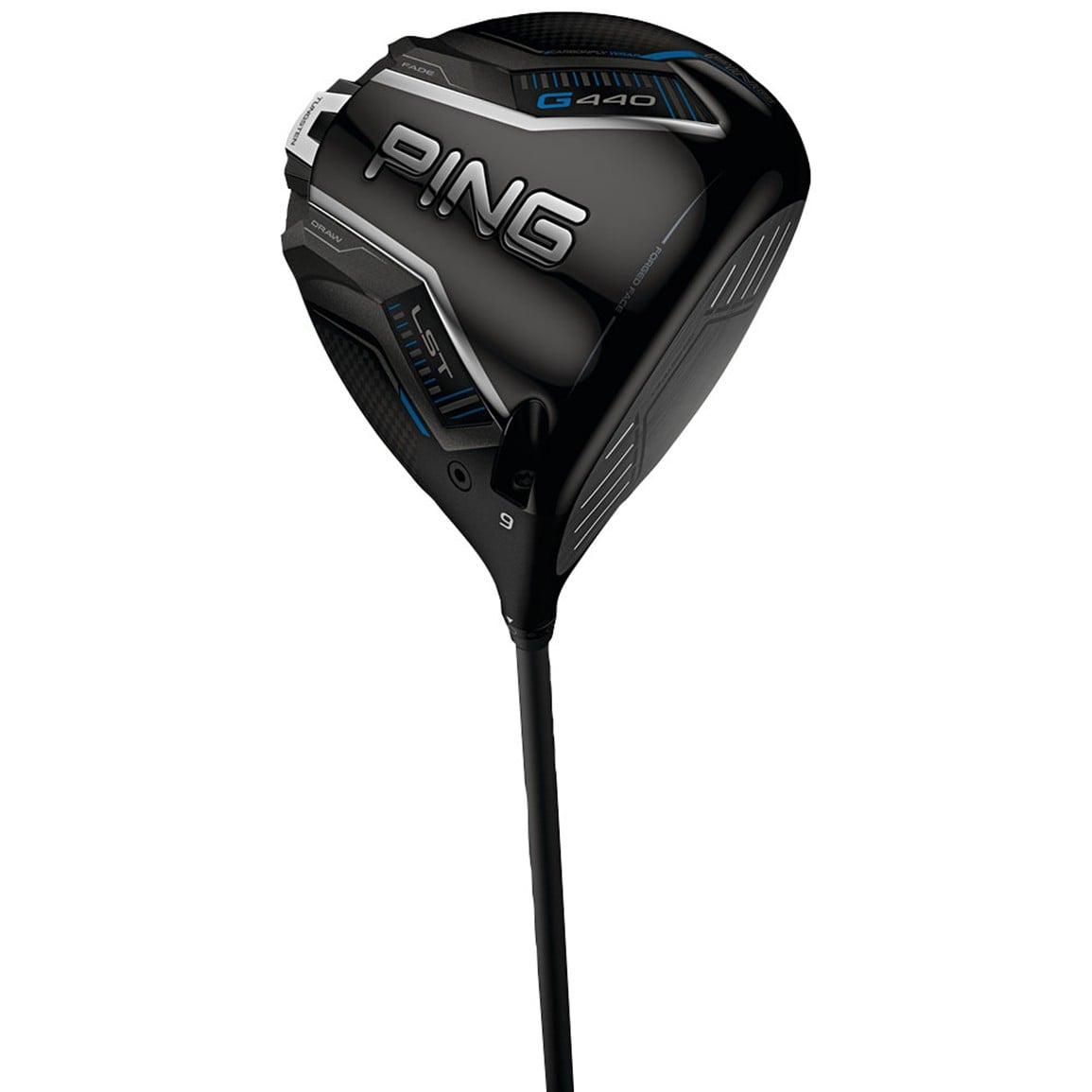
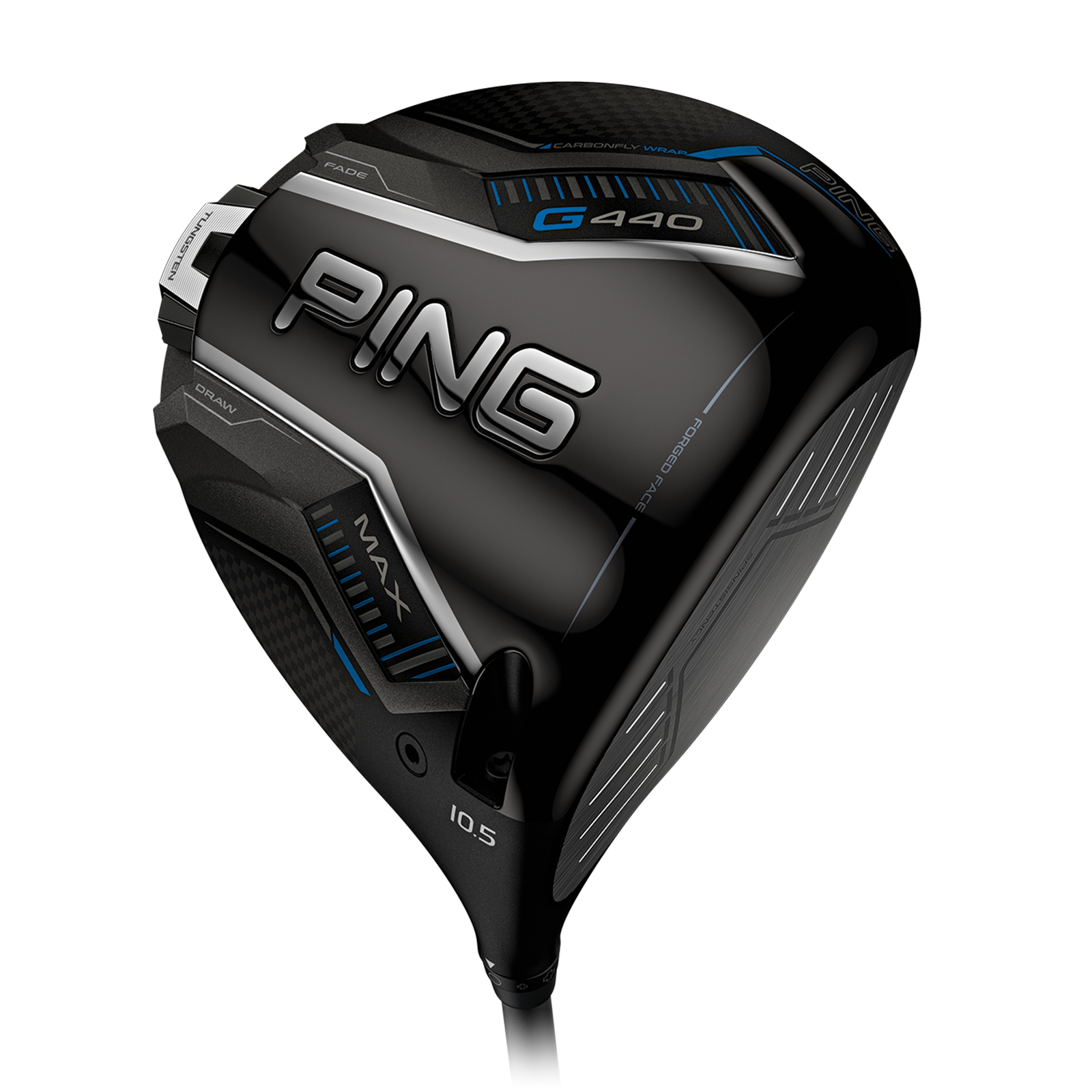
If your problem is spin rather than dispersion, the Ping G440 LST is the low-spin-technology model in Ping's G440 line, with a Carbonfly Wrap crown, a forged face and an adjustable hosel in a more compact, lower-spinning head than the standard G440. Ping's cycle has always been slower than its rivals', which is quietly one of the better things about buying Ping.
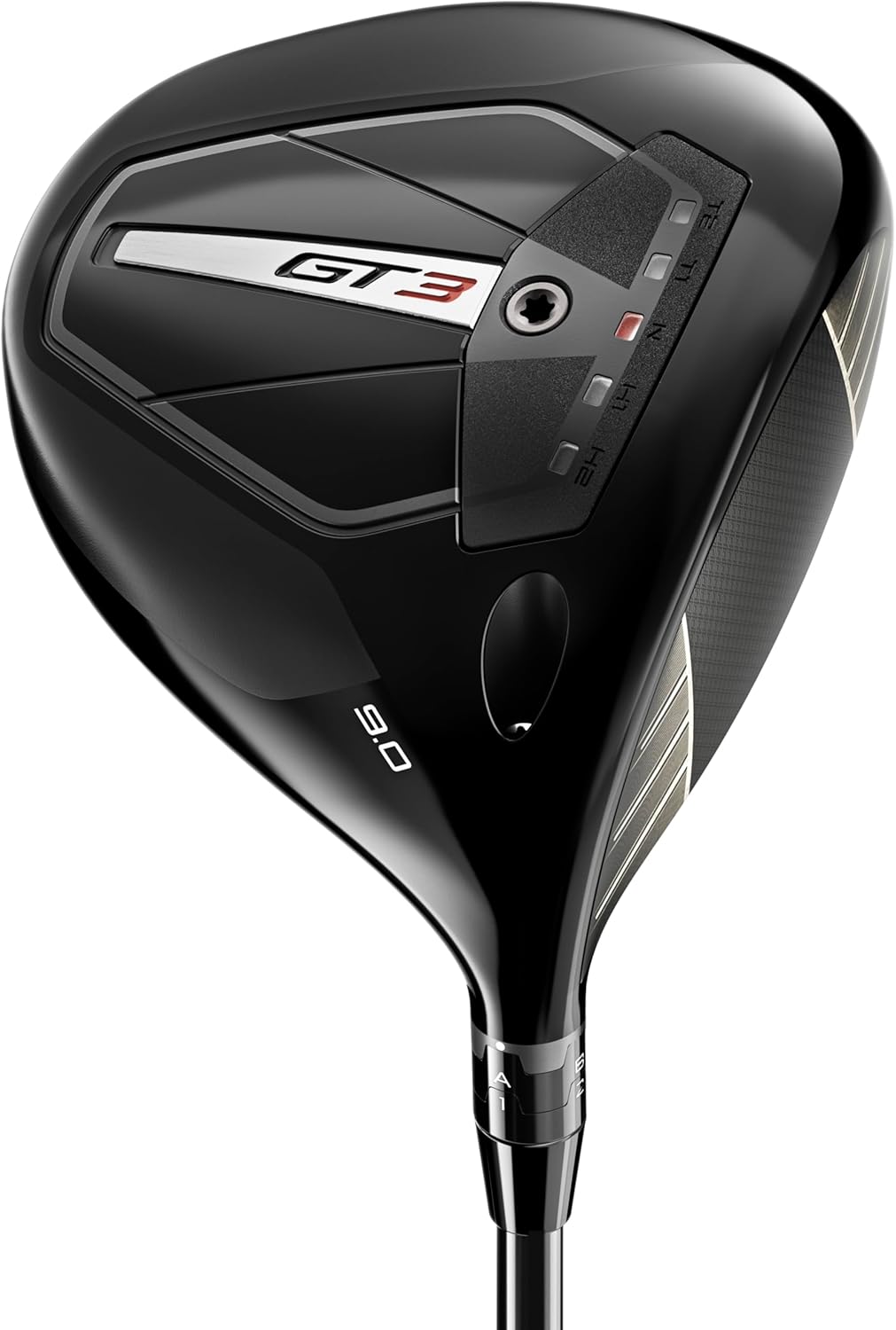
For players who want to shape shots rather than simply reduce misses, the Titleist GT3 has a movable weight track for tuning ball flight and a lower-spinning, more penetrating launch than the GT2. It is a real tour head, with Koepka among those gaming it, and it is the pick if you deliver the club well and want control over pure forgiveness.
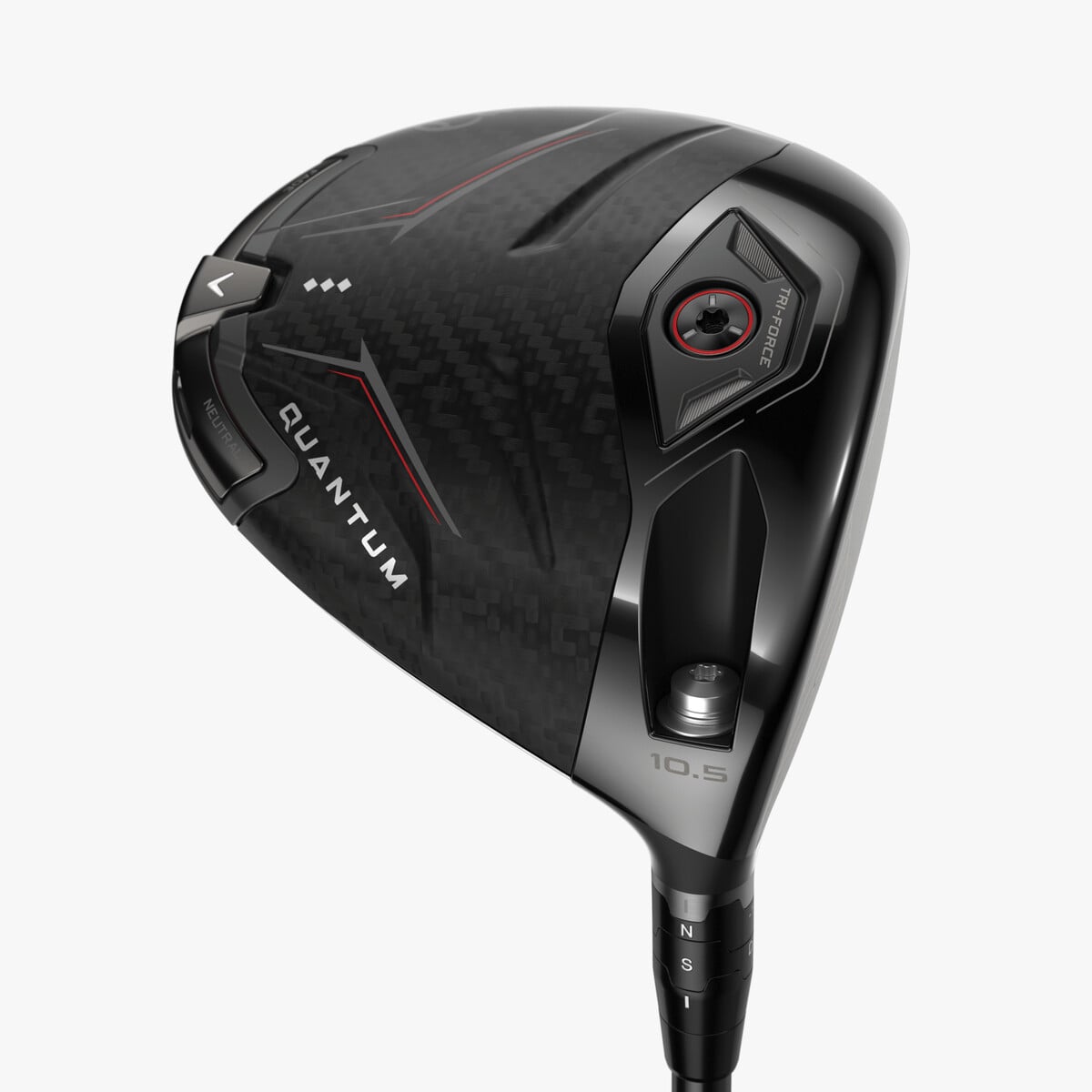
And at the far end of the workability scale sits the Callaway Quantum Triple Diamond, a compact 450cc low-spin head with the new Tri-Force Face. This is the least forgiving driver on this page by design: it rewards a good strike and punishes everything else, which is exactly what a certain kind of player wants. The point is that all of these are current, all of them are fittable this week, and none of them requires you to wait for a press release.
Who should skip this entire conversation
If you are a mid-to-high handicapper whose driver misses are scattered rather than short, a low-spin tour head is the wrong shape of solution and every club on this page is more demanding than what you need. Get fitted into something forgiving and stop reading tour gear coverage. If you were fitted into a driver in the last two years and it works, there is nothing here for you either — the cycle accelerating does not make your club worse.
Who should act? Anyone with real speed and too much spin, on an old unfitted head, who has been waiting for the next thing. The next thing has no price. Go and get fitted for the last thing. Our best drivers guide is the shortlist, and there is more on where the category is heading on our drivers hub.
The cycle will keep accelerating, and tour bags will keep running further ahead. Treat that as free information about what the engineers are working on, not as a verdict on the club you already own. The gap is being aimed at your sense of timing. Buy on fitting, not on calendar.
Products mentioned in this article
Srixon
Srixon ZXi LS
The current retail low-spin Srixon — the generation before the unreleased RKT, not the Open-winning head.
TaylorMade
TaylorMade Qi10 Driver
Last season's stability benchmark, and the best argument for buying one cycle behind.
Titleist
Titleist GT3 Driver
Movable weight track and a penetrating flight for players who want to shape it.
Callaway
Callaway Quantum Triple Diamond
Compact 450cc tour head — the smallest, least forgiving, most controllable of this group.
ifrothgolf earns a commission on purchases made through these links, at no extra cost to you. It never changes what I recommend. Full disclosure.
Frequently asked
- Can I buy the driver Ryan Fox won the 2026 Open with?
- Not currently. The Srixon ZXi RKT LS+ he used at Royal Birkdale is an unreleased head, and Srixon has not announced a retail date, a price or any technical specifications for the RKT family. Anything you read about its construction is currently a reading of photographs rather than confirmed detail.
- Is the Srixon ZXi LS the same club Fox used?
- No, and the distinction matters. The ZXi LS is the current retail low-spin Srixon driver and the RKT is a later, unreleased generation. They share a family name and a low-spin brief, but nobody outside Srixon can say how they differ in construction or performance. If you want a low-spin Srixon you can be fitted for today, the ZXi LS is the one that exists.
- Should I wait for the new models before buying a driver?
- Generally no. There is always newer product in tour bags, so waiting is a decision that never finishes resolving, and an unannounced club offers you nothing until it has a price. If your current driver is old or was never fitted, a fitting with current heads will gain you more than any model change would.
- Why do tour players get equipment before it goes on sale?
- Partly practical and partly promotional. Prototypes need real-world validation from the fastest, most consistent swings available, and staff players are contracted to play the newest product. The promotional half is that a club winning a major generates more credibility than any advertising campaign, which is why seeding unreleased gear at big events has become standard practice.
Read next
Versus
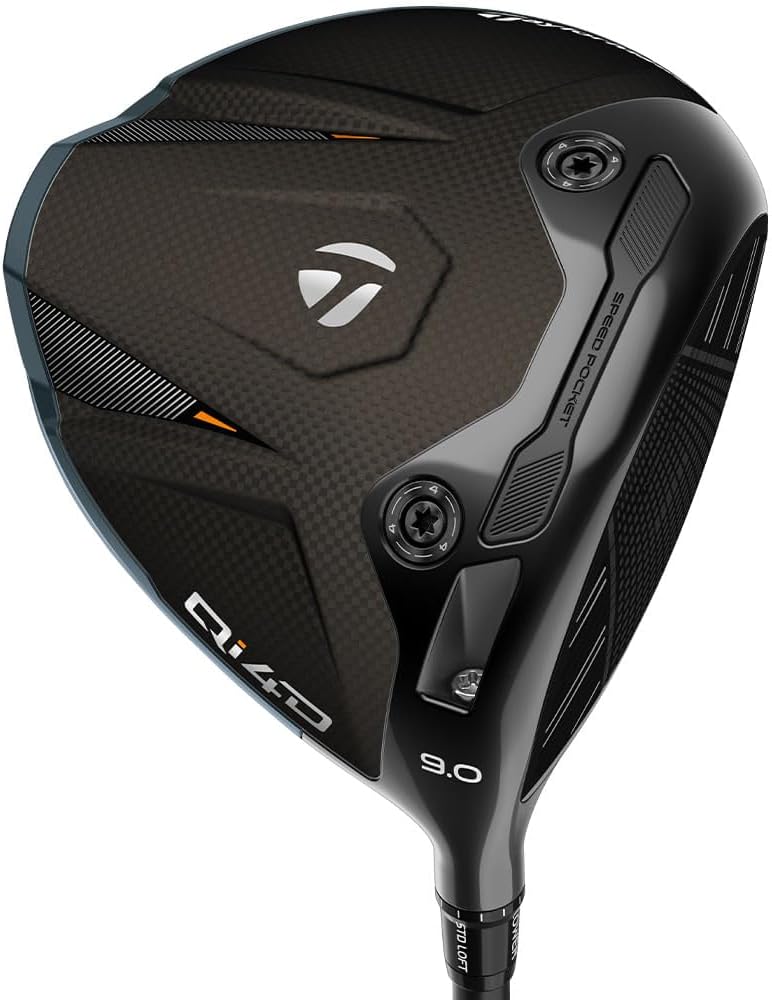
TaylorMade Qi4D vs PING G440 Max: the 2026 driver decision most golfers get backwards
Two of the year's biggest drivers, cross-shopped in every fitting bay — and most players walk in chasing the wrong thing. One wins the robot test outright; the other quietly saves more rounds. Here's which head actually belongs in your bag, and why the answer probably isn't the one you'd guess.
Opinion
What the 'longest driver of 2026' number won't tell you
Every year a chart crowns one driver the longest, and every year thousands of golfers buy the wrong club because of it.
Opinion
The most overrated gear in golf (and what to buy instead)
Golf is spectacularly good at selling you the wrong thing. Here's where the money quietly leaks out of your bag — and the unglamorous stuff that actually drops shots.