
Titleist GT3 driver review: the adjustable one, for players who actually adjust
The compact, lower-spin half of the GT pair, and the most adjustable driver Titleist had made. Worth it only if you will use the track — here's how to tell.
By Jordan Hale · Equipment Writer
The verdict
Excellent
What's great
- Five-position CG track that genuinely moves ball flight, not a marketing feature
- Compact, lower-spinning flight without giving up as much stability as a specialist head
- Sound and feel singled out by reviewers as class-leading
Watch out
- Worth noticeably less unfitted — an unset track makes it a heavier GT2
- Superseded by the GTS range, so check the price of both before committing
Bottom line — The right Titleist for a consistent striker who will actually use a fitter. If the track is going to sit in the middle for three years, the GT2 is the better and cheaper club.
Titleist
Titleist GT3 Driver
ifrothgolf earns a commission on purchases made through these links, at no extra cost to you. It never changes what I recommend. Full disclosure.
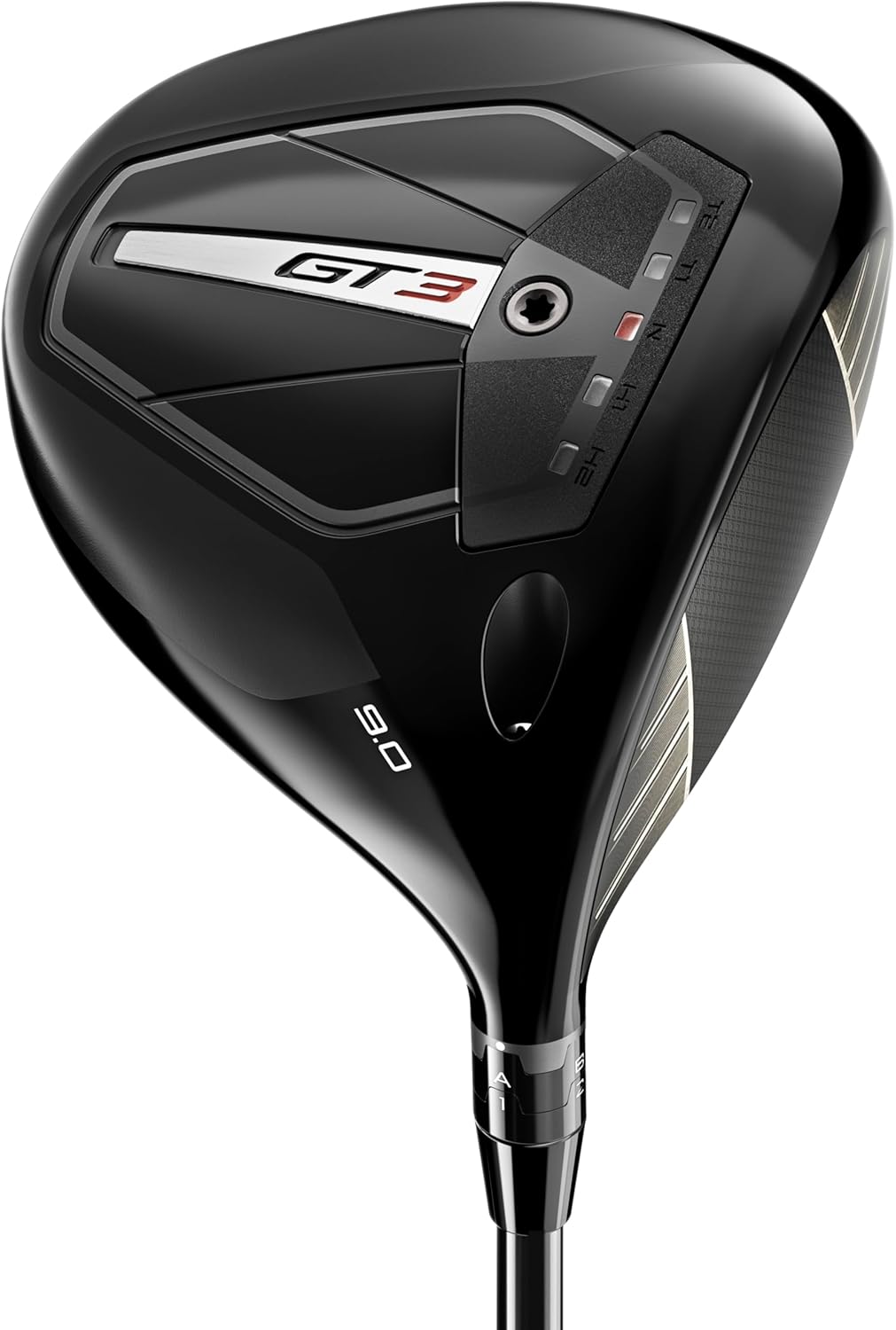
The Titleist GT3 is the compact, lower-spinning, heavily adjustable head in Titleist's GT family — the counterpart to the forgiveness-first GT2. Buy it if you deliver the club consistently, want to flatten your flight, and will genuinely use a fitter to set the CG track. If "adjustable" is a feature you like the sound of but have never touched, buy the GT2 and put the difference into a fitting. That is the entire decision, and most reviews bury it.
Who is actually playing it
**Of the 53 tour setups we track, 4 carry a GT3: Brooks Koepka, J.J. Spaun, Cameron Smith and Peter Finch.** A caveat we would rather state than hide: Smith's head is reported as GT3 and GTS3 interchangeably across sources, so treat that row as the softer of the four.
Set against the family, the split is the interesting part. Eleven of the 53 bags carry a Titleist GT-or-GTS driver, and they divide almost evenly: 6 on a compact 3 head, 5 on a forgiving 2. That near-parity is the same point the GT2 review makes from the other side, and it cuts against the assumption that better players automatically reach for a 3. (This is the set of bags we maintain and re-verify against named sources, not a census, and setups move week to week.)
What the adjustability actually buys
This is the part worth paying for, and the part most owners waste. The GT3's CG track sits closer to the face than the previous generation's and offers five positions, which a fitter uses to move your launch and spin window and to bias the head toward a draw or a fade. Reviewers consistently report that the track does real work rather than being a marketing feature — the ball flight genuinely moves.
The catch is that it only pays if someone sets it for you with numbers on a screen. A track left in the middle forever is a heavier, more expensive GT2. We have written about this pattern before in the adjustability you paid for and never used, and the GT3 is the clearest example of it on the market: it is the most configurable driver Titleist had built at the time, and configurability is worth nothing unconfigured.
The rest of the head
We do not test drivers, so this is the reviewers' consensus. The GT3 was rated one of the standout drivers of its year, with a titanium speed ring stiffening the perimeter of the face for ball speed and a lightweight matrix-polymer crown freeing mass to be positioned lower. Testers put it mid-range in the field for both spin and forgiveness — which is precisely the brief, since the GT2 is the forgiving one and the low-spin specialists elsewhere give up stability to get there.
The two things reviewers single out beyond the numbers are sound and feel, which the spec sheet cannot convey and which a lot of buyers actually choose on. Off-centre strikes were repeatedly described as staying in play rather than leaking, which for a compact head is the meaningful compliment.
Who should buy — and who should skip
Buy it if you are a consistent striker with speed to spare who wants a flatter, more controllable flight, and you are booking a fitting. Buy it, too, if you genuinely want to bias the head toward a shot shape — this is one of the few drivers where that adjustment is both real and reversible.
Skip it if you are buying it because the better players in your group play a 3 head. The tour split above says that reasoning is backwards, and the GT2 is the more forgiving, easier-launching club for most golfers, now at a lower price since the GTS range arrived. Skip it as well if your current driver is recent and fitted — you probably do not need a new driver, and this is a category where the year-on-year gains are small and the fitting gains are large.
The money
At around $800 the GT3 is priced as a current flagship even though Titleist's GTS range has since arrived above it. That matters in two directions: it is no longer the newest head, which usually means a discount is coming or already here, and it is still the head four of the tour bags we track have in play. Check what the GTS3 costs on the day before committing, and put the fitting inside your budget rather than on top of it — on a driver this adjustable, an unfitted purchase throws away the single thing you are paying extra for. The full field is in our best drivers guide.
Where to buy
8.7/10Titleist
Titleist GT3 Driver
Titleist's adjustable, lower-spin GT3 — the tour-favourite head Brooks Koepka drives with.
ifrothgolf earns a commission on purchases made through these links, at no extra cost to you. It never changes what I recommend. Full disclosure.
Frequently asked
- Which tour players use the Titleist GT3?
- In the 53 tour bags we track, 4 carry a GT3: Brooks Koepka, J.J. Spaun, Cameron Smith and Peter Finch. Smith's head is reported as GT3 and GTS3 interchangeably across sources, so that row is the least certain of the four. This is the set of bags we maintain against named sources rather than a full census.
- GT2 or GT3?
- The GT2 is higher-launching and more forgiving; the GT3 is more compact, lower-spinning and far more adjustable. Most amateurs are better served by the GT2. Of the 11 GT-family drivers in the 53 bags we track the split is close to even — 6 on a 3 head, 5 on a 2 — so the assumption that better players automatically play a 3 does not hold up. A fitting should decide it.
- Is the GT3's adjustable weight track worth it?
- Only if you use it. The five-position track sits closer to the face than the previous generation and reviewers agree it moves ball flight meaningfully. But it needs setting on a launch monitor by someone who knows what they are looking at. Left in the middle, you have bought a heavier, dearer GT2.
- Is the GT3 still worth buying now the GTS range is out?
- It can be, and the reason is price rather than performance. A superseded flagship loses nothing on the tee the day its replacement ships, and four of the tour bags we track still have a GT3 in play. Check both prices on the day — the GTS3 being current usually means the GT3 is discounted.
Read next
Versus
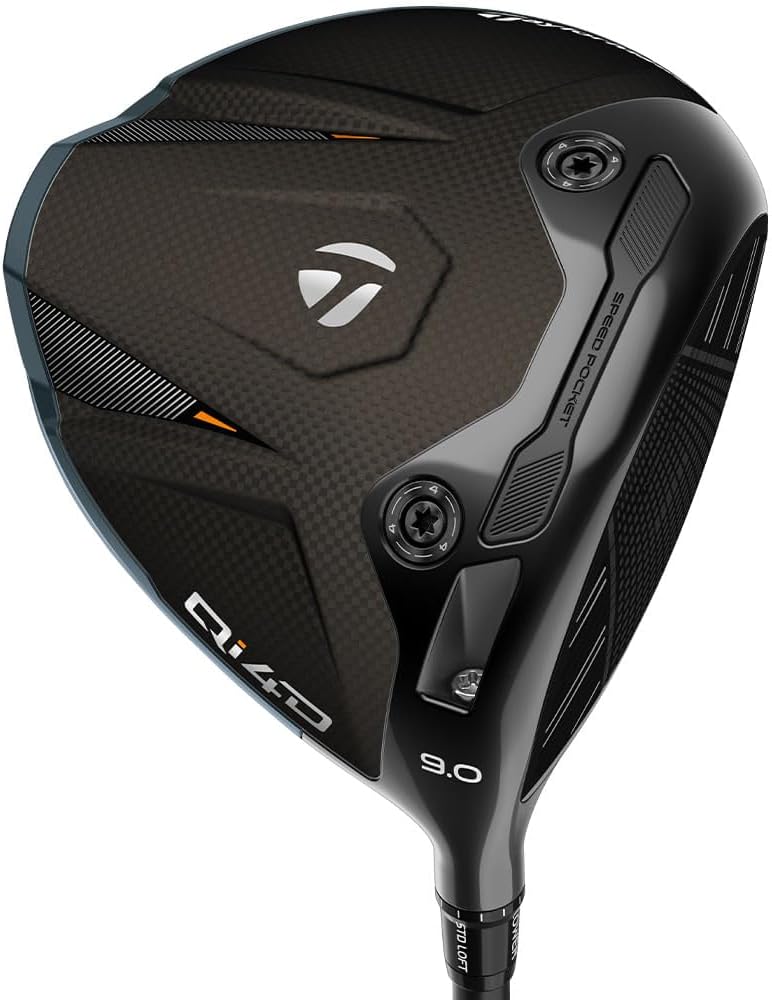
TaylorMade Qi4D vs PING G440 Max: the 2026 driver decision most golfers get backwards
Two of the year's biggest drivers, cross-shopped in every fitting bay — and most players walk in chasing the wrong thing. One wins the robot test outright; the other quietly saves more rounds. Here's which head actually belongs in your bag, and why the answer probably isn't the one you'd guess.
Opinion
What the 'longest driver of 2026' number won't tell you
Every year a chart crowns one driver the longest, and every year thousands of golfers buy the wrong club because of it.
Opinion
The most overrated gear in golf (and what to buy instead)
Golf is spectacularly good at selling you the wrong thing. Here's where the money quietly leaks out of your bag — and the unglamorous stuff that actually drops shots.