
Eight hosel settings, a sliding weight and a torque wrench: what adjustability is worth on a driver
Eight hosel positions, a sliding weight, a torque wrench in a little pouch. Sold as personalisation, bought as insurance, and left on the factory setting by almost everyone who owns one.
By Ben Marsden · Reviews Editor
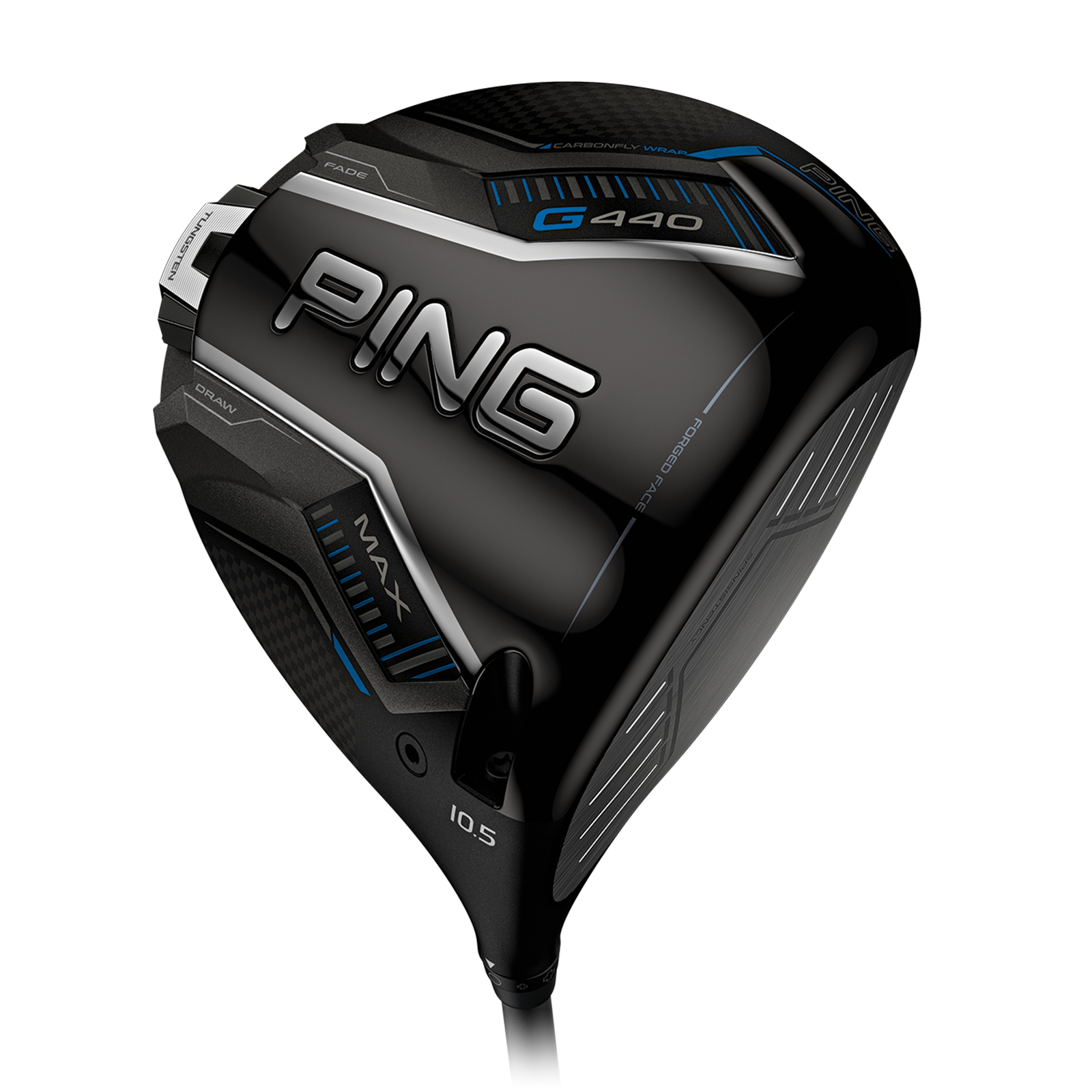
PING
PING G440 Max Driver
ifrothgolf earns a commission on purchases made through these links, at no extra cost to you. It never changes what I recommend. Full disclosure.
Go and stand at a second-hand club counter for an afternoon. Watch what comes in. Drivers arrive in part-exchange with the wrench still in the headcover pocket, unused, the little plastic seal sometimes still on it. The weight is where the factory left it. The sleeve is on the standard mark. Three years of golf, and the one thing the club was sold on has never been touched.
I have done this. So has every fitter I have ever spoken to about it, and none of them found it surprising.
The mechanics are not the issue and I am not going to relitigate them; we have a plain guide to what all those settings actually do if you want the loft-sleeve explanation. My argument is narrower and more annoying. Adjustability stopped being a feature some time ago and became a price tier, and most golfers are paying that tier for a setting they will never move.
Look at what the extra money actually buys
The clearest illustration in the shops right now is Titleist's own ladder, because the family is otherwise so consistent.
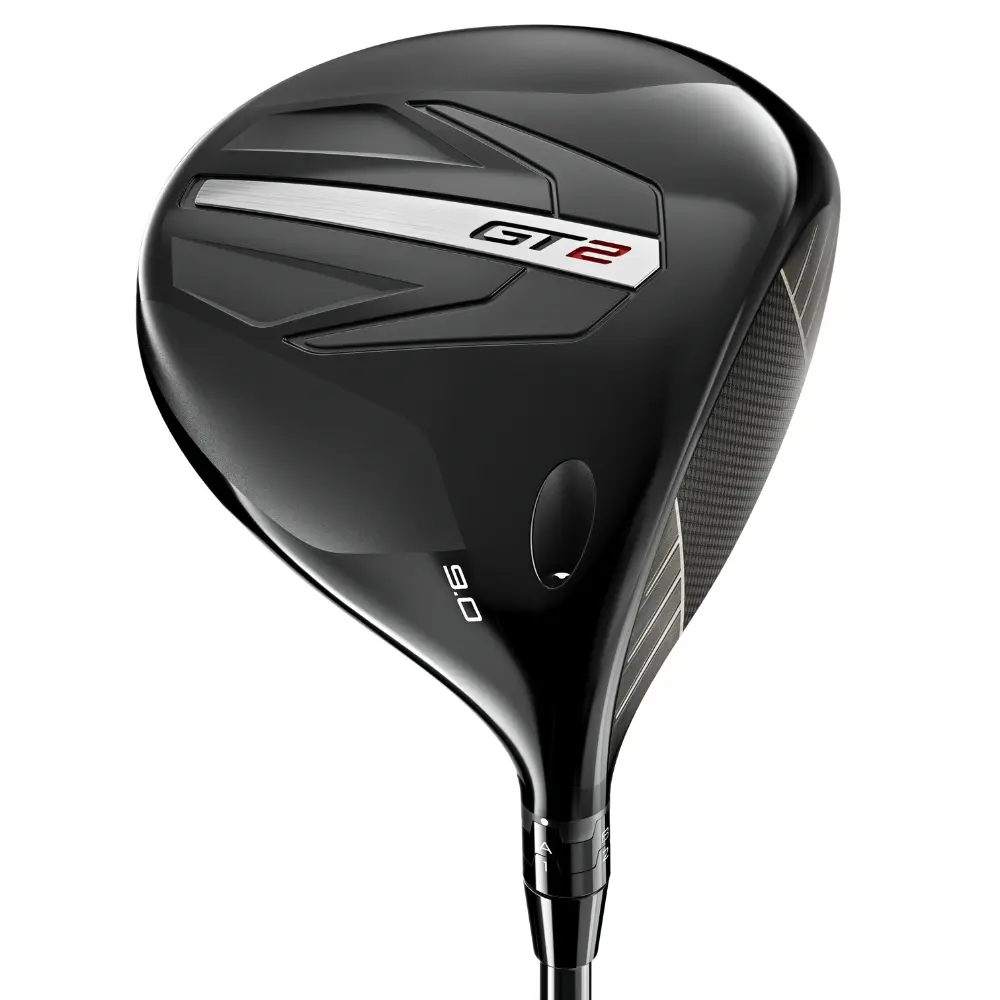
The Titleist GT2 sits around $650. You get a SureFit hosel with 16 settings, roughly plus or minus 1.5 degrees of loft and lie, a matrix-polymer crown, and a head that topped MyGolfSpy's full-field test for outright distance and took a Golf Digest Hot List gold. It has no movable weight track. It did not need one to win a distance test.
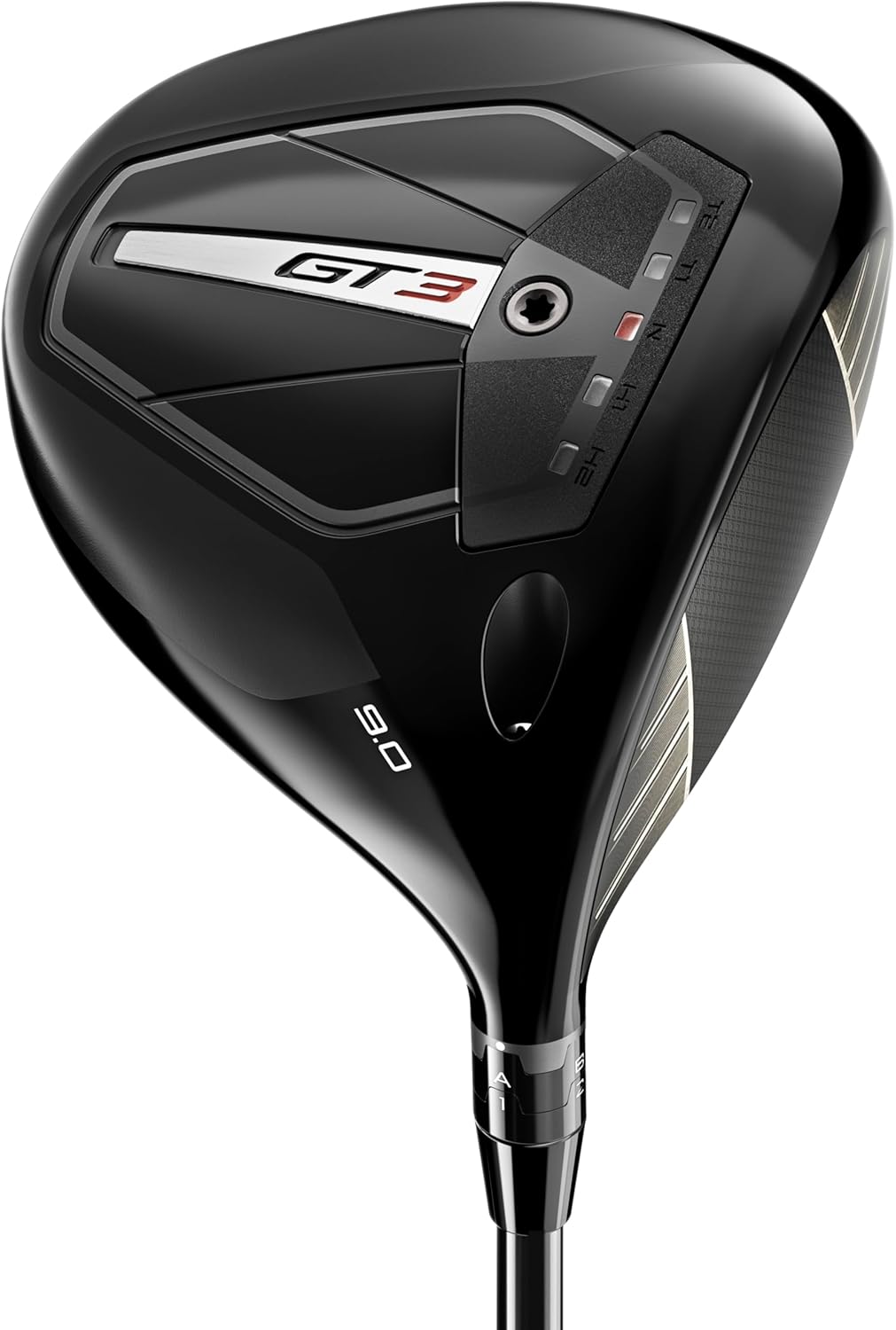
The Titleist GT3 sits around $800. Same family, same adjustable sleeve, lower spin, more workable shape, and a movable weight track for shot-shape tuning. That track is not the only difference between the two heads, but it is the headline one and it is what the marketing leads with. Call it $190 of separation, most of it framed around a component that slides.
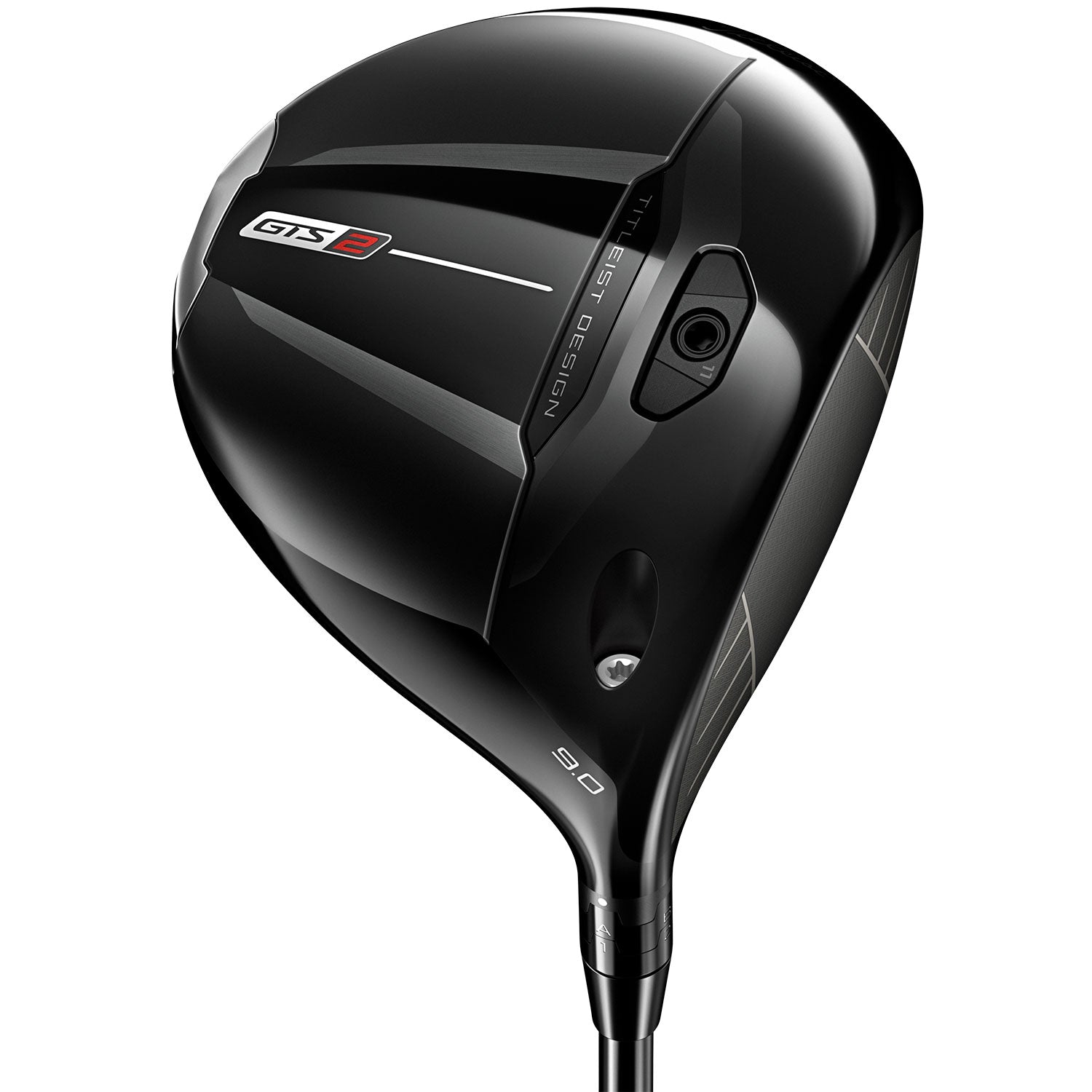
Then look at where the industry went next. The 2026 Titleist GTS2 is the forgiving, easy-launching head in the new line, and its billing includes the first adjustable SureFit CG track in a Titleist driver. Read that in order. The weight track began life in the low-spin head aimed at better players who shape shots, and it has now migrated down into the model aimed at the golfer least likely to ever slide it. That is not a performance story. That is a specification arms race arriving at the mass-market model, and you are paying for it.
The cheapest driver here has the most adjustment in it
Which brings me to the club that breaks the whole narrative. The PING G440 Max is around $450. It has a hosel adjustable plus or minus 1.5 degrees. It also has a 29g movable backweight that sets draw, neutral or fade. Both mechanisms, in the cheapest flagship head on this page, in a driver that won a Golf Digest Hot List gold and that reviewers keep describing as the king of tee-shot consistency.
If adjustability were a genuine premium feature, that product could not exist at that price. It does, which tells you adjustability costs a manufacturer very little and is priced according to where a head sits in the range rather than what the mechanism is worth.
This is the one I would buy, and not because of the backweight. I would buy it because it is the cheapest way to stop the adjustability question mattering at all: you get both mechanisms, you pay the least, and if you never touch either you have not been charged for the privilege.
Where it does earn its money
Three cases, and they are real.
A fitting that writes a number down. Adjustability is worth every penny inside a fitting bay, because a fitter with a launch monitor can find the sleeve position that fixes your spin and record it. That is the entire use case, and it is why a fitting is worth booking even when the club is not new. Note what it requires: someone else, with data, setting it once. Not you, on the range, guessing.
A swing that is actively changing. If you are mid-lesson-block, coming back from an injury, or losing speed with age and know it, a sleeve is genuinely useful because your ideal launch window is moving. Set it, play it, revisit it in six months. Most golfers are not in this position. Some are, and for them the wrench is not decoration.
A club being asked to do two jobs. This is the underrated one. Plus or minus 1.5 degrees is enough to make a head that is nominally the wrong loft into the right one, which quietly widens what you can buy. The 9-degree head at the price you want becomes viable. So does one club covering both a driving role and a tight-course role.
The club that started this now sells on its face
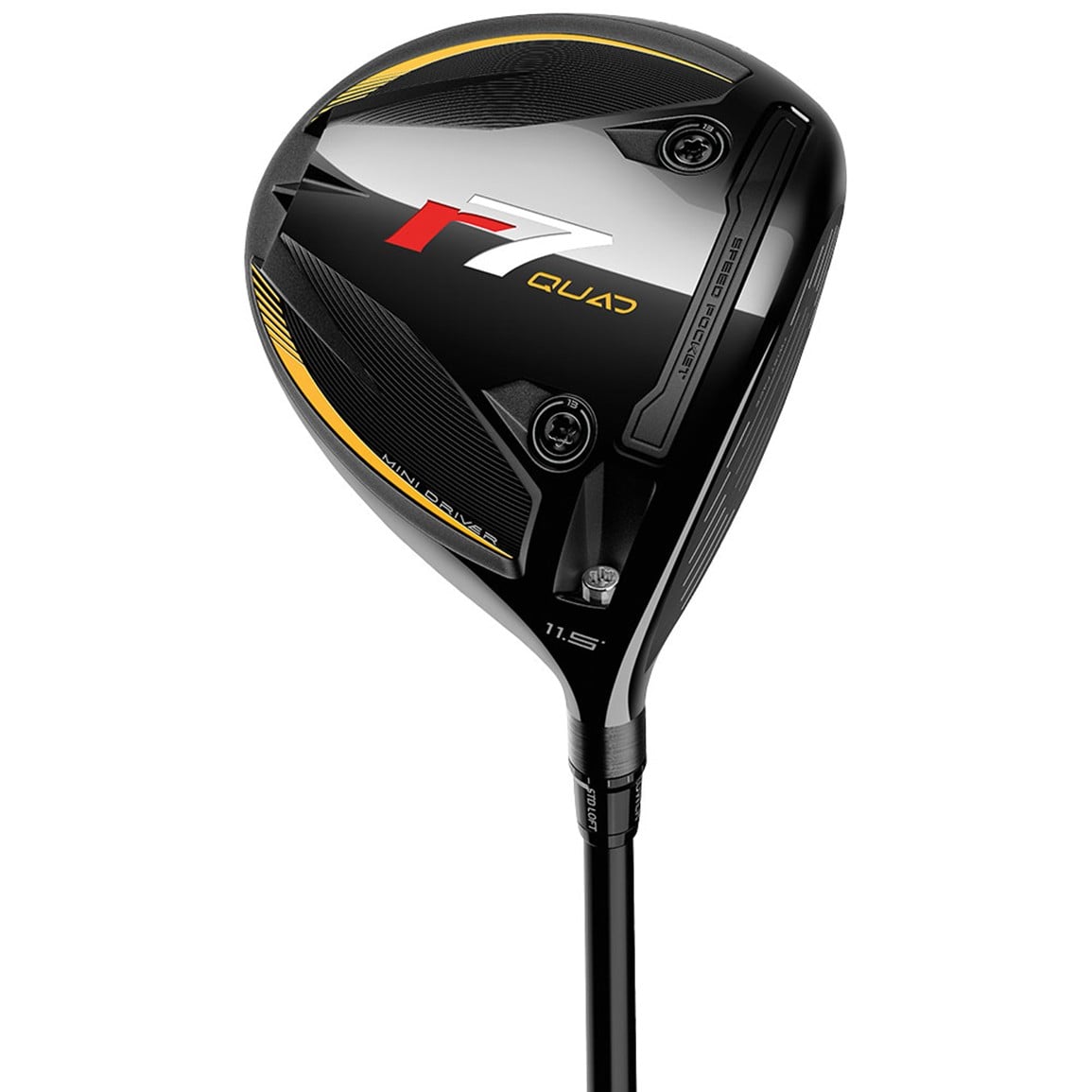
There is a neat piece of history sitting in the shops. TaylorMade's 2004 r7 quad, with its little screw-in weight cartridges, is the club that made movable weights a mainstream expectation. Every sliding track since is downstream of it.
The R7 Quad Mini Driver revives that name and that look at around $475, and it is sold on none of that. The pitch is a sub-driver head that sits between a driver and a 3-wood, a compact profile for tee-shot control, playable off the deck if you are strong enough. Shape, size, purpose. The weights are not the part anyone chose to bring back, in the one club that has the strongest claim to them.
I find that funnier than I should, but it is also the tell. When a club has a genuine reason to exist, the adjustability is not the sales pitch.
What I would do with the difference
If you are choosing between two heads and the more expensive one is separated mainly by a movable weight, buy the cheaper one and put the gap into the shaft. Shaft weight and profile change your delivery in ways a sliding weight does not, and a stock shaft that is wrong for you costs you more than any hosel setting will recover.
And if you already own an adjustable driver you have never adjusted, do not go and start adjusting it. Guessing at settings on the range, without numbers, with a swing that varies from Tuesday to Sunday, is how people talk themselves into a slice they did not have. Leave it alone. The correct use of that wrench is in a fitting bay, once, with someone watching a screen.
Who should ignore all of this
Anyone whose fitter wrote down a non-standard setting: yours is doing a job, keep it. Anyone whose swing is in transition. Anyone buying used, where the sleeve is the reason you can afford the head at all. And any faster swinger playing a low-spin head, where spin is tight enough that a degree and a half of loft is not a preference but the difference between a playable flight and a knuckling one.
For everyone else, the useful question is not which settings a driver offers. It is what the head costs before anybody mentions them.
Products mentioned in this article
PING
PING G440 Max Driver
The cheapest head here and the one carrying the most adjustment, which is the whole argument in one product
Titleist
Titleist GT2 Driver
Hosel adjustment, no weight track, and it topped a full-field distance test anyway
This model is no longer the current model. The current version is Titleist GTS2 Driver. Remaining stock is often discounted, so this can still be the better buy — check both prices.
Titleist
Titleist GTS2 Driver
The 2026 model that moves an adjustable CG track into the forgiveness head for the first time
TaylorMade
TaylorMade R7 Quad Mini Driver
Carries the name of the club that started the movable-weight era, and sells on shape instead
ifrothgolf earns a commission on purchases made through these links, at no extra cost to you. It never changes what I recommend. Full disclosure.
Frequently asked
- Do movable weights in a driver actually do anything?
- Yes, but less than the marketing implies and only within a narrow band. A backweight like the PING G440 Max's 29g setting shifts bias between draw, neutral and fade, which nudges shot shape and dispersion. It will not correct a swing fault, and most owners set it once or never. A hosel sleeve offering around plus or minus 1.5 degrees of loft has a bigger effect on launch and spin than the weight does.
- Should I adjust my driver myself?
- Not by guessing on the range. Changes to loft, lie and weight bias interact, and without launch monitor numbers you are reading outcomes that vary shot to shot anyway. The productive version is a fitting where someone sets it against real data and writes the setting down. After that, leave it.
- Is a non-adjustable driver worse?
- Not inherently. The Titleist GT2 has an adjustable hosel but no movable weight track and still topped MyGolfSpy's full-field distance test. Adjustability affects how easily a head can be tuned to you, not how fast or forgiving it is. Fit and shaft matter far more.
- What should I look for instead of adjustability when buying a driver?
- The shaft first — weight and profile change your delivery more than any setting. Then the head's forgiveness relative to your strike pattern, then price. If two heads differ mainly by a weight track, such as the roughly $190 between the Titleist GT2 and GT3, take the cheaper one and put the difference into a fitted shaft.
Read next
Versus
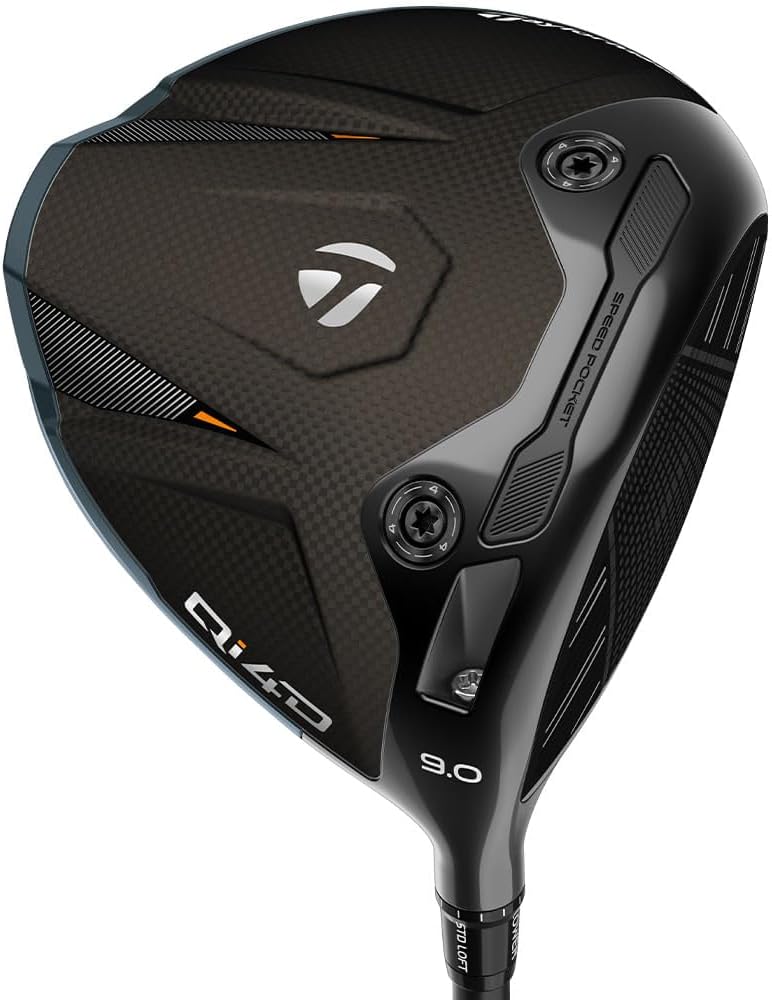
TaylorMade Qi4D vs PING G440 Max: the 2026 driver decision most golfers get backwards
Two of the year's biggest drivers, cross-shopped in every fitting bay — and most players walk in chasing the wrong thing. One wins the robot test outright; the other quietly saves more rounds. Here's which head actually belongs in your bag, and why the answer probably isn't the one you'd guess.
Opinion
What the 'longest driver of 2026' number won't tell you
Every year a chart crowns one driver the longest, and every year thousands of golfers buy the wrong club because of it.
Opinion
The most overrated gear in golf (and what to buy instead)
Golf is spectacularly good at selling you the wrong thing. Here's where the money quietly leaks out of your bag — and the unglamorous stuff that actually drops shots.