
Adjustable drivers: what all those settings actually do
Loft sleeves, movable weights, lie adjustments — most golfers never touch them, and the few who fiddle often make things worse. The plain guide.
By Jordan Hale · Equipment Writer
 Explained
Modern drivers let you twist the hosel and slide weights, and used properly — ideally in a fitting — they turn a generic head into your driver. Used badly, random tinkering between rounds is how good drivers get blamed for bad swings. The plain version: the loft sleeve is the big lever, movable weights are fine-tuning, and the one rule that matters is to set them with real launch-monitor numbers and then leave them alone. Here's what each control actually does, and why most golfers should touch them exactly once.
The loft sleeve — the main event
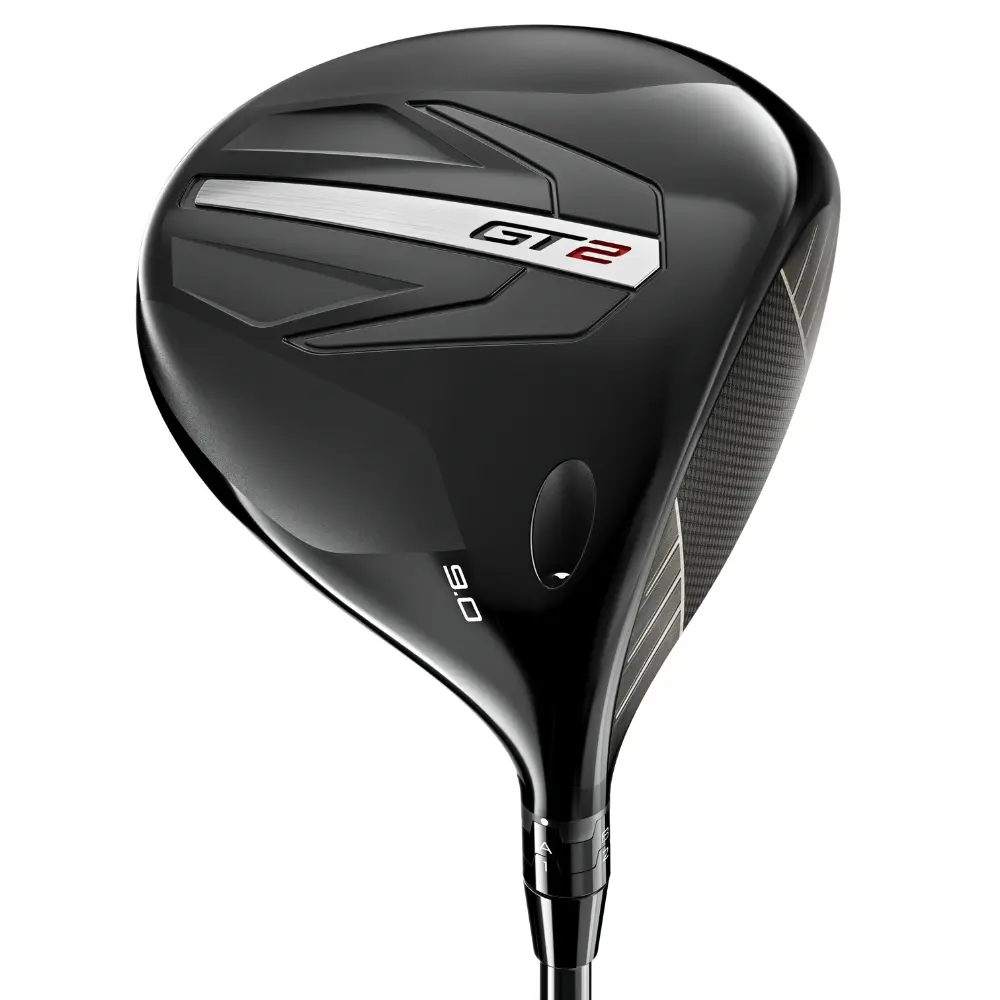
The adjustable hosel is the setting that genuinely changes how the club performs. Adding loft raises launch and adds spin, which helps if you hit it low or tend to knock it down; reducing loft lowers launch and spin, which helps if you balloon it and watch drives climb and stall. The range is meaningful — most sleeves give around plus or minus 1.5 degrees, and Titleist's SureFit hosel on the GT2 offers sixteen positions tuning both loft and lie. Crucially, many sleeves also tweak lie and face angle, which is the part that can fight a shot shape: an 'upright' or 'draw' setting closes the face slightly at address and visibly straightens a fade for a lot of players, while a flatter setting can take the left side out of play for someone who hooks it. Small numbers on the wrench, real effects on the ball, and it's the first thing any fitter dials.
Movable weights — fine-tuning, not magic
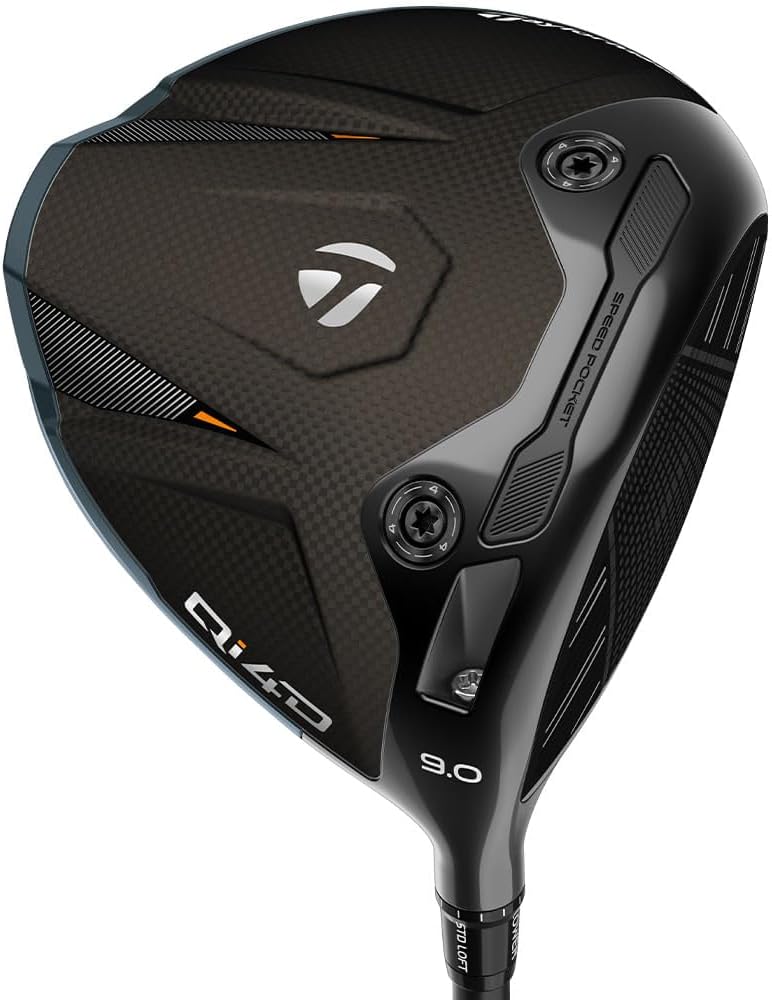
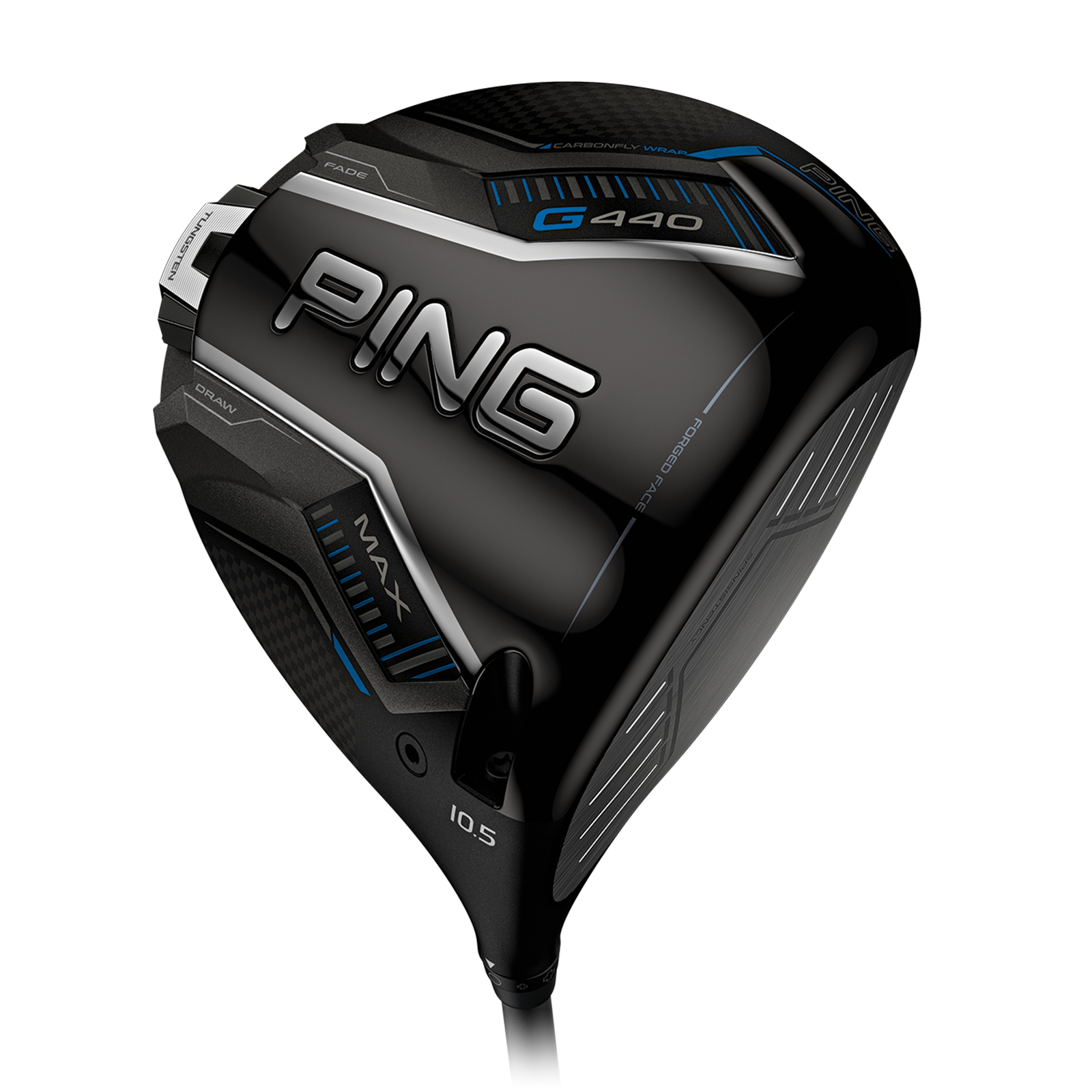
Weights shift the head's centre of gravity, and where the CG sits changes launch, spin and forgiveness. Back and low means more forgiveness and higher launch; forward means lower spin and a more penetrating, flatter flight that faster swingers chase; heel or toe biases a draw or a fade. On a forgiving head like the PING G440 Max — which carries a 29-gram movable backweight for draw, neutral or fade — or the TaylorMade Qi4D, these are tuning, not transformation. The honest expectation: a weight change might tighten your dispersion or nudge your shot shape, but it won't add a swing you don't have or fix a fault. Most amateurs see far more from getting the loft and shaft right than from chasing the perfect weight position, which is why a fitter spends ten minutes on the hosel and thirty on the shaft.
Which settings actually matter for you
Not all of these controls are equal for an amateur, and knowing the hierarchy stops you fiddling with the wrong thing. The loft sleeve is where the real, repeatable performance change lives — get this and the lie right and you've captured the large majority of what adjustability offers. A draw or upright setting is the next most useful, because for the millions of golfers who fight a fade it can genuinely take some of the right side out of play. Movable weights come third: useful in a fitting to tighten dispersion or fine-tune flight, but a small effect next to loft and shaft, and not worth chasing on your own. And the workability-focused settings — the forward CG positions that flatten flight for a player trying to shape shots — are mostly relevant to fast, skilled swingers and largely wasted on the rest of us. The practical takeaway: spend your fitting attention on loft, lie and shaft, let the fitter set a weight if it helps, and ignore the rest.
Why most golfers get it wrong
The failure mode is predictable: a golfer reads a forum thread, decides their flight is 'too high', cranks the loft down two clicks on the range, hits three good ones by chance, and convinces themselves they've found something. Two weeks later they've moved the weight, changed the lie, and have no idea what their settings even are — and a club that was fine now genuinely isn't. The problem is that you can't see launch and spin with your eyes, and a single range session of fifteen balls can't tell a real change from your own day-to-day variance. Adjustability rewards measurement and punishes vibes. The settings that look like free customisation are really a fitting tool that happens to live on the club, and treating them as a toy is how good drivers end up blamed for bad rounds.
How to actually use them
Don't guess. Get the loft, lie and weight set in a fitting with a launch monitor reading your real launch, spin and dispersion — that's where the yards hide for amateurs, and it's the same logic behind why you need a fitting more than a new driver. Then write your settings down (or photograph the sleeve markings) and leave the wrench in the bag. If something genuinely changes — a new shaft, a real swing change, a flight you can prove on a monitor has drifted — go back to the bay and re-measure rather than fiddling on the first tee. The adjustability is powerful in a fitting and dangerous everywhere else.
One practical warning that catches people out: there's a right way to use the wrench mechanically, too. When you adjust the hosel, loosen the screw fully, set the sleeve to the marking you want, seat it properly and re-tighten to a click — don't half-back it and force the head round, which is how golfers strip the screw or, worse, leave the head insecure enough to rattle or fly off at impact. Torque it until the wrench clicks and no further. And don't read too much into the printed loft number: a sleeve set to '10.5' might deliver more or less than that depending on the lie and face-angle changes that come with it, which is exactly why you trust the launch monitor's spin and launch readout over the label on the sleeve. The setting is a means to a number, not the number itself. See how the adjustable heads stack up in our best drivers guide.
Products mentioned in this article
Titleist
Titleist GT2 Driver
SureFit hosel for precise loft/lie tuning in a fitting. Superseded by the Titleist GTS2 in June 2026, which carries the same hosel system.
This model is no longer the current model. The current version is Titleist GTS2 Driver. Remaining stock is often discounted, so this can still be the better buy — check both prices.
ifrothgolf earns a commission on purchases made through these links, at no extra cost to you. It never changes what I recommend. Full disclosure.
Frequently asked
- What does the loft sleeve on a driver do?
- It adjusts loft (and often lie/face angle): more loft raises launch and spin, less lowers them, and 'draw/upright' settings can help straighten a slice. It's the most impactful adjustment.
- Should I adjust my driver myself?
- Only if you know your numbers. Set it in a fitting with a launch monitor, record the settings, then leave it. Random between-round tinkering usually makes a good driver worse.
- Will moving the weight add distance?
- A little, by optimising spin and launch or tightening dispersion — but it's fine-tuning, not a fix for a swing fault. The bigger gains come from the right loft and shaft, which is where a fitter spends most of the time.
- Can the adjustable hosel really fix my slice?
- It can help, not cure. An 'upright' or 'draw' hosel setting closes the face slightly and can straighten a mild fade for many players, and a draw weight bias adds a little more. But a severe slice is a swing-path issue that no setting fully fixes — the adjustment buys you margin, not a new swing.
Read next
Versus
TaylorMade Qi4D vs PING G440 Max: the 2026 driver decision most golfers get backwards
Two of the year's biggest drivers, cross-shopped in every fitting bay — and most players walk in chasing the wrong thing. One wins the robot test outright; the other quietly saves more rounds. Here's which head actually belongs in your bag, and why the answer probably isn't the one you'd guess.
Opinion
What the 'longest driver of 2026' number won't tell you
Every year a chart crowns one driver the longest, and every year thousands of golfers buy the wrong club because of it.
Opinion
The most overrated gear in golf (and what to buy instead)
Golf is spectacularly good at selling you the wrong thing. Here's where the money quietly leaks out of your bag — and the unglamorous stuff that actually drops shots.