
Titleist GTS2 vs Callaway Quantum Triple Diamond: two 2026 flagships betting on opposite golfers
One is built around maximum stability, the other around a compact 450cc low-spin head that asks you to find the middle. Golfers cross-shop them on brand loyalty every week, and roughly half of them walk out with the wrong one.
By Jordan Hale · Equipment Writer
Titleist
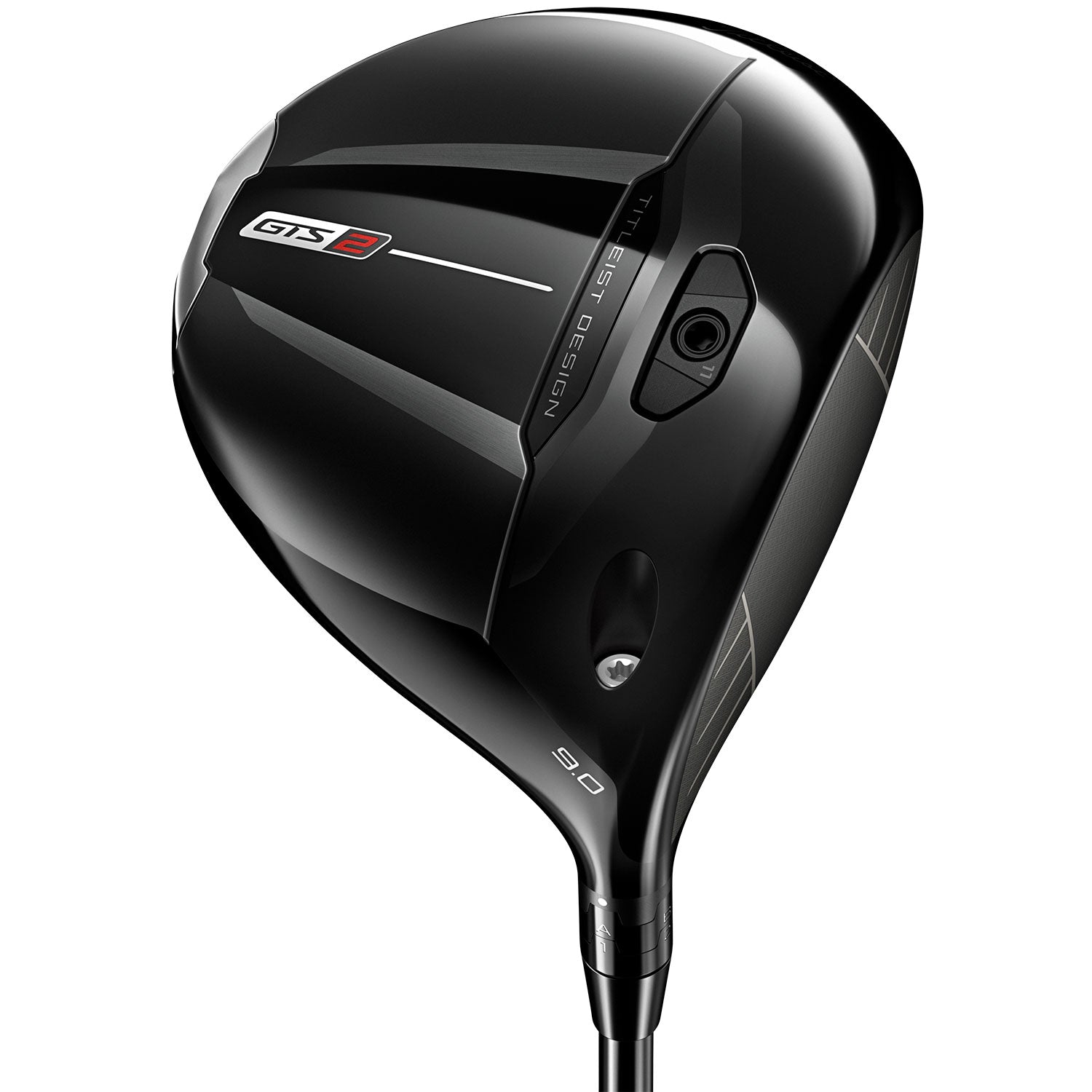
Titleist GTS2 Driver
The stability play: high MOI, mid-to-high launch, and the head most golfers reading this should actually buy.
Callaway
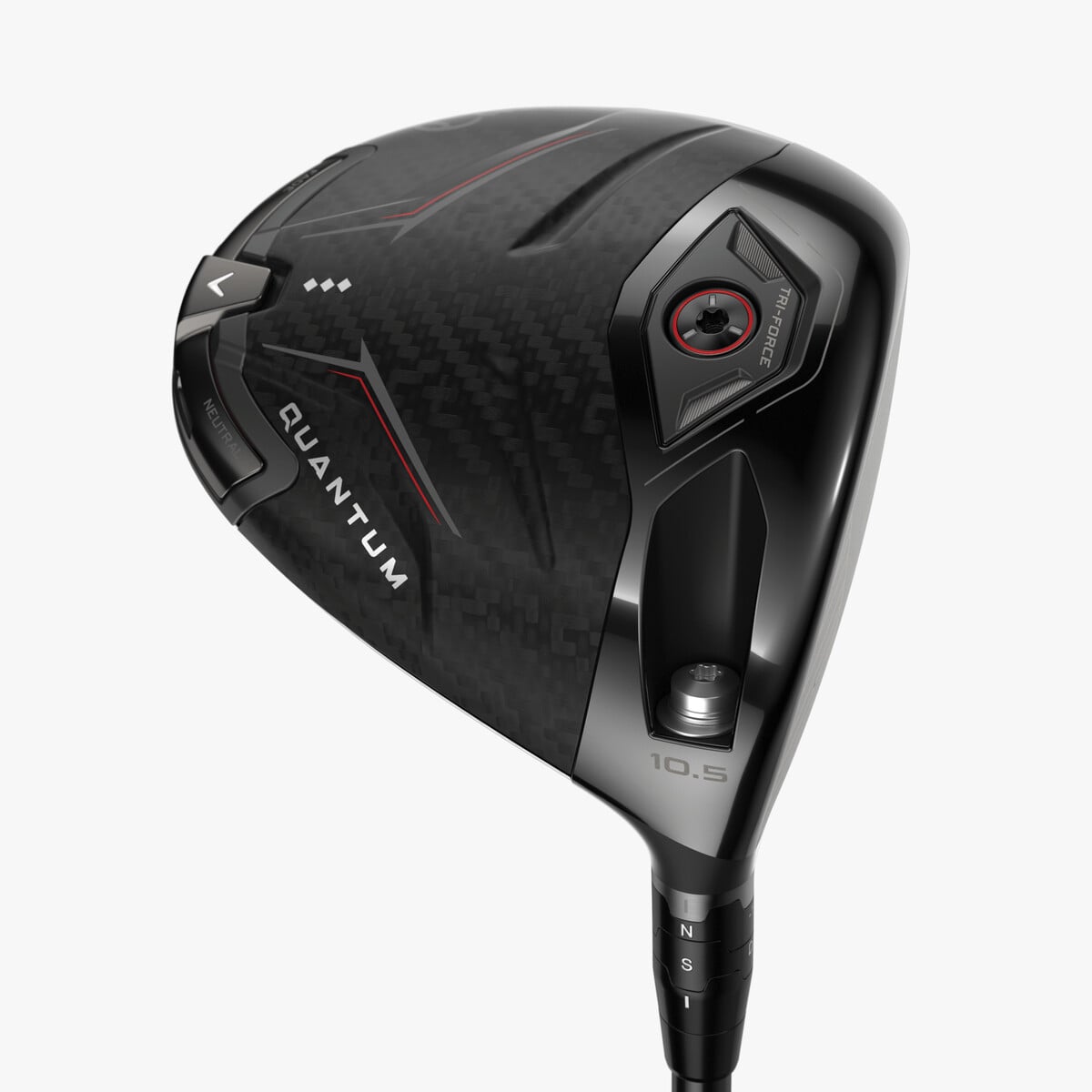
Callaway Quantum Triple Diamond
Compact 450cc low-spin tour head — it demands a centre strike and the speed to justify taking spin off.
Callaway
Callaway Quantum Triple Diamond Max Driver
The Triple Diamond Max: the same Tri-Force face in a 460cc head that is far easier to game.
Titleist
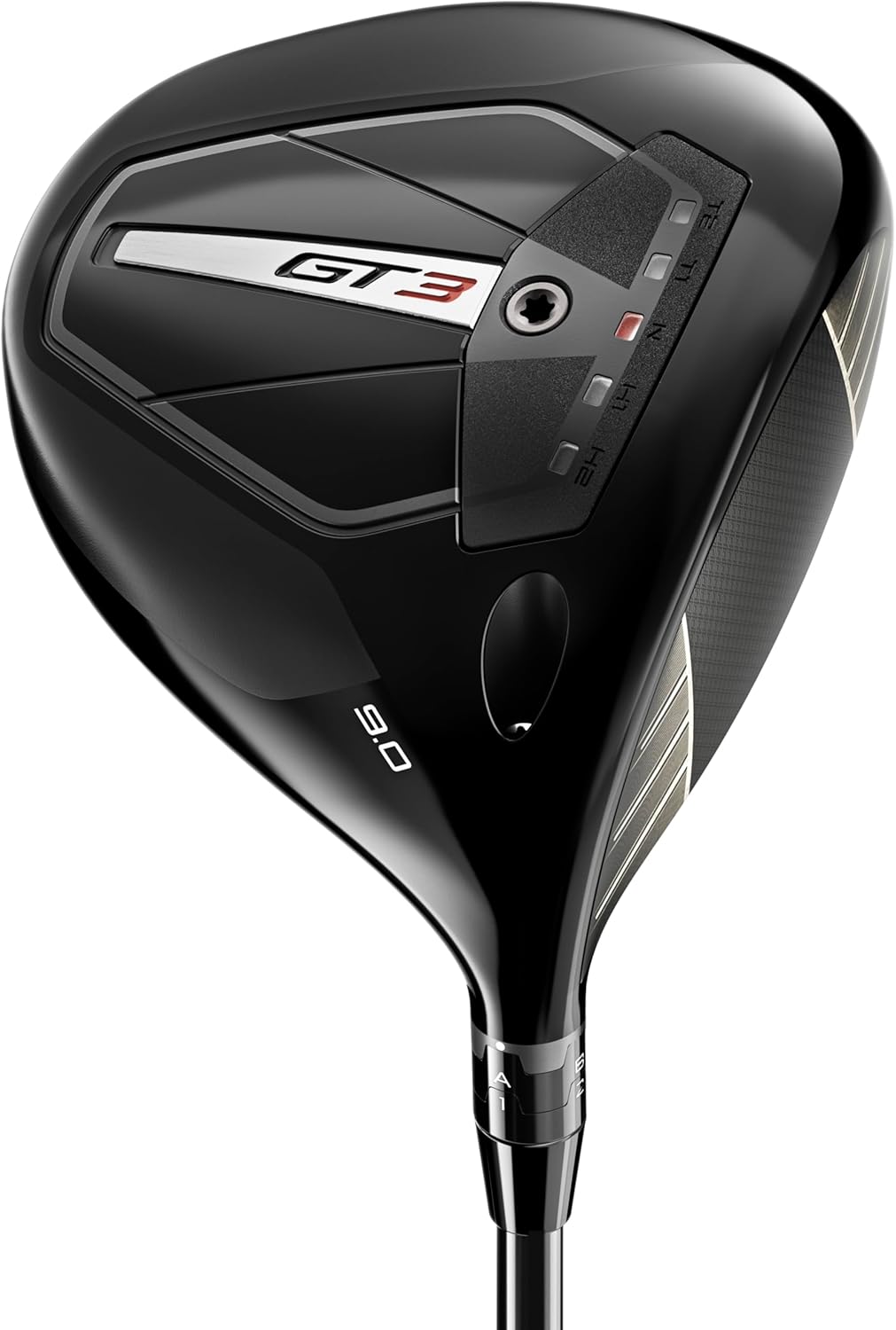
Titleist GT3 Driver
Titleist's own lower-spin, movable-weight head if you want the tour shape without leaving the brand.
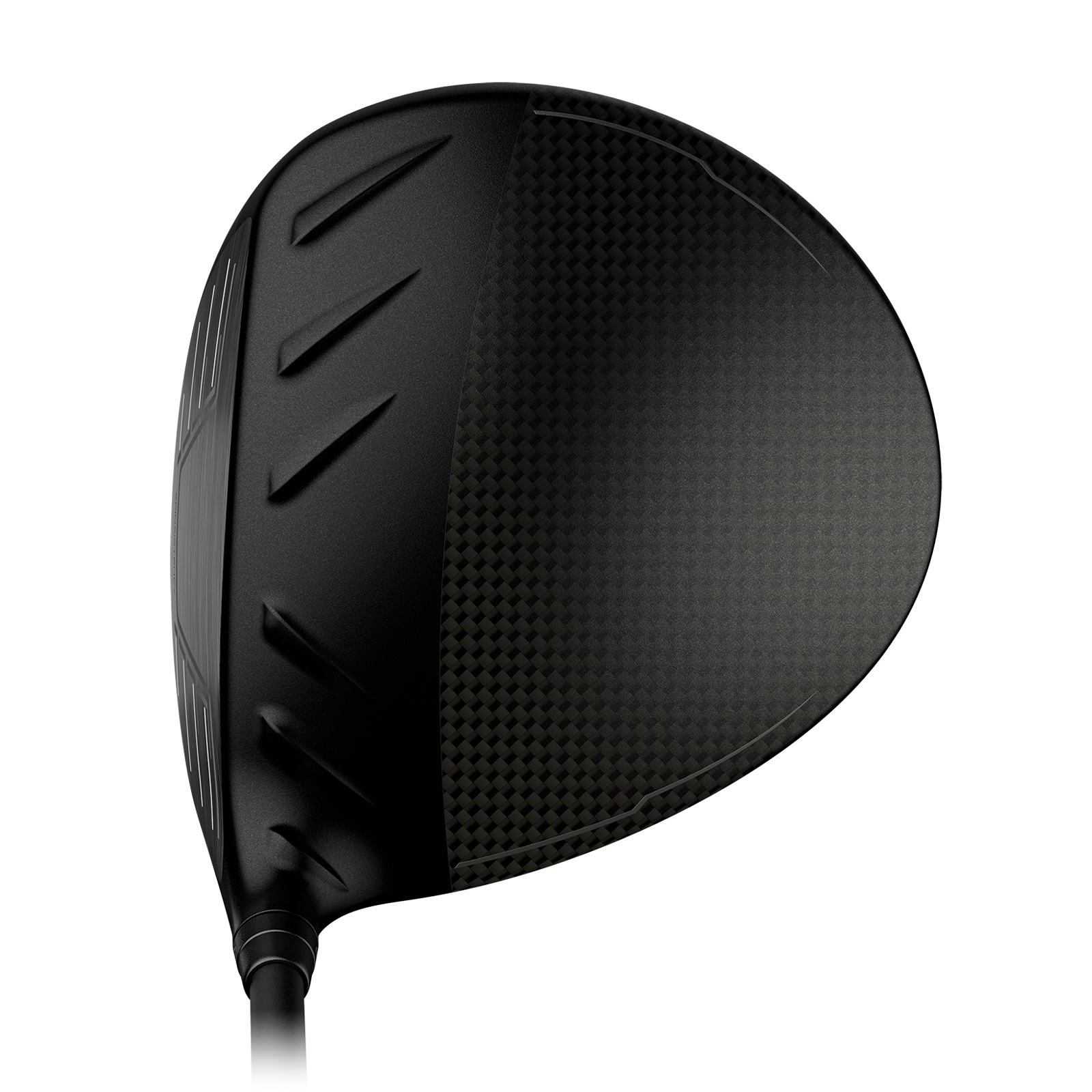
Ping
Ping G440 K Driver
The forgiveness extreme — Ping's highest-MOI driver, built for the straightest ball flight in the line.
ifrothgolf earns a commission on purchases made through these links, at no extra cost to you. It never changes what I recommend. Full disclosure.
Part of our guide toBest Golf Drivers 2026The honest answer first, because it will save you an afternoon: if you clicked this to decide between them, you almost certainly want the Titleist GTS2. It is the highest-stability driver in Titleist's GTS line, built on a Split Mass Frame over a full thermoform body specifically so that weight can be pushed out to the edges for high MOI, with mid-to-high launch and controlled spin. The Callaway Quantum Triple Diamond is a genuinely brilliant golf club that most people asking this question have no business putting in the bag: a compact 450cc low-spin tour head, deeper-faced and fade-biased, running Callaway's new Tri-Force Face.
These two get cross-shopped constantly, and the reason is depressing. They sit at similar money, they launched in the same window, and golfers pick between them the way they pick a pint — brand loyalty, a mate's opinion, whatever a tour player had in the bag on Sunday. Nobody involved is comparing what the two heads are actually engineered to do, which is not the same job. This is not a which-one-is-longer piece. Longest is not a property of a driver head; it is a property of a driver head meeting a particular delivery. What follows is the delivery each one is asking for.
What high stability actually buys you
Forgiveness is the most abused word in golf marketing, so here is what it means mechanically. A high-MOI head resists twisting when the ball lands away from the centre of the face. Every strike off the toe or heel wants to rotate the head around its own centre of gravity; that rotation is what bleeds ball speed and throws the face open or shut at the moment it matters. Moving mass outwards — which is exactly what a Split Mass Frame and a thermoform body are for, freeing weight from the crown and redeploying it — makes the head harder to twist. You do not get a straight shot out of a bad one. You get a smaller punishment: more of your ball speed retained, and less face rotation added to a strike that was already off-line.
That matters because of a truth nobody wants printed on a shaft band. The average club golfer's strike pattern is not a tight cluster around the middle. It is a scatter, and the shots that decide your card are the ones at the edges of it. A head that gives back three or four miles per hour of ball speed on your bad ones, instead of eight, is not fractionally better over a round — it is the difference between a chip out and a wedge in. That is the entire argument for the GTS2, and it is a good one. Two interchangeable sole weights and an adjustable hosel let a fitter shift the CG and tune loft and lie on top of it, which is how you turn a forgiving head into a forgiving head that also fits you.
What a compact tour head demands in return
The Quantum Triple Diamond is asking for three things, and it is not negotiating on any of them. First, a centre strike, and not occasionally. A 450cc head has less footprint and less perimeter to work with than a 460cc one; the physics that make it workable are the same physics that make it less merciful. Second, enough speed that spin is genuinely your problem. A low-spin head is a solution to a ball flight that climbs, stalls and drops out of the sky short — which is a fast player's complaint. If your drives are already running out of carry, taking spin off makes them worse, not longer. Third, a delivery that does not already lose the face. Callaway's 10-gram weighting system runs neutral to fade, and the head is fade-biased by design. That is a feature if you fight a hook and a slow-motion horror film if you fight the other one.
What you get for meeting those conditions is real. The Tri-Force Face layers ultra-thin titanium, Poly Mesh and carbon fibre into a single AI-tuned face, sitting on Callaway's lightest full 360-degree carbon chassis, and the shape is the one a lot of tour players want to look down at. This is a properly modern piece of engineering. It is simply engineered around a golfer who exists in smaller numbers than the marketing implies.
The cross-shop that keeps going wrong
Here is the pattern, and you will recognise it. A golfer who is genuinely quite good — mid-single-figure, hits it a decent distance, has watched enough golf to know what a Triple Diamond is — decides the forgiving head is beneath him. He is not wrong about his ability. He is wrong about his strike dispersion, because almost everybody is; feel is a terrible instrument for measuring where on the face you made contact, and a good player's misses are still misses. He buys the tour head, plays it well for two rounds, then spends a season quietly losing three yards a drive and blaming the shaft.
The mirror image is rarer but worse. A fast, low-spin-hungry player buys the maximum-stability head because a review told him forgiveness is free, then spends the year watching drives balloon. Forgiveness is not free. Every gram spent buying stability is a gram not spent somewhere else. Our piece on what actually adds driver distance makes the wider point: the head is one input among several, and matching it to your delivery beats buying the most impressive one. If you have never had the numbers looked at, that is the cheapest fix available, and we make the case in is a club fitting worth it.
The heads most people asking this question should actually be looking at
If the Triple Diamond appeals and you suspect you are not quite the golfer it wants, Callaway already built the answer and gave it an awkward name. The Callaway Quantum Triple Diamond Max is a 460cc version of the same idea: the same Tri-Force face and low-spin profile, in a head Callaway themselves describe as more forgiving than the standard Triple Diamond, with the same adjustable hosel and neutral-to-fade settings. At around $700 it is the pricier of the two, which tells you something about who Callaway thinks is buying it. For a fast swinger who wants a penetrating flight without signing up for a season of toe strikes, this is the sane middle.
Titleist has the same middle ground from the other direction. The Titleist GT3 gives you a movable weight track for shot-shape tuning and lower spin than the GT2, on split-mass construction, in the head Brooks Koepka drives with. If you want a Titleist and you genuinely need spin taken off, that is the conversation to have — not GTS2 versus a Callaway tour head.
And at the far end, if forgiveness is the whole point and you would rather not pretend otherwise, the Ping G440 K exists. It is Ping's highest-MOI driver, a 460cc head in 9, 10.5 and 12 degrees with a dual Carbonfly Wrap crown and sole, a 32-gram adjustable tungsten back weight and the new T9S+ variable-thickness face, and it is unashamedly built for the straightest ball flight in the range. Slice-prone golfers who buy tour heads to look serious in the car park should look at this instead, at around $550.
Who should buy which
Buy the GTS2 if your handicap has a digit in front of it you would rather not discuss, if your strike pattern wanders, if your miss costs you fairways rather than carry, or if you simply want the driver that punishes you least — which is most golfers, most of the time. Buy the Quantum Triple Diamond if you carry real clubhead speed, your strike is genuinely repeatable, your current driver spins too much and climbs, and you want to work the ball rather than survive it. Skip both if you have never had a driver fitted, because the head is the last variable you should be guessing at and the first one everybody guesses at.
The uncomfortable part is that the head badge is doing far more work in this decision than it deserves to. If you have already convinced yourself which brand you are, you have not made a choice — you have made a purchase and worked backwards. The rest of the field, including the Ping and TaylorMade heads worth putting on the same list, is in our drivers hub, and if the Ping line is where you have landed, which G440 driver sorts the Max, LST and K in about two minutes.
Frequently asked
- Is the Titleist GTS2 more forgiving than the Callaway Quantum Triple Diamond?
- Yes, and by design. The GTS2 is the maximum-stability model in Titleist's GTS line, using a Split Mass Frame on a full thermoform body to raise MOI and hold ball speed on off-centre strikes. The Quantum Triple Diamond is a compact 450cc low-spin tour head aimed at better players who want workability and a penetrating flight, which is a different goal entirely.
- Who is a 450cc low-spin driver head actually for?
- Faster swingers whose current driver spins too much and climbs, who strike the face repeatably enough to give up perimeter forgiveness, and who want to shape the ball rather than simply keep it in play. A low-spin head is a fix for a ball flight that balloons. If your drives already run short on carry, taking spin off makes the problem worse.
- Is there a middle ground between the two?
- Two of them. Callaway's Quantum Triple Diamond Max is a 460cc version of the same low-spin head that Callaway describes as more forgiving than the standard Triple Diamond. Titleist's GT3 offers lower spin than the GT2 with a movable weight track for shot-shape tuning. Both sit between maximum stability and a full tour head.
- Does the driver head matter more than the shaft or the fitting?
- Not usually. The head sets the ceiling, but loft, shaft and how the club is delivered decide whether you reach it. Most golfers gain more from having launch and spin measured and matched than from swapping one modern head for another, which is why a fitting is the cheapest meaningful upgrade in the bag.
Read next
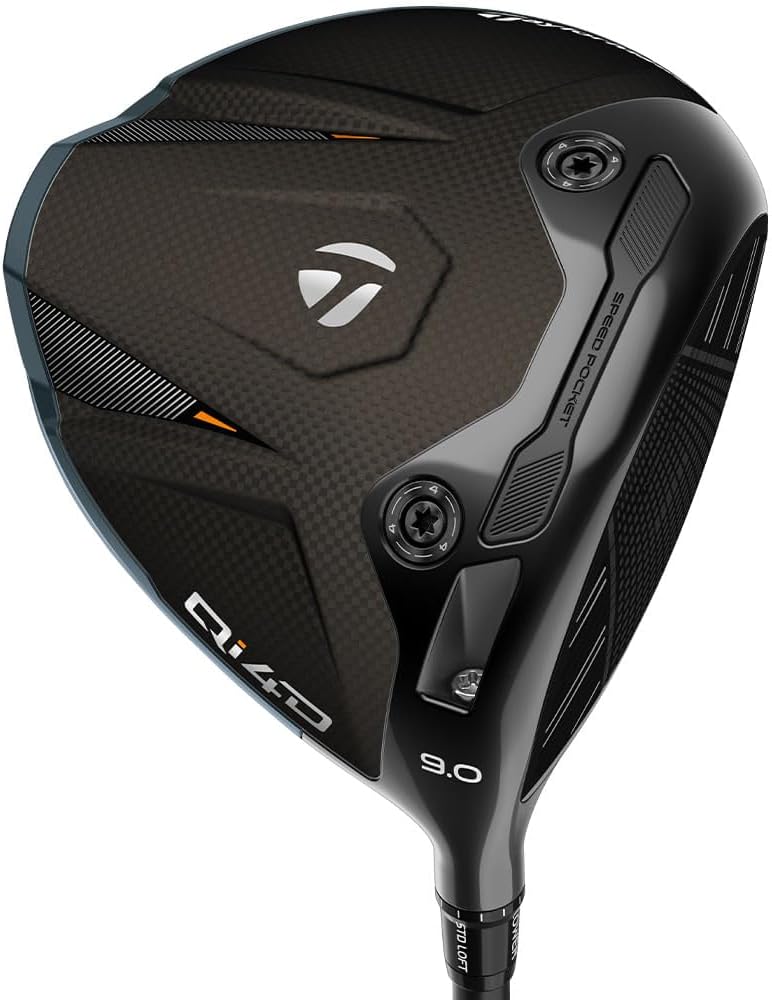
Versus
TaylorMade Qi4D vs PING G440 Max: the 2026 driver decision most golfers get backwards
Two of the year's biggest drivers, cross-shopped in every fitting bay — and most players walk in chasing the wrong thing. One wins the robot test outright; the other quietly saves more rounds. Here's which head actually belongs in your bag, and why the answer probably isn't the one you'd guess.
Opinion
What the 'longest driver of 2026' number won't tell you
Every year a chart crowns one driver the longest, and every year thousands of golfers buy the wrong club because of it.
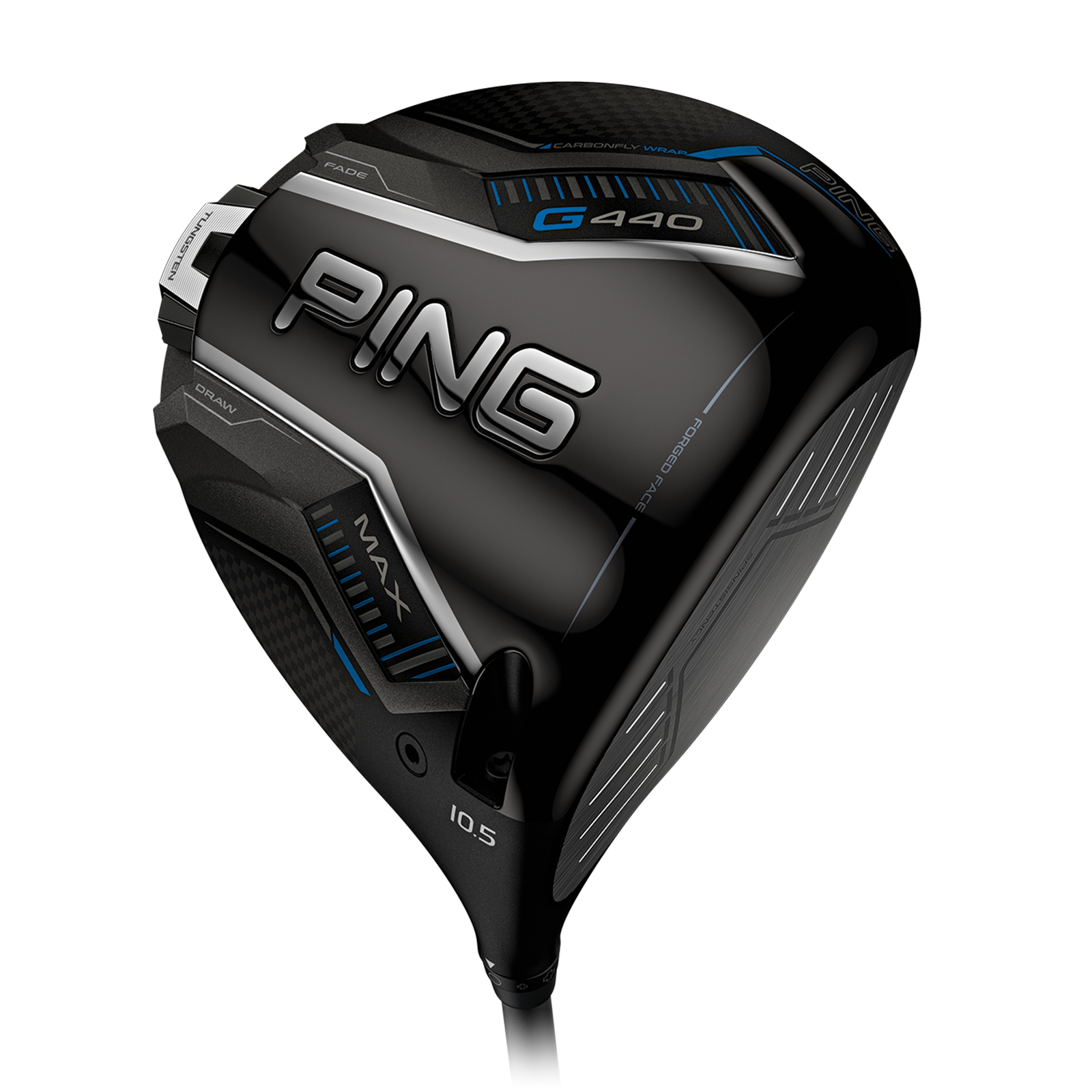
Opinion
The most overrated gear in golf (and what to buy instead)
Golf is spectacularly good at selling you the wrong thing. Here's where the money quietly leaks out of your bag — and the unglamorous stuff that actually drops shots.