
The Solheim Cup is where 24 women get clubs built to spec. The rest get a colour and a flex letter
A Solheim Cup team is about the only place in golf where two dozen women are all built clubs to their own measurements. Walk into a shop and the same industry will sell you a paint job and a flex grade that means nothing.
By Ben Marsden · Reviews Editor
Ping
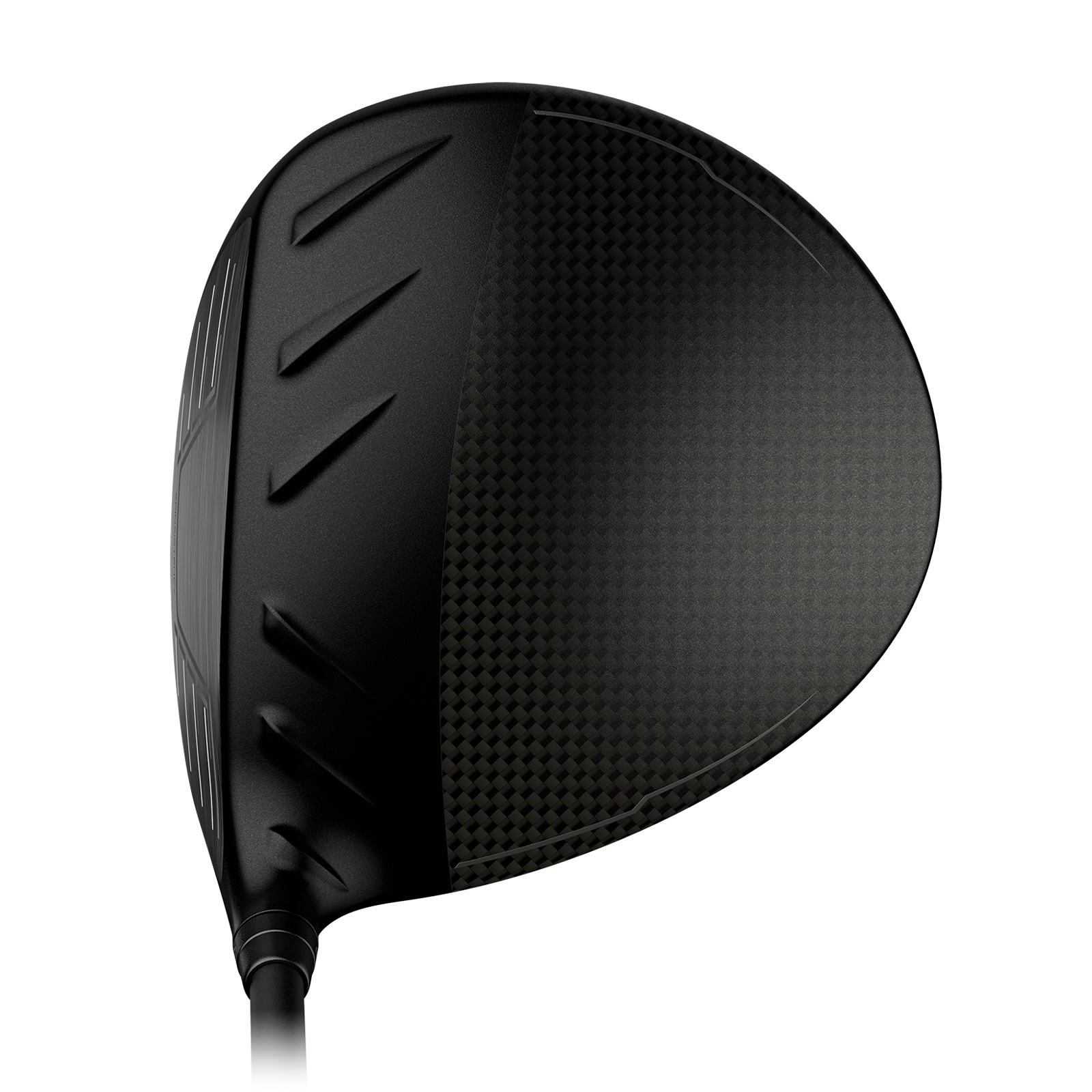
Ping G440 K Driver
There is a rail in most golf shops, usually near the back, usually shorter than the others. The clubs on it are lighter, an inch or so shorter, finished in a colour the men's version does not come in, and stamped with an L. That L is doing an enormous amount of work. It is standing in for length, for total weight, for lie angle and for the entire bend profile of a shaft, and it is not capable of standing in for any of them, because it is not a specification. There is no governing body that defines what L, A, R, S or X mean. One manufacturer's ladies flex measures stiffer than another manufacturer's senior. The single number printed on the thing you are buying is the one number in the transaction that is not a number.
Meanwhile, in Cromvoirt, twenty-four women are about to play a Solheim Cup with clubs that were built to their measurements. That is the contrast I keep coming back to. A Solheim team is very close to the only place in golf where two dozen women are all fitted properly at once, and the moment you see it you cannot unsee how badly the retail end is arranged for everybody else.
The four variables that actually decide it
Length. Total weight. Lie angle. Shaft bend profile. Those are the things that determine whether a club arrives at the ball square, at a speed you can repeat, without your body compensating for it. Not one of them is printed on the box of a women's club, and the first of them is decided for you: women's clubs are conventionally built around an inch shorter across the set regardless of who is buying. A golfer of five foot ten gets a club built for a golfer of five foot four, because they are the same gender.
Length is not an isolated choice either. Change the length and you have changed the swing weight, the total weight, the effective lie at impact and the shaft's behaviour, all at once. It is the variable that quietly sets the other three, which is precisely why it should never be assigned by demographic.
PING has had this right since before I was born, and it is free
PING's colour code chart is the oldest famous idea in club fitting and it is still the cleanest rebuke to the women's rail. You give two measurements — your height, and your wrist-to-floor — and it returns a lie code. Ten of them, running from gold at four degrees flat through black at standard to maroon at five degrees upright, a nine-degree spread, and often a shaft-length change with it. It is a starting point rather than a fitting, and PING says as much. But look at what it asks for and what it does not. It does not ask your gender. It does not ask your age. It asks how tall you are and how long your arms are, which is the actual question.
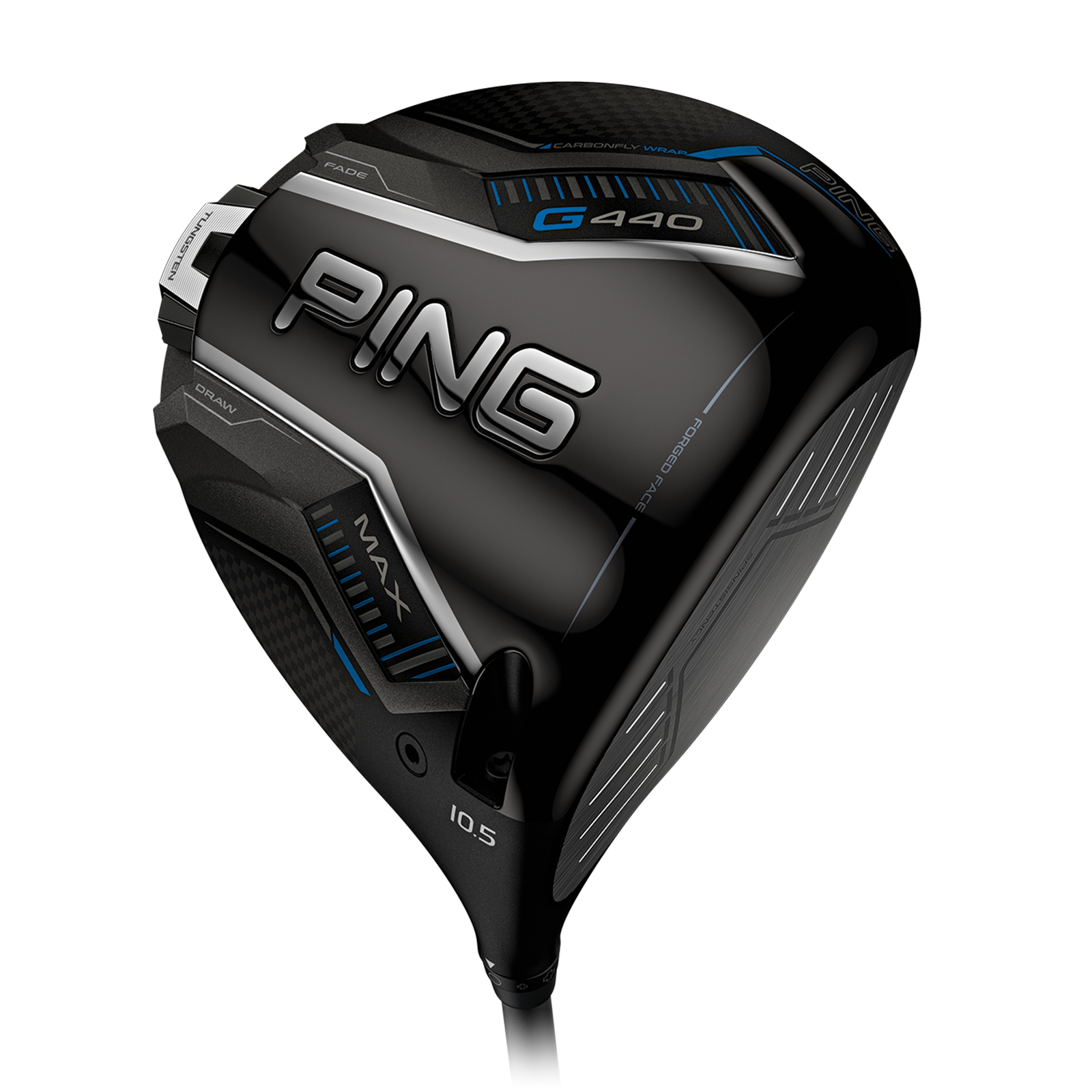
The same thinking runs through PING's driver line. The G440 K exists because some golfers deliver the club with the face open and the ball goes right, and PING built a maximum-forgiveness head with a movable back weight to address that, offered with a High Launch build for slower speeds on top. That head is not for a demographic. It is for a shot shape, and there are men and women in exactly equal need of it.
Lie is adjustable, usually for nothing, and nobody mentions it
Here is the part that genuinely irritates me. Lie angle is the variable most likely to be wrong for a golfer built outside the middle of the chart, and on a huge amount of modern equipment it is adjustable in the shop, in a minute, at no cost. The Titleist GTS2 carries a SureFit hosel with four sleeve positions and four ring positions — sixteen combinations, in three-quarter-degree increments, adjusting loft and lie independently of one another. That is a proper fitting tool sitting inside a club anybody can walk in and buy at around $900.
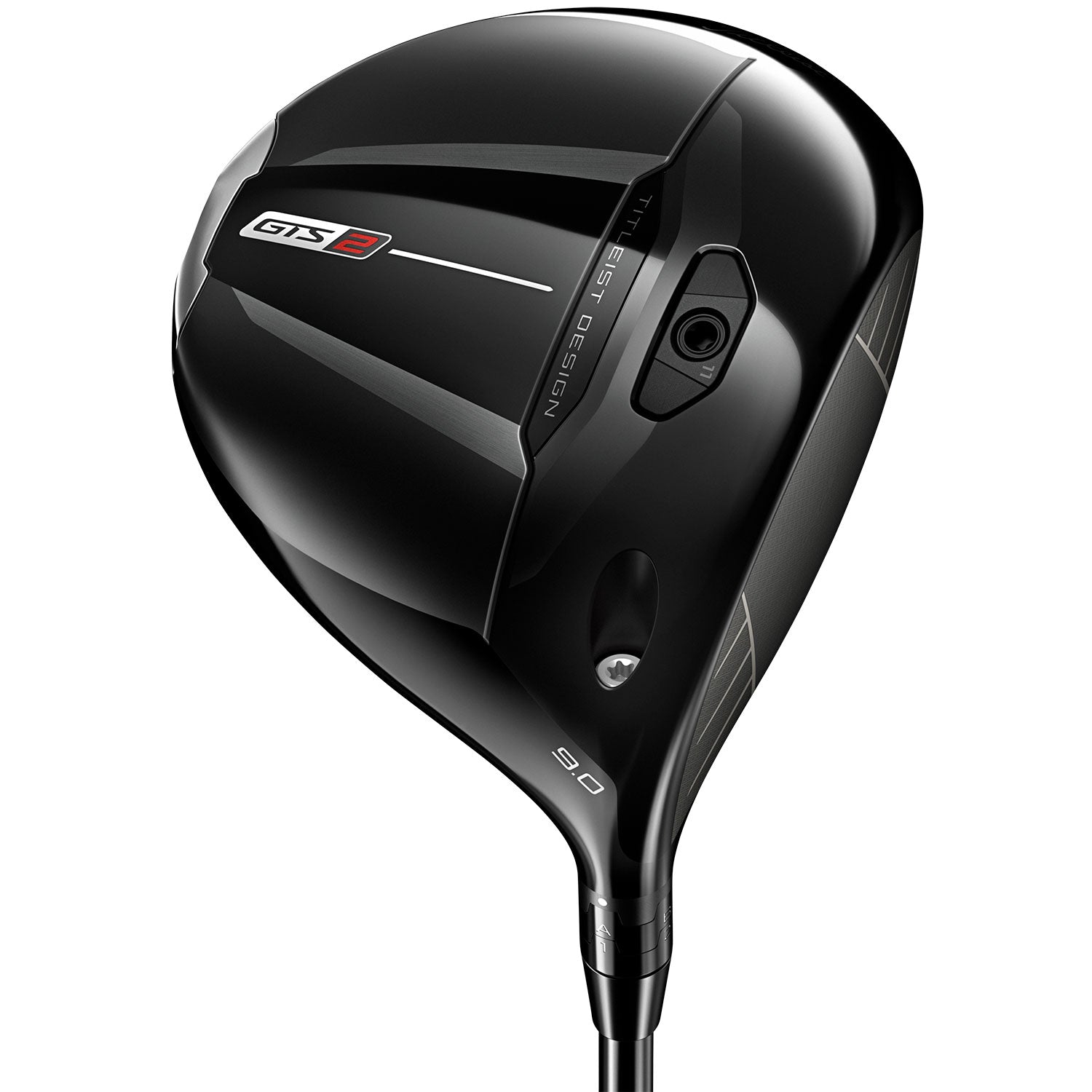
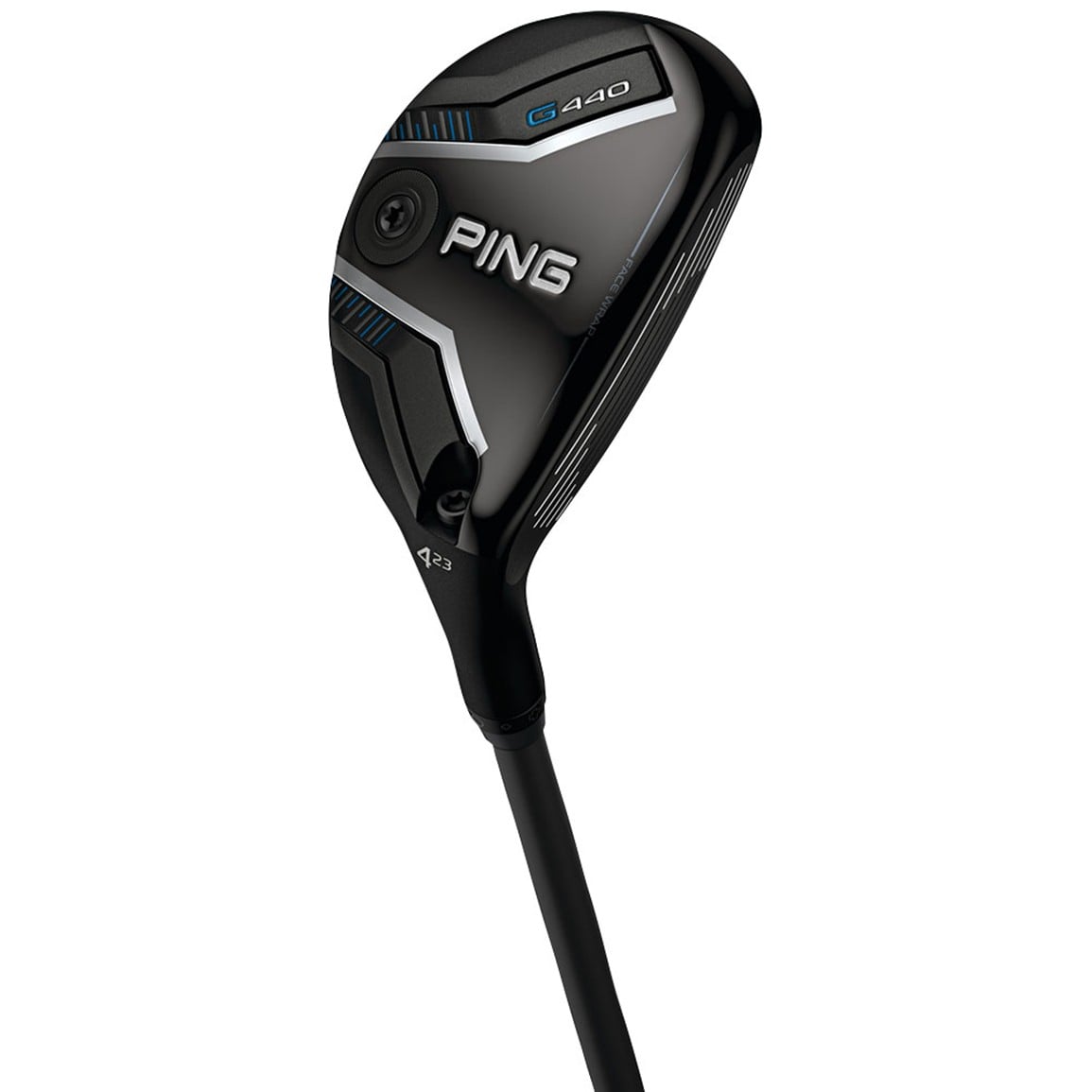
How often is it set to anything other than the factory default at the point of sale? Almost never, in my experience of watching clubs go over counters. The same goes further down the bag: a PING G440 hybrid at around $300 has an adjustable hosel for both loft and lie, and it is bought and carried in the box setting by nearly everyone who owns one. We have an entire industry that has engineered the fix and then declined to have the conversation.
The industry can label by spec. It does it constantly, for men
The strongest evidence that this is a choice rather than an oversight is sitting in TaylorMade's own catalogue. The Qi Max HL has HL in the name and the letters stand for High Launch. Weaker lofts, ultralight components, a low and deep centre of gravity in the long irons. It is aimed squarely at a golfer who fights a low, weak ball flight — and rather than name it after that golfer, TaylorMade named it after what the club does. A seven-piece steel set is around $1,400.
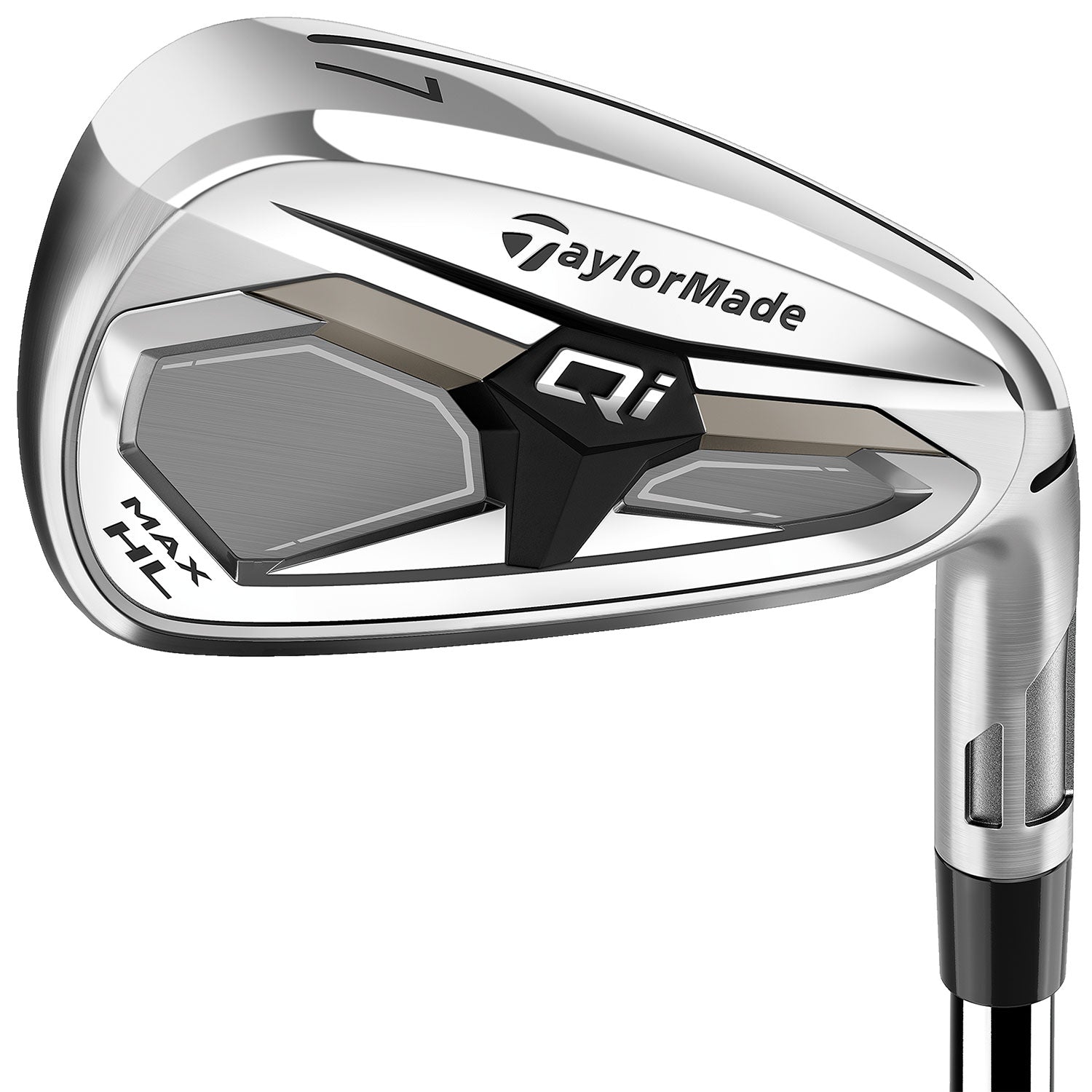
That is all anyone is asking for. Nobody needed to call it a ladies iron or a senior iron. They put the specification on the box, and the golfer who needs high launch — whoever they are, whatever age, whichever gender — can find it and the golfer who does not can ignore it. Do that across the whole range and the women's rail stops being necessary, because everything on the main rail would carry the information required to choose.
Who is doing it well, and who is not
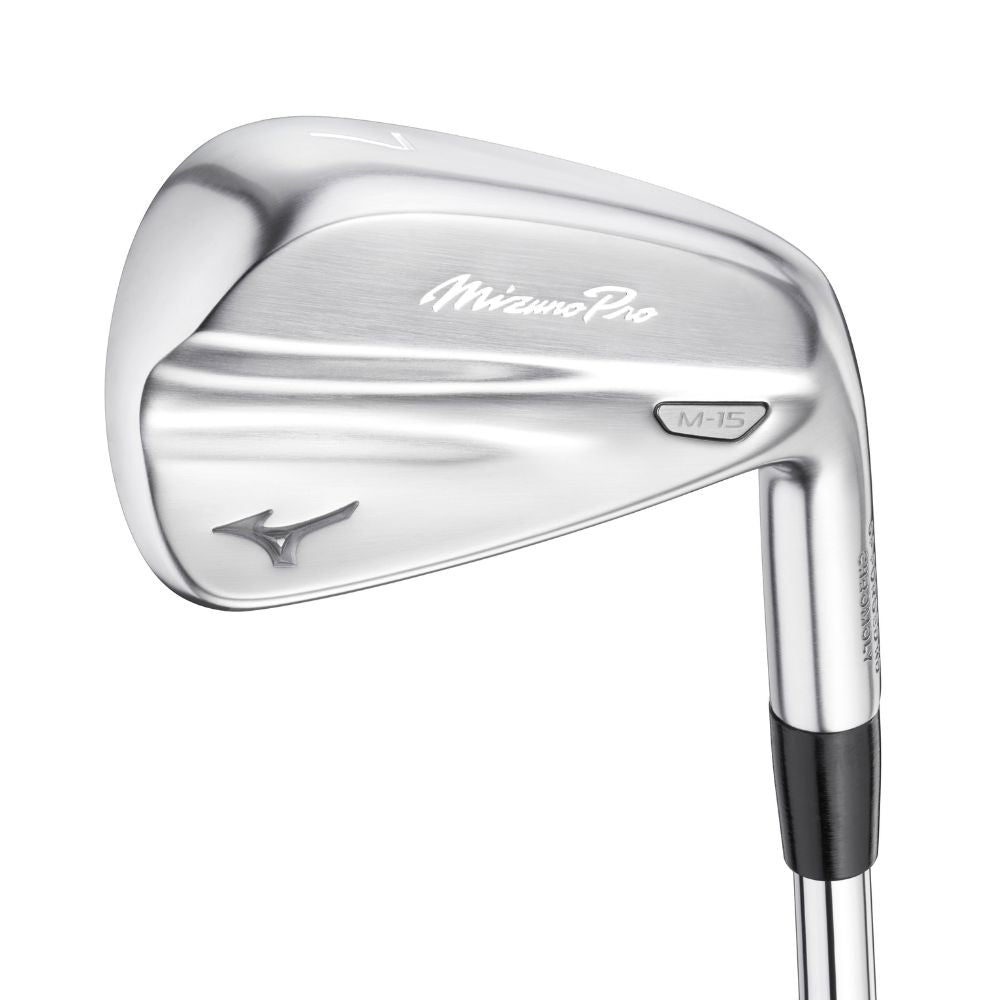
Doing it well: PING, for the colour code and for building a spectrum of heads around swing shapes rather than around buyers. Titleist, for putting independent loft and lie into a hosel and for shipping the same head to everyone. And Mizuno, for a reason that has nothing to do with technology — the Mizuno Pro M-15 is sold per club, at roughly $2,150 for a seven-club set, which means you buy the clubs your gapping needs rather than a block of seven decided by somebody else. Buying by the club is a fitting decision disguised as a purchasing policy, and more brands should copy it.
Doing it badly: the women's rail as a concept, and every complete boxed set sold on a colourway with one length and one flex inside it. Also, and I will be even-handed about this, the direct-to-consumer brands whose irons I like on value and cannot recommend on fit, because there is no counter to stand at and nobody watching your delivery. That is a real trade-off rather than a smear, and it applies to men buying the same sets.
Worth stating where we sit, too. Our own catalogue has no women's clubs section. On this argument there is nothing that would go in it which is not already on the main rail with a build sheet attached, and I would rather say that plainly than invent a category to look inclusive.
What I would spend the money on
If you are a woman buying clubs and you have around $900 for a driver, I would spend some of it on a fitting before I chose the head, every time. Not because the head does not matter, but because the fitting is the only part of the transaction that will tell you your length, your lie and the weight you can actually swing — and those three, unlike the badge, cannot be fixed later without paying twice. The same logic one club down is the case for getting fitted rather than upgrading, and the shaft half of it is here.
The cheapest version of this costs nothing at all. Get your wrist-to-floor measured. Take that number, and your height, into any conversation about clubs. If the person selling to you has no use for it, you are in the wrong shop, and there is a better one within an hour of you.
Who should ignore me
Beginners in their first season, first. If you need clubs this month to go and play, a set off the rail beats no set by a distance, and you will learn more from twenty rounds with imperfect clubs than from six months of research. Buy something serviceable, play, get fitted when you know whether you like the game.
Juniors, obviously. Anything built to today's measurements is wrong in eighteen months.
And anyone whose measurements land in the middle of the chart. If you are around five foot six with an average wrist-to-floor, standard length and a black-dot lie may genuinely be your spec, and a fitting will confirm it and cost you an hour. That is a good outcome, not a wasted one. The problem was never that standard is wrong. It is that standard was assigned to you by a rail instead of measured.
Products mentioned in this article
Ping
Ping G440 K Driver
A head that exists for a swing shape rather than a demographic, and offered in a High Launch build on top.
Titleist
Titleist GTS2 Driver
The SureFit hosel adjusts loft and lie independently across sixteen settings, which is the variable nobody sells.
Ping
Ping G440 Hybrid
An adjustable hosel for loft and lie on a club most people buy in one fixed spec.
TaylorMade
TaylorMade Qi Max HL Irons
Proof the industry can label a club by what it does: HL stands for High Launch, not for a type of person.
Mizuno
Mizuno Pro M-15 Irons
Sold per club, which means you build the set your gapping needs instead of buying a block of seven.
ifrothgolf earns a commission on purchases made through these links, at no extra cost to you. It never changes what I recommend. Full disclosure.
Frequently asked
- Is ladies flex a real specification?
- No. There is no industry standard defining L, A, R, S or X flex, so one manufacturer's ladies flex can measure stiffer than another's senior flex. Flex is a marketing grade rather than a measurement. What matters is the shaft's weight and bend profile matched to your tempo and speed, which is something a fitter measures rather than something a letter tells you.
- How much shorter are women's golf clubs?
- Conventionally about an inch shorter across the set than the men's equivalent, applied regardless of the buyer's height. That is why a taller woman is frequently sold a club built for someone several inches shorter. Length also changes swing weight, total weight and effective lie at impact, so getting it assigned by demographic rather than measured causes knock-on problems.
- What is the PING colour code chart and do I need it?
- It converts your height and your wrist-to-floor measurement into a recommended lie code, from gold at four degrees flat through black at standard to maroon at five degrees upright — ten codes across a nine-degree spread, often with a shaft-length change attached. It is a starting point rather than a full fitting, and it is free. Get the wrist-to-floor measurement taken whatever brand you end up buying.
- Can lie angle be adjusted on the clubs I already own?
- Often, yes. Most modern drivers, fairway woods and hybrids with an adjustable hosel let you change lie as well as loft — the Titleist SureFit hosel offers sixteen combinations in three-quarter-degree increments, adjusting loft and lie independently. Forged and many cast irons can also be bent by a club fitter. It is one of the cheapest meaningful changes available to a golfer and almost nobody asks for it.
Read next
Versus
TaylorMade Qi4D vs PING G440 Max: the 2026 driver decision most golfers get backwards
Two of the year's biggest drivers, cross-shopped in every fitting bay — and most players walk in chasing the wrong thing. One wins the robot test outright; the other quietly saves more rounds. Here's which head actually belongs in your bag, and why the answer probably isn't the one you'd guess.
Opinion
What the 'longest driver of 2026' number won't tell you
Every year a chart crowns one driver the longest, and every year thousands of golfers buy the wrong club because of it.
Opinion
The most overrated gear in golf (and what to buy instead)
Golf is spectacularly good at selling you the wrong thing. Here's where the money quietly leaks out of your bag — and the unglamorous stuff that actually drops shots.