
TaylorMade Qi Max HL: the irons for golfers who've been told to swing faster for twenty years
High-launch irons get written about as a compromise for people who've lost something. That framing is wrong, and it's kept a lot of golfers playing clubs that don't work for them.
By Jordan Hale · Equipment Writer
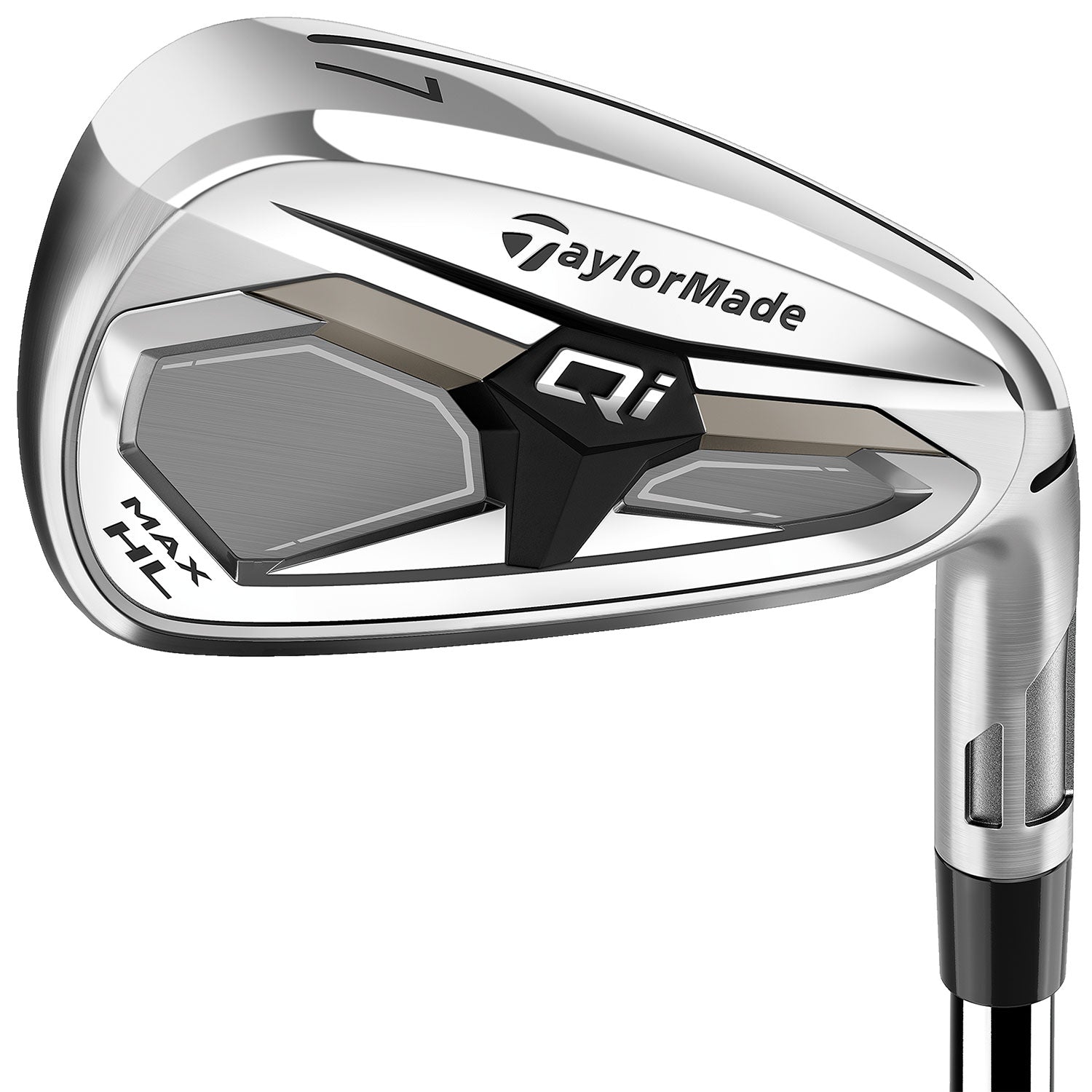
TaylorMade
TaylorMade Qi Max HL Irons
ifrothgolf earns a commission on purchases made through these links, at no extra cost to you. It never changes what I recommend. Full disclosure.
There's a category of golf club that is consistently reviewed condescendingly: the high-launch iron. It gets covered as the sensible option for the older golfer, the slower swinger, the player managing decline. The subtext is always that you'd rather be playing something else.
I'd like to make the opposite case using the Qi Max HL, because the physics here are on the side of far more golfers than currently play these.
What the club actually does
The HL in the name is the entire product: weaker lofts than the standard model paired with a low, deep centre of gravity and a wide sole. The effect is a ball that leaves higher, peaks higher, and descends more steeply.
That last part is the one that matters and it's almost never explained properly. Descent angle is what allows a ball to stop on a green. A shot arriving flat runs out regardless of how far it went. Every golfer who complains that they can hit a 7-iron 150 yards but can't hold a green is describing a descent-angle problem, not a distance problem.
Who this is genuinely for
Not just the golfer whose speed is declining. The honest list is wider:
Anyone whose long irons run through greens. If your 6-iron finishes over the back as often as it finishes close, you don't need more distance, you need a steeper landing.
Anyone playing firm summer conditions. Descent angle matters far more on baked turf, and a lot of golfers who are fine in winter are badly served in August.
Golfers with moderate speed who've been sold strong lofts. This is the big one. Iron lofts have been strengthened dramatically over two decades — the number on the sole means much less than it did — and a lot of golfers are playing a set whose long irons they cannot launch, then blaming themselves.
Improving golfers who aren't yet consistent. A wide sole is forgiving through turf, which matters more day to day than a slightly better strike pattern on centre hits.
What you give up
Being straight about the trade, because these clubs are usually sold without one.
Workability. These are not clubs for shaping shots. A low, deep centre of gravity resists exactly what a shot-shaper wants to do.
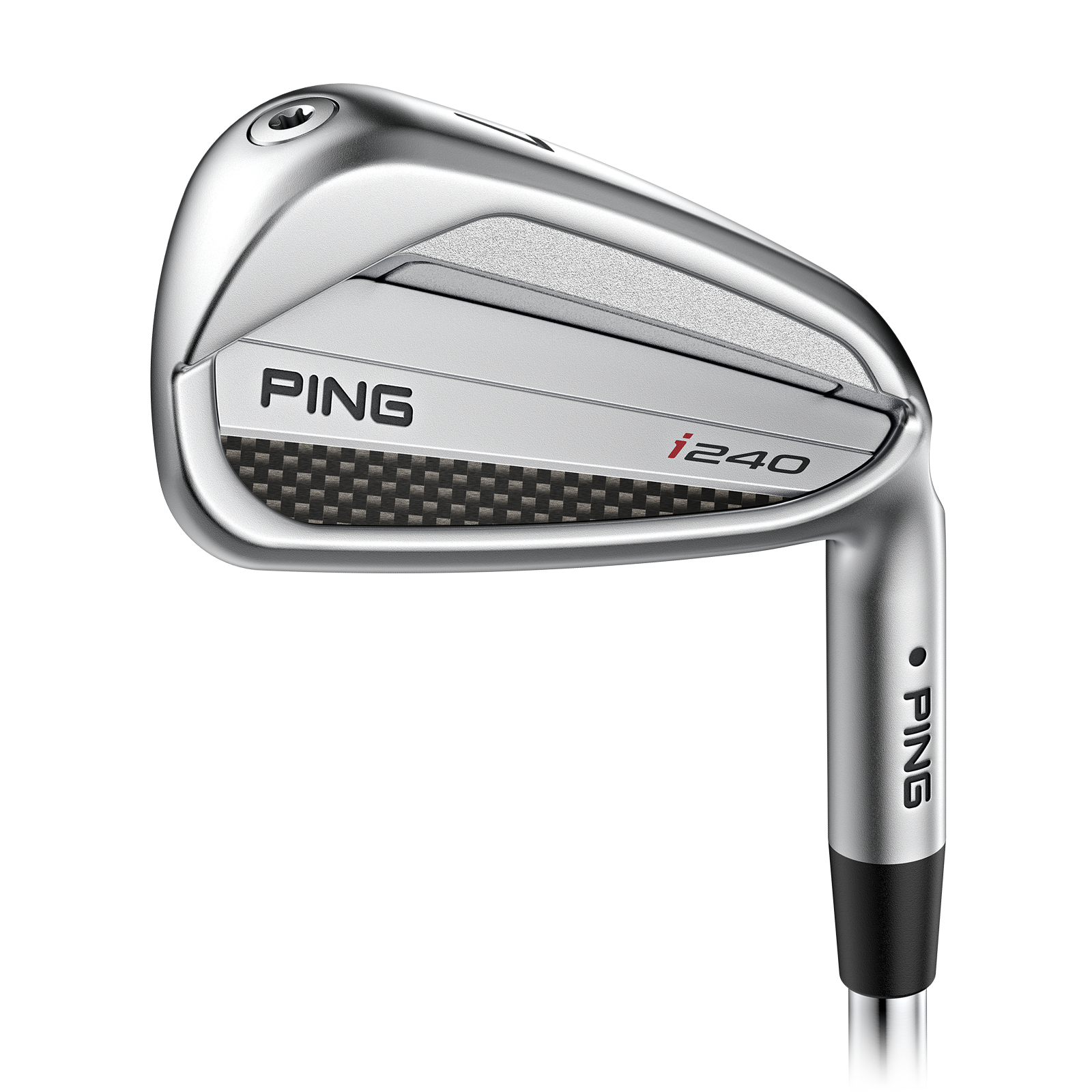
Feel. A players' cavity-back like the i240 gives you far more information about where on the face you struck it. The HL gives you a forgiving, slightly muted response — good for scoring, less good for learning.
Peak-height control in wind. A ball that launches high stays high, and the same property that stops it on a green makes it more vulnerable to a strong breeze. Links golfers should think carefully.
The look. Thicker topline, wider sole. If that bothers you at address, it will keep bothering you, and there's no talking yourself out of it.
How it compares to the alternative fix
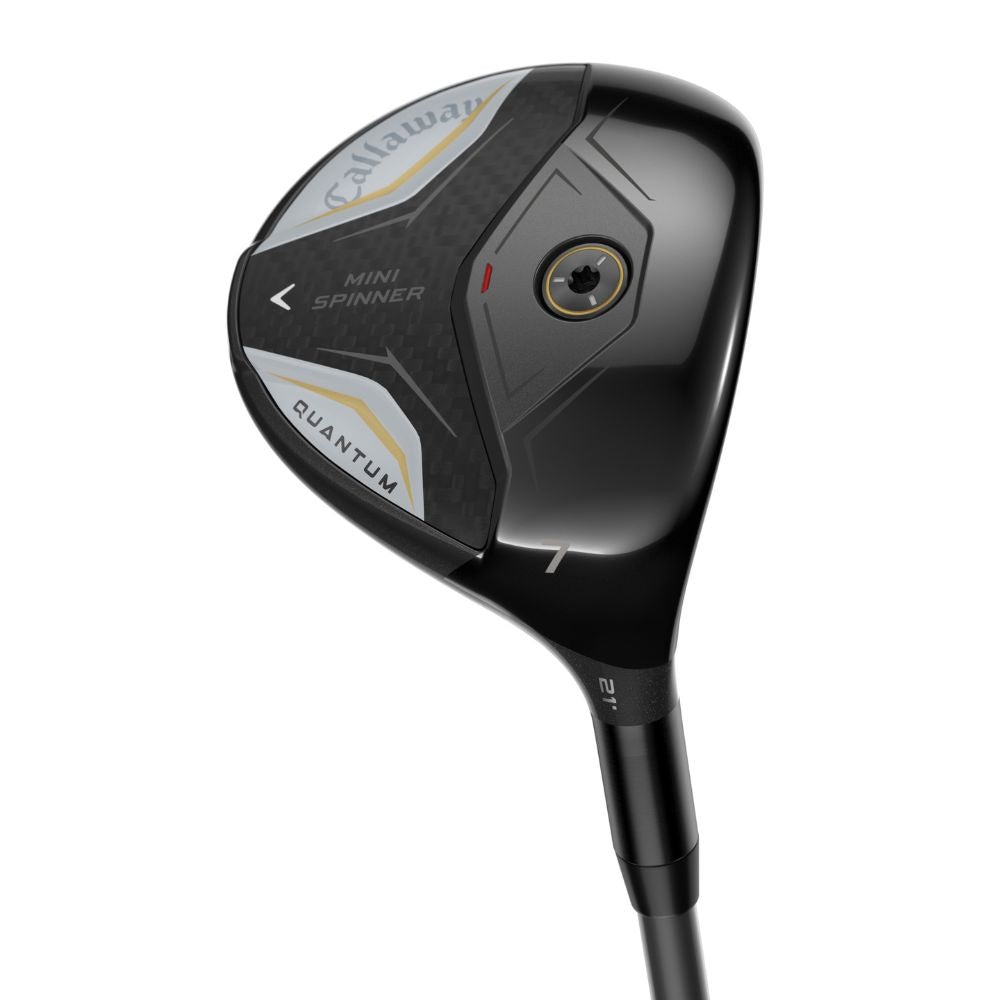
The other route to a high, soft landing at the top of the bag is to stop using long irons and add a high-lofted wood — the swap 17 of the 53 tour bags we track have already made, and the reason Callaway launched the Mini Spinner into a claimed "scoring wood" category last week.
These solutions overlap and you shouldn't do both. If your whole set launches too low, the HL irons fix it coherently. If only the top two or three clubs are the problem and the rest of the set is fine, a wood is the cheaper, more targeted answer.
How to tell if this is you, in one round
You don't need a launch monitor to diagnose this, just one round of paying attention to where your approach shots finish relative to the flag.
Keep a simple count: for every iron shot into a green, note whether it finished short, pin-high or long. Do it for eighteen holes. If a clear majority finish long — and particularly if they finish long and you thought you'd hit them well — you have a descent-angle problem and high-launch irons are aimed squarely at you.
If the majority finish short, you have a distance problem, and weaker lofts will make it worse rather than better. That's the honest test, it costs nothing, and it's more reliable than a fitting bay session on a mat where everyone swings harder than they do on the course.
The gapping trap to avoid
One practical warning if you switch. Weaker lofts through the set mean your pitching wedge will be weaker too, and that changes the relationship with the wedges already in your bag.
A lot of golfers move to high-launch irons and end up with a big gap between the pitching wedge and their 54 or 56, because the set wedge suddenly sits several degrees weaker than the one it replaced. Check the loft printed on your current pitching wedge against the new one before you buy, and budget for a gap wedge if the difference is more than about six degrees. It is a small cost that turns an awkward set into a coherent one.
The verdict
The Qi Max HL is a well-executed version of a club type the industry sells apologetically and reviews badly. It launches high, lands steeply and forgives ordinary strikes, which describes what a large share of golfers actually need.
Buy it if your misses finish long and flat, if you play firm turf, or if you've quietly been unable to hit your 4 and 5-irons for years and assumed that was a character flaw. Skip it if you shape shots, if you play in constant wind, or if you get genuine value from feeling your strike.
And ignore the framing entirely. Playing a club that launches the ball properly for your speed isn't a concession — it's the same fitting logic that puts tour players into shafts and lofts that suit them. Nobody calls that managing decline.
Products mentioned in this article
TaylorMade
TaylorMade Qi Max HL Irons
Built for one job — getting the ball airborne when speed is the limit
ifrothgolf earns a commission on purchases made through these links, at no extra cost to you. It never changes what I recommend. Full disclosure.
Frequently asked
- What does HL mean on golf irons?
- High Launch. It signals weaker lofts combined with a low, deep centre of gravity and usually a wider sole, all aimed at getting the ball higher in the air and landing more steeply than the standard model in the same family.
- Are high launch irons only for slow swing speeds?
- No. They suit anyone whose approach shots land too flat and run through greens, which includes golfers with decent speed playing firm summer turf or strong-lofted sets. Descent angle, not swing speed, is the property that decides whether a ball stops.
- Why can't I stop my iron shots on the green?
- Usually descent angle rather than spin. A ball arriving on a shallow trajectory will release regardless of how far it carried. Higher launch, weaker lofts or a high-lofted fairway wood all raise descent angle; swinging harder does the opposite.
- Should I buy high launch irons or a high-lofted fairway wood?
- If the whole set launches too low, the irons fix it coherently. If only the longest two or three clubs are the problem, a 7 or 9-wood is a cheaper and more targeted answer — the swap 17 of the 53 tour bags we track have already made. Doing both usually creates a gapping mess.
Read next
Review
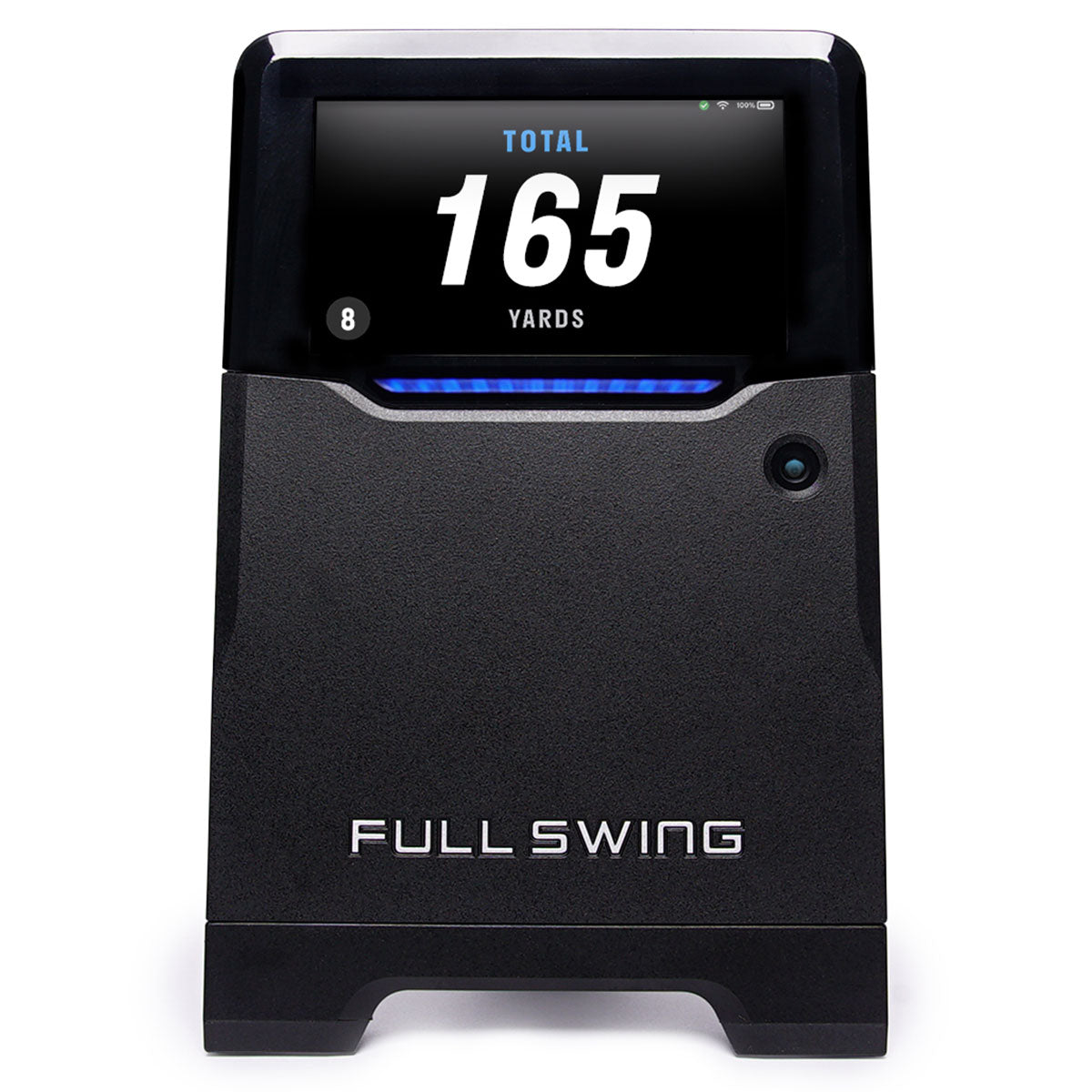
7.9/10Full Swing KIT review: the tape measure decides this, not Tiger
Tour pedigree, TGL on ESPN, and radar good enough to be checked against a Trackman outdoors. It also wants eighteen to twenty feet of room, which rules out most of the garages people buy it for.
Versus
Trackman iO vs Uneekor EYE XO2: the year-one trap
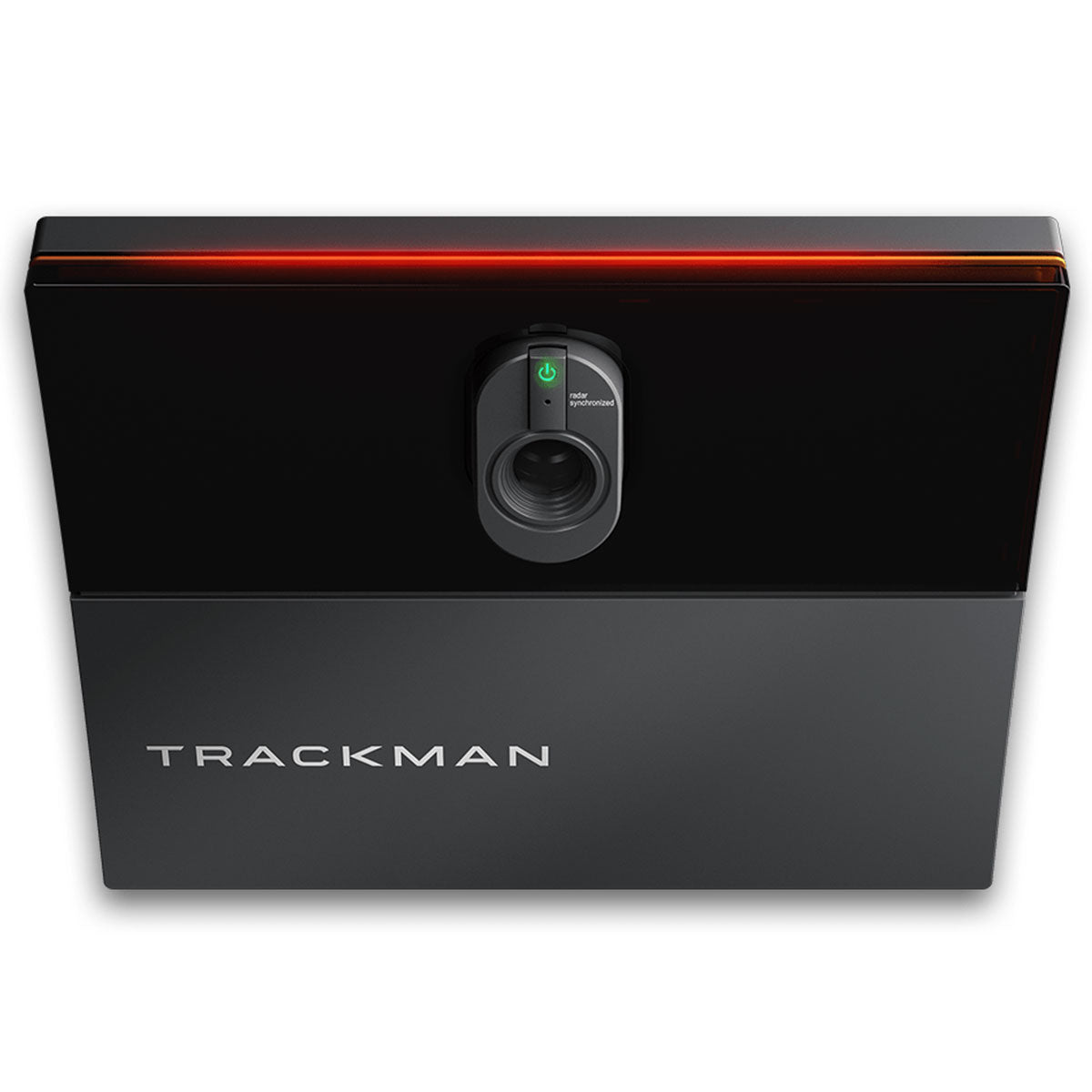
Both mount overhead, both want ten feet of ceiling, and about $3,000 separates them on the shelf. Then Trackman's included first year runs out, and the gap starts growing by $1,100 a year.
Versus
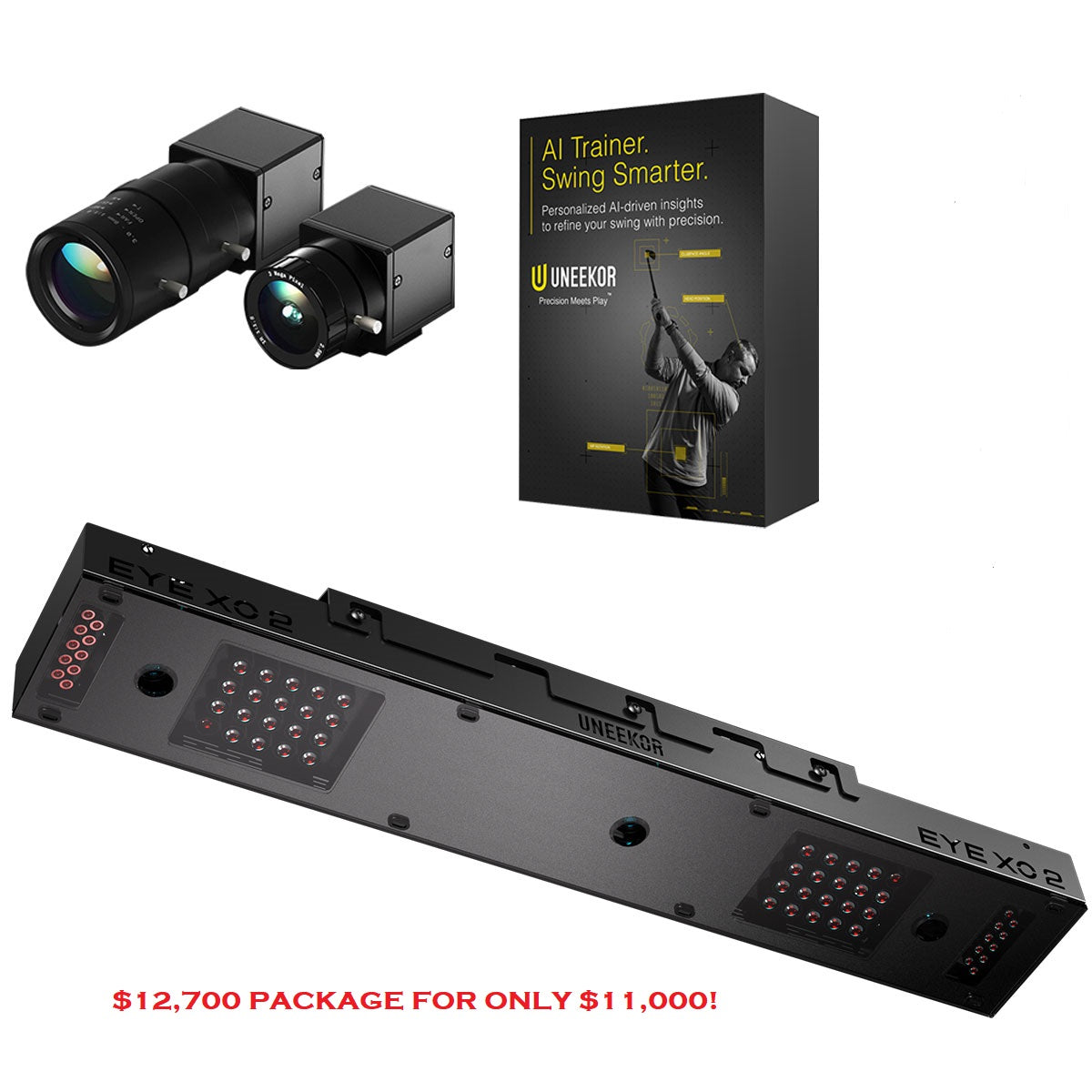
Uneekor EYE XO2 vs Foresight GC3: ceiling or floor?
About $4,000 separates them, but they're not really rivals — one lives in your ceiling forever, the other sits on the floor and travels. The cheaper one is also the one with no subscription.