
Every driver on tour has a named shaft in it. Yours probably came in the box
We checked the shaft in all 49 tour drivers we track. Every single one lists a premium branded shaft, and not one lists a generic stock option. That gap is where most amateur driver money goes wrong.
By Ben Marsden · Reviews Editor
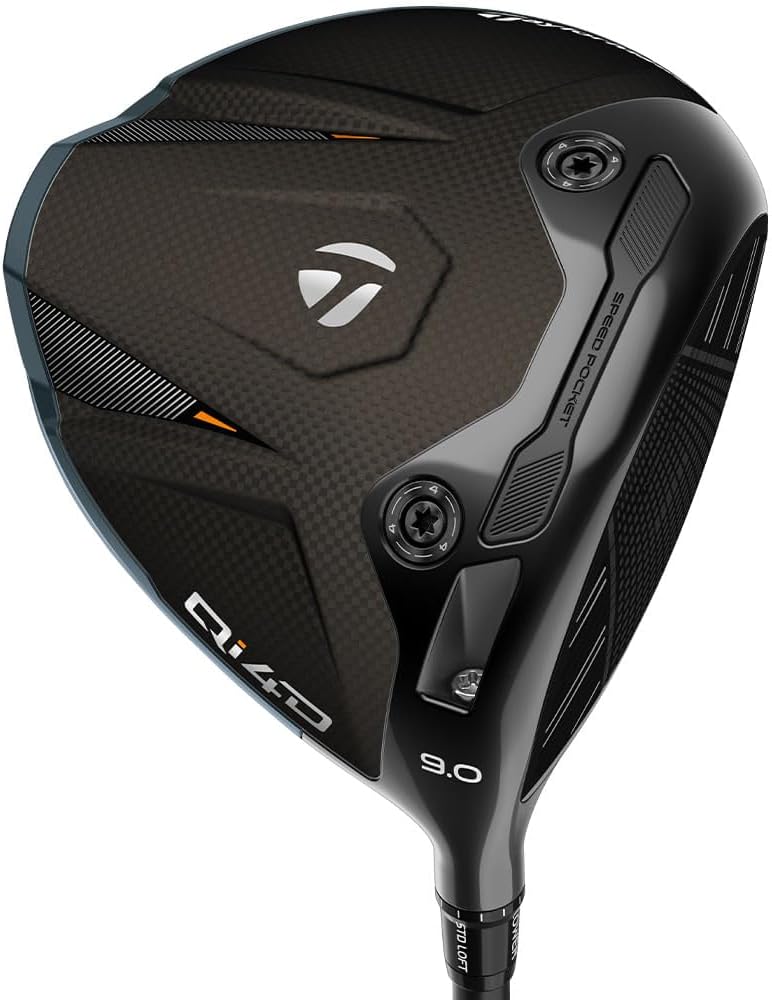
TaylorMade
TaylorMade Qi4D Driver
ifrothgolf earns a commission on purchases made through these links, at no extra cost to you. It never changes what I recommend. Full disclosure.
Buying a driver is a strange ritual. You spend a long time on the head — the model, the year, the marketing about a new face material — and then you accept whatever shaft happens to be screwed into it, because that is what was on the rack.
So I went and counted what the best players do with the same decision. Of the 49 tour bags we track, all 49 list a named premium shaft in the driver. Not one lists a generic or unbranded option. Fujikura appears in 19, Mitsubishi in 15, Graphite Design in 8, with Project X, UST Mamiya and KBS making up the rest.
What that number does and doesn't prove
Be careful with it, because it is easy to over-read. It does not prove that a two-hundred-pound aftermarket shaft buys an amateur fifteen yards. Tour players get shafts fitted, profiled and often hand-selected, and they swing at speeds that expose differences most of us never generate.
What it does prove is narrower and more useful: at the level where equipment decisions are made on evidence rather than marketing, nobody leaves the shaft to chance. Every one of those 49 players treats it as a specified component. That is a strong signal about which part of the club is worth attention, and it points at the opposite of how the club-golfer purchase usually goes.
Why the shaft gets ignored
Two reasons, and neither is the golfer's fault. The first is that heads are marketable and shafts are not. A head has a name, a colour, a launch campaign and a tour win to point at. A shaft has a bend profile. Guess which one gets the advertising budget.
The second is that stock shafts are genuinely fine for a lot of people, so the shortcut usually works well enough that nobody questions it. The problem is the tail: the golfer playing a stiff shaft because it sounds right, or a lightweight stock option that has them spraying it left, has a fixable fault they will never find by changing heads.
The thing I would actually do
Get fitted for the shaft before you shop for the head. That is the whole argument in a sentence, and it is deliberately the reverse of the normal order.
A fitting will read your delivery — clubhead speed, tempo, how you load the club, where the face is at impact — and that determines weight, flex profile and launch characteristics. Once you know those, most current driver heads from TaylorMade, Titleist, Ping and Callaway will perform within a few yards of one another for you. The head is a preference. The shaft is a fit.
This also protects you from the most expensive mistake in golf retail, which is buying a driver twice: once off the rack, then again next season when it never felt right and you assumed the head was the problem.
What a fitter is actually measuring
It helps to know what the session is for, because 'get fitted' is advice people give without ever explaining it. Three numbers do most of the work.
Clubhead speed sets the weight and flex range, and it is the one most golfers guess wrong about in the same direction: upward. Attack angle — whether you hit up or down on the ball — decides how much launch you need the shaft to help produce. Tempo is the one nobody expects, and it matters more than speed for how a shaft feels: two players swinging at identical speeds with different transitions want genuinely different profiles.
None of those are things you can feel your way to. That is the entire case for spending an hour on a launch monitor before spending several hundred pounds on a club, and it is why the fitting is the purchase and the driver is the receipt.
Where I would not spend
I would not pay a large upcharge for an exotic shaft on the strength of the tour data above. That is exactly the over-read this piece is warning against, and the marketing around premium shafts leans on it hard.
Plenty of manufacturers now offer several genuinely different stock options rather than one compromise, and being fitted into the right one of those costs nothing extra. Start there. Pay the upcharge only if the fitting data says the no-cost options do not suit you, which for a lot of golfers it will not.
The same logic, one club further down
Worth saying because it is the more common gap: golfers who do get fitted almost always get fitted for a driver, and almost never for irons. The tour data points the same way there: 43 of the 49 bags list a named shaft brand in the irons too, not just in the big stick.
Irons are where you hit the most shots that matter, and iron shaft weight has a bigger effect on dispersion than most people expect. If you are going to pay for one fitting session this year and you already own a driver you get on with, make it the irons. It is the less glamorous choice and the better one.
Who can ignore all this
If you have been fitted in the last couple of seasons and you like your driver, you are done. Nothing here is a reason to replace a club that works. And if you are new to golf and playing off a high handicap, your ball-striking will move far more than any shaft will, so buy something forgiving and cheap and come back to this in two years.
One caveat on the count: this is the 49 bags we maintain and re-verify against named sources, not every player on every tour, and shaft specs change more often than heads do.
Products mentioned in this article
TaylorMade
TaylorMade Qi4D Driver
A good head, and the shaft decision still matters more than which of these you pick
Titleist
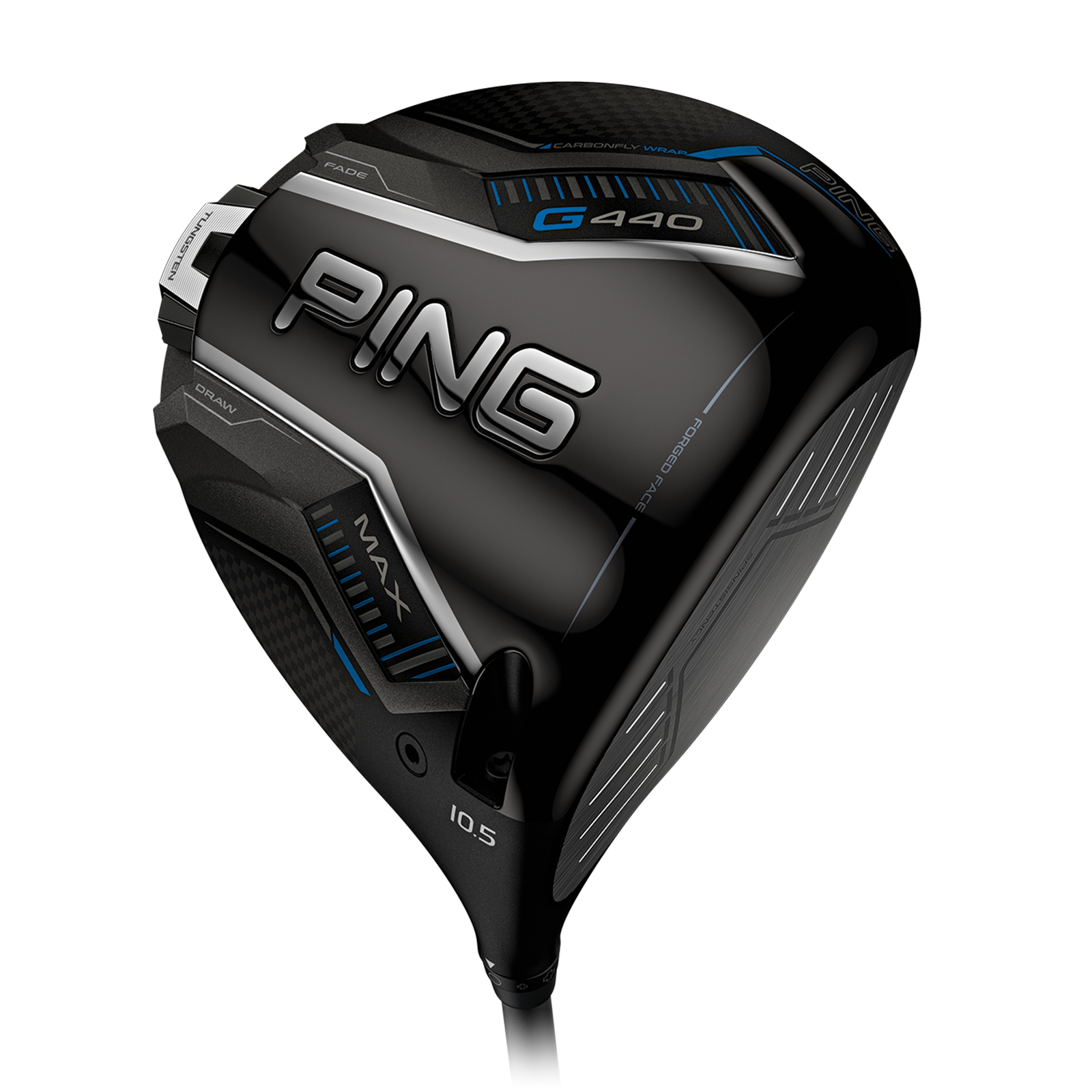
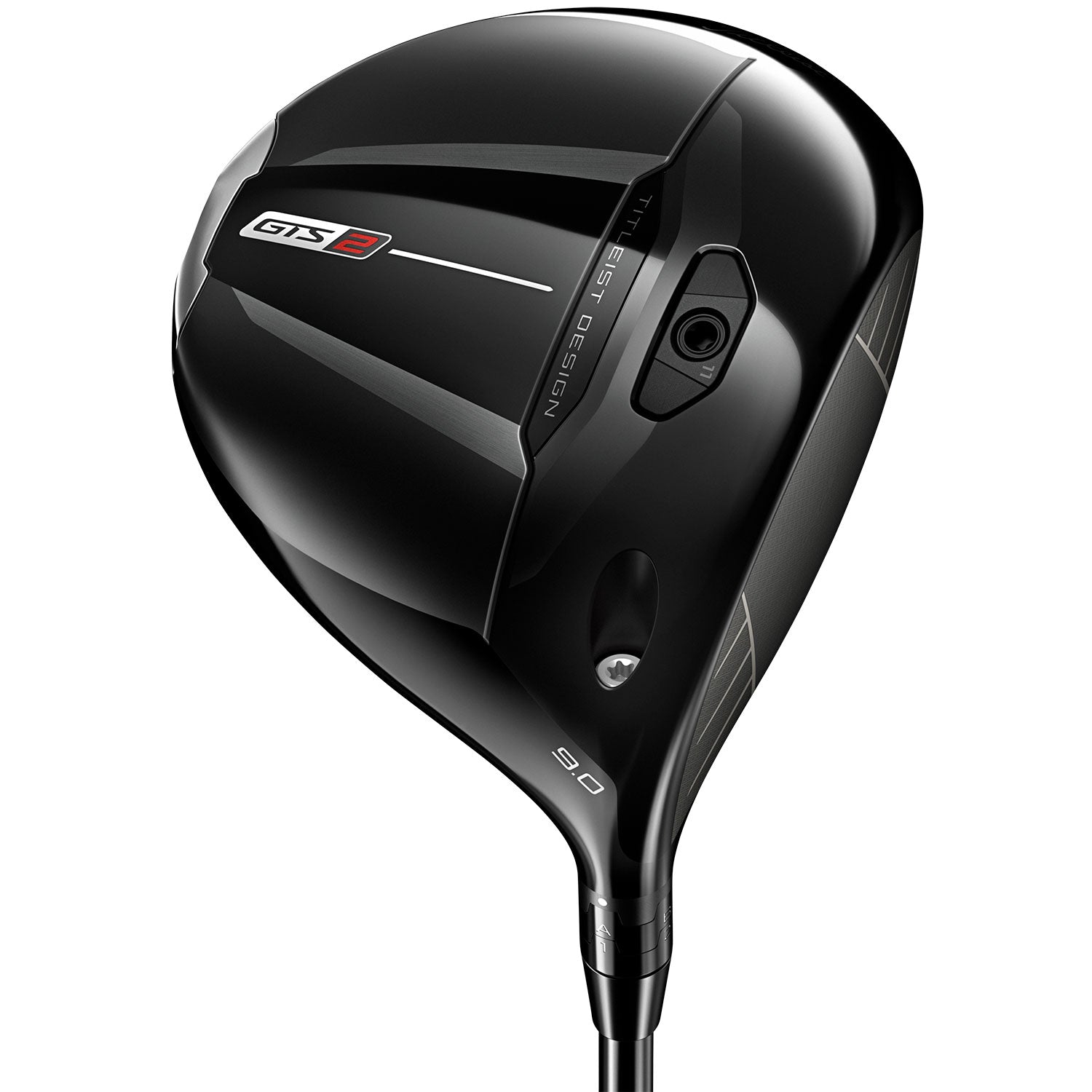
Titleist GTS2 Driver
Titleist build their fitting process around shaft matching more than most
Callaway
Callaway Quantum Triple Diamond Max Driver
Current flagship, same rule applies — get the shaft measured
ifrothgolf earns a commission on purchases made through these links, at no extra cost to you. It never changes what I recommend. Full disclosure.
Frequently asked
- What shaft do most tour players use in their driver?
- Fujikura, by a margin. Of the 49 current tour bags we track, all 49 list a named premium driver shaft: 19 are Fujikura, 15 Mitsubishi, 8 Graphite Design, with Project X, UST Mamiya and KBS accounting for the rest. None lists a generic or unbranded shaft.
- Does the driver shaft actually matter more than the head?
- For fit, generally yes. Modern driver heads from the major brands perform within a few yards of each other once they are set up correctly, while the wrong shaft weight or flex profile can cost you both distance and accuracy. The head is largely a preference; the shaft is a fit that should be measured.
- Should I pay extra for an aftermarket shaft?
- Not automatically. Most manufacturers now offer several genuinely different no-upcharge stock options, and being fitted into the right one of those costs nothing. Pay the upcharge only if fitting data shows none of the standard options suit your delivery.
- How do I know if my driver shaft is wrong for me?
- The usual signs are a ball flight you cannot control in one direction, a shaft that feels either boardy or whippy through impact, or distance that does not match your clubhead speed. None of these is diagnosable by feel alone, which is why a launch-monitor fitting is the only reliable way to check.
Read next
Review
7.9/10Full Swing KIT review: the tape measure decides this, not Tiger
Tour pedigree, TGL on ESPN, and radar good enough to be checked against a Trackman outdoors. It also wants eighteen to twenty feet of room, which rules out most of the garages people buy it for.
Versus
Trackman iO vs Uneekor EYE XO2: the year-one trap
Both mount overhead, both want ten feet of ceiling, and about $3,000 separates them on the shelf. Then Trackman's included first year runs out, and the gap starts growing by $1,100 a year.
Versus
Uneekor EYE XO2 vs Foresight GC3: ceiling or floor?
About $4,000 separates them, but they're not really rivals — one lives in your ceiling forever, the other sits on the floor and travels. The cheaper one is also the one with no subscription.