
Mizuno Pro M-15 review: the distance iron for people who don't want a distance iron
Mizuno's Modern Series finally makes a players' distance iron a good ball-striker will look at twice. The catch is where the extra yardage actually turns up.
By Ben Marsden · Reviews Editor
The verdict
Excellent
What's great
- Looks like a Mizuno players' iron at address, not like a hollow-body distance club
- Suspended tungsten and the multi-thickness face make thin and low strikes far more playable than the shape suggests
- Blends progressively, so the short irons still behave like short irons
Watch out
- The carry gain shows up in the mid irons more than the long ones, which is where most golfers wanted it
- Feel divides reviewers: firm on centre, hard away from it, and softer in the M-13
- Sold by the club at premium money, so a full set is a serious outlay
Bottom line — The most complete players' distance iron Mizuno has built, and the one I'd spend on if I wanted height and forgiveness without a shovel at address. Buy it for the mid irons and the miss, not for a longer 4-iron.
Mizuno
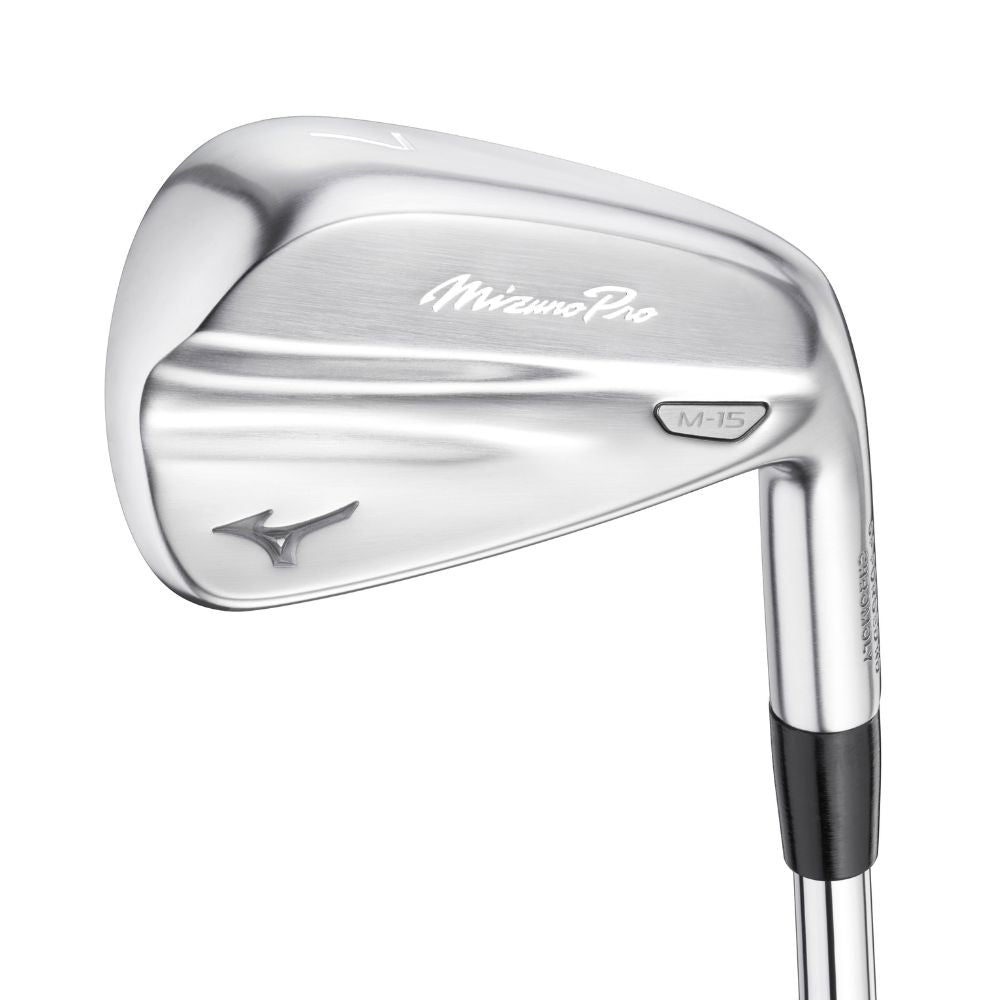
Mizuno Pro M-15 Irons
There's a moment in every fitting bay where a decent player picks up a players' distance iron, turns it over, sees the hollow body and puts it straight back down. Breaking that reflex is the entire job of the Mizuno Pro M-15, and it mostly does it. This is the set I'd spend on if I wanted an iron that launches high and survives a thin one — with one caveat about where the extra yardage actually turns up.
The M-15 is half of Mizuno's new Modern Series, which sits alongside the Signature Series blades rather than replacing them. The M-13 is the tour-shaped one, aimed at golfers who were already fine. The M-15 is the one most good players should be looking at, and it's the more interesting club of the two, because players' distance irons have historically been the shelf where forged feel goes to die. Mizuno's argument is that it doesn't have to.
What Mizuno actually built
Through the 4 to 8 irons it's a hollow body: a Grain Flow Forged 4135 Chromoly face bonded to a stainless back piece, with tungsten suspended inside the head rather than screwed to the sole — 51g in the long irons, a shade over 50g in the mid irons. The face is multi-thickness, a pattern Mizuno calls the Contoured Ellipse, tuned to hold ball speed on strikes low in the face. The set then blends progressively into the short irons instead of changing personality at the 7.
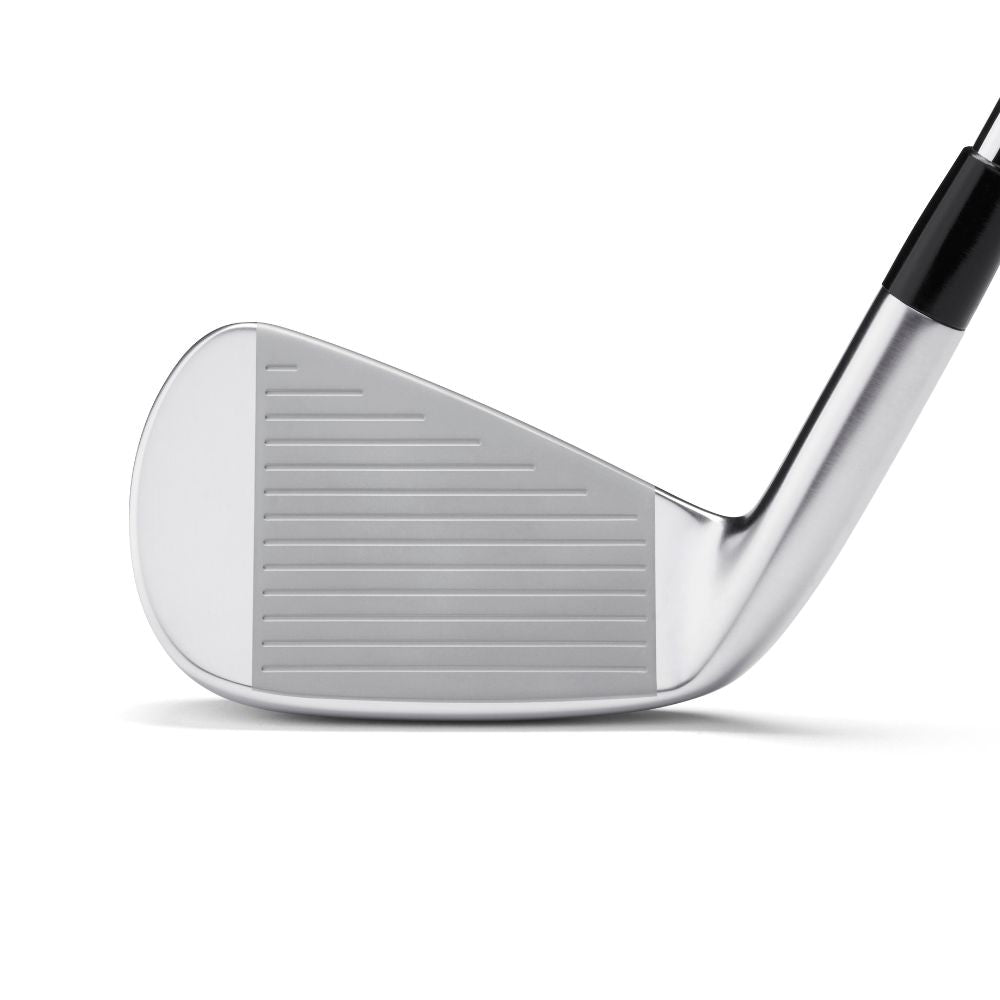
None of that is unusual on a spec sheet. What's unusual is the shape it's wrapped in. Face-on it reads as a Mizuno players' iron: modest offset, a topline that doesn't advertise the hollow construction, a sole narrower than the technology behind it has any right to allow. That matters more than it sounds. The reason good players bounce off this category is almost always what they see behind the ball, not what shows up on a launch monitor, and the M-15 is the first one in a while that survives the look-down test.
Where the distance actually shows up
Here's the part the marketing doesn't lead with. Testers consistently report that the carry gain arrives in the mid irons rather than the long ones. Lofts are strong and spin is low, which is a combination that pays off in a 7-iron that flies a club further and still lands steeply enough to hold a green. It pays off less at the top of the set. Plugged In Golf, among the more sceptical reviews of the launch, found peak ball speeds that "aren't particularly impressive" for a club sold on distance, and a lower flight than the launch story implies.
So if the brief is to turn a 4-iron into something you can stop on a green, this is not the biggest gain available in the category — there are hollow-body sets that go further at the top of the bag and don't pretend to be anything else. The M-15's win is narrower and, for a good player, more useful: a mid-iron that goes further without giving up descent angle, and a bottom groove that no longer costs you thirty yards.
The feel argument, straight
This is where published reviews split, and pretending otherwise would be silly. MyGolfSpy placed the M-15 as runner-up in its 2026 Most Wanted players' distance iron test, and it took a spot on Golf Digest's 2026 Hot List. Golfmagic's verdict was blunter — great irons outshone by their sibling, with the M-13 owning the softer strike. Plugged In Golf went further still, describing them as loud and noting that away from the sweet spot they're "downright hard".
Read those together and you get a fair picture rather than a contradictory one. Struck out of the middle, the M-15 does something no hollow players' distance iron has really managed: it feels forged, because the face is. Miss it and the hollow body tells you about it in a way a muscleback's solid mass doesn't. Anyone expecting an MP-shaped experience with an extra ten yards attached will be disappointed. Anyone comparing it against the rest of the players' distance shelf will notice immediately that it's the softest thing on there.
What else belongs in the bay
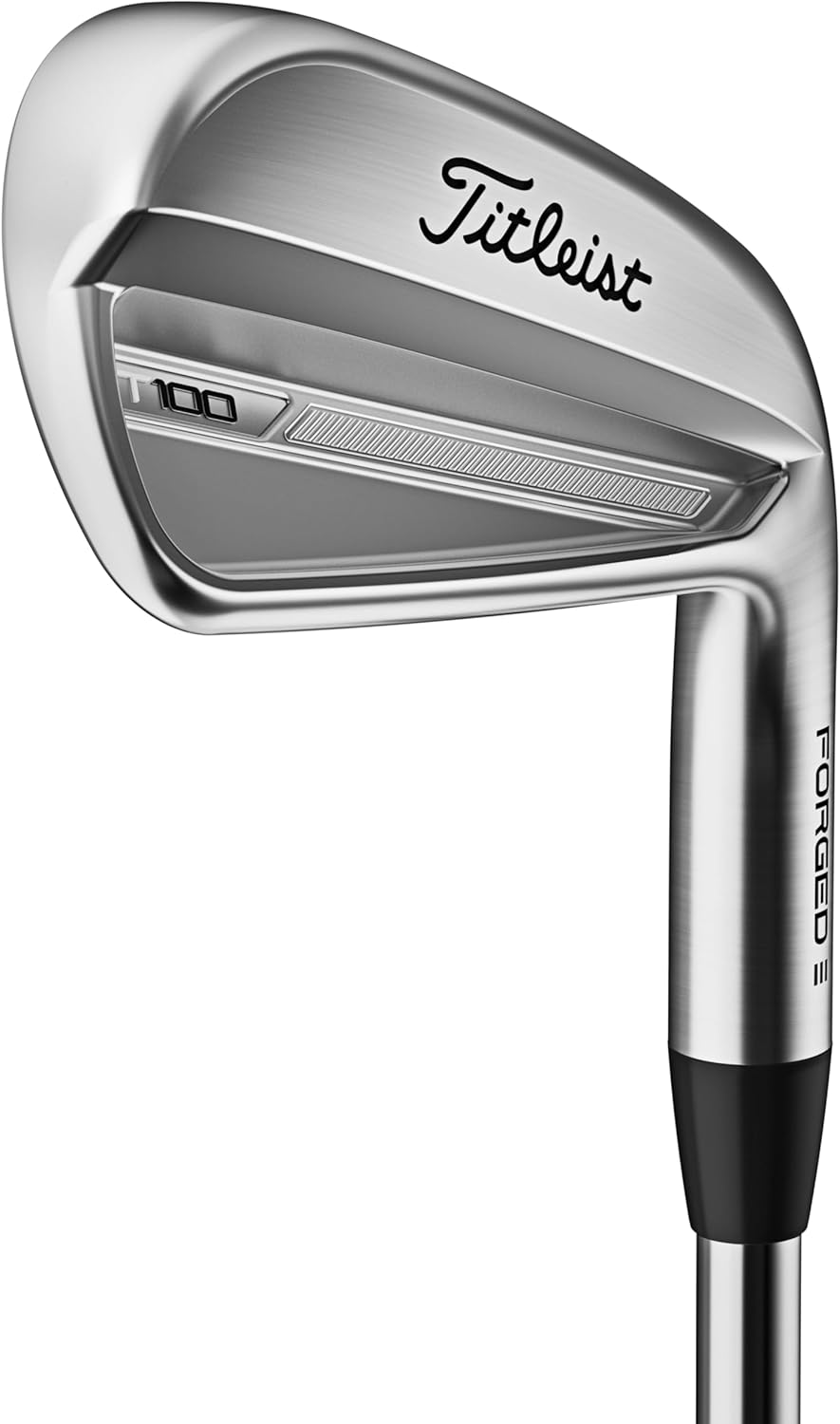
If feel is the non-negotiable and you can strike it, the Titleist T100 is still the reference point for this kind of golfer — a dual-forged players' iron with just enough tungsten for stability, and one of the most-played shapes on tour. It won't launch as high and it won't forgive as much. That's the deal you're signing.
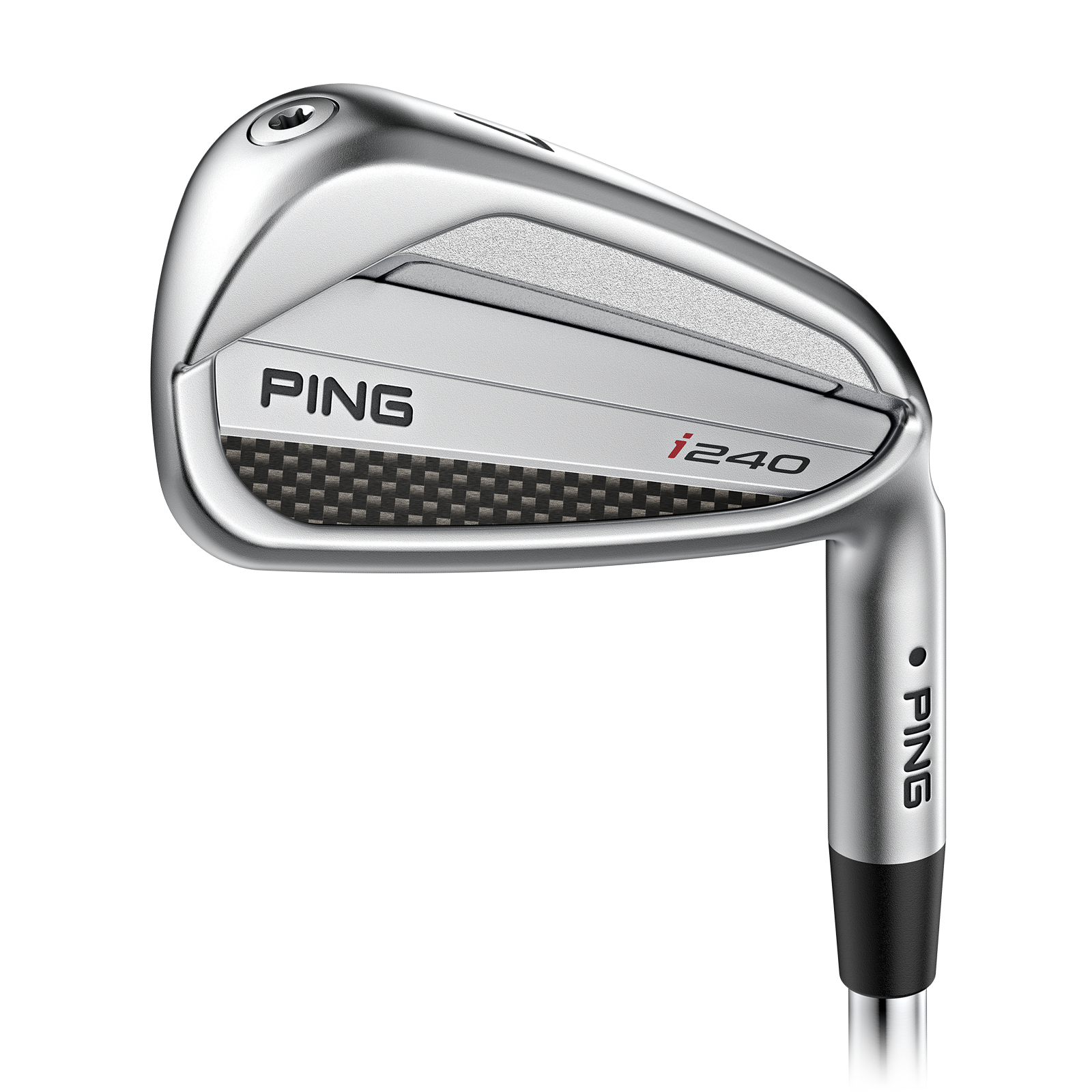
The PING i240 is the other one I'd have in the bay for comparison, and it's the value play at around $1,350 for a steel set. It's a cast cavity-back rather than a hollow body, with wider, fewer grooves that hold spin out of wet rough — which, going into autumn, is not a small thing. Reviewers keep landing on the same word for it: consistent.
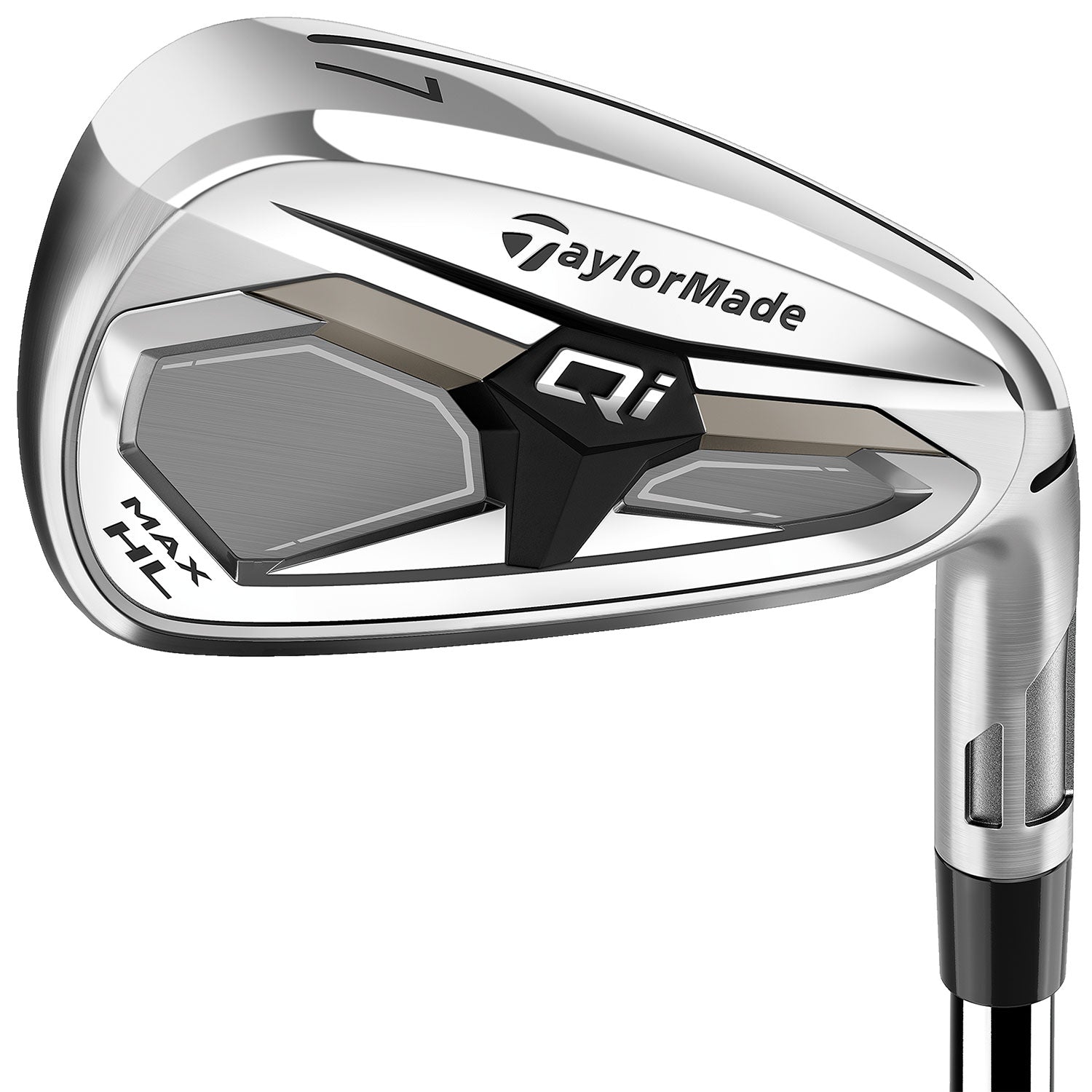
And if you're reading this because your ball flight is low and weak rather than because you want a sharper players' iron, neither of the above is your club and neither is the M-15. The TaylorMade Qi Max HL exists for exactly that miss — weaker lofts, ultralight components, a deep low centre of gravity — and it will do more for your scores than a set of Mizunos you can't get airborne. Be honest with yourself about which conversation you're in.
The money, and who should skip it
The M-15 is sold by the club rather than as a boxed set, which is the fitting-friendly way to do it and also the way that quietly gets expensive: a seven-club set lands around $2,150. That is real money for irons whose headline benefit is concentrated in the middle of the set.
Skip it if raw long-iron carry is the problem you're solving — buy a genuine game-improvement long iron or a hybrid and stop paying for a shape you don't need. Skip it if you're a single-figure player who wants the softest strike in the shop, because the M-13 is right there and it's better at that one thing. And skip it if you're buying off a rack without a fitting: strong lofts plus low spin is a spec that punishes the wrong shaft harder than most.
Buy it if you're a mid-handicapper or better who has spent years choosing between a good-looking iron and a forgiving one. That's the trade the M-15 is here to end, and on the evidence it mostly does.
Where to buy
8.6/10Mizuno
Mizuno Pro M-15 Irons
The players' distance iron that finally makes the category look like a Mizuno.
Frequently asked
- What is the difference between the Mizuno Pro M-13 and M-15?
- They are the two halves of Mizuno's Modern Series. The M-13 is the tour-shaped, more compact iron with the softer strike, aimed at consistent ball-strikers. The M-15 is the more forgiving one, built as a hollow body through the 4 to 8 irons with suspended tungsten, and it launches higher and holds ball speed better on off-centre strikes.
- Are the Mizuno Pro M-15 irons forged?
- The face is. The M-15 uses a Grain Flow Forged 4135 Chromoly face bonded to a stainless steel back piece, so it is a hollow multi-material club rather than a single-piece forging like a Mizuno blade. That construction is why it forgives more than a traditional forged players' iron and also why reviewers describe the feel as firmer than a Mizuno muscleback.
- Do the Mizuno Pro M-15 irons add distance in the long irons?
- Less than you might expect. Testers report the carry gain is more noticeable in the mid irons than the long irons, and at least one published review measured a lower ball flight and unremarkable peak ball speeds for a club marketed on distance. If long-iron carry is your main problem, a dedicated game-improvement long iron or a hybrid is a better answer.
- How much does a set of Mizuno Pro M-15 irons cost?
- They are sold per club rather than as a fixed boxed set, so the total depends on how many you build. A seven-club set is around the sixteen-hundred mark in the UK at recommended retail, before any shaft upgrade. Because the lofts are strong and the spin is low, a fitting is worth budgeting for rather than treating as optional.
Read next
Review
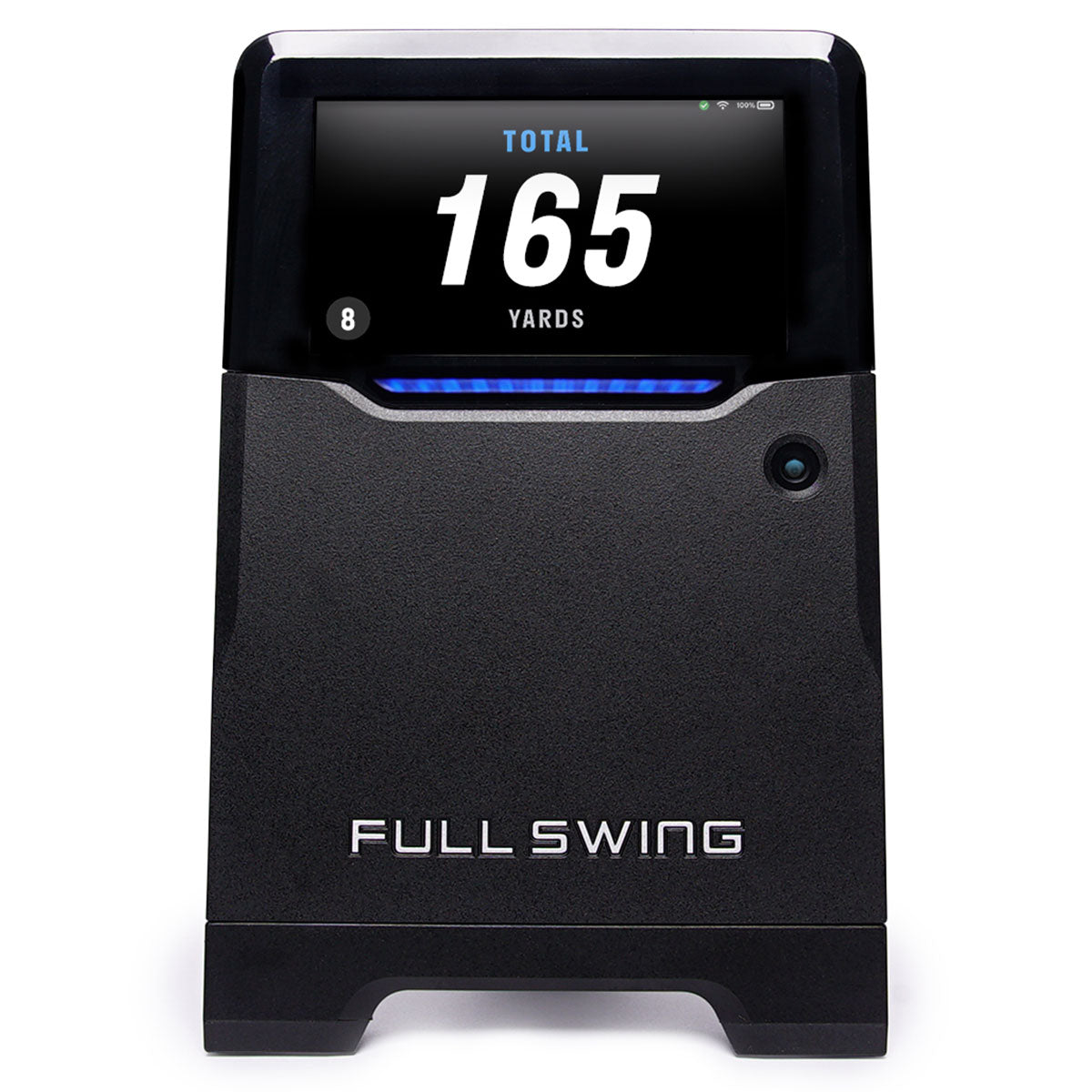
7.9/10Full Swing KIT review: the tape measure decides this, not Tiger
Tour pedigree, TGL on ESPN, and radar good enough to be checked against a Trackman outdoors. It also wants eighteen to twenty feet of room, which rules out most of the garages people buy it for.
Versus
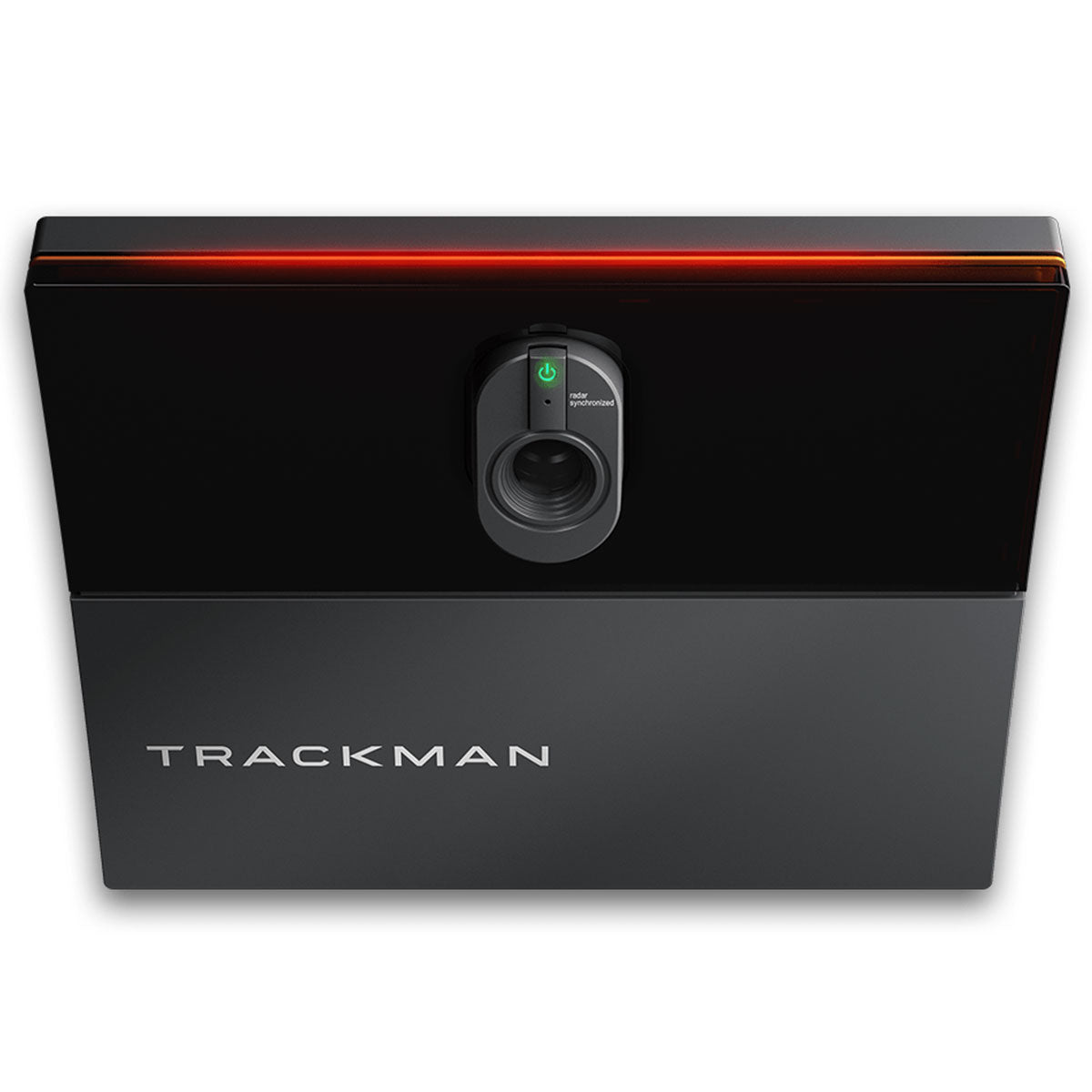
Trackman iO vs Uneekor EYE XO2: the year-one trap
Both mount overhead, both want ten feet of ceiling, and about $3,000 separates them on the shelf. Then Trackman's included first year runs out, and the gap starts growing by $1,100 a year.
Versus
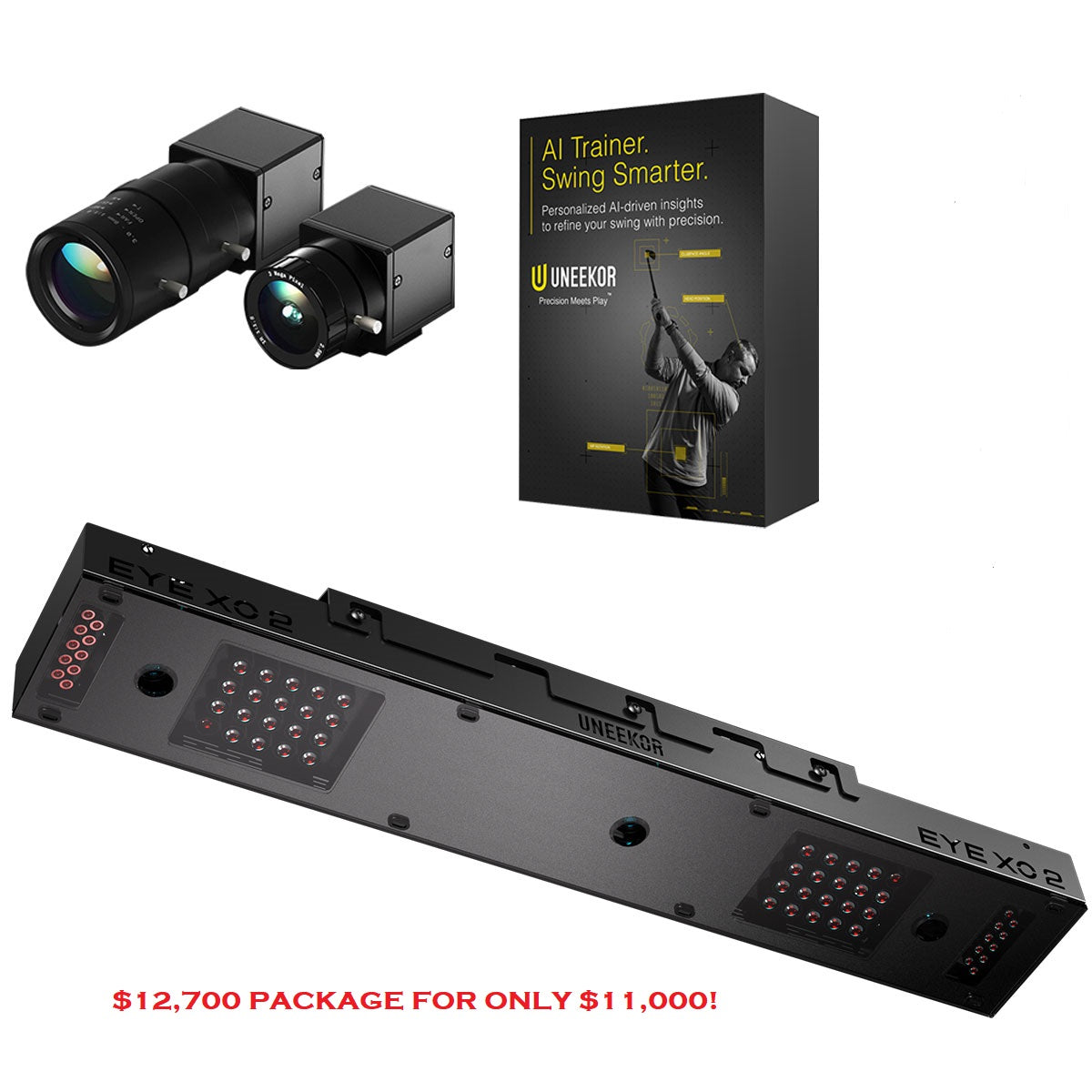
Uneekor EYE XO2 vs Foresight GC3: ceiling or floor?
About $4,000 separates them, but they're not really rivals — one lives in your ceiling forever, the other sits on the floor and travels. The cheaper one is also the one with no subscription.