
Ping G440 K vs Titleist GTS2: only one of these is actually sold in a slower-swing build
Both get handed to the same golfer across the same counter, and they solve opposite problems. The tell is not the head, it is the shaft weight on the order form.
By Jordan Hale · Equipment Writer
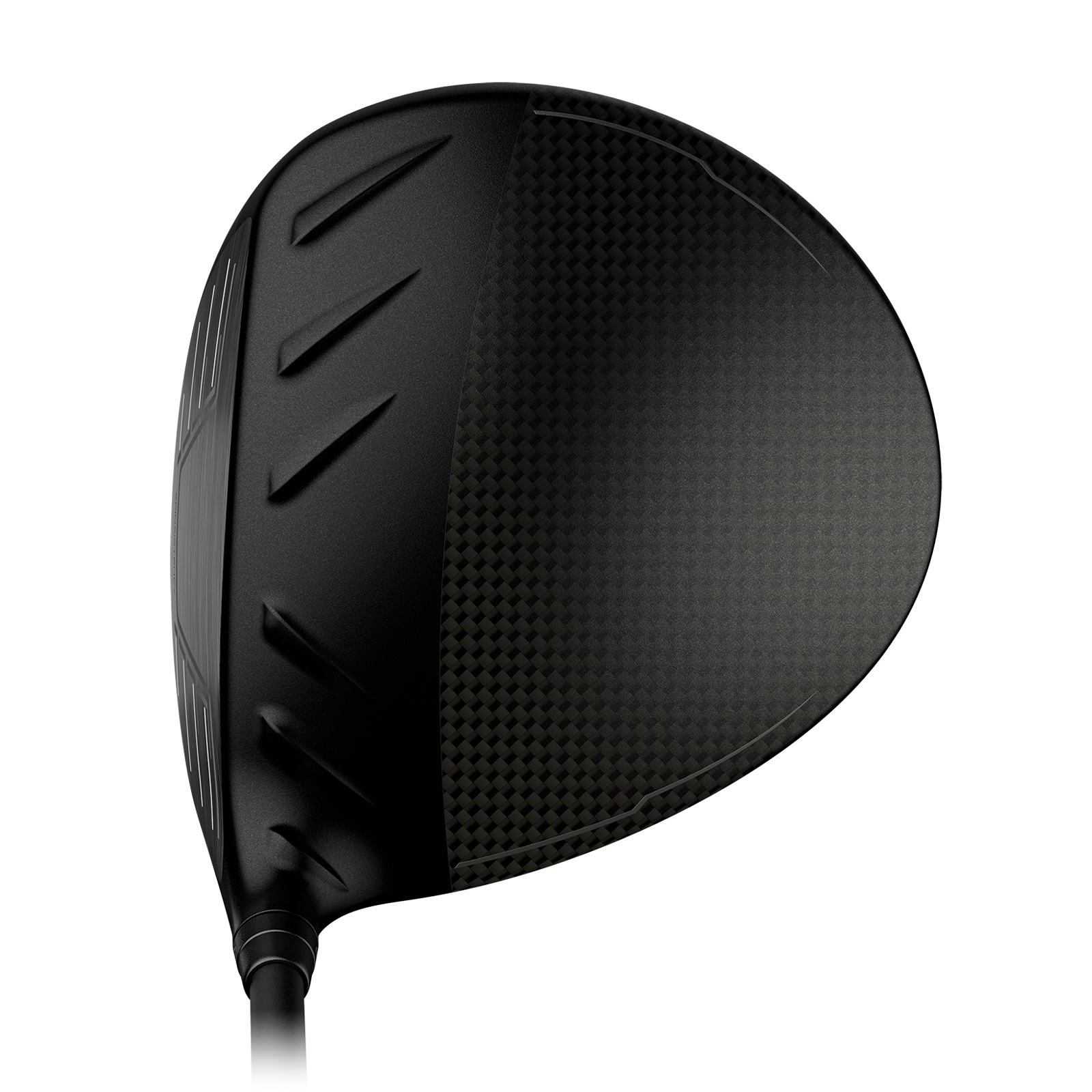
Ping
Ping G440 K Driver
The only one of the two sold in a dedicated slower-swing build, with a 38-gram shaft and a draw-weighted head.
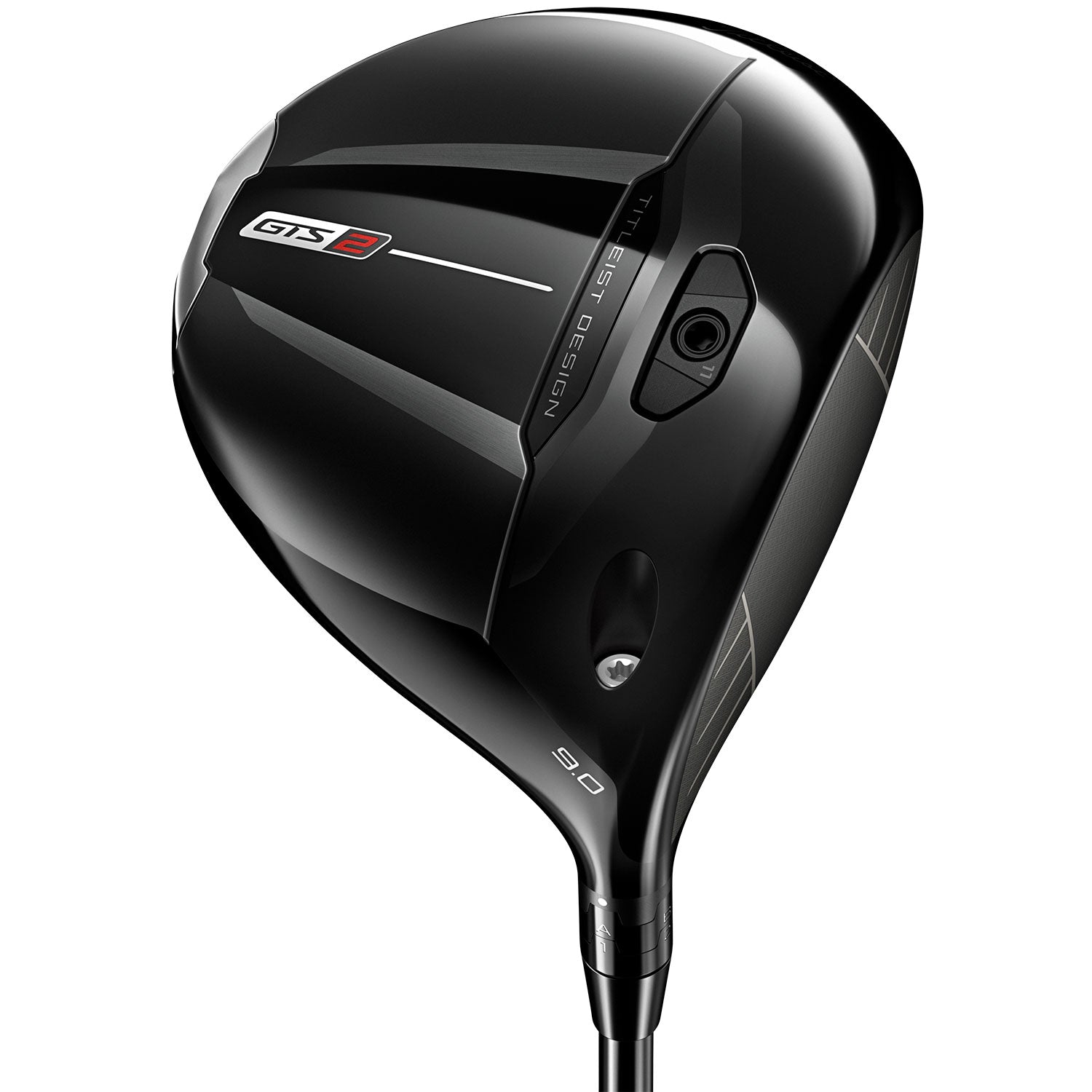
Titleist
Titleist GTS2 Driver
Maximum forgiveness and easy launch, but neutral by design and shipped in the setting Titleist points at faster swings.
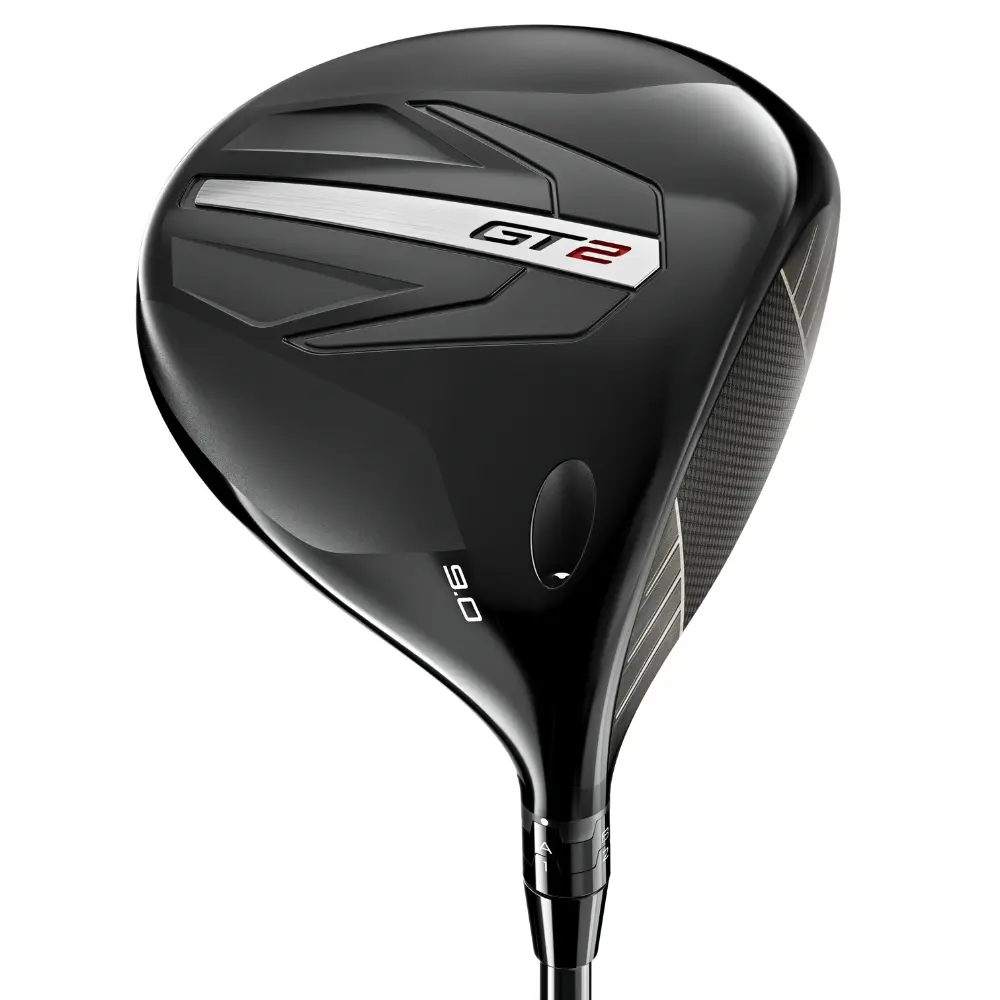
Titleist
Titleist GT2 Driver
Last season's version of the same idea, now discounted, and the sensible third option for anyone not sold on either.
This model is no longer the current model. The current version is Titleist GTS2 Driver. Remaining stock is often discounted, so this can still be the better buy — check both prices.
ifrothgolf earns a commission on purchases made through these links, at no extra cost to you. It never changes what I recommend. Full disclosure.
Part of our guide toBest Golf Drivers 2026There is a conversation that happens in every pro shop in the country, and it goes roughly like this. A golfer in their sixties, driver speed somewhere in the low eighties, ball that starts left of the flag and finishes right of the tree line, says they think they need a new driver. The assistant, who is being helpful rather than cynical, points at two clubs. One of them is the Ping G440 K. The other is the Titleist GTS2. Both are described with the same three words: forgiving, high launch, easy.
They are not the same club and they are not for the same golfer, and the difference is almost entirely invisible if you only look at the heads. It sits on the order form, in the shaft column.
The spec that decides this, and it is not the head
Ping publishes the G440 K in two builds. There is the standard club, and there is the High Launch build, which is the one relevant to anyone reading this. The HL is not a different head — it is the same 460cc body hung on a Ping ALTA Quick shaft that weighs 38 grams in the softest flex and 45 grams in the next one up, at 46 inches, with the swingweight sitting at D2 or D3 depending on which you take.
Thirty-eight grams is the number worth stopping on. A normal stock driver shaft is somewhere between 55 and 65 grams. Ping has taken roughly a third of the weight out of the shaft, which does three things at once: it lets a slower swing move the head faster for the same physical effort, it pushes launch up because you are more able to release the club, and it changes the feel of the whole thing so completely that you will either love it in three swings or hate it in one. That is a genuine trade, not a free lunch. A 38-gram shaft gives away control the moment you have any speed to deliver, which is exactly why Ping sells it as a separate build rather than making it standard.
What the K actually is
Underneath the shaft conversation, the K is Ping's straightener. It is a 460cc head in 9, 10.5 and 12 degrees with about a degree and a half of adjustment either way, a 203-gram head weight, and a Dual Carbonfly Wrap that runs carbon across both the crown and the sole to free up mass. That freed mass goes into a 32-gram adjustable tungsten back weight — four grams heavier than the fixed weight in the G430 Max 10K it succeeds, as Golf Monthly noted at launch — which sits low and deep and can be positioned to push the ball left, leave it neutral, or hold it right.
Ping's claim is a record MOI for one of their drivers, and the practical translation is that heel strikes stop being a disaster. That matters here because the golfer this article is about does not miss all over the face. They miss in the heel, and they miss with an open face, and the ball goes right. The K is built specifically against that pattern. The 12-degree head is the one to be looking at, not the 10.5 you have always played.
What the GTS2 actually is
The GTS line replaced the GT range for 2026 and it is Titleist's biggest driver overhaul in two generations. The GTS2 is the forgiving one: a thermoform Split Mass Frame, a redesigned Speed Sync face aimed at spin consistency rather than headline ball speed, and the first genuinely adjustable centre of gravity Titleist has put in a driver head. Plugged In Golf's testing found spin varying by only around 400 rpm across strikes spread over the face, which is a real number and a real strength — inconsistent spin is what turns two good swings into two different distances.
But read the weighting. The standard configuration ships with the heavier weight forward, and Titleist's own guidance attaches that setting to moderate-to-fast swing speeds looking for a penetrating flight. If you are swinging in the low eighties, the club as it comes out of the box is set up for someone else, and the fix is to move the weight back — which almost nobody who buys off the rack ever does. It is also worth being blunt that the GTS2 is neutral. There is no draw setting on it that will do what the K's back weight does. It forgives your miss. It does not correct it.
The thing that is not on the shelf talker
Here is the detail that reframes the whole comparison, and it comes from Titleist rather than from us. Go to Titleist's own driver page and look for the model aimed at moderate swing speeds. It is not in the GTS family at all. There is no GTS1. The company's stated recommendation for that player is the GT1 — a carryover club from the previous generation, still in the range, still the lightweight easy-launch option, and conspicuously not part of the 2026 launch.
That is not a scandal, it is just a product decision. But it means that if you are the golfer at the top of this article, Titleist's answer to you is a club from last year's line, and the GTS2 you are being shown is the forgiveness model for a faster player. Ping, by contrast, went and built an HL variant of the K and published its specs. One brand has a build for you. The other has a recommendation to look one shelf down.
So which one
If you slice, if your speed is under about ninety, and if you are honest that the ball starts left and finishes right rather than merely drifting, the K in High Launch trim is the club that is actually engineered against your problem. Take the 12 degrees, take the lighter of the two shafts unless the feel makes you gag, and have the back weight set to draw. At around $550 it is also the cheaper of the two by a wide margin.
If your ball flight is basically straight and what you actually want is for a heel strike to cost you ten yards instead of forty, and you have enough speed to load a conventional shaft, the GTS2 is the better head and the more consistent one. Just do not pay $900 for it and then leave the weight in the setting Titleist put there for a different golfer.
Who should ignore both
Most people reading this, honestly. Three groups in particular.
First, anyone who has not had their loft checked on a launch monitor. Loft is free and it is the single biggest lever at slow speed, and we have argued that at length in the wrong driver loft. Buying a new head before you know whether you should be in 12 degrees is doing the expensive thing first.
Second, anyone whose slice is a path-and-face problem of any real size. A draw-weighted back weight moves the ball a handful of yards. It does not undo a forty-yard slice, and no driver sold does. If that is your ball flight, the money is better spent on lessons than on either of these.
Third, anyone whose current driver is two or three years old. The gain here is small and the discount on the outgoing model is not. The Titleist GT2 is the club the GTS2 replaces, it topped a full-field distance test in its day, and it is now the sort of price that makes the 2026 badge look expensive. That is the argument we make in full in buy last year's driver, and it applies here more than usual, because the year-on-year gain between GT2 and GTS2 is genuinely modest.
If you want the wider view on where each head in the Ping family belongs, which G440 you should actually buy walks the Max, LST and K decision. And if the shaft weight conversation above landed, what shaft flex you actually need is the next thing to read, because the number of amateurs playing a shaft that is too stiff and too heavy is not a small number.
Frequently asked
- Is the Ping G440 K good for seniors and slower swing speeds?
- The standard G440 K is a maximum-forgiveness, draw-biased head for slice-prone players of any speed. The version aimed at slower swings is the High Launch build, which uses a Ping ALTA Quick shaft weighing 38 grams in the softest flex or 45 grams in the next, against 55 to 65 grams for a typical stock driver shaft. Take the 12-degree head and set the 32-gram back weight to draw.
- Does the Titleist GTS2 have a draw setting?
- Not in the sense the Ping G440 K does. The GTS2 has an adjustable centre of gravity that moves launch and spin, and it ships with the heavier weight forward for a more penetrating flight, which Titleist's own guidance associates with moderate-to-fast swing speeds. It is a forgiveness head, not a slice-correcting one, so it will make your miss cost you less without changing the shape of it.
- Which Titleist driver is best for a slow swing speed?
- Titleist's own driver page points players with moderate swing speeds at the GT1 rather than anything in the 2026 GTS family. There is no GTS1. The GT1 is the lightweight, easy-launching model carried over from the previous generation, so the slow-swing Titleist is a last-generation club rather than a current-line one.
- How much difference does a lighter driver shaft make at slow swing speeds?
- Enough that it is the first thing to change. Dropping from a 60-gram shaft to something in the high thirties lets a slower swing move the head faster for the same effort and raises launch, which is where the carry comes from at low speed. The trade is control: a very light shaft becomes difficult to time as soon as you have real speed, which is why Ping sells it as a separate High Launch build rather than as standard.
Read next
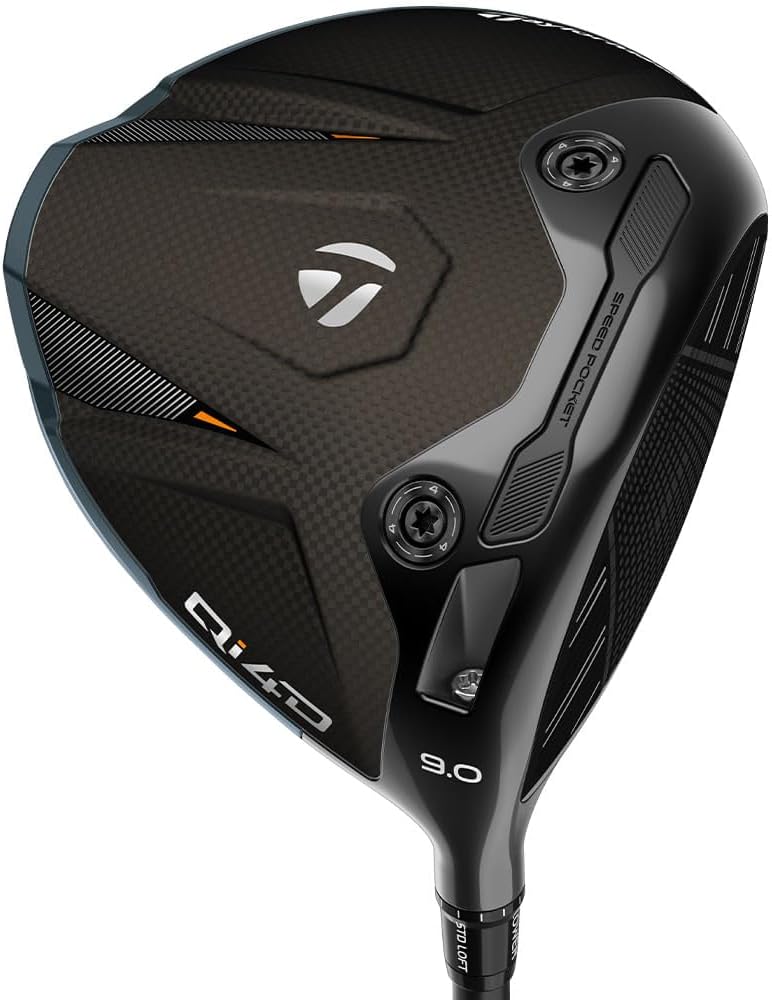
Versus
TaylorMade Qi4D vs PING G440 Max: the 2026 driver decision most golfers get backwards
Two of the year's biggest drivers, cross-shopped in every fitting bay — and most players walk in chasing the wrong thing. One wins the robot test outright; the other quietly saves more rounds. Here's which head actually belongs in your bag, and why the answer probably isn't the one you'd guess.
Opinion
What the 'longest driver of 2026' number won't tell you
Every year a chart crowns one driver the longest, and every year thousands of golfers buy the wrong club because of it.
Opinion
The most overrated gear in golf (and what to buy instead)
Golf is spectacularly good at selling you the wrong thing. Here's where the money quietly leaks out of your bag — and the unglamorous stuff that actually drops shots.