
You're playing the wrong driver loft — and it's costing you the easiest distance in golf
Most amateurs play too little loft, chasing tour spin numbers they physically can't produce, and leave yards on the tee for it. The launch data says the opposite of the range-buddy wisdom: the average golfer needs more loft than they think — and firm summer fairways move the target again.
By Jordan Hale · Equipment Writer
 Opinion
Here's a bet that pays out at almost every driving range in the country: the golfer next to you, grinding away with an 8.5-degree driver because it's what the tour players use, is leaving fifteen or twenty yards on the tee for exactly that reason. Under-lofting is the most common self-inflicted distance loss in amateur golf, and it comes from a single misunderstanding — copying the loft of players who generate spin numbers you and I simply cannot. The counterintuitive truth, and the launch data has been screaming it for years: the average golfer needs more loft, not less. On top of that, firm summer fairways quietly change what the ideal launch and spin window even is. Let's fix both, in plain English.
The tour players aren't playing what you think they are
The whole under-lofting habit rests on a belief about what the best players use, so we checked it against our own What's In The Bag records rather than repeating the range consensus. Of the 49 current tour setups we track, 47 list a driver loft. Thirty-nine of those 47 are 9 degrees or more. Only eight are under 9, and the single most common setting is a flat 9 degrees, in seventeen bags. The median tour driver in our data is 9 degrees, not 8.5.
Look further up the range and it gets worse for the myth. Nineteen of the 47 are 10 degrees or more, with 10.5 the second most popular setting in the entire dataset — thirteen bags, more than every sub-9 loft combined. These are players generating speeds you and I will never see, hitting up on the ball with fitted shafts, and they are still not playing the lofts that the bloke next to you thinks they are. The 8.5-degree head you bought to copy the tour copies almost nobody on it.
Two honest caveats. Loft on a modern adjustable driver is a starting point rather than a fixed number, so a head stamped 9 may be playing a degree either side of it, and our count reads the stated setting. And this is the 49 bags we maintain and re-verify, not every player on every tour. It is still a far better guide than the range consensus, because you can click through and check every bag it came from.
Launch, spin and attack angle — without the jargon
Three numbers decide how far your drive carries and rolls, and they're simpler than the marketing makes them sound. Launch angle is how steeply the ball leaves the face — too low and it never gets airborne enough to carry; too high with the wrong spin and it balloons. Spin rate is the backspin on the ball: high spin makes it climb and drop steeply with little roll, low spin makes it fly flatter and run — but too little spin and the ball falls out of the sky early. Attack angle is whether your clubhead is moving up or down at impact. This is the one nobody talks about and it changes everything: tour players tee off hitting up on the ball, which launches it high with low spin — the holy grail. Most amateurs hit down on their driver, which does the opposite, producing low launch and high spin, the worst combination for distance. You cannot copy a tour pro's low-loft setup unless you also copy their upward attack angle, and almost nobody at the range does.
Why more loft is the fix, not a compromise
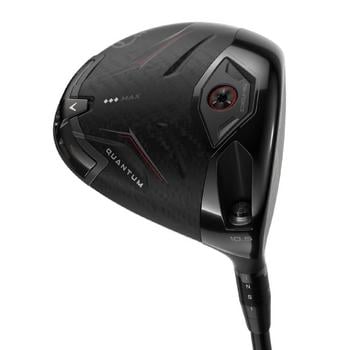
This is where it turns counterintuitive. If you deliver the club with a downward or flat attack angle — as the vast majority of golfers do — more loft doesn't just launch the ball higher, it actually helps optimise spin for your delivery, getting the ball airborne and carrying further rather than knuckling out low and dropping. The player convinced that 9 degrees keeps the ball 'penetrating and boring' is usually watching it land short of a properly launched 10.5 or 12. Higher-lofted heads also tend to be more forgiving, because the extra loft reduces sidespin and takes some of the curve out of your misses. The Callaway Quantum is a good example of the modern high-launch, high-forgiveness head, and crucially it has an adjustable hosel — you can add loft to find your window without buying anything new. That adjustability is the single most underused feature in the bag.
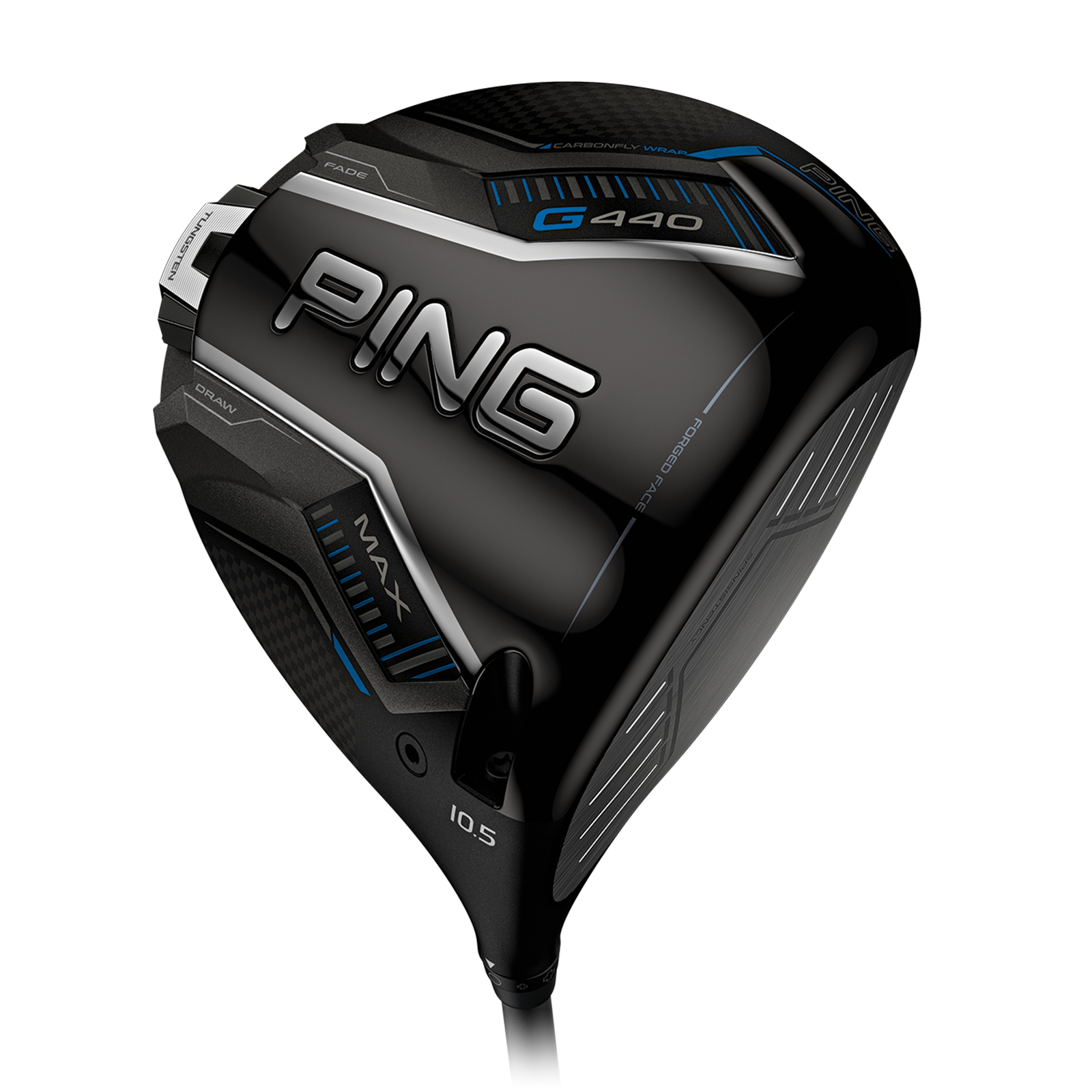
Forgiveness matters here for the same reason loft does: amateurs don't miss the centre of the face, and off-centre strikes bleed ball speed and add spin. The Ping G440 Max is the benchmark for stability — a maximum-MOI head engineered to hold ball speed on the toe-and-heel hits that real golfers actually produce, which protects both distance and dispersion on your bad ones. Pair a forgiving head with a loft that suits your attack angle and you've addressed the two biggest amateur leaks at once.
Firm summer fairways change the target
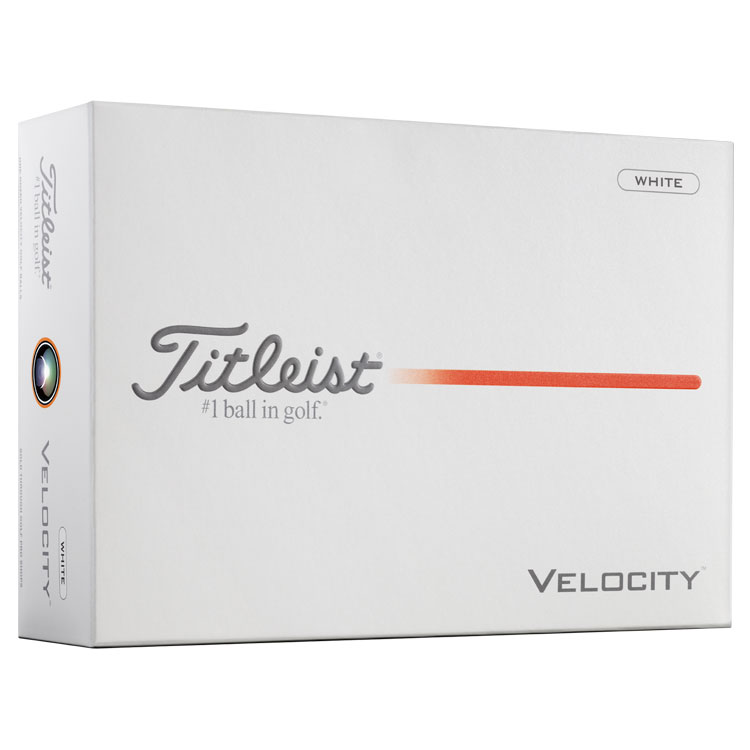
Here's the seasonal twist most loft advice ignores. In soft, wet conditions the ball plugs where it lands, so carry is nearly everything and you want to maximise it. On firm, fast summer turf — the kind the current dry spell is baking in — the ball lands and runs, sometimes for dozens of yards, so total distance rewards a slightly flatter, lower-spinning flight that hits the ground with pace and chases. The optimal window shifts: you still want enough loft to launch and carry properly, but you don't want so much spin that the ball climbs and drops dead with no roll-out. This is where the ball comes in. A low-spin, fast ball like the Titleist Velocity complements a higher-launch setup — the extra loft gets it flying, the low-spin ball keeps it from ballooning, and on firm fairways you bank the roll. Loft and ball are one system, not two decisions.
The only reliable way to get it right
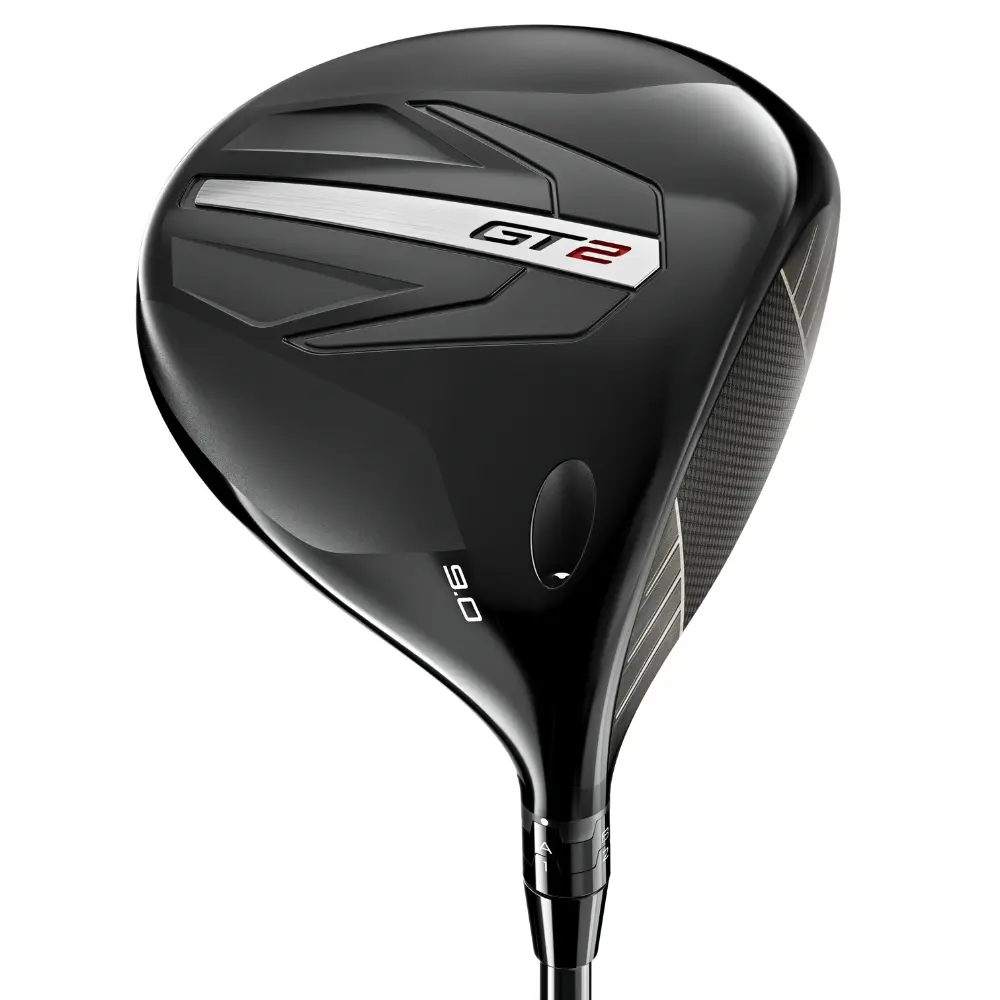
You cannot eyeball this, and the range-buddy consensus is worthless because it's built on tour numbers that don't apply to you. The one true answer is a launch monitor fitting, where a fitter reads your actual attack angle, launch and spin and matches loft to your delivery — often landing you a degree or two higher than you'd ever have chosen yourself. If a full fitting isn't in the cards, the next-best move is buying an adjustable driver with a genuinely wide loft range and testing settings yourself on a launch monitor. The Titleist GT2 is a strong pick here: easy to launch, hugely forgiving, and with an adjustable hosel that spans enough loft to find your real number rather than the one on the box. Whichever route you take, the principle holds — fit the loft to how you actually deliver the club, not to how you wish you did.
Who's already optimised and can stop reading
Not everyone needs this. If you've been through a proper launch-monitor fitting in the last couple of seasons, you already know your attack angle and your optimal window — trust it and ignore the range chatter. If you're a genuinely high-speed player who hits up on the ball and produces low spin naturally, lower loft may well be correct for you; the low-loft setup exists for a reason, it's just the wrong prescription for the majority. And if you already carry it flat and long with a flighted, running ball on firm turf, you've solved the summer problem too. Everyone else — which is most of us — is almost certainly under-lofted and giving away the easiest yards in golf. See how the current heads stack up in our best drivers guide, or browse the full field in the drivers hub.
Products mentioned in this article
Callaway
Callaway Quantum Triple Diamond Max Driver
A high-launch, high-forgiveness head with an adjustable hosel — dial loft up without buying a new club.
PING
PING G440 Max Driver
The stability benchmark: max-MOI forgiveness that holds ball speed on the toe-and-heel misses amateurs actually hit.
Titleist
Titleist GT2 Driver
Easy launch with a genuinely wide adjustable-loft range — the fitter's friend for finding your real number.
This model is no longer the current model. The current version is Titleist GTS2 Driver. Remaining stock is often discounted, so this can still be the better buy — check both prices.
Titleist
Titleist Velocity Golf Balls (Dozen)
A low-spin, fast ball that suits the higher-launch setup — so more loft doesn't cost you roll-out on firm turf.
ifrothgolf earns a commission on purchases made through these links, at no extra cost to you. It never changes what I recommend. Full disclosure.
Frequently asked
- What loft driver do tour pros actually use?
- Higher than most amateurs assume. Across the 49 current tour bags we track, 47 list a driver loft and 39 of them are 9 degrees or more. Nineteen are 10 degrees or more, and 10.5 degrees appears in thirteen bags — more than every setting under 9 degrees combined. The median is 9 degrees. The idea that tour players all game 8.5-degree heads does not survive contact with the bags themselves.
- How do I know if my driver loft is too low?
- The telltale signs are a low, weak ball flight that drops out of the air with little carry, and a downward or flat attack angle on a launch monitor. Most amateurs hit down on the driver, which needs more loft to launch and carry properly. If you chose your loft to match a tour player's number, it is very likely too low for how you actually deliver the club.
- Why do amateurs need more loft than professionals?
- Professionals tee off hitting up on the ball, which produces high launch with low spin from a lower-lofted head. Most amateurs hit down or level, producing low launch and high spin, so they need extra loft to get the ball airborne and optimise spin for their delivery. Copying a pro's low loft without their upward attack angle costs distance.
- Do firm summer fairways change the best driver setup?
- Yes. On firm, fast turf the ball lands and runs, so total distance rewards a slightly flatter, lower-spinning flight that hits the ground with pace and chases. You still want enough loft to launch and carry, but pairing it with a low-spin ball prevents ballooning and lets you bank the roll-out that soft, wet fairways would deny you.
- Is a driver fitting worth it for an average golfer?
- For most golfers it is the single best equipment decision they can make. A launch-monitor fitting reads your real attack angle, launch and spin and matches loft, shaft and head to your delivery, frequently landing you a degree or two more loft than you would choose yourself. If a full fitting is not possible, an adjustable driver tested on a launch monitor is the next-best route.
Read next
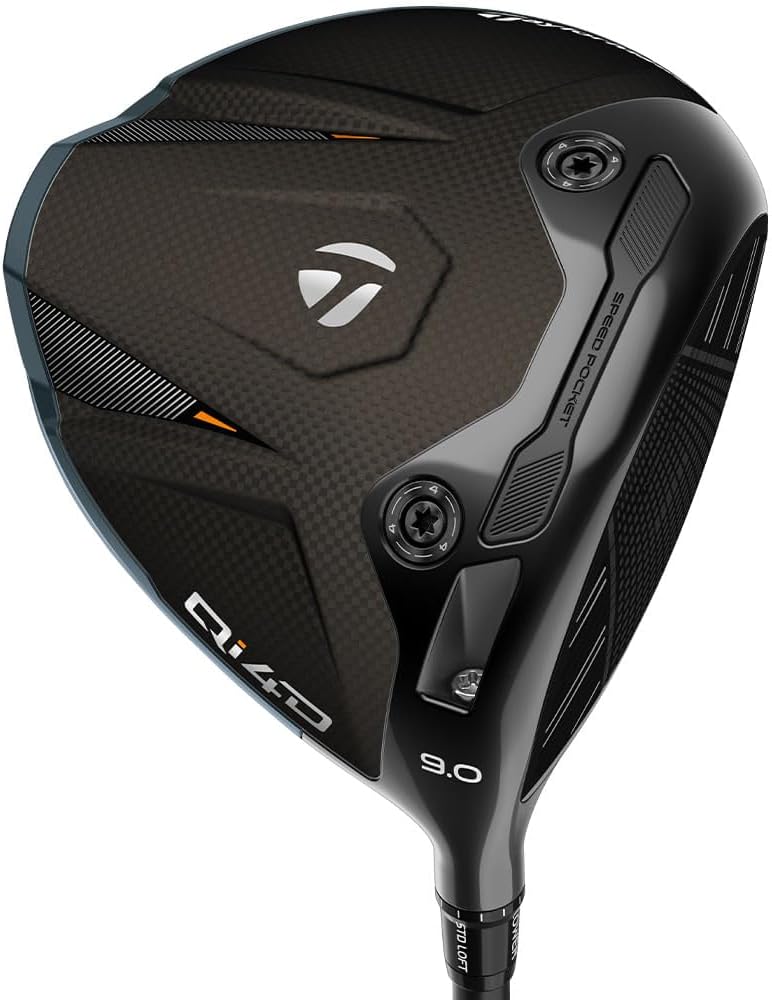
Versus
TaylorMade Qi4D vs PING G440 Max: the 2026 driver decision most golfers get backwards
Two of the year's biggest drivers, cross-shopped in every fitting bay — and most players walk in chasing the wrong thing. One wins the robot test outright; the other quietly saves more rounds. Here's which head actually belongs in your bag, and why the answer probably isn't the one you'd guess.
Opinion
What the 'longest driver of 2026' number won't tell you
Every year a chart crowns one driver the longest, and every year thousands of golfers buy the wrong club because of it.
Opinion
The most overrated gear in golf (and what to buy instead)
Golf is spectacularly good at selling you the wrong thing. Here's where the money quietly leaks out of your bag — and the unglamorous stuff that actually drops shots.