
The Golf Model Year Is Broken, and Buying New Is Now the Worst Value in the Cycle
Tour seeding has run so far ahead of retail that clubs look obsolete on television months before they get discounted in a shop. Stop shopping by model year.
By Tom Whitaker · Staff Writer
TaylorMade
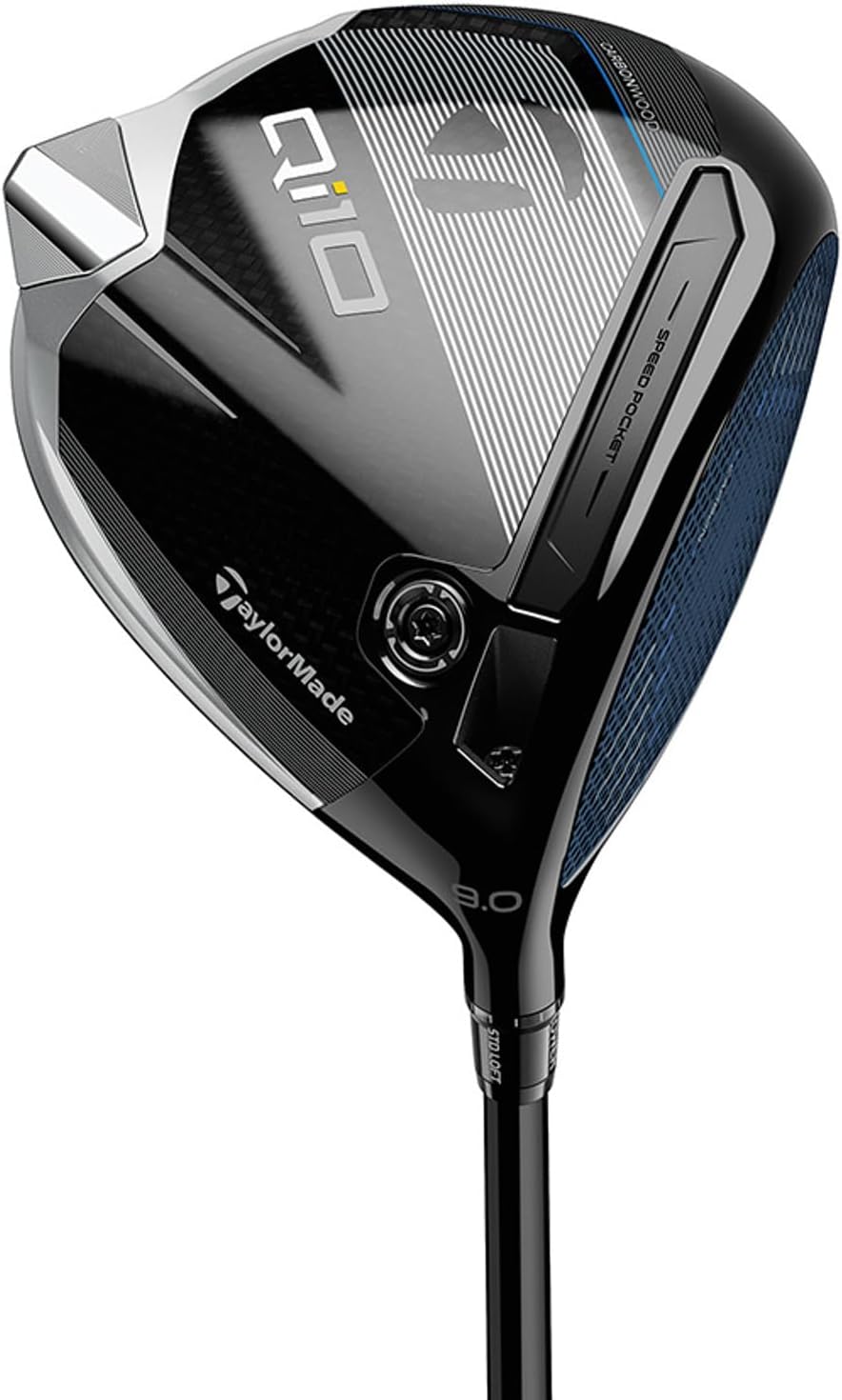
TaylorMade Qi10 Driver
ifrothgolf earns a commission on purchases made through these links, at no extra cost to you. It never changes what I recommend. Full disclosure.
On 20 July, Ryan Fox won the Open Championship at Royal Birkdale with a driver nobody can buy. The Srixon ZXi RKT LS+ has no announced retail date and no announced price; it exists, as far as the market is concerned, only as a shape on a broadcast. The day after, at the 3M Open on 21 July, Srixon put new ZXi5, ZXi7 and ZXiU irons into tour bags with no specs, no price and no launch date either. The trade press has largely filed all of it as 2027 product, which is a reasonable inference and nothing more — no manufacturer has said so.
Hold that next to what actually reached shops the same week. On 23 July, Titleist brought three products to retail: limited-edition T-Series Black Vapor irons, Vokey SM11 Black Vapor wedges and the GTS300 mini driver. Mid-summer. Not autumn, not January. We are not recommending any of them and we do not stock them; they matter here purely as evidence. Two calendars, one week, completely out of phase.
That is the story, and it changes when you should buy. The tour seeding calendar has crept so far in front of the retail calendar that a club can be visibly last-generation on Sunday afternoon television months before it is discounted anywhere you can shop. Which means buying at launch now costs you full price for a head the game's own shop window has already moved past. Buying new has quietly become the worst-value moment in the cycle.
What actually changes between generations, and what does not
Be specific about this, because the marketing never is. Driver head speed gains between consecutive generations are small and increasingly hard-won; the meaningful movements are in stability, centre-of-gravity position and how much of the face keeps the ball at speed. That is real engineering, and it accumulates over three or four generations rather than one. Between one model year and the next, the delta on your own numbers is often smaller than the delta between two shafts in the same head. The rest is sound engineering, a new crown pattern and a paint job.
The TaylorMade Qi10 is the cleanest illustration on the shelf. It was built to chase a 10,000 MOI stability target with a wide carbon face, and Scottie Scheffler kept it in the bag rather than chase every new head that came along. Nothing about that club got worse when the next thing arrived. It simply stopped being the newest thing, which is a marketing event, not a performance one.
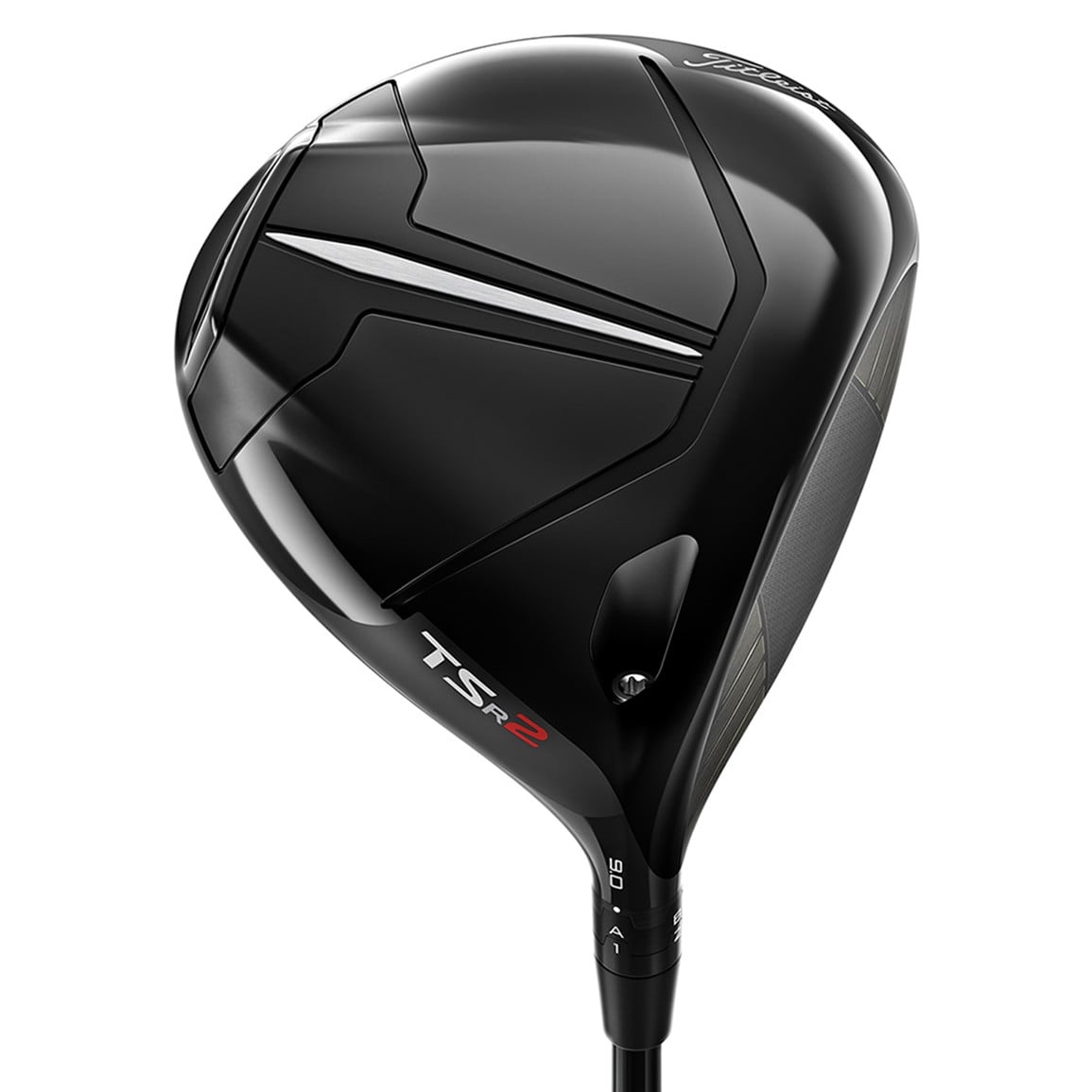
The Titleist TSR2 tells the same story from the other side of the fairway. High MOI, a variable-thickness titanium face, a SureFit hosel and adjustable CG weighting, and it was a mainstay across the PGA Tour until the next family landed. Superseded is not the same word as surpassed, and the equipment industry is extremely happy for you to conflate them.
Fairways and hybrids age slowest of anything you own
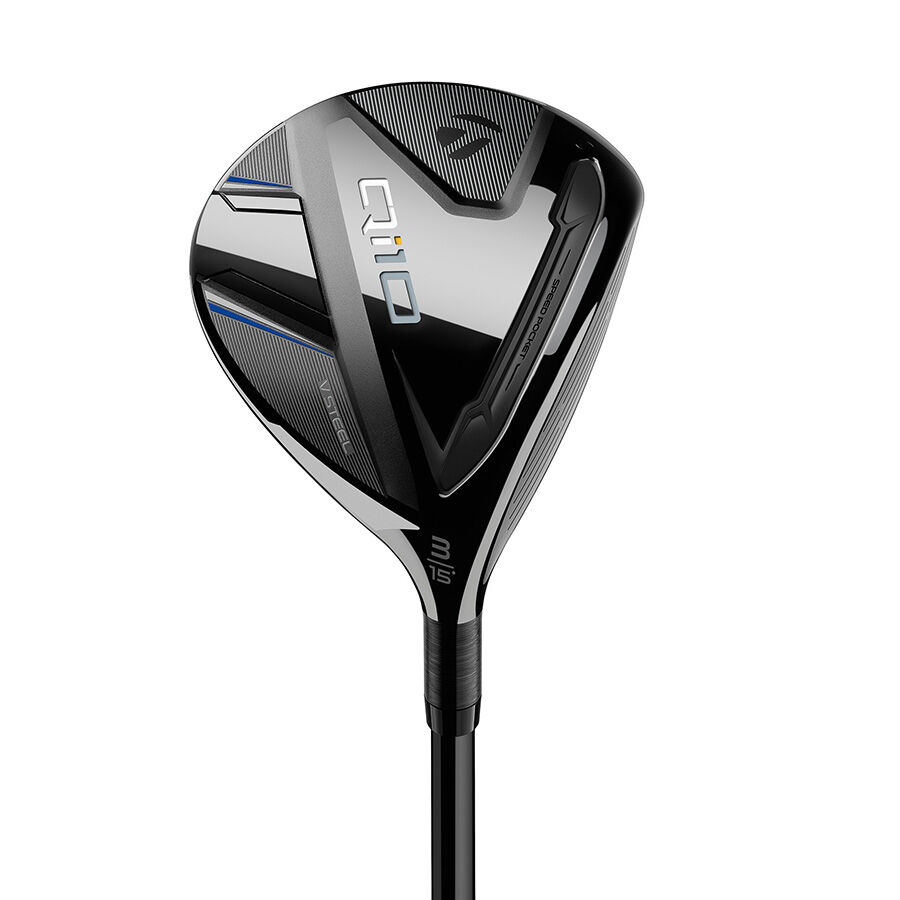
If you only take one practical rule from this: the further from the driver you get, the less model year buys you. Fairway woods and hybrids are launch-and-turf problems more than speed problems, and the solutions there have been mature for years. The TaylorMade Qi10 fairway pairs a carbon crown with a low, deep centre of gravity and an adjustable loft sleeve, which is the same recipe the current models run. Buying that a generation back is not a compromise, it is arithmetic.
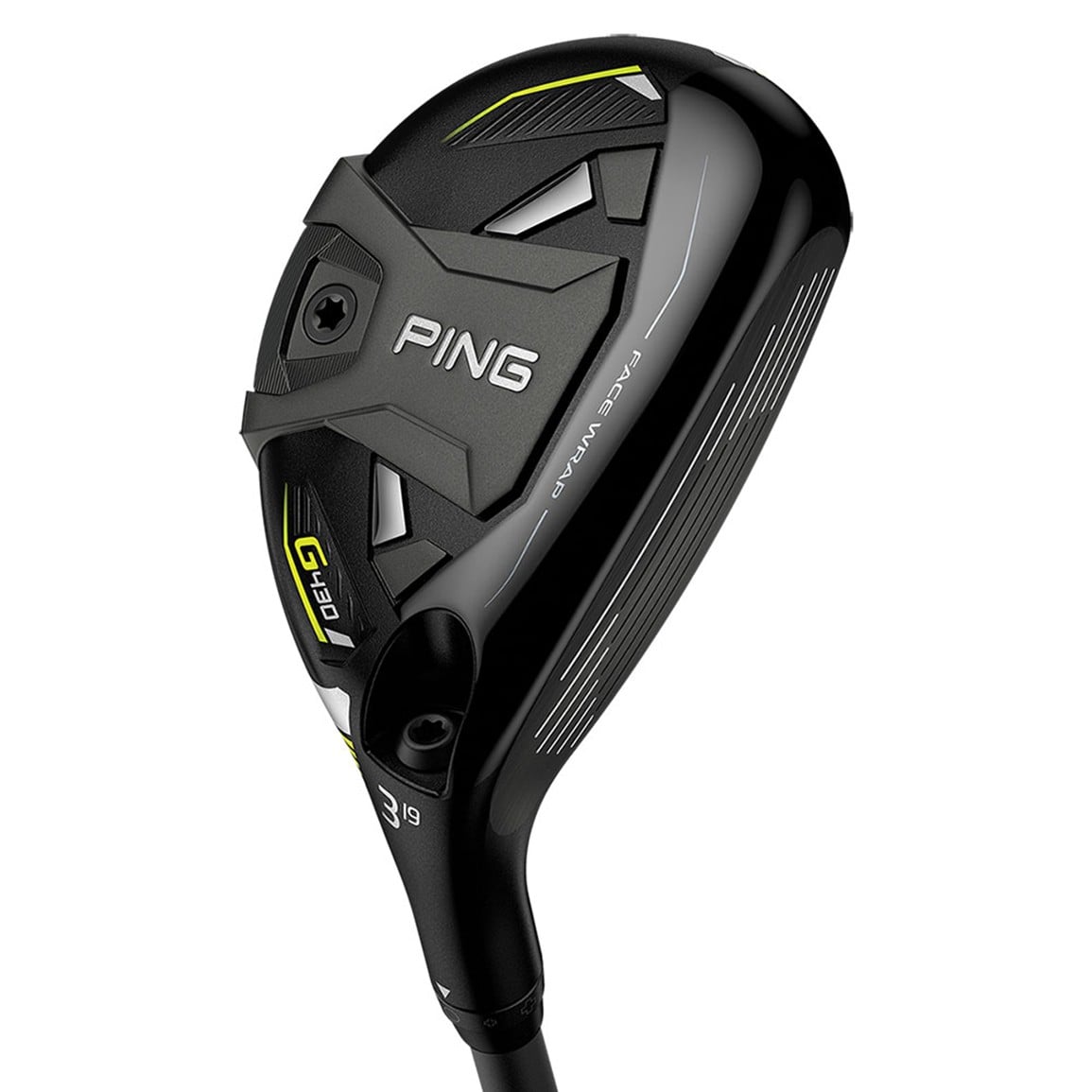
Same logic on the PING G430 hybrid, which has an adjustable hosel for tuning loft and lie, a maraging-steel Facewrap face and a profile that works from tee, turf and rough. It is one letter behind the current family. The gap between it and the newest hybrid is far smaller than the gap between a hybrid set up for your gapping and one you bought off a rack in the wrong loft.
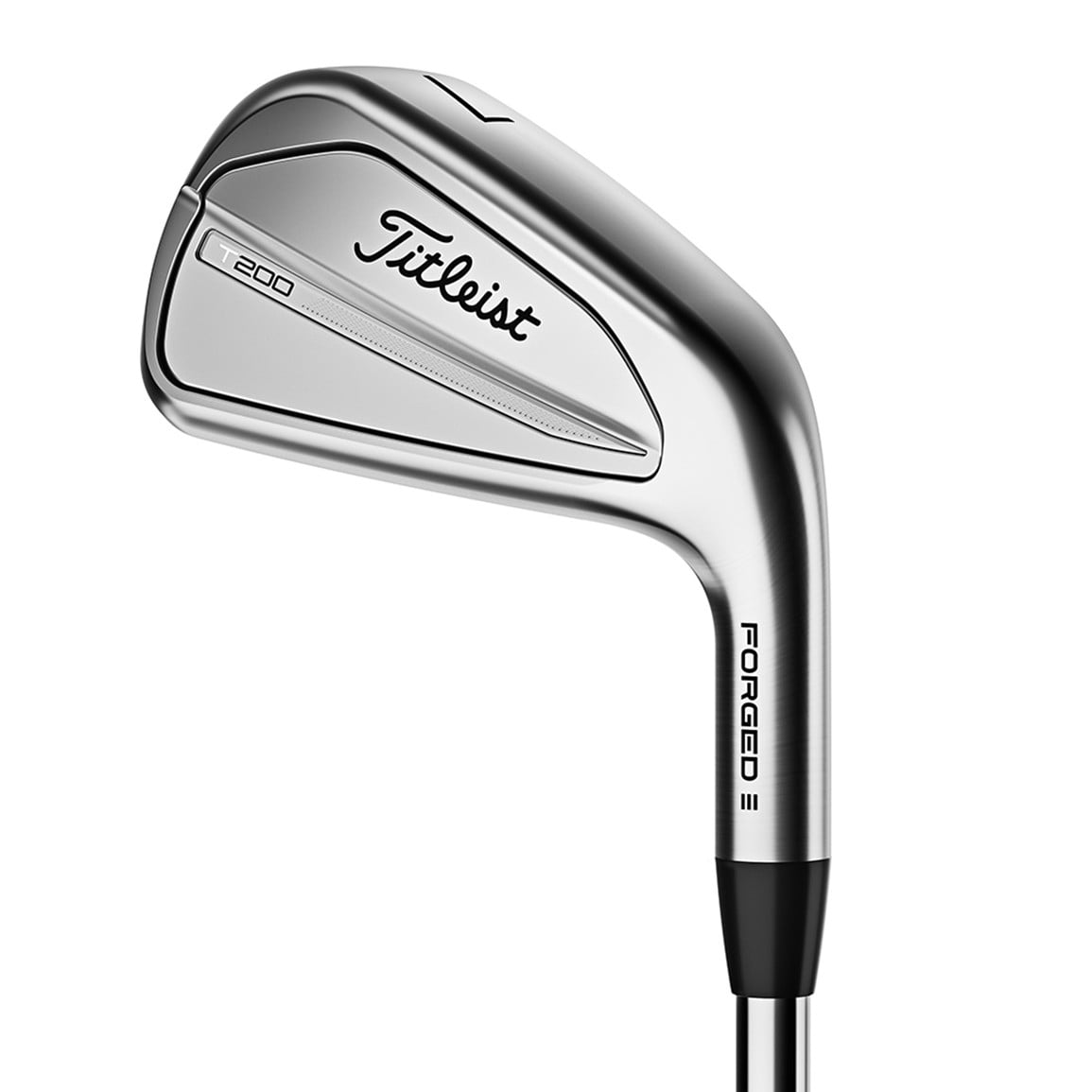
Irons are the strongest case of all, because iron performance is dominated by lofts, lie angle, shaft weight and set composition. The Titleist T200 is a players-distance iron with a forged face insert, hollow-body construction and tungsten weighting in a relatively compact head, and it will out-perform a brand-new set that is a degree flat and half an inch short for you. Every fitter reading this is nodding.
Fitting beats vintage, every time
The single most expensive mistake in golf retail is spending a premium on the newest head and nothing on the fit. Loft, lie, length, shaft weight, shaft profile and grip size move your dispersion and your launch window more than a generational head change will, and unlike a head change they are individually diagnosable on a monitor in half an hour. If your budget forces a choice — and for most people it does — take last generation plus a proper fitting over this generation off the shelf. It is not close. Start from what your gaps actually look like using our club distance calculator and you will usually find the hole in the bag is a yardage, not a year.
The cheap upgrades that beat a new driver
Three of them, and they are boring, which is why nobody sells them to you hard. First, grips. They are the only part of the club you touch, they degrade on a schedule you can feel, and the industry cheerfully keeps launching them: a new Golf Pride CP grip goes on sale globally on 4 August, announced barely a fortnight earlier, which tells you how quick and low-drama that end of the market is. A full regrip costs a fraction of a driver and changes how you hold on under pressure.
Second, the ball, because it is the only piece of equipment involved in every shot you hit and most golfers are playing whatever was in the sleeve they were given. Match spin and flight to your game rather than to the tour player on the box; our golf ball finder will narrow it down faster than a season of guessing. Third, wedge grooves. Grooves wear, spin drops off, and a tired wedge quietly turns good short-game shots into skiddy ones. Replacing your most-used wedge is the least glamorous shot-saver in golf.
Who should buy new anyway
Two groups, honestly. If you are chasing the top end of driver performance at genuinely high speed, the newest head plus a fitting is where the marginal gains live and you should go and get it — our drivers guide is the place to start. And if you want the new thing because owning the new thing is part of the fun, that is a perfectly legitimate reason to spend your own money, and nobody needs a spreadsheet to justify it.
Everyone else should stop treating a model number as a performance figure. Buy on fit, buy a generation back, spend the difference on grips, a ball that suits you and a wedge with fresh grooves. The tour calendar and the shop calendar have come apart, and the golfer who ignores both is the one getting the best deal. If you want a sense of what is genuinely worth owning across the bag rather than what is newest, start with our clubs coverage.
Products mentioned in this article
TaylorMade
TaylorMade Qi10 Driver
A 10K-MOI driver good enough for Scheffler, now sitting a generation back on the shelf.
Titleist
Titleist TSR2
Superseded, not surpassed — the high-MOI Titleist head that was everywhere on tour.
TaylorMade
TaylorMade Qi10 Fairway
Fairway woods age slowest of anything in the bag; this is the case in point.
ifrothgolf earns a commission on purchases made through these links, at no extra cost to you. It never changes what I recommend. Full disclosure.
Frequently asked
- When is the best time of year to buy golf clubs?
- There is no longer a reliable season, which is the point. Titleist brought new irons, wedges and a mini driver to retail on 23 July 2026, in the middle of summer, while Srixon was seeding unreleased drivers and irons on tour the same month. Watch for the moment a model gets replaced rather than a month on the calendar.
- Is last year's driver as good as this year's?
- For most golfers, close enough that a fitting matters more. Generational gains in driver speed are small and hard-won, while stability and centre-of-gravity improvements accumulate over several generations rather than one. A previous-generation head fitted properly will usually beat a current head bought off the rack.
- How often should you actually replace your driver?
- Think in three-or-four-generation steps rather than annually, unless something in your swing or speed has changed. The exception is if you are a high-speed player chasing the last few yards, where the newest heads and shaft options genuinely matter. Grips and wedges need replacing far more often than drivers do.
- Should I wait for the next model to be announced before buying?
- Only if you want the newest thing for its own sake. Waiting for an announcement usually means paying full price at launch, which is the most expensive moment in the cycle. Waiting for a model to be replaced, then buying the outgoing head with a fitting, is where the value sits.
Read next
Versus
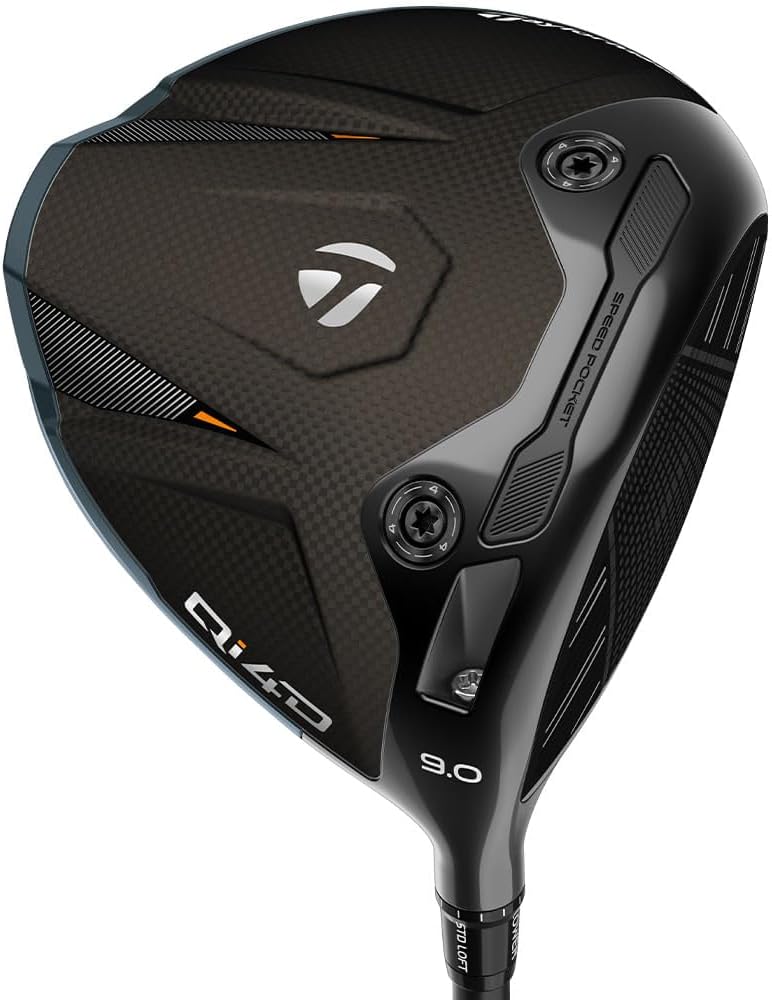
TaylorMade Qi4D vs PING G440 Max: the 2026 driver decision most golfers get backwards
Two of the year's biggest drivers, cross-shopped in every fitting bay — and most players walk in chasing the wrong thing. One wins the robot test outright; the other quietly saves more rounds. Here's which head actually belongs in your bag, and why the answer probably isn't the one you'd guess.
Opinion
What the 'longest driver of 2026' number won't tell you
Every year a chart crowns one driver the longest, and every year thousands of golfers buy the wrong club because of it.
Opinion
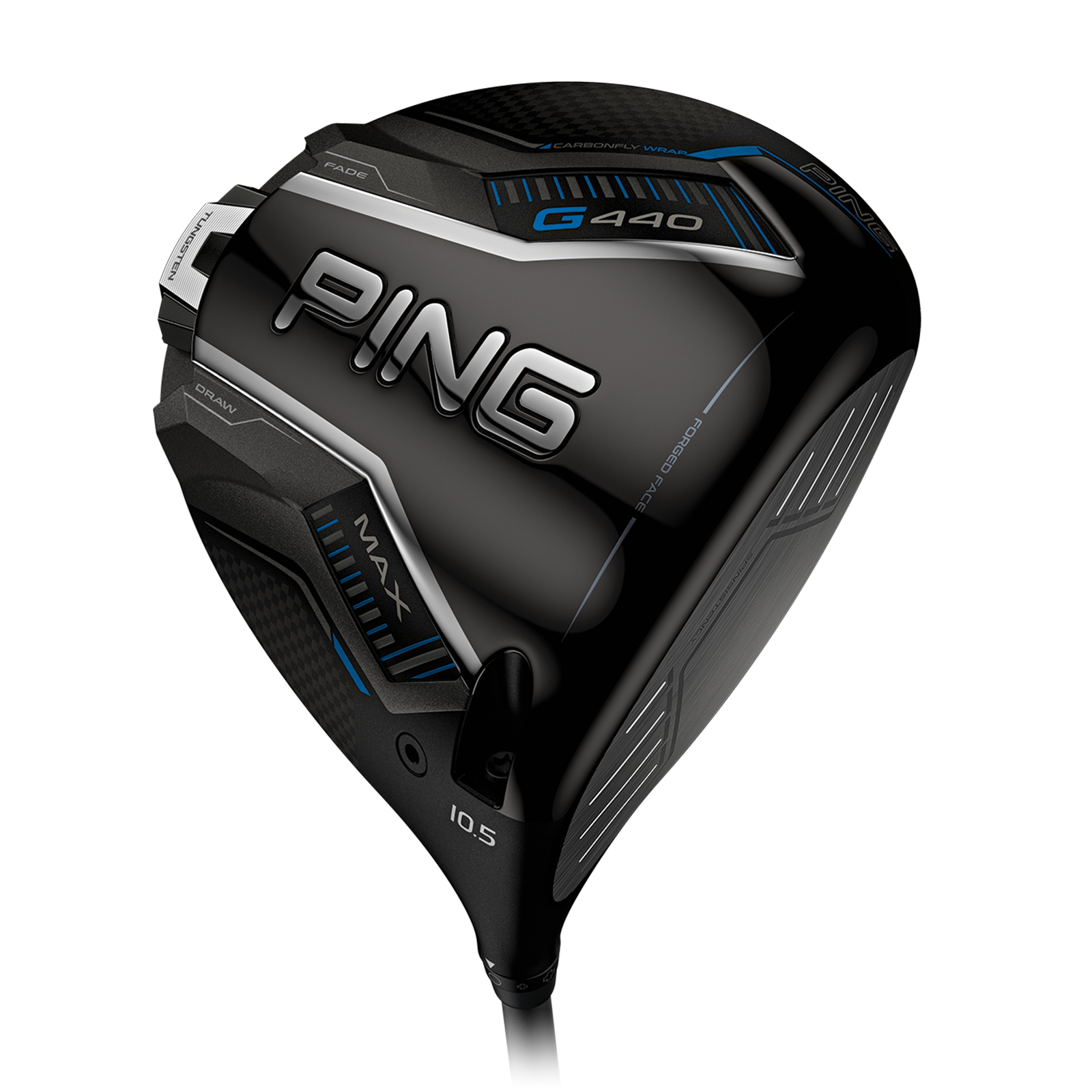
The most overrated gear in golf (and what to buy instead)
Golf is spectacularly good at selling you the wrong thing. Here's where the money quietly leaks out of your bag — and the unglamorous stuff that actually drops shots.